Montjuïc Hill & Castle
#8من أصل 9 مكانًا للزيارة في BarcelonaBarcelona, Catalonia, Spain
يُعرف أيضًا باسم Castell de Montjuïc
إجابة سريعة
ساعات العمل: 10:00–20:00 and 10:00–18:00. رسوم الدخول: €12. خصّص 2 hrs. أفضل وقت: Late afternoon.
آخر تحديث · أعدّه Traveliac، بمساعدة الذكاء الاصطناعي · 4 دقيقة قراءة
- ساعات العمل
- 10:00–18:00
- Castle: daily 10:00–20:00 (April–October); 10:00–18:00 (November–March)
- رسوم الدخول
- €12
- التذكرة تبدأ من
- الوقت اللازم
- 2 hrs
- أفضل وقت في اليوم
- Late afternoon
- أفضل الأشهر
- Apr – Jun, Sep – Oct
- العنوان
- Carretera de Montjuïc, 66, 08038 Barcelona, Spain
عن Montjuïc Hill & Castle
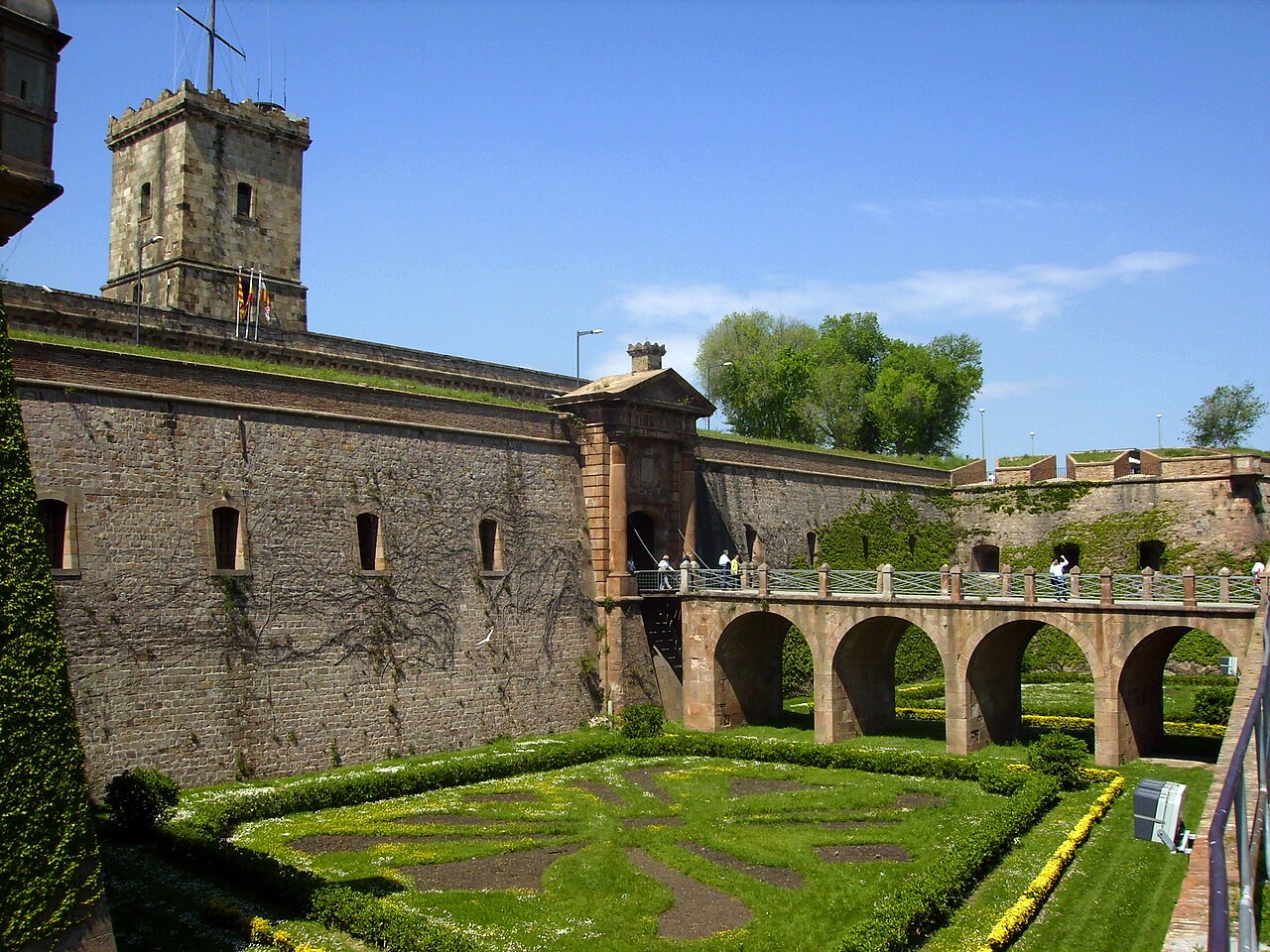
Montjuïc rises 173 metres above Barcelona's harbour, a hill whose name most historians trace to the Catalan for "Jewish Mountain" (Mont Juïc), referencing a historical Jewish cemetery once located on its slopes, though an alternative and less-supported theory links it to the Latin Mons Jovis (Mount of Jupiter). The hilltop fortress, Montjuïc Castle, dates in its current form largely to the 17th and 18th centuries, built in star-shaped bastion fortification style over an earlier 1640 watchtower, and its thick sandstone ramparts and dry moat were designed to withstand both naval bombardment from the harbour and land assault from the city side. Beyond the castle, the hill carries the bulk of Barcelona's 1929 International Exposition architecture, including the Palau Nacional (now home to the Museu Nacional d'Art de Catalunya) and the Poble Espanyol open-air architectural showcase, plus the 1992 Olympic Ring's main stadium and Bernat Picornell pool. The Telefèric de Montjuïc cable car, a separate paid attraction from the castle entry ticket, carries visitors over pine woods between the upper funicular station and the castle gates.
أفضل وقت في اليوم: Late afternoon. Roughly two hours before sunset, for the castle ramparts' harbour view and cooler walking conditions on the hill's outdoor paths.
مواعيد Montjuïc Hill & Castle
- ساعات العمل
- 10:00–18:00
Mon–Sun 10:00–20:00 and 10:00–18:00 - Castle: daily 10:00–20:00 (April–October); 10:00–18:00 (November–March)
- يُغلق يوم
- مفتوح كل يوم
من المفيد معرفته: Last entry 30 minutes before closing.
تم جمع ساعات العمل من ajuntament.barcelona.cat والسجلات العامة، وآخر تحديث في . قد تتغيّر دون إشعار مسبق — تأكد منها قبل السفر. كيف نكتب هذه الأدلة
سعر تذكرة Montjuïc Hill & Castle
| التذكرة | السعر |
|---|---|
| تذكرة عادية | €12 |
| تخفيض (طلاب / كبار السن) | €8 |
| الأطفال | مجاني |
Montjuïc Castle entry is €12 for adults, €8 reduced rate, as of 2026; under-8s enter free. Entry is free every Sunday after 15:00 and on the first Sunday of each month. The hill's parks, gardens, and outdoor viewpoints outside the castle are free at all times.
تم جمع الأسعار من ajuntament.barcelona.cat والسجلات العامة، وآخر تحديث في . قد تتغيّر دون إشعار مسبق — تأكد منها قبل السفر. كيف نكتب هذه الأدلة
أفضل وقت لزيارة Montjuïc Hill & Castle
- Quiet
- Moderate
- Busy
10:00 – 12:00
Morning OpeningBest time to go
Castle ramparts and exhibition rooms are quiet; cable car queue at the base station is shortest of the day.
Quiet12:00 – 15:00
Midday
Visitor numbers build steadily; cable car queues lengthen on clear days with harbour visibility.
Moderate15:00 – 18:00
Afternoon Peak
Free-entry Sunday crowds concentrate here; cable car and funicular both see their heaviest use of the day.
Busy18:00 – close
Late Afternoon
Crowds ease; harbour and city views from the ramparts benefit from lower sun angle and cooler temperatures.
Moderate
تاريخ Montjuïc Hill & Castle
Montjuïc's fortification history predates the current castle by centuries; a watchtower stood on the summit from at least the medieval period, formalised into an initial fort structure in 1640 during the Reapers' War, a Catalan revolt against the Spanish crown. The fortress was rebuilt and substantially expanded across the 17th and 18th centuries under both Habsburg and Bourbon rule, cementing its role as a strategic point controlling the harbour and the city below.
The castle's history is darker than its scenic ramparts suggest: it served as a military prison and execution site across multiple periods of Spanish and Catalan political conflict, including the aftermath of the Spanish Civil War (1936–1939), when Catalan president Lluís Companys was executed here by firing squad in 1940 under Franco's regime — a fact the current municipal-run exhibition inside the castle addresses directly rather than glossing over. Barcelona City Council took over management of the site from the Spanish military in 2007, converting it from a closed military installation into a public cultural and historical site with exhibition space addressing this contested past.
القواعد والآداب في Montjuïc Hill & Castle
The castle's exhibition on its use as a prison and execution site includes graphic historical material; the presentation is treated by the city as an act of public memory rather than a sanitised tourist attraction, and visitors should expect a more sober tone than the panoramic ramparts outside might suggest. Photography is permitted throughout, including on the ramparts, though drone use requires separate municipal authorisation.
The hill's paths between attractions are steep in sections; the funicular and cable car both provide step-free alternatives to walking, and the cable car in particular is worth booking or timing around, since queues for it can run 30–45 minutes on clear-weather afternoons in summer.
نصائح لزيارة Montjuïc Hill & Castle
- 1
Free entry after 15:00 on Sundays and on the first Sunday of every month is a genuine saving worth planning around if travel dates are flexible, though these free slots draw larger crowds than a paid weekday visit. The combination of funicular (included in standard metro fare) plus the separately ticketed cable car is the least strenuous way to reach the castle from Paral·lel metro, avoiding a roughly 25-minute uphill walk.
- 2
Montjuïc rewards a half-day rather than a quick stop: pairing the castle with the free Jardins de Mossèn Costa i Llobera cactus garden on the seaward slope, or the Fundació Joan Miró museum near the Olympic Ring, makes better use of the hill's cable car and funicular infrastructure than a single-attraction visit.
كيفية الوصول إلى Montjuïc Hill & Castle
Carretera de Montjuïc, 66, 08038 Barcelona, Spainالاتجاهات في خرائط Google
من Barcelona-El Prat Airport (BCN)
9 km · 20–30 min
Approx. €20–€28 taxi
من Paral·lel metro station
2.5 km · 20–25 min total
Funicular included in standard metro fare (€2.55); cable car approx. €14.30 return
من Plaça Espanya
3.5 km · 20 min
€2.55 single bus fare
أقرب مطار
من Barcelona-El Prat Airport (BCN)
9 km, approximately 20–30 minutes by taxi.
أقرب محطة
من Paral·lel metro station (L2/L3), connecting to the Montjuïc funicular, then the cable car (Telefèric de Montjuïc) to the castle.
الأسئلة الشائعة عن Montjuïc Hill & Castle
How much does it cost to enter Montjuïc Castle?
€12 for adults and €8 for the reduced rate, as of 2026. Entry is free every Sunday after 15:00 and on the first Sunday of each month, and children under 8 always enter free.
What is the dark history of Montjuïc Castle?
The castle served as a military prison and execution site across multiple periods of conflict, including the execution of Catalan president Lluís Companys by firing squad in 1940 under Franco's regime. The current municipal exhibition addresses this history directly rather than omitting it.
Is the cable car to Montjuïc Castle included in the entry ticket?
No. The Telefèric de Montjuïc cable car is a separately ticketed attraction from the castle entry fee, costing roughly €14.30 return as of 2026. The Montjuïc funicular, by contrast, is included in the standard metro fare.
What else is on Montjuïc hill besides the castle?
The hill also holds the Palau Nacional (Museu Nacional d'Art de Catalunya), the Poble Espanyol architectural showcase, the 1992 Olympic Ring stadium and pool, the Fundació Joan Miró museum, and several free public gardens including the seaward cactus garden.
أُعدّ بمساعدة الذكاء الاصطناعي من مصادر رسمية وسجلات عامة، ونُشر فقط بعد عمليات التحقق الموضحة في كيف نكتب هذه الأدلة. لم يزر أحد من فريق Traveliac هذا المكان شخصيًا. آخر تحديث في . كيف نصنّف الأماكن ونتحقق منها