Rajasthan travel guide
Top 10 Places to Visit in Jaipur
Also known as Pink City · Third Eye of Rajasthan
Jaipur was conceived in 1727 not as a capital city that grew organically, but as a deliberate act of Enlightenment-era urban planning.
Updated ·Compiled by Traveliac, AI-assisted ·How we rank
- Best time
- Oct – Mar
- Time needed
- About 3 days
- 17 hours of sightseeing
- Fly into
- Jaipur International Airport (JAI)
- Nearest station
- Jaipur Junction (JP)
- Free to enter
- 3 of 10
Top things to do in Jaipur
Ranked on five published criteria- 1
Fort
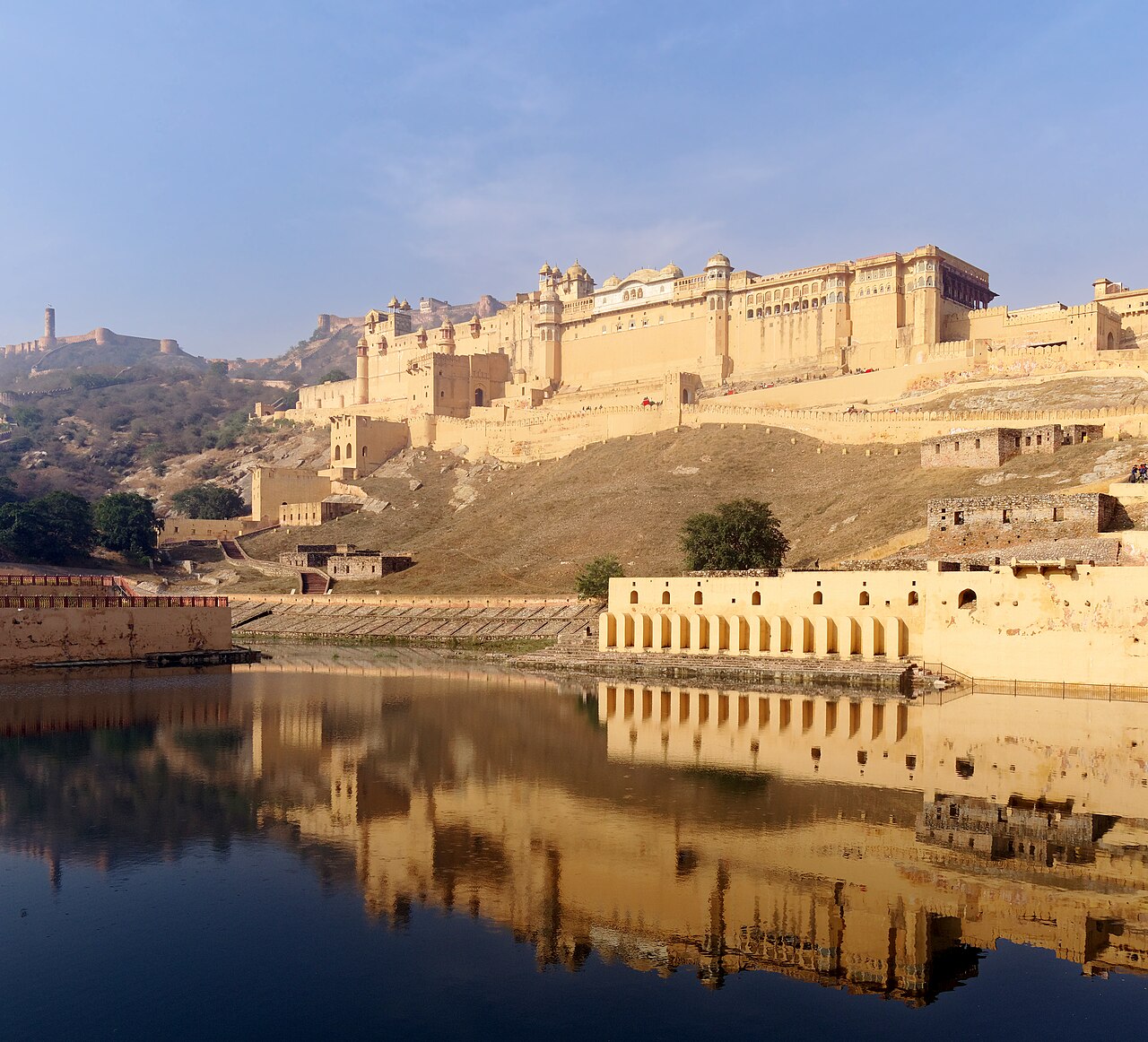
Amber Fort & Palace
Amber Fort rises over the Aravalli ridge above Maota Lake in a sequence of ochre-yellow sandstone ramparts that took three Rajput dynasties and 150…
3 hrs₹100 Indian
 2
2Palace
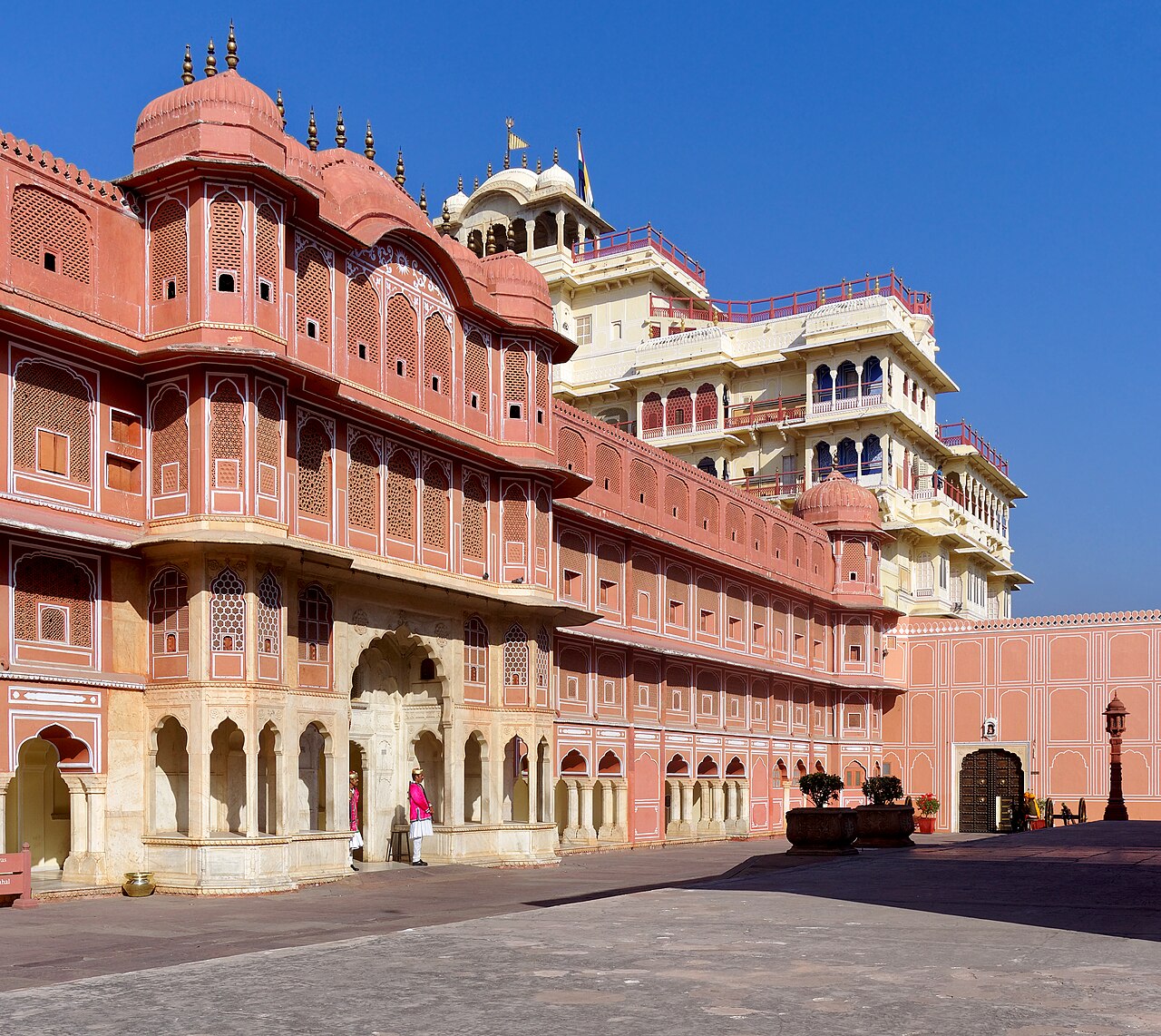
City Palace Jaipur
The City Palace occupies roughly one-seventh of the walled Pink City's original grid, a scale that is easy to underestimate from the street because…
2 hrs₹400 Indian
 3
3Palace
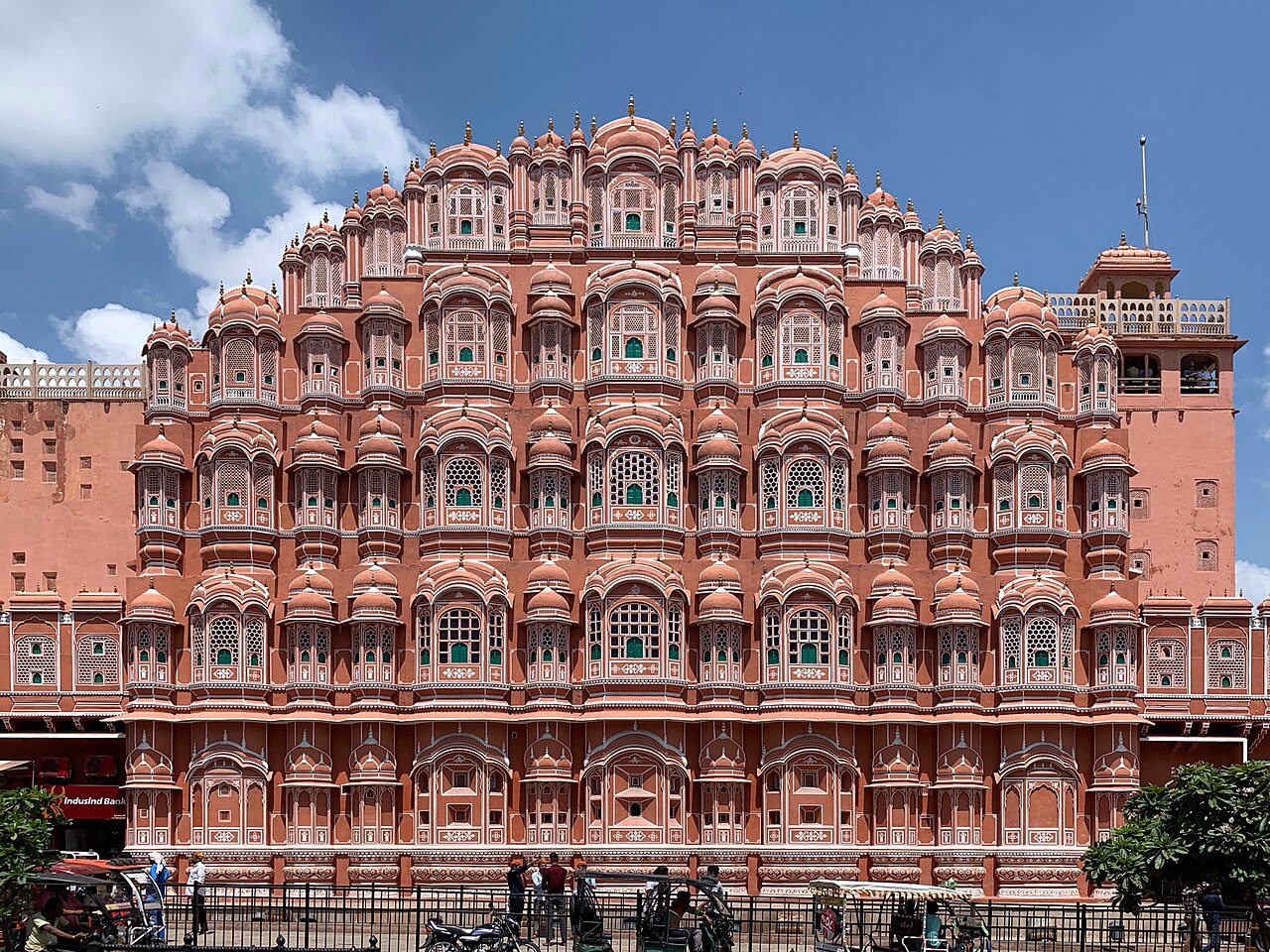
Hawa Mahal
Hawa Mahal's façade onto Siredeori Bazaar is 15 metres tall, 30 metres wide, and contains 953 individual jharokha windows — each one a distinct…
1 hr₹50 Indian
 4
4Heritage
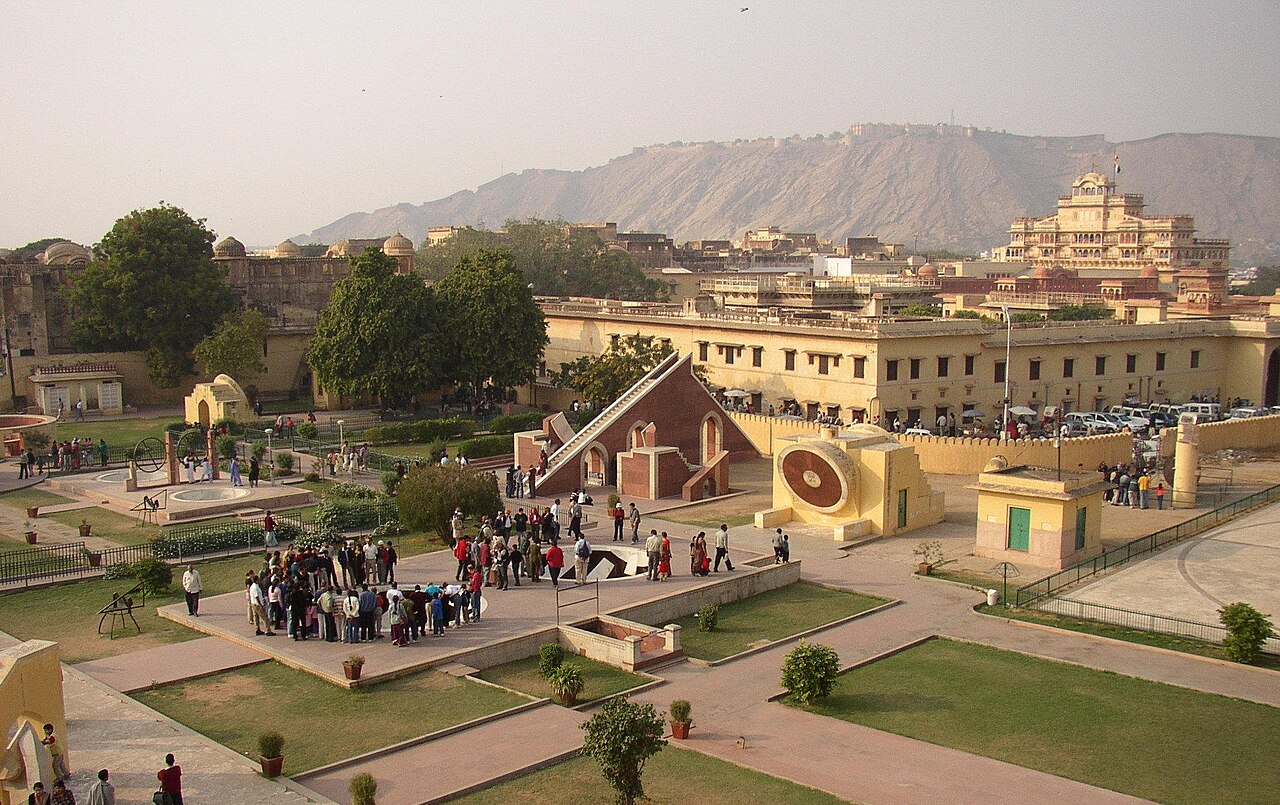
Jantar Mantar
Jantar Mantar reads, at first glance, like an abstract sculpture garden — a field of oversized stone and marble geometric forms with no obvious…
1.5 hrs₹50 Indian
 5
5Fort
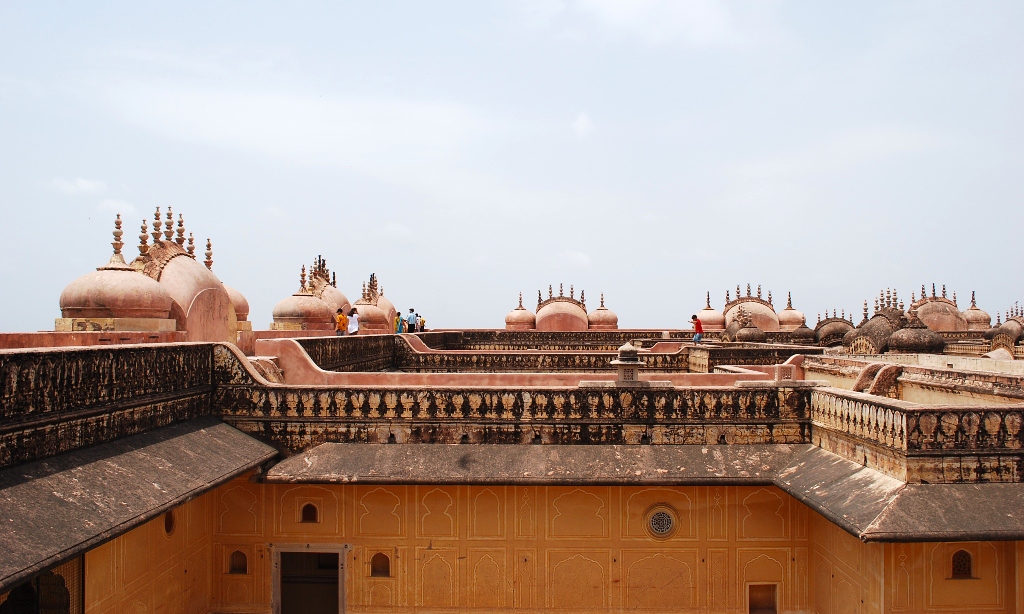
Nahargarh Fort
Nahargarh sits directly on the Aravalli ridgeline overlooking the walled city, close enough to Jaipur's grid that on a clear winter morning you can…
2.5 hrs₹50 Indian
 6
6Museum
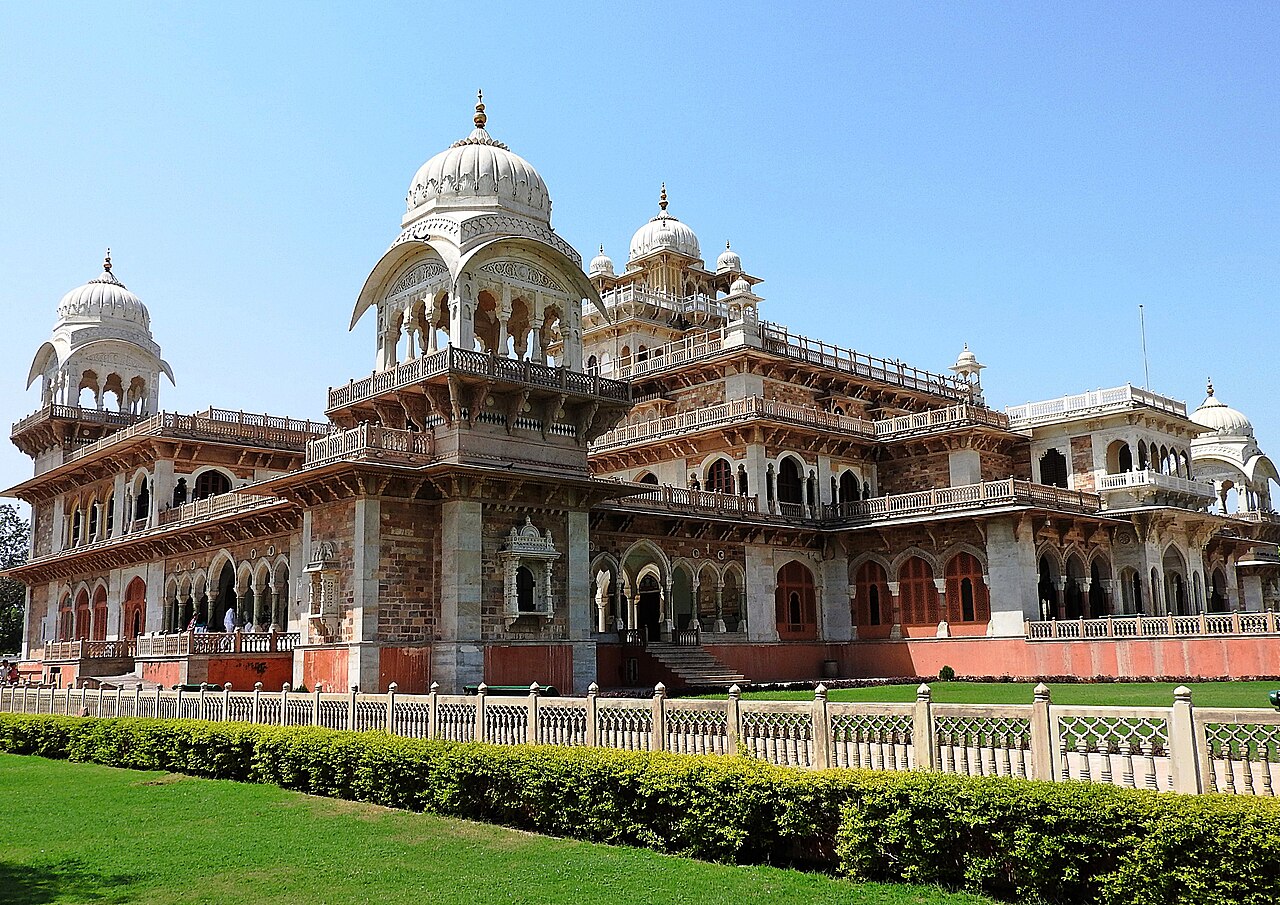
Albert Hall Museum
Albert Hall stands in the middle of Ram Niwas Garden as the most architecturally deliberate colonial-era building in Jaipur — a symmetrical, domed…
1.5 hrs₹40 Indian
 7
7Fort
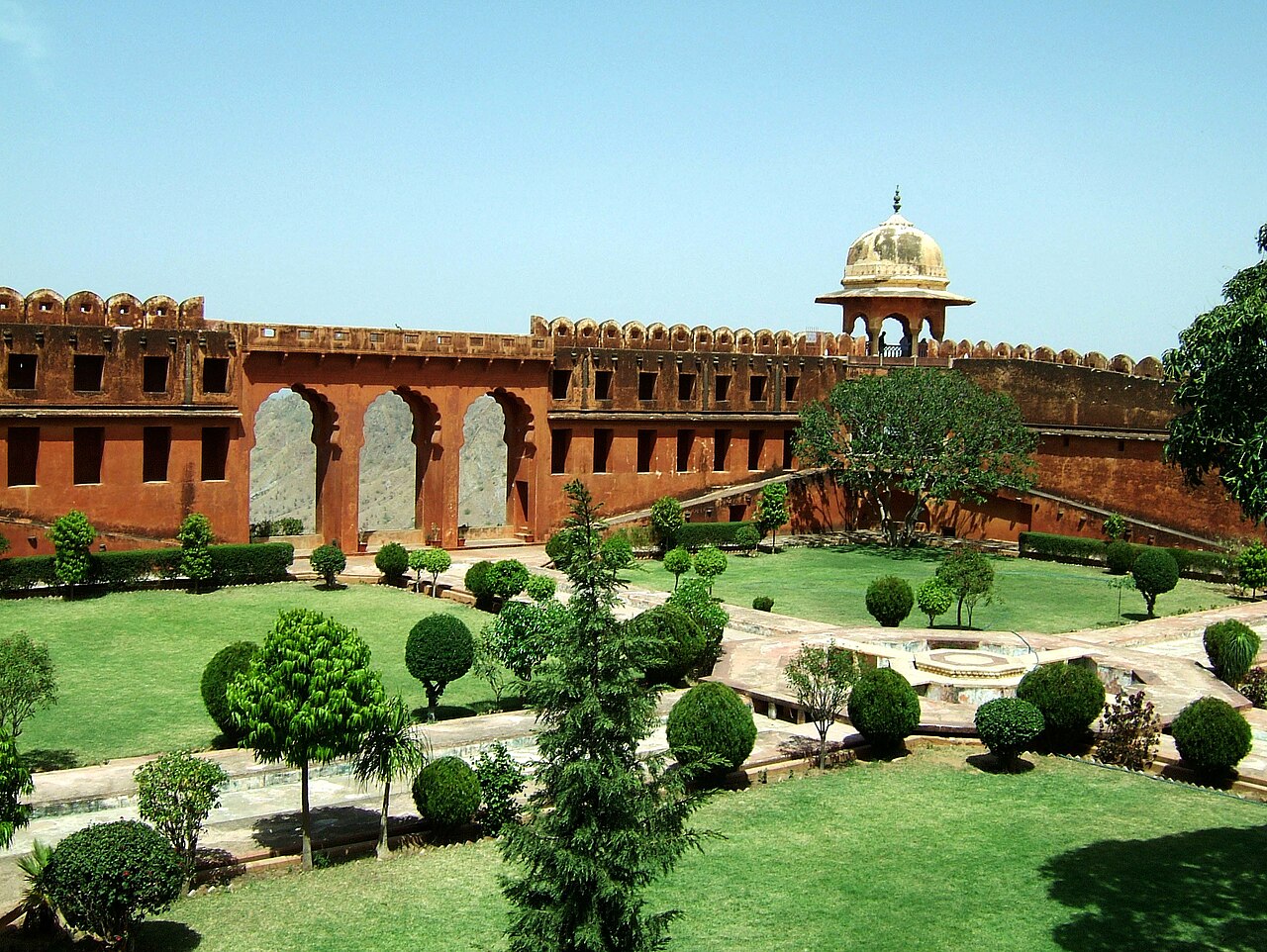
Jaigarh Fort (Jaivana Cannon)
Jaigarh was built as a working arsenal, not a residence, and it reads that way — the ramparts are thicker, the courtyards are wider and emptier, and…
2 hrs₹35 Indian
 8Free entry
Heritage
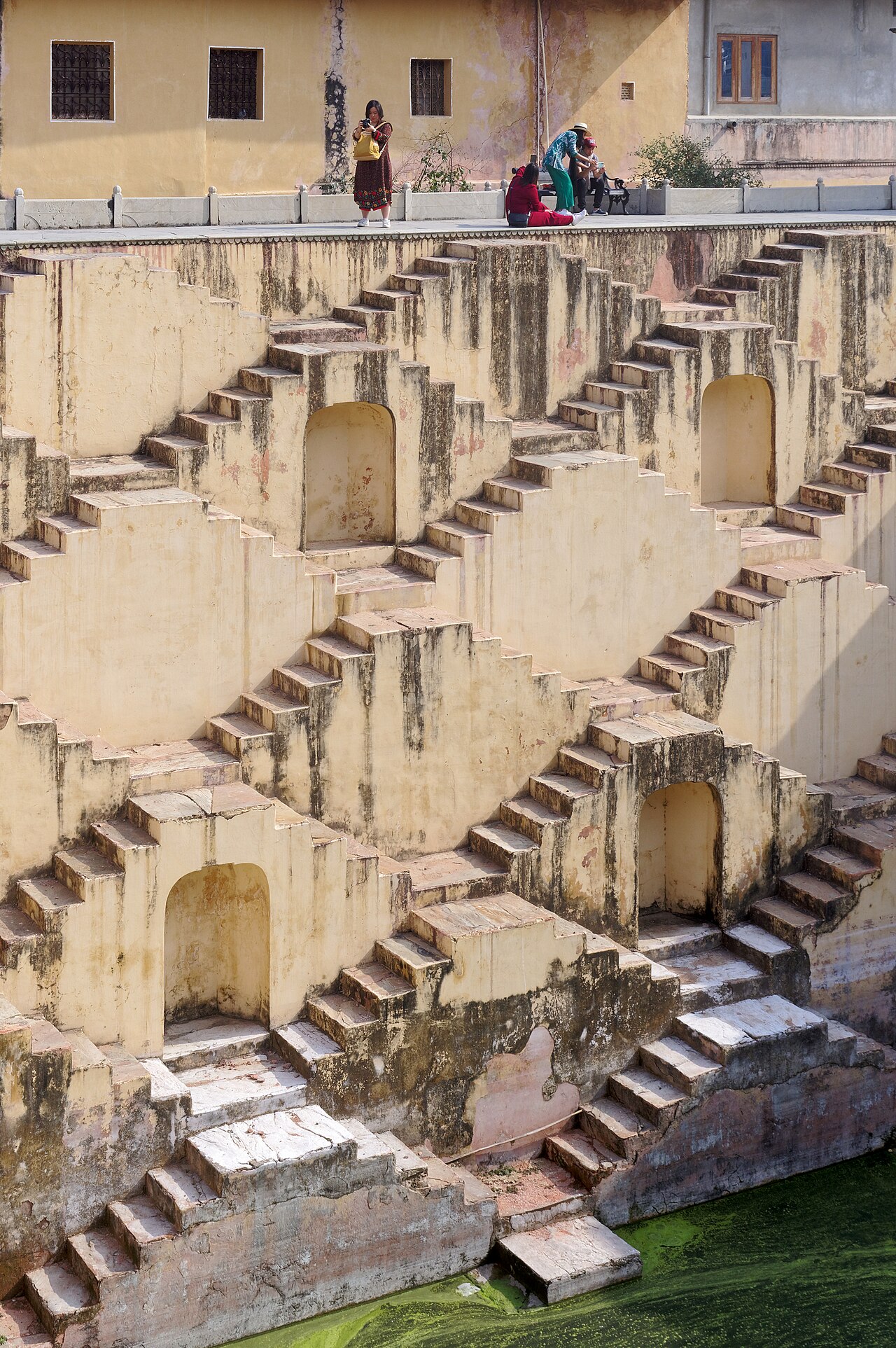
Panna Meena Ka Kund
Panna Meena Ka Kund is a compact, deep square stepwell whose defining feature is symmetry — unlike Abhaneri's famous Chand Baori, whose staircases…
30 min
 9Free entry
Palace
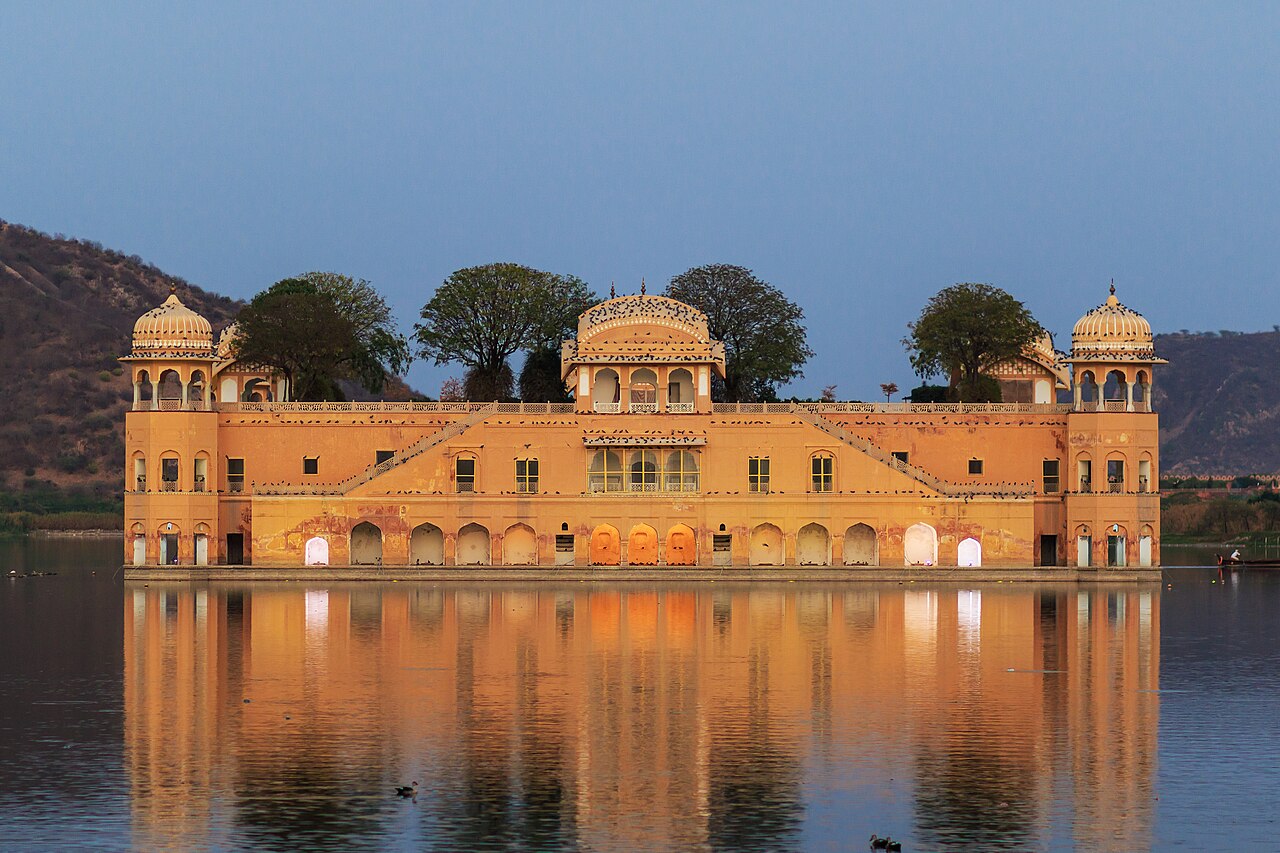
Jal Mahal (Water Palace)
Jal Mahal is a five-storey red sandstone palace that appears, from the embankment, to float with only its top floor above the waterline — four of its…
45 min
 10Free entry
Temple
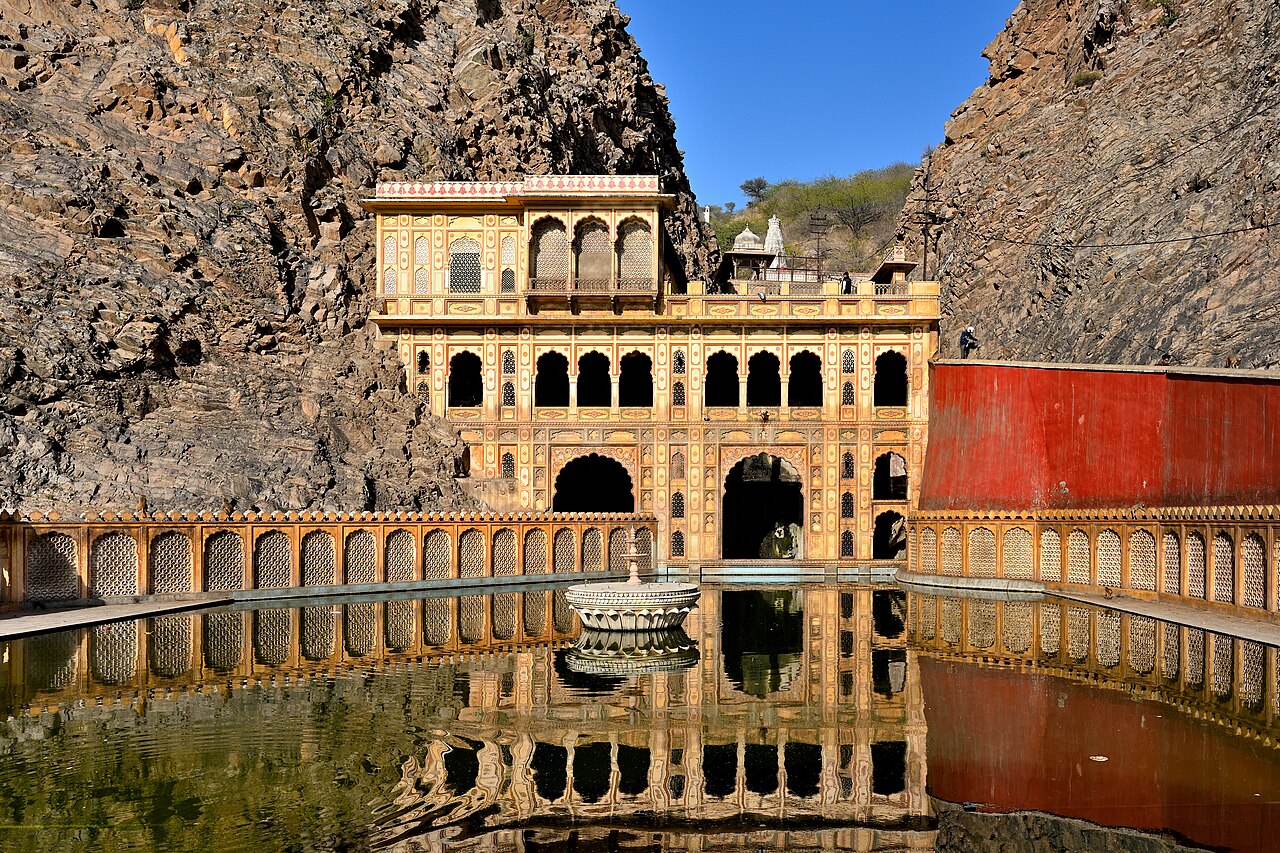
Galta Ji (Monkey Temple & Sun Temple)
Galta Ji occupies a narrow defile in the Aravalli hills east of Jaipur, a landscape of pink-grey granite outcrops where natural springs have fed a…
2 hrs
Also worth your time
 11Free entry
Temple
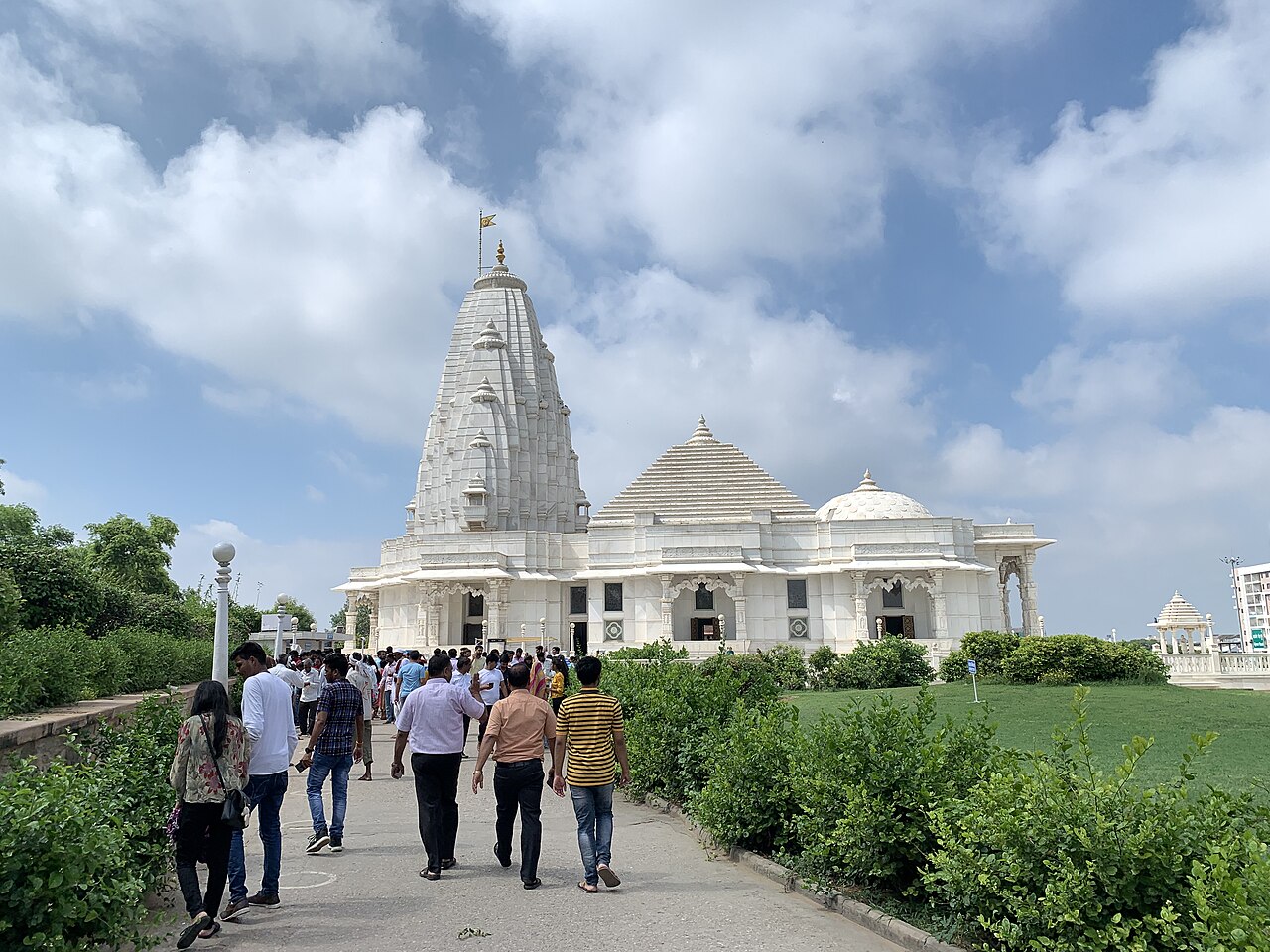
Birla Mandir (Laxmi Narayan Temple)
Birla Mandir sits at the base of Moti Dungri hill, its three domes and clean geometric facade built entirely in white Makrana marble — the same…
45 min
 12
12Palace
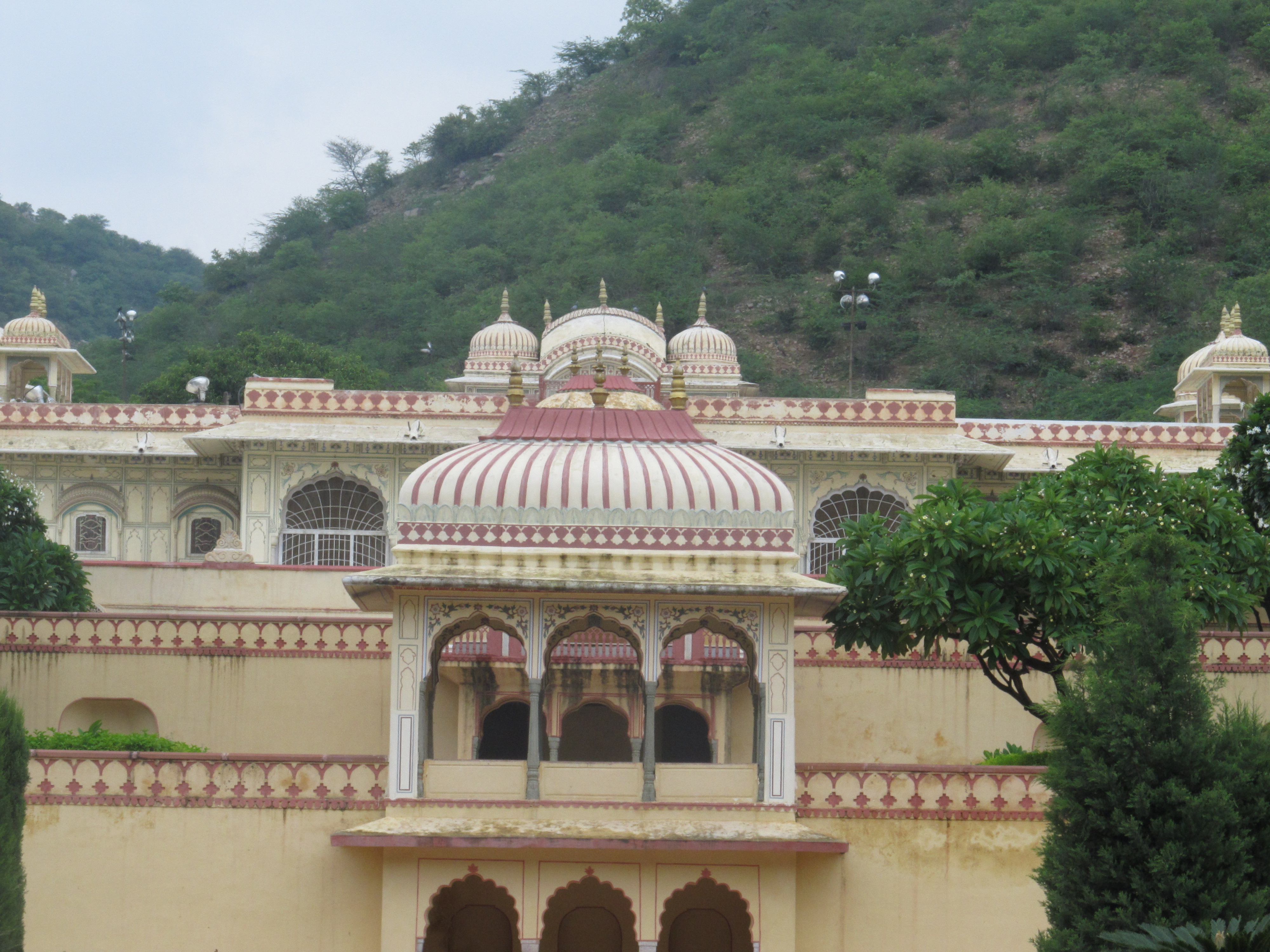
Sisodia Rani Ka Bagh & Palace
Sisodia Rani Ka Bagh terraces down a hillside on the Agra Road in a strict Mughal Char Bagh layout — four quartered garden beds around a central…
1 hr₹50 Indian
Map of places to visit in Jaipur
Numbers match the ranking; the top 3 are orange. Tap a pin for its guide.
Day trips from Jaipur
Worth a day out if you have one to spare, nearest first.
42 km · 55m
Samode Palace & Village
19th-century Thakur's palace with intact Sheesh Mahal mirror rooms and painted haveli facades accessible without admission.
65 km · 1h 30m
Sambhar Salt Lake
India's largest inland saltwater lake; flamingo flocks exceeding 25,000 birds arrive October to February.
83 km · 2h
Bhangarh Fort
17th-century abandoned fort-city. The only ASI site in India with an official after-sunset entry restriction.
95 km · 2h 15m
Abhaneri (Chand Baori)
9th-century Pratihara-dynasty stepwell with 3,500 geometrically inverted stone stairs descending 20 metres into groundwater.
About Jaipur
Maharaja Sawai Jai Singh II — astronomer, military tactician, and Sanskrit scholar — commissioned the city's layout from Bengali architect Vidyadhar Bhattacharya following the principles of the Shilpa Shastra, the ancient Vedic treatise on vastu and proportional urban design. The result is a grid of nine equal rectangular sectors (chokris) intersected by two primary ceremonial axes, a plan so coherent that modern traffic engineers still reference it.
The term 'Pink City' emerged in 1876 when Maharaja Sawai Ram Singh II ordered every building in the old walled city painted a uniform terracotta pink — a colour associated with hospitality — to receive the Prince of Wales. That directive became municipal law. Today, the Jaipur Municipal Corporation still enforces the palette within the heritage zone; violators are fined and compelled to repaint.
The walled city's seven original gates — Chandpole, Sireh Deori, Ajmeri, Sanganeri, Ghat Darwaza, New Gate, and Zorawar Singh Gate — remain structurally intact, though four are now embedded in continuous commercial facades. The most underrated asset is the city's walkability within the walled zone — Hawa Mahal, Jantar Mantar, the City Palace complex, and Badi Chaupar bazaar form a logical 2.5-kilometre pedestrian circuit.
Jaipur travel FAQs
How many days do you need in Jaipur?
Plan about 3 days for Jaipur. Its top attractions take roughly 17 hours of sightseeing in total, so 3 days covers the highlights without rushing — you can move faster if you are short on time.
What is the best time to visit Jaipur?
The best time to visit Jaipur is Oct – Mar.
Is Jaipur cheap or expensive to visit?
Entry to Jaipur's top attractions ranges from ₹35 to ₹400 for Indian nationals (foreign visitors pay more — about ₹85 to ₹1,200), and 3 of the top 10 are free to enter. Prices are the latest checked on each place's page; always confirm current rates on the official website.
What is Jaipur famous for?
Jaipur is best known for its top sights, including Amber Fort & Palace, City Palace Jaipur and Hawa Mahal. The full ranked list of things to do is on this page.
How much time should you spend at Amber Fort & Palace?
Allow about 3 hrs for Amber Fort & Palace.
Spotted something wrong, or a place we missed?
Tell us and an editor will check it against official sources and fix the page.