Rajasthan travel guide
Top 10 Places to Visit in Jaisalmer
Also known as Golden City · Sonar Nagri · Gateway to the Thar
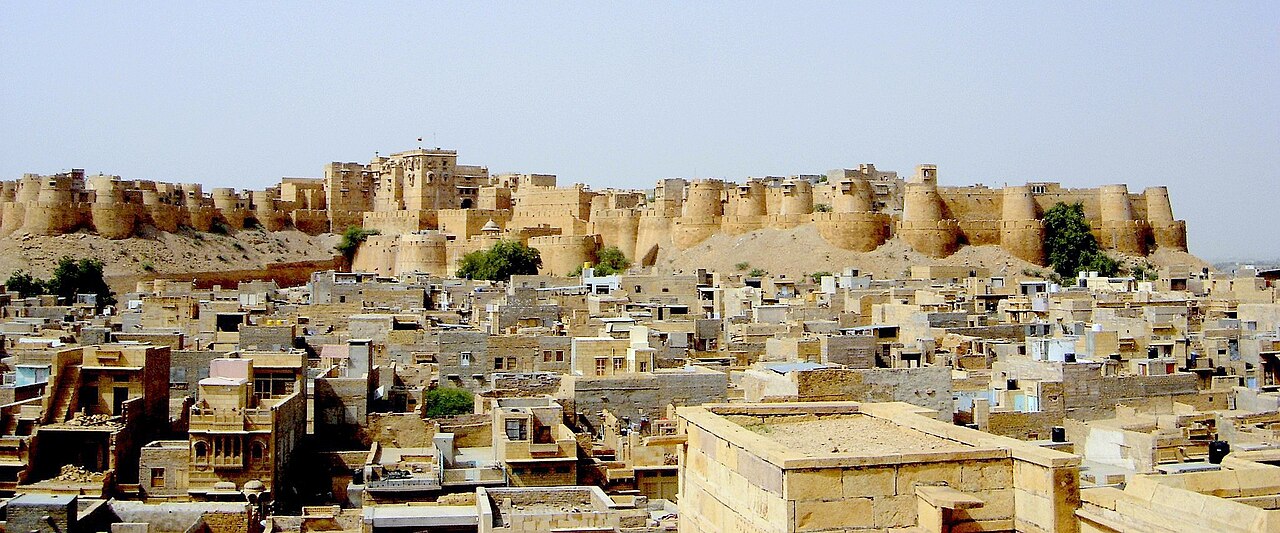
Jaisalmer is Rajasthan's westernmost major city, closer to the Pakistan border than to any other significant Indian urban centre, and its isolation is the reason its architecture and character diverge so sharply from Jaipur or Udaipur.
Updated ·Compiled by Traveliac, AI-assisted ·How we rank
- Best time
- Oct – Mar
- Time needed
- About 3 days
- 17 hours of sightseeing
- Fly into
- Jaisalmer Airport (JSA)
- Nearest station
- Jaisalmer Railway Station
- Free to enter
- 1 of 10
Top things to do in Jaisalmer
Ranked on five published criteria- 1
Fort
Jaisalmer Fort
Jaisalmer Fort sits on Trikuta Hill, a 76-metre sandstone rise above the Thar plain, its walls built from the same golden-yellow sandstone quarried…
3 hrs₹50 Indian
 2
2Palace
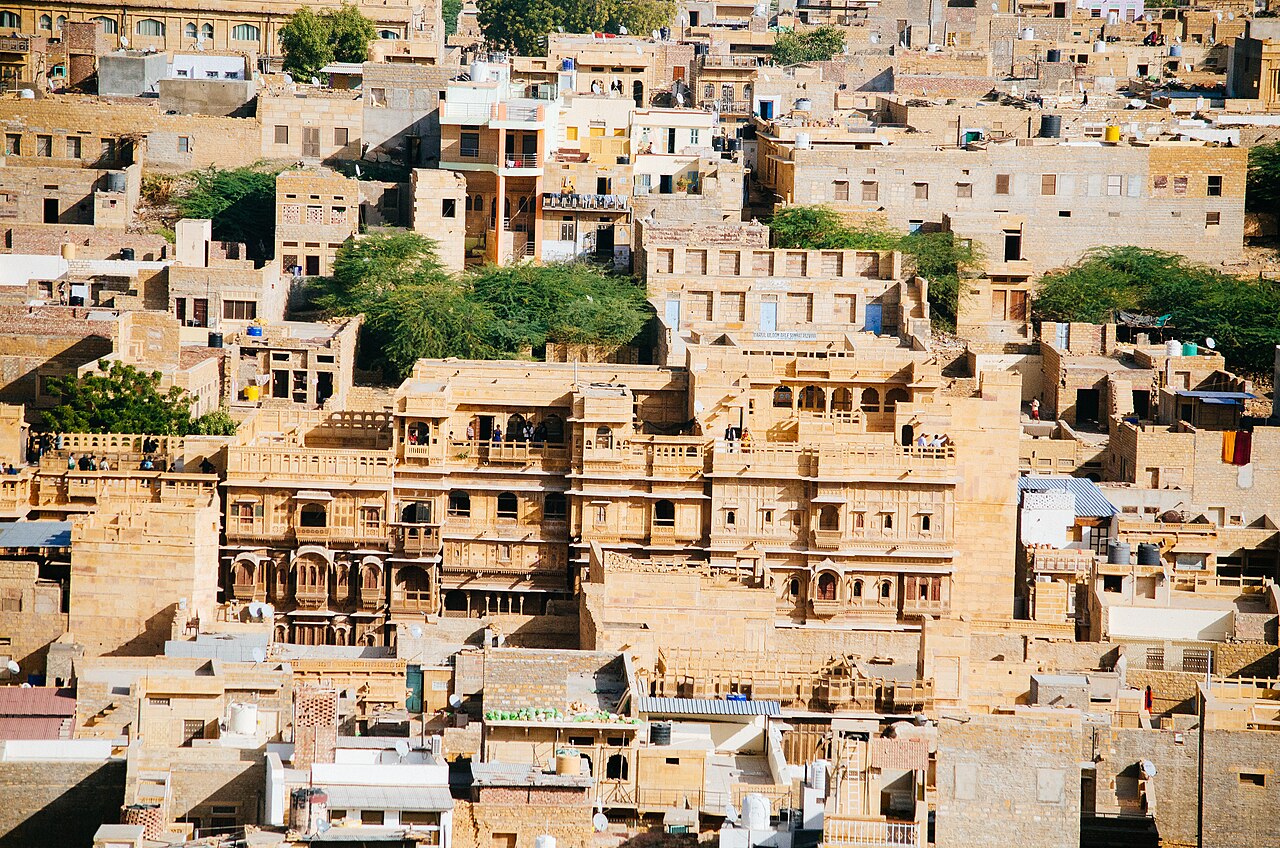
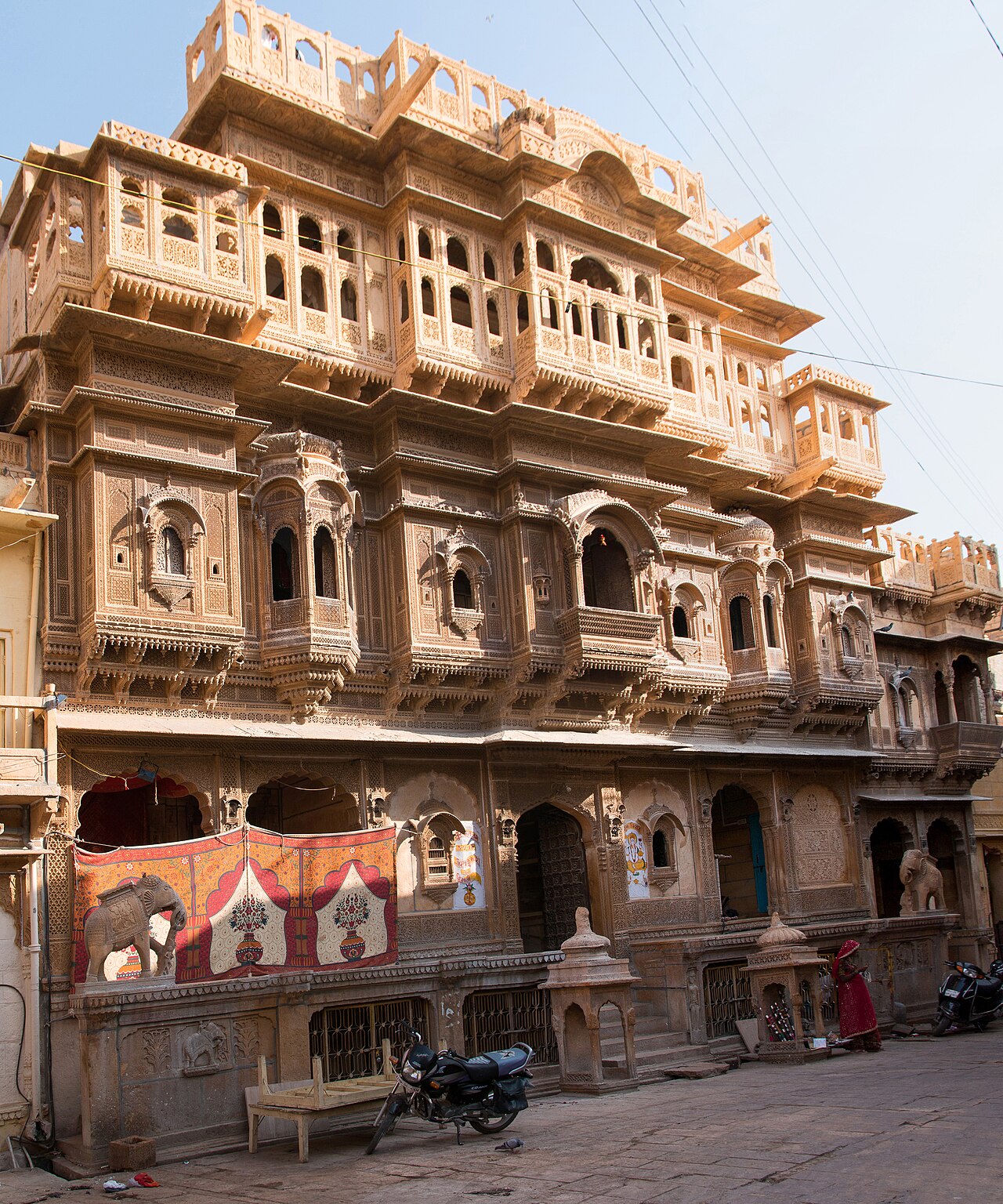
Patwon Ki Haveli
Patwon Ki Haveli is not one building but five, packed side by side down a lane barely wide enough for two people to pass, making it the largest…
1 hr₹100 Indian
 3
3Nature
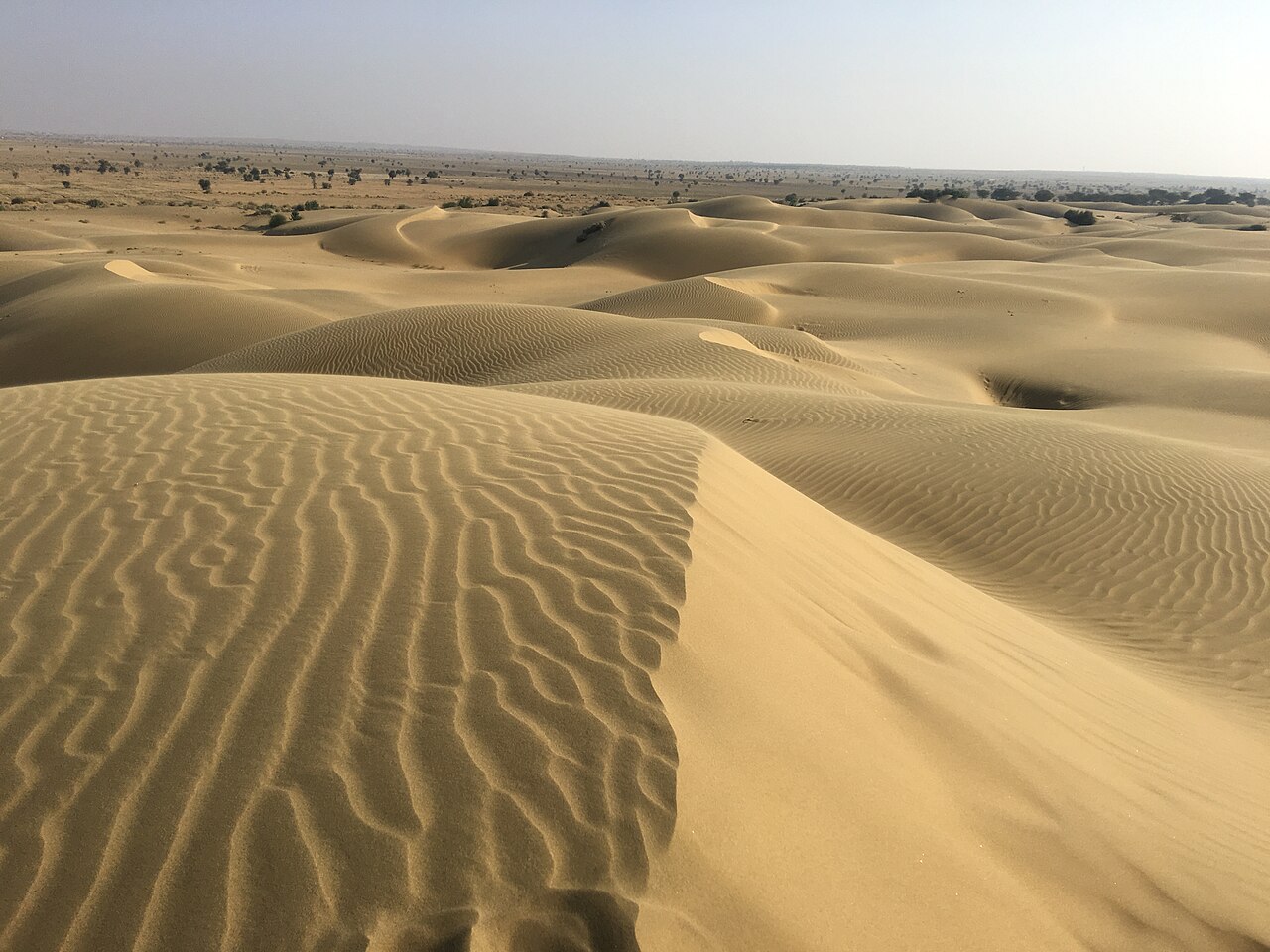
Sam Sand Dunes
Sam Sand Dunes is the single most visited stretch of the Thar Desert accessible from Jaisalmer, a roughly 40-kilometre drive west of the city into…
4 hrs₹50 Indian
 4Free entry
Lake
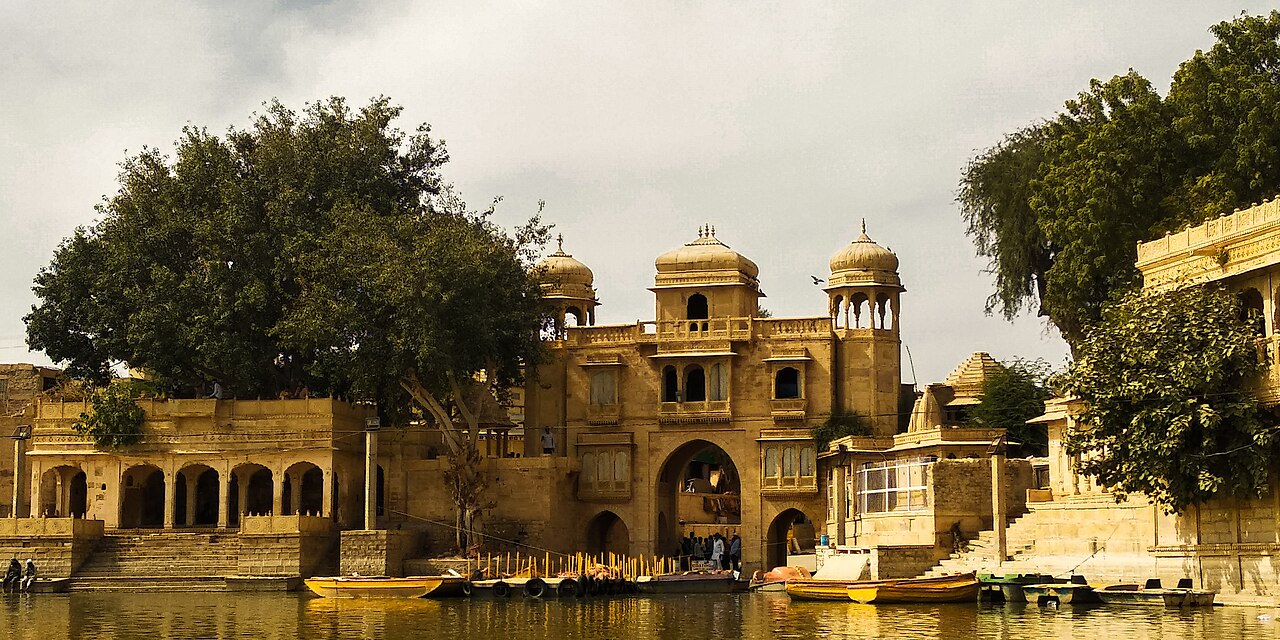
Gadisar Lake
Gadisar Lake is an entirely artificial rainwater reservoir, built to be Jaisalmer's principal water supply in a region where a natural perennial…
1.5 hrs
 5
5Heritage
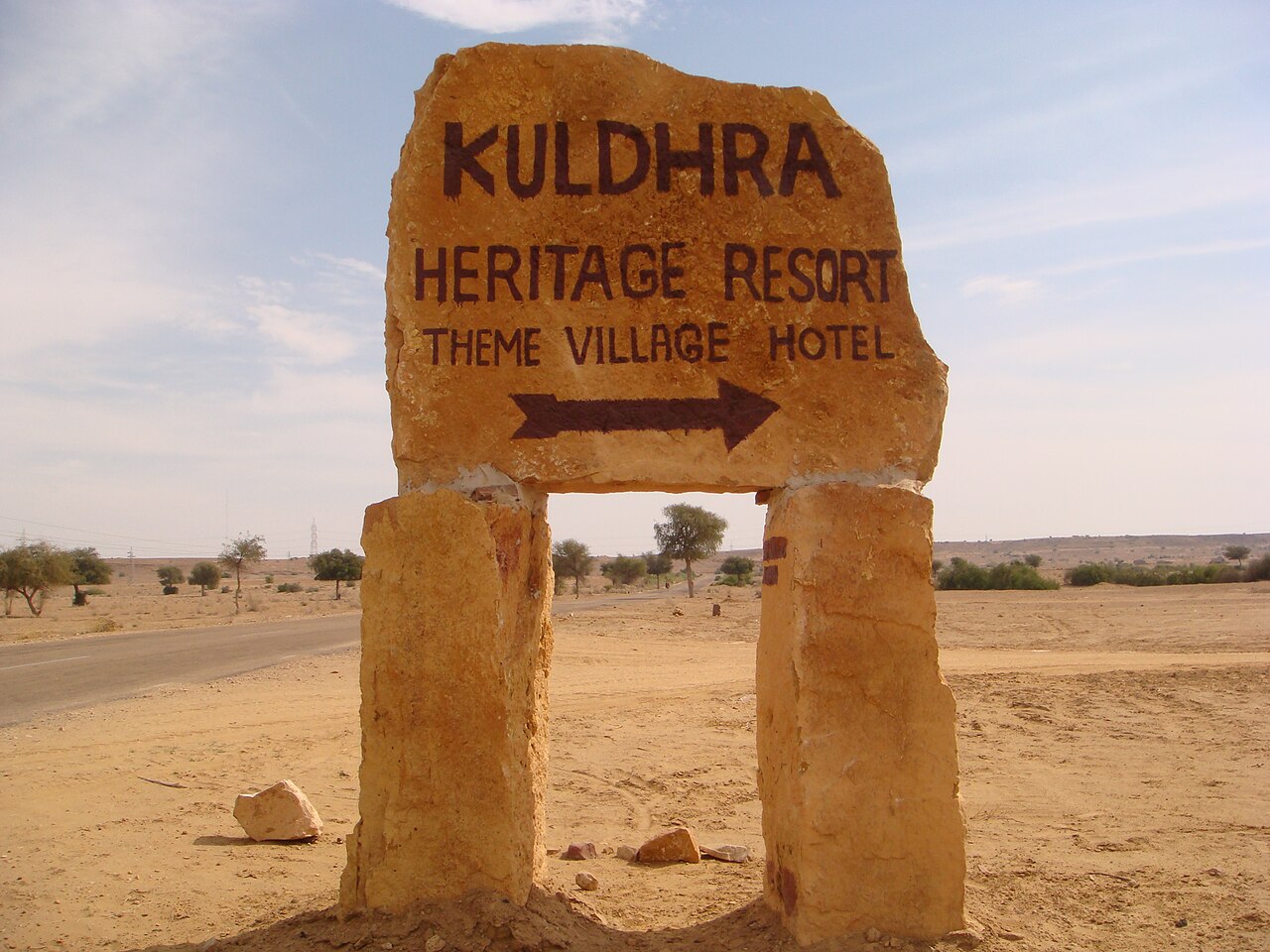
Kuldhara Abandoned Village
Kuldhara is a ruined Paliwal Brahmin settlement roughly 18 km southwest of Jaisalmer, its roofless sandstone house walls, collapsed lanes, and a…
1 hr₹20 Indian
 6
6Garden
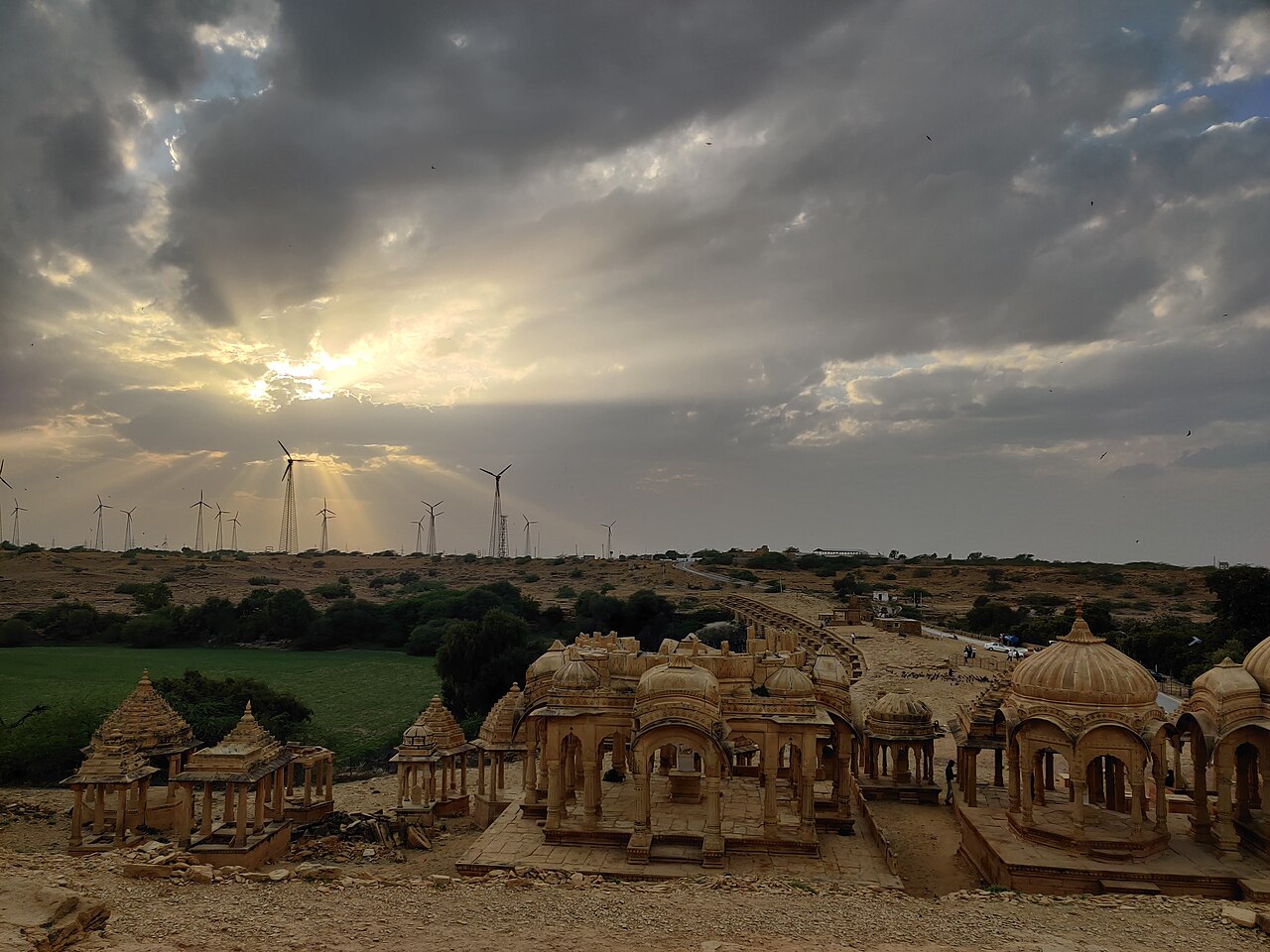
Bada Bagh
Bada Bagh is Jaisalmer's royal cenotaph ground, a cluster of golden-yellow sandstone chhatris — domed memorial pavilions, not tombs, since Hindu…
1 hr₹30 Indian
 7
7Palace
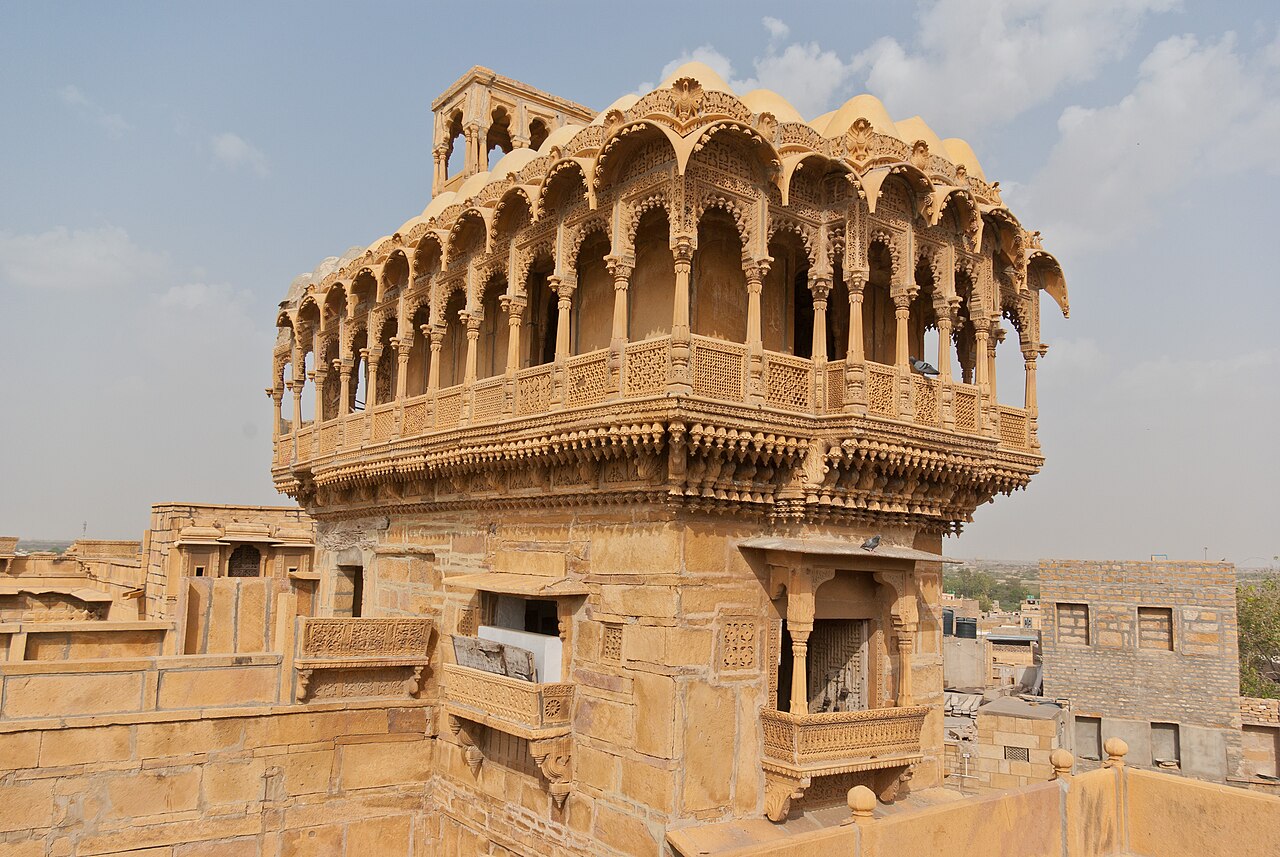
Salim Singh Ki Haveli
Salim Singh Ki Haveli is instantly recognisable from a distance for one feature: its top storey curves outward and upward from the building's base…
45 min₹60 Indian
 8
8Palace
Nathmal Ki Haveli
Nathmal Ki Haveli was built in 1885 as the residence of Diwan Nathmal, a prime minister of Jaisalmer state, and its defining oddity is that it was…
45 min₹50 Indian
 9
9Museum
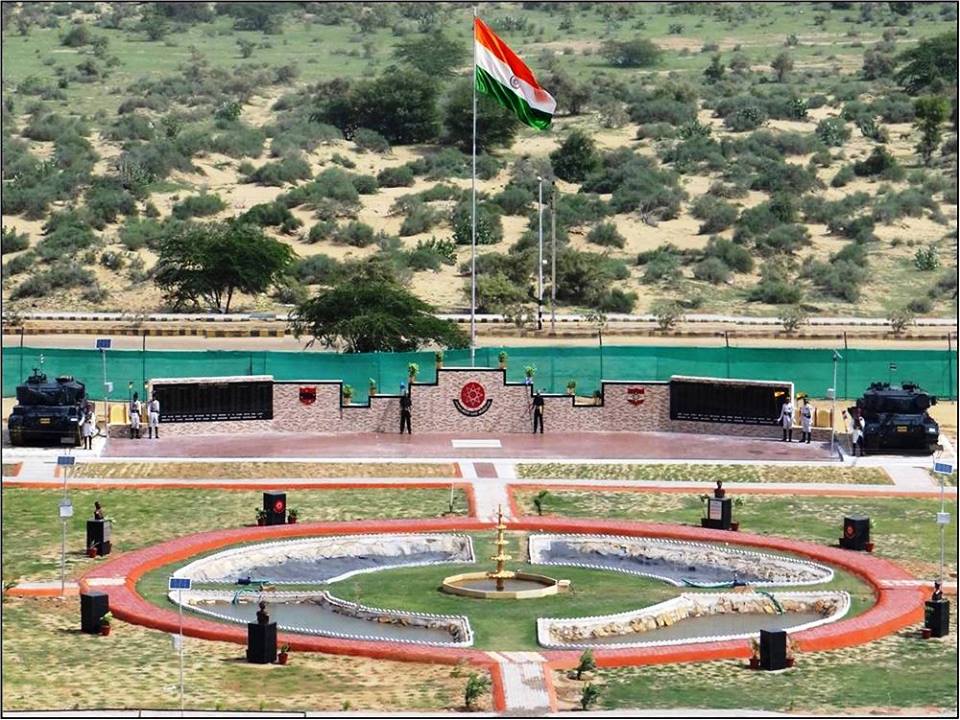
Jaisalmer War Museum
Jaisalmer War Museum sits on the road out toward Sam, run directly by the Indian Army rather than a state tourism body, and built specifically to…
1 hr₹20 Indian
 10
10Wildlife
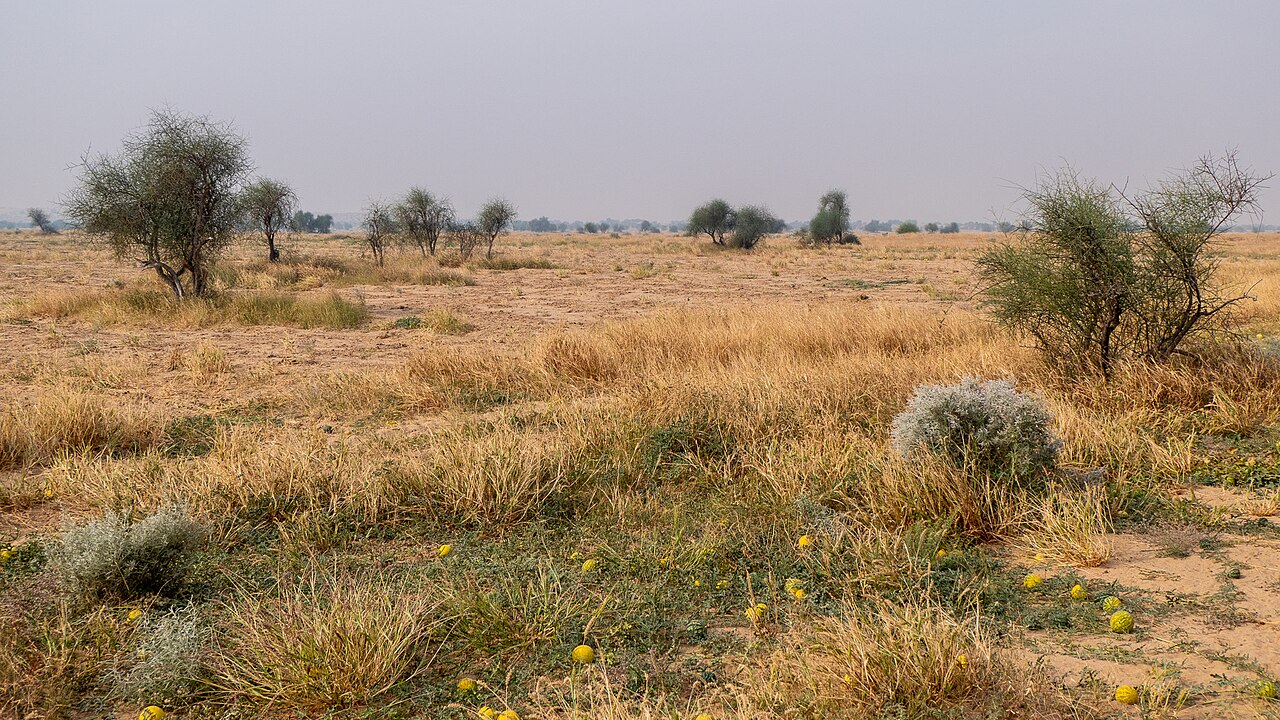
Desert National Park
Desert National Park spans a vast stretch of the Thar around Jaisalmer, protecting one of the largest and most ecologically intact tracts of desert…
3 hrs₹100 Indian
Map of places to visit in Jaisalmer
Numbers match the ranking; the top 3 are orange. Tap a pin for its guide. 1 place has no map position yet.
Day trips from Jaisalmer
Worth a day out if you have one to spare, nearest first.
15 km · 25m
Lodhruva Jain Temples
Site of Jaisalmer's original pre-1156 capital before Rawal Jaisal relocated to Trikuta Hill; intricately carved Jain temples rebuilt on the earlier ruins, with far fewer visitors than the fort's Jain complex.
20 km · 30m
Khaba Fort & Village
Ruined hilltop fort beside an abandoned Paliwal village, with a small folk museum on Paliwal Brahmin history and material culture that gives useful context for Kuldhara nearby.
45 km · 1h
Khuri Village & Dunes
A quieter, less commercialised alternative to Sam for dune camping and camel safaris, with a more village-centred desert-camp experience and noticeably fewer tour operators.
120 km · 2h 30m
Longewala Border Post
Site of the decisive December 1971 battle commemorated at Jaisalmer War Museum; visiting the actual border-area post requires advance permission from the Border Security Force and is realistically arranged only through a specialised local operator.
About Jaisalmer
Founded in 1156 by Rawal Jaisal on Trikuta Hill, the fort at its centre is one of the few in the world still inhabited — several thousand residents live within its walls today, running guesthouses and shops among structures that predate most European cathedrals. The entire old city, fort and havelis alike, is built from the same golden-yellow sandstone quarried locally, a material that turns the whole settlement a deep amber at sunset and gives Jaisalmer its 'Golden City' name, more literal description than marketing phrase.
The city's wealth was built on caravan trade — customs duties on silk, opium, indigo, and brocade moving between India and Central Asia through routes that ran directly past Jaisalmer for centuries. That trade collapsed after the 1947 Partition severed the overland routes into what became Pakistan's Sindh province, leaving Jaisalmer a preserved but economically stranded merchant city until desert tourism revived its fortunes from the 1980s onward. Today the local economy runs substantially on that tourism: camel and jeep safaris into the Thar, desert camps at Sam, and a haveli-and-fort heritage circuit within the city itself.
Jaisalmer's remoteness is worth planning around rather than ignoring. Jaisalmer Airport has limited, seasonal flight connectivity — do not build an itinerary assuming daily service. The railway station connects reliably to Jodhpur, Jaipur, and Delhi via overnight trains, which is how most independent travellers actually arrive. Distances to outlying sights are real: Sam Sand Dunes, Kuldhara, and Desert National Park are all 20 to 45 km out of town, meaning a day given over to desert excursions is a day not spent in the old city, and vice versa.
Jaisalmer travel FAQs
How many days do you need in Jaisalmer?
Plan about 3 days for Jaisalmer. Its top attractions take roughly 17 hours of sightseeing in total, so 3 days covers the highlights without rushing — you can move faster if you are short on time.
What is the best time to visit Jaisalmer?
The best time to visit Jaisalmer is Oct – Mar.
Is Jaisalmer cheap or expensive to visit?
Entry to Jaisalmer's top attractions ranges from ₹20 to ₹100 for Indian nationals (foreign visitors pay more — about ₹50 to ₹400), and 1 of the top 10 are free to enter. Prices are the latest checked on each place's page; always confirm current rates on the official website.
What is Jaisalmer famous for?
Jaisalmer is best known for its top sights, including Jaisalmer Fort, Patwon Ki Haveli and Sam Sand Dunes. The full ranked list of things to do is on this page.
How much time should you spend at Jaisalmer Fort?
Allow about 3 hrs for Jaisalmer Fort.
Spotted something wrong, or a place we missed?
Tell us and an editor will check it against official sources and fix the page.