Karnataka travel guide
Top 10 Places to Visit in Hampi
Also known as Vijayanagara · Pampa Kshetra · Kishkindha
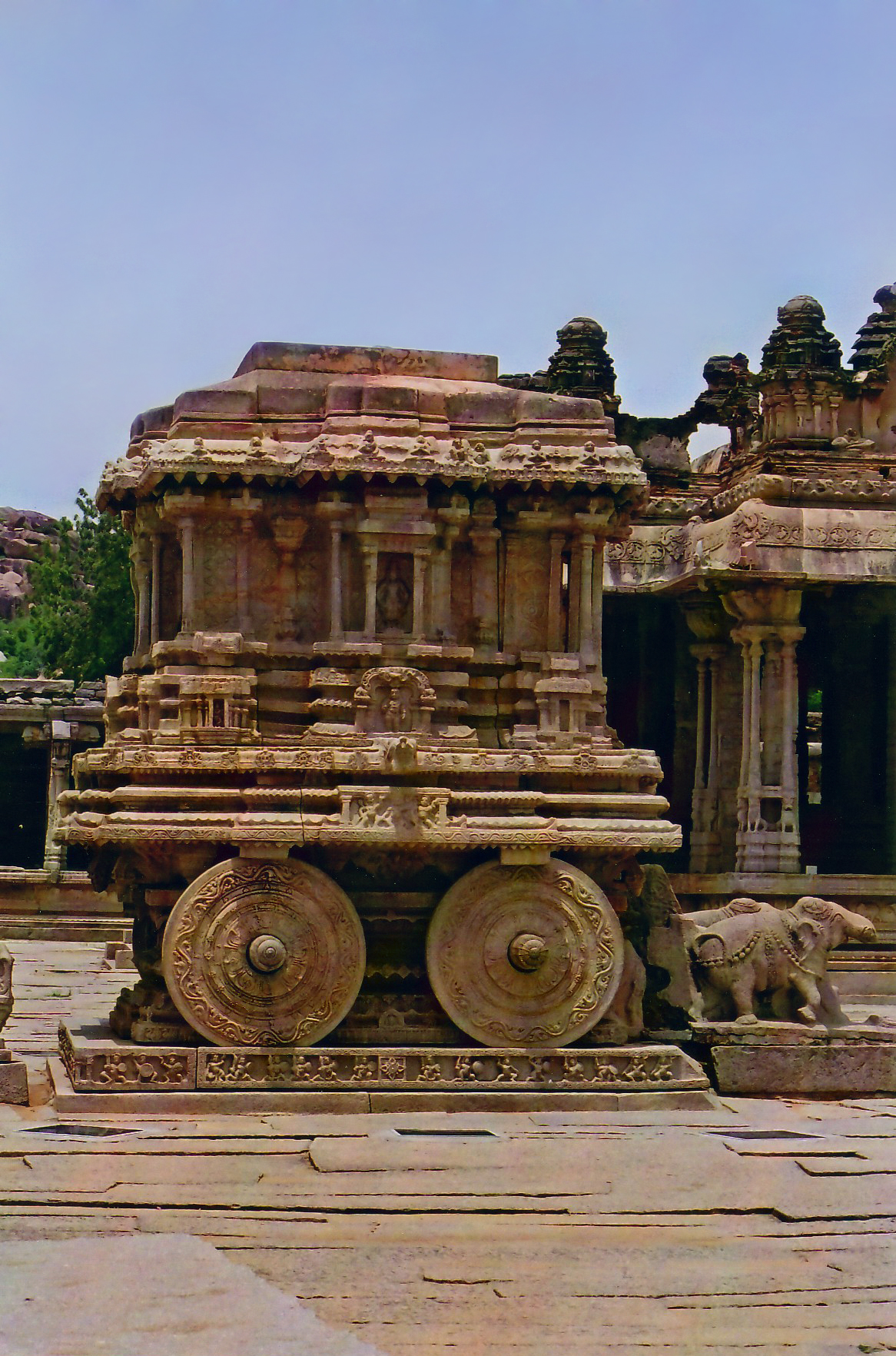
Hampi is not a town in any conventional sense — it is an archaeological zone of roughly forty square kilometres in which a living village, a UNESCO World Heritage Site, and a landscape of surreal granite boulder formations have fused into something that defies easy categorisation.
Updated ·Compiled by Traveliac, AI-assisted ·How we rank
- Best time
- Oct – Feb
- Time needed
- About 2 days
- 10 hours of sightseeing
- Fly into
- Vidyanagar Airport (Toranagallu/Bellary)
- Nearest station
- Hospet Junction (Vijayanagara Station)
- Free to enter
- 7 of 10
Top things to do in Hampi
Ranked on five published criteria- 1
Temple
Vittala Temple
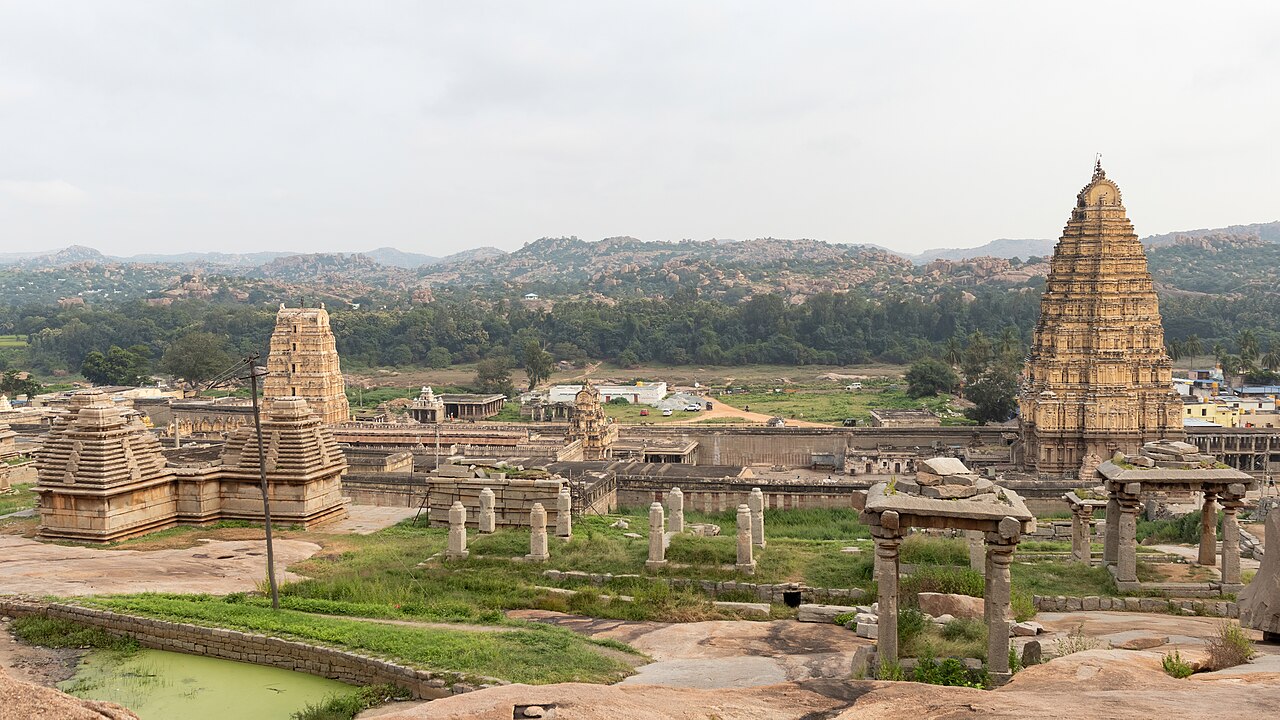
The stone chariot in the Vittala Temple's outer courtyard is precise enough that it appears on the reverse of the Indian ₹50 note, and precise enough…
2 hrs₹40 Indian
 2Free entry
Temple
Virupaksha Temple
The Virupaksha Temple's eastern gopuram rises fifty metres from the bazaar street of Hampi village, a tower of darkened granite that has been the…
1 hr
 3Free entry
Heritage
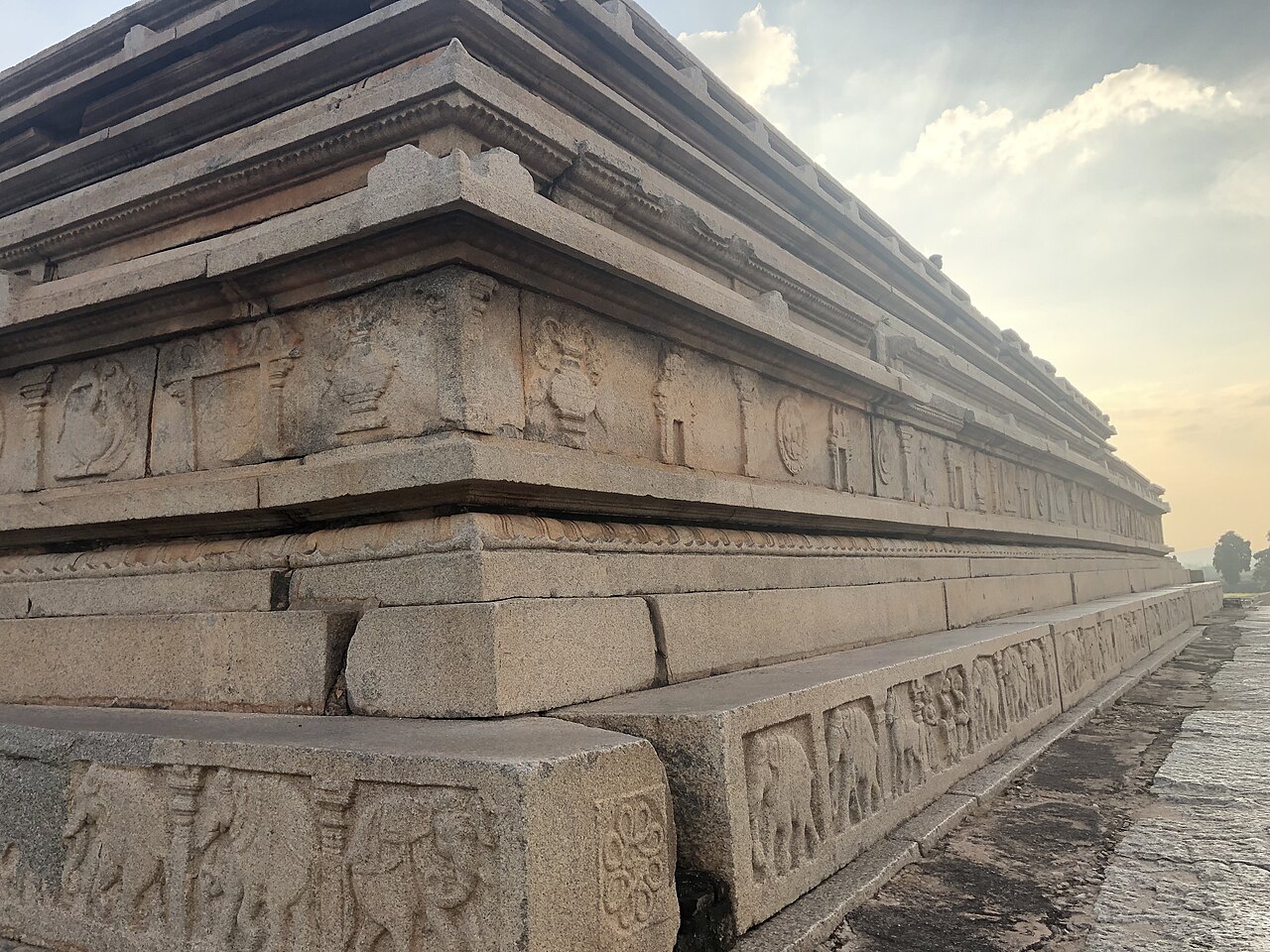
Royal Enclosure & Mahanavami Dibba
The Royal Enclosure was the political engine room of the Vijayanagara Empire, a fortified compound covering roughly six hectares near modern…
1.5 hrs
 4
4Palace
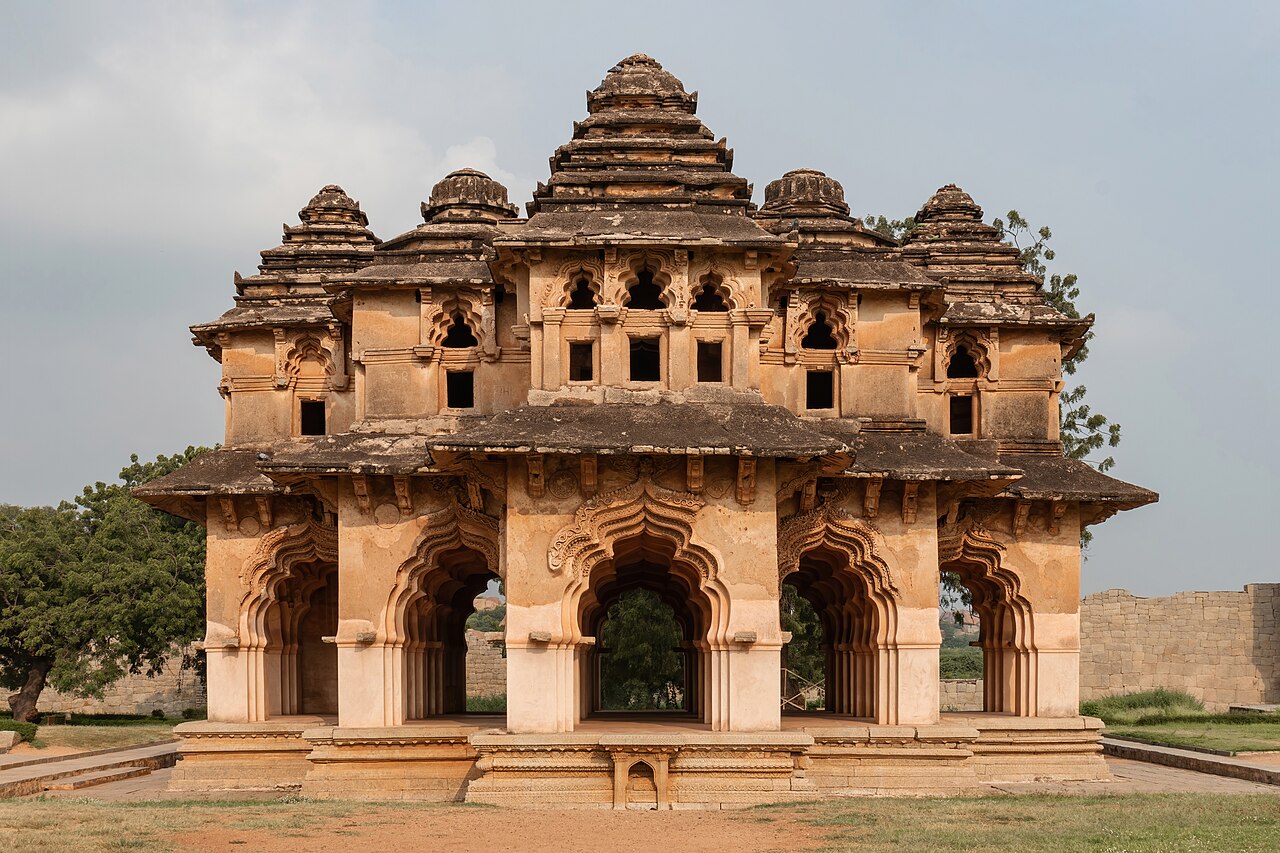
Lotus Mahal
Lotus Mahal is the one building in Hampi that visibly refuses to be granite. Almost everything else across the site's forty square kilometres is cut…
30 min₹40 Indian
 5
5Heritage
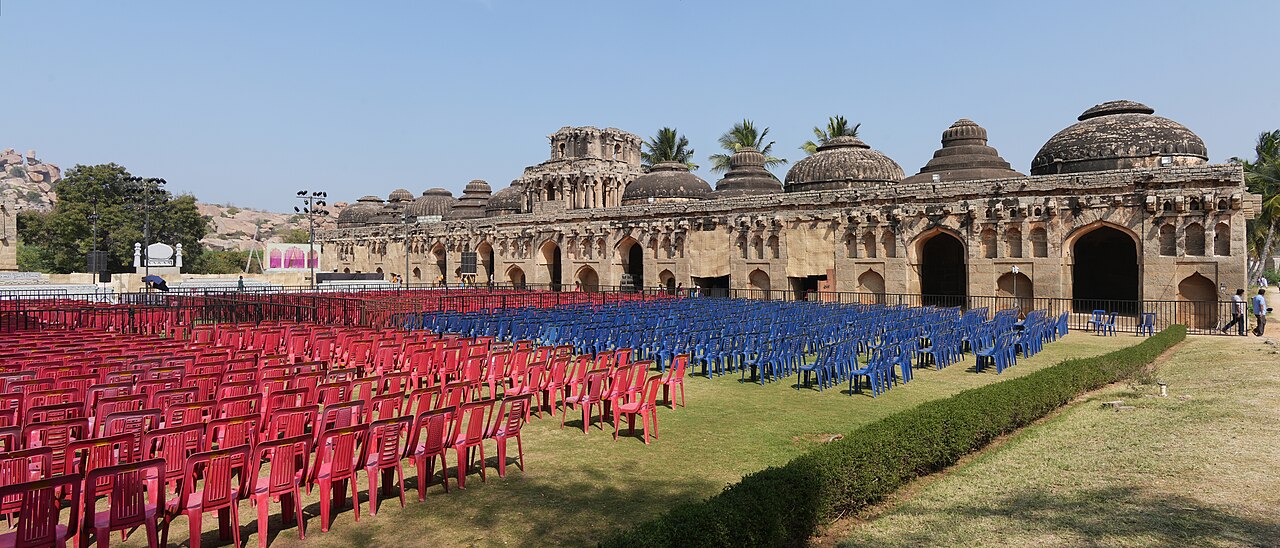
Elephant Stables
Eleven domed chambers, each roughly the size of a small room, stand in an unbroken row facing the Zenana Enclosure's open ground — a building whose…
25 min₹40 Indian
 6Free entry
Viewpoint
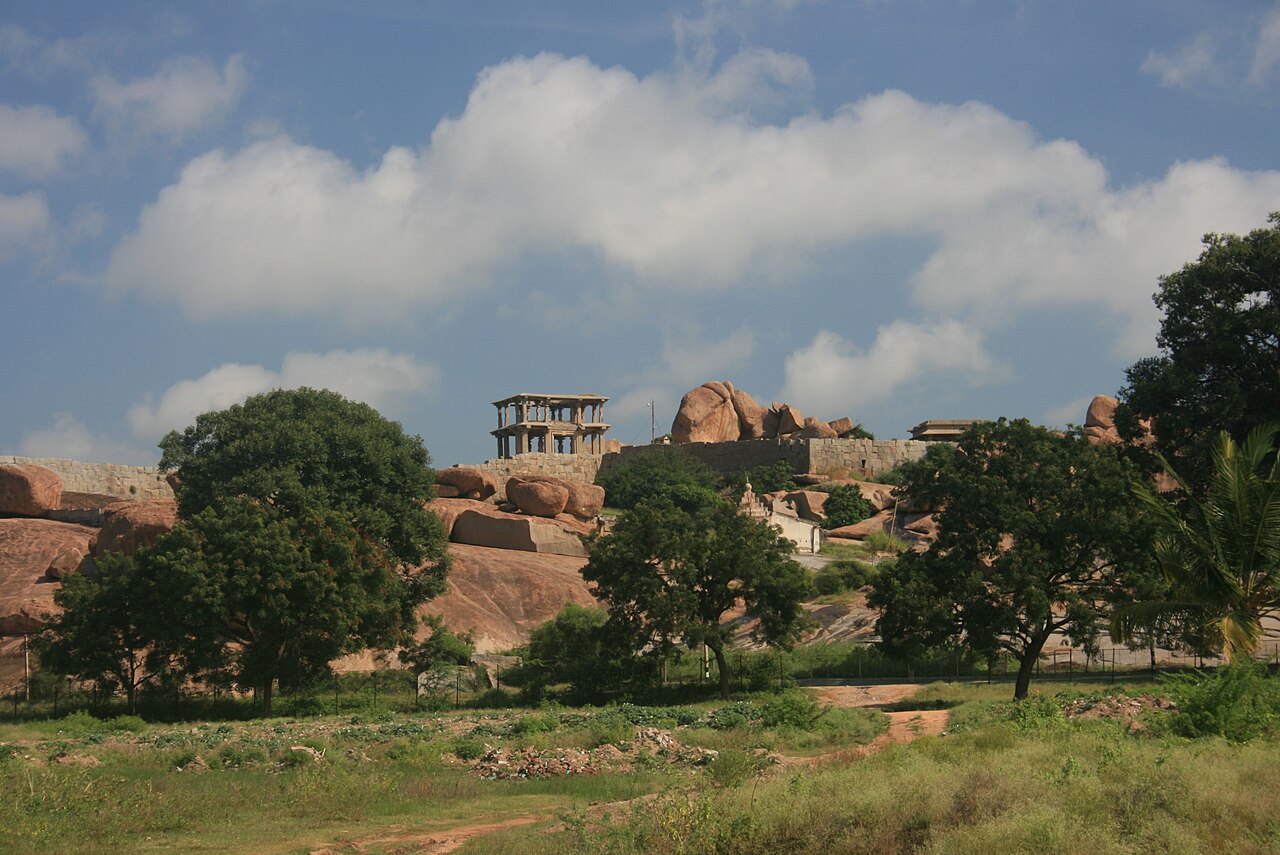
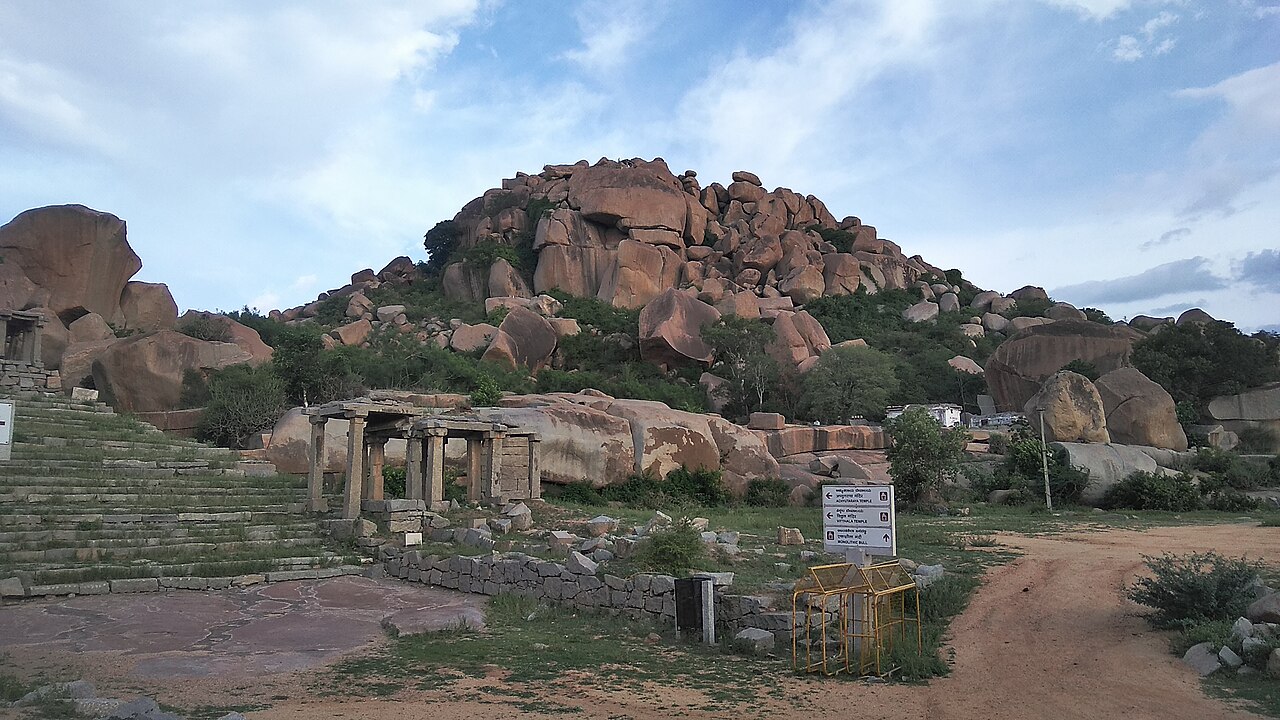
Hemakuta Hill
Hemakuta Hill is the closest thing Hampi has to a warm-up act, sitting directly beside Virupaksha Temple and requiring no auto-rickshaw, bicycle, or…
1 hr
 7Free entry
Viewpoint
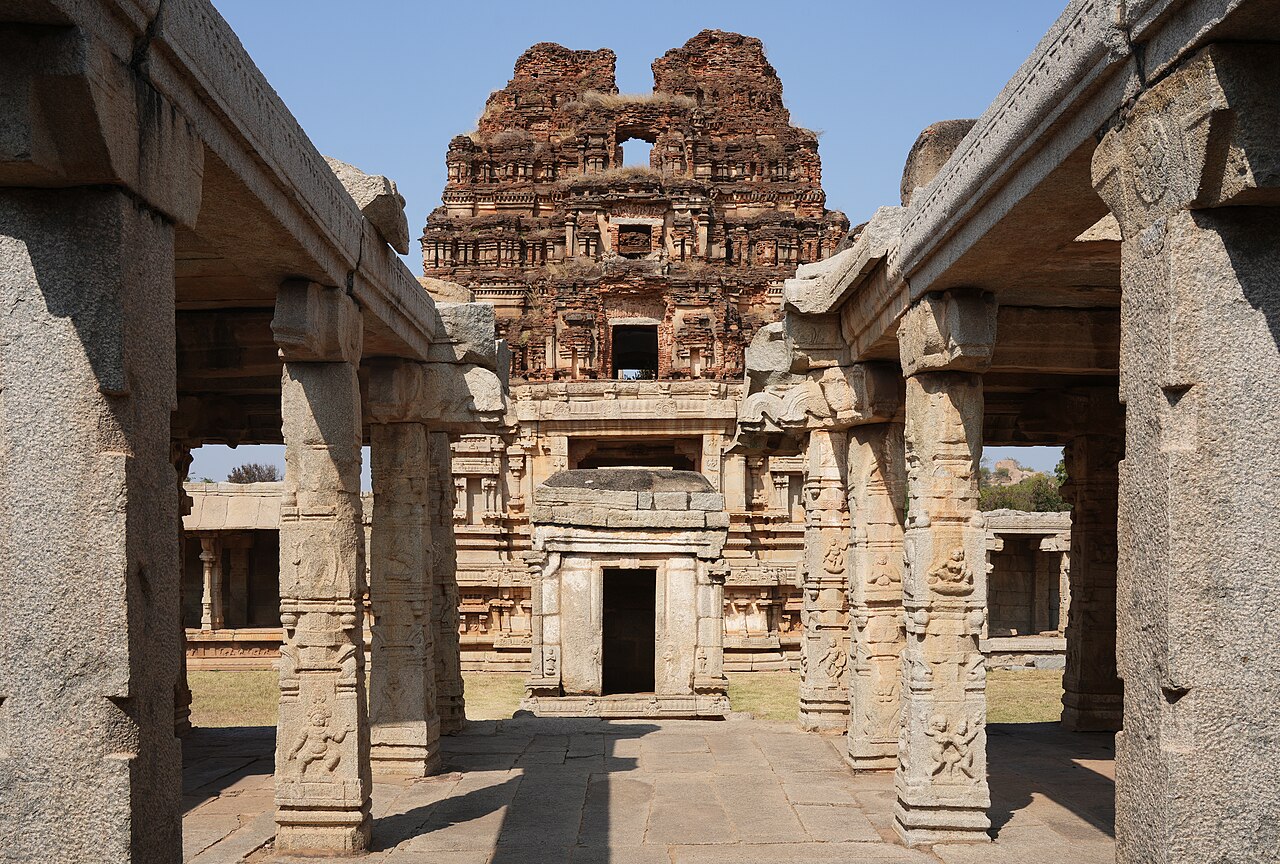
Matanga Hill
Matanga Hill is the highest point inside the Hampi ruins, and the climb to its summit is the one activity nearly every visitor attempts and a…
1.5 hrs
 8Free entry
Temple
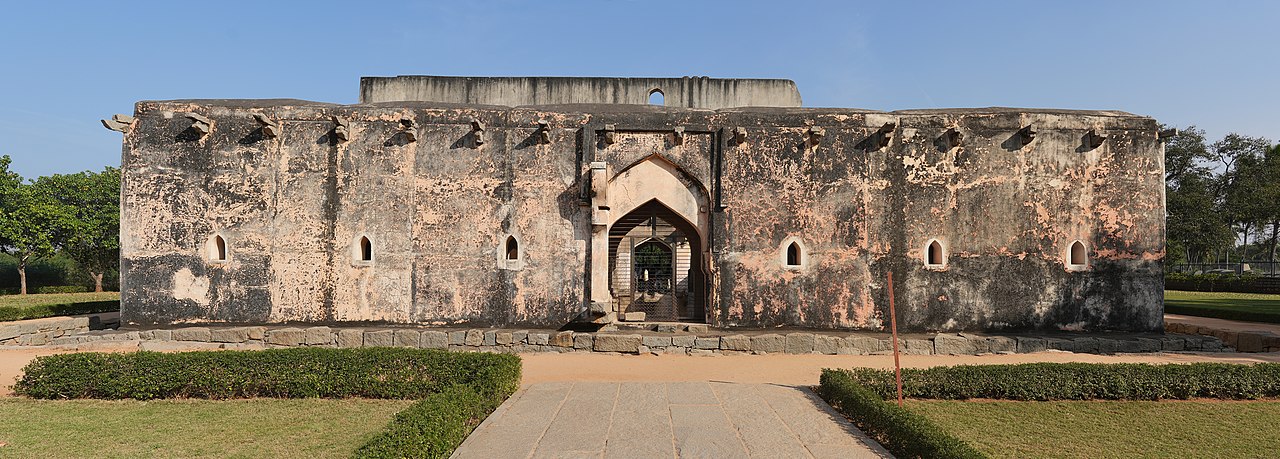
Achyutaraya Temple
Achyutaraya Temple sits in a valley pocket between Matanga Hill and Gandhamadana Hill, close enough to Hampi Bazaar to reach on foot yet visited by a…
45 min
 9Free entry
Heritage
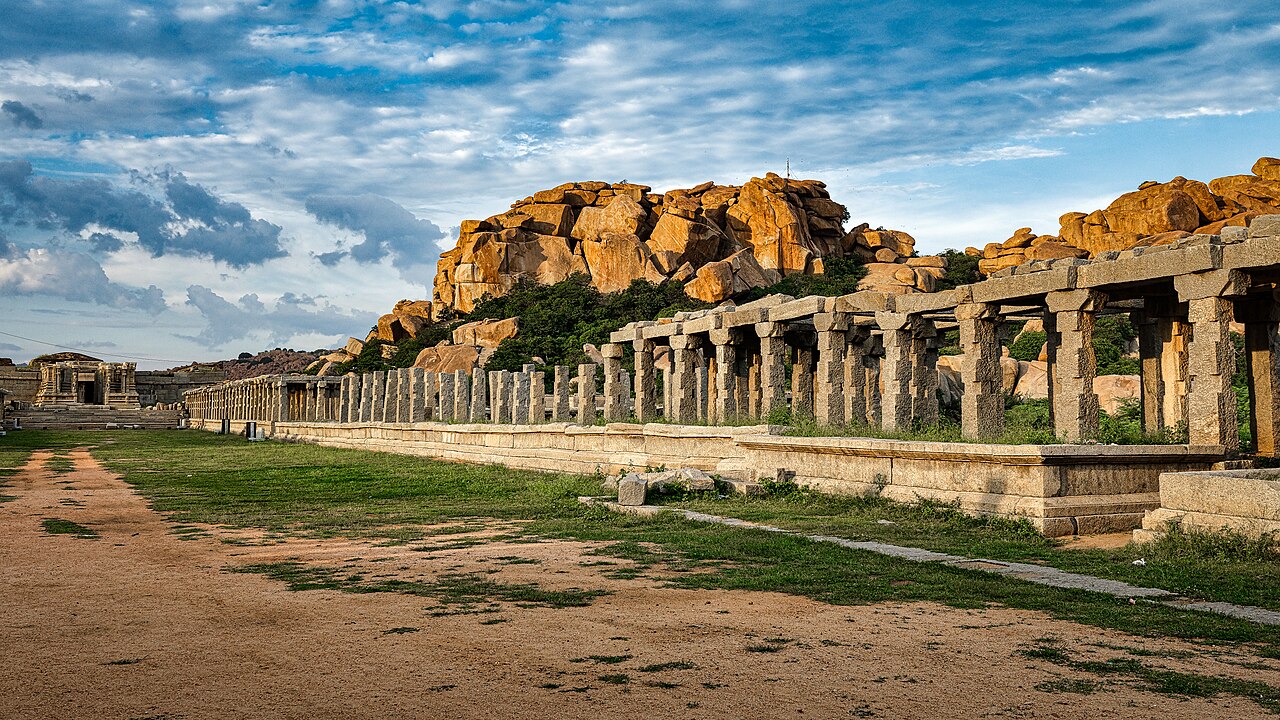
Queen's Bath
Queen's Bath announces almost nothing from the outside — a plain, unornamented rectangular exterior wall that gives no hint of what waits inside: a…
30 min
 10Free entry
Market
Hampi Bazaar
Hampi Bazaar is a straight, roughly kilometre-long stone-paved corridor running east from Virupaksha Temple's towering gopuram to a monolithic Nandi…
1 hr
Map of places to visit in Hampi
Numbers match the ranking; the top 3 are orange. Tap a pin for its guide.
Day trips from Hampi
Worth a day out if you have one to spare, nearest first.
5 km · 15 minutes from Hospet town centre
Tungabhadra Dam and Reservoir
Built between 1945 and 1953, this gravity-arch dam impounds the Tungabhadra River that flows through Hampi's ruins. The gardens on the dam's south bank are popular in the early evening. A sound-and-light show runs nightly at the dam — theatrics aside, the engineering scale is worth seeing.
15 km · 30 minutes by auto-rickshaw from Hospet
Daroji Sloth Bear Sanctuary
One of the most reliable sites in India to observe sloth bears in the wild, particularly at the feeding platforms in the late afternoon. A viewing tower overlooks a rock face where bears come to forage. Entry ₹100 Indians, ₹500 foreigners.
140 km · 3 hours by road; 3.5 hours by bus from Hospet
Badami Cave Temples
Four rock-cut cave temples carved from red Badami sandstone by the Chalukya dynasty between the sixth and eighth centuries CE. Cave 3, the largest, contains a magnificent eighteen-armed Vishnu in Ananthashayana pose. Combine with nearby Aihole and Pattadakal for a full Chalukya day.
About Hampi
The Tungabhadra River curves around the site's northern edge; on its far bank, accessible by a five-minute coracle crossing, the Virupapura Gadde area has become an encampment of guesthouses and banana-pancake cafés serving backpackers. On the monument-heavy south bank, the village of Hampi Bazaar clusters around the Virupaksha Temple, which has been in continuous worship since at least the seventh century.
The city that existed here between 1336 and 1565 was, by the accounts of Portuguese and Persian traders who visited it, one of the largest and wealthiest in the world — larger than Rome in its day, its markets selling pearls, rubies, and cloth to merchants who arrived from as far as Central Asia. The Vijayanagara emperors — the Sangama dynasty succeeded by the Saluva, then the Tuluva, who gave the empire Krishnadevaraya, its greatest ruler — built temples, market corridors, irrigation tanks, and royal enclosures across the entire Tungabhadra basin. The Battle of Talikota in January 1565, in which a coalition of the Deccan Sultanates defeated and killed the emperor Aliya Rama Raya, ended the empire within a day. The Sultanate armies spent months systematically destroying the capital; what they left behind is what you see now.
Hampi's administrative nearest town is Hospet (now officially renamed Vijayanagara), thirteen kilometres southwest — the railhead, the bus terminus, and the place where the ATMs actually work. Most travellers stay in Hampi Bazaar or across the river, use Hospet for logistics, and budget a minimum of two full days for the monuments. Three days is more honest; the Royal Enclosure alone, with its stepped tank, the Lotus Mahal, and the Elephant Stables, will absorb four hours.
The site is managed by the Archaeological Survey of India. Ticket windows open at 08:30; the Vittala Temple complex — the most elaborate and most distant from the bazaar — is reached by a tuk-tuk along a sealed road (₹50–80 per person shared) or a 2.5-kilometre walk along the ancient market street past monolithic Narasimha and Ganesha statues. Go on foot at least once — the scale and the quality of the basalt carving are not legible from a vehicle. Avoid the site in April and May, when the Deccan heat can reach 42°C. November through February is the operating window: cooler, with the boulders lit amber at dusk.
Hampi travel FAQs
How many days do you need in Hampi?
Plan about 2 days for Hampi. Its top attractions take roughly 10 hours of sightseeing in total, so 2 days covers the highlights without rushing — you can move faster if you are short on time.
What is the best time to visit Hampi?
The best time to visit Hampi is Oct – Feb.
Is Hampi cheap or expensive to visit?
Entry to Hampi's top attractions ranges from ₹40 to ₹40 for Indian nationals (foreign visitors pay around ₹600), and 7 of the top 10 are free to enter. Prices are the latest checked on each place's page; always confirm current rates on the official website.
What is Hampi famous for?
Hampi is best known for its top sights, including Vittala Temple, Virupaksha Temple and Royal Enclosure & Mahanavami Dibba. The full ranked list of things to do is on this page.
How much time should you spend at Vittala Temple?
Allow about 2 hrs for Vittala Temple.
Spotted something wrong, or a place we missed?
Tell us and an editor will check it against official sources and fix the page.