Jai Vilas Palace & Museum
#7von 8 Orten zum Besuchen in GwaliorGwalior, Madhya Pradesh
Auch bekannt als Jai Vilas Mahal · Jiwaji Rao Scindia Museum · Scindia Museum
Kurz gesagt
Öffnungszeiten: 10:00–18:00. Eintritt: ₹550 für Inder · ₹1,000 für Ausländer. Plane 2 hrs ein. Beste Zeit: 10:00 – 11:30.
Aktualisiert am · Erstellt von Traveliac, KI-unterstützt · 4 Min. Lesezeit
- Öffnungszeiten
- 10:00–18:00
- Eintrittspreis
- ₹550 für Inder
- Ticket ab
- Benötigte Zeit
- 2 hrs
- Beste Tageszeit
- 10:00 – 11:30
- Beste Monate
- Oct – Mar
- Adresse
- Jai Vilas Palace, Lashkar, Gwalior, Madhya Pradesh 474009
Über Jai Vilas Palace & Museum
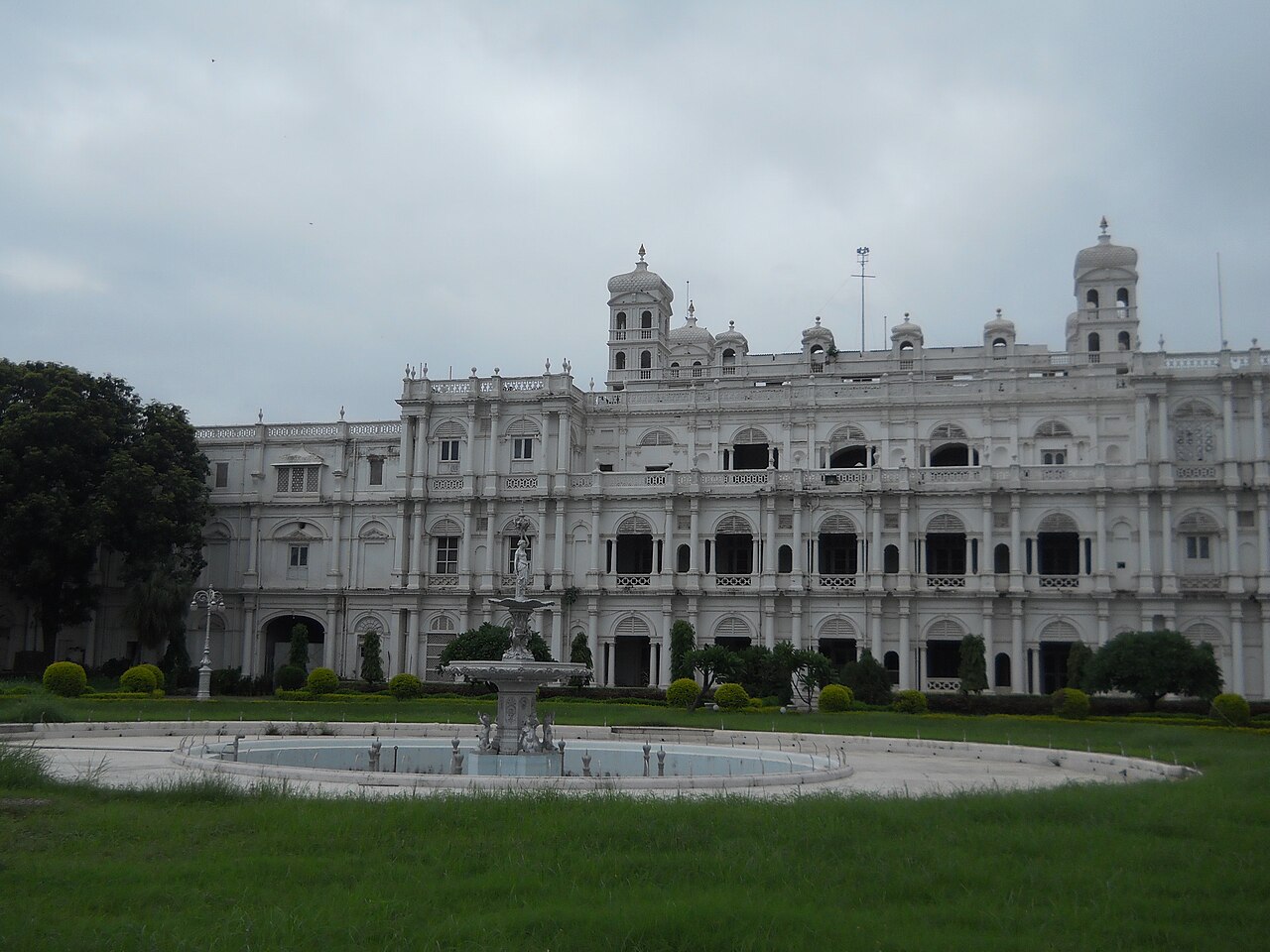
Jai Vilas Palace was built in 1874 by Maharaja Jayajirao Scindia specifically to host the Prince of Wales's state visit, and its Darbar Hall ceiling still carries two chandeliers weighing roughly 3.5 tonnes each — reportedly tested for load-bearing strength by suspending eight elephants from the roof beams before the fixtures went up. Lieutenant Colonel Sir Michael Filose designed the building around three different European classical orders stacked one above the other: Tuscan columns on the ground floor, Italian Doric on the second, and Corinthian on the third, spread across 124,771 square feet of floor area. About 25 of the palace's rooms have been converted into the Jiwaji Rao Scindia Museum, open since 1964, while the remainder continues as the private residence of Scindia family descendants.
Beste Tageszeit: 10:00 – 11:30. The first entry window before the Darbar Hall and silver-train exhibit fill with tour groups.
Öffnungszeiten von Jai Vilas Palace & Museum
Jai Vilas Palace & Museum öffnet um 10:00 und schließt um 18:00. Samstags und sonntags gelten dieselben Zeiten.
- Öffnungszeiten
- 10:00–18:00
Mon–Sun 10:00–18:00 - Geschlossen an
- Täglich geöffnet
Öffnungszeiten zusammengestellt aus jaivilaspalace.in und öffentlichen Quellen, zuletzt aktualisiert am . Sie können sich ohne Vorankündigung ändern — vor der Reise bitte bestätigen. Wie wir diese Reiseführer schreiben
Eintrittspreis für Jai Vilas Palace & Museum
| Ticket | Preis |
|---|---|
| Indische Besucher | ₹550 |
| Ausländische Besucher | ₹1,000 |
| Kinder | Kostenlos |
| Kamera | Kostenlos |
Two Indian-national tiers apply as of 2026: ₹350 for general access excluding the Darbar Hall, ₹550 for full access including it; foreign nationals pay a flat ₹1,000. Camera and child rates are not published on the palace's own site; verify at the counter. Some older listings cite a Monday or Wednesday closure, but the palace's official website lists the museum as open all seven days.
Preise zusammengestellt aus jaivilaspalace.in und öffentlichen Quellen, zuletzt aktualisiert am . Sie können sich ohne Vorankündigung ändern — vor der Reise bitte bestätigen. Wie wir diese Reiseführer schreiben
Beste Reisezeit für Jai Vilas Palace & Museum
- Quiet
- Moderate
- Very busy
10:00 – 11:30
First EntryBest time to go
The Darbar Hall and silver-train exhibit are easiest to view without a crowd right after opening.
Quiet11:30 – 14:00
Midday Peak
Domestic tour groups and school visits concentrate around the Darbar Hall and its chandeliers.
Very busy14:00 – 16:00
Afternoon
Crowds thin as groups move on; the weaponry and personal-artefact rooms stay comparatively quiet all day.
Moderate16:00 – 18:00
Late Afternoon
A final, lighter wave of visitors arrives before the 18:00 close.
Quiet
Geschichte von Jai Vilas Palace & Museum
Maharaja Jayajirao Scindia commissioned Jai Vilas Palace in 1874 during the British Raj, a period when Gwalior's Scindia rulers were investing heavily in European-styled architecture as a visible marker of status within the colonial order. The palace mixes Tuscan, Italian Doric, and Corinthian classical detailing across its three storeys — a combination its own literature describes as drawing on both Mughal and Medici precedent — and was scaled deliberately to impress a visiting British royal rather than to serve as an everyday residence. The Darbar Hall's chandeliers, at 12.5 metres high and roughly 3.5 tonnes each, remain among the largest ever installed in India, and the hall's silver model train, which once carried after-dinner brandy and cigars around the dining table on miniature tracks, is among the museum's most photographed exhibits. The Jiwaji Rao Scindia Museum opened to the public in 1964, showing weaponry, Persian carpets, European furniture, and personal Scindia family artefacts across the converted wing, while descendants of the family continue to occupy the remaining private portion of the palace.
Regeln & Etikette in Jai Vilas Palace & Museum
Jai Vilas Palace charges two Indian-national ticket tiers as of 2026 — ₹350 for general access excluding the Darbar Hall, ₹550 for full access including it — with a flat ₹1,000 for foreign nationals; verify current rates at the counter, since older listings cite different figures and at least one source reports a weekly closure the palace's own website does not confirm. Photography inside the museum galleries is typically restricted or requires a separate paid permit, since the collection includes fragile textiles and artworks the Scindia trust limits from flash exposure; check at the ticket counter before raising a camera indoors. Because part of the building remains the Scindia family's private residence, sections of the palace are periodically closed for family events without public notice — a real possibility rather than a formality, so building slack into a Gwalior itinerary around this stop is sensible.
Tipps für den Besuch von Jai Vilas Palace & Museum
- 1
Jai Vilas Palace is best visited soon after the 10:00 opening, since the Darbar Hall and the silver-train exhibit are the two rooms tour groups head for first and both become congested by late morning. Budget a full two hours if the Darbar Hall ticket tier is purchased, since the museum's roughly 25 rooms cover weaponry, glassware, and personal Scindia artefacts in enough depth to reward unhurried viewing rather than a quick walkthrough. The palace sits in Lashkar, Gwalior's 19th-century planned commercial district built by the Scindias themselves, so pairing the visit with a walk through Lashkar's market streets afterward gives useful context for the family's wealth on display inside. Auto-rickshaws wait outside the palace gate and typically quote a flat fare rather than using a meter; agreeing the price before boarding avoids the most common visitor complaint about this stretch of Gwalior.
Anreise nach Jai Vilas Palace & Museum
Der rote Stern zeigt Jai Vilas Palace & Museum; die nummerierten Markierungen sind die 2 nächstgelegenen Orte aus unseren Reiseführern, jeweils mit ihrem Rang in der eigenen Stadt. Für Details auf eine Markierung tippen.
Jai Vilas Palace, Lashkar, Gwalior, Madhya Pradesh 474009Route in Google Maps
Ab Gwalior Junction Railway Station
₹50–₹802 km · 8–10 min
Auto, negotiated
Ab Rajmata Vijaya Raje Scindia Airport (GWL)
₹220–₹30010 km · 20–25 min
Prepaid cab
Ab Gwalior Fort
₹100–₹1504 km · 12–15 min
Auto, negotiated
Nächster Flughafen
Ab Rajmata Vijaya Raje Scindia Airport (GWL), Maharajpura
approximately 10 km, 20–25 minutes by road.
Nächster Bahnhof
Ab Gwalior Junction (GWL)
approximately 2 km, 8–10 minutes by road.
Häufige Fragen zu Jai Vilas Palace & Museum
What is the entry fee for Jai Vilas Palace?
₹350 for Indian nationals excluding the Darbar Hall, or ₹550 for full access including it, as of 2026; foreign nationals pay a flat ₹1,000. Verify at the counter since rates have changed multiple times in recent years.
Is Jai Vilas Palace still a Scindia family residence?
Yes. Part of the palace remains the private residence of the Scindia family, while the museum wing occupies about 25 converted rooms.
What is inside the Darbar Hall?
Two chandeliers weighing about 3.5 tonnes each and a silver miniature train that once carried after-dinner brandy and cigars around the dining table.
Is photography allowed inside the museum?
It is generally restricted inside the galleries. Check the current photography policy at the ticket counter before entering.
Mit KI-Unterstützung aus offiziellen Quellen und öffentlichen Aufzeichnungen erstellt und erst nach den Prüfungen veröffentlicht, die beschrieben sind unter Wie wir diese Reiseführer schreiben. Niemand von Traveliac war persönlich vor Ort. Zuletzt aktualisiert am . Wie wir Orte bewerten und prüfen
Orte in der Nähe von Jai Vilas Palace & Museum
Luftlinien-Entfernungen laut unserer Karte; Zeiten sind Schätzwerte.