
Shibuya Crossing
#7von 10 Orten zum Besuchen in TokyoTokyo, Kanto, Japan
Auch bekannt als Shibuya Scramble Crossing · 渋谷スクランブル交差点
Kurz gesagt
Öffnungszeiten: 10:00–22:30, last entry 21:20. Der Eintritt ist kostenlos. Plane 45 min ein. Beste Zeit: Weekday evening.
Aktualisiert am · Erstellt von Traveliac, KI-unterstützt · 4 Min. Lesezeit
- Öffnungszeiten
- 10:00–22:30
- The intersection operates 24 hours as a functioning road crossing. Shibuya Sky observation deck: 10:00–22:30 daily (last admission 21:20), closed New Year's Day.
- Eintrittspreis
- Kostenlos
- Benötigte Zeit
- 45 min
- Beste Tageszeit
- Weekday evening
- Beste Monate
- Mar – Apr, Oct – Nov
- Adresse
- Dogenzaka/Udagawacho intersection outside Shibuya Station Hachiko Exit, Shibuya City, Tokyo 150-0043, Japan
Über Shibuya Crossing
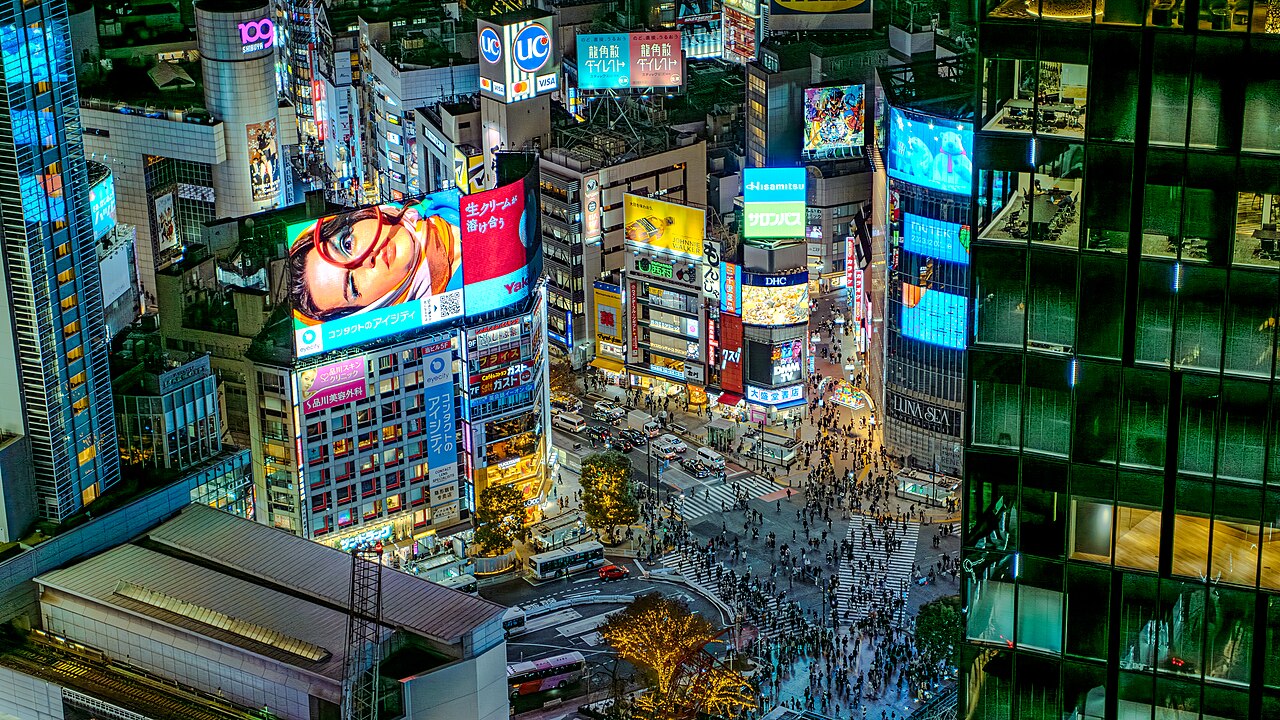
Shibuya Crossing sends an estimated 1,000 to 2,500 pedestrians across its five-way scramble intersection with every green-light cycle, and on the busiest evenings and weekends the combined hourly count is estimated at up to 3,000 people per cycle by local tourism boards, figures cited widely as among the highest pedestrian volumes at any single intersection in the world, though no single continuously audited count exists. All vehicle traffic stops simultaneously roughly every two minutes, and pedestrians converge from all directions at once rather than crossing in lanes, a signal pattern known as a pedestrian scramble. The Hachiko statue, a bronze dog memorializing an Akita famed for waiting daily at the station for its deceased owner in the 1920s and 1930s, sits at the crossing's northwest corner and functions as the area's default meeting point.
Beste Tageszeit: Weekday evening. 18:00–20:00, when commuter volume peaks and the crossing is at its most visually dense without weekend nightlife crowds pressing against viewpoints.
Öffnungszeiten von Shibuya Crossing
Shibuya Crossing öffnet um 10:00 und schließt um 22:30. Diese Zeiten gelten auch samstags und sonntags.
- Öffnungszeiten
- 10:00–22:30
Mon–Sun 10:00–22:30 - The intersection operates 24 hours as a functioning road crossing. Shibuya Sky observation deck: 10:00–22:30 daily (last admission 21:20), closed New Year's Day.
- Geschlossen an
- Täglich geöffnet
Öffnungszeiten zusammengestellt aus gotokyo.org und öffentlichen Quellen, zuletzt aktualisiert am . Sie können sich ohne Vorankündigung ändern — vor der Reise bitte bestätigen. Wie wir diese Reiseführer schreiben
Eintrittspreis für Shibuya Crossing
| Ticket | Preis |
|---|---|
| Standardticket | Kostenlos |
| Ermäßigt (Studenten / Senioren) | Kostenlos |
| Kinder | Kostenlos |
The crossing itself is a public street intersection and free to use at any hour. Shibuya Sky, the rooftop observation deck overlooking the crossing, charges a separate admission — from roughly ¥2,000 for adults booked online, more at the door; as of 2026, verify current pricing at the official site.
Preise zusammengestellt aus gotokyo.org und öffentlichen Quellen, zuletzt aktualisiert am . Sie können sich ohne Vorankündigung ändern — vor der Reise bitte bestätigen. Wie wir diese Reiseführer schreiben
Beste Reisezeit für Shibuya Crossing
- Moderate
- Busy
- Very busy
07:00–09:00
Morning Commute
Office and school commuters cross in dense but orderly waves; photography from ground level is difficult due to foot traffic speed.
Busy12:00–17:00
DaytimeBest time to go
Shopping and tourist crowds build steadily; Shibuya Sky queue times remain manageable.
Moderate18:00–21:00
Evening Peak
Combined commuter and nightlife volume produces the crossing's highest per-cycle pedestrian counts; neon signage is fully lit.
Very busy22:00–00:00
Late Night
Bar and restaurant crowds keep the crossing active well past 22:00; Shibuya Sky's last admission is 21:20, so the deck is closed by this window.
Busy
Geschichte von Shibuya Crossing
Shibuya developed as a transit hub from the early 20th century, when several private rail lines converged at Shibuya Station; the area's commercial density grew through the interwar period and accelerated after the station's postwar reconstruction. The scramble-crossing signal pattern was introduced in the postwar decades as pedestrian and vehicle volumes both grew to a scale that conventional phased crossings could not efficiently clear, and Shibuya's version became internationally recognized through Japanese cinema and, later, global media coverage of the area as shorthand for Tokyo's urban density.
The Hachiko statue, first erected in 1934 and recast in 1948 after the original was melted down for the wartime metal effort, commemorates an Akita dog that continued arriving at Shibuya Station to await its owner, University of Tokyo professor Hidesaburo Ueno, for nearly a decade after Ueno's death in 1925 — a story that became a national symbol of loyalty and remains a fixture of Japanese schoolchildren's civics education.
Shibuya Sky, the rooftop observation deck atop Shibuya Scramble Square, opened in November 2019 as part of a broader station-area redevelopment, giving the crossing its first elevated official viewing platform; prior informal viewpoints from station-area coffee shop windows predate it by decades.
Regeln & Etikette in Shibuya Crossing
Standing still in the middle of the crossing to take photographs during the walk signal is discouraged and, if it causes a collision or blocks the flow, can draw a warning from the traffic officers occasionally posted at the intersection during peak hours; the practical approach is to cross with the flow and photograph from the pavement or an elevated vantage point instead.
Starbucks' second-floor window seating at the Tsutaya building on the crossing's northeast corner is the best-known free viewpoint and fills quickly during evening hours, with informal queueing for window seats. Shibuya Sky requires timed-entry tickets booked for a specific arrival slot, and outdoor rooftop access can close temporarily in high wind or rain.
Tipps für den Besuch von Shibuya Crossing
- 1
For photography without paying for Shibuya Sky, the Shibuya Scramble Square building's Magnet by Shibuya109 rooftop and the pedestrian bridge (Scramble Square deck level, free zones) offer partial elevated views; the fully unobstructed 229-metre rooftop view is exclusive to the paid Shibuya Sky deck. Tipping is not practised in Japan and does not apply to any staff at the crossing-area cafés or Shibuya Sky.
- 2
Evening rush hour (18:00–20:00) on a weekday delivers the highest pedestrian density without the added weekend nightlife crowd around the station's exits and izakaya streets. The crossing connects directly to Shibuya Center-gai, a pedestrian shopping street running uphill from the intersection, and to Miyashita Park, an elevated park and retail complex a short walk northeast — both natural continuations of a Shibuya visit.
Anreise nach Shibuya Crossing
Der rote Stern zeigt Shibuya Crossing; die nummerierten Markierungen sind die 7 nächstgelegenen Orte aus unseren Reiseführern, jeweils mit ihrem Rang in der eigenen Stadt. Für Details auf eine Markierung tippen.
Dogenzaka/Udagawacho intersection outside Shibuya Station Hachiko Exit, Shibuya City, Tokyo 150-0043, JapanRoute in Google Maps
Ab Haneda Airport (HND)
20 km · 30–45 min
¥1,100
Ab Narita Airport (NRT)
75 km · 90 min
¥3,250
Ab Shinjuku Station
4 km · 7–10 min
¥150
Nächster Flughafen
Ab Haneda Airport (HND)
20 km, approximately 30–40 minutes via Tokyu Airport Limousine bus or monorail plus Yamanote Line transfer.
Nächste Station
Ab Shibuya Station (JR Yamanote Line, Tokyo Metro Ginza/Hanzomon/Fukutoshin Lines, Tokyu, Keio Inokashira Line)
the crossing is directly outside the Hachiko Exit.
Häufige Fragen zu Shibuya Crossing
Is Shibuya Crossing free to visit?
Yes, the intersection is a public street and free to cross or photograph from the pavement at any hour. Only the paid Shibuya Sky rooftop observation deck, which offers an elevated view of the crossing, charges admission.
How many people cross Shibuya Crossing at once?
Estimates cited by local tourism sources range up to roughly 3,000 pedestrians per signal cycle during the busiest evening and weekend periods, among the highest volumes reported for any single pedestrian crossing, though there is no single continuously audited official count.
Where is the best free viewpoint for Shibuya Crossing?
The second-floor window seating of the Starbucks in the Tsutaya building on the crossing's northeast corner is the best-known free elevated vantage point, though seats fill quickly during evening hours. The fully unobstructed rooftop view requires a paid Shibuya Sky ticket.
What is the Hachiko statue next to Shibuya Crossing?
It is a bronze memorial to an Akita dog that continued visiting Shibuya Station to await its deceased owner for nearly a decade in the 1920s–30s. First erected in 1934 and recast in 1948, it now serves as the area's default meeting point.
Mit KI-Unterstützung aus offiziellen Quellen und öffentlichen Aufzeichnungen erstellt und erst nach den Prüfungen veröffentlicht, die beschrieben sind unter Wie wir diese Reiseführer schreiben. Niemand von Traveliac war persönlich vor Ort. Zuletzt aktualisiert am . Wie wir Orte bewerten und prüfen
Orte in der Nähe von Shibuya Crossing
Luftlinien-Entfernungen laut unserer Karte; Zeiten sind Schätzwerte.
 #6 in TokyoFreier Eintritt
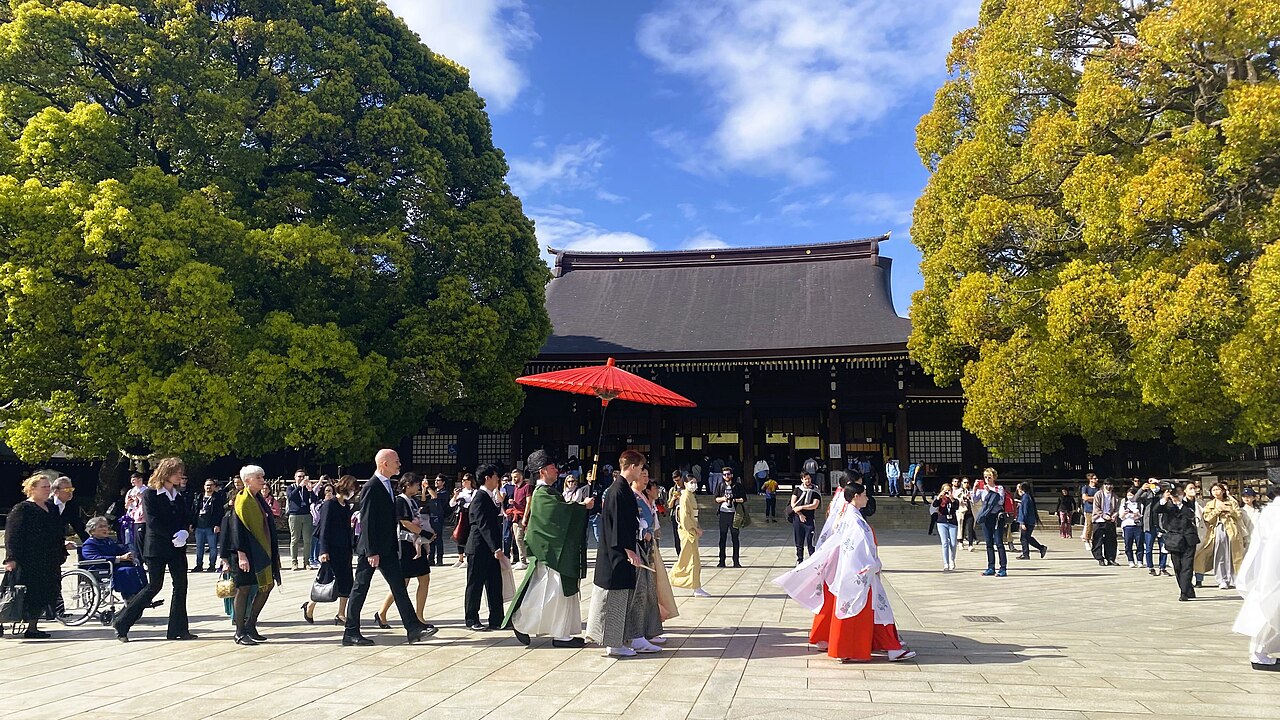
Meiji Jingu Shrine
Tempel · 1.9 km · about 30 min walk
 #8 in Tokyo
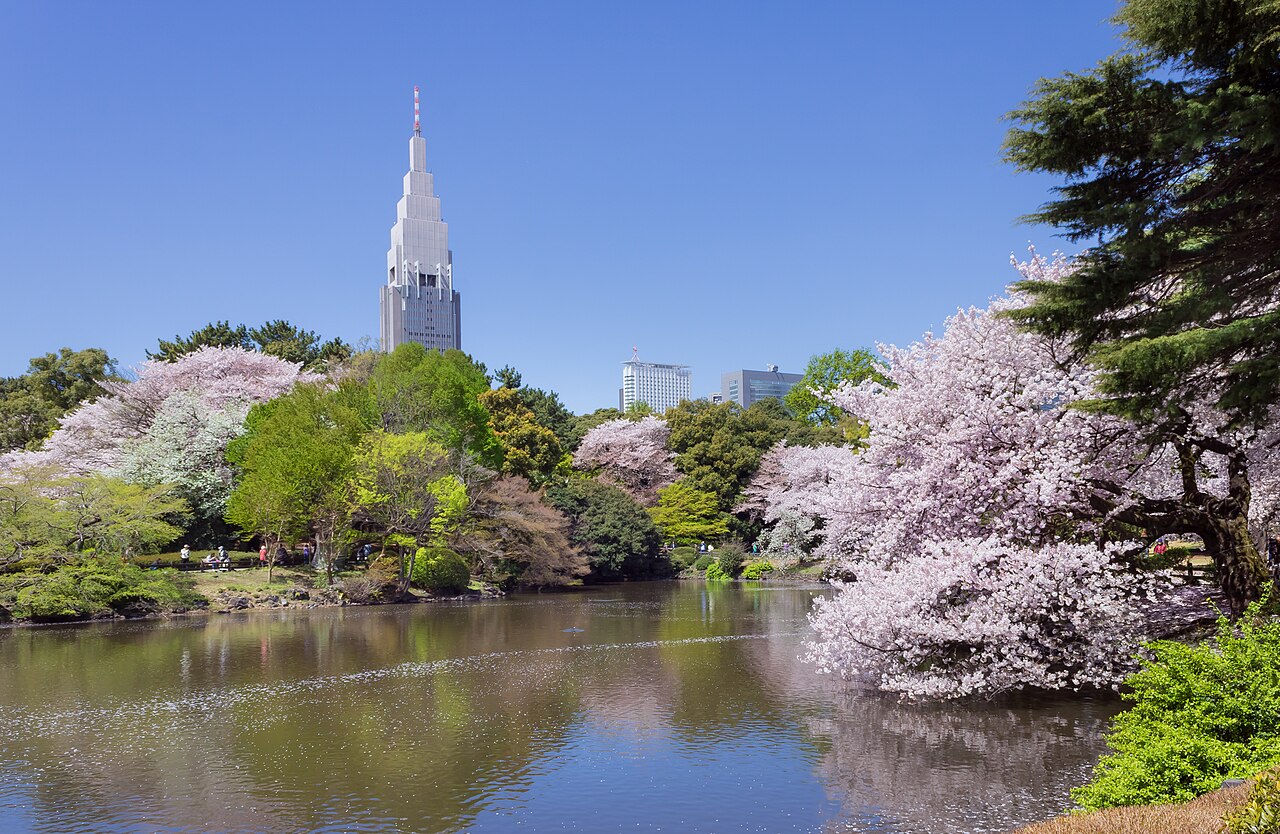
Shinjuku Gyoen National Garden
Garten · 3 km · about 10 min by road
 #5 in Tokyo
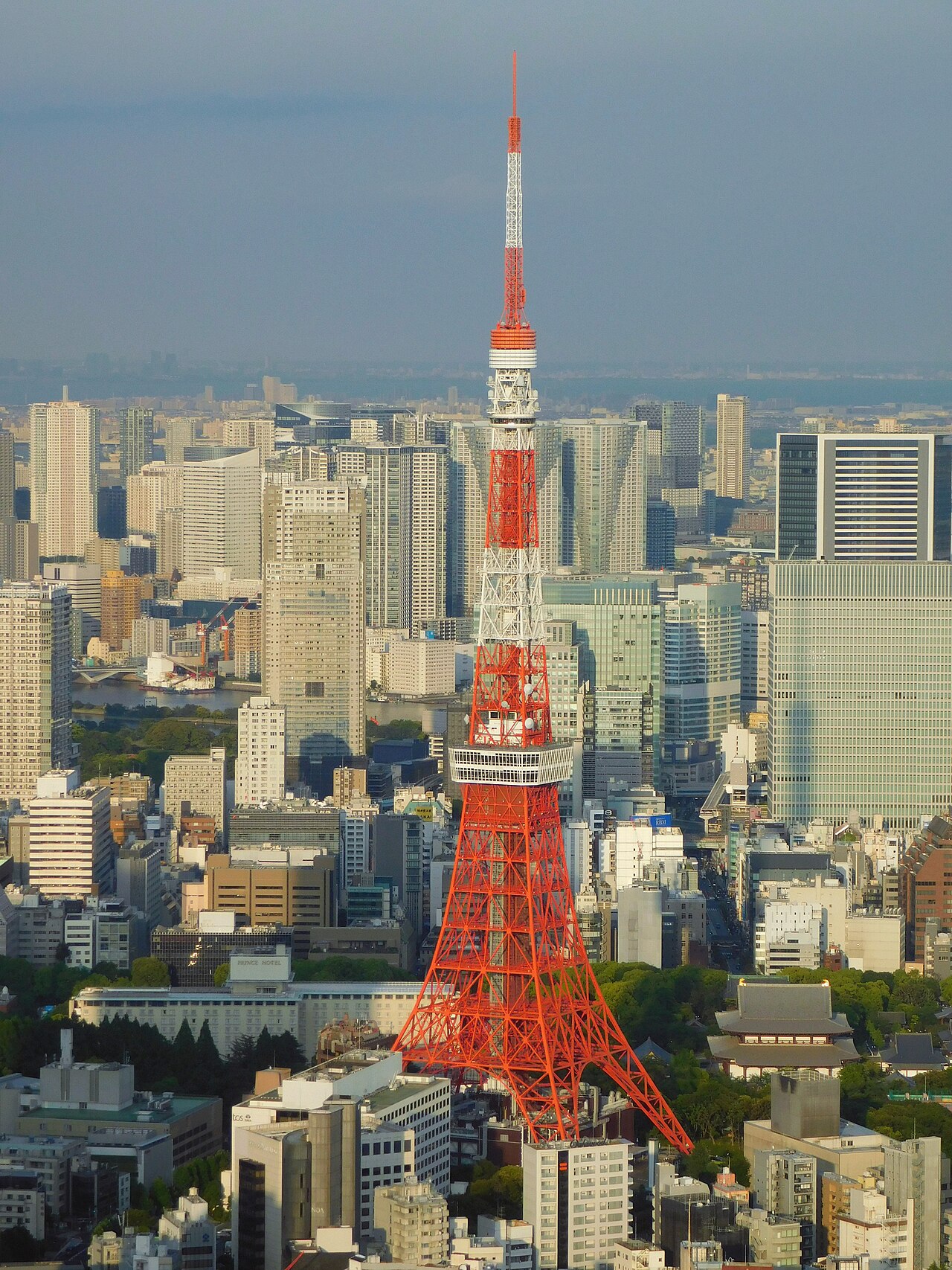
Tokyo Tower
Kulturerbe · 4 km · about 15 min by road
 #4 in TokyoFreier Eintritt
Imperial Palace East Gardens
Palast · 6 km · about 20 min by road