
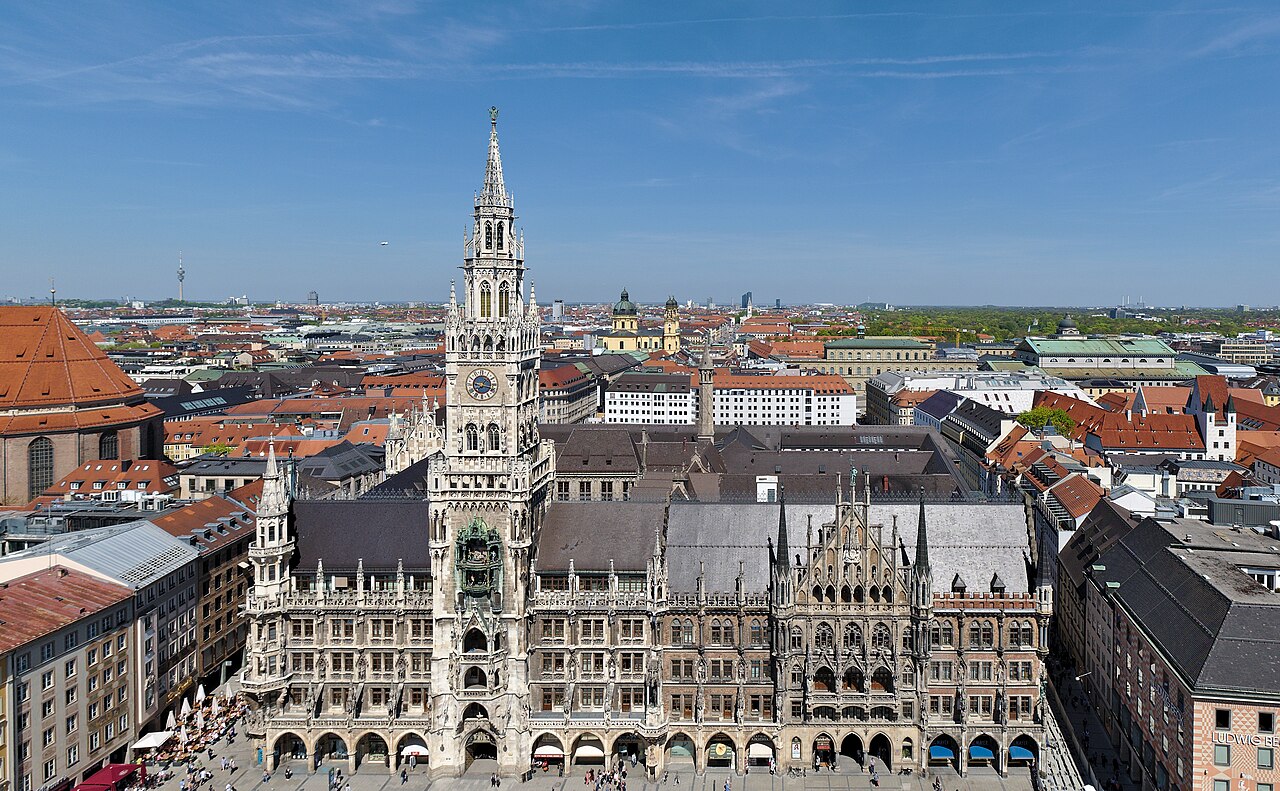
Lugares para visitar en Germany
Europe's largest economy, rebuilt city by city after 1945 and reunified in 1990, with a rail network and a beer-hall culture that both run on strict punctuality.
Germany has a temperate climate with warm summers (June-August) and cold, occasionally snowy winters (December-February), and its cities remain marked by a 20th-century history of division and reconstruction that is unusually visible in the built environment, particularly in Berlin. The country runs on one of Europe's densest and most punctual rail networks (Deutsche Bahn), making city-to-city travel straightforward without a car, though regional strikes do occur and are worth checking before travel. May-September is the most popular travel window for outdoor sightseeing and beer gardens, while the Christmas market season (late November-December) draws a distinct wave of winter visitors to city squares nationwide. Sunday trading laws are strict — most shops close, though museums, restaurants, and tourist sites generally stay open. Tipping around 5-10% by rounding up the bill is customary but not obligatory, handed directly to the server rather than left on the table.
Capital
Berlin
Moneda
Euro (EUR, €)
Zona horaria
CET/CEST (UTC+1/+2)
Código telefónico
+49
Mejores meses
May – Sep, Dec
Visados y entrada
Schengen Area member. EU/EEA/Swiss citizens need no visa. Many other nationalities (US, UK, Canada, Australia, Japan) can enter visa-free for up to 90 days in any 180-day period under the Schengen short-stay rule; ETIAS pre-travel authorisation is expected to apply to visa-exempt visitors once phased in. Other nationalities require a Schengen visa.
Por dónde empezar en Germany
El lugar mejor clasificado de cada una de nuestras guías de ciudades.