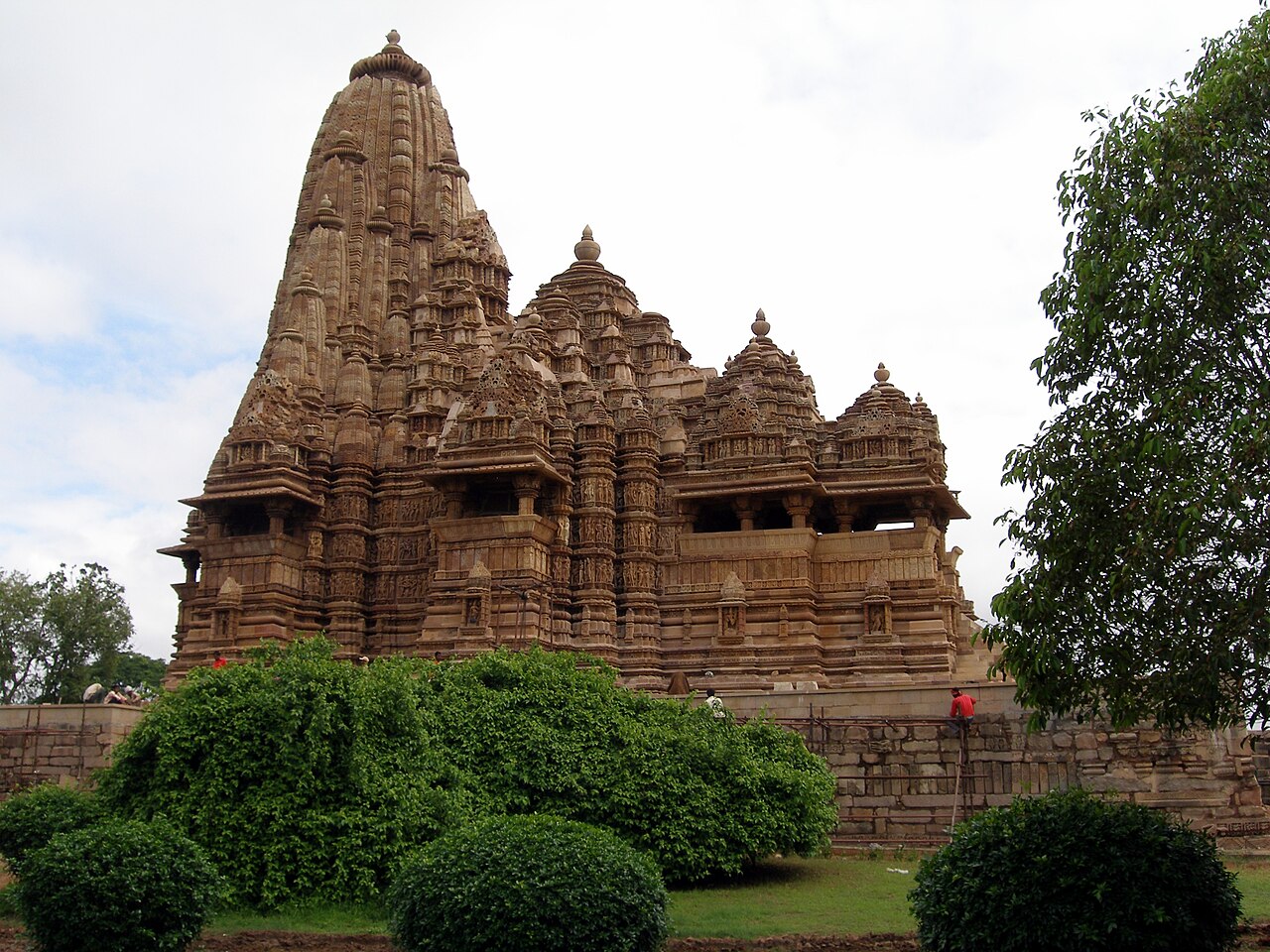
Guía de viaje de Madhya Pradesh
8 lugares para visitar en Gwalior
También conocido como Gopachal · Gopadri
Gwalior is built around a 3-kilometre sandstone ridge that the Mughal emperor Babur, after capturing its hilltop fort in 1526, called 'the pearl amongst the fortresses of Hind.' A foundation legend, undocumented in any inscription, dates the city's origin to a chieftain named Suraj Sen who was cured of leprosy by the hermit Gwalipa and named the settlement after him; whichever century that legend belongs to, the fort itself has confirmed occupation back to the Huna rulers of the 5th century. Three distinct quarters make up the modern city: the old walled town at the fort's base, Lashkar to the south — the planned 19th-century commercial capital the Scindia dynasty built around Jai Vilas Palace — and Morar, the cantonment quarter the British developed further east. That layered history shows up in the sightseeing itself: a Tomar-era painted palace and two 11th-century temples share the fort ridge with a Sikh gurudwara marking Guru Hargobind's imprisonment, while the city below holds a Mughal-era tomb complex, a Scindia palace with a 3.5-tonne chandelier, and a twentieth-century reproduction of the Konark Sun Temple. Gwalior Junction, with more than 180 daily train services, and Rajmata Vijaya Raje Scindia Airport, 10 kilometres northeast at Maharajpura, connect the city to Delhi, Mumbai, Agra, and the rest of Madhya Pradesh. Summers push past 45°C between April and June, and the cool, dry window from November to February is when the fort's shadeless ridge is actually walkable in daylight.
Actualizado el ·Redactado por Traveliac, con ayuda de IA ·Cómo clasificamos
- Mejor momento
- Oct – Mar
- Tiempo necesario
- Unos 2 días
- 10 horas de visitas
- Aeropuerto de llegada
- Rajmata Vijaya Raje Scindia Airport (GWL)
- Estación más cercana
- Gwalior Junction (GWL)
- Entrada gratuita
- 3 de 8
Lo mejor para hacer en Gwalior
Clasificado según cinco criterios publicados- 1
Fuerte
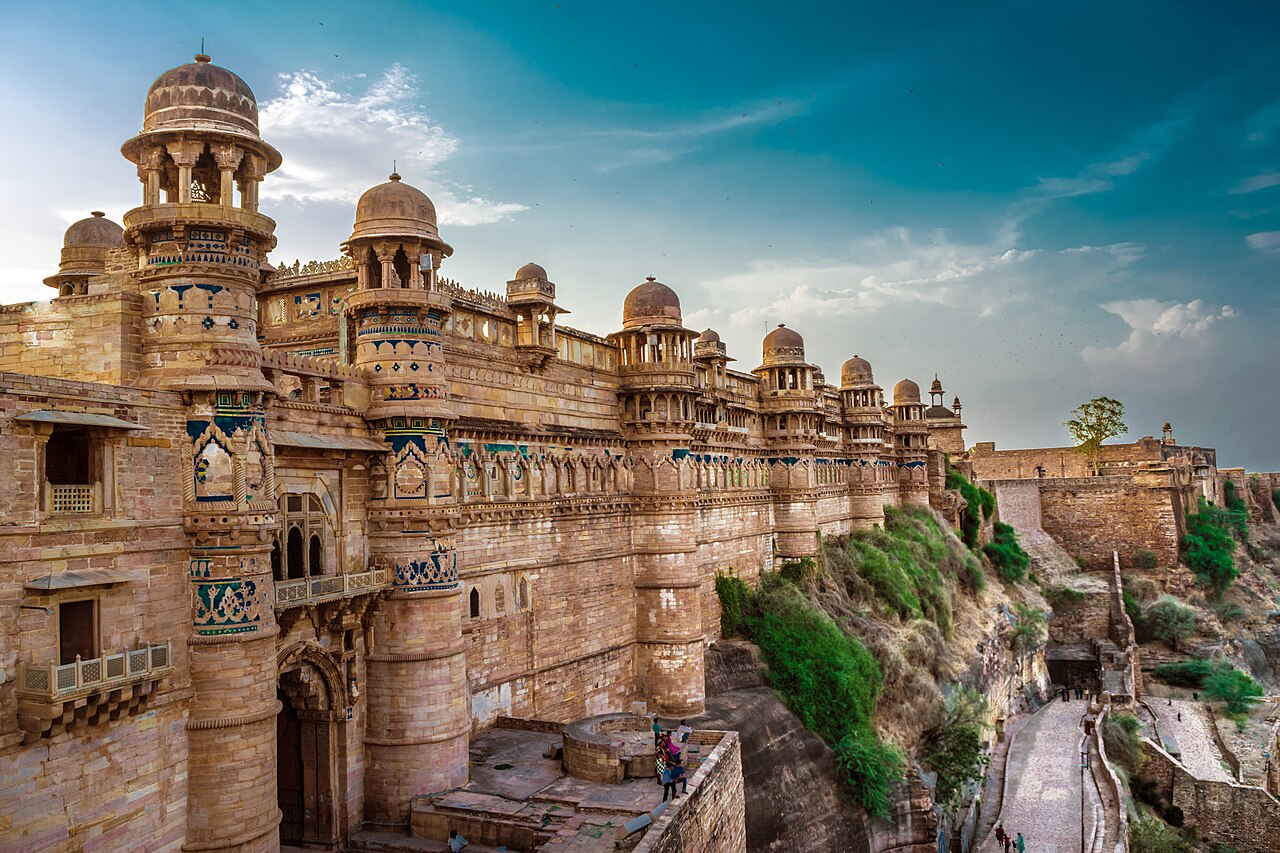
Gwalior Fort
Gwalior Fort runs for roughly 3 kilometres along a sandstone ridge that rises 342 feet above the city, and the Mughal emperor Babur, who took the…
3 hrs₹75 indios
![Hathi Pol Gate, Man Mandir Palace, [Gwalior]](/wm/wikipedia/commons/thumb/d/da/Hathi_Pol_Gate%2C_Man_Mandir_Palace%2C_-Gwalior-.jpg/1280px-Hathi_Pol_Gate%2C_Man_Mandir_Palace%2C_-Gwalior-.jpg) 2
2Templo
Man Mandir Palace
Man Mandir Palace was built between 1486 and 1516 by the Tomar ruler Raja Man Singh, and its outer wall still carries bands of turquoise, green, and…
1 hr₹75 indios
 3
3Templo
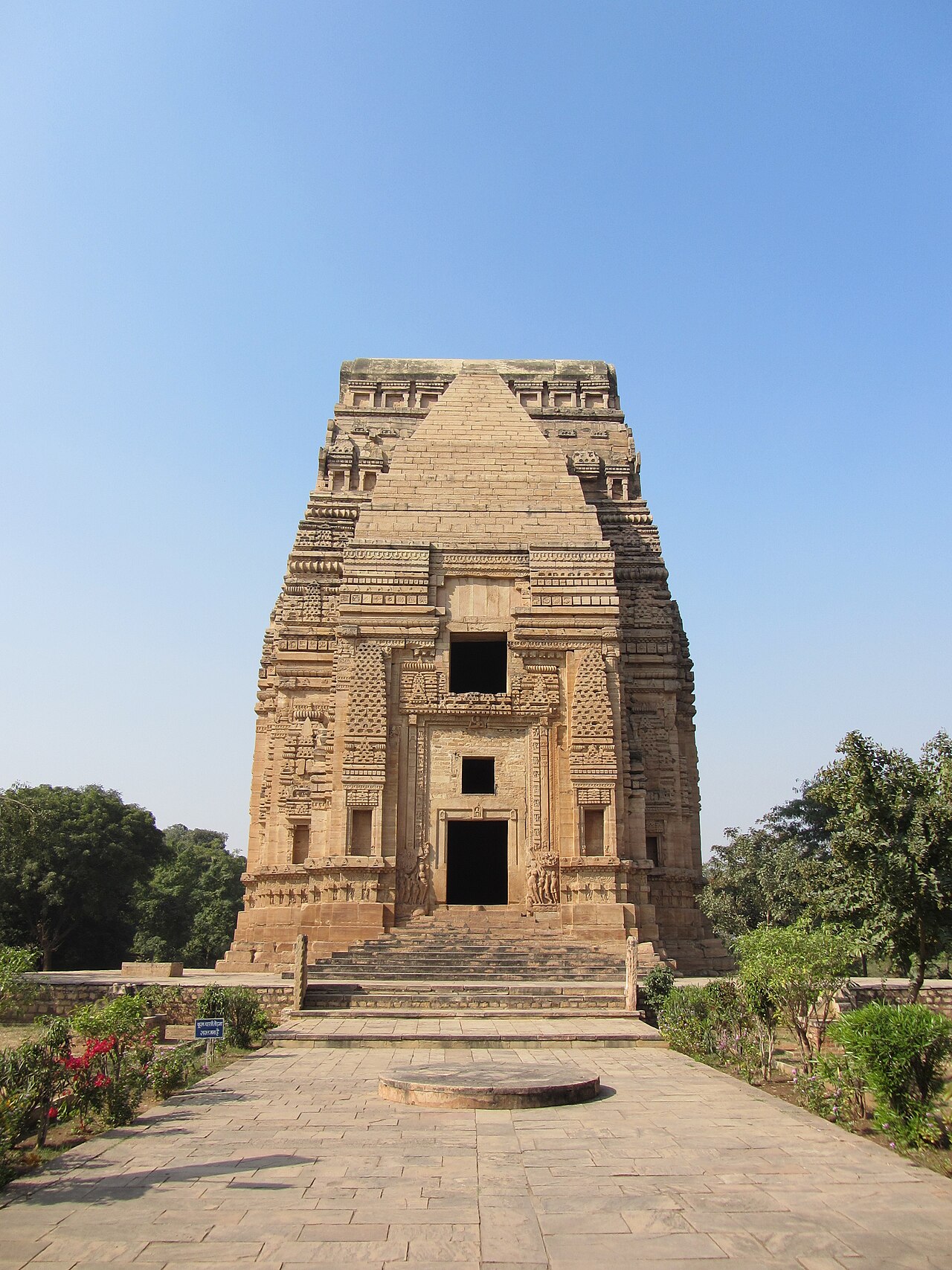
Teli ka Mandir
Teli ka Mandir stands roughly 100 feet tall on the Gwalior Fort ridge, and its barrel-vaulted roof — a form more associated with South Indian…
30 min₹75 indios
 4
4Templo
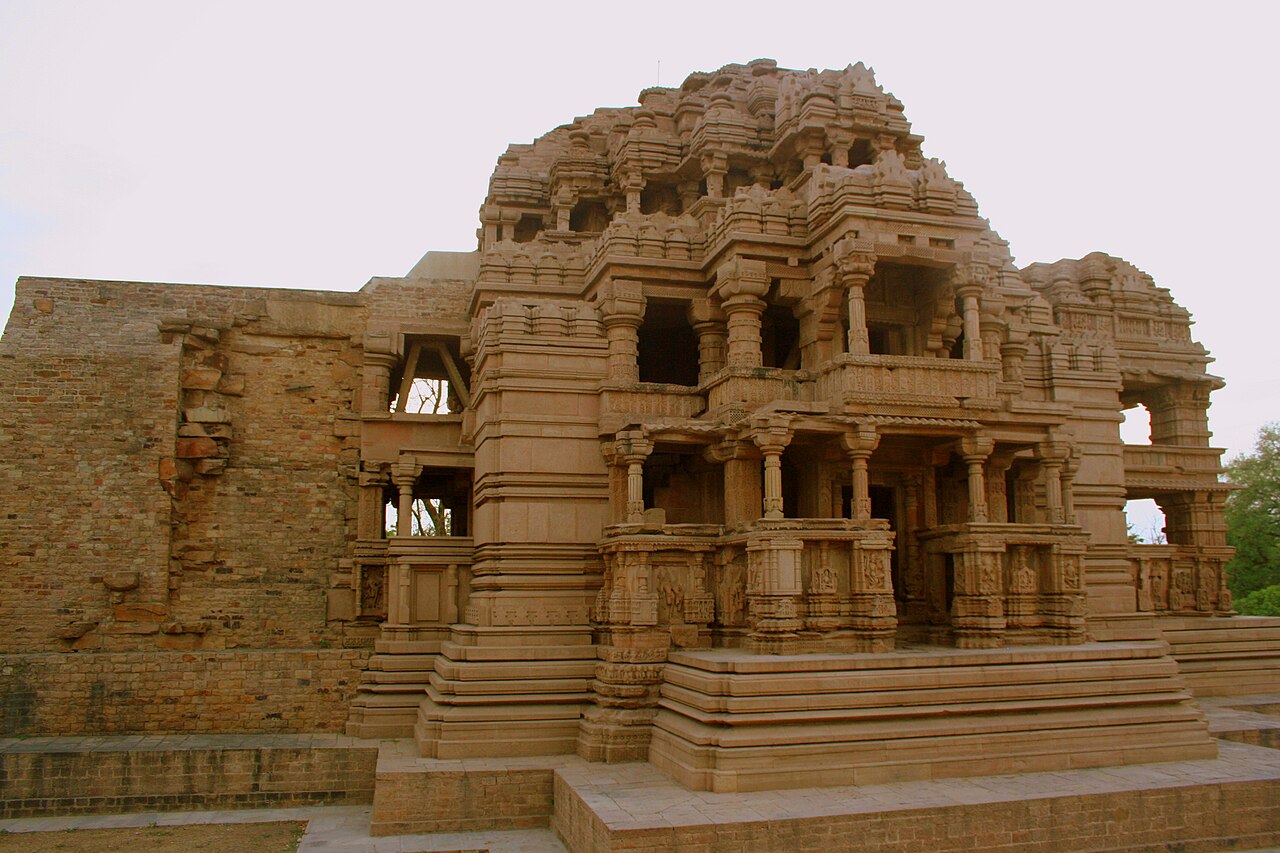
Saas-Bahu Temples
The Saas-Bahu Temples are two separate red sandstone shrines built in 1092–93 CE by King Mahipala of the Kachchhapaghata dynasty, and the popular…
45 min₹75 indios
 5Entrada gratuita
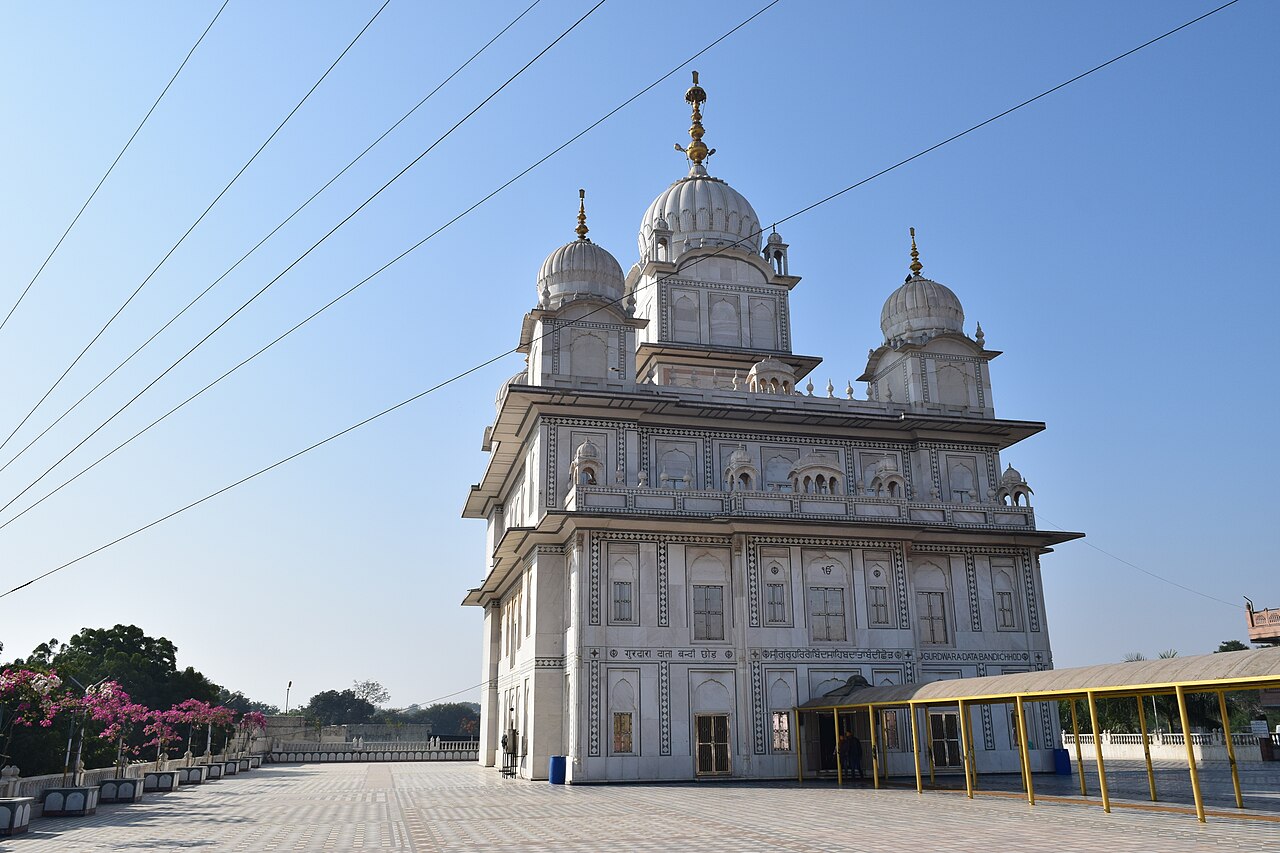
Gurdwara
Gurudwara Data Bandi Chhod Sahib
Gurudwara Data Bandi Chhod Sahib stands inside the outer wall of Gwalior Fort and marks the cell where the Sikh Guru Hargobind Sahib was imprisoned…
1 hr
 6Entrada gratuita
Mausoleo
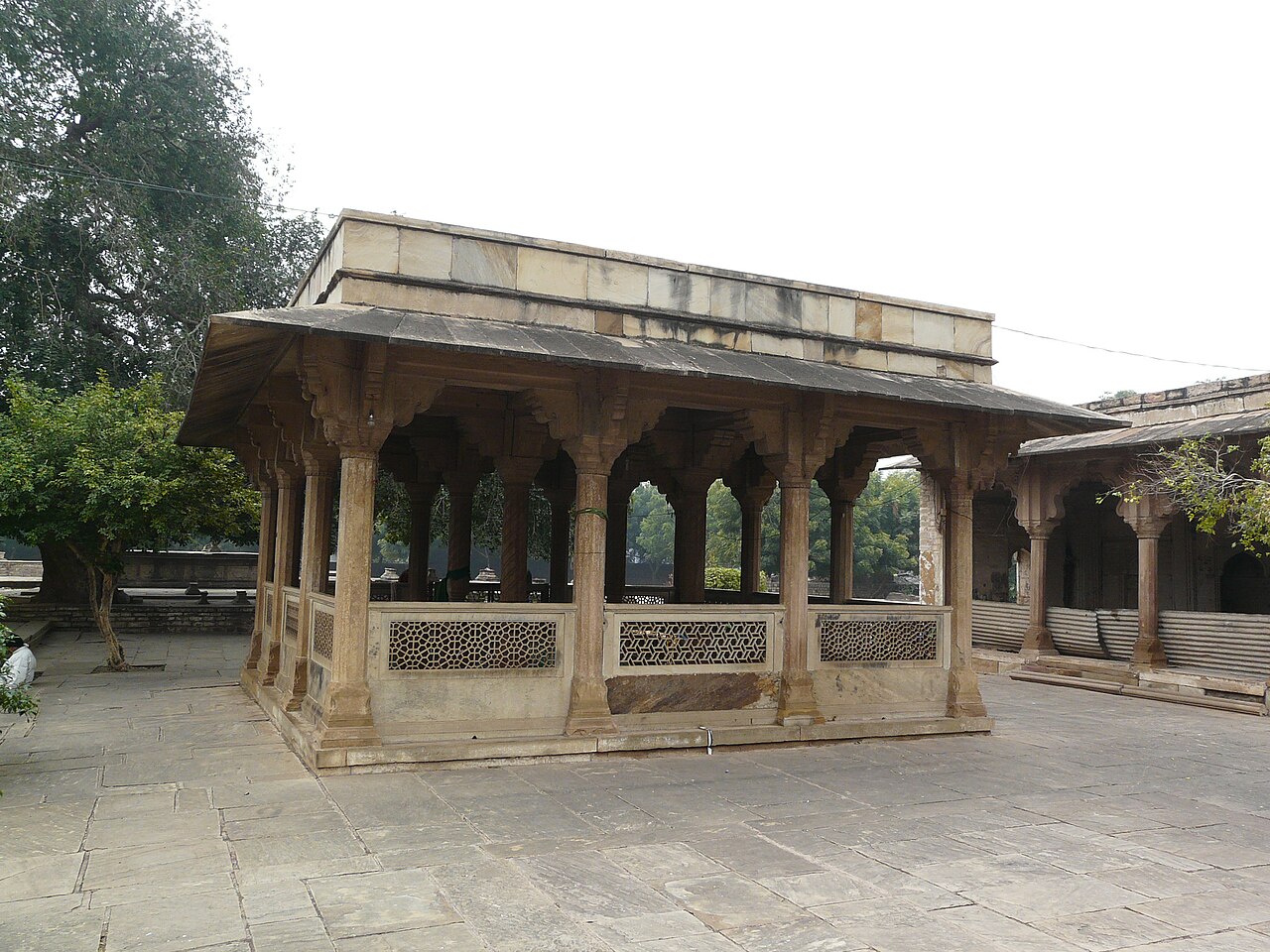
Tomb of Tansen
The Tomb of Tansen stands about 1 kilometre from Gwalior Fort in the Hazira quarter, sharing a walled garden with the far larger sandstone mausoleum…
45 min
 7
7Palacio
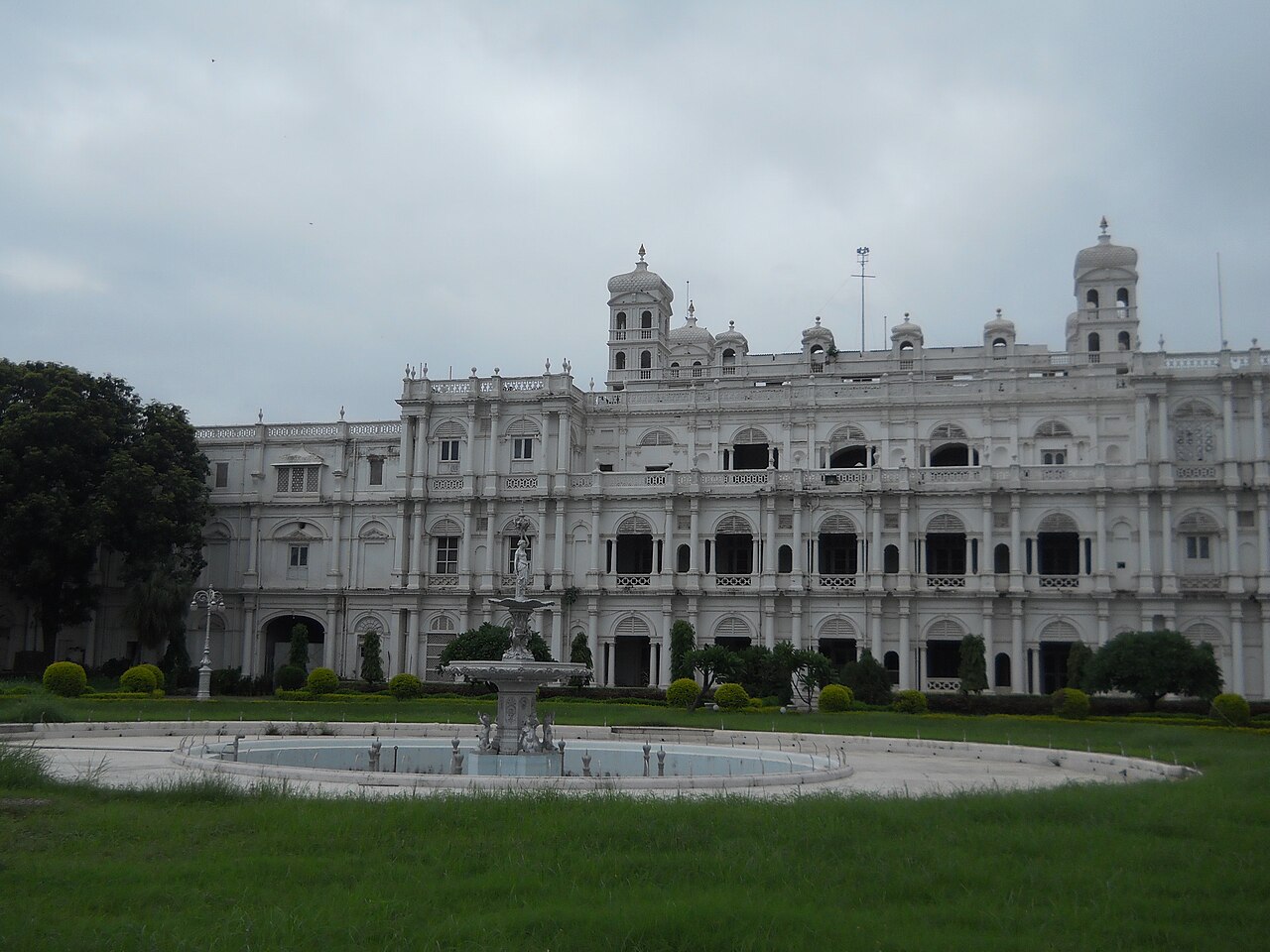
Jai Vilas Palace & Museum
Jai Vilas Palace was built in 1874 by Maharaja Jayajirao Scindia specifically to host the Prince of Wales's state visit, and its Darbar Hall ceiling…
2 hrs₹550 indios
 8Entrada gratuita
Templo
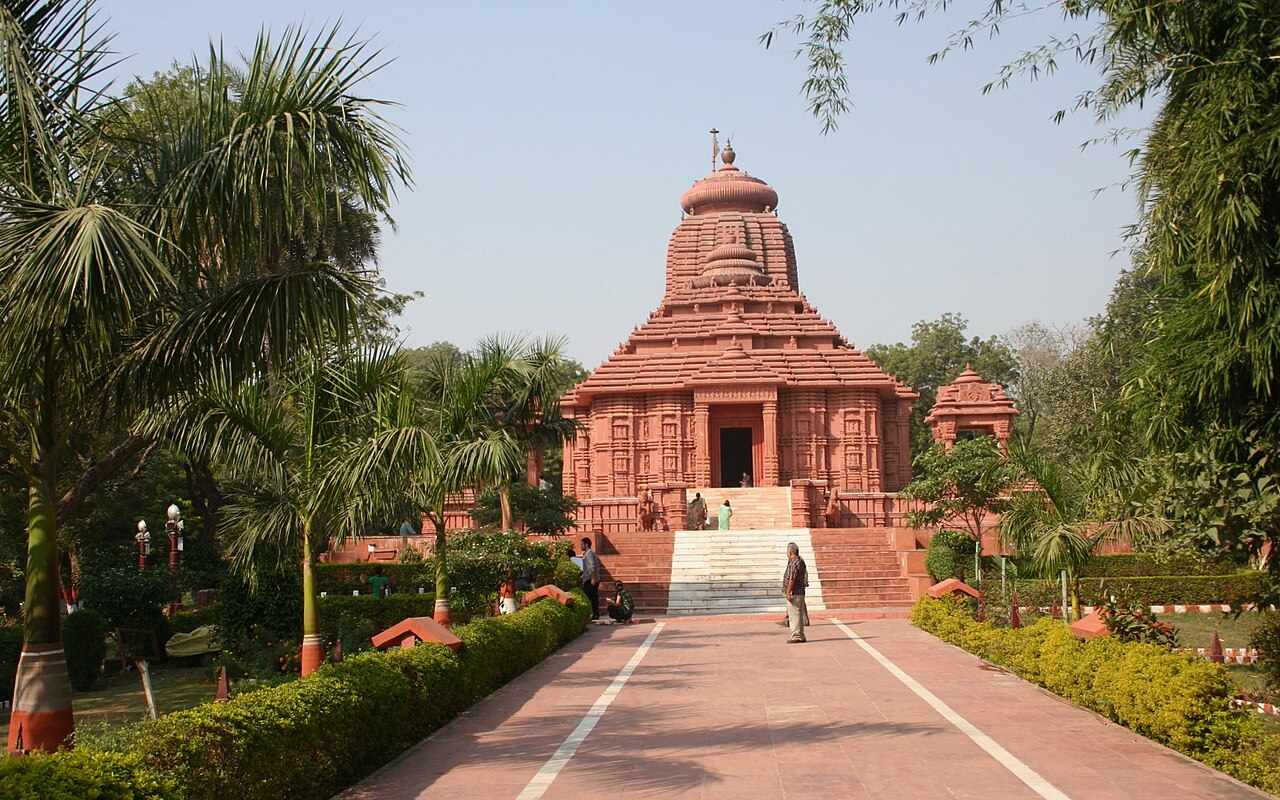
Sun Temple, Gwalior
The Sun Temple in Gwalior's Morar quarter was completed on 23 January 1988, four years and four days after the industrialist G. D.
45 min
Mapa de lugares para visitar en Gwalior
Los números coinciden con la clasificación; el top 3 está en naranja. Toca un pin para ver su guía. 5 lugar(es) todavía no tienen posición en el mapa.
Excursiones desde Gwalior
Vale la pena si te sobra un día, empezando por los más cercanos.
65 km · 1h 30m
Bateshwar & Padavali (Morena)
A cluster of roughly 200 sandstone Shiva temples in the Chambal ravines, rebuilt stone-by-stone after a 2005 collapse, beside the heavily carved but ruined Padavali fort.
70 km · 1h 30m
Datia
Bir Singh Deo's seven-storey Datia Palace, an early 17th-century Bundela fort-palace built as a symmetrical stone puzzle of interlocking courtyards, largely unrestored and rarely crowded.
110 km · 2h 15m
Shivpuri (Madhav National Park)
Former Scindia summer capital with the marble Chhatris of the royal family, a British-era hunting lodge, and Sakhya Sagar lake inside Madhav National Park.
120 km · 2h 30m
Orchha
Bundela Rajput capital on the Betwa river, with the Jahangir Mahal and Raja Mahal palaces and a skyline of granite chhatris built between the 16th and 17th centuries.
¿Ves algo incorrecto, o un lugar que falta?
Avísanos y un editor lo verificará con fuentes oficiales y corregirá la página.