
Guía de viaje de Kanto
Los 10 mejores lugares para visitar en Tokyo
Tokyo is Japan's capital and its largest city, home to roughly 14 million residents within the metropolis and closer to 37 million across the greater metropolitan area, spread across 23 special wards plus outlying cities.
Actualizado el ·Redactado por Traveliac, con ayuda de IA ·Cómo clasificamos
- Mejor momento
- Mar – Apr, Oct – Nov
- Tiempo necesario
- Unos 3 días
- 16 horas de visitas
- Aeropuerto de llegada
- Haneda Airport (HND)
- Estación más cercana
- Asakusa Station (Tokyo Metro Ginza Line
- Entrada gratuita
- 6 de 10
Lo mejor para hacer en Tokyo
Clasificado según cinco criterios publicados- 1Entrada gratuita
Templo
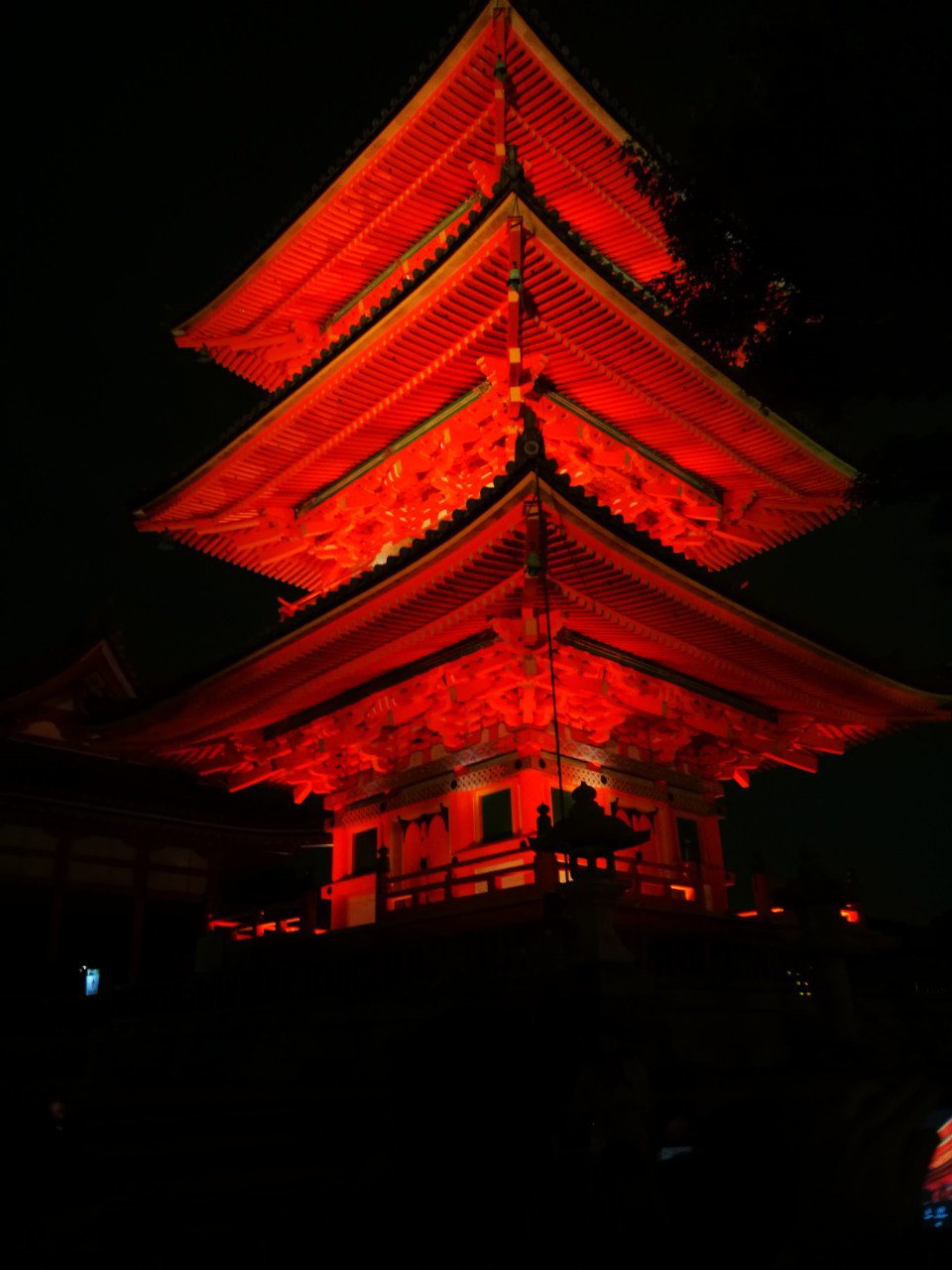
Senso-ji Temple
Senso-ji Temple is Tokyo's oldest temple, founded in 645 CE, and its Main Hall stands at the end of the 250-metre Nakamise-dori shopping street lined…
1.5 hrs
 2
2Patrimonio
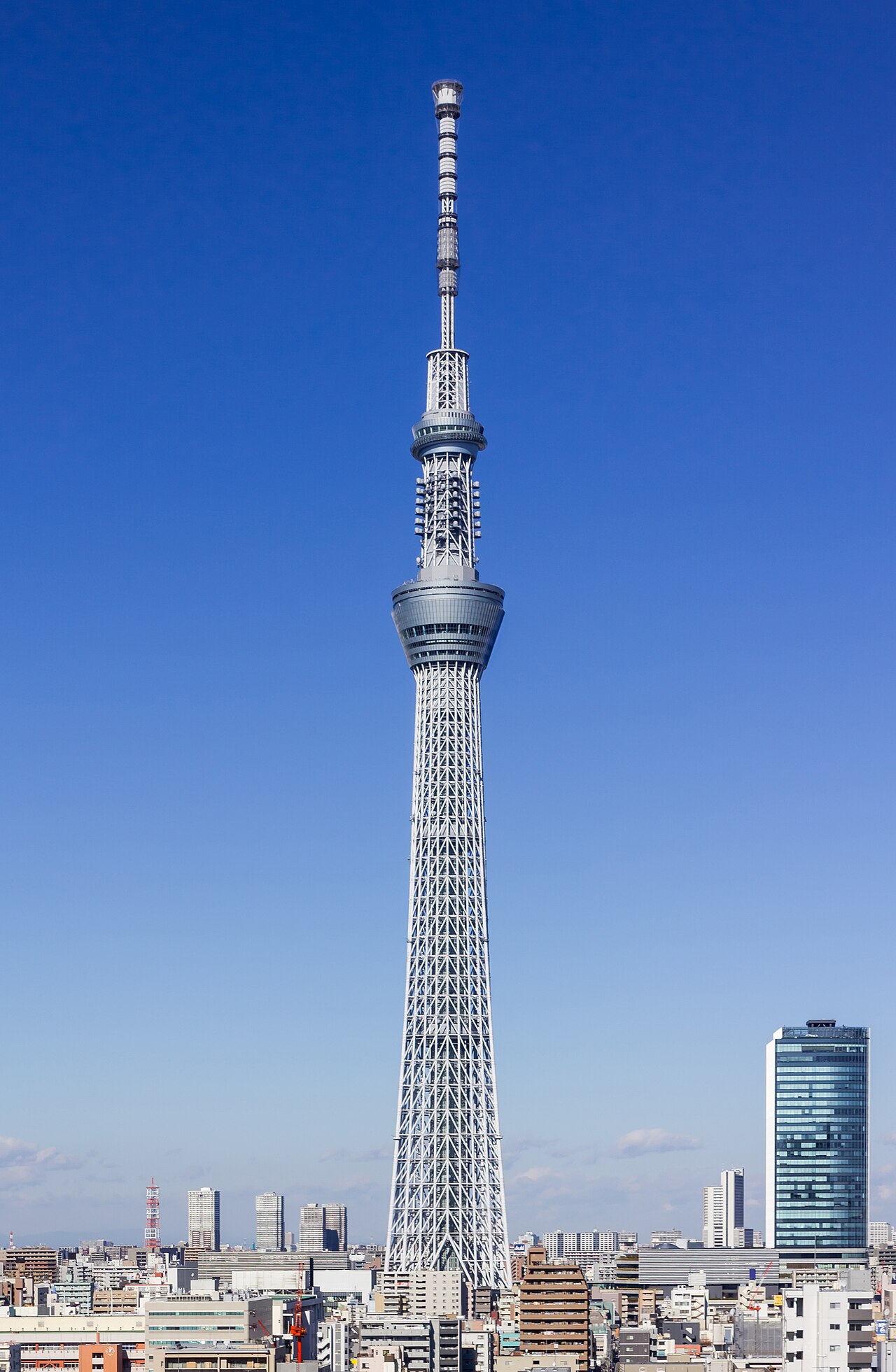
Tokyo Skytree
Tokyo Skytree stands 634 metres tall, making it the tallest structure in Japan and the tallest freestanding broadcasting tower in the world when it…
1.5 hrs¥1,800
 3Entrada gratuita
Mercado
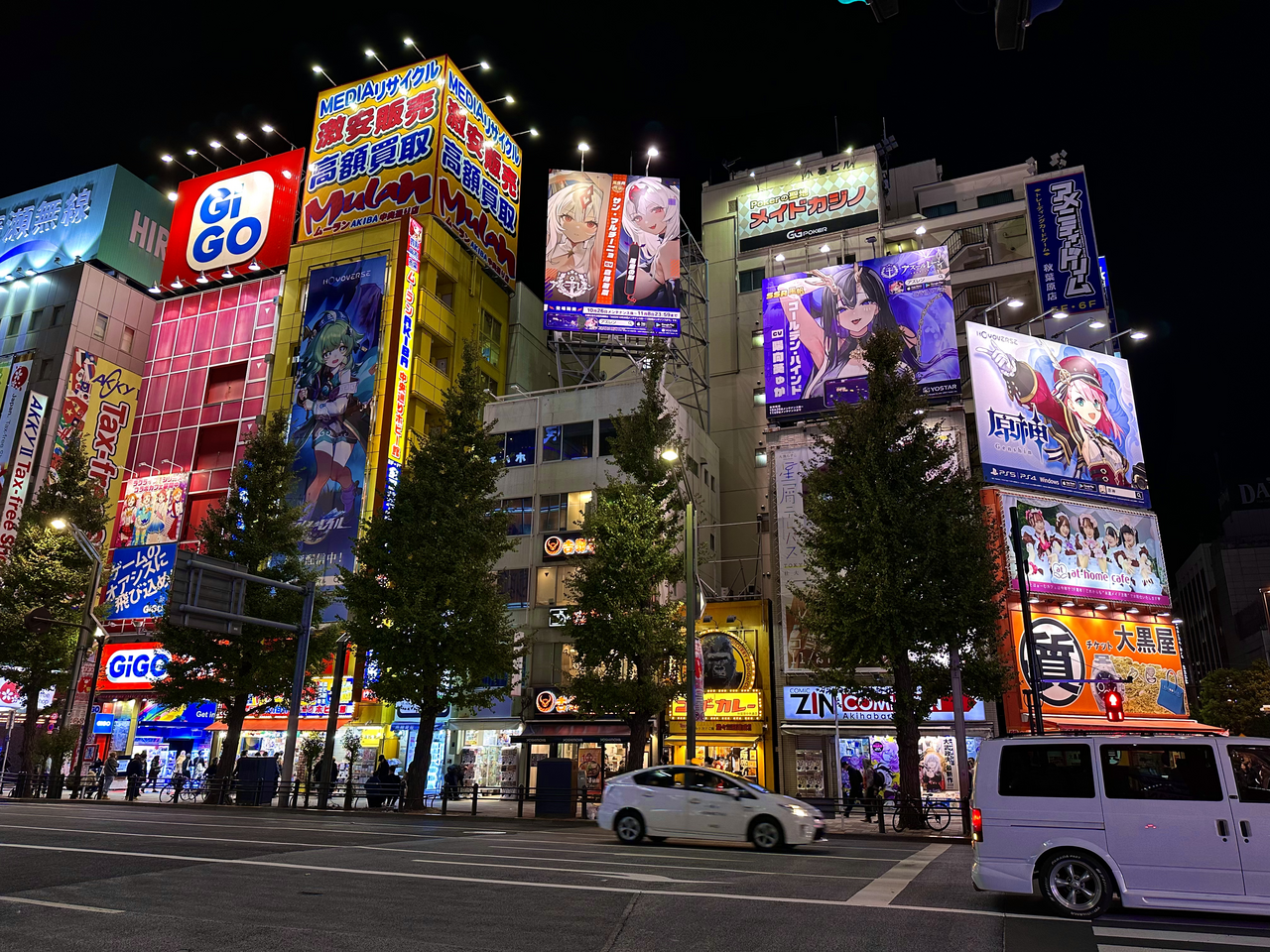
Akihabara
Akihabara is a roughly one-square-kilometre district around Akihabara Station in central Tokyo, built originally on postwar electronics retail and…
2.5 hrs
 4Entrada gratuita
Palacio
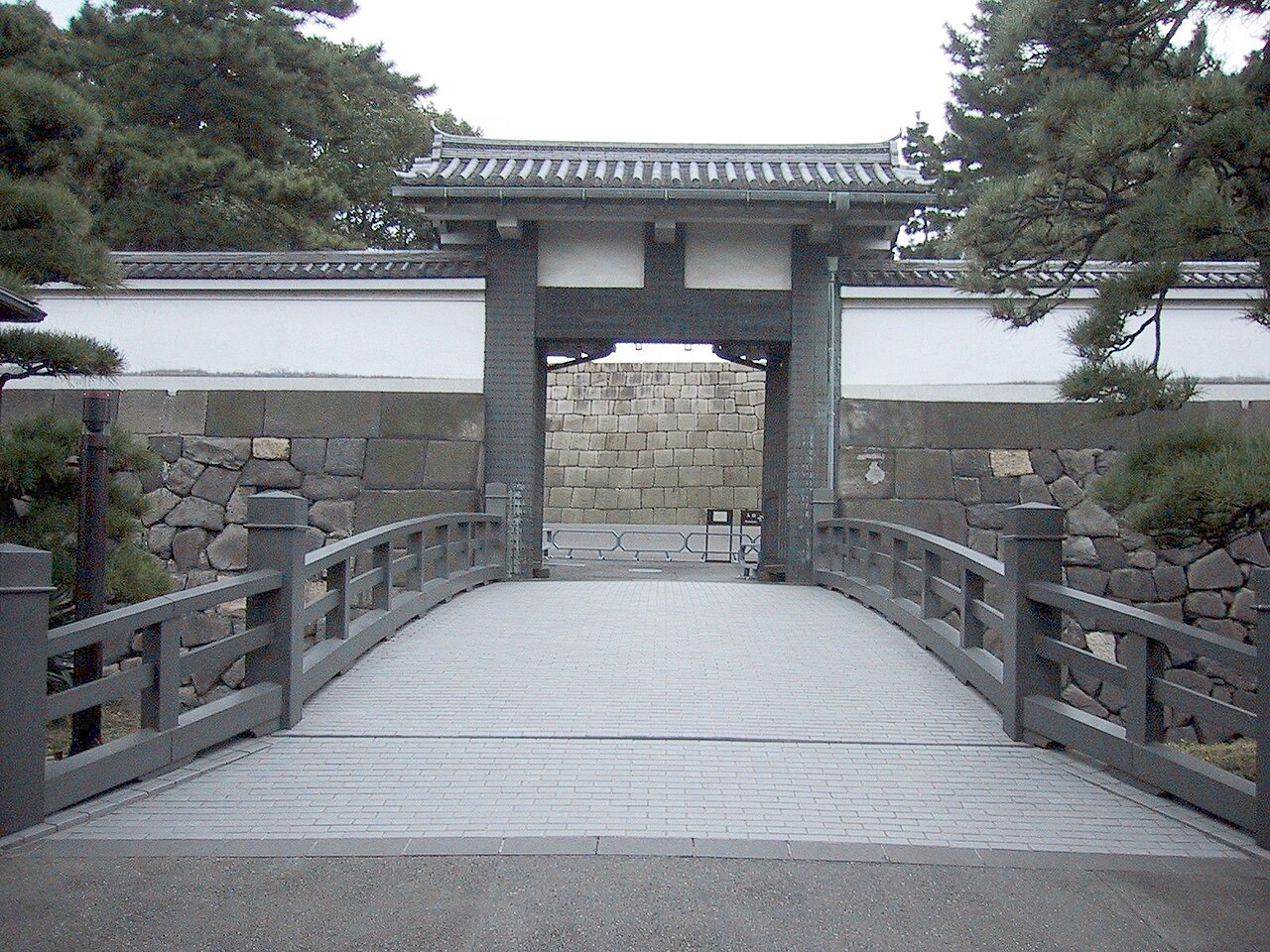
Imperial Palace East Gardens
Imperial Palace East Gardens occupy the former honmaru (main citadel) and ninomaru (secondary citadel) grounds of Edo Castle, the shogunal fortress…
1.5 hrs
 5
5Patrimonio
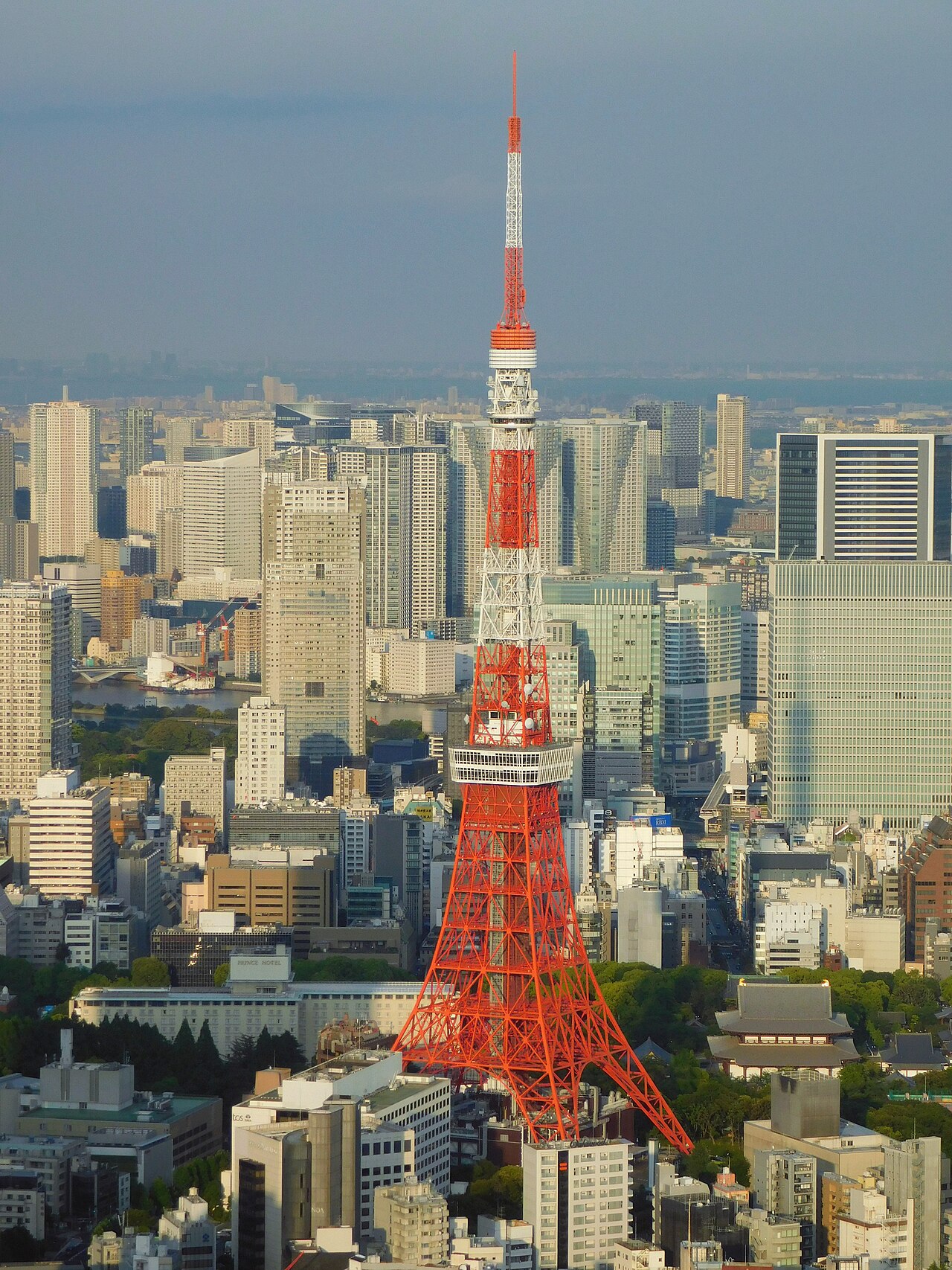
Tokyo Tower
Tokyo Tower rises 333 metres above Shiba Park in central Tokyo, painted in International Orange and white in alternating bands required by Japanese…
1.5 hrs¥1,500
 6Entrada gratuita
Templo
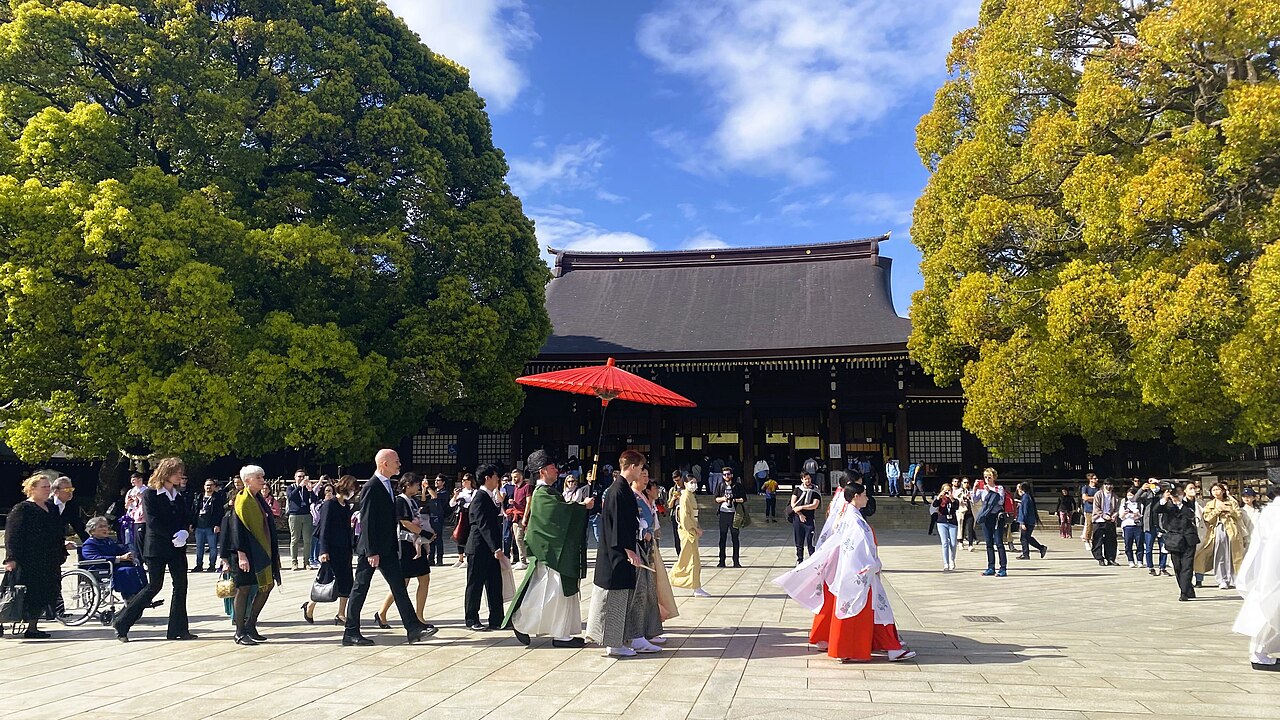
Meiji Jingu Shrine
Meiji Jingu Shrine sits inside a forest of roughly 120,000 trees spanning about 700,000 square metres, planted entirely by hand between 1915 and 1920…
1.5 hrs
 7Entrada gratuita
Patrimonio
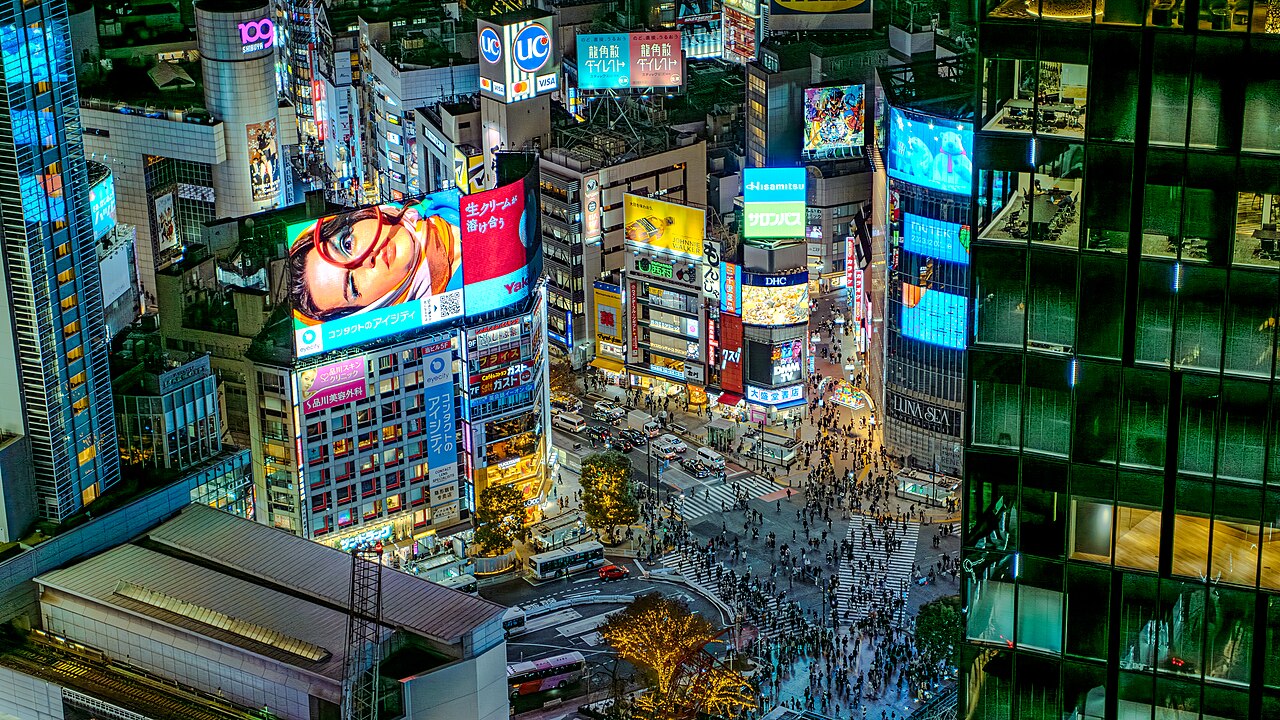
Shibuya Crossing
Shibuya Crossing sends an estimated 1,000 to 2,500 pedestrians across its five-way scramble intersection with every green-light cycle, and on the…
45 min
 8
8Jardín
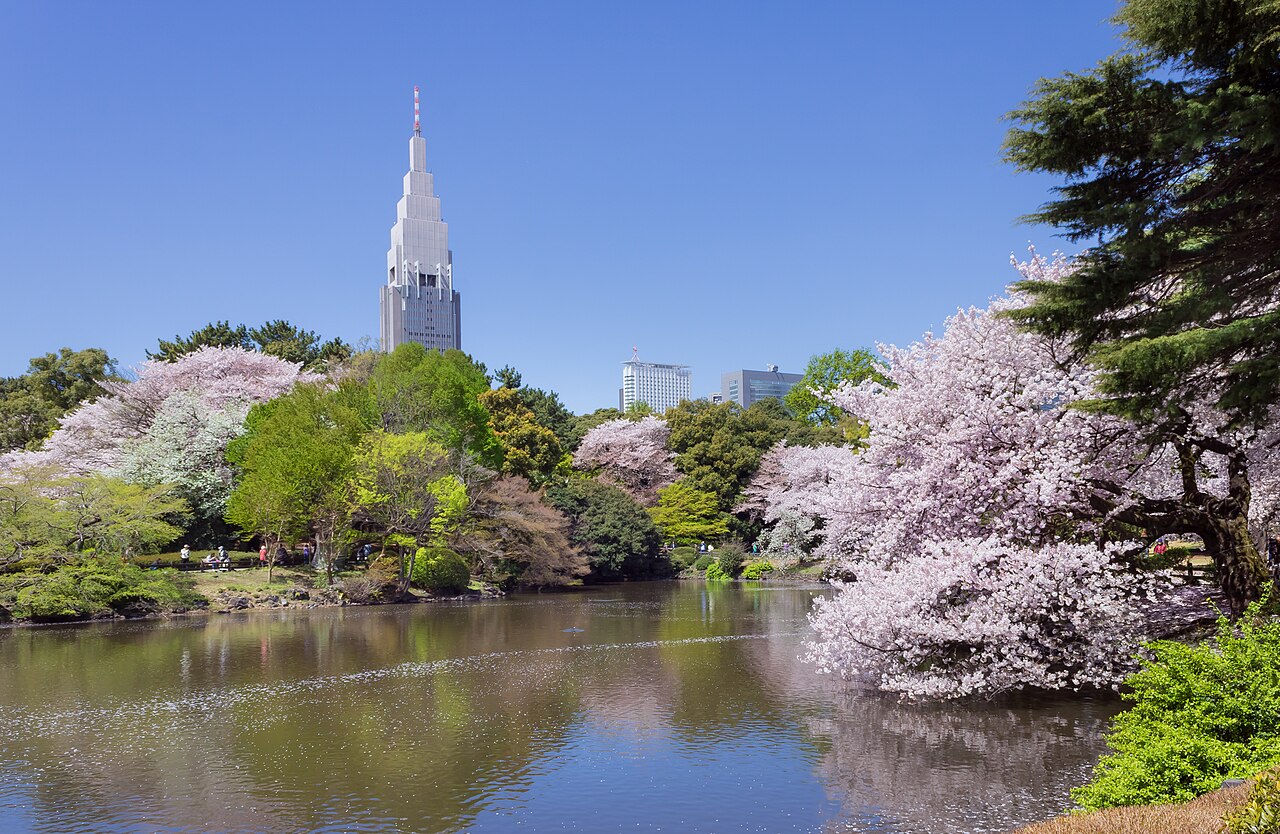
Shinjuku Gyoen National Garden
Shinjuku Gyoen National Garden covers 58.3 hectares in central Tokyo and combines three distinct garden styles within one enclosed park: a formal…
2 hrs¥500
 9Entrada gratuita
Mercado
Tsukiji Outer Market
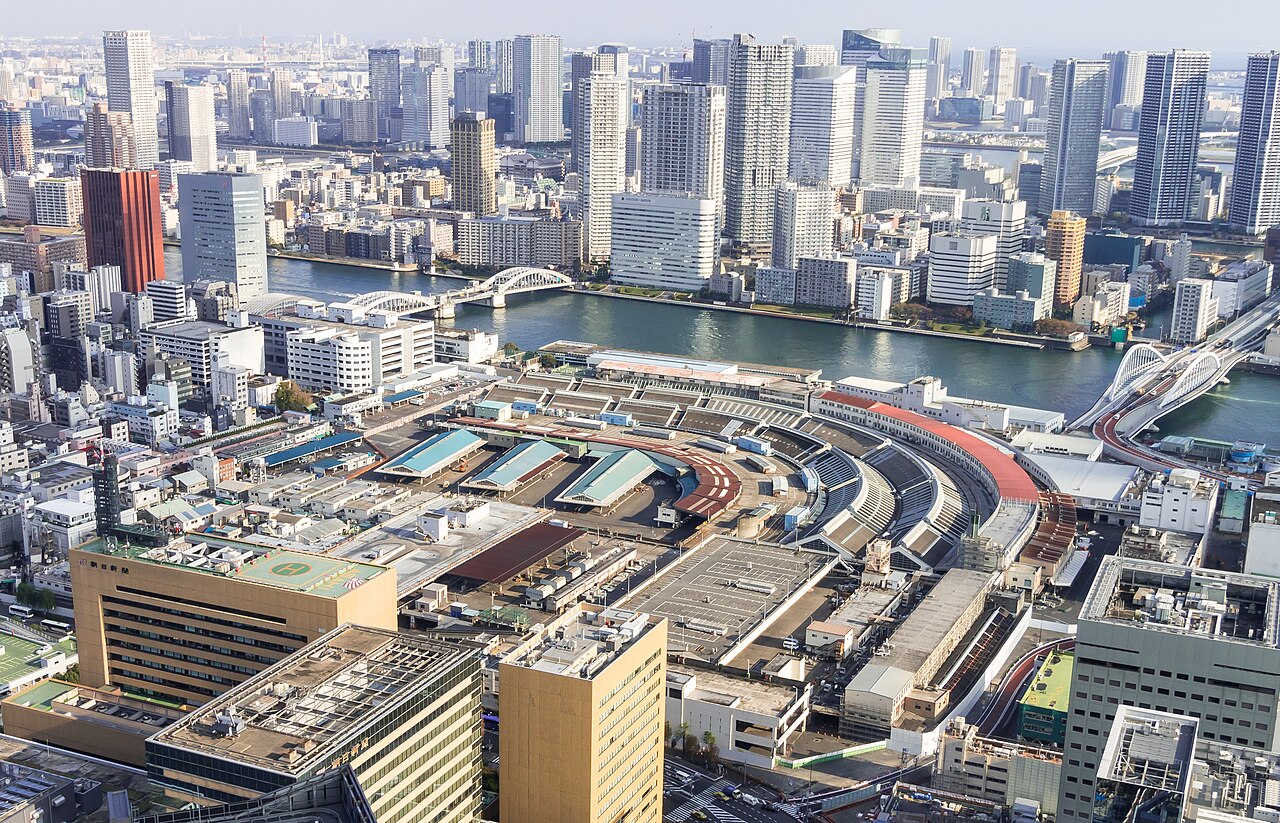
Tsukiji Outer Market is a roughly 400-shop retail and restaurant district in central Tokyo selling seafood, dried goods, kitchenware, and prepared…
1.5 hrs
 10
10Museo
teamLab Planets TOKYO
teamLab Planets TOKYO is a digital-art museum in the Toyosu waterfront district where visitors walk barefoot through water-filled rooms and…
2 hrs¥3,800
Mapa de lugares para visitar en Tokyo
Los números coinciden con la clasificación; el top 3 está en naranja. Toca un pin para ver su guía. 2 lugar(es) todavía no tienen posición en el mapa.
Excursiones desde Tokyo
Vale la pena si te sobra un día, empezando por los más cercanos.
30 km · 30–40 min by JR or private rail from Tokyo/Shibuya
Yokohama
Japan's second-largest city and a former 19th-century treaty port, with the country's largest Chinatown and a redeveloped bayside Minato Mirai waterfront district.
50 km · 1h (or 1h by JR train from Tokyo Station)
Kamakura
Former 12th-century shogunate capital with the Great Buddha of Kotoku-in (a 13-metre bronze statue cast around 1252) and dozens of Zen temples along wooded hillside trails.
90 km · 1h 30m by Odakyu Romancecar direct from Shinjuku
Hakone
Hot-spring resort town with lake cruises on Lake Ashi and, on clear days, some of the most reliable close-range views of Mount Fuji outside the mountain itself.
140 km · 2h by direct Tobu limited-express train from Asakusa
Nikko
UNESCO World Heritage shrine and temple complex centered on Toshogu, the elaborately carved mausoleum of shogun Tokugawa Ieyasu, set among old-growth cedar forest.
Sobre Tokyo
The city grew from Edo, a fishing village turned Tokugawa shogunate stronghold from 1603, and was renamed Tokyo ('Eastern Capital') when the Meiji Emperor relocated the imperial seat there in 1868. Modern Tokyo is polycentric rather than built around one downtown: Shinjuku and Shibuya anchor the city's west side as transit and nightlife hubs, Marunouchi and Otemachi near Tokyo Station form the business and government core, and Asakusa in the east preserves the closest thing to old Edo's street layout and temple culture.
The rail network, not roads, is how the city functions: JR East's Yamanote Line loop connects most major districts, and more than a dozen subway and private rail lines interconnect at hub stations like Shinjuku, Shibuya, and Tokyo Station, which alone handles several hundred thousand daily passengers. Traveling between neighborhoods rarely exceeds 30 minutes by train, and a prepaid IC card (Suica or Pasmo) works across nearly every train, subway, and bus line plus many convenience stores.
Spring (late March–early April) brings cherry blossoms and the year's highest hotel prices and crowds; autumn (October–November) offers comparable visual payoff in foliage with milder crowds and more reliable weather. Summer (June–September) is hot, humid, and increasingly affected by extreme heat advisories in July–August; winter is cold but dry, with clear skies useful for long-distance views such as Mount Fuji from Tokyo Tower or Skytree. Tipping is not practised anywhere in the city and can cause confusion if offered.
¿Ves algo incorrecto, o un lugar que falta?
Avísanos y un editor lo verificará con fuentes oficiales y corregirá la página.