
Lugares para visitar en Mexico City Region (Valley of Mexico)
10lugares clasificadosMexico City Region (Valley of Mexico), Mexico
Respuesta rápida
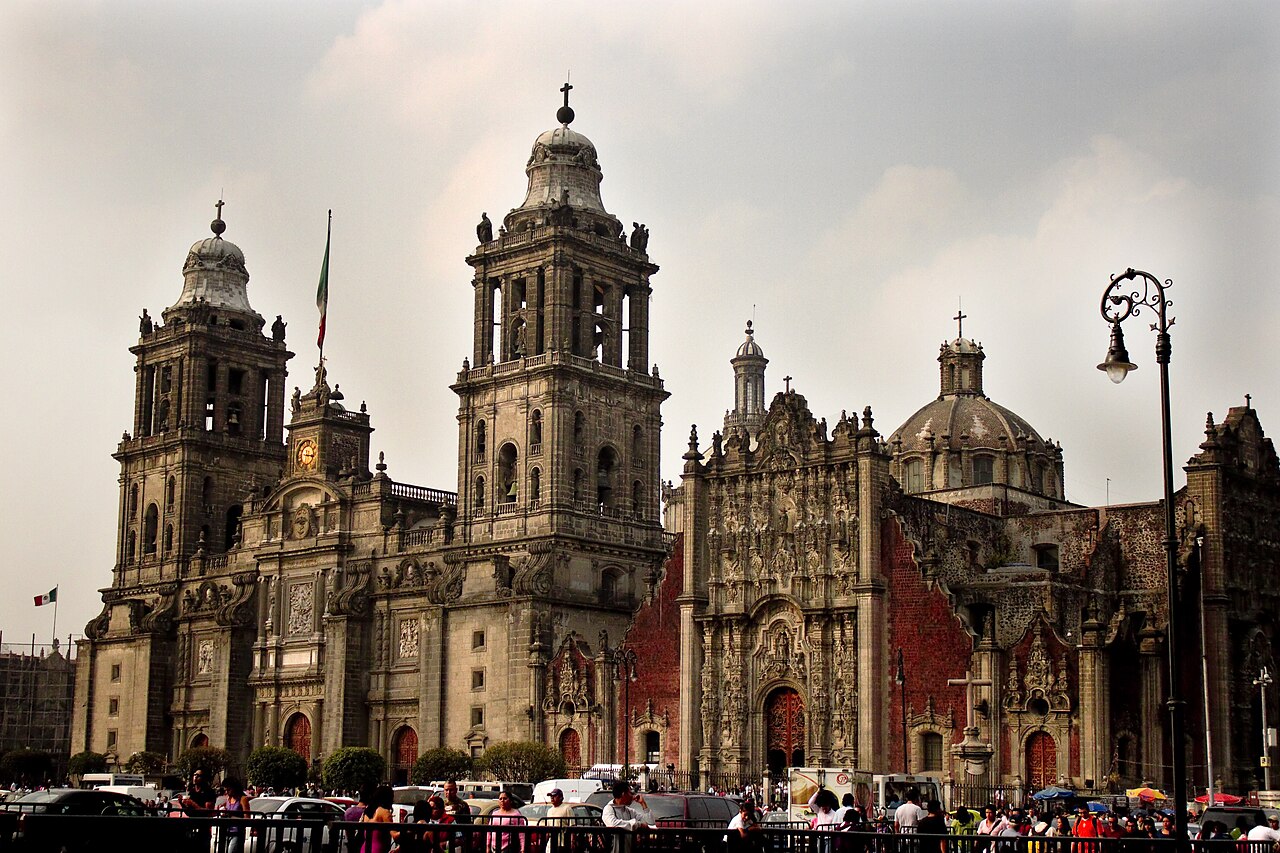
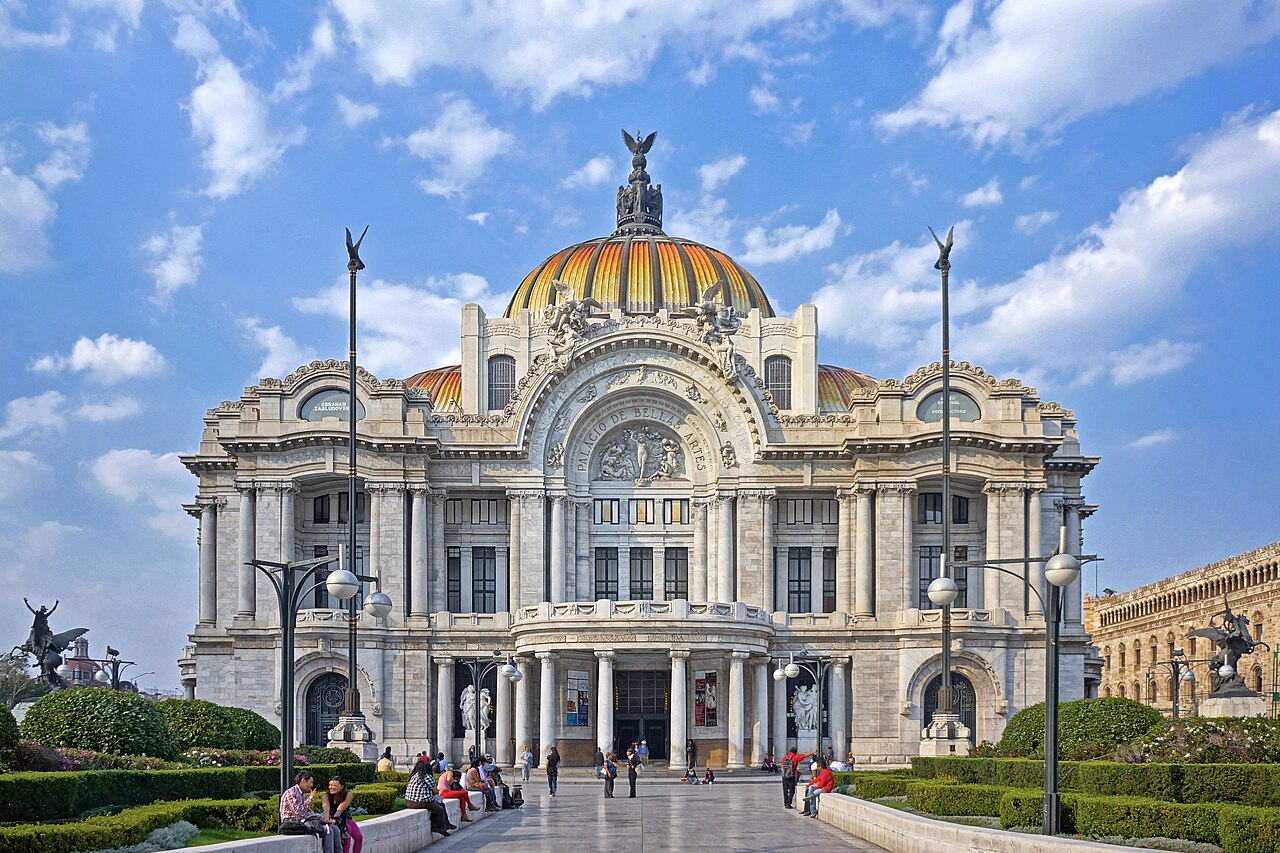
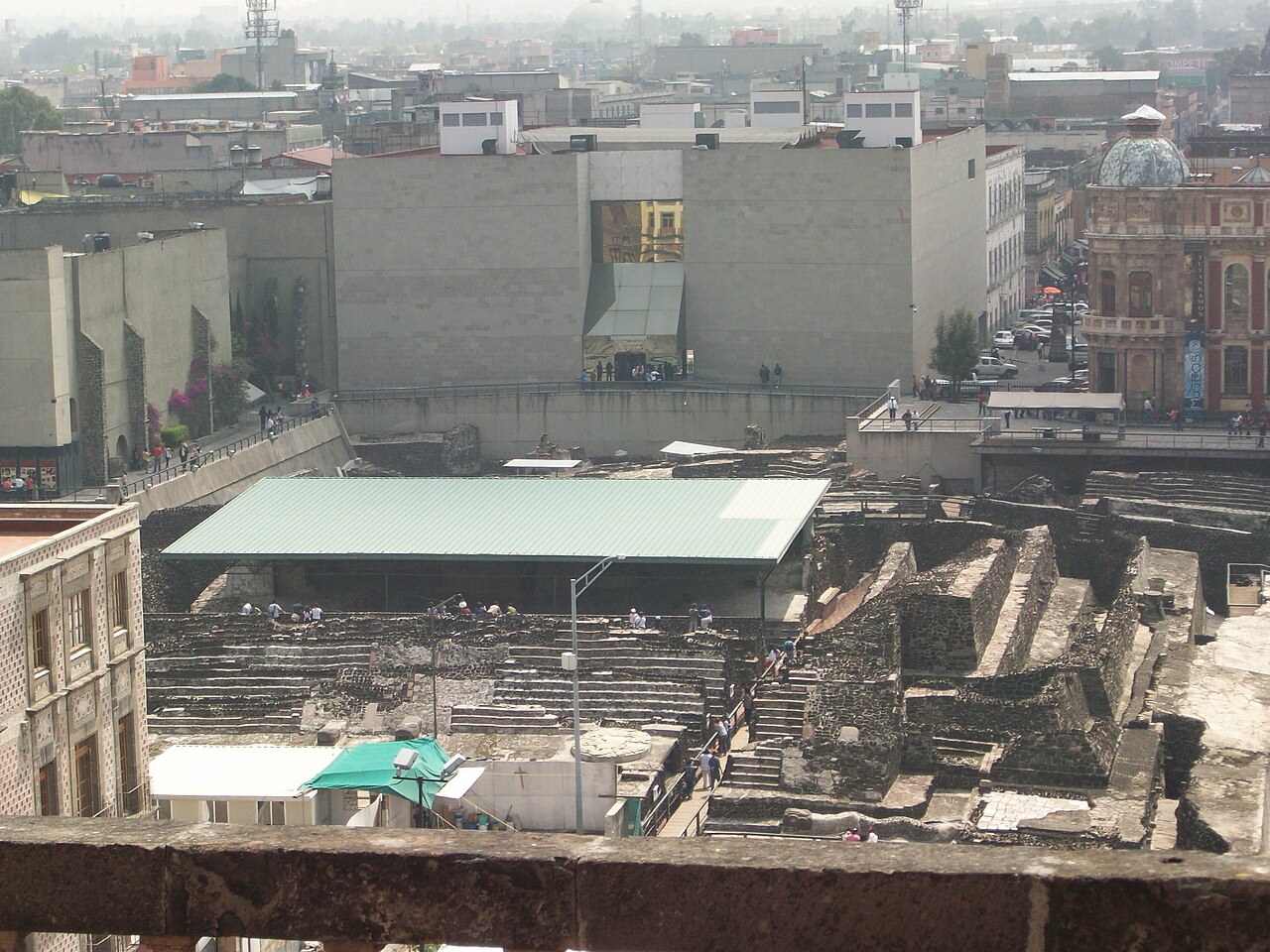
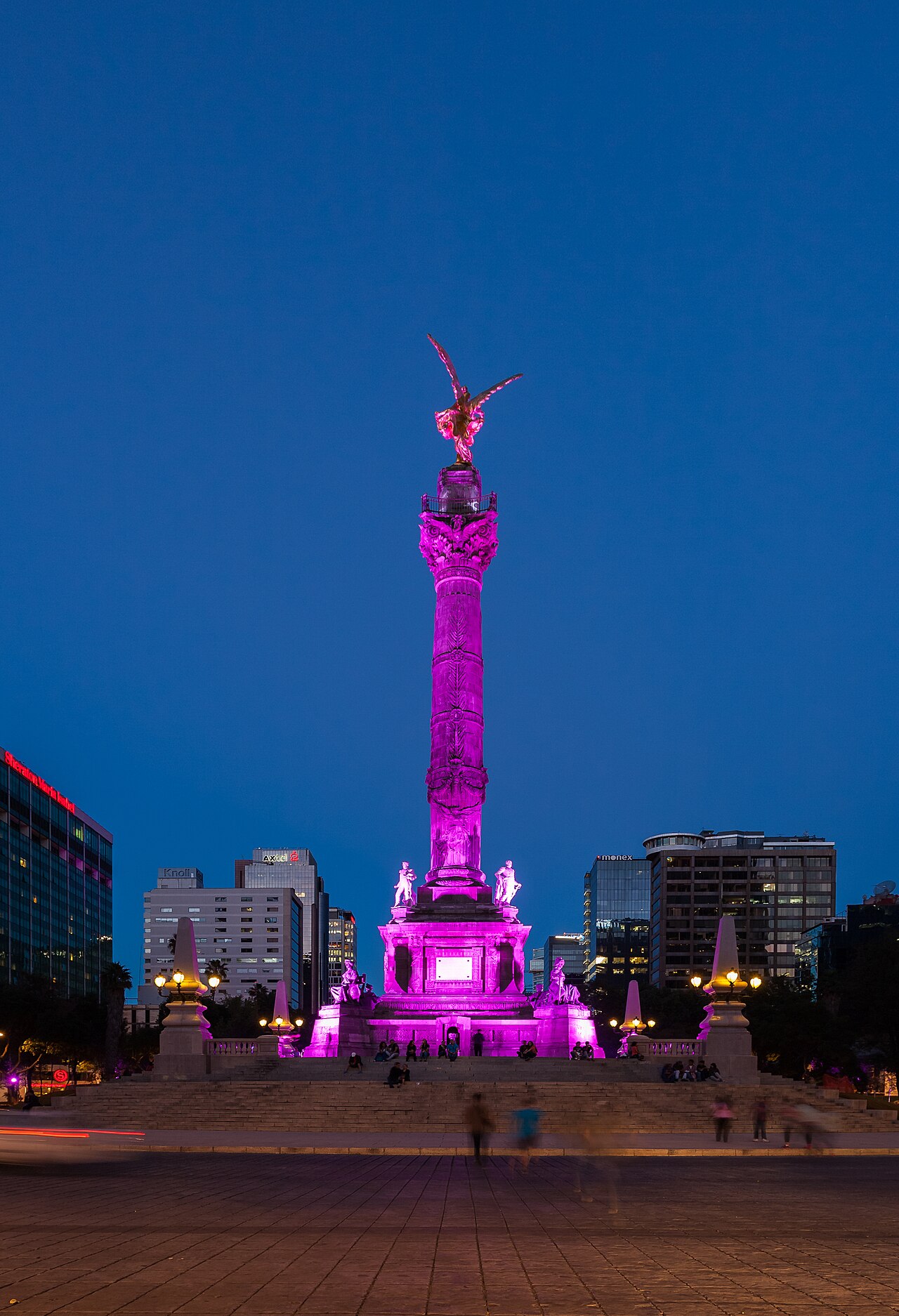
The best places to visit in Mexico City Region (Valley of Mexico) are Zócalo and Metropolitan Cathedral, Palacio Nacional, Templo Mayor and Museo del Templo Mayor, Palacio de Bellas Artes and Ángel de la Independencia. Allow about 4 days. The best months are February to May and October to November.
Actualizado el · Redactado por Traveliac, con ayuda de IA · 3 min de lectura
Mexico City Region (Valley of Mexico) de un vistazo
- Mejores meses
- Feb–May, Oct–Nov
- Días necesarios
- 4 days
- Lugares gratuitos
- 4 de 10
- sin coste de entrada
- Aeropuerto
- Benito Juárez International Airport (MEX)
- Estación más cercana
- Zócalo/Tenochtitlan Metro station
- para la mayoría de los lugares
Sobre Mexico City Region (Valley of Mexico)
The Mexico City region occupies the Valley of Mexico, a closed highland basin at about 2,240 metres above sea level, ringed by mountains and by the volcanoes Popocatépetl and Iztaccíhuatl, which are visible from the city on clear mornings after rain. The Mexica built Tenochtitlan on an island in Lake Texcoco, and the Spanish drained most of the lake system after the 1521 conquest, leaving the soft clay lakebed that still makes buildings sink unevenly and amplifies earthquake shaking. Mexico City is a federal entity of 16 boroughs (alcaldías) surrounded by the State of Mexico, and day trips reach Teotihuacan to the northeast, Puebla and Cholula to the east, and Tepoztlán and Cuernavaca to the south.
The climate is mild because of the altitude, with cool nights from December to February, warm dry days in March to May, and a rainy season from about June to October marked by short afternoon downpours. The most comfortable months for sightseeing run from February to May and from October to November, with Día de Muertos in late October and early November as a major draw. Altitude can cause headaches and fatigue in the first day or two, so pace the first itinerary and drink plenty of water.
Los mejores lugares para visitar en Mexico City Region (Valley of Mexico)
Los 10 lugares, clasificados, con precio de entrada, tiempo necesario, mejores meses y estación más cercana.
Mejor época para visitar Mexico City Region (Valley of Mexico)
Jan
Quieter
Feb
Best time
Mar
Best time
Apr
Best time
May
Best time
Jun
Quieter
Jul
Quieter
Aug
Quieter
Sep
Quieter
Oct
Best time
Nov
Best time
Dec
Quieter
Each place’s guide gives its own best months and time of day.
¿Cuántos días necesitas en Mexico City Region (Valley of Mexico)?
Mexico City
Unos 4 días
21 horas de visitas por 10 lugares. Empieza por Zócalo and Metropolitan Cathedral, Palacio Nacional, Templo Mayor and Museo del Templo Mayor. Guía de Mexico City
Con más tiempo
Añade una excursión
Teotihuacan Archaeological Zone or Tepoztlán son una buena opción para un día extra. Consulta Excursiones más abajo.
Estaciones más cercanas a los lugares principales de Mexico City Region (Valley of Mexico)
La estación de tren o metro más cercana a cada lugar. Los tiempos a pie, tarifas de taxi y traslados al aeropuerto están en la guía de cada lugar.
| Lugar | Estación más cercana |
|---|---|
| Zócalo and Metropolitan Cathedral | Zócalo/Tenochtitlan Metro station |
| Palacio Nacional (National Palace) | Zócalo/Tenochtitlan Metro station |
| Templo Mayor and Museo del Templo Mayor | Zócalo/Tenochtitlan Metro station |
| Palacio de Bellas Artes | Bellas Artes Metro station |
| Ángel de la Independencia | Insurgentes Metro station |
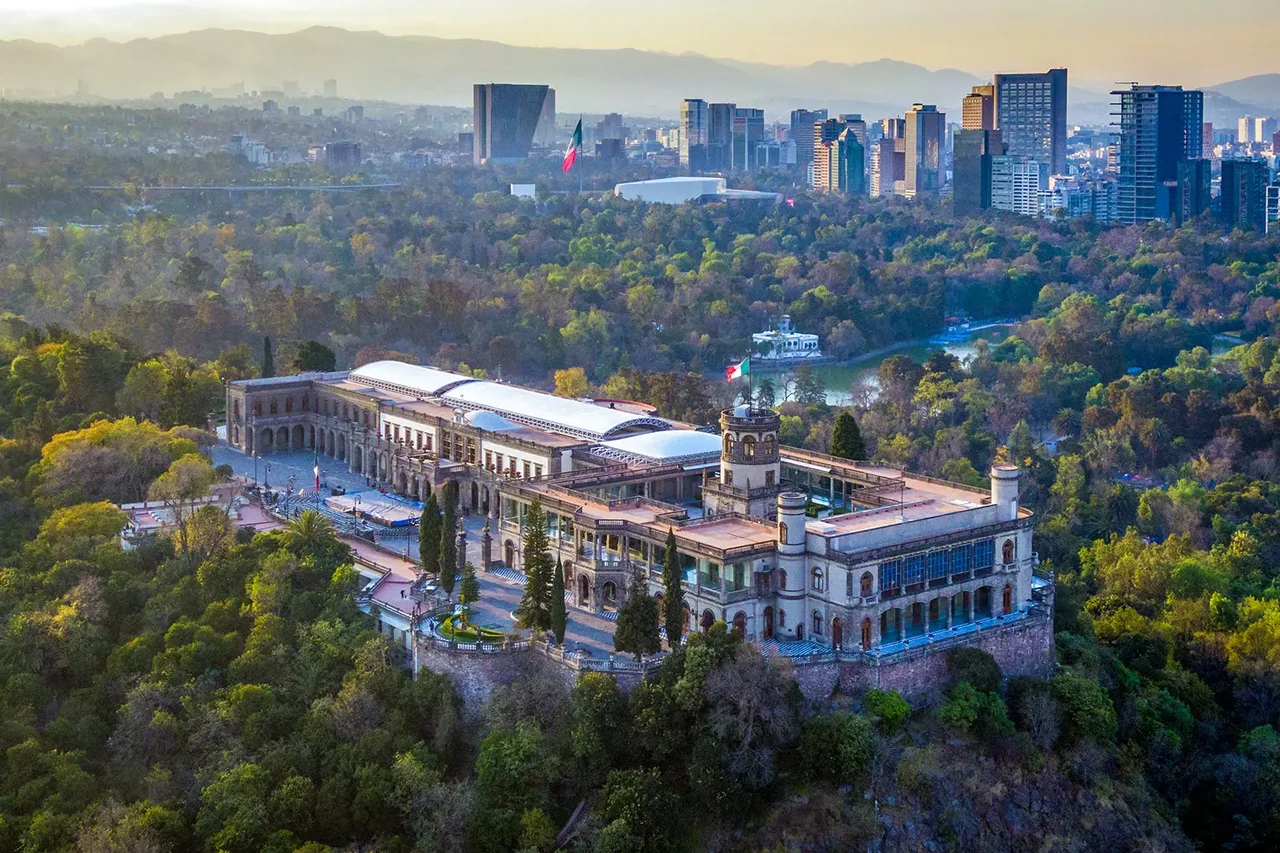
| Chapultepec Castle (Museo Nacional de Historia) | Chapultepec Metro station |
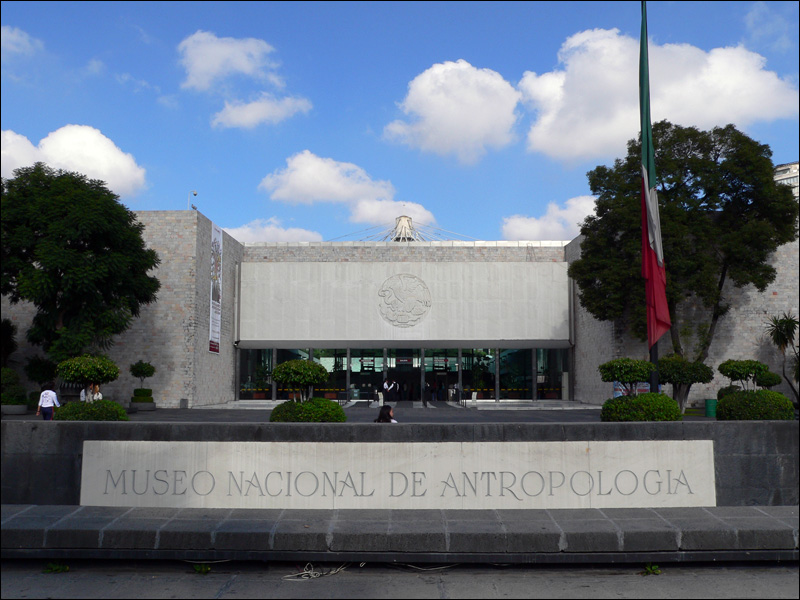
| National Museum of Anthropology (Museo Nacional de Antropología) | Auditorio Metro station |
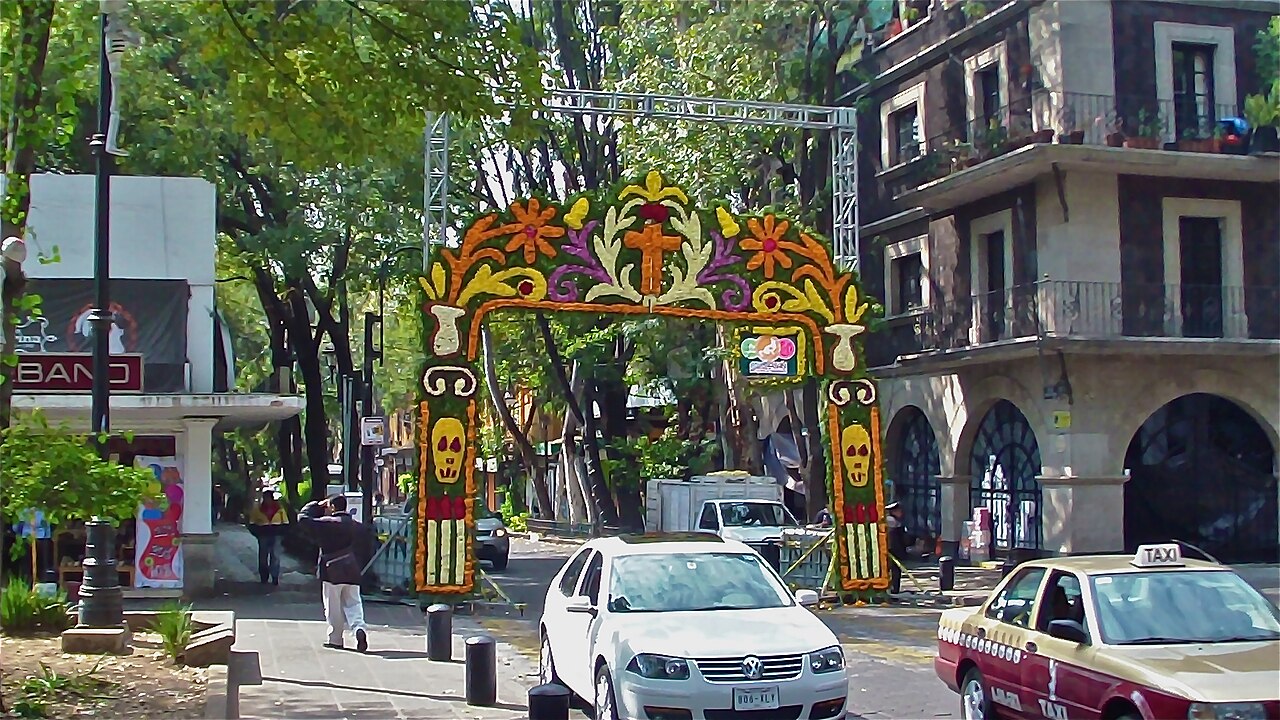
| Coyoacán (Plaza Hidalgo, Jardín Centenario and Mercado) | Viveros/Derechos Humanos Metro station |
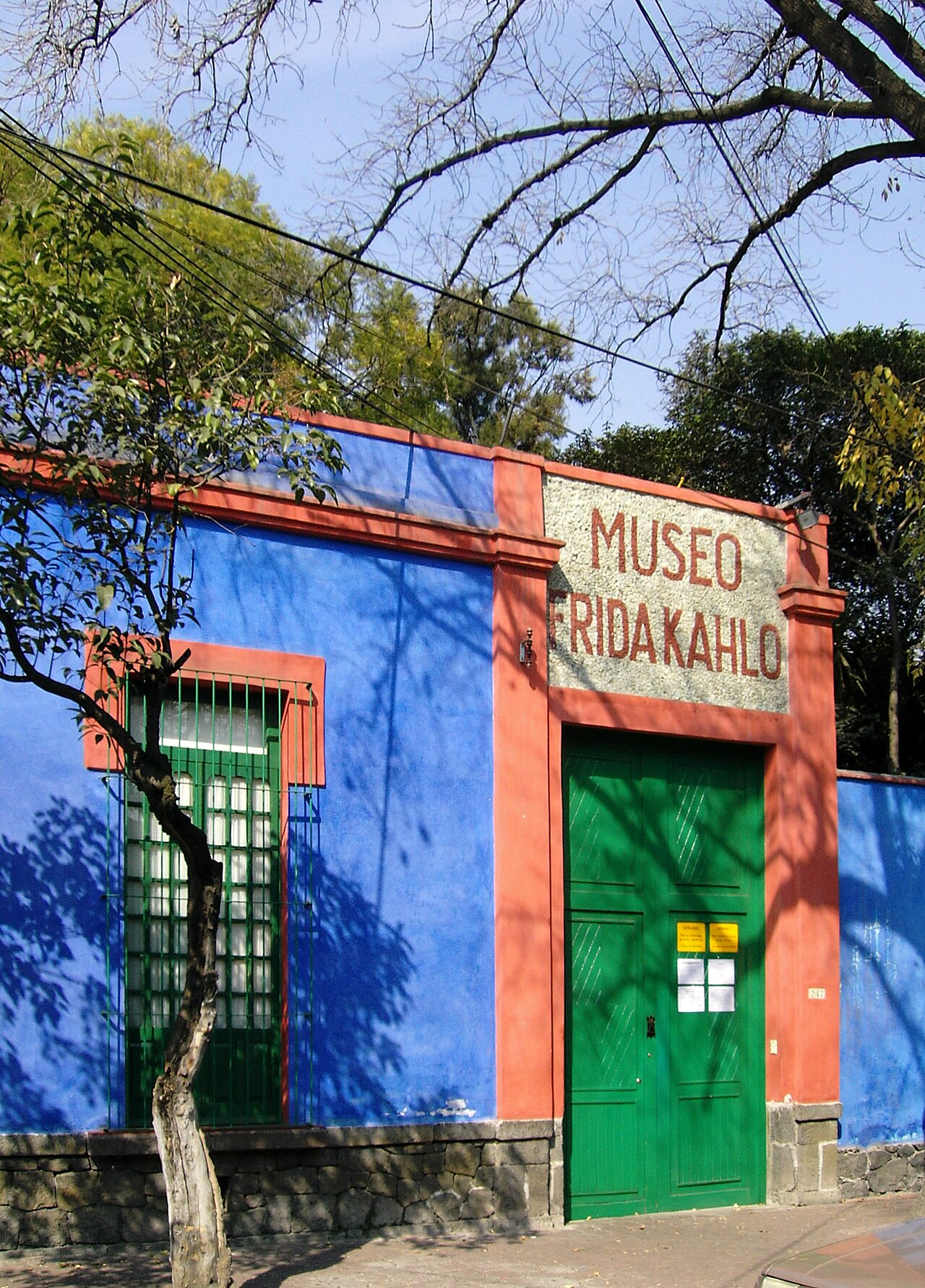
| Frida Kahlo Museum (Casa Azul) | Coyoacán Metro station |
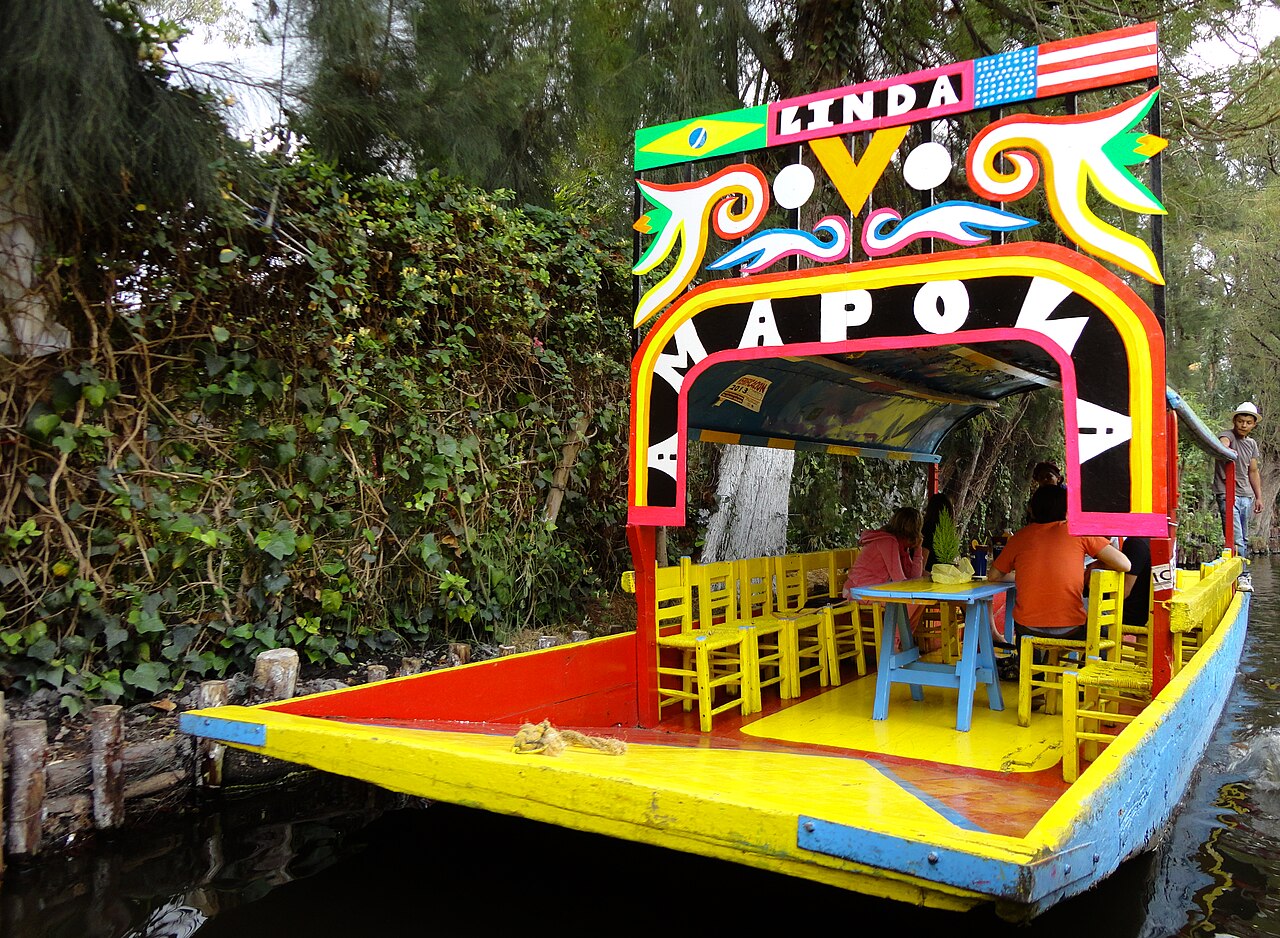
| Xochimilco Canals and Trajineras | Xochimilco light rail |
Excursiones desde Mexico City Region (Valley of Mexico)
Teotihuacan Archaeological Zone
50 km · 1h-1h30
The Pyramids of the Sun and Moon along the Avenue of the Dead, a pre-Aztec city entered for MXN 210 (foreign adults, as of 2026) from 08:00 to 17:00 daily. Climbing the Pyramid of the Sun is prohibited, and access around the Pyramid of the Moon was restricted after the April 2026 shooting there, so check current rules before travelling.
Tepoztlán
80 km · 1h30-2h
A hill town in Morelos below a sandstone escarpment, known for the steep hike to the Tepozteco pyramid and a Saturday-Sunday market; weekends are crowded, so a weekday trip is quieter.
Cuernavaca
85 km · 1h15-1h45
The Palace of Cortés with Diego Rivera's mural of the conquest, the cathedral and the Robert Brady museum, in a warmer, lower-altitude city reachable by frequent coaches.
Puebla and Cholula
130 km · 1h45-2h30
Puebla's Baroque historic centre (UNESCO-listed), its talavera tile and mole poblano, plus the giant Tlachihualtepetl pyramid in Cholula topped by a colonial church; coaches run frequently from Mexico City's TAPO terminal.
Distancias por carretera; los tiempos varían según el tráfico.
Preguntas frecuentes sobre viajar a Mexico City Region (Valley of Mexico)
How many days do you need in Mexico City Region (Valley of Mexico)?
About 4 days covers the 10 places in our Mexico City guide, about 21 hours of sightseeing. Add a day for each day trip.
Which places in Mexico City Region (Valley of Mexico) are free to visit?
4 of the 10 places in this guide have no entry fee: Zócalo and Metropolitan Cathedral, Palacio Nacional, Ángel de la Independencia and Coyoacán.
Which Mexico City Region (Valley of Mexico) sights are closed on Mondays?
Palacio Nacional, Templo Mayor and Museo del Templo Mayor, Palacio de Bellas Artes, Chapultepec Castle, the National Museum of Anthropology and Frida Kahlo Museum are closed on Mondays. Check each guide for other closing days.
Which airport is closest to Mexico City?
Benito Juárez International Airport (MEX). Each place’s guide has taxi times and fares from the airport and the railway station.
Redactado con ayuda de IA a partir de fuentes oficiales y registros públicos; ver Cómo escribimos estas guías. Última actualización el . Cómo clasificamos y verificamos los lugares