
Chandi Devi Temple
#5sur 7 lieux à visiter à HaridwarHaridwar, Uttarakhand
Aussi appelé Neel Parvat Temple
L'essentiel
Horaires d'ouverture : Temple: 06:00 AM – 08:00 PM daily. L'entrée est gratuite. Comptez 1.5 hrs. Meilleure période : 07:00 – 09:00 AM.
Mis à jour le · Rédigé par Traveliac, avec assistance IA · 4 min de lecture
- Horaires d'ouverture
- Temple: 06:00 AM – 08:00 PM daily
- With a midday darshan gap. Ropeway: approximately 07:00/08:30 AM – 06:00 PM (start time varies by source; confirm at the base counter on the day).
- Prix d'entrée
- Gratuit
- Durée nécessaire
- 1.5 hrs
- Meilleur moment de la journée
- 07:00 – 09:00 AM
- Meilleurs mois
- Oct – Mar
- Adresse
- Neel Parvat, Shivalik Hills, east bank of the Ganga, Haridwar, Uttarakhand 249401
À propos de Chandi Devi Temple
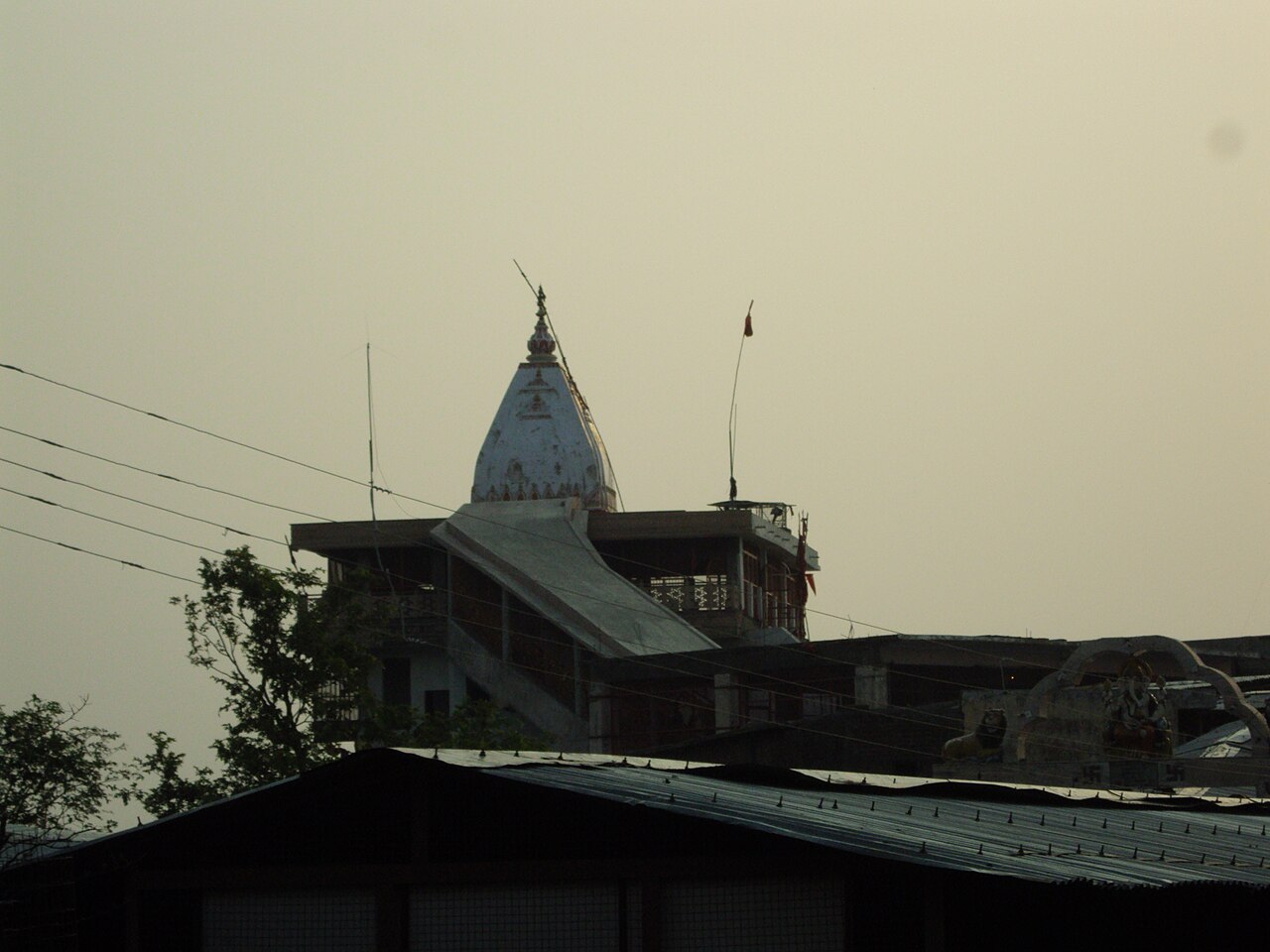
Chandi Devi Temple stands at 884 metres on Neel Parvat, across the Ganga from central Haridwar, and its present structure was built in 1929 by King Suchat Singh of Kashmir over a shrine whose original idol is locally attributed to Adi Shankaracharya's 8th-century installation. The goddess here is Chandika, the form of Durga who, according to the Devi Mahatmya, was invoked to destroy the demon generals Chanda and Munda — the temple's name is a direct reference to that episode. The climb, by ropeway or on foot, gives one of the widest views over Haridwar's braided Ganga channels available from any point in the city. A second cable system, the Chandi Devi Udankhatola, spans 740 metres horizontally and rises 208 metres vertically from the base station near the Ganga's east bank, making it the longer and steeper of Haridwar's two temple ropeways.
Meilleur moment de la journée : 07:00 – 09:00 AM. Before the ropeway queue builds and while the Neel Parvat summit air is still clear of the day's dust haze rising off the plains.
Horaires de Chandi Devi Temple
- Horaires d'ouverture
- Temple: 06:00 AM – 08:00 PM daily
- With a midday darshan gap. Ropeway: approximately 07:00/08:30 AM – 06:00 PM (start time varies by source; confirm at the base counter on the day).
- Fermé le
- Ouvert tous les jours
Bon à savoir : Ropeway service is occasionally suspended in high wind, more common in the pre-monsoon months of May–June.
Horaires d'ouverture établis à partir de uttarakhandtourism.gov.in et de sources publiques, mis à jour le . Ils peuvent changer sans préavis — vérifiez avant de partir. Comment nous rédigeons ces guides
Prix d'entrée de Chandi Devi Temple
| Billet | Prix |
|---|---|
| Visiteurs indiens | Gratuit |
| Visiteurs étrangers | Gratuit |
| Enfants | Gratuit |
| Caméra | Gratuit |
Temple darshan is free. Chandi Devi Udankhatola ropeway (round trip): approximately ₹220 adult / ₹165 child as of 2026, verify at the counter — some operators quote ₹163 one-way / ₹349 round trip. A combined Mansa Devi–Chandi Devi ticket costs roughly ₹290–₹340.
Tarifs établis à partir de uttarakhandtourism.gov.in et de sources publiques, mis à jour le . Ils peuvent changer sans préavis — vérifiez avant de partir. Comment nous rédigeons ces guides
Meilleure période pour visiter Chandi Devi Temple
- Quiet
- Moderate
- Busy
06:00 – 08:00
Early DarshanBest time to go
First ropeway cars and the small group of trekkers who started before dawn; unobstructed summit views and short queues.
Quiet08:00 – 12:00
Morning Peak
Ropeway queue lengthens as day-trippers combine Chandi Devi with Mansa Devi; waits of 40–60 minutes are common on weekends.
Busy12:00 – 15:00
Midday Lull
Heat thins the crowd on the exposed hilltop; ropeway queue drops to 15–20 minutes.
Moderate15:00 – 18:00
Late Afternoon
A second, smaller wave arrives for cooler evening views before the ropeway's last descent around 6 PM.
Moderate
Histoire de Chandi Devi Temple
Adi Shankaracharya is credited by temple tradition with installing the original idol at this site in the 8th century CE, placing Chandi Devi within the same wave of consolidation that organised Haridwar's Panch Tirth pilgrimage circuit. The temple stood as a modest hill shrine for over a millennium before King Suchat Singh of Kashmir funded the current stone structure in 1929, the building most visitors see today.
Until 2015, the temple maintained an animal sacrifice tradition reported to be roughly 800 years old; the practice was formally discontinued that year following state intervention, and the temple now conducts only vegetarian offerings.
Règles et étiquette à Chandi Devi Temple
Leather articles, non-vegetarian food, and alcohol are explicitly prohibited within the temple premises and are checked informally by temple staff at the upper platform. Footwear comes off at the ropeway base station counter, where a free rack is provided alongside paid stalls.
The ropeway queue at Chandi Devi runs longer than at Mansa Devi on weekends because the base station has a smaller holding area; arrive before 9 AM to avoid the worst of it. The steep stepped trail — a genuine trek of roughly 3.5 km and 90 minutes each way — is used mainly by pilgrims undertaking it as a vow (mannat) rather than casual visitors, and it has minimal shade past the first kilometre.
Conseils pour visiter Chandi Devi Temple
- 1
Cross the Ganga via the Neel Dhara bridge to reach the ropeway base station; a direct auto-rickshaw from Har Ki Pauri takes 15–20 minutes and is far faster than trying to walk the riverside route in midday heat. Visit Chandi Devi before Mansa Devi if doing both in one day — Chandi Devi's ropeway queue grows faster through the morning, while Mansa Devi's base station has more shaded waiting area for a later visit.
- 2
The Neel Parvat summit is one of the few spots in Haridwar with a genuinely unobstructed 360-degree view, including the Rajaji forest ridge to the north — worth the extra 10 minutes at the top railing rather than heading straight back to the ropeway queue. Combined ropeway tickets covering both temples are sold at either base station and are the more economical option for a same-day two-temple visit.
Comment se rendre à Chandi Devi Temple
L'étoile rouge indique Chandi Devi Temple ; les repères numérotés sont les 5 lieux les plus proches de nos guides, chacun avec son classement dans sa ville. Touchez un repère pour plus de détails.
Neel Parvat, Shivalik Hills, east bank of the Ganga, Haridwar, Uttarakhand 249401Itinéraire sur Google Maps
Depuis Har Ki Pauri
₹100–1304 km · 15–20 min
Auto-rickshaw
Depuis Haridwar Junction Railway Station
₹120–1505 km · 15–20 min
Auto-rickshaw
Depuis Mansa Devi Temple ropeway base
₹80–1003.5 km · 12–15 min
Auto-rickshaw
Aéroport le plus proche
Depuis Jolly Grant Airport (DED), Dehradun
approximately 42 km, 70–85 minutes by road.
Gare la plus proche
Depuis Haridwar Junction (HW)
approximately 5 km to the ropeway base station, 15–20 minutes by auto-rickshaw crossing the Ganga.
FAQ — Chandi Devi Temple
How old is Chandi Devi Temple?
The original idol is locally attributed to an 8th-century installation by Adi Shankaracharya, while the current stone temple structure dates to 1929, built by King Suchat Singh of Kashmir.
What is the Chandi Devi ropeway fare in 2026?
Approximately ₹220 per adult round trip as of 2026, though some operators list ₹163 one-way and ₹349 round trip — verify the posted price at the base station counter, since figures vary slightly by source.
Can I trek to Chandi Devi Temple instead of taking the ropeway?
Yes. A stepped trail of roughly 3.5 km climbs Neel Parvat in about 90 minutes each way and is free, though it has little shade and is steeper than the equivalent Mansa Devi trail.
Is animal sacrifice still practised at Chandi Devi Temple?
No. An animal sacrifice tradition reported to be around 800 years old was formally discontinued in 2015 following state intervention; the temple now conducts vegetarian offerings only.
Rédigé avec l'assistance de l'IA à partir de sources officielles et de registres publics, et publié seulement après les vérifications décrites dans Comment nous rédigeons ces guides. Personne chez Traveliac ne s'est rendu sur place. Mis à jour le . Comment nous classons et vérifions les lieux
Lieux à visiter près de Chandi Devi Temple
Distances à vol d'oiseau, depuis notre carte ; les durées sont estimées.
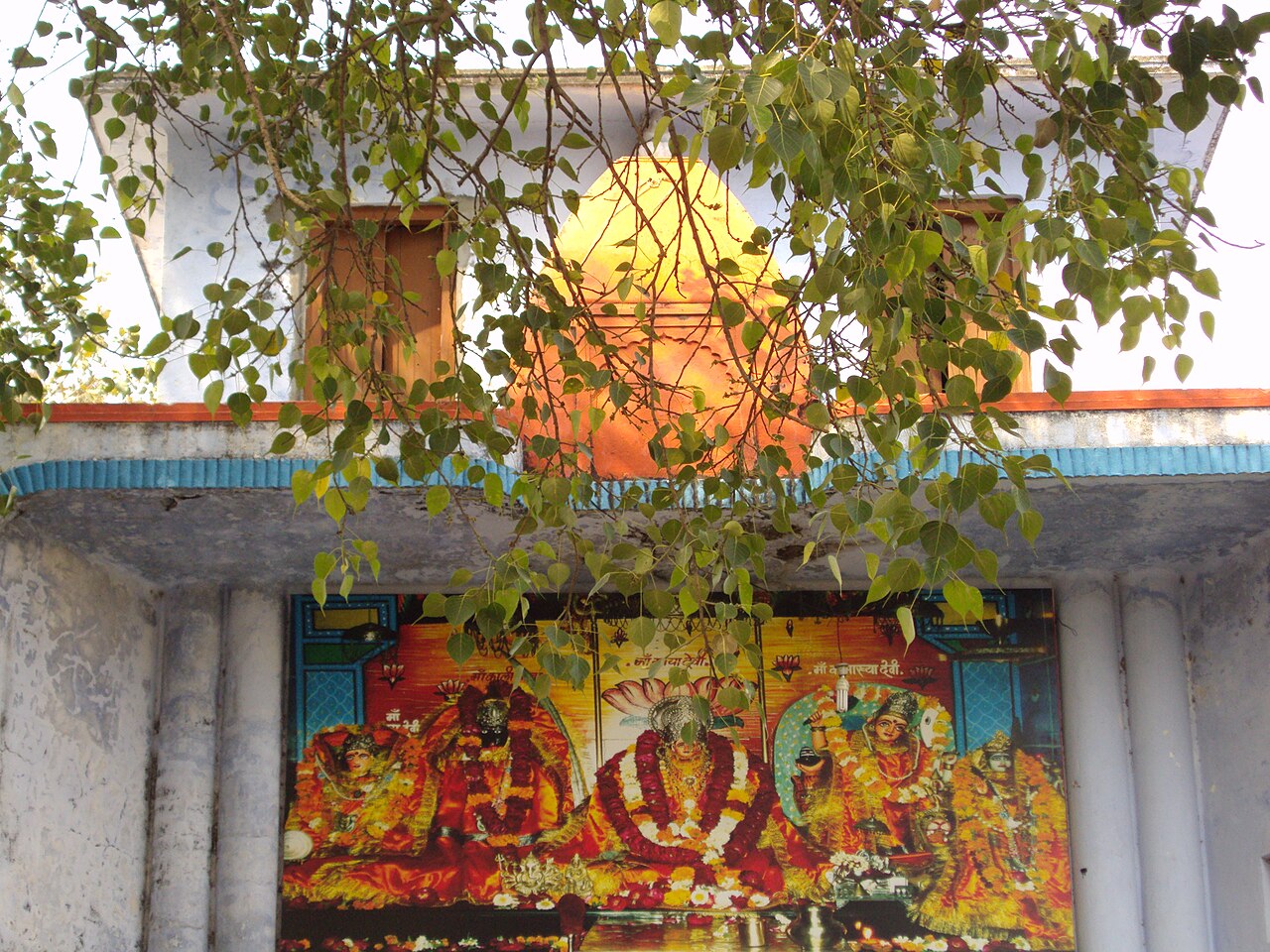 #2 in HaridwarEntrée gratuite
Maya Devi Temple
Temple · 2.4 km · about 40 min walk
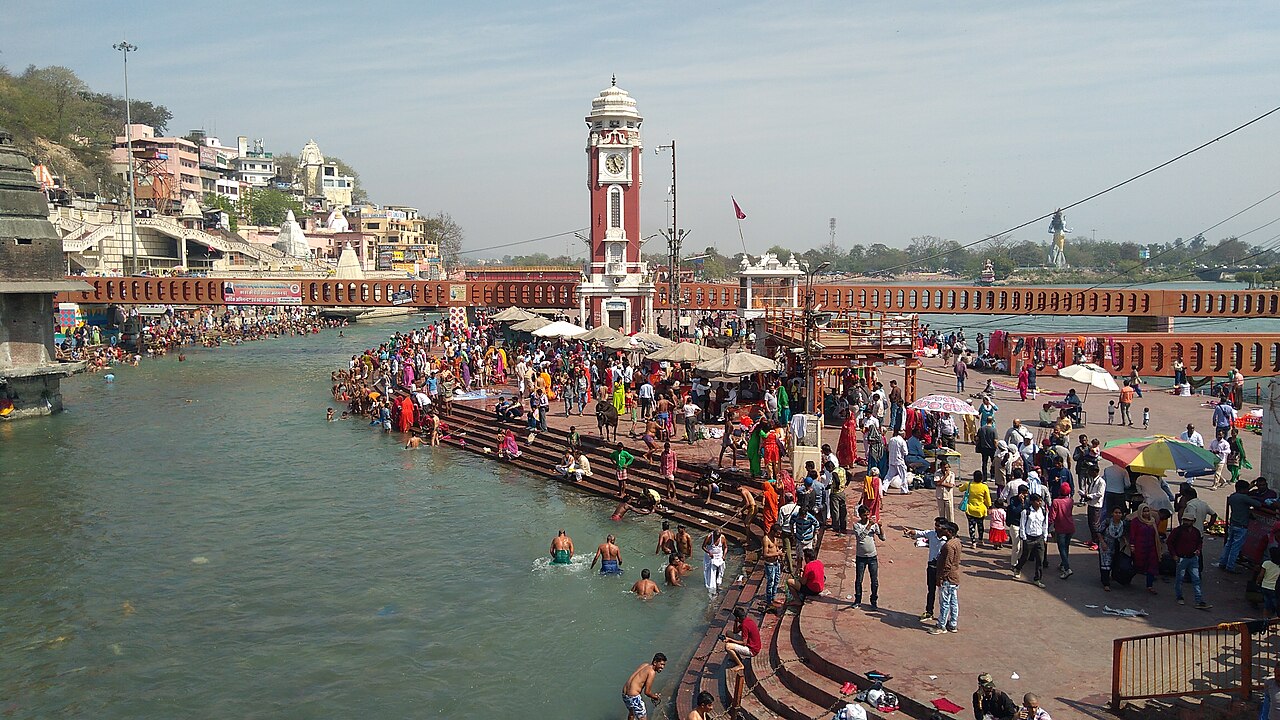 #1 in HaridwarEntrée gratuite
Har Ki Pauri
Temple · 3 km · about 10 min by road
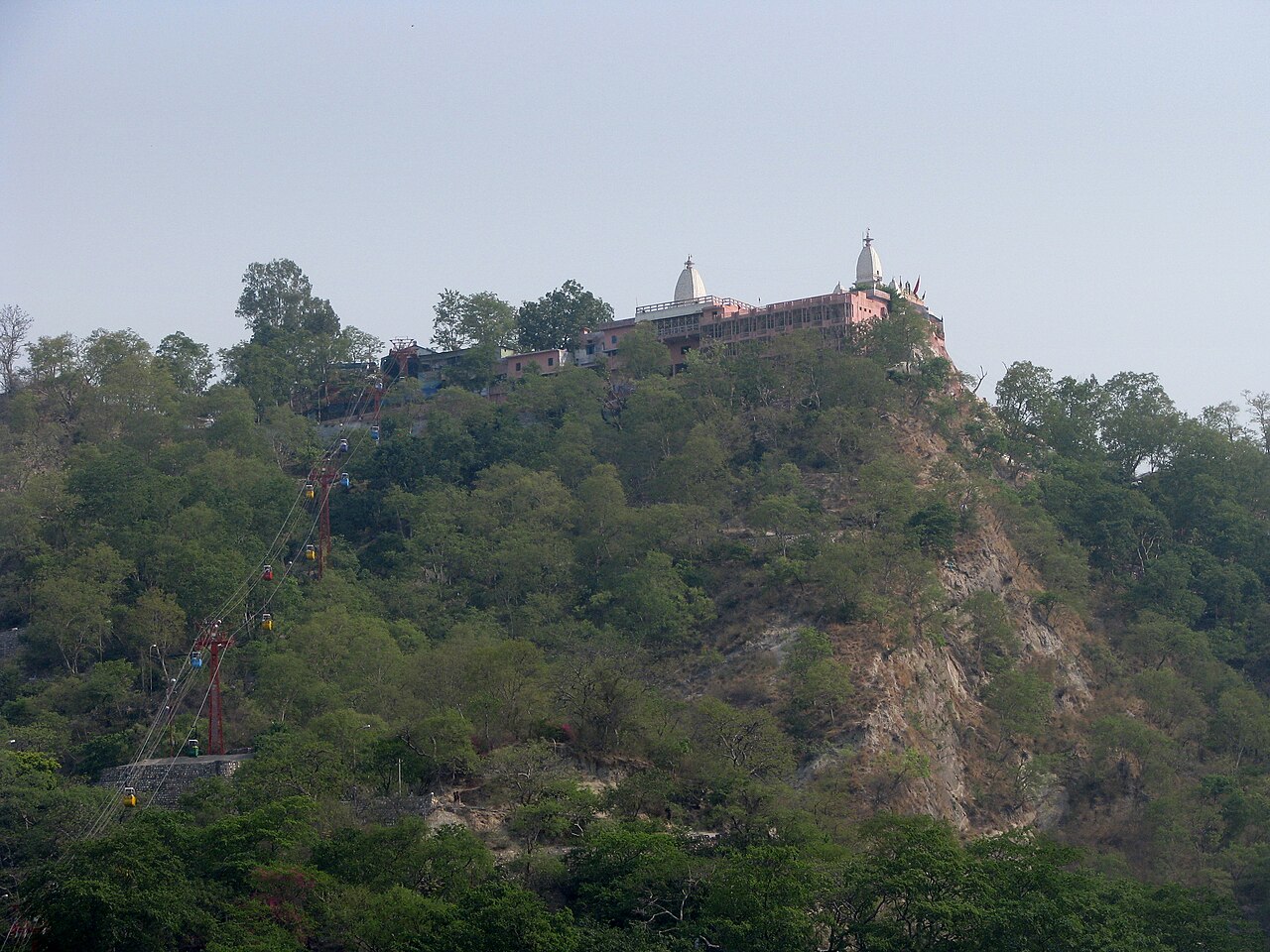 #4 in HaridwarEntrée gratuite
Mansa Devi Temple
Temple · 3 km · about 10 min by road
 #7 in HaridwarEntrée gratuite
Daksha Mahadev Temple
Temple · 4 km · about 10 min by road