
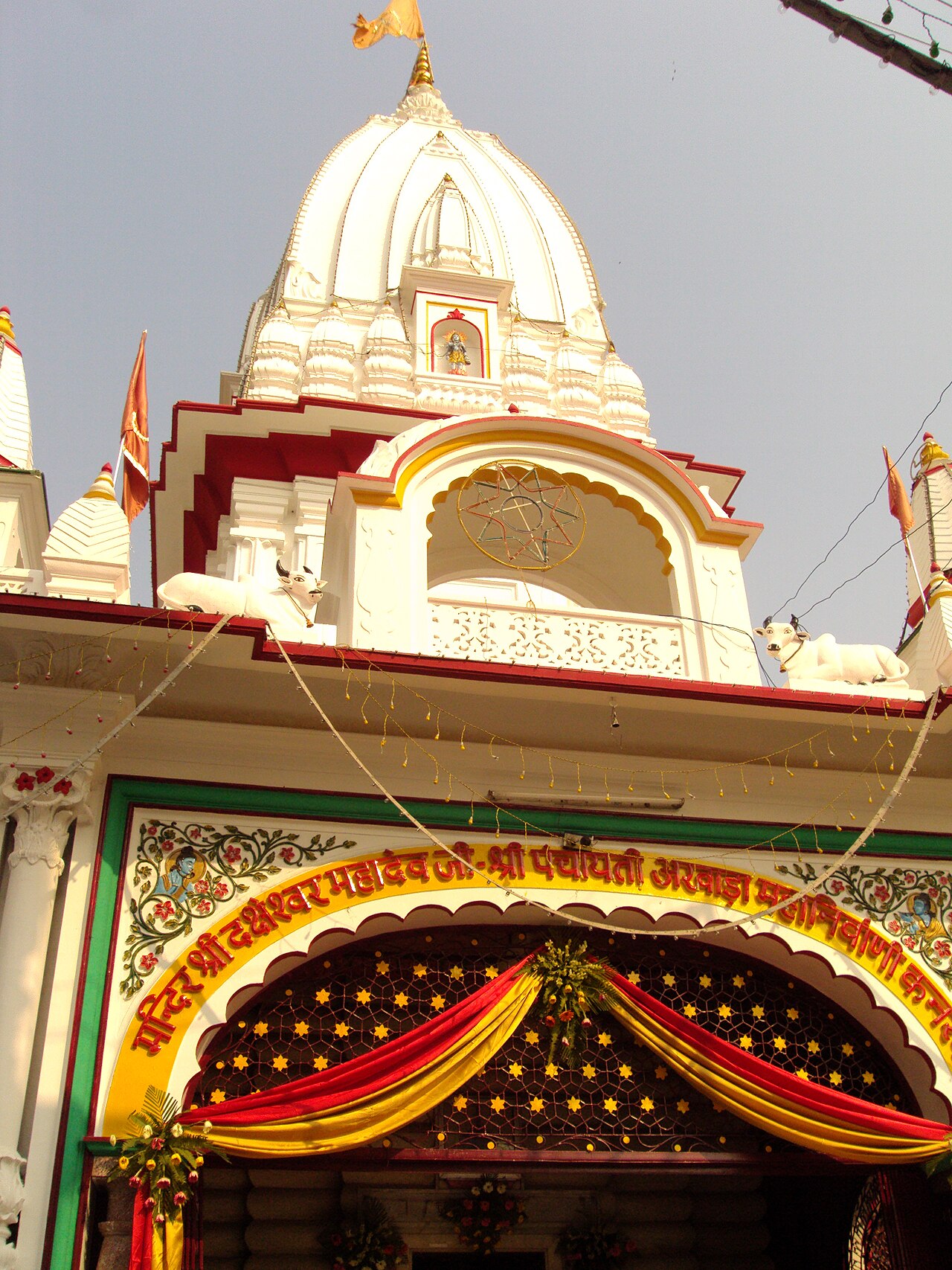
Daksha Mahadev Temple
#7sur 7 lieux à visiter à HaridwarHaridwar, Uttarakhand
Aussi appelé Daksheshwar Mahadev Temple · Sati Kund
L'essentiel
Horaires d'ouverture : 06:00–20:00. L'entrée est gratuite. Comptez 45 min. Meilleure période : 07:00 – 09:00 AM.
Mis à jour le · Rédigé par Traveliac, avec assistance IA · 4 min de lecture
- Horaires d'ouverture
- 06:00–20:00
- 06:00 AM – 08:00 PM daily; some sources list an earlier 4:00 AM opening for the sanctum's first aarti.
- Prix d'entrée
- Gratuit
- Durée nécessaire
- 45 min
- Meilleur moment de la journée
- 07:00 – 09:00 AM
- Meilleurs mois
- Oct – Mar
- Adresse
- Kankhal, Haridwar, Uttarakhand 249408
À propos de Daksha Mahadev Temple
Daksha Mahadev Temple stands in Kankhal, about 4 km from central Haridwar, on ground that Hindu tradition identifies as the site of King Daksha Prajapati's fire sacrifice (yajna) — the episode in which his daughter Sati, humiliated by her father's refusal to invite her husband Shiva, immolated herself in the sacrificial flames. Shiva's grief-driven fury, embodied in his fierce form Veerbhadra, is said to have destroyed the yajna and beheaded Daksha, who was later revived with a goat's head after the gods interceded. The temple's adjoining tank, Sati Kund, marks the traditional location of the self-immolation itself. The present temple building dates to 1810, funded by Queen Dhankaur of the Darbhanga royal family, with a further reconstruction in 1962 that preserved the core 19th-century layout while renewing the structure.
Meilleur moment de la journée : 07:00 – 09:00 AM. Before the temple's midday crowd builds and while the Sati Kund tank beside the sanctum is calm enough for an unhurried look.
Horaires de Daksha Mahadev Temple
Daksha Mahadev Temple ouvre à 06:00 et ferme à 20:00. Les horaires sont les mêmes le samedi et le dimanche.
- Horaires d'ouverture
- 06:00–20:00
Mon–Sun 06:00–20:00 - 06:00 AM – 08:00 PM daily; some sources list an earlier 4:00 AM opening for the sanctum's first aarti.
- Fermé le
- Ouvert tous les jours
Bon à savoir : The temple sees a major surge during Maha Shivratri, when queue-management barricades extend well beyond the courtyard.
Horaires d'ouverture établis à partir de uttarakhandtourism.gov.in et de sources publiques, mis à jour le . Ils peuvent changer sans préavis — vérifiez avant de partir. Comment nous rédigeons ces guides
Prix d'entrée de Daksha Mahadev Temple
| Billet | Prix |
|---|---|
| Visiteurs indiens | Gratuit |
| Visiteurs étrangers | Gratuit |
| Enfants | Gratuit |
| Caméra | Gratuit |
Entry is free, as of 2026, verify at the counter for any restrictions during festival crowding.
Tarifs établis à partir de uttarakhandtourism.gov.in et de sources publiques, mis à jour le . Ils peuvent changer sans préavis — vérifiez avant de partir. Comment nous rédigeons ces guides
Meilleure période pour visiter Daksha Mahadev Temple
- Quiet
- Moderate
06:00 – 09:00
Morning Aarti
Local Kankhal residents form the bulk of visitors; a genuine neighbourhood-temple atmosphere with short waits.
Moderate09:00 – 13:00
Late MorningBest time to go
Quietest stretch of the day, good for an unhurried look at the Sati Kund tank and sanctum.
Quiet13:00 – 17:00
Afternoon
Consistently calm through the afternoon heat.
Quiet17:00 – 20:00
Evening Aarti
A second wave of local devotees for the evening ritual; still well below the density of Haridwar's riverside sites.
Moderate
Histoire de Daksha Mahadev Temple
Kankhal's association with King Daksha predates any surviving built structure at the site by a wide margin — the town is named for Daksha's original settlement in Puranic tradition, and the yajna-and-Sati narrative is one of the foundational stories in the Shiva-Shakti mythological cycle, later giving rise to the 51 Shakti Peethas (including Haridwar's own Maya Devi Temple) as Sati's body, carried by a grieving Shiva, was cut into pieces by Vishnu's discus across the subcontinent.
Queen Dhankaur of the Darbhanga royal family funded the temple's construction in 1810, replacing whatever earlier shrine structure had marked the site. A 1962 rebuilding refreshed the temple without substantially altering its footprint, and the complex today includes the main Shiva sanctum alongside the Sati Kund tank where the self-immolation is traditionally located.
Règles et étiquette à Daksha Mahadev Temple
Footwear is removed at the temple gate, with a free rack available. The Sati Kund tank is treated with particular reverence given its mythological association — visitors are expected to observe rather than bathe, unlike the more recreational ghat pools elsewhere in Haridwar.
Maha Shivratri (typically February or March) brings the temple's largest annual crowd by far, with queue barricades extending into the surrounding Kankhal lanes; visiting outside this festival window is markedly calmer. Standard Shiva-temple etiquette applies — leather items are best left outside the inner sanctum, and modest dress is expected.
Conseils pour visiter Daksha Mahadev Temple
- 1
Daksha Mahadev Temple pairs naturally with a Kankhal neighbourhood walk, since the town also hosts several other historic ashrams and is a short hop from Patanjali Yogpeeth for travellers interested in the area's modern Ayurveda institutions. Auto-rickshaws from Har Ki Pauri run frequently and cheaply given Kankhal's status as a well-established pilgrim suburb rather than an outlying village.
- 2
Visit in the early morning to see the temple functioning as a genuine neighbourhood shrine rather than a tour-bus stop — Daksha Mahadev sees far fewer foreign and domestic tour groups than Har Ki Pauri or the hilltop temples, and the calmer pace suits unhurried mythological context-gathering from the priests on duty.
Comment se rendre à Daksha Mahadev Temple
L'étoile rouge indique Daksha Mahadev Temple ; les repères numérotés sont les 5 lieux les plus proches de nos guides, chacun avec son classement dans sa ville. Touchez un repère pour plus de détails.
Kankhal, Haridwar, Uttarakhand 249408Itinéraire sur Google Maps
Depuis Har Ki Pauri
₹100–1304 km · 12–15 min
Auto-rickshaw
Depuis Haridwar Junction Railway Station
₹100–1304 km · 12–15 min
Auto-rickshaw
Depuis Patanjali Yogpeeth, Kankhal
₹50–702 km · 8–10 min
Auto-rickshaw
Aéroport le plus proche
Depuis Jolly Grant Airport (DED), Dehradun
approximately 40 km, 65–80 minutes by road.
Gare la plus proche
Depuis Haridwar Junction (HW)
approximately 4 km, 12–15 minutes by auto-rickshaw.
FAQ — Daksha Mahadev Temple
What is the mythological significance of Daksha Mahadev Temple?
The temple marks the traditional site of King Daksha Prajapati's fire sacrifice, where his daughter Sati immolated herself after Daksha refused to invite her husband Shiva — an episode that later led to Shiva's fierce form Veerbhadra destroying the yajna and beheading Daksha.
How old is the Daksha Mahadev Temple building?
The current structure dates to 1810, funded by Queen Dhankaur of the Darbhanga royal family, with a further reconstruction in 1962 that preserved the original layout.
What is Sati Kund inside the temple complex?
Sati Kund is the tank adjoining the main sanctum, traditionally identified as the location of Sati's self-immolation. Visitors are expected to observe it respectfully rather than bathe, unlike Haridwar's recreational ghat pools.
When is Daksha Mahadev Temple busiest?
Maha Shivratri, typically in February or March, brings by far the largest annual crowd, with barricades extending into the surrounding Kankhal lanes. Visiting outside this festival is considerably calmer.
Rédigé avec l'assistance de l'IA à partir de sources officielles et de registres publics, et publié seulement après les vérifications décrites dans Comment nous rédigeons ces guides. Personne chez Traveliac ne s'est rendu sur place. Mis à jour le . Comment nous classons et vérifions les lieux
Lieux à visiter près de Daksha Mahadev Temple
Distances à vol d'oiseau, depuis notre carte ; les durées sont estimées.
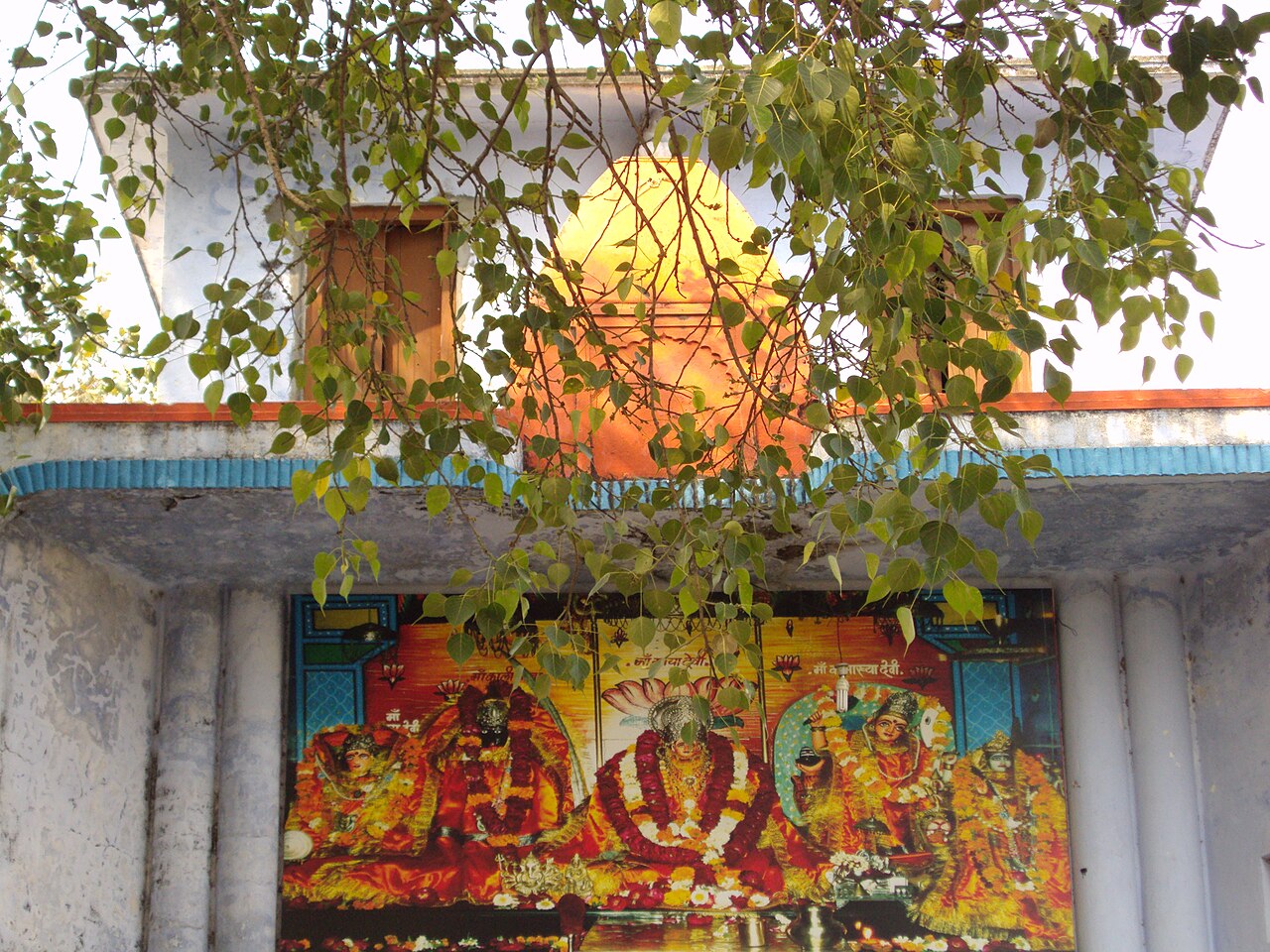 #2 in HaridwarEntrée gratuite
Maya Devi Temple
Temple · 3 km · about 10 min by road
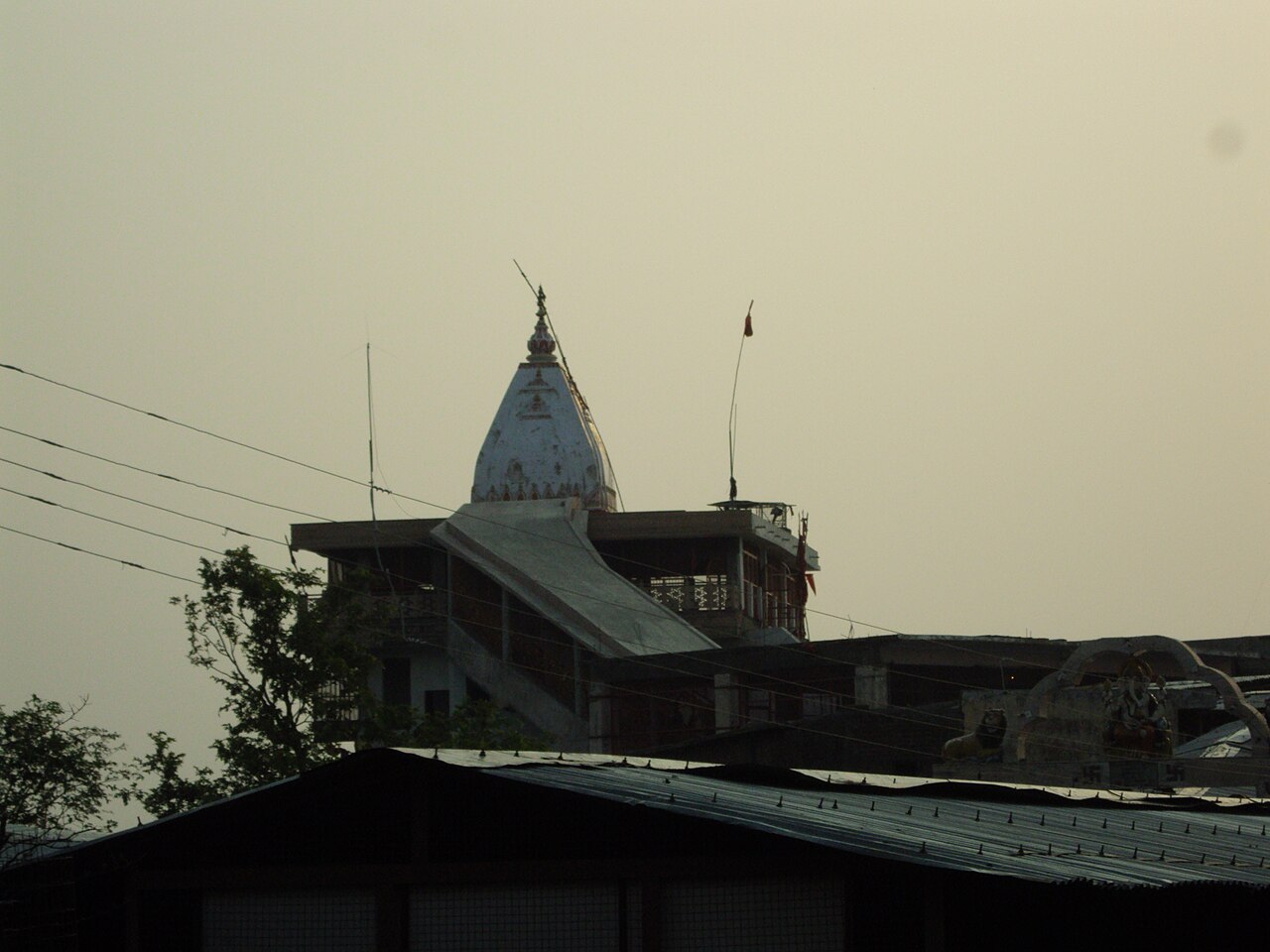 #5 in HaridwarEntrée gratuite
Chandi Devi Temple
Temple · 4 km · about 10 min by road
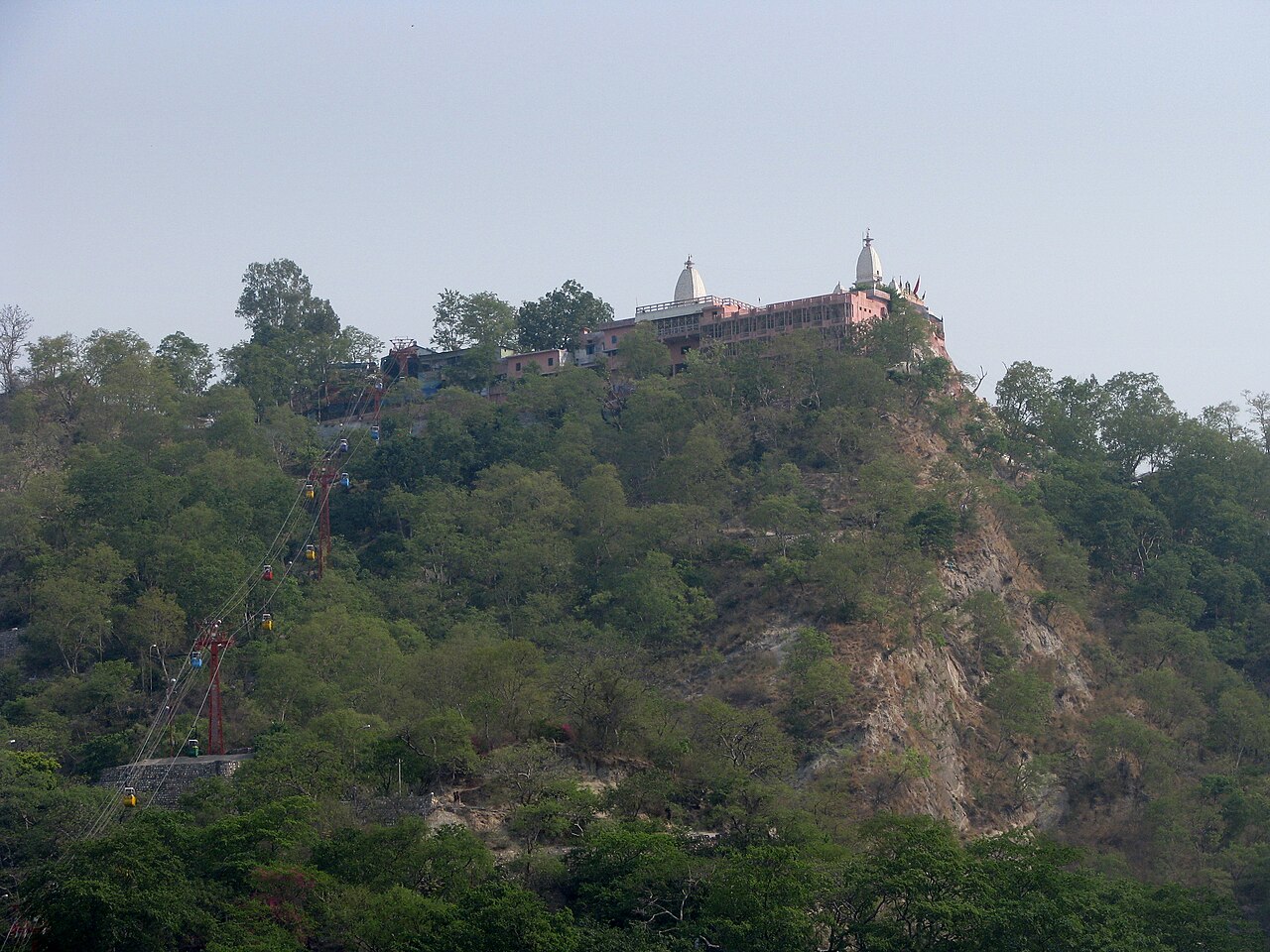 #4 in HaridwarEntrée gratuite
Mansa Devi Temple
Temple · 4 km · about 15 min by road
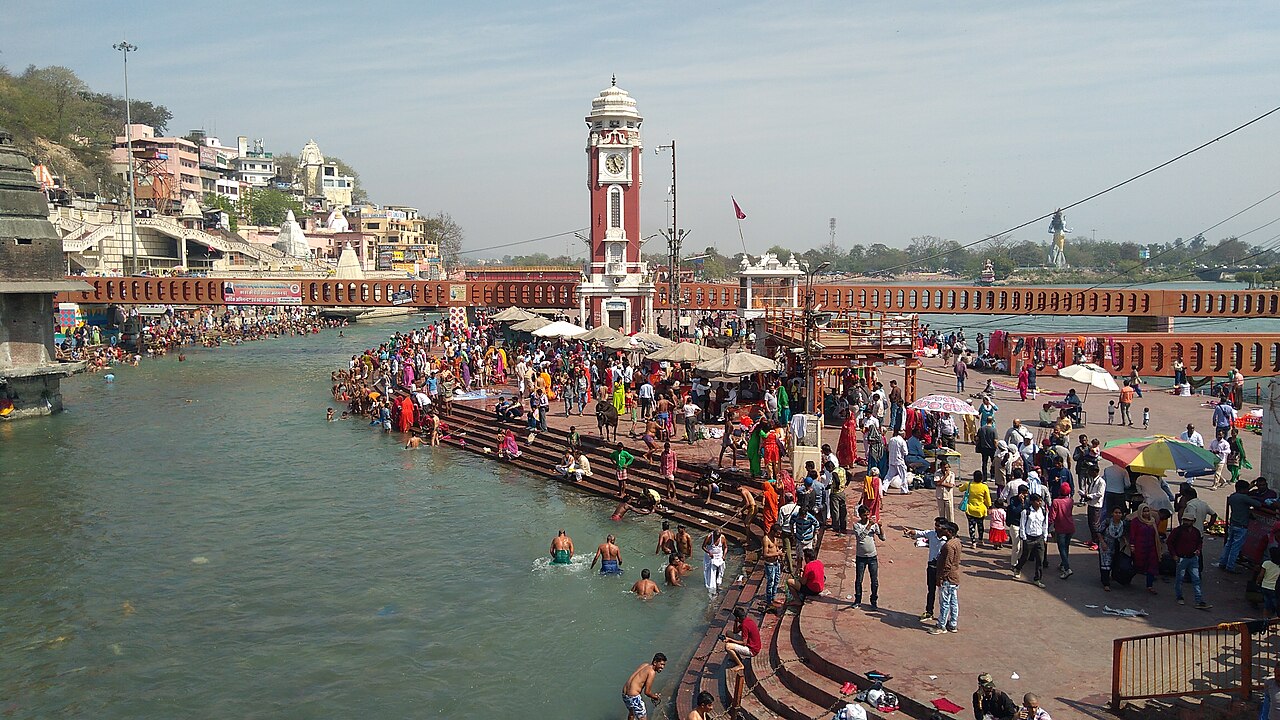 #1 in HaridwarEntrée gratuite
Har Ki Pauri
Temple · 5 km · about 15 min by road