
Lieux à visiter en/au Mexico
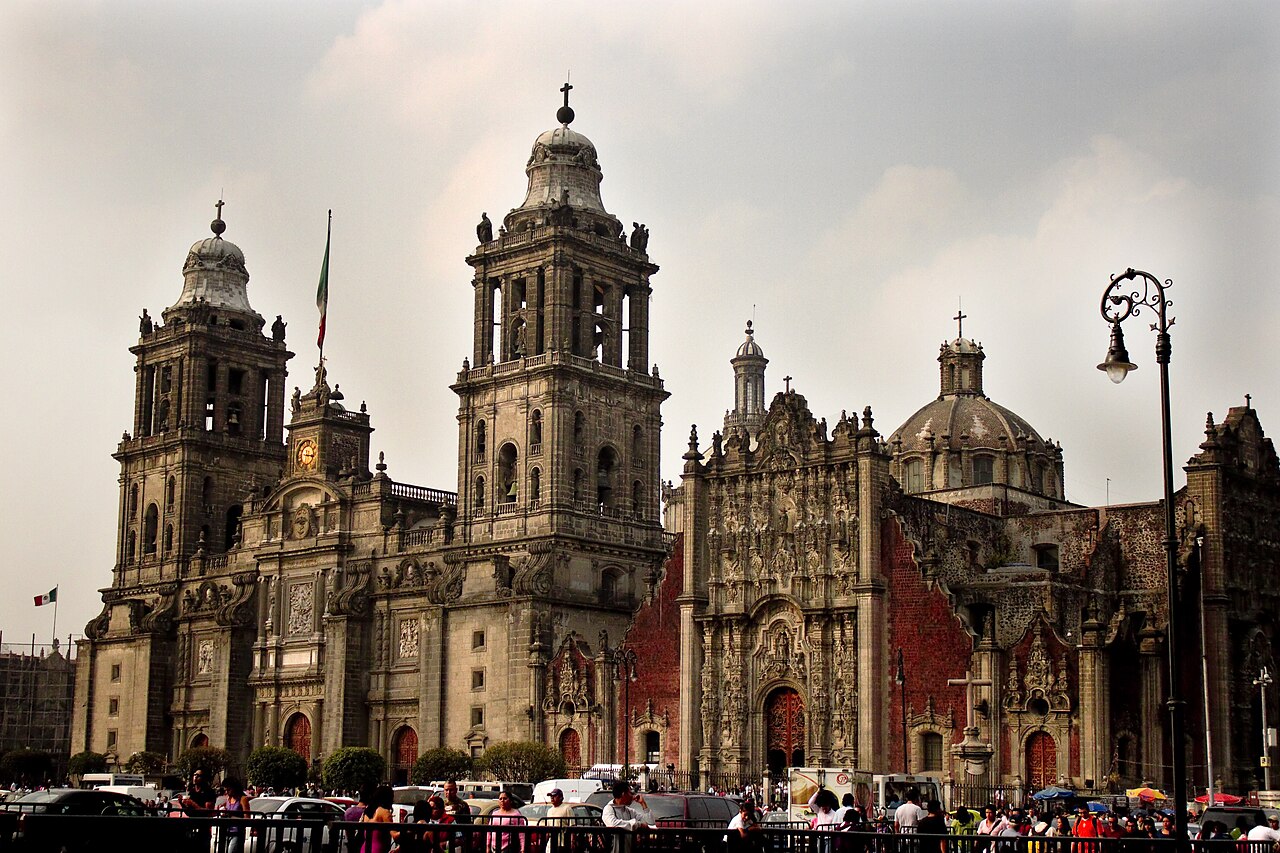
North America's Spanish-speaking giant, where Aztec temple foundations sit under a colonial cathedral, muralists covered public walls in politics, and a single meal can span street tacos and tasting menus.
Mexico spans deserts, cloud forest, beaches and high volcanic plateaus, and its climate varies with altitude more than latitude: the central highlands around Mexico City sit above 2,000 metres and stay mild year-round, while the coasts and the Yucatán Peninsula are hot and humid. The dry season from November to April is the most comfortable period for most of the country, with clear skies in the central highlands and lower humidity on the coasts. The rainy season runs from roughly June to October, bringing short afternoon storms to Mexico City, and the Atlantic and Pacific hurricane seasons peak from August to October on the coasts. Mexico City draws heavy crowds around Día de Muertos (31 October to 2 November) and again around Christmas and Easter, so book museums and lodging early. Public transport in the capital is cheap and extensive, with the Metro at MXN 5 per ride as of 2026, though tap water is not safe to drink anywhere in the country and visitors should use bottled or filtered water. Restaurant tipping of 10 to 15 percent is standard and usually not included in the bill, and cash in pesos remains necessary at markets, small eateries and many taxis. Intercity travel relies on long-distance coaches, domestic flights and a growing but still partial rail network. Common sense applies: use ride-hail apps or licensed taxis rather than hailing on the street, and check official travel advisories for the region you plan to visit.
Capitale
Mexico City
Monnaie
Mexican peso (MXN, $)
Fuseau horaire
Central Standard Time (UTC-6) in most of the country, including Mexico City, which has not observed daylight saving time since October 2022; some border and northwestern states use other offsets
Indicatif téléphonique
+52
Meilleurs mois
Nov – Apr
Visas et entrée sur le territoire
Citizens of the United States, Canada, the United Kingdom, all EU and EFTA countries, Australia, New Zealand, Japan, South Korea, Singapore and many others enter Mexico for tourism without a visa, for a stay of up to 180 days. The immigration officer decides the number of days granted at entry, so it may be fewer than 180, and the length is recorded on the digital Forma Migratoria Múltiple (FMM) tourist permit. Travellers who need a visa but hold a valid multiple-entry visa or residence permit issued by the US, Canada, the UK, Japan or a Schengen state can usually enter without applying for a Mexican visa. The FMM fee, reported at about MXN 983 in 2026, is normally included in airline tickets for air arrivals, and overland visitors pay at the border if they stay beyond the border zone; verify current fees and rules with the Mexican consulate or the National Migration Institute before travel. Passports should be valid for the length of the stay.
Par où commencer en/au Mexico
Le lieu classé premier dans chacun de nos guides de villes.