Senso-ji Temple
#1Tokyo ਵਿੱਚ ਘੁੰਮਣ ਵਾਲੀਆਂ 10 ਥਾਵਾਂ ਵਿੱਚੋਂTokyo, Kanto, Japan
ਇਸਨੂੰ ਇਹ ਵੀ ਕਿਹਾ ਜਾਂਦਾ ਹੈ Asakusa Kannon Temple · 浅草寺
ਸੰਖੇਪ ਜਵਾਬ
ਖੁੱਲ੍ਹਣ ਦਾ ਸਮਾਂ: 06:00–17:00 and 06:30–17:00 and 18:00–19:00. ਪ੍ਰਵੇਸ਼ ਮੁਫ਼ਤ ਹੈ। 1.5 hrs ਦਾ ਸਮਾਂ ਰੱਖੋ। ਸਭ ਤੋਂ ਵਧੀਆ ਸਮਾਂ: 07:00–08:30।
ਅੱਪਡੇਟ ਕੀਤਾ · ਤਿਆਰ ਕੀਤਾ Traveliac, AI ਦੀ ਮਦਦ ਨਾਲ · 5 ਮਿੰਟ ਦਾ ਪੜ੍ਹਨ
- ਖੁੱਲ੍ਹਣ ਦਾ ਸਮਾਂ
- 06:00–19:00
- Main Hall: 06:00–17:00 (April–September), 06:30–17:00 (October–March). The temple grounds, Nakamise-dori approach street, and Kaminarimon gate are accessible 24 hours; shops on Nakamise-dori close around 18:00–19:00.
- ਪ੍ਰਵੇਸ਼ ਫ਼ੀਸ
- ਮੁਫ਼ਤ
- ਲੋੜੀਂਦਾ ਸਮਾਂ
- 1.5 hrs
- ਦਿਨ ਦਾ ਵਧੀਆ ਸਮਾਂ
- 07:00–08:30
- ਵਧੀਆ ਮਹੀਨੇ
- Mar – Apr, Oct – Nov
- ਪਤਾ
- 2-3-1 Asakusa, Taito City, Tokyo 111-0032, Japan
Senso-ji Temple ਬਾਰੇ
Senso-ji Temple is Tokyo's oldest temple, founded in 645 CE, and its Main Hall stands at the end of the 250-metre Nakamise-dori shopping street lined with roughly 90 stalls selling rice crackers, folding fans, and yukata. The temple enshrines a small golden statue of Kannon, the bodhisattva of mercy, said to have been pulled from the Sumida River by two fishermen brothers in 628 CE — a legend the temple itself presents as tradition rather than verified history. The current Main Hall dates to 1958, a postwar reinforced-concrete reconstruction after the original wooden structure burned in the 1945 firebombing of Tokyo; the five-storey pagoda beside it was similarly rebuilt in 1973. The Kaminarimon (Thunder Gate) at the street's entrance carries a red paper-and-bamboo lantern 3.9 metres tall and weighing roughly 700 kilograms, flanked by wooden statues of the gods Fujin and Raijin. A second gate, Hozomon, sits closer to the Main Hall and stores sutras and treasures on its upper level, not open to the public.
ਦਿਨ ਦਾ ਵਧੀਆ ਸਮਾਂ: 07:00–08:30। Before the Nakamise-dori shops open and tour groups arrive from Ueno and Shinjuku hotels.
Senso-ji Temple ਦਾ ਸਮਾਂ
- ਖੁੱਲ੍ਹਣ ਦਾ ਸਮਾਂ
- 06:00–19:00
Mon–Sun 06:00–17:00 and 06:30–17:00 and 18:00–19:00 - Main Hall: 06:00–17:00 (April–September), 06:30–17:00 (October–March). The temple grounds, Nakamise-dori approach street, and Kaminarimon gate are accessible 24 hours; shops on Nakamise-dori close around 18:00–19:00.
- ਬੰਦ ਰਹਿੰਦਾ ਹੈ
- ਹਰ ਰੋਜ਼ ਖੁੱਲ੍ਹਾ
ਖੁੱਲ੍ਹਣ ਦਾ ਸਮਾਂ senso-ji.jp ਤੇ ਜਨਤਕ ਰਿਕਾਰਡ ਤੋਂ ਤਿਆਰ ਕੀਤਾ, ਆਖ਼ਰੀ ਵਾਰ ਨੂੰ ਅੱਪਡੇਟ ਕੀਤਾ. ਇਹ ਬਿਨਾਂ ਸੂਚਨਾ ਦੇ ਬਦਲ ਸਕਦੇ ਹਨ — ਸਫ਼ਰ ਤੋਂ ਪਹਿਲਾਂ ਪੁਸ਼ਟੀ ਕਰੋ। ਅਸੀਂ ਇਹ ਗਾਈਡਾਂ ਕਿਵੇਂ ਲਿਖਦੇ ਹਾਂ
Senso-ji Temple ਟਿਕਟ ਕੀਮਤ
| ਟਿਕਟ | ਕੀਮਤ |
|---|---|
| ਸਧਾਰਨ ਟਿਕਟ | ਮੁਫ਼ਤ |
| ਰਿਆਇਤੀ (ਵਿਦਿਆਰਥੀ / ਸੀਨੀਅਰ) | ਮੁਫ਼ਤ |
| ਬੱਚੇ | ਮੁਫ਼ਤ |
Entry to the temple grounds and Main Hall is free. The five-storey pagoda and Asakusa Shrine next door are also free to view from outside. As of 2026, some special exhibitions inside the temple's treasure hall charge a separate fee — verify at the official site.
ਕੀਮਤਾਂ senso-ji.jp ਤੇ ਜਨਤਕ ਰਿਕਾਰਡ ਤੋਂ ਤਿਆਰ ਕੀਤਾ, ਆਖ਼ਰੀ ਵਾਰ ਨੂੰ ਅੱਪਡੇਟ ਕੀਤਾ. ਇਹ ਬਿਨਾਂ ਸੂਚਨਾ ਦੇ ਬਦਲ ਸਕਦੇ ਹਨ — ਸਫ਼ਰ ਤੋਂ ਪਹਿਲਾਂ ਪੁਸ਼ਟੀ ਕਰੋ। ਅਸੀਂ ਇਹ ਗਾਈਡਾਂ ਕਿਵੇਂ ਲਿਖਦੇ ਹਾਂ
Senso-ji Temple ਘੁੰਮਣ ਦਾ ਸਹੀ ਸਮਾਂ
- Quiet
- Busy
- Very busy
06:00–08:00
Early OpeningBest time to go
Main Hall opens; Nakamise-dori shops are shuttered. Local worshippers outnumber tourists. Best light for photographing Kaminarimon.
Quiet10:00–15:00
Peak Tourist Hours
Nakamise-dori reaches shoulder-to-shoulder density; tour groups from Ueno and Ginza arrive in waves. Incense burner area is congested.
Very busy15:00–17:00
Late Afternoon
Crowds ease slightly but remain heavy; shop staff begin closing stalls closer to 18:00.
Busy18:00–21:00
Evening Illumination
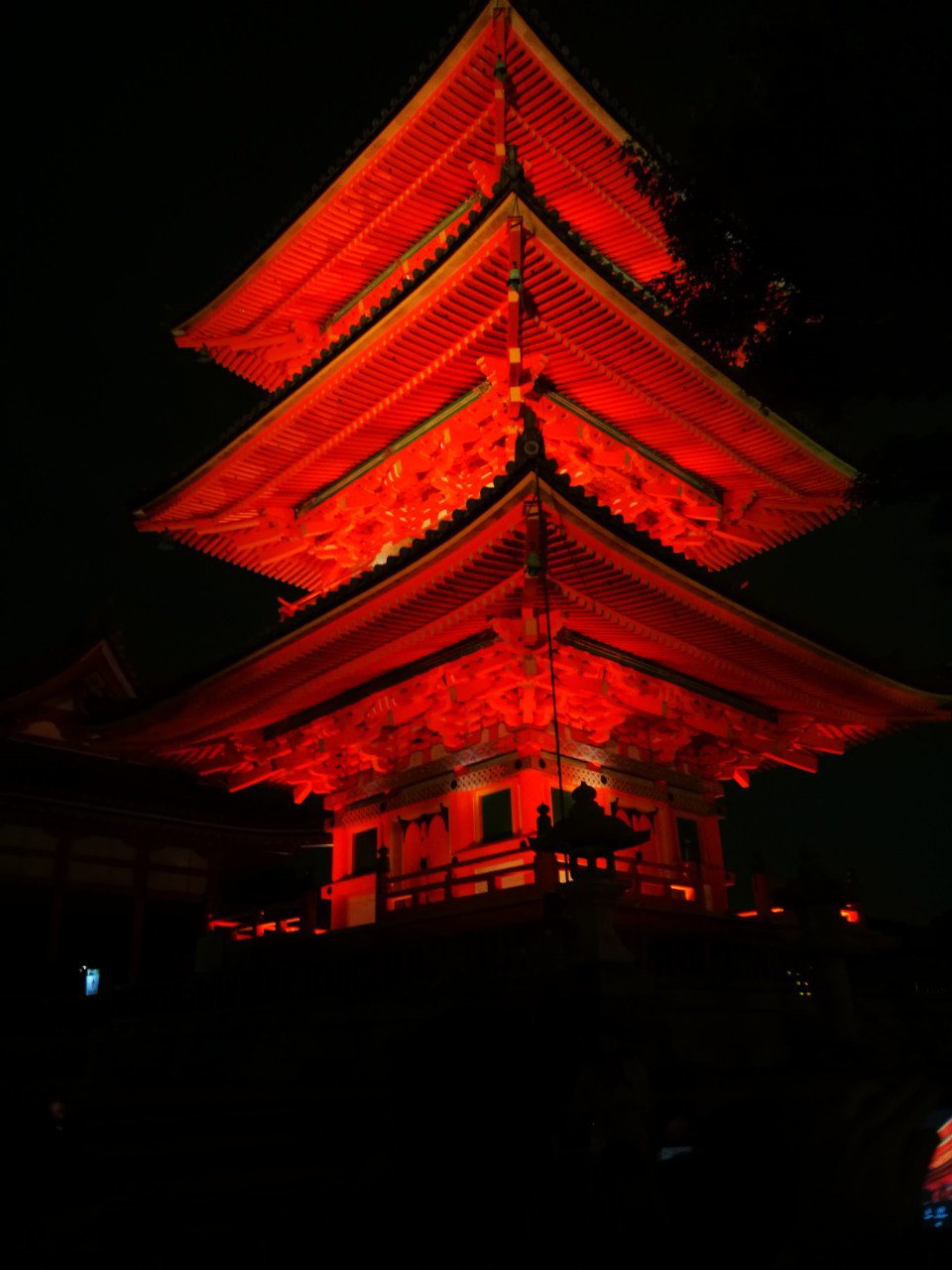
Nakamise-dori shops closed and shuttered; Main Hall and Kaminarimon lantern illuminated. Grounds remain open and largely quiet.
Quiet
Senso-ji Temple ਦਾ ਇਤਿਹਾਸ
Senso-ji's founding legend places its origin in 628 CE, when brothers Hinokuma Hamanari and Hinokuma Takenari reportedly caught a statue of Kannon in a fishing net cast into the Sumida River. The local village chief, Hajino Nakamoto, recognized the statue's significance, remodeled his own house into a small temple, and devoted himself to Kannon worship — the temple building itself is traditionally dated to 645 CE, making it the oldest in the Tokyo area by temple record, though archaeological verification of the earliest structures does not survive.
The temple grew into Edo's principal pilgrimage site during the Tokugawa shogunate (1603–1868), when Tokugawa Ieyasu designated Senso-ji as the shogunate's祈願所 (prayer site) for the peace of the state. Nakamise-dori developed from the late 17th century as local residents were granted rights to set up stalls along the approach in exchange for cleaning the temple grounds — a commercial arrangement that has continued in some form for over three centuries.
Senso-ji burned to the ground in the March 1945 Allied firebombing of Tokyo, along with most of Asakusa. Rebuilding the reinforced-concrete Main Hall took until 1958, funded largely by public donation; the choice of concrete over timber was a deliberate postwar decision to fireproof the reconstruction against future incendiary attack.
Senso-ji Temple ਦੇ ਨਿਯਮ ਤੇ ਸ਼ਿਸ਼ਟਾਚਾਰ
Photography is permitted throughout the temple grounds and Main Hall exterior, but flash photography and photography of the interior altar area, where the Kannon statue is enshrined (and never publicly displayed), is restricted by temple signage. Visitors approach the incense burner (jokoro) in front of the Main Hall and waft smoke toward themselves before entering — a purification custom rather than a strict rule, and non-Buddhist visitors are welcome to skip it.
Omikuji fortune slips cost ¥100, drawn from a numbered drawer system; a notably high proportion of draws land on kyo (bad fortune) here compared to other Tokyo temples, and the custom is to tie a bad fortune to the temple's wire racks rather than take it home. Nakamise-dori gets dense between 10:00 and 16:00, particularly on weekends, when the 250-metre stretch can take 20 minutes to walk shoulder-to-shoulder. Pickpocketing is rare in Japan generally, but bag-snatching from open tote bags has been reported in the densest crowd sections near Hozomon.
Senso-ji Temple ਜਾਣ ਲਈ ਸੁਝਾਅ
- 1
Arrive before 08:00 to photograph Kaminarimon and Nakamise-dori without crowds; the lantern and gate are lit from dusk, making early evening (after 17:00, once shops close) a second quiet window with the Main Hall illuminated. Rickshaw (jinrikisha) pullers work the side streets around Nakamise-dori and charge roughly ¥4,000–¥10,000 for a 15–30 minute tour, negotiable and posted on placards; tipping is not practised anywhere in Japan and can cause confusion if offered to them, temple staff, or nearby restaurant servers.
- 2
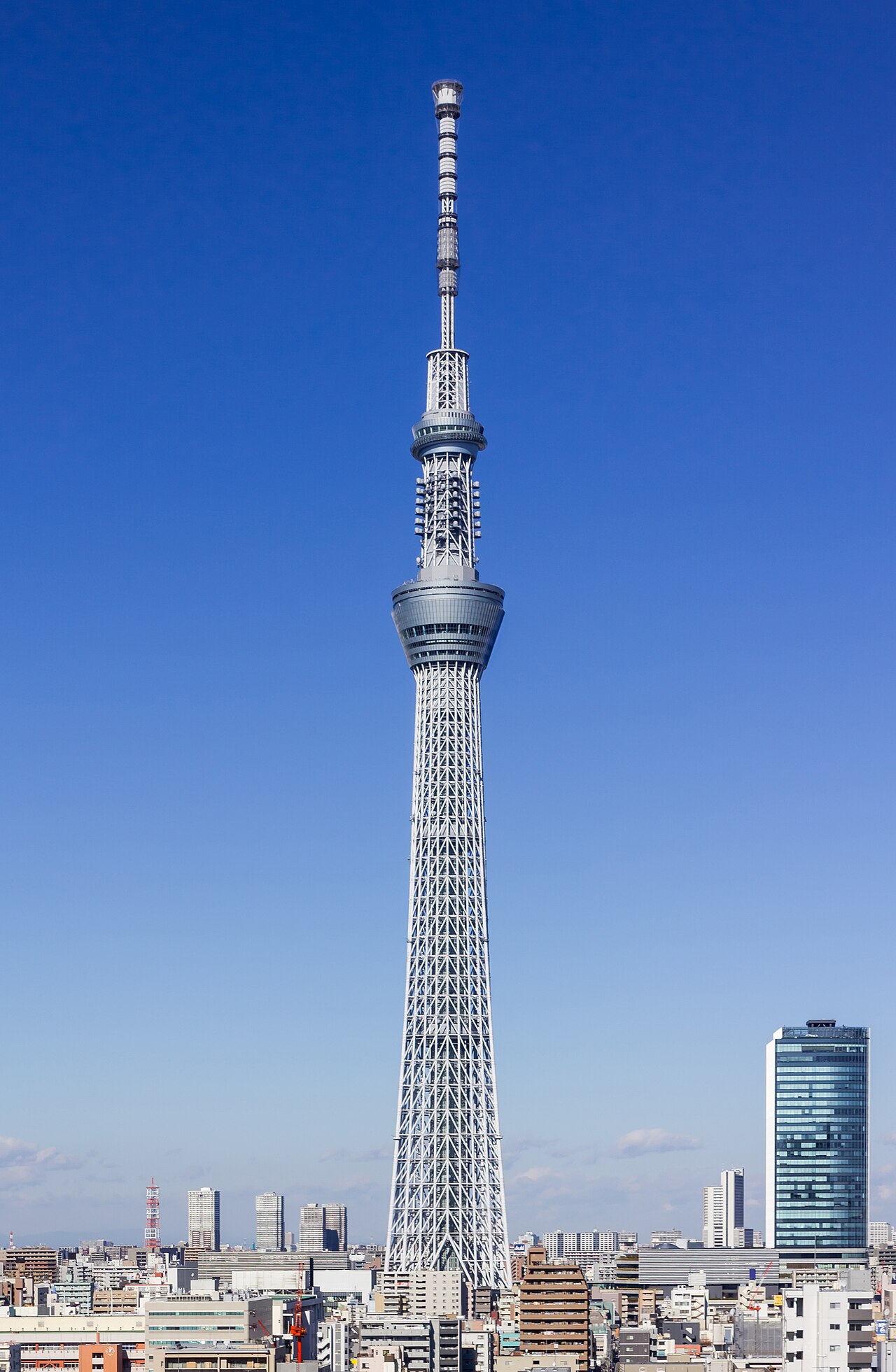
Denboin-dori, a side street running parallel to Nakamise-dori, has fewer tourists and several longstanding shops selling hand-carved geta sandals and folding fans. Asakusa Shrine, immediately east of the Main Hall and dedicated to the three men associated with Senso-ji's founding legend, is free and rarely crowded even when the temple itself is full. Combine the visit with a walk along the Sumida River promenade, five minutes east, for a clear view of Tokyo Skytree across the water.
Senso-ji Temple ਤੱਕ ਕਿਵੇਂ ਪਹੁੰਚੀਏ
ਅਸੀਂ ਅਜੇ Senso-ji Temple ਦੀ ਸਹੀ ਸਥਿਤੀ ਨਕਸ਼ੇ 'ਤੇ ਨਹੀਂ ਪਾਈ; ਨਕਸ਼ੇ ਵਿੱਚ ਸਾਡੀ Tokyo ਗਾਈਡ ਦੀਆਂ ਹੋਰ ਥਾਵਾਂ ਦਿਖ ਰਹੀਆਂ ਹਨ। ਹੇਠਾਂ ਦਿੱਤਾ ਪਤਾ ਜਾਂ ਦਿਸ਼ਾ-ਨਿਰਦੇਸ਼ ਲਿੰਕ ਵਰਤੋ।
2-3-1 Asakusa, Taito City, Tokyo 111-0032, JapanGoogle Maps ਵਿੱਚ ਦਿਸ਼ਾ-ਨਿਰਦੇਸ਼
Haneda Airport (HND) ਤੋਂ
18 km · 45–55 min
¥600–¥660
Narita Airport (NRT) ਤੋਂ
65 km · 60–80 min
¥1,300–¥2,600 depending on train
Tokyo Station ਤੋਂ
6 km · 20–25 min
¥180–¥220
ਨਜ਼ਦੀਕੀ ਹਵਾਈ ਅੱਡਾ
Haneda Airport (HND) ਤੋਂ
18 km, approximately 45–55 minutes via Keikyu/Toei Asakusa Line direct to Asakusa Station.
ਨਜ਼ਦੀਕੀ ਸਟੇਸ਼ਨ
Asakusa Station (Tokyo Metro Ginza Line, Toei Asakusa Line, Tobu Skytree Line) ਤੋਂ
5-minute walk via Kaminarimon.
Senso-ji Temple — ਅਕਸਰ ਪੁੱਛੇ ਜਾਂਦੇ ਸਵਾਲ
Is Senso-ji Temple free to enter?
Yes. There is no admission fee for the temple grounds, Main Hall, Kaminarimon gate, or Nakamise-dori. As of 2026, only occasional special exhibitions inside separate treasure halls charge a fee — verify at the official site before visiting.
What time does Senso-ji Temple open and close?
The Main Hall is open 06:00–17:00 from April to September and 06:30–17:00 from October to March. The outer grounds, Kaminarimon gate, and approach street are accessible 24 hours, though Nakamise-dori's shops close around 18:00–19:00.
Can visitors go inside the Main Hall at Senso-ji?
Yes, the interior worship hall is open to the public during operating hours, though the small golden Kannon statue itself is never displayed and is kept permanently hidden. Visitors can approach the altar area, purchase omikuji fortune slips for ¥100, and make offerings.
Is tipping expected at Senso-ji or in Asakusa generally?
No. Tipping is not practised in Japan and can cause confusion if offered to temple staff, rickshaw pullers, or restaurant servers in Asakusa. The listed or negotiated price is the full amount expected.
ਅਧਿਕਾਰਤ ਸਰੋਤਾਂ ਤੇ ਜਨਤਕ ਰਿਕਾਰਡ ਤੋਂ AI ਦੀ ਮਦਦ ਨਾਲ ਤਿਆਰ ਕੀਤਾ, ਅਤੇ ਇਸ ਵਿੱਚ ਦਿੱਤੀ ਜਾਂਚ ਤੋਂ ਬਾਅਦ ਹੀ ਪ੍ਰਕਾਸ਼ਿਤ ਕੀਤਾ ਅਸੀਂ ਇਹ ਗਾਈਡਾਂ ਕਿਵੇਂ ਲਿਖਦੇ ਹਾਂ. Traveliac ਤੋਂ ਕਿਸੇ ਨੇ ਵੀ ਇਸ ਥਾਂ ਦਾ ਦੌਰਾ ਨਹੀਂ ਕੀਤਾ। ਆਖ਼ਰੀ ਵਾਰ ਨੂੰ ਅੱਪਡੇਟ ਕੀਤਾ। ਅਸੀਂ ਥਾਵਾਂ ਨੂੰ ਕਿਵੇਂ ਰੈਂਕ ਤੇ ਜਾਂਚ ਕਰਦੇ ਹਾਂ