
Sabarmati Ashram
#1من أصل 10 مكانًا للزيارة في AhmedabadAhmedabad, Gujarat
يُعرف أيضًا باسم Gandhi Ashram · Hriday Kunj · Satyagraha Ashram
إجابة سريعة
ساعات العمل: 08:30–18:30. الدخول مجاني. خصّص 1.5 hrs. أفضل وقت: Early morning.
آخر تحديث · أعدّه Traveliac، بمساعدة الذكاء الاصطناعي · 6 دقيقة قراءة
- ساعات العمل
- 08:30–18:30
- رسوم الدخول
- مجاني
- الوقت اللازم
- 1.5 hrs
- أفضل وقت في اليوم
- Early morning
- أفضل الأشهر
- Oct – Mar
- العنوان
- Gandhi Smarak Sangrahalaya, Ashram Road, Ahmedabad, Gujarat 380027
عن Sabarmati Ashram
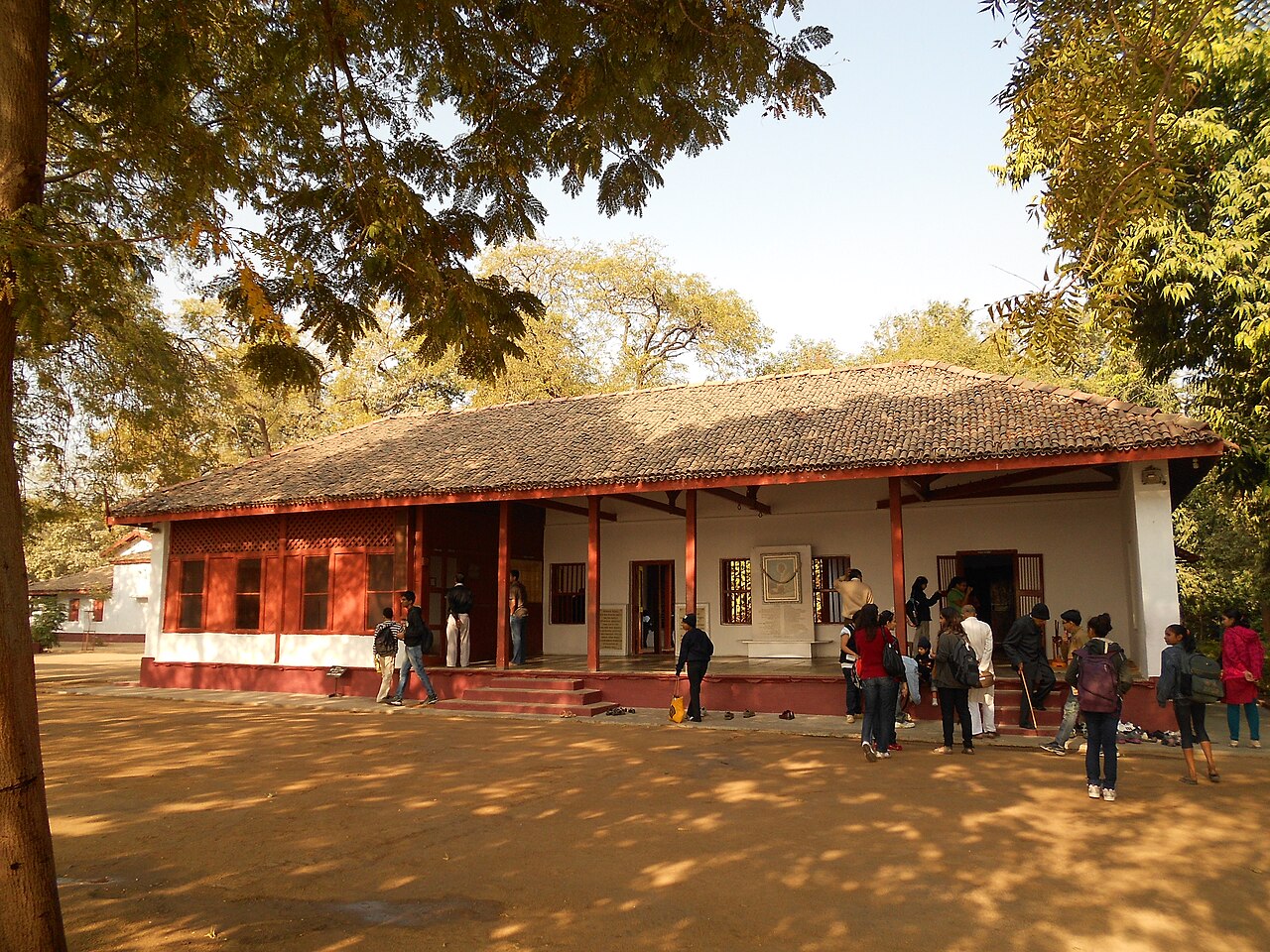
On the western bank of the Sabarmati River, 5 kilometres north of the old walled city, a compound of low whitewashed buildings in local Gujarati vernacular style occupies a stretch of riverfront that was, for thirteen years, the operational headquarters of the Indian independence movement. Mohandas Karamchand Gandhi lived here from 1917 to 1930, and the ashram became not merely his residence but a laboratory for the political and ethical ideas that would reshape the subcontinent. The river itself is part of the experience: wide, shallow, and light-saturated in the morning, the Sabarmati at this stretch carries none of the pollution that afflicts its urban reaches further south. Sit on the stone steps that descend to the water and the view — flat opposite bank, sky, the sound of mynah birds — offers a reliable form of stillness that is worth seeking on any itinerary.
أفضل وقت في اليوم: Early morning. 08:30–10:00 before school and tour groups arrive. The riverside garden and Gandhi's residential cottage, Hriday Kunj, are particularly quiet at this hour, and the light across the Sabarmati is good for photography.
مواعيد Sabarmati Ashram
يفتح Sabarmati Ashram في 08:30 ويغلق في 18:30. وتظل المواعيد نفسها يومَي السبت والأحد.
- ساعات العمل
- 08:30–18:30
Mon–Sun 08:30–18:30 - يُغلق يوم
- مفتوح كل يوم
من المفيد معرفته: Open all year including public holidays. The museum may close temporarily during national mourning periods or major ceremonial events. Sound and Light show (separate programme, not part of the ashram) is periodically held in the evenings — confirm locally.
تم جمع ساعات العمل من السجلات العامة؛ لا يوجد لهذا المكان موقع إلكتروني رسمي مُدرَج، وآخر تحديث في . قد تتغيّر دون إشعار مسبق — تأكد منها قبل السفر. كيف نكتب هذه الأدلة
سعر تذكرة Sabarmati Ashram
| التذكرة | السعر |
|---|---|
| الزوار الهنود | Free |
| الزوار الأجانب | Free |
| الأطفال | مجاني |
| الكاميرا | مجاني |
Entry to the ashram grounds and the Gandhi Smarak Sangrahalaya museum is free of charge. No camera fee is levied. A nominal donation box is present at the museum entrance; contributions are voluntary.
تم جمع الأسعار من السجلات العامة؛ لا يوجد لهذا المكان موقع إلكتروني رسمي مُدرَج، وآخر تحديث في . قد تتغيّر دون إشعار مسبق — تأكد منها قبل السفر. كيف نكتب هذه الأدلة
أفضل وقت لزيارة Sabarmati Ashram
- Quiet
- Moderate
- Busy
08:30–10:00
Opening hourBest time to go
The grounds open at 08:30 and the first 90 minutes are consistently the quietest. Riverside light is good for photography of Hriday Kunj's exterior.
Quiet10:00–13:00
School group peak
School parties and organised tour buses arrive from approximately 10:00, creating dense concentrations around Hriday Kunj and the museum photo panels. The prayer ground remains relatively clear.
Busy13:00–15:00
Midday lull
Groups tend to depart after the morning. Individual visitors and families arrive. The summer heat (April–June) makes this window uncomfortable; October–March it is perfectly manageable.
Moderate15:00–17:30
Afternoon visit
A reliable second window. Afternoon light on the river from the steps is warmer and more photogenic than morning for riverside compositions.
Moderate17:30–18:30
Closing hour
Final 60 minutes before closure. The staff begin gentle dispersal of visitors. The grounds are quiet and the late light on the whitewashed cottages is excellent.
Quiet
تاريخ Sabarmati Ashram
Gandhi established the Satyagraha Ashram at this location on 17 June 1917, having moved it from Kocharab Bungalow in Paldi, where it had existed since his return from South Africa in 1915. The choice of the Sabarmati site was deliberate: Gandhi noted that it stood between a jail and a cremation ground, two places, he observed, that every satyagrahi should be prepared to visit. The ashram functioned simultaneously as a residence, a training centre for non-violent resistance, a khadi-weaving cooperative, and a school. At its peak it housed approximately 200 residents.
The most consequential single event connected to the ashram occurred at dawn on 12 March 1930, when Gandhi departed the compound with 78 selected ashramites on the Dandi March — a 388-kilometre walk to the coastal village of Dandi in South Gujarat to protest the British salt tax by making salt from seawater in defiance of the law. The march took 24 days and triggered mass civil disobedience across India. Gandhi vowed publicly before departing that he would not return to the ashram until India had won its independence. He never did return; the 1942 Quit India resolution and subsequent imprisonment, partition negotiations, and assassination in 1948 intervened.
The ashram was formally handed over to the public in 1951. The Gandhi Smarak Sangrahalaya, the principal museum on the site, was designed by architect Charles Correa and inaugurated in 1963. Correa's design is a masterpiece of open-plan museum architecture: a series of low pavilions with teak-framed roofs open on the sides to the river breeze, arranged along a processional path that takes the visitor through chronological displays of photographs, letters, spinning wheels, and personal artefacts. The cottage Hriday Kunj — a single-storey structure of lime-plastered brick, approximately 15 by 20 feet — where Gandhi lived and slept on a narrow wooden cot, survives intact.
القواعد والآداب في Sabarmati Ashram
Footwear must be removed before entering Hriday Kunj, Gandhi's residential cottage, and the prayer ground. Shoe racks are provided immediately outside both structures; a coin-operated token system operates during peak season. Socks are acceptable. The museum pavilions designed by Correa do not require shoe removal as they are open-sided structures technically classified as covered walkways rather than enclosed rooms — though some visitors choose to remove shoes anyway.
Photography is permitted throughout the ashram grounds and inside the museum pavilions with any camera or mobile device, without fee or restriction. Flash photography inside Hriday Kunj is discouraged out of preservation considerations for the original wooden fittings and textiles.
Dress code is not formally enforced but the site is an active place of remembrance and occasional prayer. Shoulders and knees covered is the appropriate minimum. The ashram retains a small resident community; the areas behind the main museum complex are private residences and should not be entered.
Guided tours in English are available from ASI-licensed guides who station themselves near the main gate; negotiate a rate (typically ₹200–400 per group for a 60–90 minute tour) before beginning. Self-guided audio guides were available in previous seasons — confirm availability on arrival. Avoid the informal 'guides' who approach on the road outside the gate; they are not licensed and their historical content is unreliable.
نصائح لزيارة Sabarmati Ashram
- 1
The ashram's free entry policy means it receives a very broad cross-section of visitors, including large school parties that arrive between 09:30 and 11:30, particularly on weekdays. If you arrive precisely at the 08:30 opening you will have the grounds largely to yourself for approximately 45 minutes. The riverside steps are the quietest corner of the compound at any time of day.
- 2
The museum shop near the exit sells well-curated editions of Gandhi's collected works, including the 100-volume Navajivan Press edition, as well as khadi cloth goods produced in the ashram's own workshop. The khadi purchased here is genuinely ashram-produced; khadi sold by vendors on the road outside is not.
- 3
Auto-rickshaws from the old walled city (Teen Darwaza area) to the ashram run approximately ₹80–130 and take 20–30 minutes depending on traffic. Expect the driver to quote ₹150–200; ₹100 flat is a reasonable counter-offer. Ola and Uber auto-rickshaws from the same area run on-meter and typically come to ₹60–90. The BRTS (Bus Rapid Transit System) has a stop within 400 metres of the ashram gate on Ashram Road; fare ₹10–15 from central Ahmedabad.
- 4
The Gandhi Smarak Sangrahalaya has a small canteen that serves simple Gujarati snacks and chai during opening hours. There are no upscale dining options within immediate walking distance; plan to eat before or after.
كيفية الوصول إلى Sabarmati Ashram
النجمة الحمراء تمثّل Sabarmati Ashram؛ والدبابيس المرقّمة هي أقرب 8 أماكن في أدلتنا، ويظهر على كل منها ترتيبه في مدينته. اضغط على أي دبوس لمزيد من التفاصيل.
Gandhi Smarak Sangrahalaya, Ashram Road, Ahmedabad, Gujarat 380027الاتجاهات في خرائط Google
من Sardar Vallabhbhai Patel International Airport (AMD)
₹350–55016 km · 30–45 min
By metered app cab; ₹450–650 for a prepaid counter taxi
من Ahmedabad Junction Railway Station (ADI)
₹80–1306 km · 20–30 min
Negotiated fare; ₹60–90 on Ola/Uber auto
من Ahmedabad Junction Railway Station (ADI)
₹10–156 km · 25–35 min
من Teen Darwaza (Old City)
₹80–1205 km · 20–25 min
Negotiated
أقرب مطار
من Sardar Vallabhbhai Patel International Airport, Ahmedabad (AMD)
approximately 16 km northwest
أقرب محطة قطار
من Ahmedabad Junction (ADI)
approximately 6 km southeast
الأسئلة الشائعة عن Sabarmati Ashram
Is there a charge to enter Sabarmati Ashram or the Gandhi museum?
No. Entry to the ashram compound and the Gandhi Smarak Sangrahalaya museum is completely free for all visitors, including foreign nationals. There is no camera fee. A voluntary donation box is present at the museum entrance.
Do I need to remove my shoes everywhere inside the ashram?
Shoe removal is mandatory before entering Hriday Kunj (Gandhi's cottage) and the prayer ground. The open-sided museum pavilions designed by Charles Correa do not require shoe removal. Shoe racks and a coin-operated token system are provided at the cottage entrance.
What was the Dandi March and why did it start here?
On 12 March 1930 Gandhi walked out of this ashram at dawn with 78 followers and marched 388 kilometres to the coastal village of Dandi in South Gujarat over 24 days. At Dandi he made salt from seawater in deliberate violation of the British salt tax — an act of civil disobedience that triggered mass resistance across India and is considered a turning point of the independence movement. Gandhi chose to start the march from this ashram, his home and political headquarters since 1917. He vowed not to return until independence was won; he never did return.
Who designed the Gandhi Smarak Sangrahalaya?
The museum was designed by Charles Correa, one of India's most distinguished modernist architects, and inaugurated in 1963. Correa's design uses a series of open-sided, teak-roofed pavilions arranged along a processional path, taking advantage of the river breeze and natural light rather than mechanical air-conditioning.
Are licensed guides available and how much do they charge?
Yes. ASI-licensed guides in English are available near the main gate. A fair rate for a 60–90 minute group tour is ₹200–400 — negotiate before starting. Do not engage informal guides who approach on the road outside the gate; they are unlicensed and their historical content is often unreliable.
أُعدّ بمساعدة الذكاء الاصطناعي من مصادر رسمية وسجلات عامة، ونُشر فقط بعد عمليات التحقق الموضحة في كيف نكتب هذه الأدلة. لم يزر أحد من فريق Traveliac هذا المكان شخصيًا. آخر تحديث في . كيف نصنّف الأماكن ونتحقق منها
أماكن للزيارة قرب Sabarmati Ashram
المسافات خط مستقيم حسب خريطتنا؛ الأوقات تقديرية.
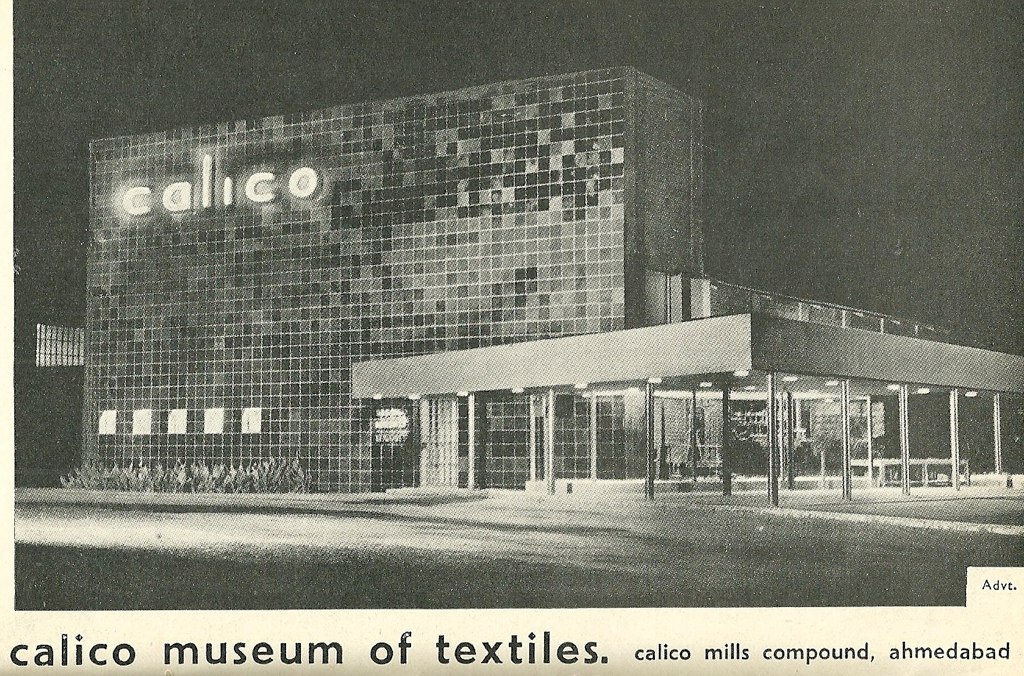 #5 in Ahmedabadالدخول مجاني
Calico Museum of Textiles
متحف · 1.4 km · about 22 min walk
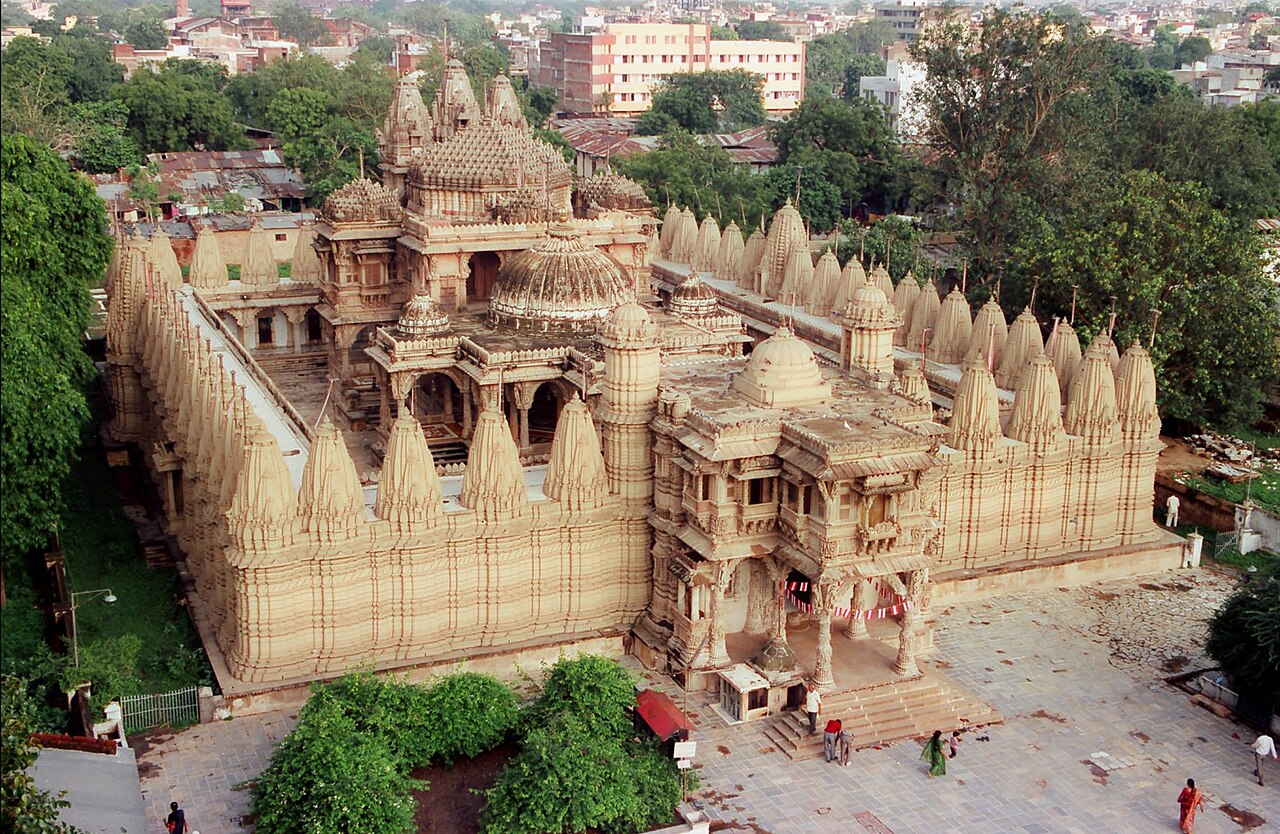 #6 in Ahmedabadالدخول مجاني
Hutheesing Jain Temple
معبد جايني · 2.3 km · about 37 min walk
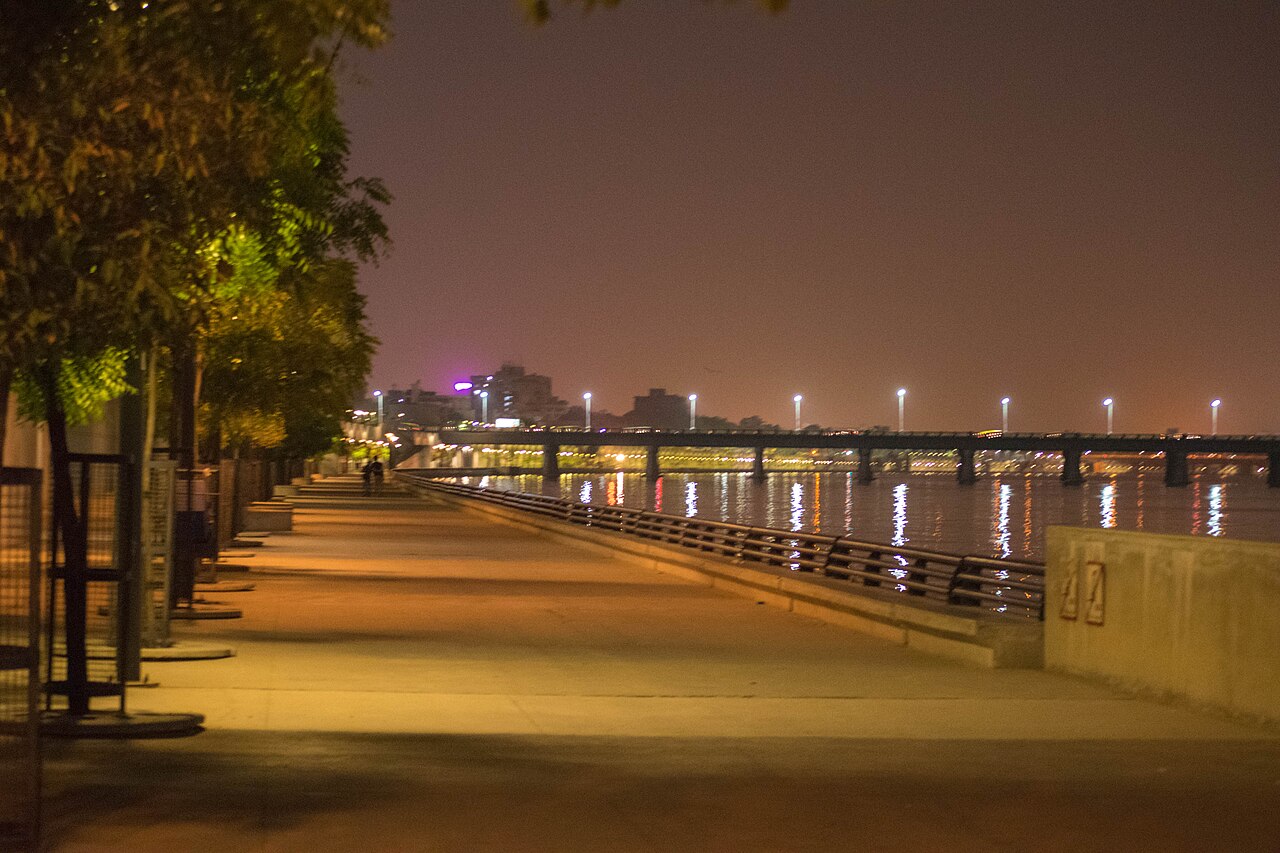 #7 in Ahmedabadالدخول مجاني
Sabarmati Riverfront
تراث · 3 km · about 10 min by road
 #3 in Ahmedabadالدخول مجاني
Sidi Saiyyed Mosque
مسجد · 4 km · about 10 min by road