
Pari Mahal
#5من أصل 8 مكانًا للزيارة في SrinagarSrinagar, Jammu & Kashmir
يُعرف أيضًا باسم Palace of Fairies · Abode of Fairies
إجابة سريعة
ساعات العمل: 09:00–19:00 and 09:30–17:30. رسوم الدخول: ₹24. خصّص 1 hr. أفضل وقت: 17:00 – 18:30.
آخر تحديث · أعدّه Traveliac، بمساعدة الذكاء الاصطناعي · 5 دقيقة قراءة
- ساعات العمل
- 09:00–17:30
- 09:00 – 19:00 daily (April to September); 09:30 – 17:30 (October to March)
- رسوم الدخول
- ₹24
- التذكرة تبدأ من
- الوقت اللازم
- 1 hr
- أفضل وقت في اليوم
- 17:00 – 18:30
- أفضل الأشهر
- Apr – Jun, Sep – Oct
- العنوان
- Pari Mahal, Zabarwan Range, Srinagar, Jammu & Kashmir 190001, on the ridge above Chashme Shahi, roughly 11 km from the city centre
عن Pari Mahal
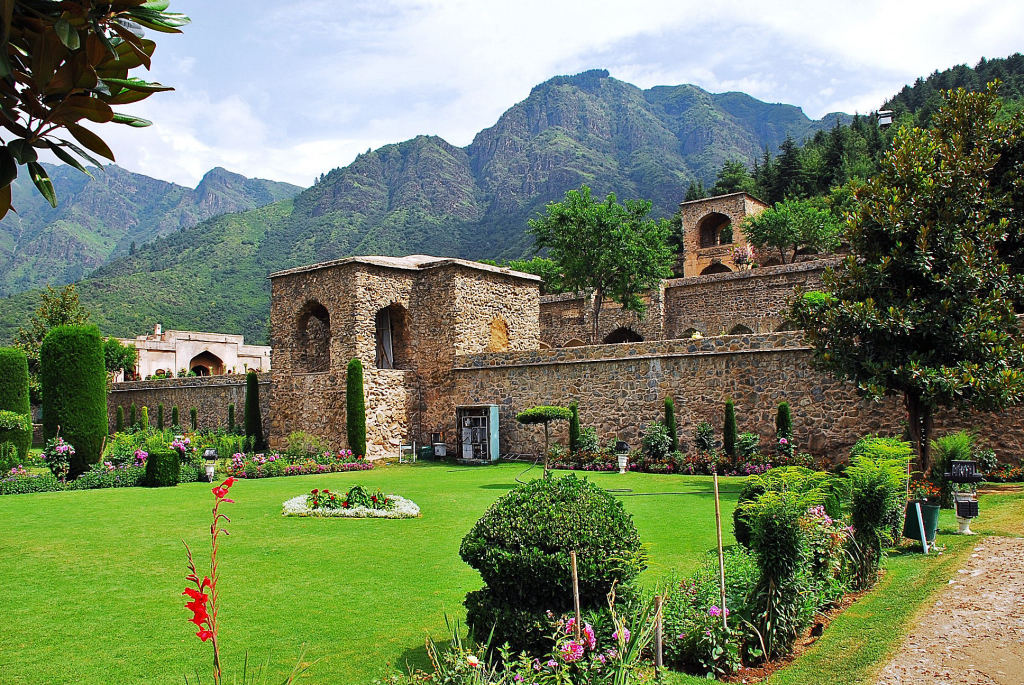
Pari Mahal occupies the highest and most commanding position of any built structure on Srinagar's Zabarwan ridge, a roofless sequence of six terraces climbing a steep hillside above Chashme Shahi, with a ruined domed pavilion, cells, and archways that once housed a Mughal-era school of astrology and Sufi learning. Unlike Nishat, Shalimar, and Chashme Shahi, Pari Mahal was never primarily a pleasure garden in the conventional Mughal char-bagh sense — it was a functioning institution, and its arched cells and now-empty niches read less like ornamental garden architecture and more like the shell of an abandoned seminary, which is essentially what it is. The absence of a roof over most of the structure, rather than diminishing the site, gives it an unusual openness: standing in what was once an enclosed teaching hall, framed by bare stone arches, with Dal Lake and the whole sweep of the Kashmir Valley visible through the empty window openings, is one of the more evocative architectural experiences in Srinagar precisely because the building no longer pretends to shelter you from the view.
أفضل وقت في اليوم: 17:00 – 18:30. For the clearest, widest panorama over Dal Lake and the city, with the added option of staying on for the seasonal evening illumination.
مواعيد Pari Mahal
- ساعات العمل
- 09:00–17:30
Mon–Sun 09:00–19:00 and 09:30–17:30 - 09:00 – 19:00 daily (April to September); 09:30 – 17:30 (October to March)
- يُغلق يوم
- مفتوح كل يوم
من المفيد معرفته: The road up to Pari Mahal can be affected by snow in peak winter (January–February); check locally before attempting the drive in heavy snowfall. Illumination of the ruins after dark is a seasonal feature in the April–October tourist season.
تم جمع ساعات العمل من jktourism.jk.gov.in والسجلات العامة، وآخر تحديث في . قد تتغيّر دون إشعار مسبق — تأكد منها قبل السفر. كيف نكتب هذه الأدلة
سعر تذكرة Pari Mahal
| التذكرة | السعر |
|---|---|
| الزوار الهنود | ₹24 |
| الزوار الأجانب | ₹24 |
| الأطفال | مجاني |
| الكاميرا | مجاني |
Entry fee collected by the Floriculture, Gardens and Parks Department, J&K, uniform for Indian and foreign visitors; children under 12 free. There is no separate photography fee. Evening illumination of the ruins (lit facade, no sound-and-light narration) runs seasonally after dusk.
تم جمع الأسعار من jktourism.jk.gov.in والسجلات العامة، وآخر تحديث في . قد تتغيّر دون إشعار مسبق — تأكد منها قبل السفر. كيف نكتب هذه الأدلة
أفضل وقت لزيارة Pari Mahal
- Quiet
- Moderate
09:00 – 11:00
Morning OpeningBest time to go
Quiet arrival window. Clear morning air often gives good long-distance visibility over the valley before any afternoon haze builds.
Quiet11:00 – 14:00
Midday Tour Traffic
Visitors combining Pari Mahal with the Chashme Shahi–Nishat–Shalimar circuit pass through; crowd density is lower than at the larger gardens given Pari Mahal's smaller visitor capacity per terrace.
Moderate14:00 – 16:30
Afternoon
Steady but manageable footfall. Haze can reduce visibility of distant peaks during summer months (June–August).
Moderate16:30 – 19:00
Golden Hour & Illumination
Best light for photography through the ruined archways. Seasonal evening illumination (April–October) draws a smaller, distinct evening crowd.
Quiet
تاريخ Pari Mahal
Pari Mahal was built in the mid-17th century by Dara Shikoh, the eldest son of Emperor Shah Jahan and elder brother of Aurangzeb, who would go on to lose the Mughal war of succession to Aurangzeb and be executed in 1659 — a defeat that historians have long treated as one of the great counterfactual turning points of Mughal history, given Dara Shikoh's markedly different intellectual and religious temperament from his eventual successor. Dara Shikoh was a serious scholar of comparative religion and mysticism, credited with translating Sanskrit Upanishads into Persian and engaging deeply with Sufi thought, and Pari Mahal was reportedly built as a school for astrology and Sufi religious instruction under his patronage, associated with the Sufi teacher Mullah Shah Badakhshi, whose own shrine (Mullah Shah Mosque) stands elsewhere in Srinagar.
The site itself has an earlier layer of history predating Dara Shikoh's structure: it is believed to have been the location of a Buddhist monastery in an earlier period of Kashmir's religious history, before its Mughal-era repurposing — a pattern of religious-site succession common across the valley, where Buddhist, Hindu, and later Islamic institutions frequently occupied the same strategically favourable ground in sequence. The Mughal terraced garden and pavilion structure that Dara Shikoh commissioned used the same char-bagh-influenced terracing logic seen at Nishat and Shalimar, adapted to a much steeper hillside and without a formal central water channel of comparable scale.
Following Dara Shikoh's defeat and execution, Pari Mahal lost its imperial patronage and gradually fell into disrepair over the subsequent centuries, a decline shared by many Mughal-era structures in Kashmir during the Afghan and Sikh administrations of the 18th and early 19th centuries. The structure survives today primarily as a stabilised ruin rather than a restored building — its roof is largely gone, and the present state prioritises structural conservation of the remaining stonework over any attempt at full reconstruction.
القواعد والآداب في Pari Mahal
The climb from the car park to the terraces is short but involves a moderate uphill walk on stone paths; the site is more physically accessible than Shankaracharya Temple's 243 steps but less flat than Chashme Shahi or Nishat's lower terraces. Footwear with grip is advisable given uneven stone surfacing on some of the upper terrace paths.
As a ruin rather than an active religious site, there is no dress code or shoe-removal requirement, unlike the mosques and temples elsewhere in Srinagar. Climbing on unstable or roped-off sections of the ruined walls and arches is prohibited and, given the structure's genuine age and conservation status, should be avoided even where not explicitly signed.
As with the Mughal gardens nearby, small vendors near the entrance sell dried fruit and walnuts at negotiable prices; there are no restaurant facilities inside the site itself.
نصائح لزيارة Pari Mahal
- 1
Pari Mahal offers the single widest panoramic view of Dal Lake and Srinagar of any of the hillside garden sites, wider than Chashme Shahi immediately below it and arguably comparable to Shankaracharya Temple's summit view, but reached with considerably less physical effort than the temple's step climb.
- 2
Because Pari Mahal sits just above Chashme Shahi on the same ridge road, the two are easily combined in a single stop with minimal additional driving — most visitors doing the Nishat–Shalimar–Chashme Shahi circuit add Pari Mahal as a short detour rather than a separate outing.
- 3
The roofless, arched teaching-hall structure photographs particularly well in the late-afternoon low sun, when light passes directly through the empty window and door openings and throws long shadows across the terraces — arrive in the last two hours before closing for the best light, and consider staying on for the seasonal evening illumination if visiting between April and October.
- 4
Unlike the three lakeside Mughal gardens, Pari Mahal has no significant seasonal flower display, so there is no strong reason to time a visit around a particular bloom period — its appeal is architectural and panoramic rather than horticultural, and it is a satisfying visit in any season the road remains open.
كيفية الوصول إلى Pari Mahal
النجمة الحمراء تمثّل Pari Mahal؛ والدبابيس المرقّمة هي أقرب 6 أماكن في أدلتنا، ويظهر على كل منها ترتيبه في مدينته. اضغط على أي دبوس لمزيد من التفاصيل.
Pari Mahal, Zabarwan Range, Srinagar, Jammu & Kashmir 190001, on the ridge above Chashme Shahi, roughly 11 km from the city centreالاتجاهات في خرائط Google
من Lal Chowk, Srinagar
₹190–₹26011 km · 35–45 min
Negotiated
من Boulevard Road (Dal Lake ghats)
₹250–₹3508 km · 25–30 min
One-way
من Sheikh ul-Alam Airport (SXR)
₹600–₹80022 km · 40–55 min
أقرب مطار
من Sheikh ul-Alam International Airport (SXR), Humhama
approximately 22 km, 40–55 minutes by road.
أقرب محطة قطار
من No functioning direct rail link to Srinagar as of 2026; nearest functional railhead is Banihal, approximately 104 km south.
الأسئلة الشائعة عن Pari Mahal
Who built Pari Mahal and why?
Dara Shikoh, the eldest son of Emperor Shah Jahan, built it in the mid-17th century as a school for astrology and Sufi religious instruction, associated with the Sufi teacher Mullah Shah Badakhshi. Dara Shikoh lost the Mughal war of succession to his brother Aurangzeb and was executed in 1659, after which the site lost its imperial patronage.
Is Pari Mahal a restored building or a ruin?
It survives as a stabilised ruin. Most of the structure is roofless, and conservation efforts have focused on preserving the remaining stonework, arches, and terraces rather than fully reconstructing the original building.
Can Pari Mahal be combined with Chashme Shahi in one visit?
Yes. Pari Mahal sits on the same ridge road just above Chashme Shahi, and the two are commonly combined as a short detour within the standard Nishat–Shalimar–Chashme Shahi Mughal-gardens circuit.
Is there a flower display at Pari Mahal like the other Mughal gardens?
No significant seasonal flower display exists at Pari Mahal. Its appeal is primarily architectural and panoramic — the ruined teaching-hall structure and the wide view over Dal Lake and Srinagar — rather than horticultural, making it a good visit in any season the access road is open.
أُعدّ بمساعدة الذكاء الاصطناعي من مصادر رسمية وسجلات عامة، ونُشر فقط بعد عمليات التحقق الموضحة في كيف نكتب هذه الأدلة. لم يزر أحد من فريق Traveliac هذا المكان شخصيًا. آخر تحديث في . كيف نصنّف الأماكن ونتحقق منها
أماكن للزيارة قرب Pari Mahal
المسافات خط مستقيم حسب خريطتنا؛ الأوقات تقديرية.
 #6 in Srinagar
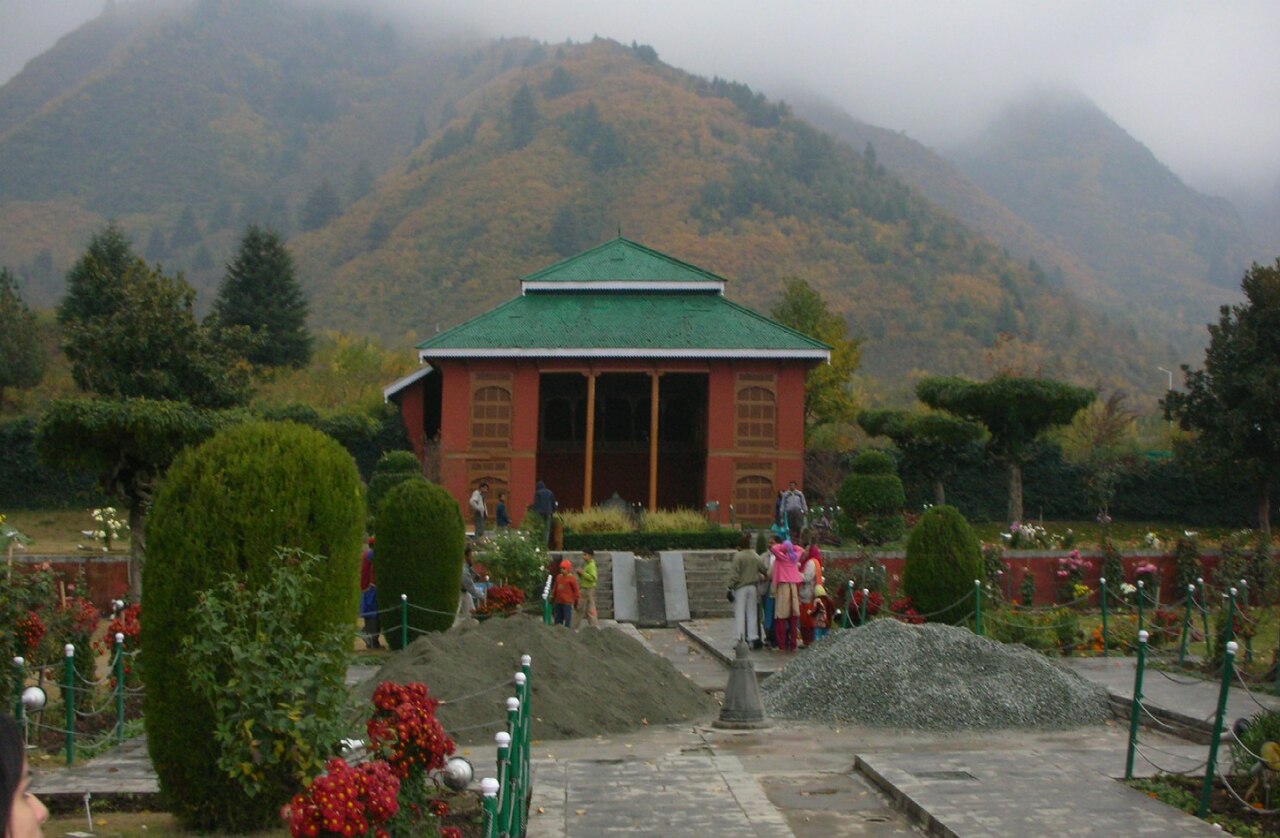
Chashme Shahi
تراث · 1.1 km · about 18 min walk
 #8 in Srinagar
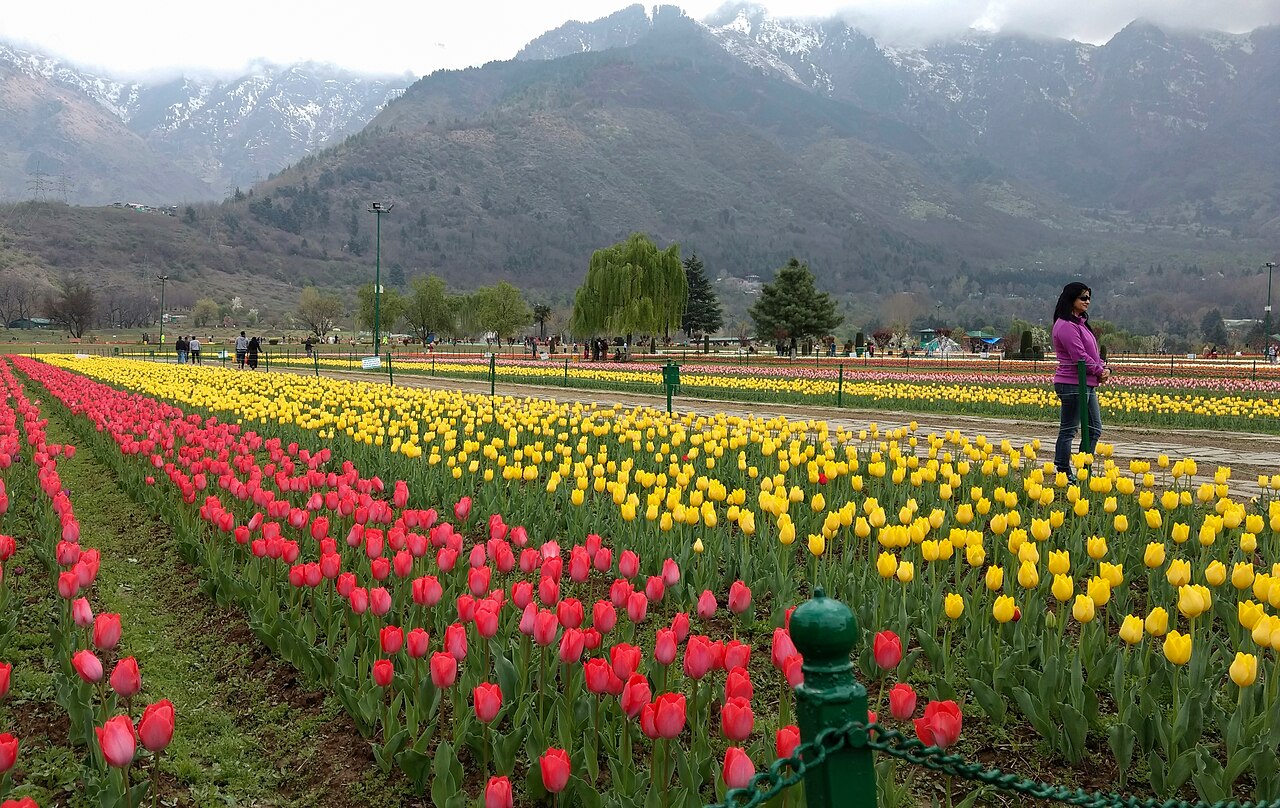
Indira Gandhi Memorial Tulip Garden
نصب تذكاري · 1.7 km · about 28 min walk
 #1 in Srinagarالدخول مجاني
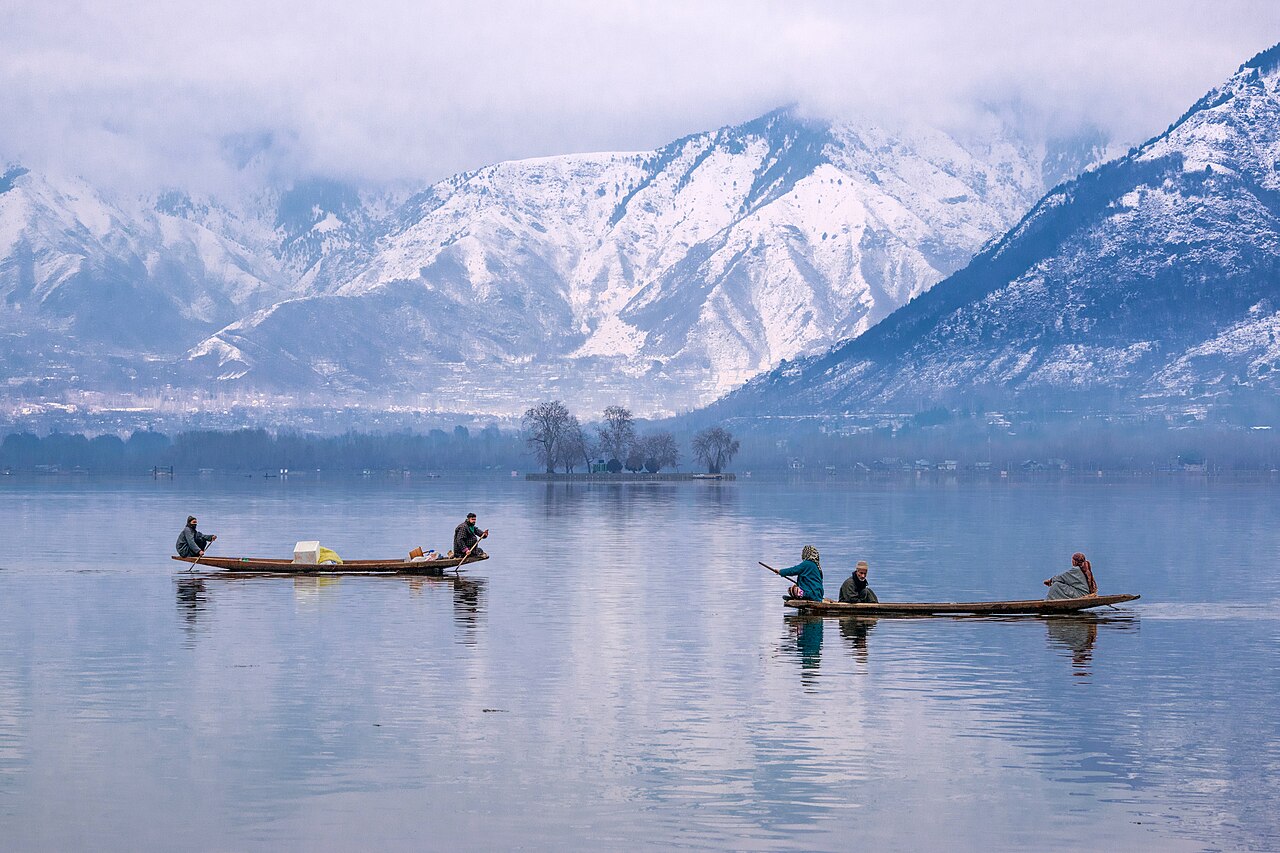
Dal Lake & Shikara Rides
بحيرة · 4 km · about 15 min by road
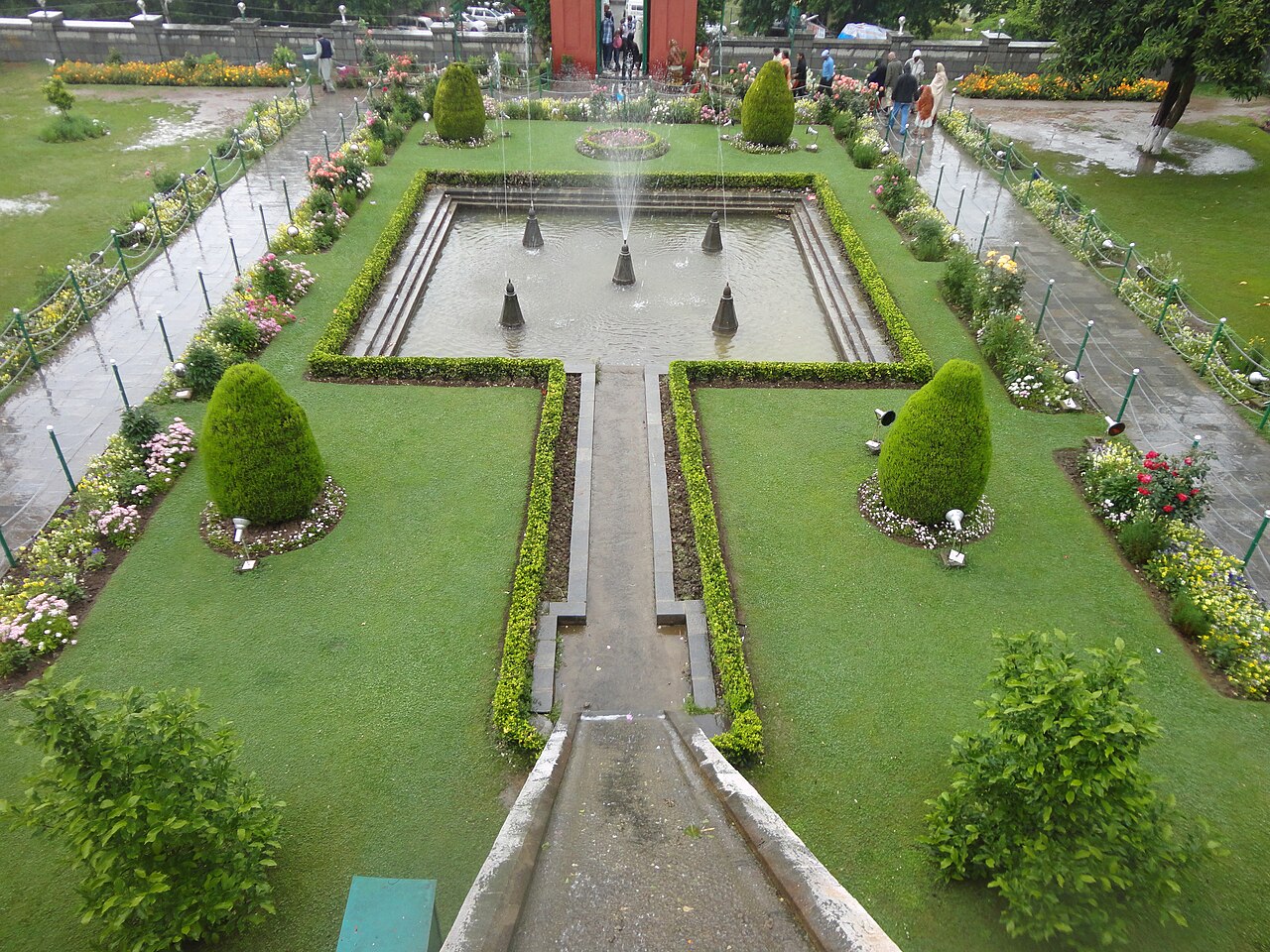 #3 in Srinagar
Nishat Bagh
حديقة · 5 km · about 15 min by road