
Chashme Shahi
#6of 8 places to visit in SrinagarSrinagar, Jammu & Kashmir
Also known as Chashma Shahi · Royal Spring
Quick answer
Opening hours: Varies by season or area. Entry: ₹24. Allow 45 min. Best time: 09:00 – 10:30.
Updated · Compiled by Traveliac, AI-assisted · 5 min read
- Opening hours
- Hours vary
- 09:00 – 19:00 daily (April to September); 09:30 – 17:30 (October to March)
- Entry fee
- ₹24
- Ticket from
- Time needed
- 45 min
- Best time of day
- 09:00 – 10:30
- Best months
- Apr – Jun, Sep – Oct
- Address
- Chashme Shahi Road, off Boulevard Road, Srinagar, Jammu & Kashmir 190001, on the hillside above the eastern shore of Dal Lake, between Nishat Bagh and the Pari Mahal ridge
About Chashme Shahi
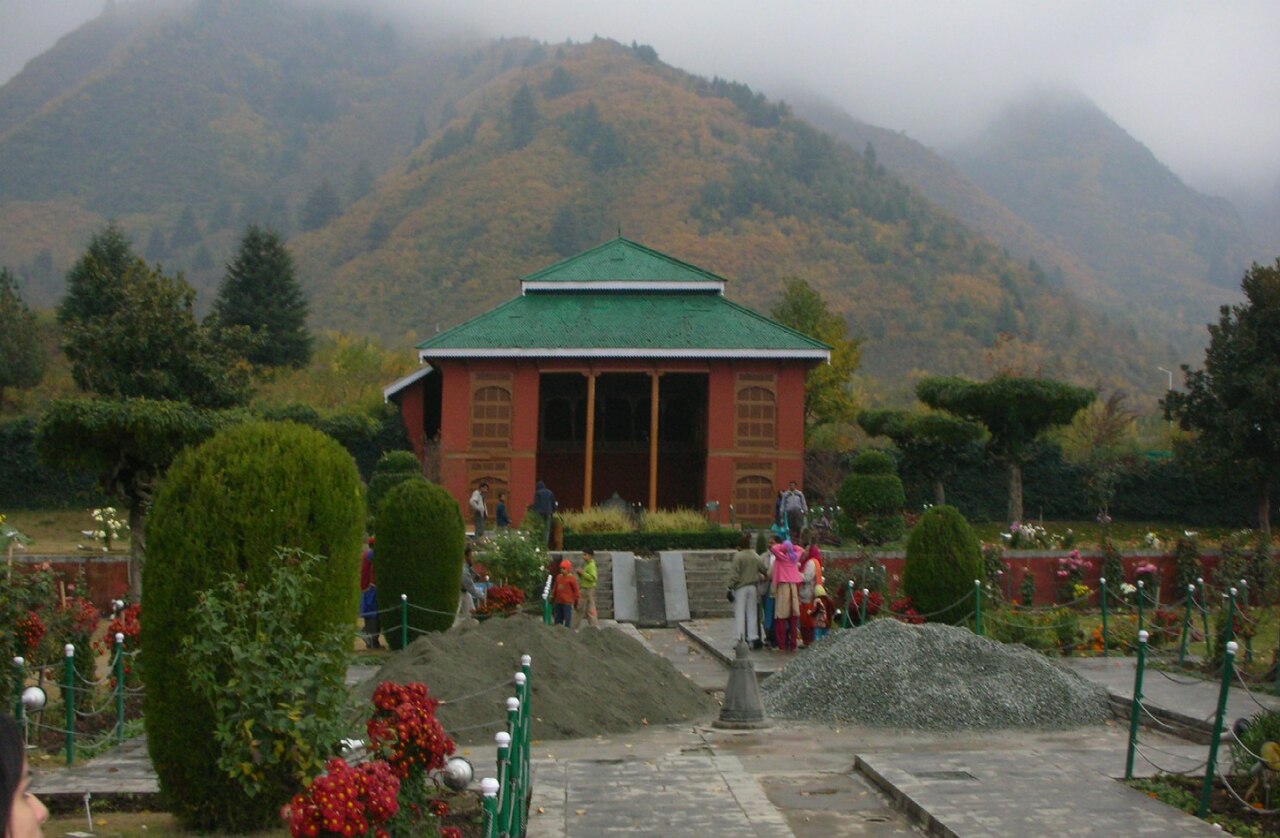
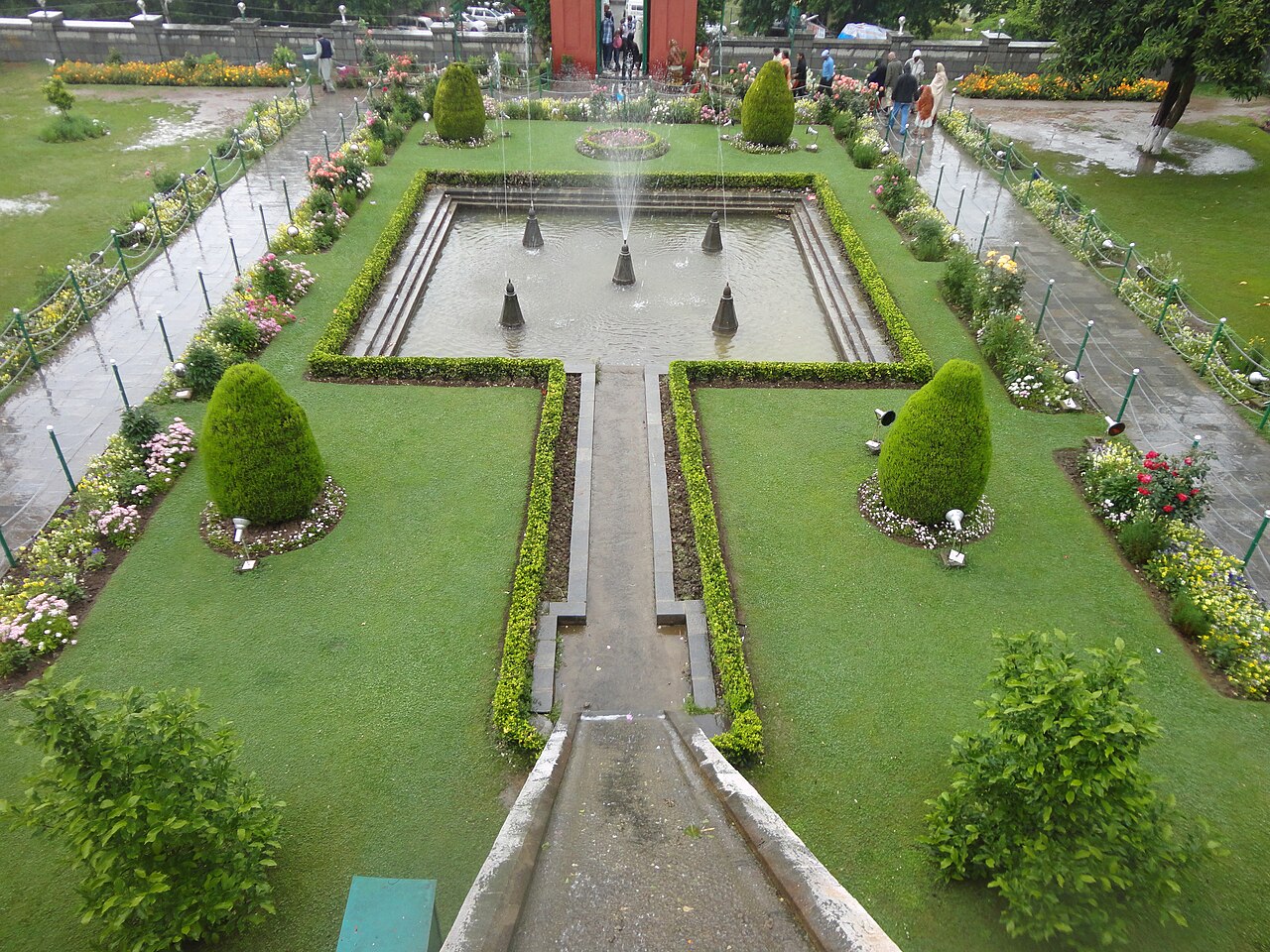
Chashme Shahi is the smallest of Srinagar's three classic Mughal gardens and, for many repeat visitors, the most pleasant precisely because of its scale — three modest terraces built around a natural spring rather than a diverted mountain stream, set higher on the hillside than Nishat or Shalimar with a correspondingly wider view over Dal Lake and the city beyond. The spring itself, enclosed in a small stone pavilion at the garden's upper level, has a local reputation for unusually pure, cold water and for mild digestive benefits attributed to its mineral content — claims repeated by generations of Kashmiri guides rather than confirmed by any published water-quality study, and worth treating as folklore rather than medical fact. The garden's compact size means it can be walked in under an hour, making it the natural third stop, or the opening stop, of a combined Mughal-gardens circuit rather than a destination in its own right.
Best time of day: 09:00 – 10:30. Immediately after opening, when the compact terraces are quiet and the spring pavilion is uncrowded — this garden has no equivalent of the wide open lawns at Nishat or Shalimar to absorb a midday crowd.
Chashme Shahi timings
- Opening hours
- Hours vary
Mon–Sun Varies by season or area - 09:00 – 19:00 daily (April to September); 09:30 – 17:30 (October to March)
- Closed on
- Open every day
Good to know: Smallest and most sheltered of the three lakeside gardens; the spring's flow is most visibly vigorous in spring (April–May) after snowmelt. Winter visits are possible but some upper-terrace plantings are dormant.
Opening hours compiled from jktourism.jk.gov.in and public records, last updated . They change without notice — confirm before you travel. How we write these guides
Chashme Shahi ticket price
| Ticket | Price |
|---|---|
| Indian visitors | ₹24 |
| Foreign visitors | ₹24 |
| Children | Free |
| Camera | Free |
Entry fee collected by the Floriculture, Gardens and Parks Department, J&K, uniform for Indian and foreign nationals; children under 12 free. Bottled spring water is not sold inside the garden — the spring itself is enclosed and not for public drinking or filling containers directly, contrary to some outdated guidebook claims. Tripod video fee ₹50; handheld photography free.
Prices compiled from jktourism.jk.gov.in and public records, last updated . They change without notice — confirm before you travel. How we write these guides
Best time to visit Chashme Shahi
- Quiet
- Moderate
- Very busy
09:00 – 10:30
Morning OpeningBest time to go
Quietest window of the day. Spring pavilion and all three terraces accessible without queuing. Best light for photography of the spring enclosure.
Quiet10:30 – 13:30
Coach Tour Peak
Combined-garden tour groups arrive; given the compact terraces, crowd density here is proportionally higher than at Nishat or Shalimar during the same hours.
Very busy13:30 – 16:00
Afternoon Lull
Crowd thins noticeably as groups move to larger gardens. A comfortable window for a shorter, unhurried visit.
Moderate16:00 – 18:30
Late Afternoon
Local visitors and photographers filter through for the hillside view over Dal Lake in late light. Last entry before gate closing.
Quiet
History of Chashme Shahi
Chashme Shahi was built in 1632 by Ali Mardan Khan, a Persian-origin Mughal governor and engineer who served under Emperor Shah Jahan and is separately credited with major canal and waterworks projects across the empire, including improvements to the Yamuna canal system that fed Shah Jahan's later capital works at Delhi. His technical background as a hydraulic engineer is visible in Chashme Shahi's design logic: rather than importing water via an artificial channel as at Shalimar, the garden was built specifically around and to showcase a pre-existing natural spring, integrating the terraces and pavilions to the contours of the spring's own hillside seepage.
The garden's construction places it a year after Shalimar's completion under Jahangir and Shah Jahan, and a year before Nishat Bagh was laid out by Asaf Khan in 1633 — meaning all three of Srinagar's principal Mughal gardens were built within roughly a fifteen-year window (1619–1633) by three different patrons connected through the same tight Mughal court circle: an emperor, his most senior engineer-governor, and his brother-in-law. This concentration of garden-building activity reflects the peak of Mughal imperial interest in Kashmir as a summer retreat during Jahangir and early Shah Jahan's reigns.
Chashme Shahi's small scale meant it attracted comparatively less restoration investment than Nishat or Shalimar during the 19th and 20th centuries, and its present three-terrace layout with a small guest pavilion (used at various points for VIP accommodation, including reportedly for visiting dignitaries in the mid-20th century) is closer in spirit to its original modest footprint than the more heavily reworked flower-bedding schemes at its larger neighbours.
Rules & etiquette at Chashme Shahi
The garden's three terraces are compact and the walking distance between them is short, but the paths are narrower than at Nishat or Shalimar and can bottleneck when a tour coach group arrives simultaneously — visiting just after opening avoids this entirely. The spring enclosure itself is fenced; visitors cannot approach the source directly or fill bottles from it, despite what some older travel writing suggests. A small tap near the pavilion, connected to the spring, is sometimes available for drinking, but this depends on maintenance status and should not be relied upon.
As with the other Mughal gardens, freelance photographers and small vendors selling dried fruit or walnuts operate near the entrance independently of the garden department; prices are negotiable. There are no food facilities inside the garden itself.
Tips for visiting Chashme Shahi
- 1
Chashme Shahi's position on the hillside road makes it the natural first or last stop on a combined circuit with Nishat Bagh and Shalimar Bagh, and also the closest of the three to Pari Mahal, which sits a short uphill drive further along the same ridge road — combining the two in a single stop is efficient and avoids backtracking.
- 2
Because the garden is small, it rewards an unhurried early-morning visit rather than a rushed midday stop squeezed between two larger gardens; arriving at opening (09:00) means having the spring pavilion and upper terrace largely to yourself before coach groups arrive around 10:30–11:00.
- 3
The view from Chashme Shahi's upper terrace over Dal Lake, though less expansive than from Pari Mahal further up the hill, is a good practical alternative for travellers short on time who cannot fit in the additional ascent to Pari Mahal.
- 4
Bring your own water rather than relying on the spring tap, and carry small-denomination cash for the entry gate, as with all three lakeside Mughal gardens.
How to reach Chashme Shahi
The red star is Chashme Shahi; the numbered pins are the 6 nearest places in our guides, each showing its rank in its city. Tap a pin for details.
Chashme Shahi Road, off Boulevard Road, Srinagar, Jammu & Kashmir 190001, on the hillside above the eastern shore of Dal Lake, between Nishat Bagh and the Pari Mahal ridgeDirections in Google Maps
From Lal Chowk, Srinagar
₹170–₹24010 km · 30–40 min
Negotiated
From Boulevard Road (Dal Lake ghats)
₹40–₹607 km · 20–25 min
Shared Sumo per seat; ₹220–₹320 private cab one-way
From Sheikh ul-Alam Airport (SXR)
₹550–₹75020 km · 35–50 min
Nearest airport
From Sheikh ul-Alam International Airport (SXR), Humhama
approximately 20 km, 35–50 minutes by road.
Nearest railway station
From No functioning direct rail link to Srinagar as of 2026; nearest functional railhead is Banihal, approximately 102 km south.
Chashme Shahi FAQs
Can I drink water directly from the spring at Chashme Shahi?
No. The spring source is enclosed within a stone pavilion and is not accessible for filling bottles or direct drinking, despite older guidebook claims. A maintained tap connected to the spring is sometimes available near the pavilion, but availability is inconsistent.
Who built Chashme Shahi and when?
Ali Mardan Khan, a Persian-origin Mughal engineer-governor under Emperor Shah Jahan, built it in 1632. He was separately known for major canal and waterworks engineering elsewhere in the Mughal empire, and Chashme Shahi's design is built directly around the natural spring rather than a diverted channel.
Is Chashme Shahi worth visiting if I've already seen Nishat and Shalimar?
Yes, though it is the smallest of the three and can feel repetitive if visited last on a long day. Its distinguishing features are the natural spring itself and its position closest to Pari Mahal, making it a logical combined stop rather than a must-see in isolation.
How long does a visit to Chashme Shahi take?
About 45 minutes to an hour, given its compact three-terrace layout. It pairs efficiently with a visit to Pari Mahal, a short drive further up the same hillside road.
Compiled with AI assistance from official sources and public records, and published only after the checks in How we write these guides. Nobody from Traveliac has visited this place. Last updated . How we rank and check places
Places to visit near Chashme Shahi
Straight-line distances from our map; times are estimates.
 #5 in Srinagar
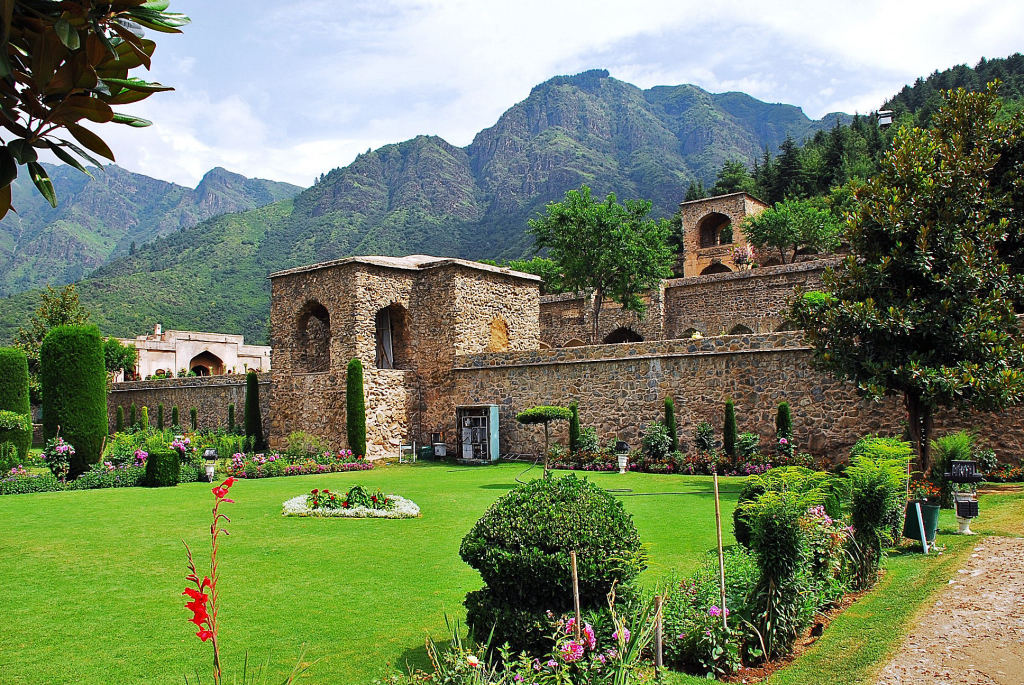
Pari Mahal
Palace · 1.1 km · about 18 min walk
 #8 in Srinagar
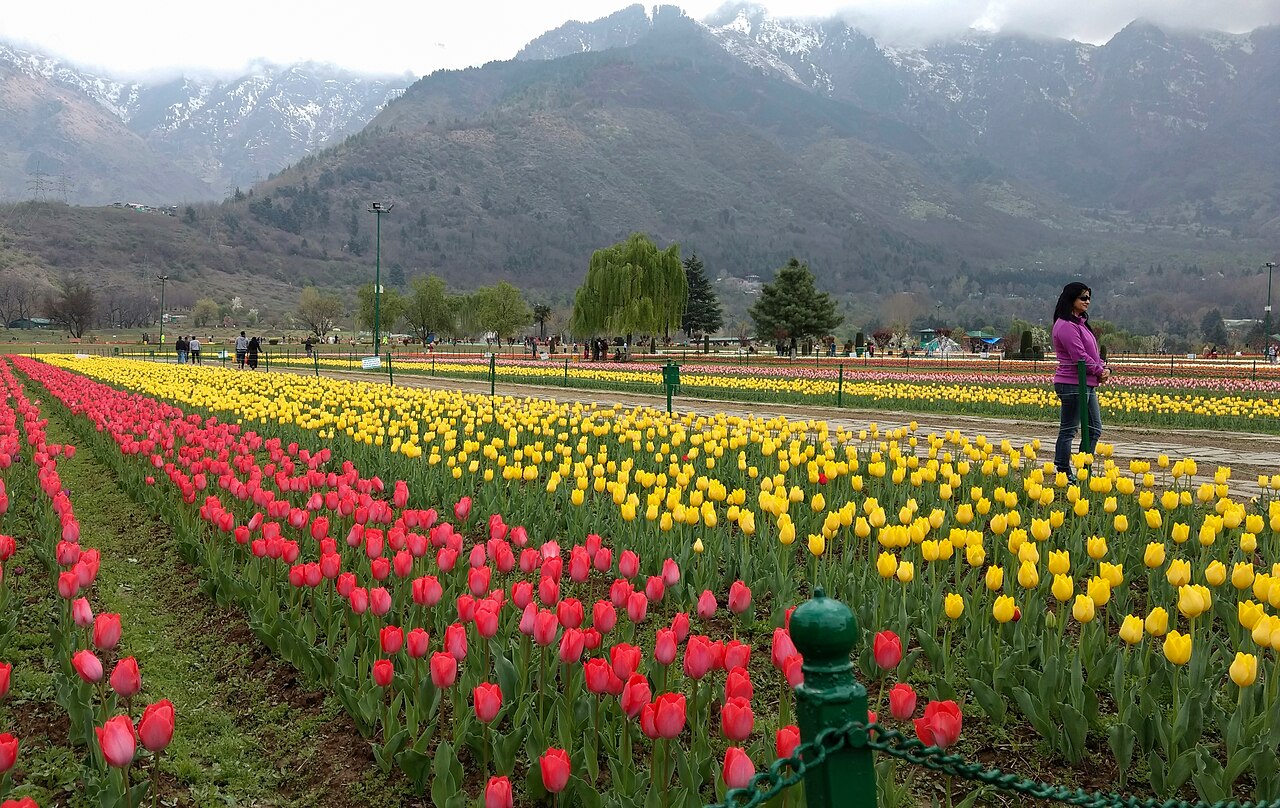
Indira Gandhi Memorial Tulip Garden
Memorial · 1.3 km · about 21 min walk
 #1 in SrinagarFree entry
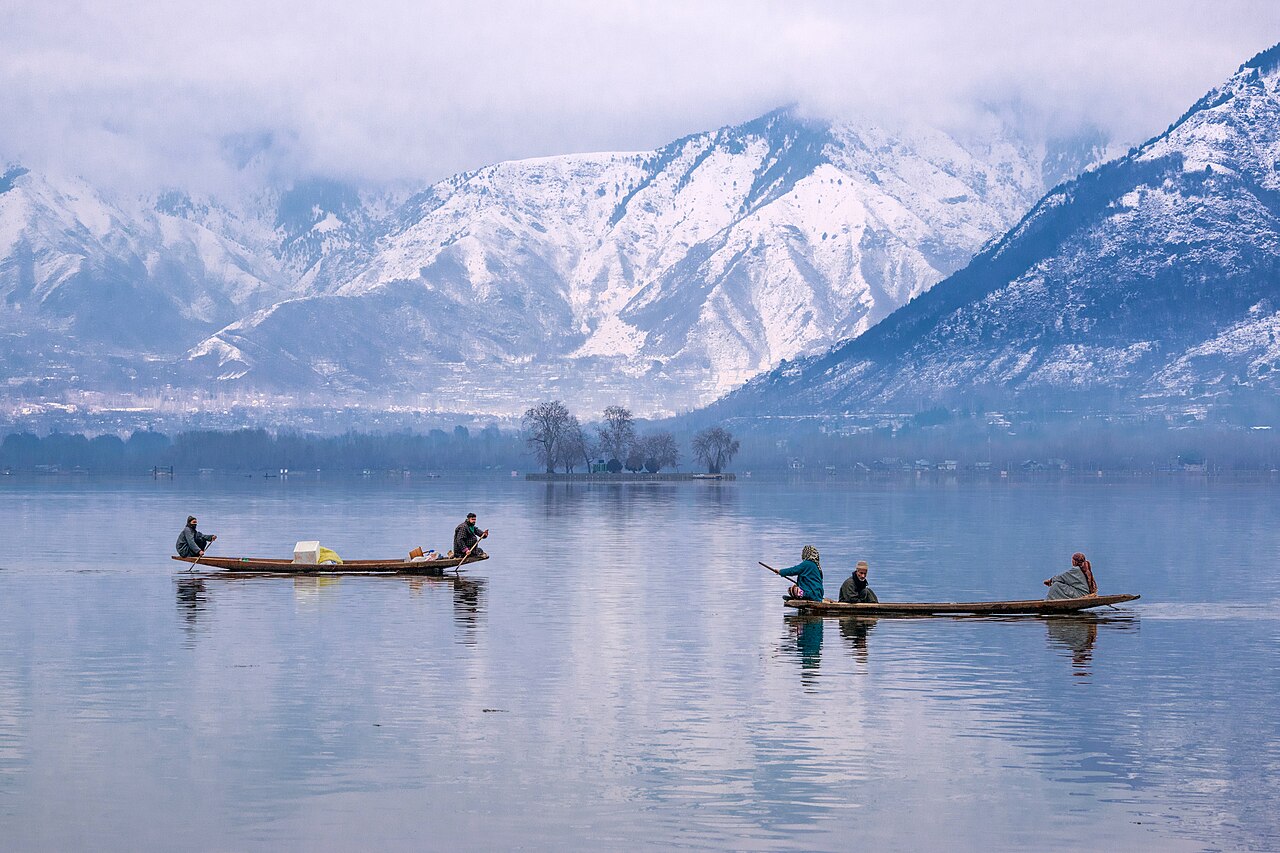
Dal Lake & Shikara Rides
Lake · 4 km · about 15 min by road
 #3 in Srinagar
Nishat Bagh
Garden · 4 km · about 15 min by road