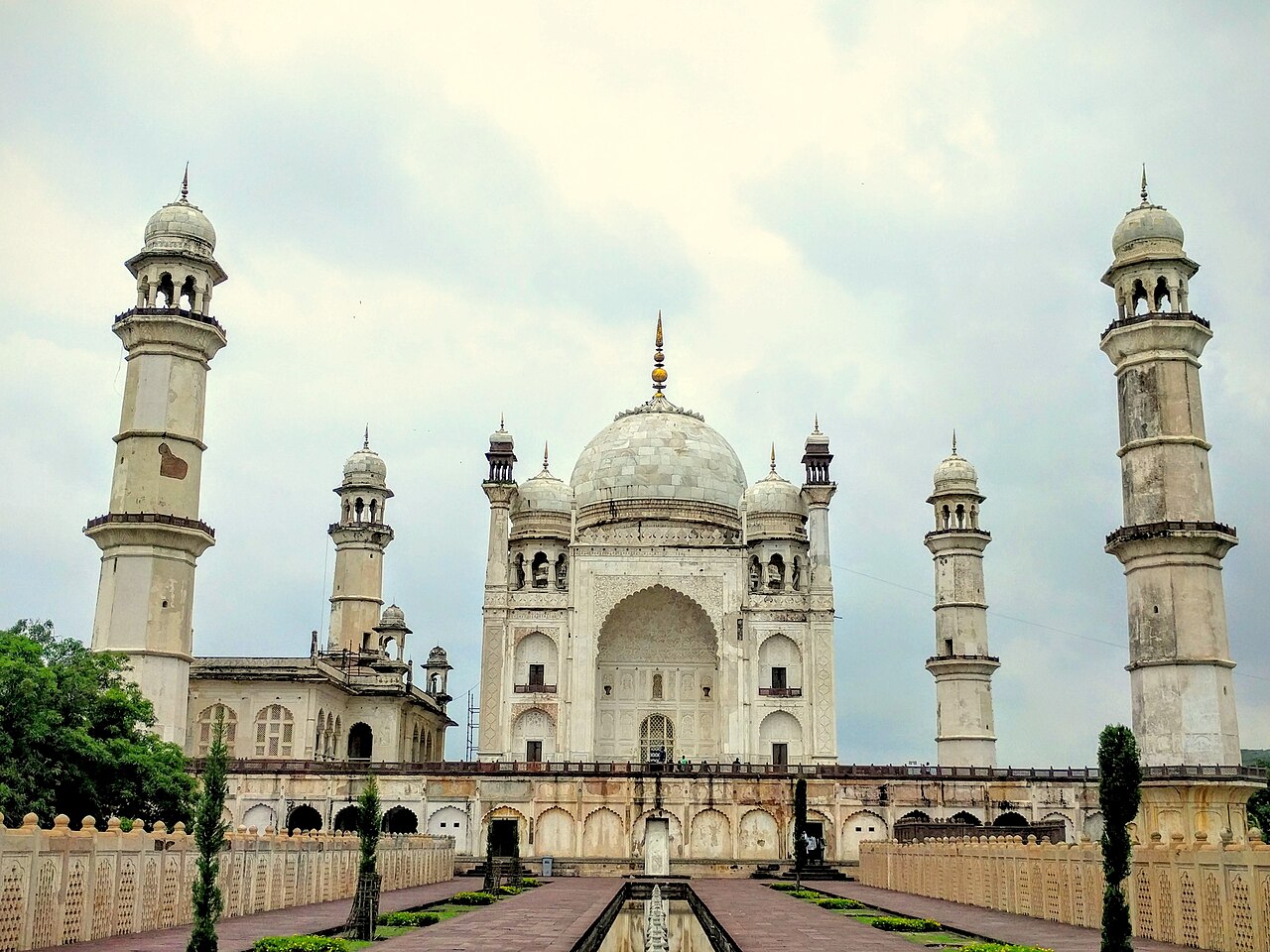
Maharashtra travel guide
Top 10 Places to Visit in Mumbai
Also known as Bombay · Bambai
Mumbai occupies a slender peninsula that was, until the late seventeenth century, a cluster of seven separate islands inhabited by Koli fishing communities.
Updated ·Compiled by Traveliac, AI-assisted ·How we rank
- Best time
- Oct – Mar
- Time needed
- About 2 days
- 12 hours of sightseeing
- Fly into
- Chhatrapati Shivaji Maharaj International Airport
- Nearest station
- Chhatrapati Shivaji Maharaj Terminus (CSMT)
- Free to enter
- 7 of 10
Top things to do in Mumbai
Ranked on five published criteria- 1Free entry
Monument
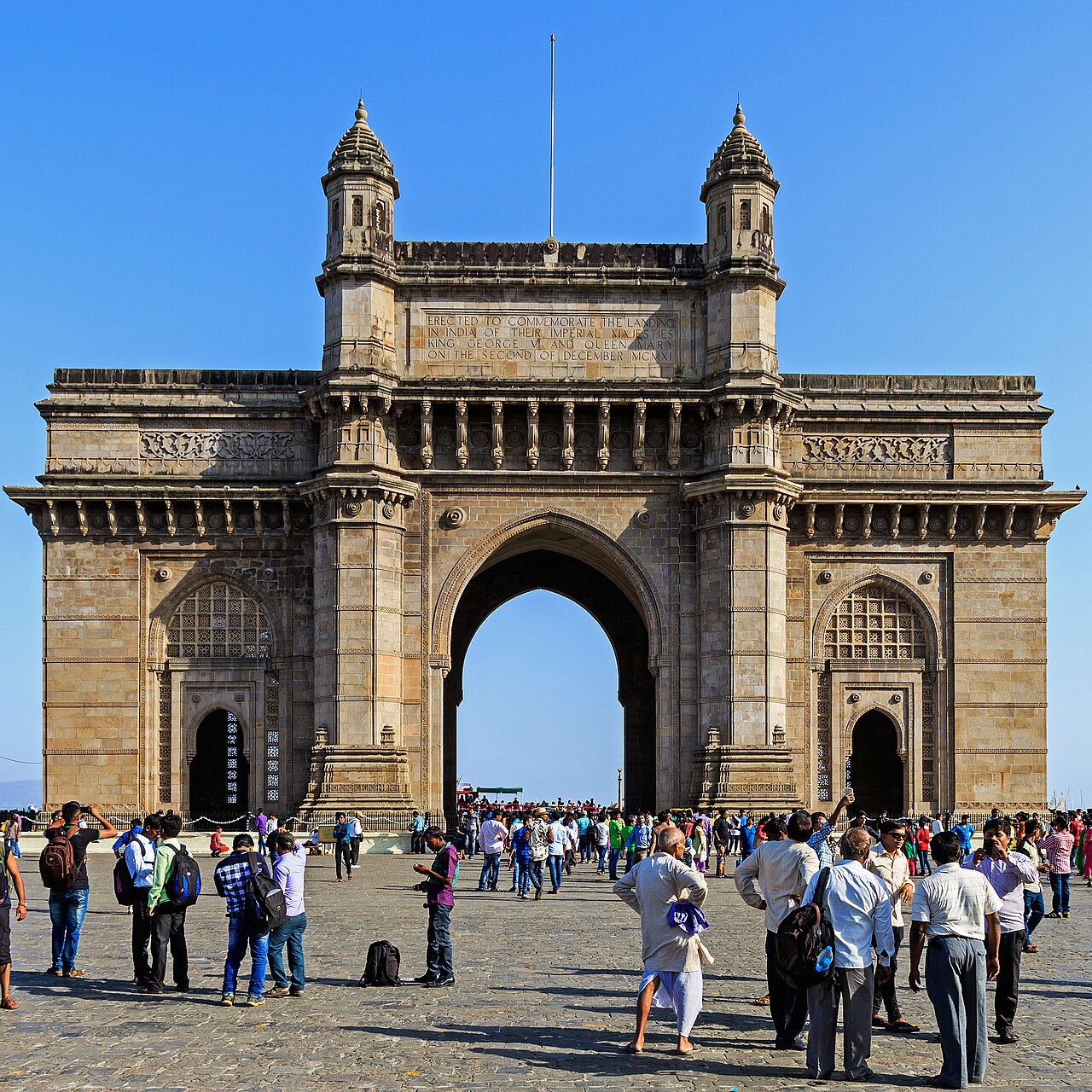
Gateway of India
The Gateway of India is a basalt arch that rises eighteen and a half metres from the Apollo Bunder foreshore, and it is simultaneously the city's…
30 min
 2Free entry
Monument
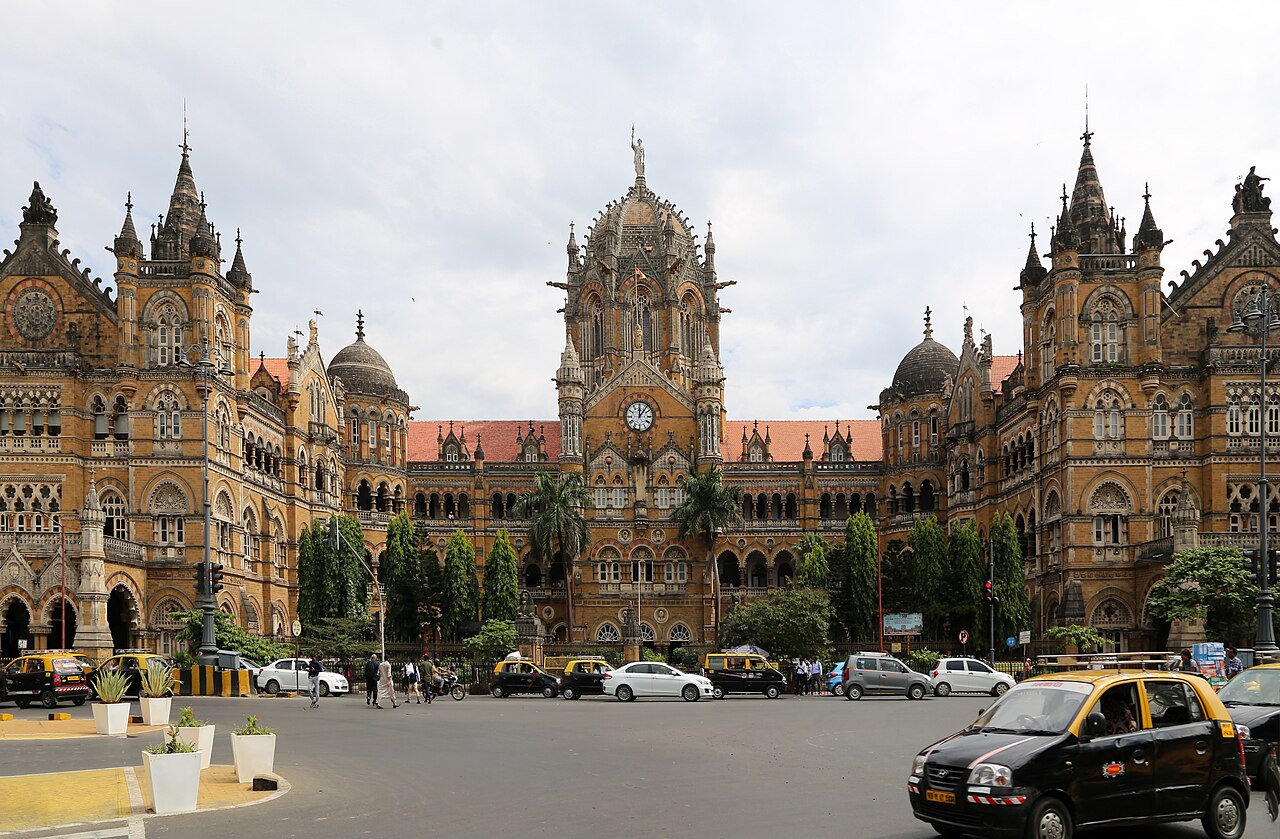
Chhatrapati Shivaji Maharaj Terminus
Victoria Terminus — the name CSMT replaced in 1996 and that many Mumbaikars still use without any particular nostalgia — is the most elaborately…
45 min
 3
3Heritage
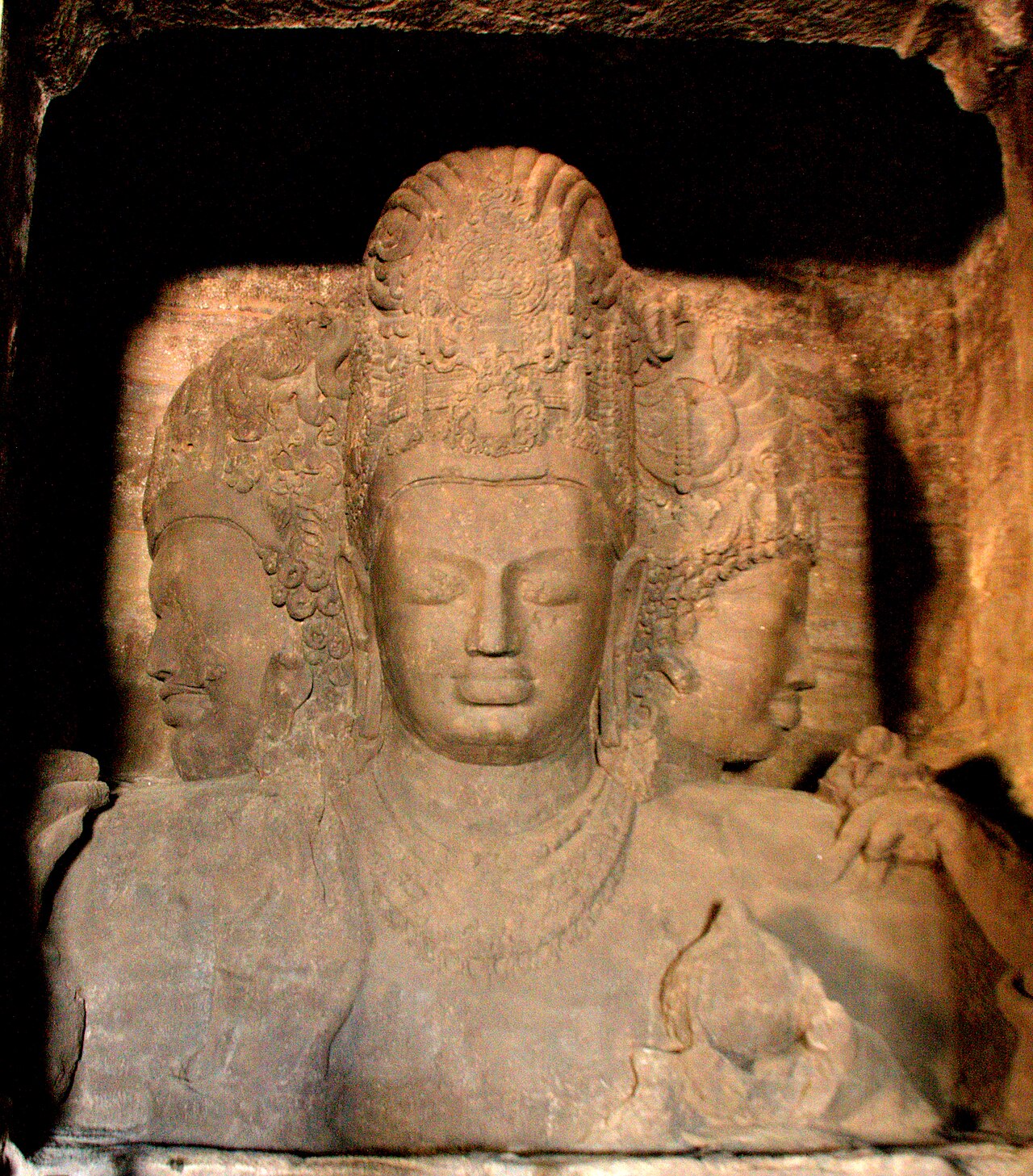
Elephanta Caves
Gharapuri Island sits eleven kilometres into Mumbai Harbour, close enough to the city that you can watch the Bandra-Worli Sea Link from the ferry…
2.5 hrs₹40 Indian
 4Free entry
Heritage
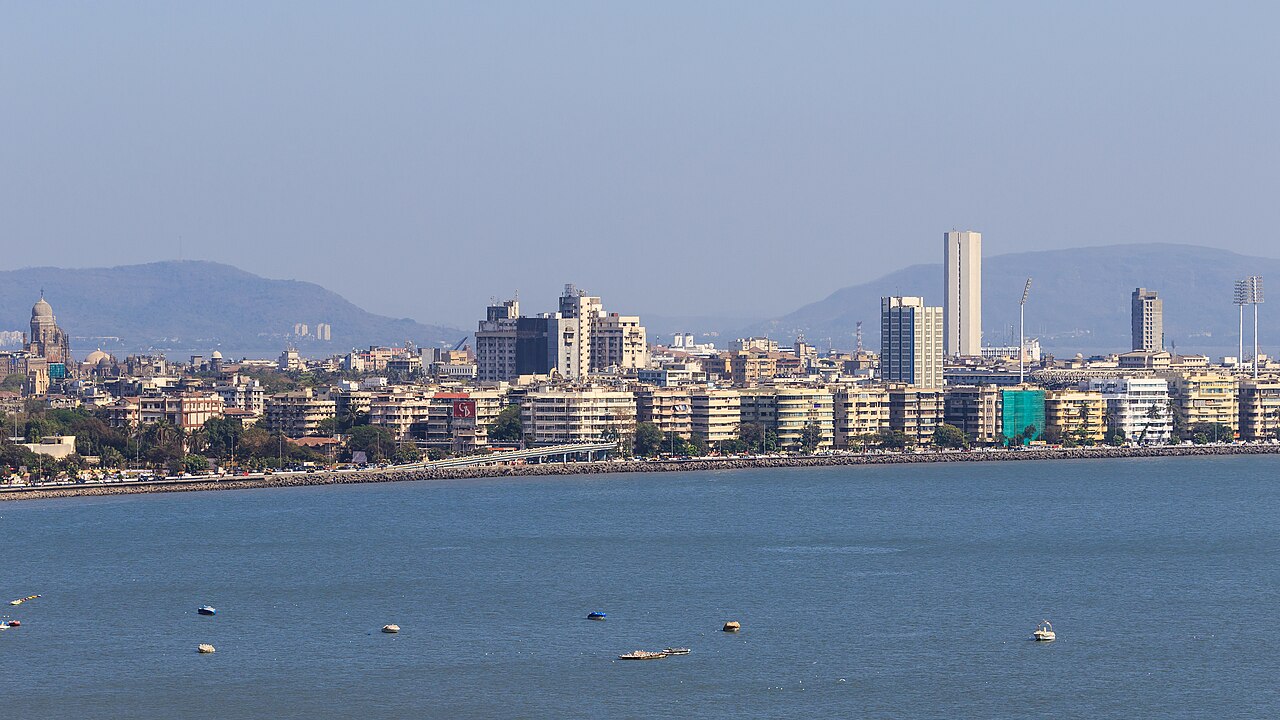
Marine Drive
Marine Drive is a 3.6-kilometre reclaimed-land curve tracing the western edge of the peninsula from Nariman Point to the foot of Malabar Hill, and it…
1 hr
 5
5Museum
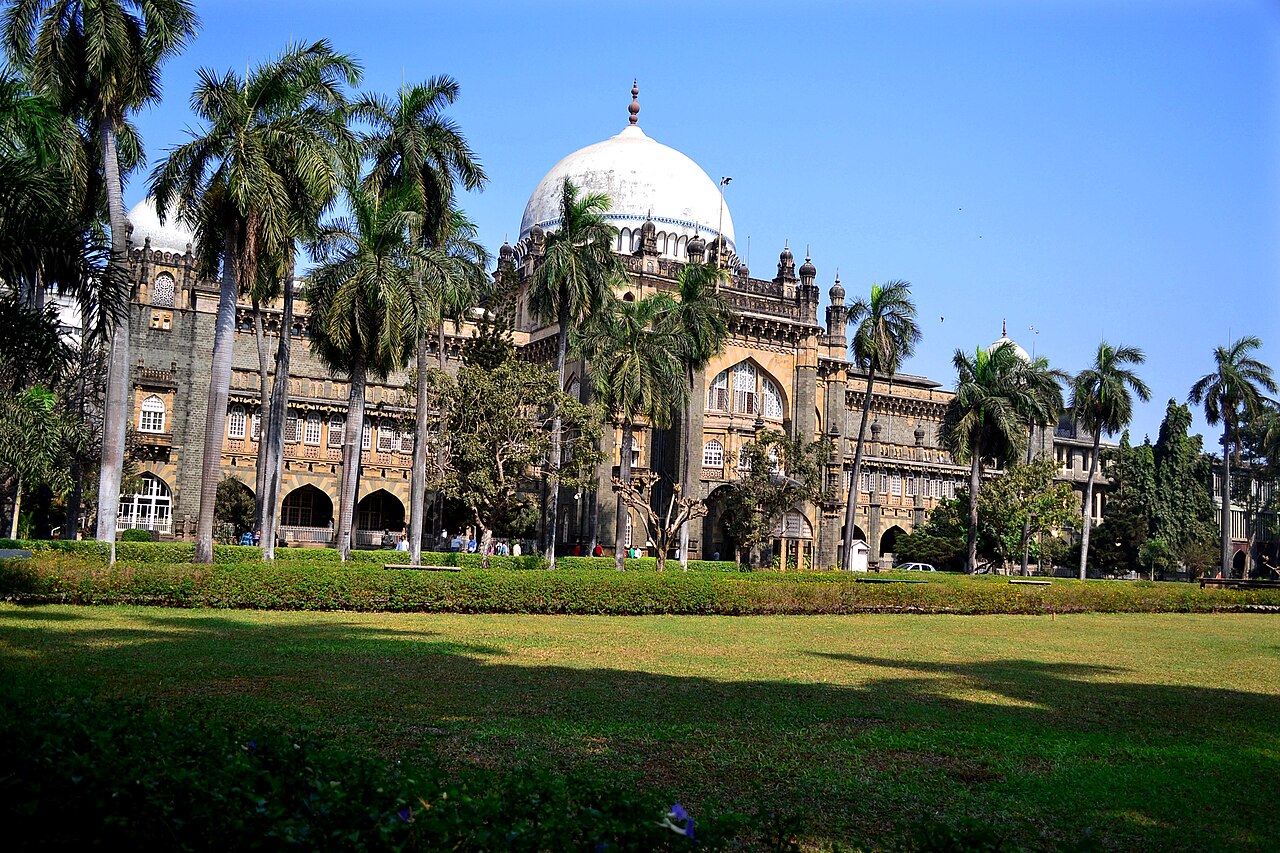
Chhatrapati Shivaji Maharaj Vastu Sangrahalaya
The building that houses Mumbai's principal museum was conceived to commemorate a royal visit that had already happened by the time the foundation…
2 hrs₹85 Indian
 6Free entry
Dargah
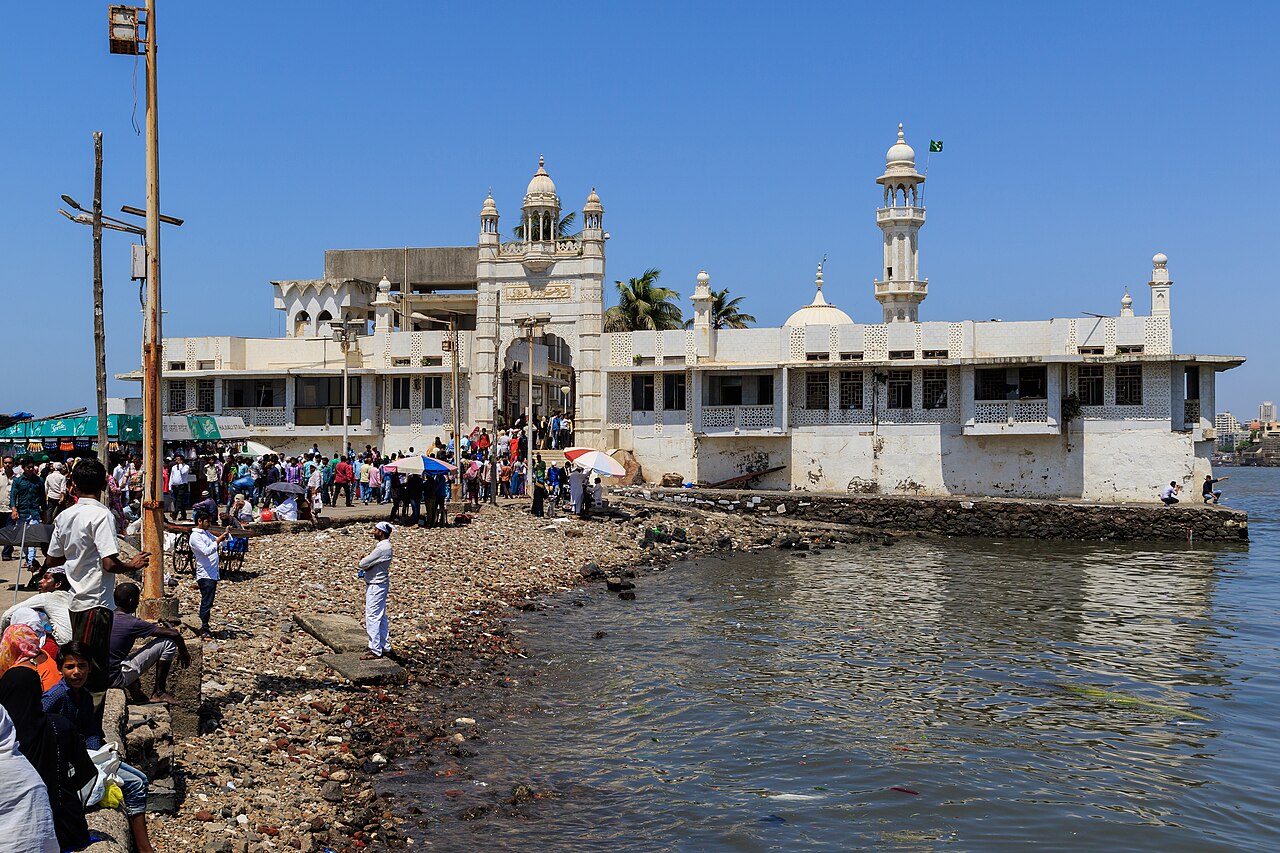
Haji Ali Dargah
Haji Ali Dargah sits on a small rocky islet roughly 500 metres off the Worli coast, and the single fact every visitor needs to know before anything…
1 hr
 7Free entry
Temple
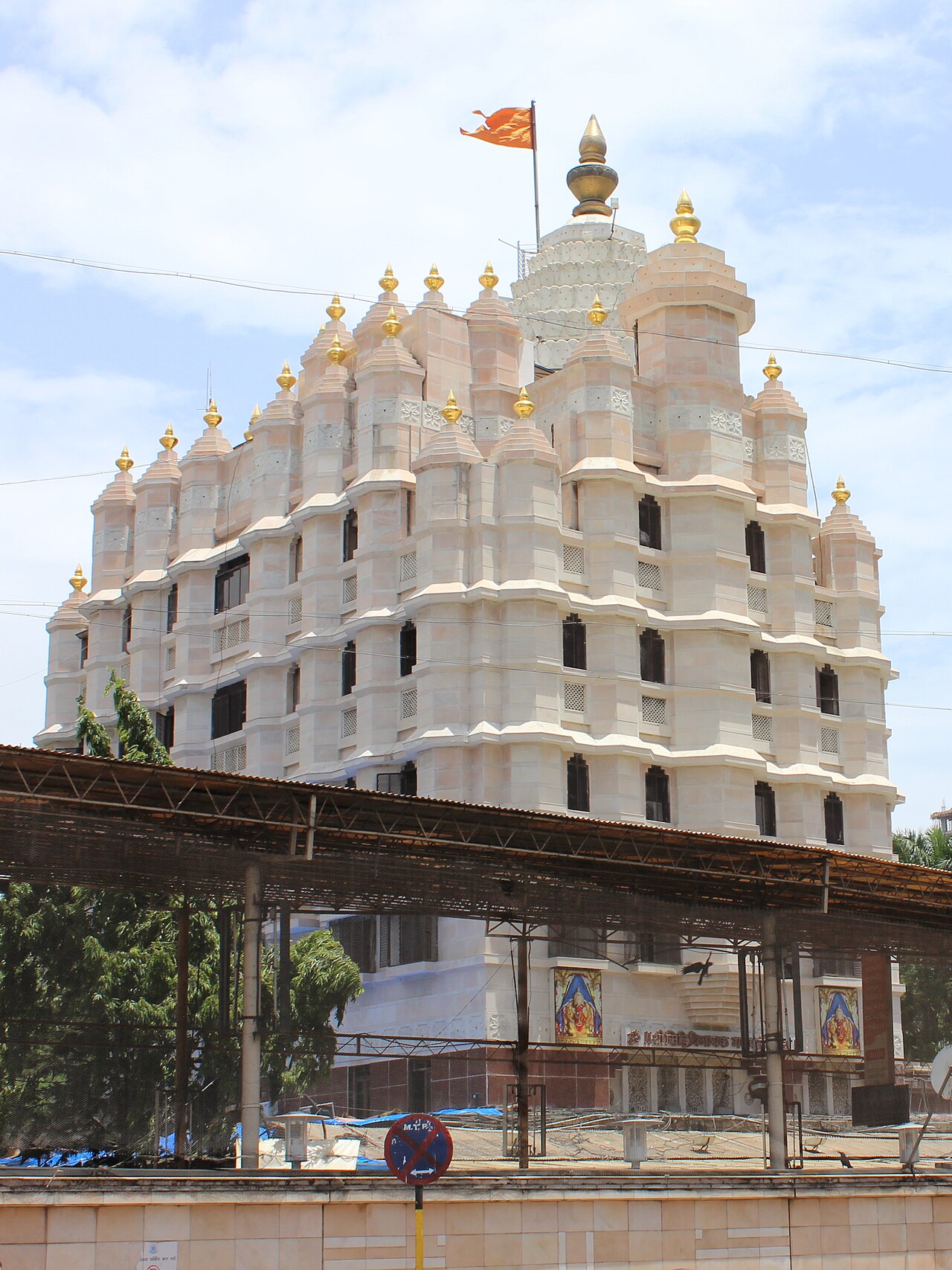
Shree Siddhivinayak Ganapati Mandir
Siddhivinayak began as a modest village shrine and is now one of the wealthiest and most politically visible Hindu temples in India, drawing a daily…
45 min
 8
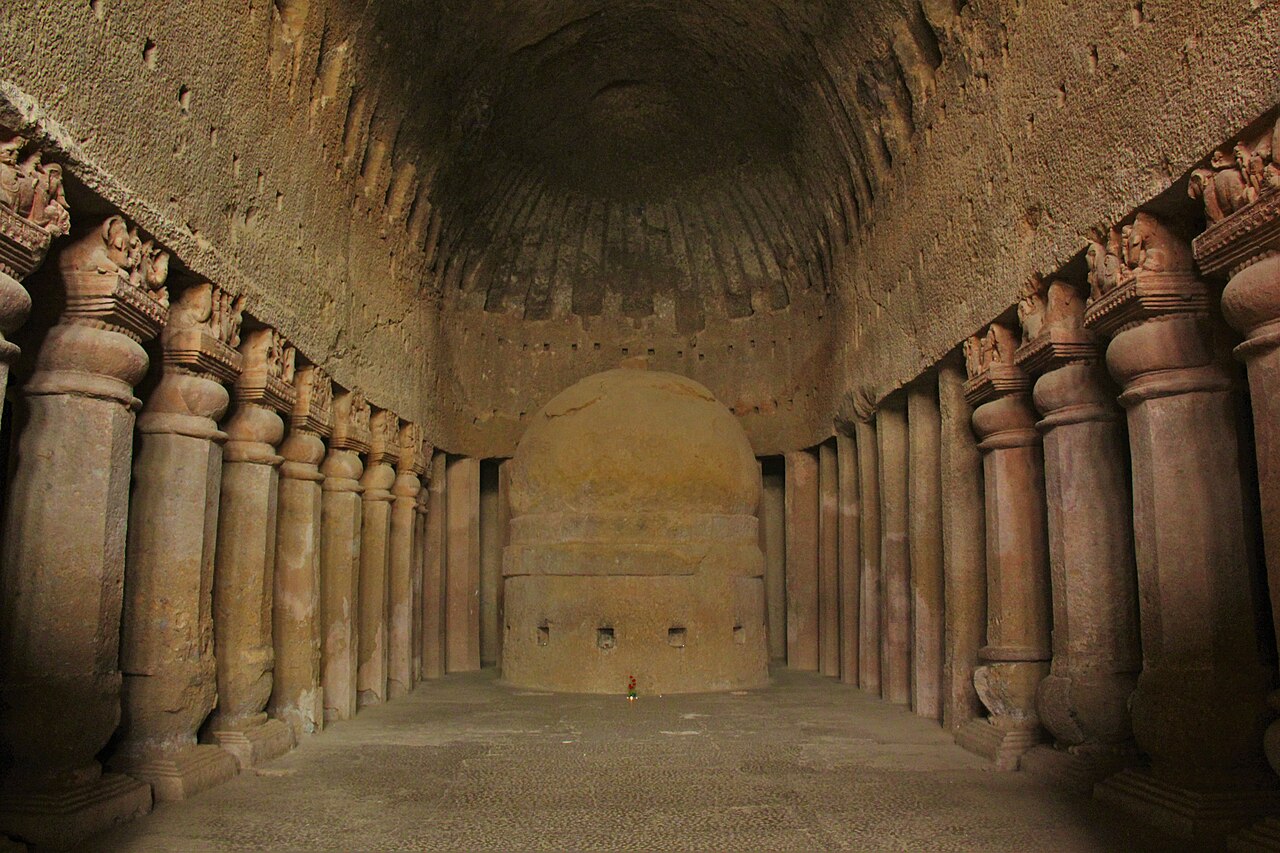
8Wildlife
Kanheri Caves, Sanjay Gandhi National Park
Kanheri is a complex of 109 rock-cut Buddhist caves carved into a basalt hillside inside Sanjay Gandhi National Park, in use continuously from…
2.5 hrs₹68 Indian
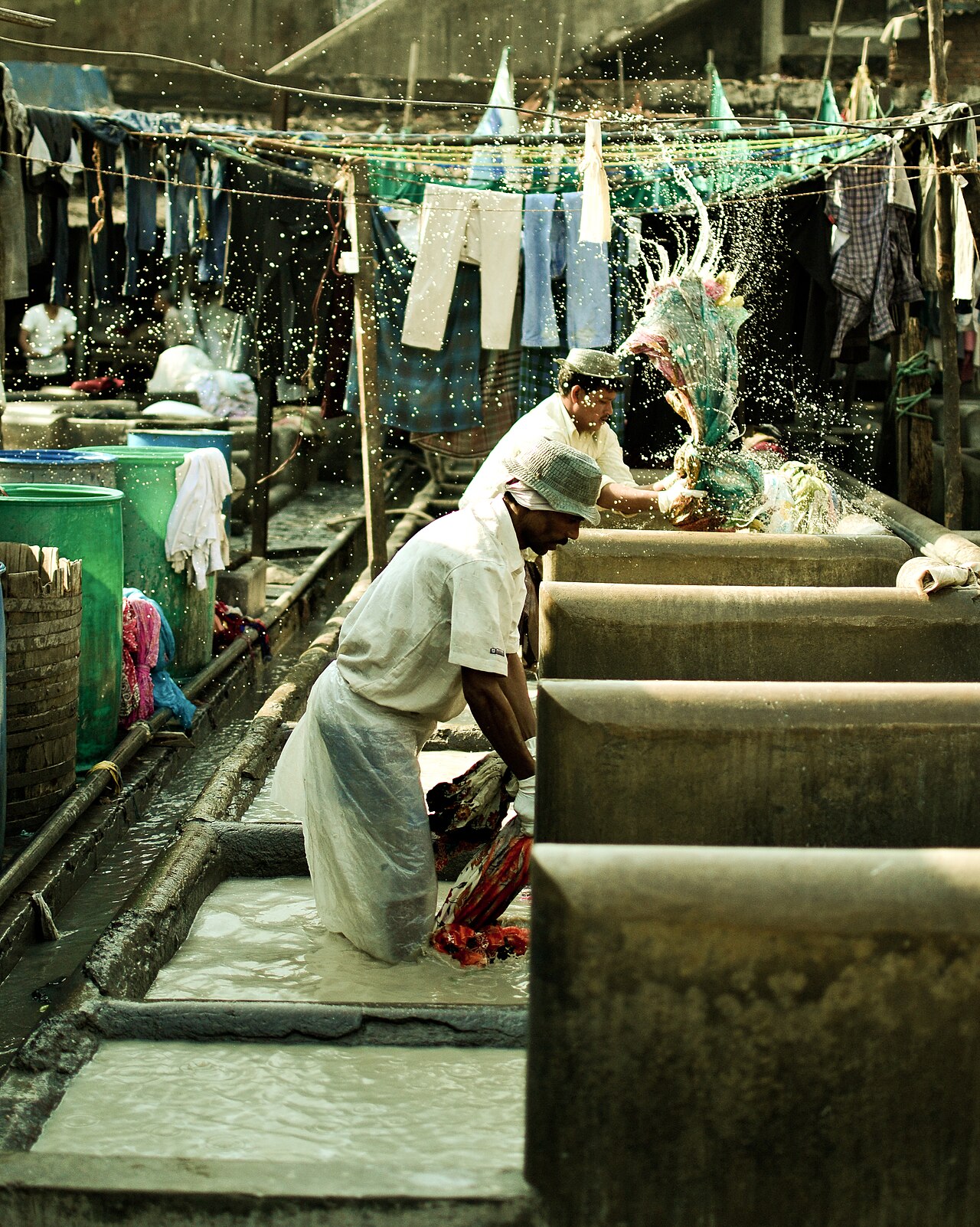 9Free entry
Heritage
Mahalaxmi Dhobi Ghat
From the pedestrian bridge beside Mahalaxmi station, Mumbai's largest open-air laundry unfolds as a grid of several hundred concrete wash-pens, each…
30 min
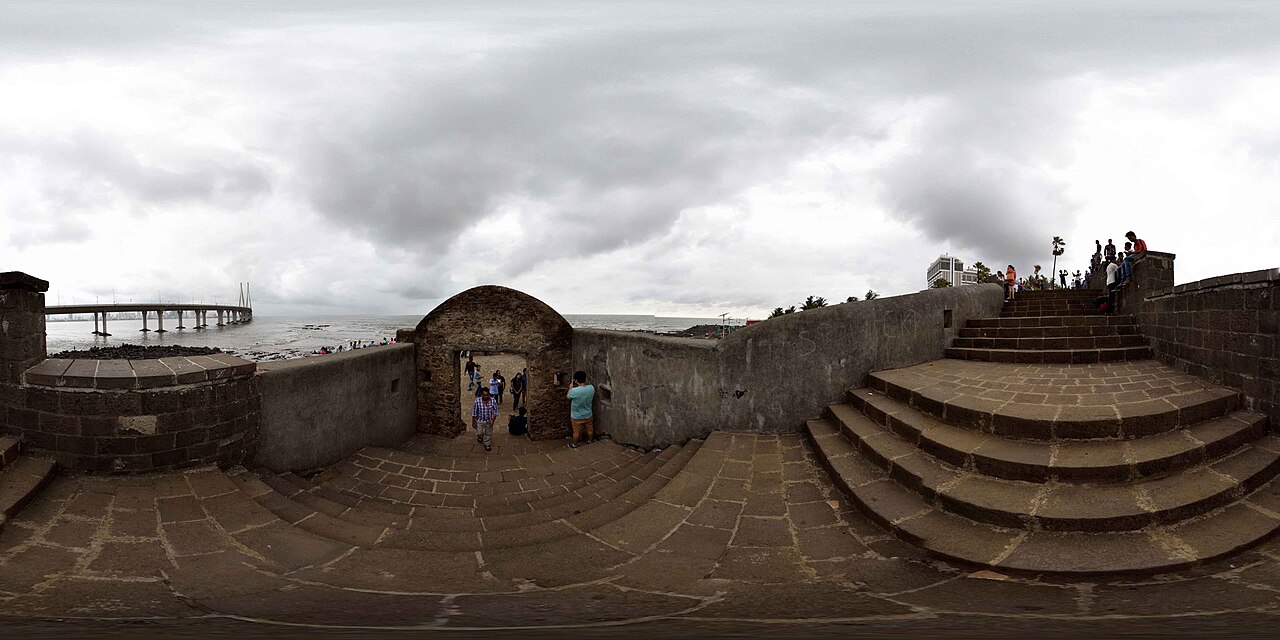 10Free entry
Fort
Bandra Fort
Bandra Fort is a low, roofless ruin of laterite and rubble stone perched on rocks at Land's End, the westernmost point of Bandra, and it is visited…
45 min
Map of places to visit in Mumbai
Numbers match the ranking; the top 3 are orange. Tap a pin for its guide.
Day trips from Mumbai
Worth a day out if you have one to spare, nearest first.
65 km · 1.5–2 hours by road via NH66
Karnala Bird Sanctuary
A compact Western Ghats forest reserve built around the volcanic-plug pinnacle of Karnala Fort, recording over 150 resident and migratory bird species and a straightforward half-day trek to the fort's summit.
85 km · 2–2.5 hours by road via the Mumbai-Pune Expressway, or 2 hours by train to Lonavala station
Lonavala & Khandala
A pair of Western Ghats hill towns straddling the expressway, known for monsoon-season waterfalls, the Karla and Bhaja rock-cut Buddhist caves nearby, and chikki (jaggery-nut brittle) sold along the main road.
95 km · 2.5–3 hours by road via the coastal route, or roughly 1 hour by RoRo ferry from Gateway of India to Mandwa jetty followed by a 40-minute road transfer
Alibaug
A beach and weekend-home town on the Konkan coast, with the Kolaba Fort accessible on foot at low tide, and a noticeably slower pace than the city it sits across the bay from.
148 km · 3–3.5 hours by road; 3.5 hours by Deccan Express train
Pune
The Peshwa capital of the Maratha Confederacy. The Shaniwar Wada palace ruins, the Aga Khan Palace where Gandhi was interned, and the old wadas of Kasba Peth — plus a genuinely good restaurant culture separate from Mumbai's.
165 km · 3.5–4 hours via Alibaug ferry then road
Murud-Janjira Sea Fort
The only sea fort on India's west coast that was never captured. Basalt walls rise directly from the Arabian Sea. The boat from Rajpuri takes 20 minutes; the fort is closed on Fridays.
About Mumbai
The Portuguese received the islands in 1534, passed them to the British Crown in 1661 as part of Catherine of Braganza's dowry, and the Crown promptly leased them to the East India Company for ten pounds of gold per year. The Company's engineers spent two centuries reclaiming land to stitch the islands together into the city you now stand in — an act of colonial engineering so total that the original tidal creeks are now invisible beneath concrete.
The city that emerged from this reclamation is physically unlike any other in India. South Mumbai, from Colaba to the Fort district, was built with a Victorian confidence that produced Gothic Revival public institutions — the University Library's Rajabai Clock Tower, the Bombay High Court, the Municipal Corporation building — all executed in the local yellow Kurla basalt and imported blue Malad stone. These coexist with Art Deco apartment blocks along Marine Drive, a genre of architecture that arrived in the 1930s and produced what UNESCO designated in 2018 as the world's second-largest Art Deco ensemble after Miami.
Beyond the architecture, Mumbai operates on the logic of density. The suburban railway system — the Central, Western, and Harbour lines — carries approximately seven million passengers daily, more than the entire national rail network of many European countries. Negotiating this system is the city's daily choreography: commuters pressed chest-to-back at Dadar station during the 9am rush, dabbawallas cycling through Churchgate lanes with colour-coded tiffin towers balanced on their heads, the fish market at Sassoon Dock opening at dawn with the previous night's catch from the trawlers.
The food geography is equally stratified. The Irani cafés of the Mohammed Ali Road area — opened by Zoroastrian immigrants from Iran in the early twentieth century — serve bun maska and chai in rooms of cracked marble and ceiling fans. The Matunga market supplies the South Indian Tamil community. The Mohammed Ali Road stretches of mawa cake and seekh kebab light up after sunset. A meal at any of these costs less than ₹200; a room at the Taj Mahal Palace Hotel facing the Gateway costs fifteen times the daily wage of the man who launders its linen.
Visit between October and February. The monsoon, which runs June to September, is spectacular but shuts Elephanta Caves on rough-sea days and turns the city's perpetually clogged roads into rivers.
Mumbai travel FAQs
How many days do you need in Mumbai?
Plan about 2 days for Mumbai. Its top attractions take roughly 12 hours of sightseeing in total, so 2 days covers the highlights without rushing — you can move faster if you are short on time.
What is the best time to visit Mumbai?
The best time to visit Mumbai is Oct – Mar.
Is Mumbai cheap or expensive to visit?
Entry to Mumbai's top attractions ranges from ₹40 to ₹85 for Indian nationals (foreign visitors pay more — about ₹350 to ₹700), and 7 of the top 10 are free to enter. Prices are the latest checked on each place's page; always confirm current rates on the official website.
What is Mumbai famous for?
Mumbai is best known for its top sights, including Gateway of India, Chhatrapati Shivaji Maharaj Terminus and Elephanta Caves. The full ranked list of things to do is on this page.
How much time should you spend at Gateway of India?
Allow about 30 min for Gateway of India.
Spotted something wrong, or a place we missed?
Tell us and an editor will check it against official sources and fix the page.