
Nishat Bagh
#3von 8 Orten zum Besuchen in SrinagarSrinagar, Jammu & Kashmir
Auch bekannt als Garden of Bliss · Garden of Joy
Kurz gesagt
Öffnungszeiten: 09:00–19:00 and 09:30–17:30. Eintritt: ₹24. Plane 1.5 hrs ein. Beste Zeit: 16:30 – 18:00.
Aktualisiert am · Erstellt von Traveliac, KI-unterstützt · 6 Min. Lesezeit
- Öffnungszeiten
- 09:00–17:30
- 09:00 – 19:00 daily (April to September); 09:30 – 17:30 (October to March)
- Eintrittspreis
- ₹24
- Ticket ab
- Benötigte Zeit
- 1.5 hrs
- Beste Tageszeit
- 16:30 – 18:00
- Beste Monate
- Apr – Jun, Sep – Oct
- Adresse
- Nishat Bagh, Boulevard Road, Brein, Srinagar, Jammu & Kashmir 190001, on the eastern shore of Dal Lake below the Zabarwan hills
Über Nishat Bagh
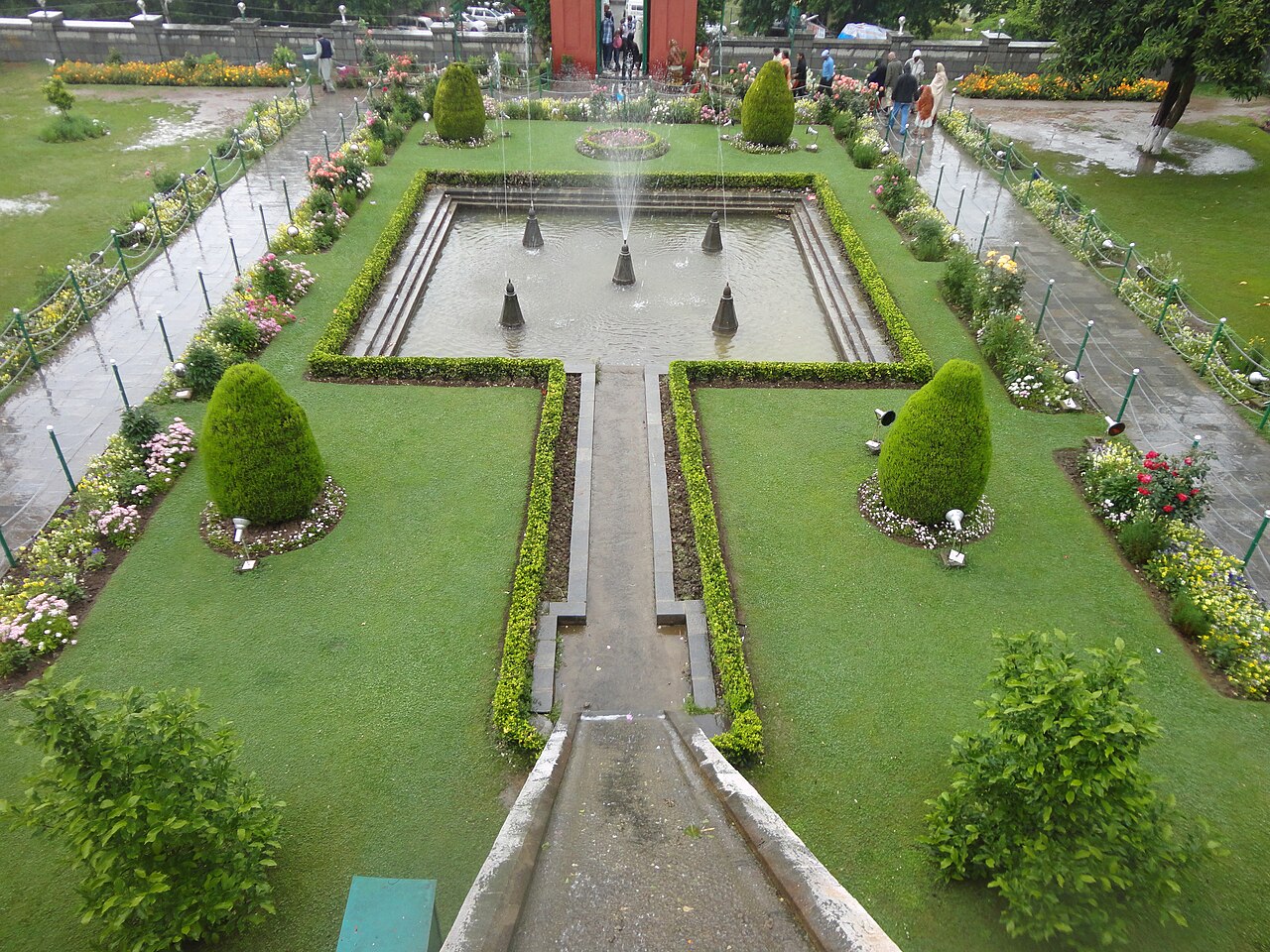
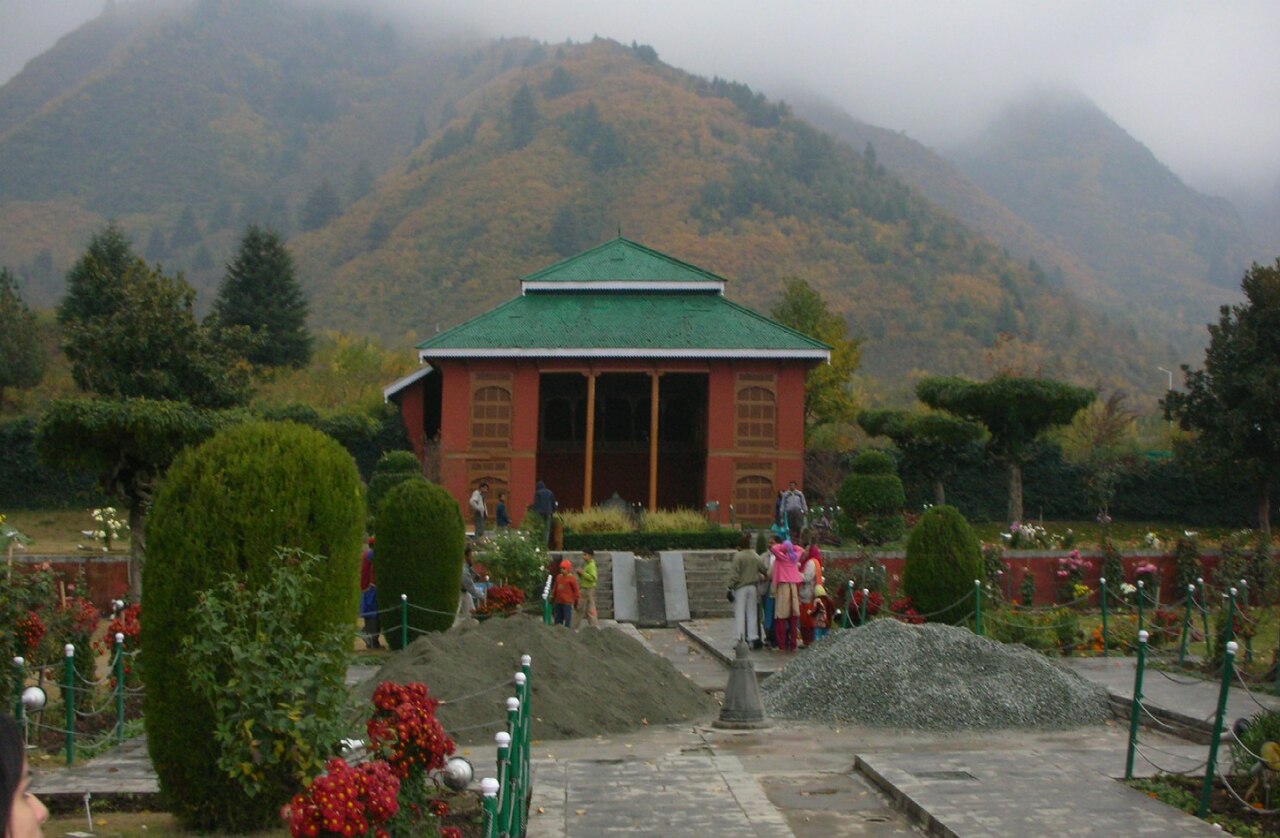
Nishat Bagh climbs the lower slope of the Zabarwan range in twelve terraces, each dropping to the next by a stone chute of moving water, on an axis pointed directly at Dal Lake and, on a clear day, the snow ridge of the Pir Panjal beyond it. It is the largest of Srinagar's Mughal gardens and, depending on which local guide you ask, the more impressive of the two lakeside originals — larger than Shalimar Bagh, built earlier, and never an imperial commission, which is part of what makes its history interesting. The design follows the standard Mughal char-bagh logic of a central water channel dividing the garden into quadrants, but Nishat's site — a natural slope rather than flat ground — forced its builders into a stepped, cascading version of the form that has no exact precedent in the flatter gardens of Agra or Lahore. Chinar trees, some claimed by garden staff to predate the Mughal layout itself, throw deep shade over the upper terraces; in late October their leaves turn a saturated rust-orange that draws a second wave of visitors distinct from the spring bloom crowd.
Beste Tageszeit: 16:30 – 18:00. When the low sun crosses the Zabarwan range behind the garden and lights the twelve terraces and the Dal Lake view beyond the lowest wall front-on.
Öffnungszeiten von Nishat Bagh
- Öffnungszeiten
- 09:00–17:30
Mon–Sun 09:00–19:00 and 09:30–17:30 - 09:00 – 19:00 daily (April to September); 09:30 – 17:30 (October to March)
- Geschlossen an
- Täglich geöffnet
Gut zu wissen: Peak bloom for the terraced tulip and seasonal flower beds is April; rose beds peak May–June; chinar foliage turns amber-gold in late October and is a distinct second visiting season. Winter visits (December–February) are possible but the upper terraces can be patchy with snow and some fountains are switched off.
Öffnungszeiten zusammengestellt aus jktourism.jk.gov.in und öffentlichen Quellen, zuletzt aktualisiert am . Sie können sich ohne Vorankündigung ändern — vor der Reise bitte bestätigen. Wie wir diese Reiseführer schreiben
Eintrittspreis für Nishat Bagh
| Ticket | Preis |
|---|---|
| Indische Besucher | ₹24 |
| Ausländische Besucher | ₹24 |
| Kinder | Kostenlos |
| Kamera | Kostenlos |
Entry fee is uniform for Indian and foreign nationals, collected by the Floriculture, Gardens and Parks Department, J&K. Children under 12 enter free. Video camera fee of ₹50 applies for tripod-mounted equipment; handheld phone and camera photography is unrestricted and free. Combined tickets covering Nishat, Shalimar, and Chashme Shahi are not sold — each garden charges separately at its own gate.
Preise zusammengestellt aus jktourism.jk.gov.in und öffentlichen Quellen, zuletzt aktualisiert am . Sie können sich ohne Vorankündigung ändern — vor der Reise bitte bestätigen. Wie wir diese Reiseführer schreiben
Beste Reisezeit für Nishat Bagh
- Quiet
- Moderate
- Very busy
09:00 – 10:30
Morning OpeningBest time to go
Gate opens at 09:00; the first hour typically sees only a handful of early visitors and garden staff watering the lower beds. Best window for uncrowded photography of the central channel.
Quiet10:30 – 13:30
Domestic Tour Groups
Coach parties combining Nishat with Shalimar and Chashme Shahi arrive in volume, particularly during the May–June and September–October peak seasons. Upper terrace pavilion gets congested.
Very busy13:30 – 16:00
Midday Lull
Many groups break for lunch elsewhere. Sun is harsh and overhead on the open terraces with limited shade outside the chinar-covered upper levels.
Moderate16:00 – 18:30
Late Afternoon Light
Local families and photographers arrive for golden-hour light on the Zabarwan hills and Dal Lake view. Quieter than midday but not empty. Last entry before gate closing.
Moderate
Geschichte von Nishat Bagh
Nishat Bagh was laid out in 1633 by Asaf Khan, elder brother of the Mughal empress Nur Jahan and father of Mumtaz Mahal — which makes him, by two routes, father-in-law and brother-in-law respectively to the two most consequential builders in Mughal garden history, Shah Jahan and Jahangir. Unlike Shalimar Bagh a few hundred metres to the north, which was an explicitly imperial project commissioned by Jahangir, Nishat was a private garden built by a powerful courtier on his own initiative, which is why it was never granted the fully royal char-bagh privileges of an uninterrupted central water axis reserved for the emperor's exclusive use.
A persistent garden legend holds that Jahangir, admiring Nishat on a visit, hinted broadly that he would like it gifted to him; Asaf Khan, unwilling to part with his own creation but unable to refuse an emperor outright, quietly ordered the water supply to the garden's fountains cut off. When Jahangir asked why the famous cascades had stopped, Asaf Khan explained the water source had failed — a face-saving fiction that let him keep his garden without directly declining the emperor's implied request. Whether apocryphal or not, the story is repeated by nearly every guide on the terraces and captures something true about the garden's status as an aristocratic rather than strictly royal creation.
The twelve terraces are traditionally read as representing the twelve signs of the zodiac, or alternatively the twelve houses of the Hindu-Persian cosmological calendar depending on which scholarly account one follows; the topmost terrace, reserved originally for the zenana (women's quarters), retains a raised pavilion with a fine lattice screen. The garden fell into disrepair during the 18th-century Afghan and Sikh administrations of Kashmir, when Mughal-era waterworks across the valley were neglected, and underwent significant restoration under the Dogra rulers in the 19th century and again by the Jammu & Kashmir state horticulture department after 1947, including replanting of the terraced flower beds in their present formal European-influenced bedding style — a change from the more restrained Mughal planting scheme of fruit trees and cypress.
Regeln & Etikette in Nishat Bagh
Entry is through the lower gate on Boulevard Road; the garden climbs uphill from there, so visitors intending to see all twelve terraces should expect a genuine uphill walk of 15–20 minutes at an unhurried pace, with stone steps of uneven height on the upper terraces. There is no lift or alternate accessible route; wheelchair users can comfortably manage the lowest three to four terraces only.
The central water channel and fountains are switched on during opening hours in season (roughly April–October) and typically run on a schedule rather than continuously — expect the water flowing on the lower terraces but not always active on every level simultaneously. Wading, bathing, or placing hands in the channel is prohibited and enforced by garden staff. Picnicking with food brought from outside is generally tolerated on the lawns of the lower terraces but not on the planted beds; there are no restaurant facilities inside the garden itself.
As with all three lakeside Mughal gardens, freelance photographers offering instant Polaroid-style prints or Kashmiri costume photo sessions operate near the entrance; their services and prices are entirely independent of the garden authority and are optional. Garden staff occasionally sell fresh walnuts and dried fruit from small kiosks near the gate — prices are not fixed and mild negotiation is normal.
Tipps für den Besuch von Nishat Bagh
- 1
Visit Nishat before or after Shalimar Bagh rather than on a separate day — the two gardens sit roughly 3 km apart along the same lakeside road and are easily combined with Chashme Shahi into a single half-day circuit by auto-rickshaw or private cab, in the order Chashme Shahi, then Nishat, then Shalimar, finishing at Shalimar for its slightly more elaborate evening illumination during the tourist season.
- 2
The topmost terrace, behind the old zenana pavilion, offers the least obstructed photographic line down through all twelve levels to Dal Lake — arrive here first if the garden is quiet, since it fills with domestic tourist groups by mid-morning.
- 3
Spring (April) brings a dense planting of tulips and other seasonal bulbs on several terraces, coordinated loosely with the blooming calendar of the separate Indira Gandhi Memorial Tulip Garden a short distance away; late October's chinar colour change is a quieter, more contemplative alternative season with far fewer visitors and equally strong photography.
- 4
Carry cash in small denominations for the entry gate — card payment is inconsistent — and water, since kiosks inside are limited. A licensed driver waiting at the lower gate rather than releasing your vehicle is standard practice at all three lakeside gardens and avoids a long walk back to find transport afterward.
Anreise nach Nishat Bagh
Der rote Stern zeigt Nishat Bagh; die nummerierten Markierungen sind die 6 nächstgelegenen Orte aus unseren Reiseführern, jeweils mit ihrem Rang in der eigenen Stadt. Für Details auf eine Markierung tippen.
Nishat Bagh, Boulevard Road, Brein, Srinagar, Jammu & Kashmir 190001, on the eastern shore of Dal Lake below the Zabarwan hillsRoute in Google Maps
Ab Lal Chowk, Srinagar
₹150–₹2209 km · 25–35 min
Negotiated
Ab Boulevard Road (Dal Lake ghats)
₹40–₹606 km · 15–20 min
Shared Sumo per seat; ₹200–₹300 private cab one-way
Ab Sheikh ul-Alam Airport (SXR)
₹550–₹75019 km · 35–50 min
Nächster Flughafen
Ab Sheikh ul-Alam International Airport (SXR), Humhama
approximately 19 km, 35–50 minutes by road.
Nächster Bahnhof
Ab Srinagar has no functioning direct rail link as of 2026 (the Udhampur–Srinagar–Baramulla Rail Link remains under construction); nearest functional railhead is Banihal, approximately 100 km south.
Häufige Fragen zu Nishat Bagh
Which is bigger — Nishat Bagh or Shalimar Bagh?
Nishat Bagh is the larger of the two, with twelve descending terraces against Shalimar's design centred on three main terraces with a more restricted historical layout reserved for imperial and zenana use. Nishat was a private courtier's garden; Shalimar was an imperial commission, which is why Shalimar's central channel historically carried stricter access rules by rank.
Can Nishat Bagh, Shalimar Bagh, and Chashme Shahi be visited in one day?
Yes, and this is the standard circuit for most visitors. All three lie within about 5 km of each other along the eastern shore road. A half-day with a private cab or auto-rickshaw covers all three comfortably, typically 60–90 minutes at each garden.
Is the story about Jahangir wanting to take Nishat Bagh from Asaf Khan true?
It is a well-known local legend repeated by most guides rather than a documented historical event. What is documented is that Asaf Khan, Nur Jahan's brother and Mumtaz Mahal's father, built Nishat as a private garden in 1633, distinct from the imperially commissioned Shalimar Bagh built by Jahangir in 1619.
What is the best season to see Nishat Bagh's chinar trees?
Late October is the peak period for chinar leaf colour, when the trees on the upper terraces turn a deep rust-orange. This is a distinct and quieter visiting season compared to the busier April–June spring and early-summer bloom period.
Mit KI-Unterstützung aus offiziellen Quellen und öffentlichen Aufzeichnungen erstellt und erst nach den Prüfungen veröffentlicht, die beschrieben sind unter Wie wir diese Reiseführer schreiben. Niemand von Traveliac war persönlich vor Ort. Zuletzt aktualisiert am . Wie wir Orte bewerten und prüfen
Orte in der Nähe von Nishat Bagh
Luftlinien-Entfernungen laut unserer Karte; Zeiten sind Schätzwerte.
 #1 in SrinagarFreier Eintritt
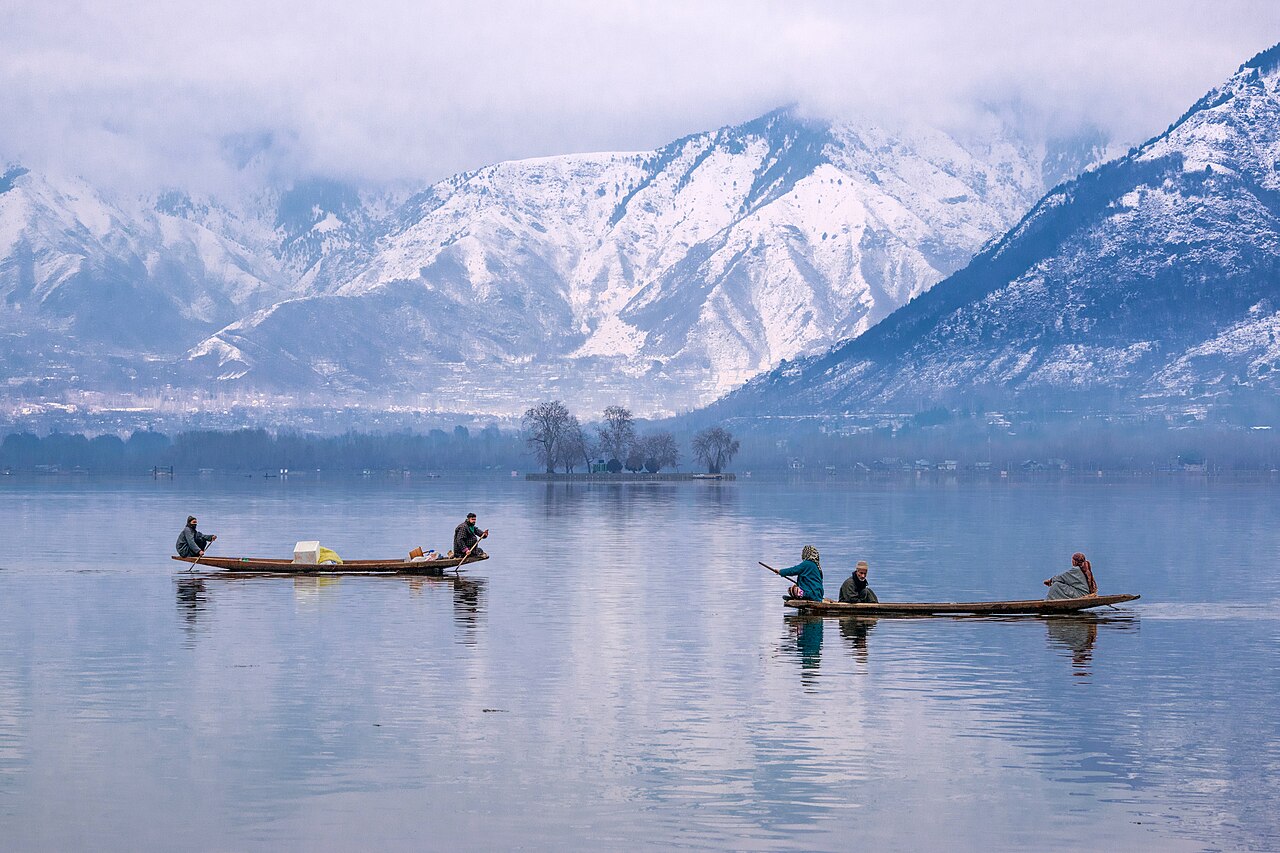
Dal Lake & Shikara Rides
See · 1.2 km · about 19 min walk
 #2 in Srinagar
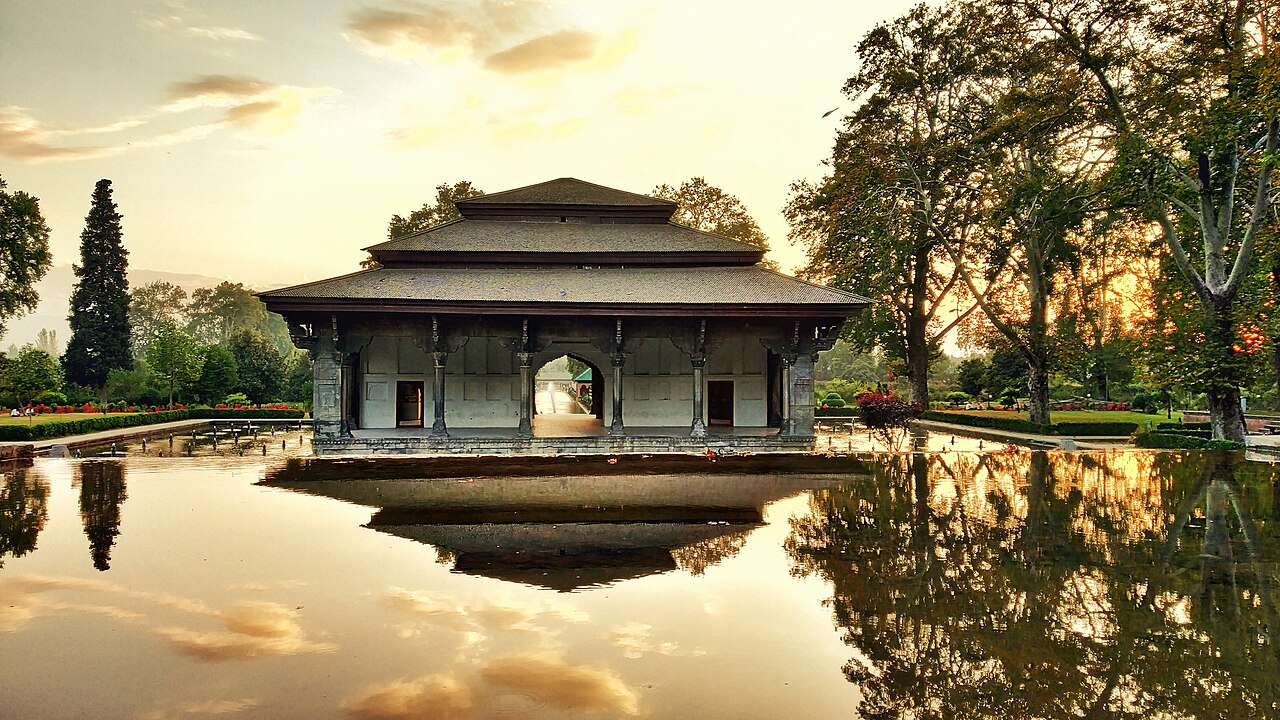
Shalimar Bagh
Garten · 3 km · about 10 min by road
 #8 in Srinagar
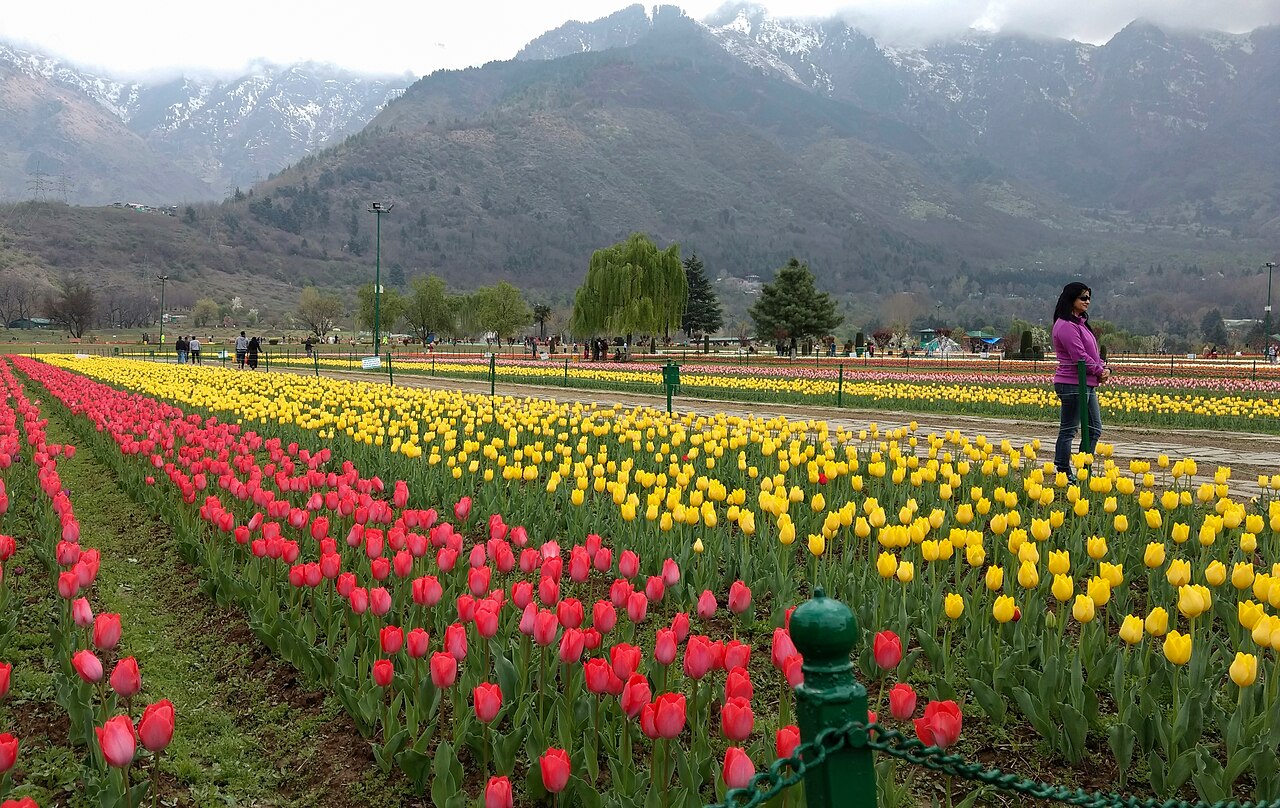
Indira Gandhi Memorial Tulip Garden
Gedenkstätte · 3 km · about 10 min by road
 #6 in Srinagar
Chashme Shahi
Kulturerbe · 4 km · about 15 min by road