
Panchakki
#3von 7 Orten zum Besuchen in AurangabadAurangabad, Maharashtra
Auch bekannt als Nehar-e-Panchakki · Water Mill · Dargah Baba Shah Musafir
Kurz gesagt
Öffnungszeiten: Dargah: 05:00 – 21:00 daily. Eintritt: ₹20. Plane 1 hr ein. Beste Zeit: 09:00 – 11:00.
Aktualisiert am · Erstellt von Traveliac, KI-unterstützt · 4 Min. Lesezeit
- Öffnungszeiten
- Dargah: 05:00 – 21:00 daily
- Mill and garden enclosure: 09:00 – 19:00 daily.
- Eintrittspreis
- ₹20
- Ticket ab
- Benötigte Zeit
- 1 hr
- Beste Tageszeit
- 09:00 – 11:00
- Beste Monate
- Oct – Mar
- Adresse
- Panchakki Road, Zaffar Gate, Chhatrapati Sambhajinagar, Maharashtra 431001
Über Panchakki
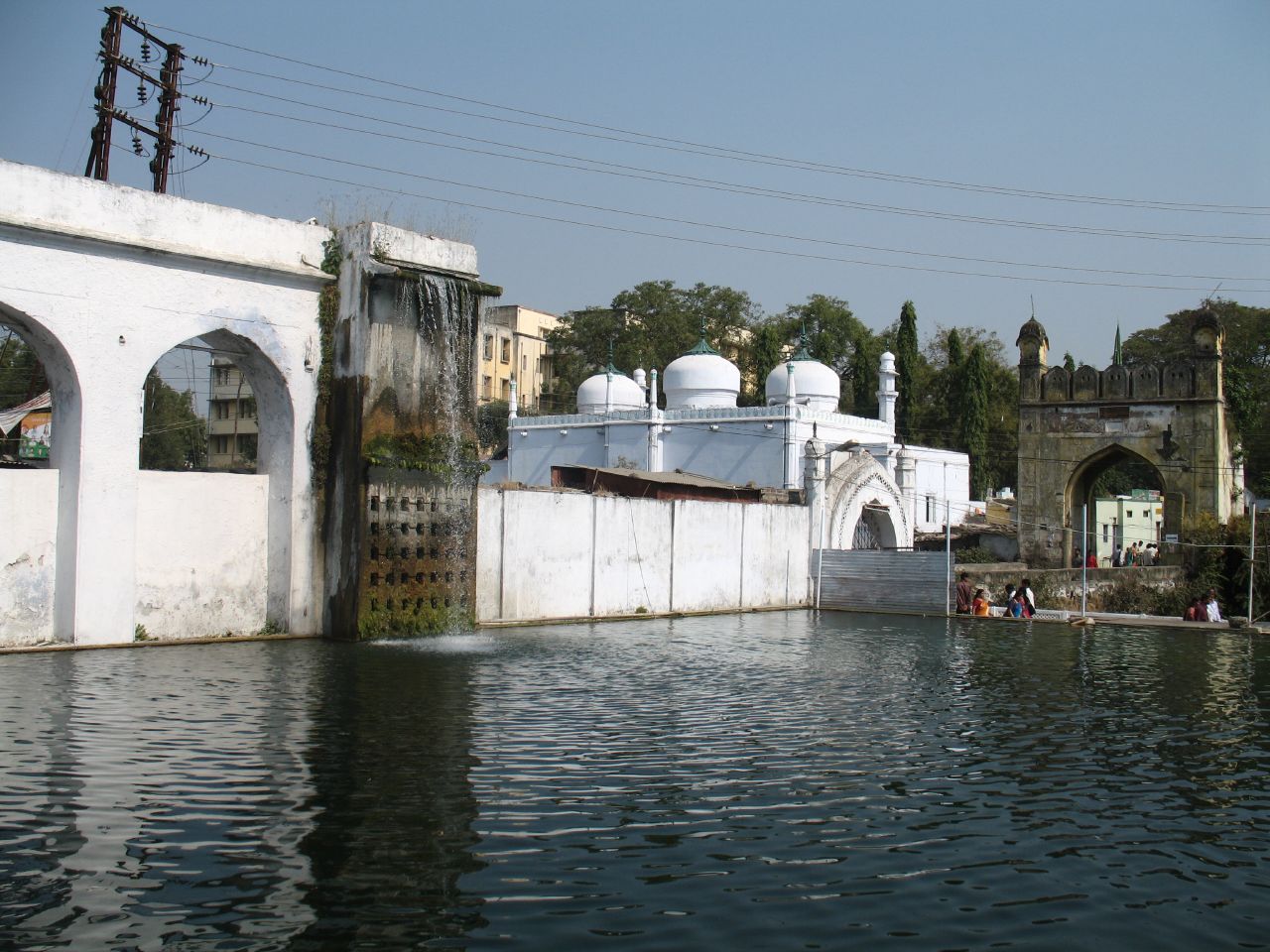
Panchakki takes its name from the Marathi words for five (panch) and mill (chakki), referring to the grindstones once powered entirely by water pressure rather than animal or human labour. The mechanism channels water through a narrow underground clay-pipe conduit from a spring roughly 8 km away near the Harsul river, dropping it from a height into a stone cistern to build the pressure needed to turn the stones. The complex surrounds the dargah of the Sufi saint Baba Shah Musafir, and the large ornamental reservoir at its centre — stocked with rohu fish that visitors are asked not to feed with packaged snacks — remains fed by the same 17th-century channel system rather than a modern pump.
Beste Tageszeit: 09:00 – 11:00. When the grindstone mechanism is easiest to see running and the enclosure is quiet before local families arrive in the evening.
Öffnungszeiten von Panchakki
- Öffnungszeiten
- Dargah: 05:00 – 21:00 daily
- Mill and garden enclosure: 09:00 – 19:00 daily.
- Geschlossen an
- Täglich geöffnet
Öffnungszeiten zusammengestellt aus mahawakf.com und öffentlichen Quellen, zuletzt aktualisiert am . Sie können sich ohne Vorankündigung ändern — vor der Reise bitte bestätigen. Wie wir diese Reiseführer schreiben
Eintrittspreis für Panchakki
| Ticket | Preis |
|---|---|
| Indische Besucher | ₹20 |
| Ausländische Besucher | ₹20 |
| Kinder | Kostenlos |
| Kamera | Kostenlos |
A single nominal entry fee applies to the mill and garden enclosure; the dargah itself is free to enter for all visitors. As of 2026, verify at the counter, since Panchakki is Waqf-managed rather than ASI-ticketed and fee figures are inconsistently published.
Preise zusammengestellt aus mahawakf.com und öffentlichen Quellen, zuletzt aktualisiert am . Sie können sich ohne Vorankündigung ändern — vor der Reise bitte bestätigen. Wie wir diese Reiseführer schreiben
Beste Reisezeit für Panchakki
- Quiet
- Moderate
05:00 – 09:00
Early Prayer HoursBest time to go
Dargah open for early devotees; the mill and garden enclosure has not yet opened. Mainly local worshippers, minimal tourist footfall.
Quiet09:00 – 12:00
Morning Visit Window
The mill mechanism is most visible and the reservoir courtyard is quiet, making this the best window for photography and close inspection of the grindstones.
Quiet12:00 – 16:00
Midday
Local families and college students use the shaded reservoir seating as a rest stop; Friday midday sees a distinct spike in dargah visitors for prayers.
Moderate16:00 – 19:00
Evening
Steady local footfall as families visit after work hours; the garden enclosure closes at 19:00 while the dargah stays open into the night.
Moderate
Geschichte von Panchakki
Turktaz Khan, a noble serving under the Mughal viceroy Nizam-ul-Mulk Asaf Jah, built the core Panchakki structure around 1695 to supply flour to pilgrims and students at the adjoining dargah of Baba Shah Musafir. Roughly two decades later, Jamil Beg Khan, a disciple of the saint, expanded the complex and added the large stepped reservoir that dominates the courtyard today. The underground clay-pipe conduit bringing water from the Harsul river area predates most comparable hydraulic works in the Deccan and functioned continuously into the modern era without significant redesign — a rare case of 17th-century civil engineering still operating largely on its original plan. The dargah itself has remained an active site of Sufi devotion since Baba Shah Musafir's death, with an annual urs (death anniversary observance) drawing pilgrims from across the region, distinct from the mill's status as a heritage engineering site.
Regeln & Etikette in Panchakki
Panchakki functions as a living dargah as well as a monument, so modest dress is expected throughout the complex, not only inside the shrine chamber. Shoes must be removed before entering the dargah's inner shrine area; a free rack is provided at the doorway. Visitors are asked not to touch or climb on the grinding mechanism itself, which is fenced but still mechanically active. Loud conversation and phone calls are discouraged near the shrine chamber out of respect for those in prayer, even though the outer courtyard and reservoir area are relaxed and open to casual visiting. Feeding the reservoir's rohu fish with packaged or salted snacks is discouraged by the caretakers, who sell a small measure of approved fish feed near the water's edge instead.
Tipps für den Besuch von Panchakki
- 1
The mechanical explanation boards near the grindstone are sparse, so it helps to ask one of the caretakers stationed near the mill room to point out where the water enters and how the pressure differential turns the stones — most are willing to explain informally without expecting a tip. The reservoir's shaded seating along the eastern edge is one of the few genuinely quiet spots in central Chhatrapati Sambhajinagar and a reasonable place to break up a day of monument-hopping. Panchakki sits close enough to the old city's Zaffar Gate market that a walk of 10–15 minutes connects the two, useful for travellers wanting a change from auto-rickshaws. Avoid visiting during the Friday midday prayer window if the goal is a quiet look at the mill mechanism, since the dargah draws its largest weekly crowd then.
Anreise nach Panchakki
Der rote Stern zeigt Panchakki; die nummerierten Markierungen sind die 3 nächstgelegenen Orte aus unseren Reiseführern, jeweils mit ihrem Rang in der eigenen Stadt. Für Details auf eine Markierung tippen.
Panchakki Road, Zaffar Gate, Chhatrapati Sambhajinagar, Maharashtra 431001Route in Google Maps
Ab Chhatrapati Sambhaji Maharaj Airport (IXU)
₹120–₹1804 km · 15 min
Prepaid taxi); ₹80–₹120 (auto-rickshaw, negotiated
Ab Chhatrapati Sambhajinagar Railway Station (AWB)
₹60–₹903 km · 10 min
Auto-rickshaw, negotiated
Ab Zaffar Gate Market
1 km · 10–15 min walk
Free (walking distance)
Nächster Flughafen
Ab Chhatrapati Sambhaji Maharaj Airport (IXU)
4 km, approximately 15 minutes by road.
Nächster Bahnhof
Ab Chhatrapati Sambhajinagar Railway Station (AWB)
3 km, approximately 10 minutes.
Häufige Fragen zu Panchakki
Is Panchakki a temple, a mosque, or a monument?
It is primarily a Sufi dargah (shrine) attached to a 17th-century water-powered flour mill. The complex is Waqf-managed, meaning it is treated as an active religious site as well as a heritage engineering structure.
Does the water mill at Panchakki still work?
Yes. The original underground clay-pipe conduit still channels water from a spring roughly 8 km away into the courtyard cistern, and the grinding mechanism remains mechanically functional, though it is no longer used for daily flour production.
Is Panchakki free to visit?
The dargah itself is free. A nominal entry fee, commonly around ₹20, applies to the mill and garden enclosure — confirm the current figure at the counter, since Panchakki is not ASI-ticketed.
How long does a visit to Panchakki take?
About 60 minutes covers the mill mechanism, the reservoir courtyard, and a stop at the dargah. Visitors combining it with a walk through the nearby Zaffar Gate market should allow closer to 90 minutes.
Mit KI-Unterstützung aus offiziellen Quellen und öffentlichen Aufzeichnungen erstellt und erst nach den Prüfungen veröffentlicht, die beschrieben sind unter Wie wir diese Reiseführer schreiben. Niemand von Traveliac war persönlich vor Ort. Zuletzt aktualisiert am . Wie wir Orte bewerten und prüfen
Orte in der Nähe von Panchakki
Luftlinien-Entfernungen laut unserer Karte; Zeiten sind Schätzwerte.
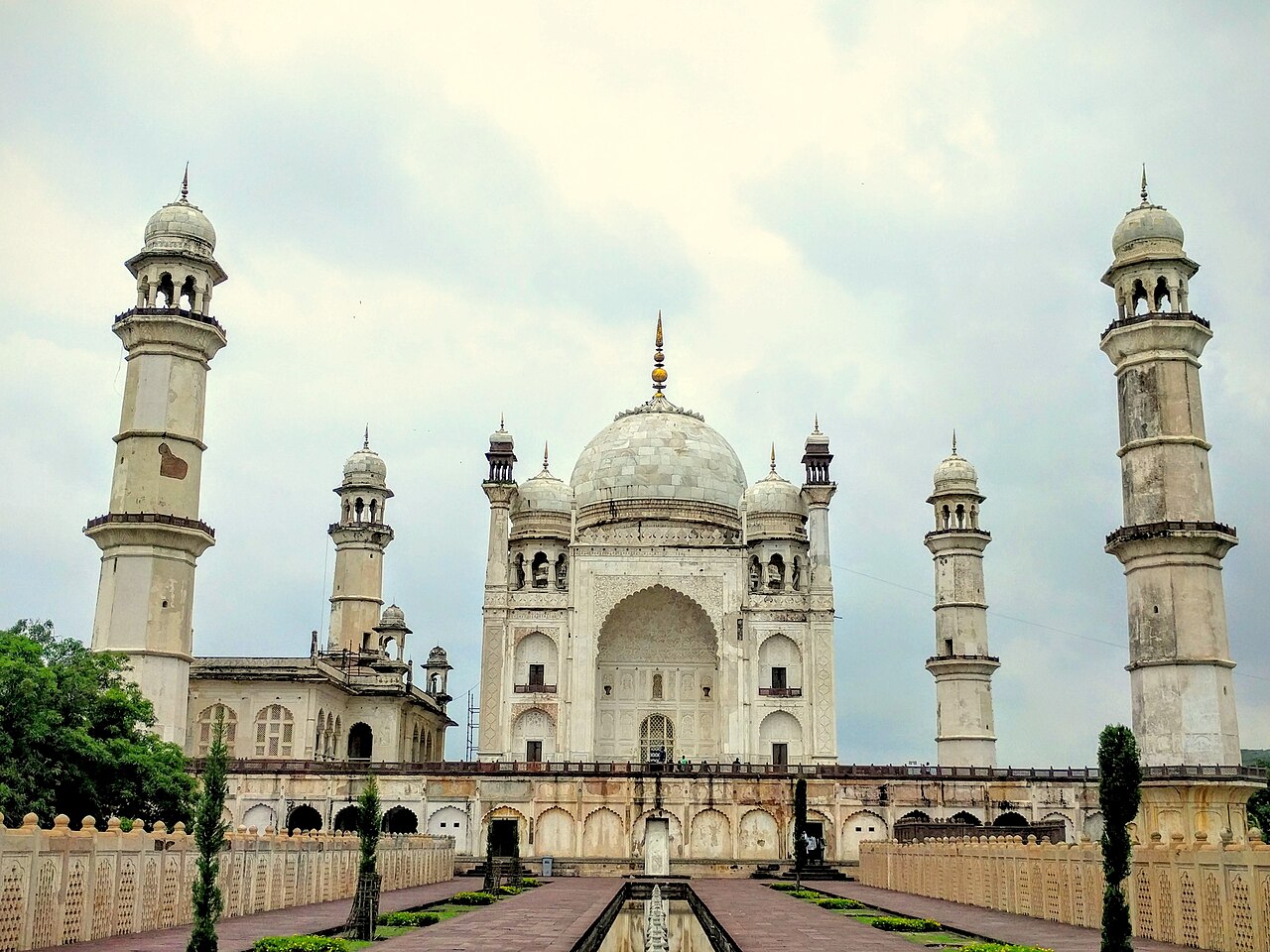 #1 in Aurangabad
Bibi Ka Maqbara
Mausoleum · 1.4 km · about 23 min walk
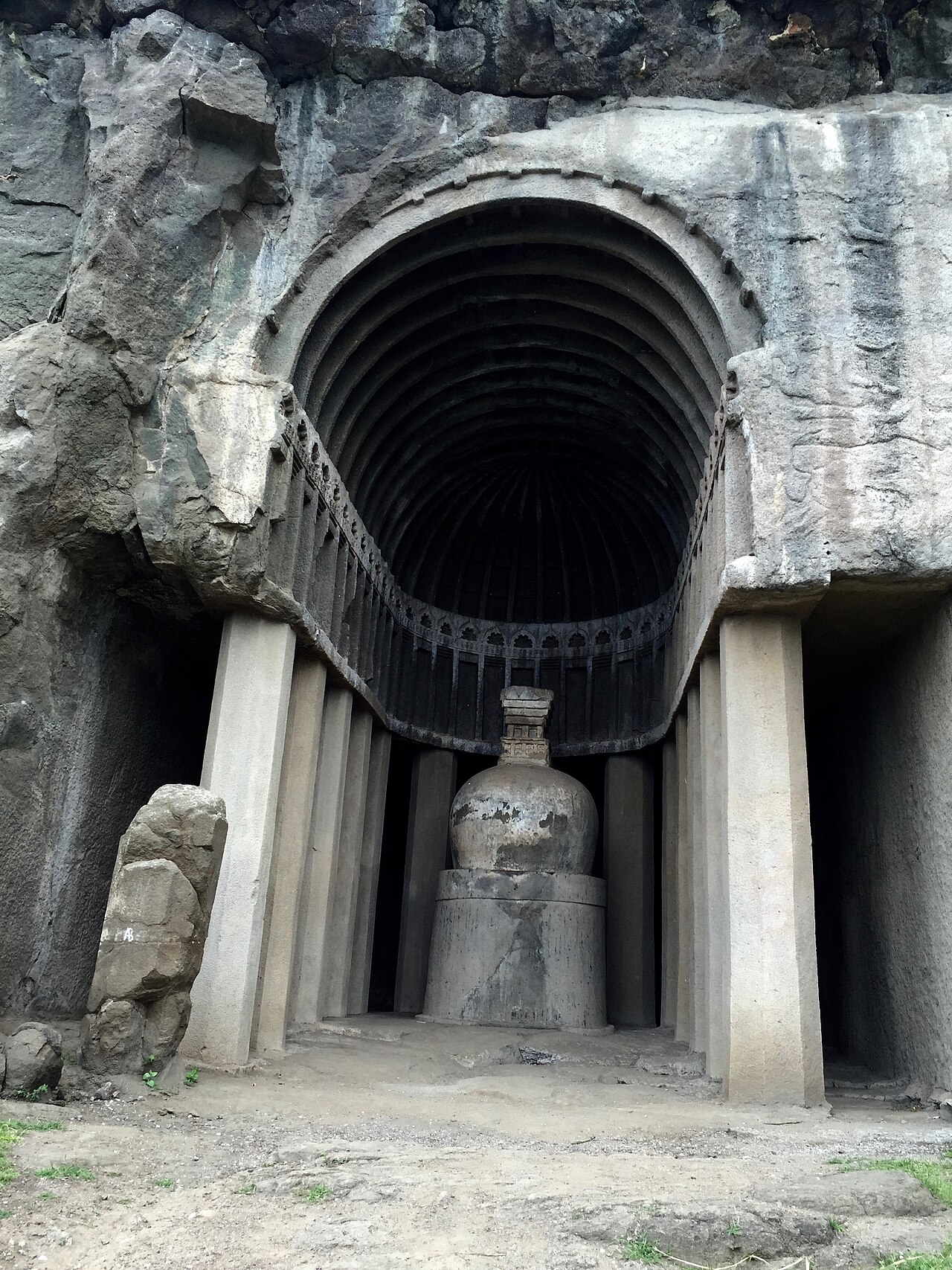 #2 in Aurangabad
Aurangabad Caves
Kulturerbe · 3 km · about 10 min by road
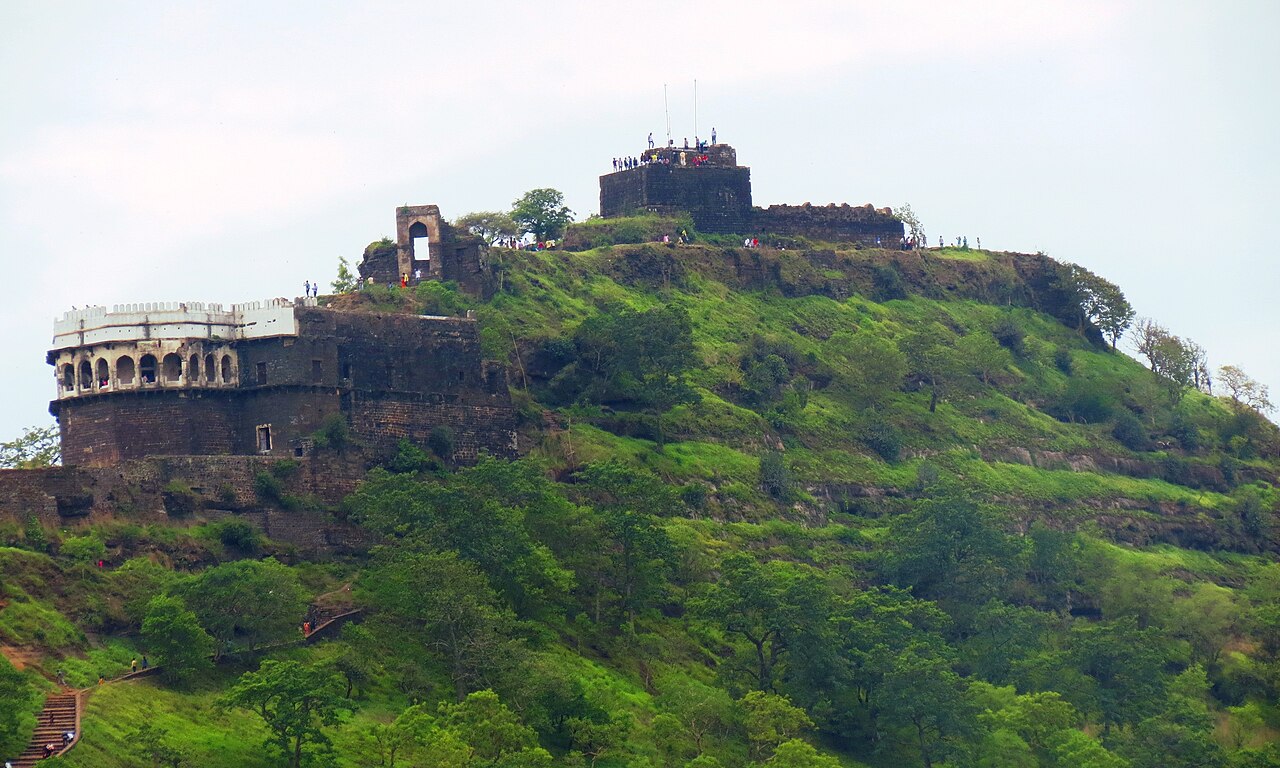 #4 in Aurangabad
Daulatabad Fort
Festung · 12 km · about 40 min by road
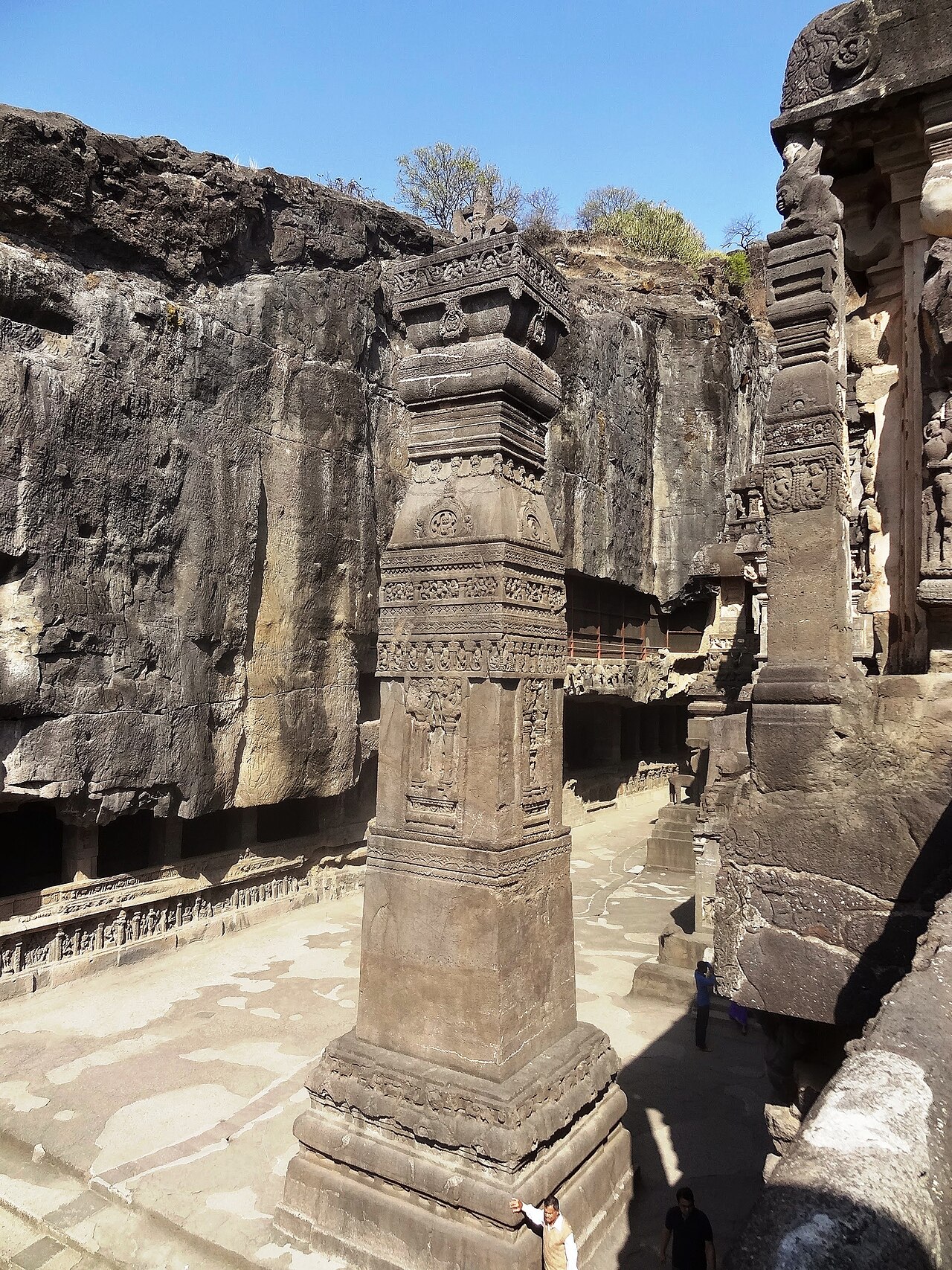 #6 in Aurangabad
Ellora Caves
Kulturerbe · 21 km · about 65 min by road