Brahma Temple
#2von 7 Orten zum Besuchen in PushkarPushkar, Rajasthan
Auch bekannt als Jagatpita Brahma Mandir · Pushkar Brahma Mandir
Kurz gesagt
Öffnungszeiten: 06:00–13:00 and 15:00–21:00. Der Eintritt ist kostenlos. Plane 45 min ein. Beste Zeit: 06:00 – 07:30.
Aktualisiert am · Erstellt von Traveliac, KI-unterstützt · 5 Min. Lesezeit
- Öffnungszeiten
- 06:00–21:00
- 06:00 – 13:00 and 15:00 – 21:00 daily (closed midday for temple rituals and idol rest)
- Eintrittspreis
- Kostenlos
- Benötigte Zeit
- 45 min
- Beste Tageszeit
- 06:00 – 07:30
- Beste Monate
- Oct – Mar
- Adresse
- Brahma Mandir Road, near Pushkar Lake's western ghats, Pushkar, Ajmer district, Rajasthan 305022
Über Brahma Temple
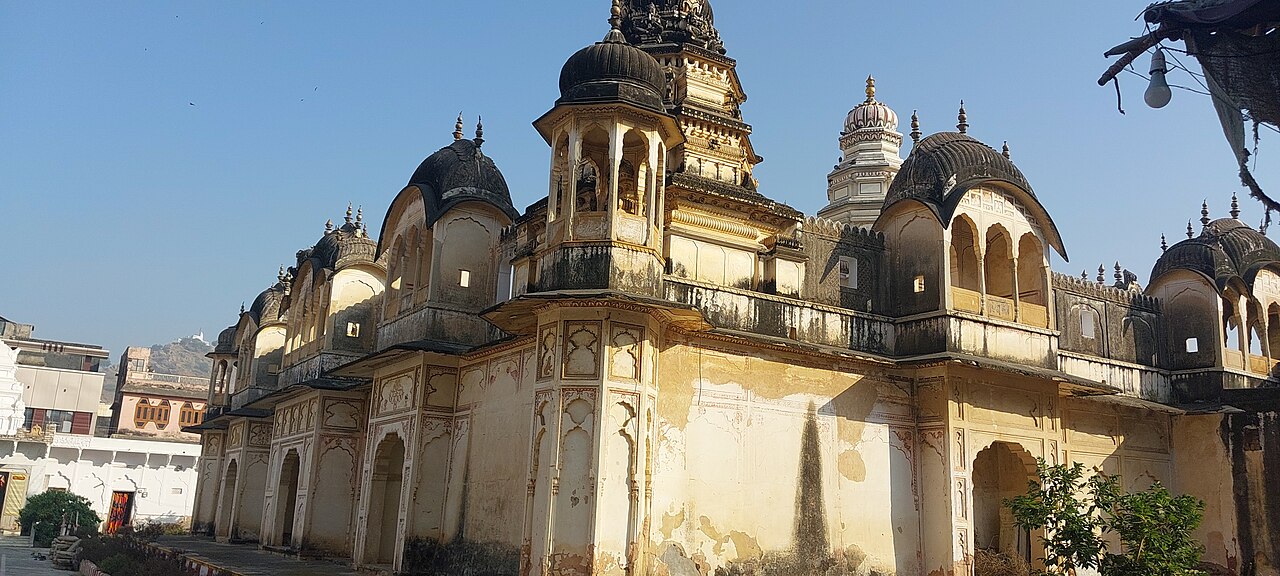
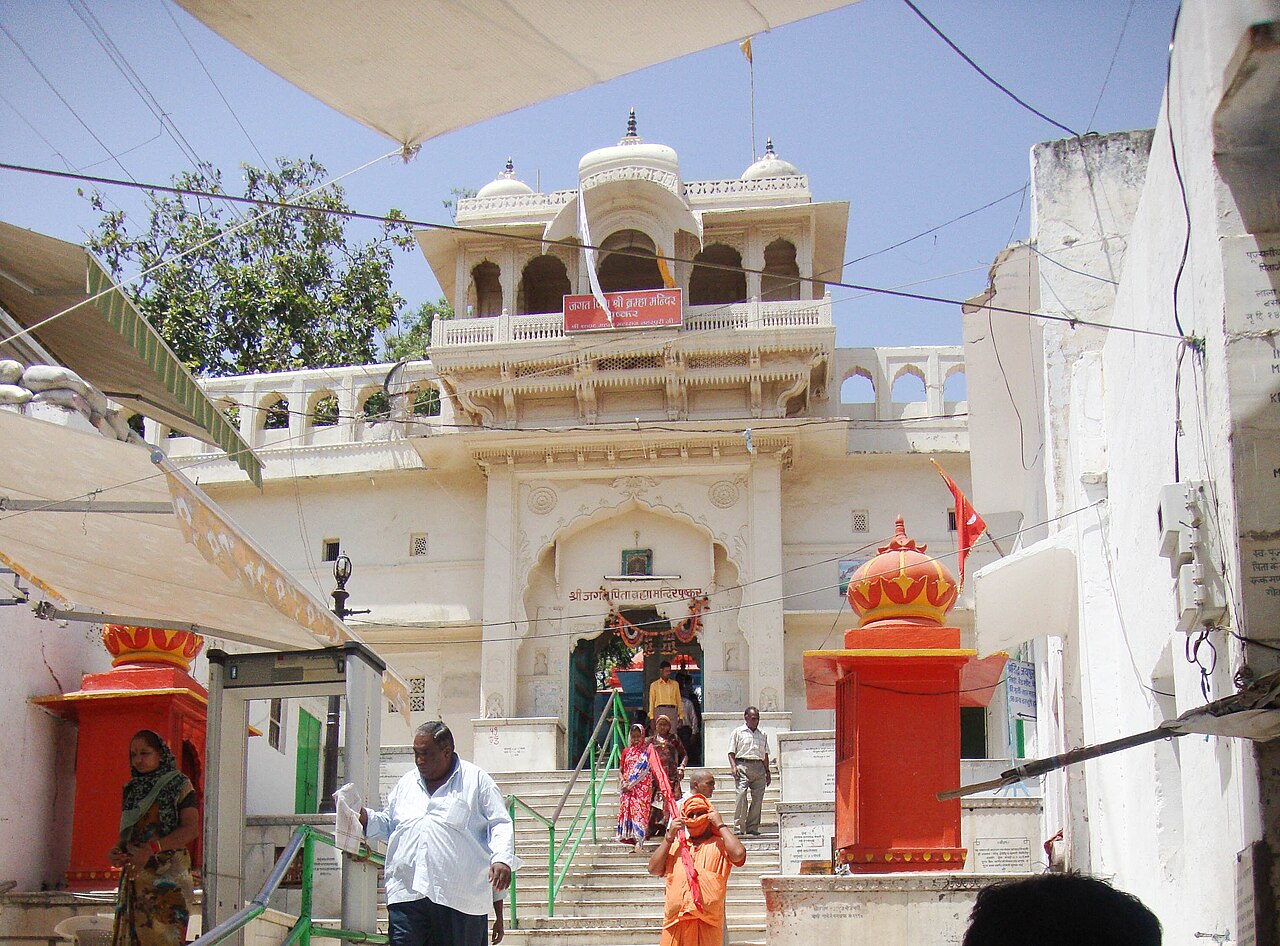
The Brahma Temple is one of a genuinely small number of temples anywhere in the world built for the direct worship of Brahma, the Hindu creator deity — a fact every guide in Pushkar will mention within the first minute, because it is the town's defining religious credential. The current structure is built from marble slabs over a rubble-and-stone core, standing on a raised plinth reached by a flight of marble steps flanked by a pillared entrance gate (torana) inscribed with donor names from later restorations. Its most recognisable exterior feature is a tall, tapering red-painted stone spire (shikhara) topped with a hansa, the swan or goose that serves as Brahma's vahana (mount) in Hindu iconography — the spire is visible above the surrounding rooftops from several points around the lake and functions as the town's informal skyline marker. Inside the inner sanctum, the primary murti depicts a four-headed Brahma seated beside his consort Gayatri, both carved from marble and dressed daily by resident priests in fresh silk and marigold garlands. Set into the floor of the outer mandapa (pillared hall) is a silver turtle, inlaid flush with the marble and worn smooth by centuries of pilgrim feet stepping around or, depending on local practice, deliberately over it for luck; the surrounding floor carries dozens of smaller silver coin inlays donated by individual devotee families over generations, giving the stone floor a faintly mottled, hammered texture up close.
Beste Tageszeit: 06:00 – 07:30. For the morning aarti and the quietest window before pilgrim groups and day-trippers from Ajmer arrive.
Öffnungszeiten von Brahma Temple
- Öffnungszeiten
- 06:00–21:00
Mon–Sun 06:00–13:00 and 15:00–21:00 - 06:00 – 13:00 and 15:00 – 21:00 daily (closed midday for temple rituals and idol rest)
- Geschlossen an
- Täglich geöffnet
Öffnungszeiten zusammengestellt aus rajasthantourism.gov.in und öffentlichen Quellen, zuletzt aktualisiert am . Sie können sich ohne Vorankündigung ändern — vor der Reise bitte bestätigen. Wie wir diese Reiseführer schreiben
Eintrittspreis für Brahma Temple
| Ticket | Preis |
|---|---|
| Indische Besucher | Kostenlos |
| Ausländische Besucher | Kostenlos |
| Kinder | Kostenlos |
| Kamera | Kostenlos |
No entry ticket. Photography is prohibited inside the sanctum housing the four-faced Brahma idol; the outer marble courtyard and red spire can be photographed freely. Donations at the collection box near the sanctum are voluntary; priests inside sometimes suggest a specific figure (₹101, ₹251) for a personalised aarti, which is negotiable and not compulsory.
Preise zusammengestellt aus rajasthantourism.gov.in und öffentlichen Quellen, zuletzt aktualisiert am . Sie können sich ohne Vorankündigung ändern — vor der Reise bitte bestätigen. Wie wir diese Reiseführer schreiben
Beste Reisezeit für Brahma Temple
- Quiet
- Moderate
- Busy
06:00 – 07:30
Morning Aarti
Resident priests perform the day's first aarti; local devotees and early-rising travellers form a manageable queue for darshan.
Moderate07:30 – 12:30
Pilgrim Peak
Day-trip pilgrim groups from Ajmer and beyond arrive in coach loads; queue for the sanctum can extend 20–30 minutes.
Busy13:00 – 15:00
Midday ClosureBest time to go
Temple is closed for ritual purposes; only the outer courtyard steps are accessible from outside the gate.
Quiet18:00 – 20:00
Evening Reopening
Steady flow of local families for evening darshan; calmer than the late-morning peak.
Moderate
Geschichte von Brahma Temple
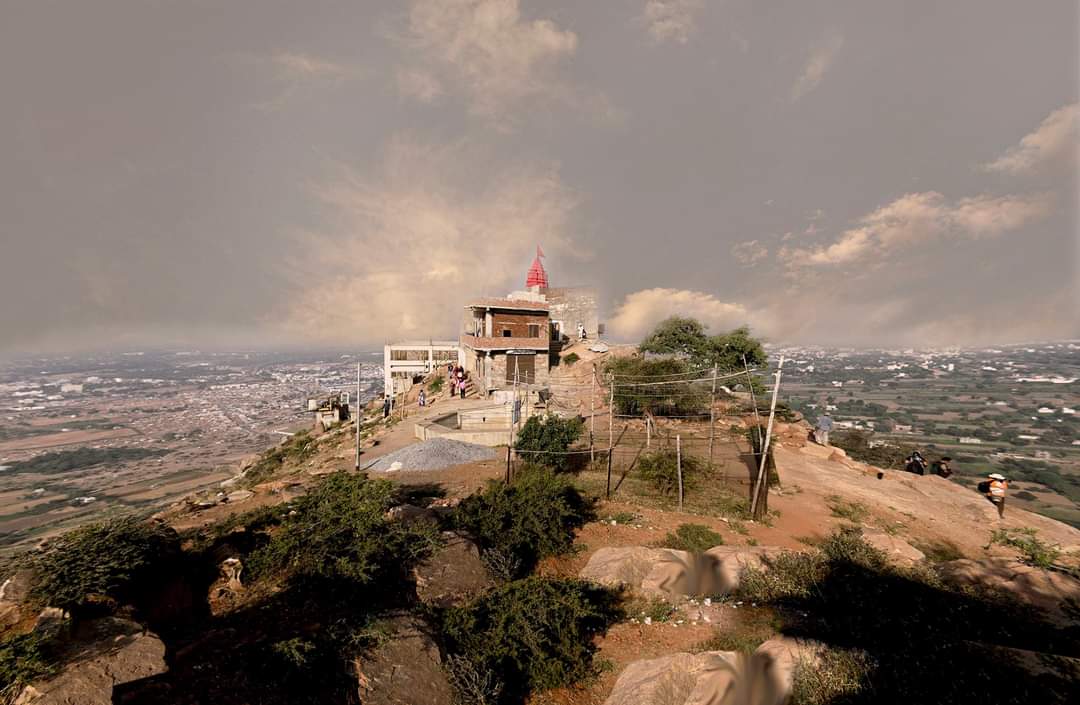
The temple's founding myth is inseparable from its rarity. According to the version most commonly told in Pushkar, Brahma needed to perform a yagna at an auspicious hour, and his consort Saraswati was delayed in arriving. Unwilling to let the auspicious moment pass, Brahma married a local girl, Gayatri, on the spot and completed the ritual with her at his side. Saraswati arrived shortly after, found herself displaced, and in fury cursed Brahma: he would be worshipped nowhere in the mortal world except at Pushkar. Variant tellings substitute Savitri for Saraswati in this episode, which is part of why Pushkar also has a separate hilltop temple dedicated to Savitri overlooking the lake — the mythology of the two goddesses has been locally entangled for centuries.
The temple structure standing today is generally dated to a rebuilding in the 14th century, most commonly attributed to a Gujarati general or noble patron acting during a period of temple renewal across the region, though the site's religious use as a Brahma shrine is understood to be considerably older, referenced in Puranic literature tied to the lake's own creation myth. Like most religious structures in this part of Rajasthan, the temple suffered periods of damage and neglect during phases of Mughal-era iconoclasm and required subsequent restoration; the visible marble facing and much of the decorative stonework date from patronage in the 18th and 19th centuries by Maratha nobility and wealthy merchant donors, whose family names remain carved at the entrance gate.
Regeln & Etikette in Brahma Temple
Footwear must be removed at the foot of the entrance steps, not just at the sanctum threshold; a free shoe-minding stall operates at the base, typically staffed by an attendant expecting a small voluntary tip of ₹10–₹20. Modest dress is enforced at the gate — shoulders and knees should be covered, and temple staff will refuse entry to visitors in shorts or sleeveless tops, though inexpensive wraps are sometimes available for a nominal charge from nearby stalls if needed.
Photography and phone use are prohibited from the inner mandapa onward; this is enforced by resident priests who will ask visibly held phones to be put away entirely, not just left unused. Non-Hindus are permitted inside the sanctum itself, which distinguishes this temple from several others in Rajasthan, including Pushkar's own Rangji Temple — but all visitors, regardless of faith, are expected to queue in the same line for darshan (viewing of the deity) rather than seeking a shortcut, and pushing to the front is poorly received.
Be wary of self-appointed 'guides' stationed at the base of the steps who offer an unsolicited temple tour and then request payment well above the going rate for a five-minute explanation; if a guide is wanted, agree a fixed price (₹100–₹150 for a short walkthrough) before starting.
Tipps für den Besuch von Brahma Temple
- 1
Visit at the 06:00 opening for the cleanest experience — the temple closes for a midday period (roughly 13:00–15:00) for ritual purposes, and arriving in that window means waiting outside with no partial access. The morning aarti, usually performed shortly after opening, is a genuinely moving fifteen minutes even for visitors with no religious background, with temple bells and a conch horn audible well down the lane.
- 2
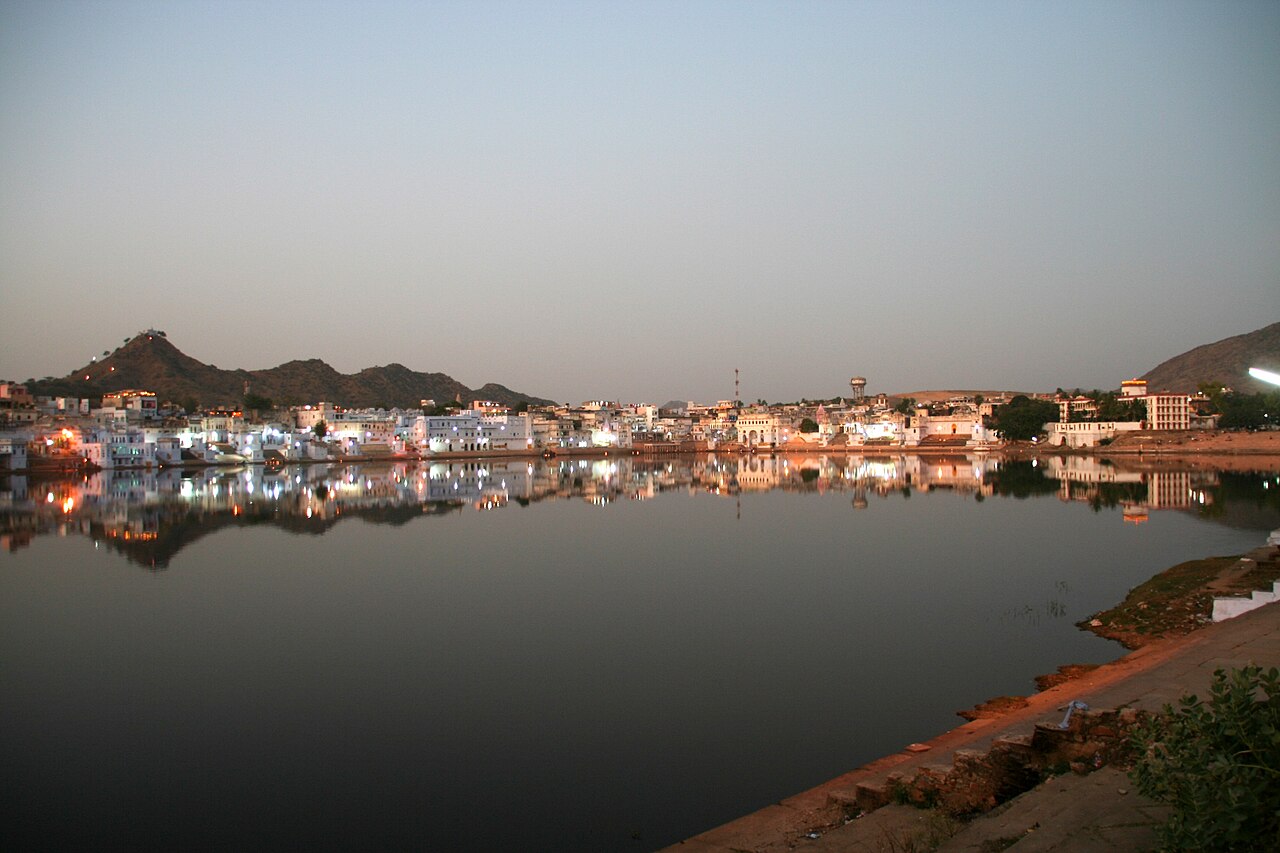
Combine the visit with a walk to the nearest lake ghats, a two-minute walk downhill from the temple gate, to see the physical link between the temple's founding myth and the water it describes. The lane leading up to the temple is lined with shops selling rudraksha beads, marigold garland strings, and small brass idols — prices here run noticeably higher than in the main Sadar Bazaar a few hundred metres away, so this is not the place to buy souvenirs at a fair rate.
- 3
Because this is one of very few Brahma temples anywhere, expect a meaningful proportion of visitors to be domestic pilgrims rather than international tourists, particularly on weekends and during the Kartik Purnima period, when queue times for darshan can extend to 30–45 minutes.
Anreise nach Brahma Temple
Der rote Stern zeigt Brahma Temple; die nummerierten Markierungen sind die 1 nächstgelegenen Orte aus unseren Reiseführern, jeweils mit ihrem Rang in der eigenen Stadt. Für Details auf eine Markierung tippen.
Brahma Mandir Road, near Pushkar Lake's western ghats, Pushkar, Ajmer district, Rajasthan 305022Route in Google Maps
Ab Ajmer Junction Railway Station (AII)
₹300–₹45015 km · 30–40 min
Auto/taxi). Shared jeeps run for ₹40–₹60 per seat.
Ab Kishangarh Airport (KQH)
₹700–₹90025 km · 40–50 min
Prepaid taxi).
Ab Pushkar Lake main ghats
1 km · 5–8 min walk
Free — a short walk through Brahma Mandir Road; no vehicle needed.
Nächster Flughafen
Ab Kishangarh Airport (KQH)
25 km, approximately 40–50 minutes. Jaipur International Airport (JAI) – 150 km, approximately 3–3.5 hours, is the main gateway with wider flight connectivity.
Nächster Bahnhof
Ab Ajmer Junction (AII)
15 km, approximately 30–40 minutes; Pushkar's own small station runs only a limited number of slow passenger trains daily and is not a practical arrival point.
Häufige Fragen zu Brahma Temple
Why is the Brahma Temple in Pushkar so rare?
Hindu tradition holds that Brahma's consort Saraswati cursed him to be worshipped nowhere except Pushkar, after he married Gayatri to complete a time-sensitive ritual in her absence. This is why dedicated Brahma temples are exceptionally uncommon compared to temples for Shiva or Vishnu.
How old is the current Brahma Temple structure?
The present marble-faced structure is generally dated to a 14th-century rebuilding, though much of the visible decorative stonework and facing was added through 18th- and 19th-century restoration funded by Maratha and merchant patrons.
Can non-Hindus enter the sanctum?
Yes, non-Hindus are permitted inside the sanctum at Brahma Temple, unlike some other Pushkar temples such as Rangji Temple. All visitors queue together for darshan.
Is photography allowed inside the temple?
No. Photography and phone use are prohibited from the inner pillared hall (mandapa) onward. The exterior red spire and marble courtyard can be photographed freely from outside.
Mit KI-Unterstützung aus offiziellen Quellen und öffentlichen Aufzeichnungen erstellt und erst nach den Prüfungen veröffentlicht, die beschrieben sind unter Wie wir diese Reiseführer schreiben. Niemand von Traveliac war persönlich vor Ort. Zuletzt aktualisiert am . Wie wir Orte bewerten und prüfen