Pushkar Bazaar (Sadar Bazaar)
#4von 7 Orten zum Besuchen in PushkarPushkar, Rajasthan
Auch bekannt als Pushkar Market
Kurz gesagt
Öffnungszeiten: 09:00–22:00. Der Eintritt ist kostenlos. Plane 2 hrs ein. Beste Zeit: 10:00 – 12:30 or 18:00 – 21:00.
Aktualisiert am · Erstellt von Traveliac, KI-unterstützt · 5 Min. Lesezeit
- Öffnungszeiten
- 09:00–22:00
- 09:00 – 22:00 daily, though individual shop hours vary considerably; cafes and bakeries often open earlier (07:00) for breakfast trade
- Eintrittspreis
- Kostenlos
- Benötigte Zeit
- 2 hrs
- Beste Tageszeit
- 10:00 – 12:30 or 18:00 – 21:00
- Beste Monate
- Oct – Mar
- Adresse
- Sadar Bazaar, running between the main bus stand and the lake's western ghats, Pushkar, Ajmer district, Rajasthan 305022
Über Pushkar Bazaar (Sadar Bazaar)
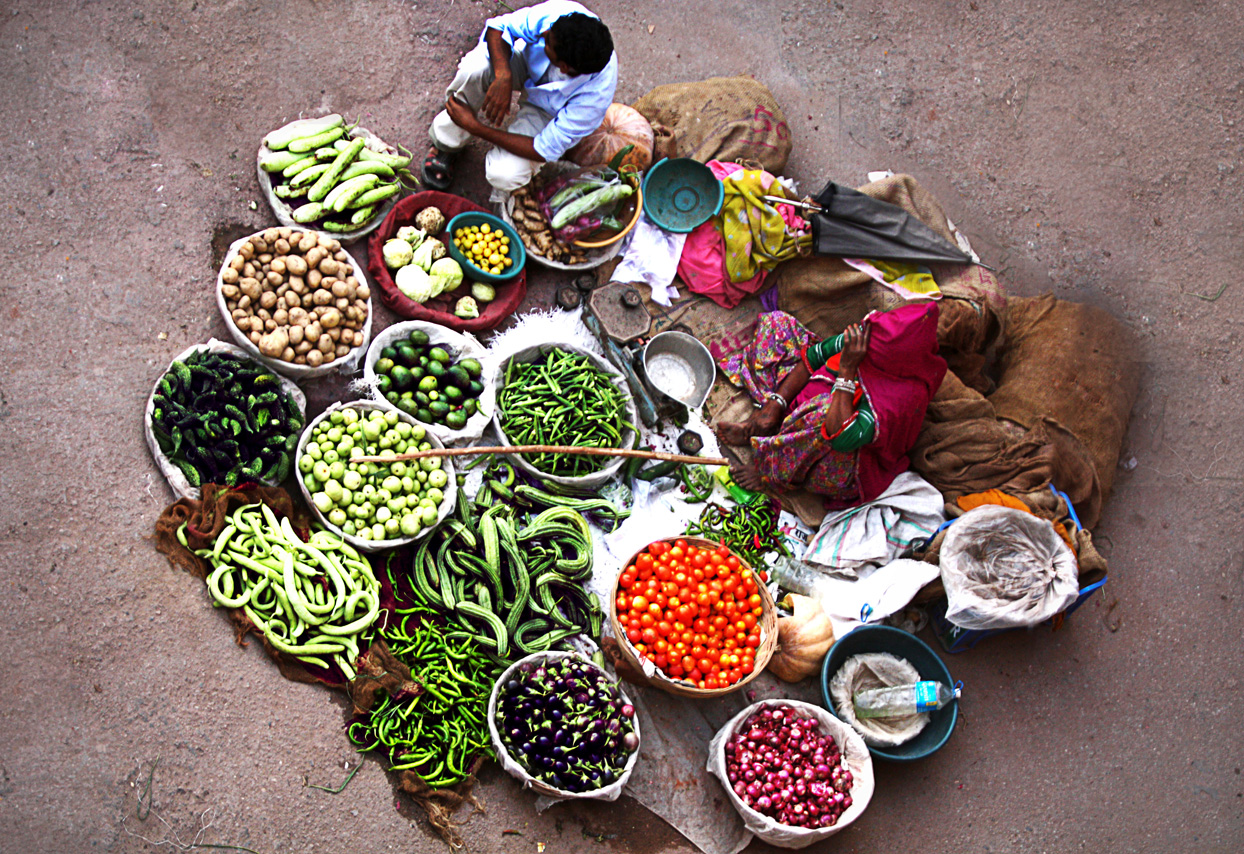
Sadar Bazaar runs as a narrow, largely pedestrianised lane threading from the main bus stand down toward the lake's western ghats, its width rarely exceeding four or five metres and its shopfronts stacked close enough that awnings from either side nearly meet overhead in places. Silver jewellery dominates the merchandise — chunky tribal-style cuffs, anklets, and rings sold by weight at rates pegged to the day's silver price, displayed in glass cases that catch the light from open doorways — alongside bandhani (tie-dye) textiles in the sharp reds, yellows, and greens characteristic of Rajasthani dye traditions, and mirror-worked cushion covers and bedspreads stitched by hand in workshops a short distance behind the main strip. Leather goods form a second major category: camel-leather bags, belts, and the pointed-toe juttis (traditional embroidered leather shoes) that Rajasthan is broadly known for, though buyers should ask directly about material, since a meaningful share of 'leather' stock in tourist-facing stalls is synthetic, sold at a price implying otherwise. Threaded through the jewellery and textile stalls are German bakeries and Israeli-influenced cafes — a hangover from Pushkar's long hippie-trail history — serving apple strudel, hummus, and shakshuka alongside the more conventional Rajasthani thali fare found elsewhere in town.
Beste Tageszeit: 10:00 – 12:30 or 18:00 – 21:00. For unhurried shopping and bargaining before the midday heat, or 18:00 – 21:00 for the bazaar's more atmospheric evening trade and rooftop cafe scene.
Öffnungszeiten von Pushkar Bazaar (Sadar Bazaar)
- Öffnungszeiten
- 09:00–22:00
Mon–Sun 09:00–22:00 - 09:00 – 22:00 daily, though individual shop hours vary considerably; cafes and bakeries often open earlier (07:00) for breakfast trade
- Geschlossen an
- Täglich geöffnet
Öffnungszeiten zusammengestellt aus rajasthantourism.gov.in und öffentlichen Quellen, zuletzt aktualisiert am . Sie können sich ohne Vorankündigung ändern — vor der Reise bitte bestätigen. Wie wir diese Reiseführer schreiben
Eintrittspreis für Pushkar Bazaar (Sadar Bazaar)
| Ticket | Preis |
|---|---|
| Indische Besucher | Kostenlos |
| Ausländische Besucher | Kostenlos |
| Kinder | Kostenlos |
| Kamera | Kostenlos |
No entry fee — an open public market street. Prices at most stalls are not fixed; bargaining is standard practice and first-quoted prices for tourists commonly run 2–4 times the eventual settled price on items like silver jewellery and textiles.
Preise zusammengestellt aus rajasthantourism.gov.in und öffentlichen Quellen, zuletzt aktualisiert am . Sie können sich ohne Vorankündigung ändern — vor der Reise bitte bestätigen. Wie wir diese Reiseführer schreiben
Beste Reisezeit für Pushkar Bazaar (Sadar Bazaar)
- Quiet
- Moderate
- Busy
09:00 – 10:30
Morning OpeningBest time to go
Shops gradually open; a good window for unhurried browsing and bargaining before the day's main tourist flow arrives.
Quiet10:30 – 14:00
Midday Peak
Day-trip groups from Ajmer and Jaipur fill the lane; jewellery and textile stalls see their busiest trading hours.
Busy14:00 – 17:00
Afternoon Lull
Heat thins foot traffic somewhat, though cafes stay active with a steady lunch-into-afternoon crowd.
Moderate18:00 – 21:00
Evening Trade
The bazaar's most atmospheric window: shop lights come on, rooftop cafes fill for dinner, and evening shoppers combine bazaar browsing with a walk to the nearby ghats for aarti.
Busy
Geschichte von Pushkar Bazaar (Sadar Bazaar)
Pushkar's role as a trading hub predates its current tourist-facing bazaar by centuries, growing directly out of the town's status as a pilgrimage destination and the site of its major annual livestock fair — pilgrims and traders converging for religious purposes created a natural, longstanding market for devotional goods, textiles, and provisions that the modern bazaar's silver and cloth trade descends from in an unbroken commercial lineage.
The bazaar's more recent international character dates specifically to the 1960s and 1970s, when Pushkar became a fixture on the overland 'hippie trail' connecting Europe to South Asia — young Western travellers, drawn partly by the town's spiritual reputation and partly by its position on the well-worn route toward Goa and further east, settled in for extended stays, and the German bakeries and low-key cafes that opened to serve them have persisted, in some cases under the same family ownership, for decades since. This layering of a centuries-old pilgrim trading economy with a more recent counterculture travel history is why Pushkar's bazaar feels distinctly different in character from more purely devotional market streets elsewhere in Rajasthan, blending rudraksha-bead stalls with tie-dye harem pants and falafel wraps within the same fifty-metre stretch.
Regeln & Etikette in Pushkar Bazaar (Sadar Bazaar)
Bargaining is expected and functions as the bazaar's normal price-discovery mechanism rather than an adversarial act — a first quote to an obvious tourist is routinely 2–4 times the price a local or a persistent bargainer will eventually pay, and settling at roughly 40–60% of the opening quote is a reasonable general target for jewellery and textiles, though silver items priced by weight leave less room for negotiation than handcrafted goods.
Since Pushkar enforces a town-wide prohibition on alcohol, meat, eggs, and fish, every restaurant and cafe in the bazaar operates within that restriction regardless of its cuisine — an 'Israeli' or 'German' menu here will still be entirely vegetarian and dry, a point that occasionally surprises first-time visitors expecting a more permissive tourist-town atmosphere.
Some silver jewellery stalls advertise 'antique' or 'tribal heirloom' pieces at prices well above standard weight-based silver rates; without independent verification, treat such claims with the same scepticism applied to 'genuine leather' claims on obviously synthetic goods, and price-check against at least two or three stalls before a significant purchase.
Tipps für den Besuch von Pushkar Bazaar (Sadar Bazaar)
- 1
Compare prices across at least three stalls before making any purchase over roughly ₹1,000 — the bazaar's density means this costs only a few extra minutes of walking, and price variation between adjacent shops for functionally identical silver or textile items can be substantial.
- 2
Rooftop cafes along the bazaar's lake-facing stretch offer some of Pushkar's best casual dining views over the ghats and water, and are a good default choice for a slow lunch or an evening drink of the non-alcoholic variety — fresh lime soda and masala chai are the practical local equivalents.
- 3
The bazaar is at its most photogenic and least crowded in the mid-morning window before the day's tour groups descend from Ajmer, and again after dark when strings of shop lights and lantern-lit cafe tables give the narrow lane a genuinely different character than its daytime commercial bustle.
Anreise nach Pushkar Bazaar (Sadar Bazaar)
Wir haben die genaue Position von Pushkar Bazaar (Sadar Bazaar) noch nicht erfasst; die Karte zeigt die anderen Orte aus unserem Pushkar-Reiseführer. Nutze die Adresse unten oder den Routenlink.
Sadar Bazaar, running between the main bus stand and the lake's western ghats, Pushkar, Ajmer district, Rajasthan 305022Route in Google Maps
Ab Pushkar Bus Stand
0.1 km · 1–2 min walk
Free — the bazaar begins essentially at the bus stand's edge.
Ab Ajmer Junction Railway Station (AII)
₹300–₹45015 km · 30–40 min
Auto/taxi). Shared jeeps run for ₹40–₹60 per seat.
Ab Kishangarh Airport (KQH)
₹700–₹90025 km · 40–50 min
Prepaid taxi).
Nächster Flughafen
Ab Kishangarh Airport (KQH)
25 km, approximately 40–50 minutes. Jaipur International Airport (JAI) – 150 km, approximately 3–3.5 hours.
Nächster Bahnhof
Ab Ajmer Junction (AII)
15 km, approximately 30–40 minutes.
Häufige Fragen zu Pushkar Bazaar (Sadar Bazaar)
How much should I bargain in Pushkar Bazaar?
First quotes to tourists are commonly 2–4 times the eventual accepted price. Settling around 40–60% of the opening quote is a reasonable general target for handcrafted goods and textiles, though weight-priced silver items leave less room for negotiation.
Can I get alcohol or meat at the bazaar's cafes?
No. Pushkar's town-wide vegetarian, alcohol-free rule applies to every restaurant in the bazaar regardless of cuisine style, including the German bakeries and Israeli-influenced cafes.
Why are there German bakeries and Israeli cafes in a Rajasthan pilgrimage town?
Pushkar became a stop on the overland 'hippie trail' in the 1960s and 1970s, and cafes opened to serve the Western travellers who settled in for extended stays; some of these establishments have operated continuously for decades since.
Is the leather sold in the bazaar genuine?
Not always. A meaningful share of 'leather' goods in tourist-facing stalls, including bags and juttis, are synthetic despite being marketed otherwise. Ask directly about material and compare a few stalls before a significant purchase.
Mit KI-Unterstützung aus offiziellen Quellen und öffentlichen Aufzeichnungen erstellt und erst nach den Prüfungen veröffentlicht, die beschrieben sind unter Wie wir diese Reiseführer schreiben. Niemand von Traveliac war persönlich vor Ort. Zuletzt aktualisiert am . Wie wir Orte bewerten und prüfen