Varaha Temple
#6von 7 Orten zum Besuchen in PushkarPushkar, Rajasthan
Auch bekannt als Varah Mandir · Shri Varaha Bhagwan Mandir
Kurz gesagt
Öffnungszeiten: 06:00–12:30 and 16:00–20:00. Der Eintritt ist kostenlos. Plane 30 min ein. Beste Zeit: 06:30 – 08:00.
Aktualisiert am · Erstellt von Traveliac, KI-unterstützt · 5 Min. Lesezeit
- Öffnungszeiten
- 06:00–20:00
- Eintrittspreis
- Kostenlos
- Benötigte Zeit
- 30 min
- Beste Tageszeit
- 06:30 – 08:00
- Beste Monate
- Oct – Mar
- Adresse
- Varaha Ghat lane, old town, Pushkar, Ajmer district, Rajasthan 305022
Über Varaha Temple
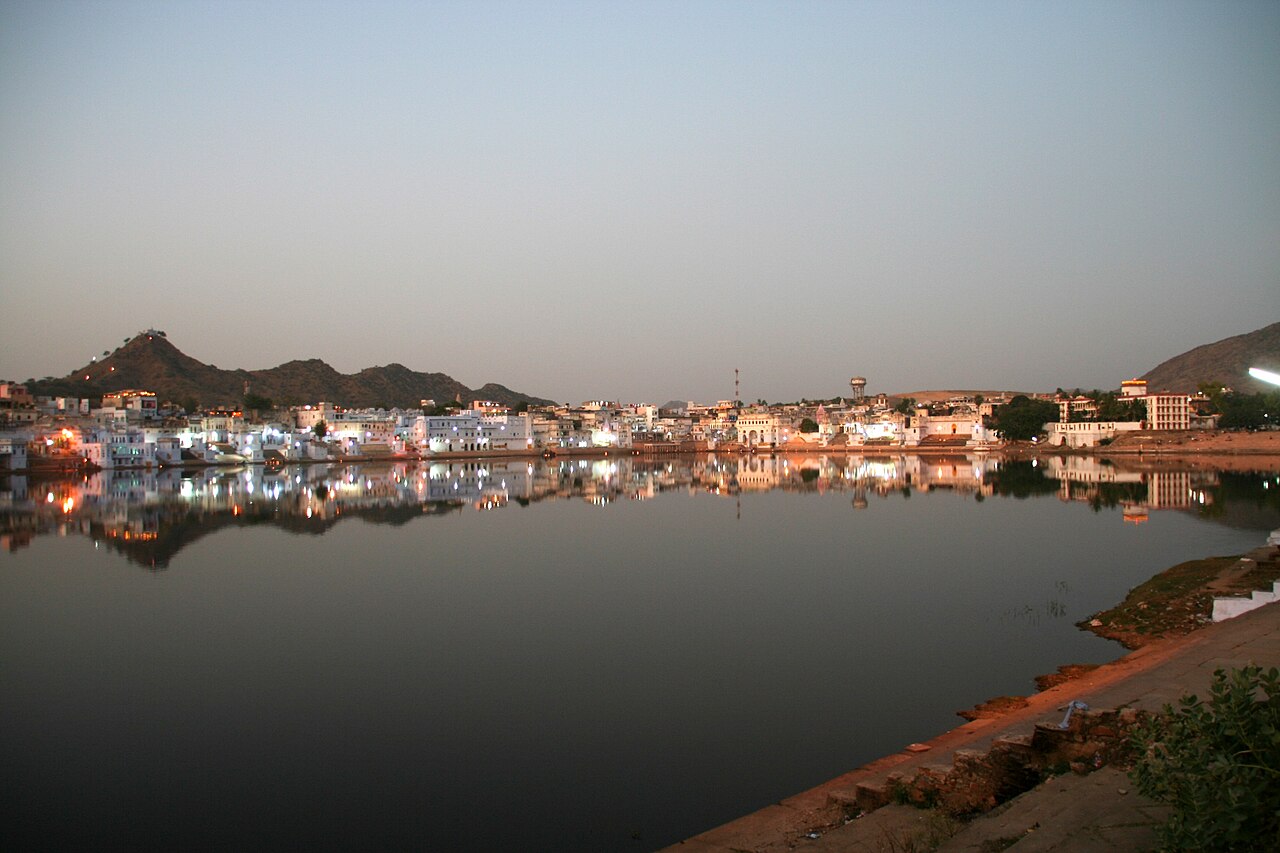
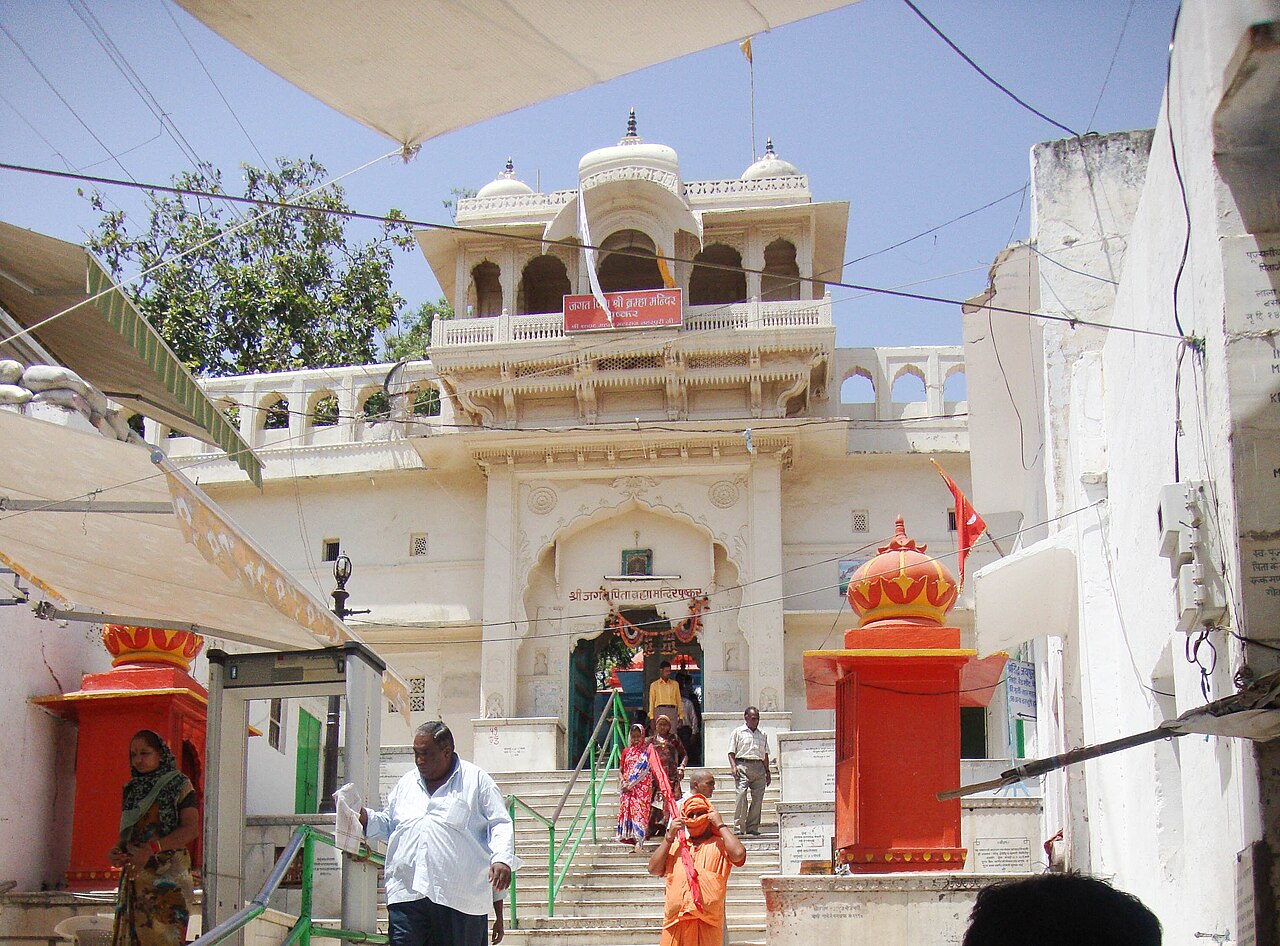
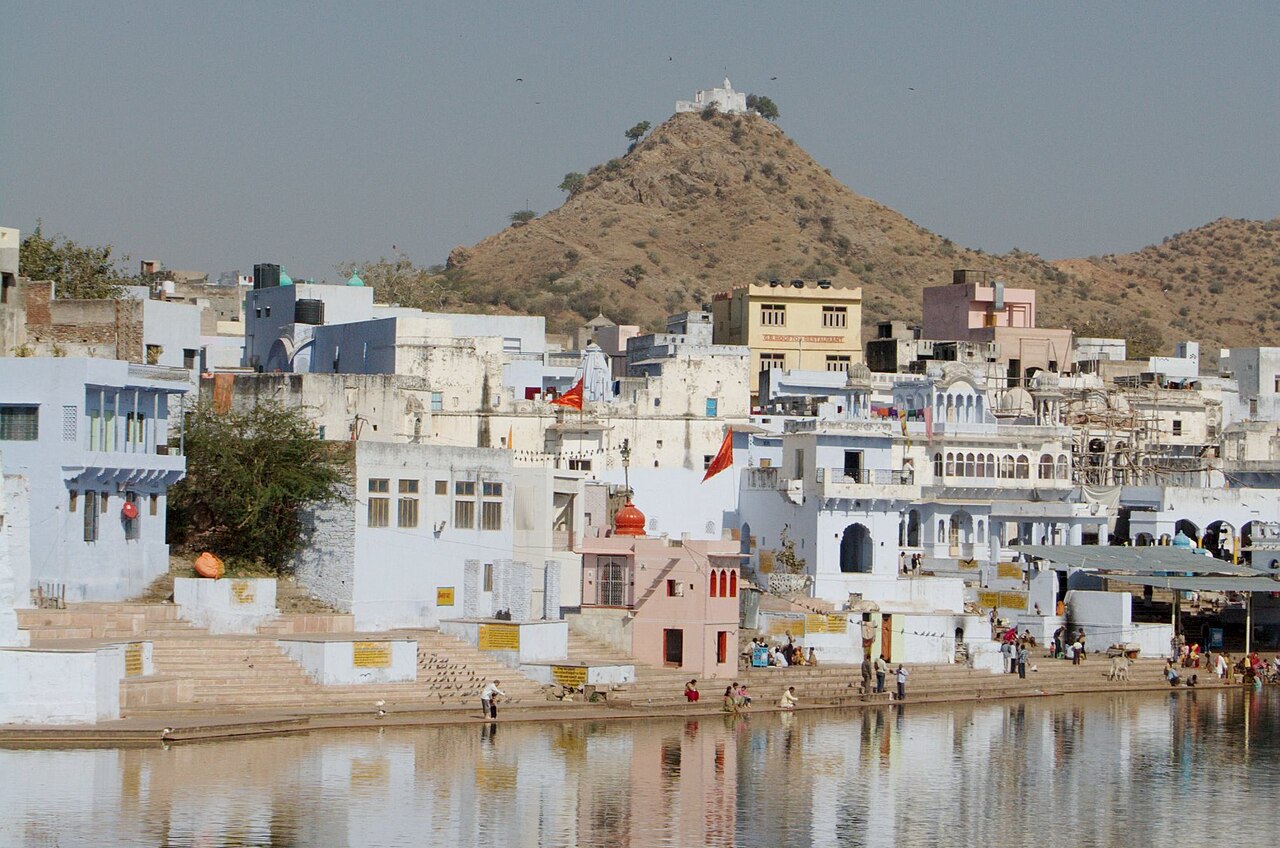
Varaha Temple sits in the tighter lanes of the old town close to Varah Ghat, a modest stone structure that ranks, by most local accounts, among the oldest temple foundations in Pushkar — considerably older in origin than the currently visible building, which reflects a much later rebuilding. The temple is dedicated to Varaha, the boar-headed avatar Vishnu assumed to lift the earth goddess Bhudevi from the cosmic ocean after the demon Hiranyaksha dragged her to its depths, an episode from the Puranic accounts of Vishnu's ten principal incarnations. The sanctum's central image shows Varaha in a squat, muscular boar-headed form, cast in dark stone, with Bhudevi held aloft on a single raised tusk — an iconographic detail repeated at other major Varaha sites across India but rendered here in a plainer, less ornamented style than the grander examples at Khajuraho or Eran. The temple's stone construction is noticeably simpler than the Brahma Temple's marble facing a short walk away — rougher local sandstone blocks, a low ceiling in the inner hall, and a squat, unadorned shikhara rather than the tapering red spire that marks Pushkar's more prominent shrines. This plainness is itself informative: unlike the Brahma Temple's continuous high-profile patronage, Varaha Temple functioned for long stretches as a working neighbourhood shrine rather than a headline pilgrimage stop.
Beste Tageszeit: 06:30 – 08:00. For the morning ritual and a quieter, cooler walk through the surrounding old-town lanes.
Öffnungszeiten von Varaha Temple
- Öffnungszeiten
- 06:00–20:00
Mon–Sun 06:00–12:30 and 16:00–20:00 - Geschlossen an
- Täglich geöffnet
Öffnungszeiten zusammengestellt aus rajasthantourism.gov.in und öffentlichen Quellen, zuletzt aktualisiert am . Sie können sich ohne Vorankündigung ändern — vor der Reise bitte bestätigen. Wie wir diese Reiseführer schreiben
Eintrittspreis für Varaha Temple
| Ticket | Preis |
|---|---|
| Indische Besucher | Kostenlos |
| Ausländische Besucher | Kostenlos |
| Kinder | Kostenlos |
| Kamera | Kostenlos |
No entry ticket. Photography permitted in the outer courtyard; restricted inside the inner sanctum. Donation box for voluntary contributions near the sanctum entrance.
Preise zusammengestellt aus rajasthantourism.gov.in und öffentlichen Quellen, zuletzt aktualisiert am . Sie können sich ohne Vorankündigung ändern — vor der Reise bitte bestätigen. Wie wir diese Reiseführer schreiben
Beste Reisezeit für Varaha Temple
- Quiet
- Moderate
06:00 – 08:00
Morning RitualBest time to go
A handful of local devotees for the day's opening ritual; the lane is quiet and residential activity is just starting.
Quiet08:00 – 12:00
Late Morning
Occasional visitors passing through on a wider old-town walk; rarely crowded even on weekends.
Quiet12:30 – 16:00
Midday Closure
Temple gate closed; only the exterior lane and stonework are viewable from outside.
Quiet16:00 – 19:00
Evening Reopening
Local families arrive for evening darshan; still notably calmer than the Brahma Temple a short walk away.
Moderate
Geschichte von Varaha Temple
Epigraphic evidence gives Varaha worship at Pushkar a documented medieval pedigree: an inscription associated with the Chahamana (Chauhan) ruler Vigraharaja IV, who controlled Ajmer and the surrounding region in the 12th century, references temple patronage at Pushkar and situates organised Vaishnava worship here well before most of the lake's currently visible ghat architecture existed. Local tradition credits an earlier Chauhan-era foundation for the original Varaha shrine, making it, by most reckonings, older in religious lineage than the current Brahma Temple structure, even though the latter draws far more visitor attention today.
Like other prominent Hindu shrines across northern India, the temple suffered destruction or serious damage during periods of Mughal-era iconoclasm, a fate documented for numerous Rajasthan temples of comparable antiquity, and the structure now standing reflects a later reconstruction rather than unbroken original stonework. The rebuilding is generally attributed to regional Rajput or Maratha-era patronage in the 18th century, consistent with the broader wave of temple restoration that also reshaped much of Pushkar's ghat architecture during the same period, though the exact patron and precise year are not as clearly documented here as at some of the town's better-recorded monuments.
Regeln & Etikette in Varaha Temple
Standard Hindu temple protocol applies: shoes removed at the entrance step, modest dress expected, and a queue observed for darshan rather than crowding the sanctum threshold. The lane approach is narrow, sometimes only wide enough for single-file foot traffic, and shares space with residential doorways — moving quickly or loudly through this stretch draws visible disapproval from local residents in a way it would not on the wider bazaar streets.
Unlike Rangji Temple, non-Hindus are generally permitted to approach the outer sanctum here, though as with any smaller neighbourhood shrine in India, this can vary by the discretion of whichever priest is on duty that day, and a polite request at the threshold is the appropriate way to confirm rather than assuming automatic access.
The temple's operating hours include a longer midday closure than some of Pushkar's other shrines — arriving between roughly 12:30 and 16:00 means the gate will simply be shut, with no partial courtyard access.
Tipps für den Besuch von Varaha Temple
- 1
Varaha Temple works best as a five-minute stop within a longer walk through the old town's lake-facing lanes rather than a dedicated excursion — it sits close enough to Varah Ghat and the western ghats that combining the two, plus a look at the Brahma Temple a short walk further on, makes for a coherent hour-long circuit through Pushkar's religious core.
- 2
Because it draws a fraction of the Brahma Temple's footfall, it is one of the few sites in central Pushkar where a visitor can watch an unhurried, unperformed version of daily temple ritual — the resident priests here are noticeably more willing to explain the Varaha iconography to an interested visitor precisely because so few ask.
- 3
The surrounding lane holds several small brass and stone idol workshops rather than tourist-facing shops, worth a glance for anyone interested in how devotional objects are actually made rather than only sold.
Anreise nach Varaha Temple
Wir haben die genaue Position von Varaha Temple noch nicht erfasst; die Karte zeigt die anderen Orte aus unserem Pushkar-Reiseführer. Nutze die Adresse unten oder den Routenlink.
Varaha Ghat lane, old town, Pushkar, Ajmer district, Rajasthan 305022Route in Google Maps
Ab Brahma Temple
0.6 km · 8–10 min walk
Free — walkable through old-town lanes; no vehicle practical given lane width.
Ab Ajmer Junction Railway Station (AII)
₹300–₹45015 km · 30–40 min
Auto/taxi to the nearest drop point on Sadar Bazaar, followed by a short walk).
Ab Pushkar Bus Stand
0.8 km · 10–12 min walk
Free on foot; the lane's width does not comfortably admit autos near the temple itself.
Nächster Flughafen
Ab Kishangarh Airport (KQH)
25 km, approximately 40–50 minutes. Jaipur International Airport (JAI) – 150 km, approximately 3–3.5 hours.
Nächster Bahnhof
Ab Ajmer Junction (AII)
15 km, approximately 30–40 minutes; Pushkar's own station has minimal daily service.
Häufige Fragen zu Varaha Temple
Is Varaha Temple older than the Brahma Temple in Pushkar?
By most local and epigraphic accounts, yes in terms of religious lineage — a 12th-century Chahamana (Chauhan) inscription references Vaishnava temple patronage at Pushkar predating much of the currently visible Brahma Temple structure, though the present Varaha building itself reflects a later reconstruction after Mughal-era damage.
Who is Varaha and why is he worshipped here?
Varaha is the boar-headed avatar Vishnu took to rescue the earth goddess Bhudevi from the demon Hiranyaksha, lifting her from the cosmic ocean on a raised tusk. The Puranic episode is one of Vishnu's ten principal incarnation stories.
Can non-Hindu visitors enter Varaha Temple?
Generally yes, unlike Pushkar's Rangji Temple, though access can depend on the discretion of the priest on duty at a given time. A polite request at the threshold is the appropriate way to confirm.
How much time should I set aside for Varaha Temple?
About 20–30 minutes is typical, since it is a small neighbourhood shrine best combined with a wider walk through the old town's lake-facing lanes rather than visited as a standalone destination.
Mit KI-Unterstützung aus offiziellen Quellen und öffentlichen Aufzeichnungen erstellt und erst nach den Prüfungen veröffentlicht, die beschrieben sind unter Wie wir diese Reiseführer schreiben. Niemand von Traveliac war persönlich vor Ort. Zuletzt aktualisiert am . Wie wir Orte bewerten und prüfen