
Ganesha Ratha
#5von 10 Orten zum Besuchen in MahabalipuramMahabalipuram, Tamil Nadu
Auch bekannt als Ganesh Ratha
Kurz gesagt
Öffnungszeiten: 06:00–20:00. Der Eintritt ist kostenlos. Plane 20 min ein. Beste Zeit: 06:00 – 08:00 or 16:00 – 18:00.
Aktualisiert am · Erstellt von Traveliac, KI-unterstützt · 4 Min. Lesezeit
- Öffnungszeiten
- 06:00–20:00
- Eintrittspreis
- Kostenlos
- Benötigte Zeit
- 20 min
- Beste Tageszeit
- 06:00 – 08:00 or 16:00 – 18:00
- Beste Monate
- Oct – Mar
- Adresse
- Shore Temple Road, near Mahabalipuram Beach, Mahabalipuram, Chengalpattu District, Tamil Nadu 603104
Über Ganesha Ratha
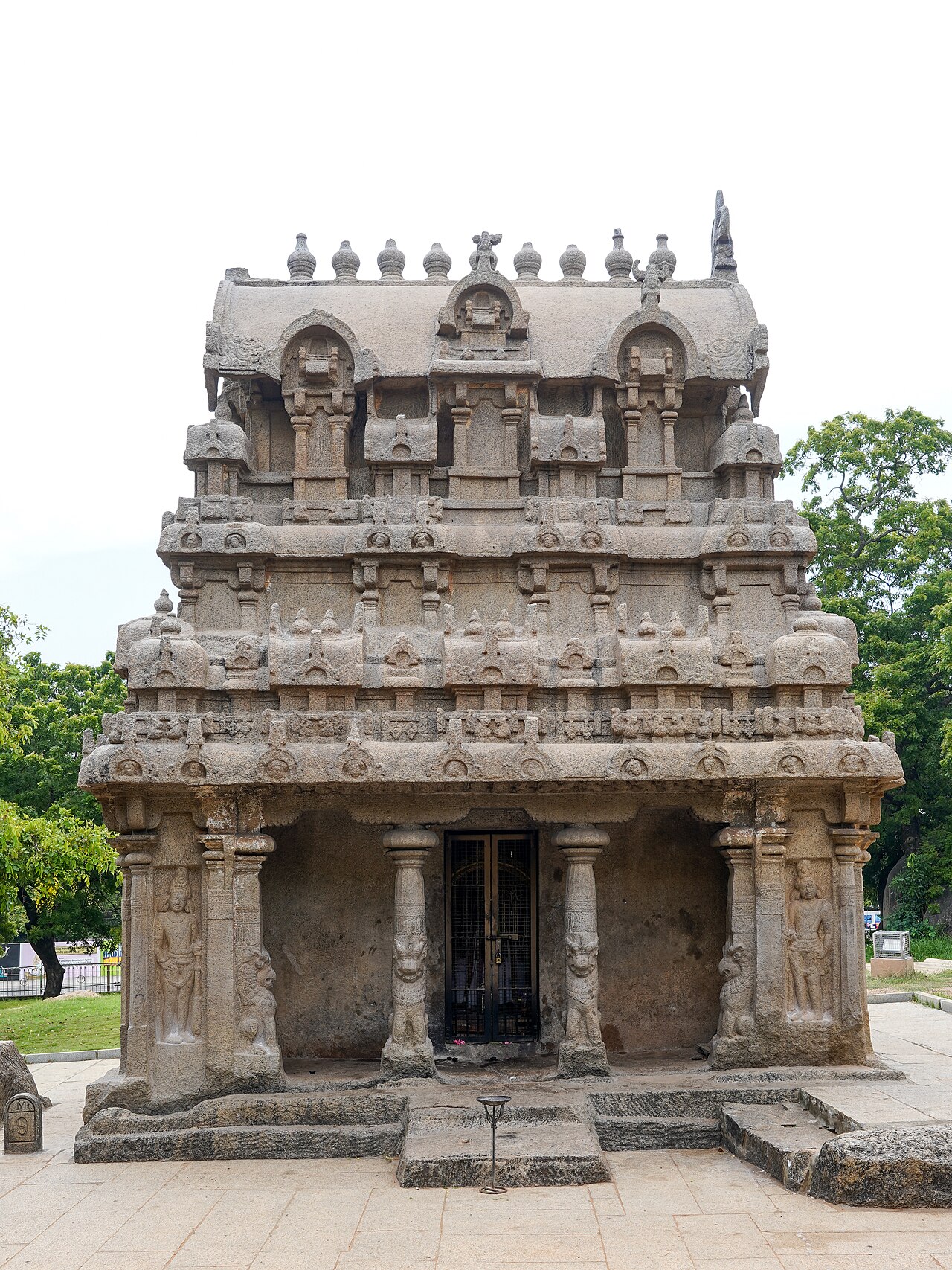
Ganesha Ratha stands a short walk from Mahabalipuram's main beach as a single-shrine monolith carved from one granite boulder around 650 CE, during the reign of Narasimhavarman I. Unlike the nearby Five Rathas, this one is a working shrine today: villagers installed an image of Ganesha inside the sanctum in the 1880s, after petitioning the British-era District Collector for permission, replacing an original Shiva linga that had gone missing from the chamber sometime before. The swap gives Ganesha Ratha a status found almost nowhere else among Mahabalipuram's seventh-century rock-cut monuments — an ASI-protected structure that is also an active place of daily worship.
Beste Tageszeit: 06:00 – 08:00 or 16:00 – 18:00. For the more devotional morning atmosphere, or 16:00 – 18:00 for a quieter sightseeing visit.
Öffnungszeiten von Ganesha Ratha
Ganesha Ratha öffnet um 06:00 und schließt um 20:00. Samstags und sonntags gelten dieselben Zeiten.
- Öffnungszeiten
- 06:00–20:00
Mon–Sun 06:00–20:00 - Geschlossen an
- Täglich geöffnet
Öffnungszeiten zusammengestellt aus tamilnadutourism.tn.gov.in und öffentlichen Quellen, zuletzt aktualisiert am . Sie können sich ohne Vorankündigung ändern — vor der Reise bitte bestätigen. Wie wir diese Reiseführer schreiben
Eintrittspreis für Ganesha Ratha
| Ticket | Preis |
|---|---|
| Indische Besucher | Kostenlos |
| Ausländische Besucher | Kostenlos |
| Kinder | Kostenlos |
| Kamera | Kostenlos |
No admission fee, though a donation box near the sanctum accepts optional offerings for temple upkeep.
Preise zusammengestellt aus tamilnadutourism.tn.gov.in und öffentlichen Quellen, zuletzt aktualisiert am . Sie können sich ohne Vorankündigung ändern — vor der Reise bitte bestätigen. Wie wir diese Reiseführer schreiben
Beste Reisezeit für Ganesha Ratha
- Quiet
- Moderate
- Busy
06:00 – 09:00
Morning Devotional Visits
Local devotees arrive for morning prayers, giving the shrine a livelier, more ritual atmosphere than later in the day.
Moderate09:00 – 12:30
Sightseeing Window
Tourist groups combine the stop with Krishna's Butter Ball and Arjuna's Penance, filling the small courtyard in front of the sanctum.
Busy12:30 – 16:00
Midday LullBest time to go
Visitor numbers drop through the hottest part of the day, leaving the compact shrine largely quiet.
Quiet16:00 – 18:30
Evening Visits
A second wave of both devotees and sightseers arrives as the heat eases toward evening.
Moderate
Geschichte von Ganesha Ratha
Ganesha Ratha was carved in the mid-to-late seventh century, during the reigns of Mahendravarman I and his son Narasimhavarman I, from a single block of pink-grey granite in the same quarrying tradition that produced the Pancha Rathas a short distance south. The shrine's sanctum originally held a Shiva linga, consistent with its barrel-vaulted roof style, a form closely associated with Shiva temples in early Dravidian architecture. At some point before the late nineteenth century the linga disappeared from the sanctum, with no surviving record explaining when or how, leaving the shrine empty until local villagers petitioned the colonial-era District Collector for permission to install an image of Ganesha in its place during the 1880s. That substitution has held ever since, and the ratha now functions as a living Ganesha shrine rather than a preserved ruin, distinguishing its status from the unconsecrated Pancha Rathas nearby. The structure was included in the 1984 UNESCO inscription of the Group of Monuments at Mahabalipuram despite its continued use for worship, an unusual arrangement for a site under archaeological protection.
Regeln & Etikette in Ganesha Ratha
Ganesha Ratha functions as an active shrine, so footwear must be removed before approaching the sanctum, and the temple observes a modest dress expectation of covered shoulders and knees even though no formal checkpoint enforces it. Entry is free, with no ASI ticket required despite the structure's protected-monument status, and a small donation box sits near the sanctum for those who wish to make an offering. Because worship continues here, photography directly of the Ganesha image inside the sanctum is discouraged out of respect, though photographing the ratha's exterior carving is unrestricted. The site draws a mix of pilgrims and sightseers, so mornings before 09:00 tend to have a more devotional atmosphere than the midday tourist window.
Tipps für den Besuch von Ganesha Ratha
- 1
Ganesha Ratha is easy to combine with Krishna's Butter Ball and Arjuna's Penance, all reachable on foot within ten minutes of each other in central Mahabalipuram, making it a natural stop on a walking loop of the town's free monuments. The shrine's compact scale means a visit takes fifteen to twenty minutes even including a moment at the sanctum, shorter than any other site on this list. Because Ganesha Ratha remains a working temple, visiting on a Tuesday or during the Ganesh Chaturthi festival period brings noticeably more local devotional activity and a livelier atmosphere than a routine weekday visit, though also a busier sanctum queue.
Anreise nach Ganesha Ratha
Der rote Stern zeigt Ganesha Ratha; die nummerierten Markierungen sind die 7 nächstgelegenen Orte aus unseren Reiseführern, jeweils mit ihrem Rang in der eigenen Stadt. Für Details auf eine Markierung tippen.
Shore Temple Road, near Mahabalipuram Beach, Mahabalipuram, Chengalpattu District, Tamil Nadu 603104Route in Google Maps
Ab Mahabalipuram Bus Stand
0.6 km · 8 min walk
Free (walking distance)
Ab Arjuna's Penance
0.4 km · 5–6 min walk
Free (walking distance)
Ab Chengalpattu Junction (CGL)
₹500–₹70029 km · 45–60 min
Auto/cab
Nächster Flughafen
Ab Chennai International Airport (MAA)
approximately 58 km, 1h 15m–1h 45m by road via ECR/OMR depending on traffic.
Nächster Bahnhof
Ab Chengalpattu Junction (CGL)
approximately 29 km, 45–60 minutes by road.
Häufige Fragen zu Ganesha Ratha
Is Ganesha Ratha an active temple or a preserved ruin?
It is both. Ganesha Ratha is an ASI-protected seventh-century monument that also functions as an active shrine, with villagers having installed a Ganesha image in the sanctum during the 1880s.
Was the shrine always dedicated to Ganesha?
No. The sanctum originally held a Shiva linga, which went missing before the late nineteenth century; villagers later received permission from the colonial District Collector to install a Ganesha image in its place.
Is there an entry fee for Ganesha Ratha?
No. The shrine is free to enter, though a donation box near the sanctum accepts optional offerings.
Is footwear removal required?
Yes. Because Ganesha Ratha remains an active place of worship, unlike the nearby Pancha Rathas, visitors must remove their shoes before approaching the sanctum.
Mit KI-Unterstützung aus offiziellen Quellen und öffentlichen Aufzeichnungen erstellt und erst nach den Prüfungen veröffentlicht, die beschrieben sind unter Wie wir diese Reiseführer schreiben. Niemand von Traveliac war persönlich vor Ort. Zuletzt aktualisiert am . Wie wir Orte bewerten und prüfen
Orte in der Nähe von Ganesha Ratha
Luftlinien-Entfernungen laut unserer Karte; Zeiten sind Schätzwerte.
 #6 in MahabalipuramFreier Eintritt
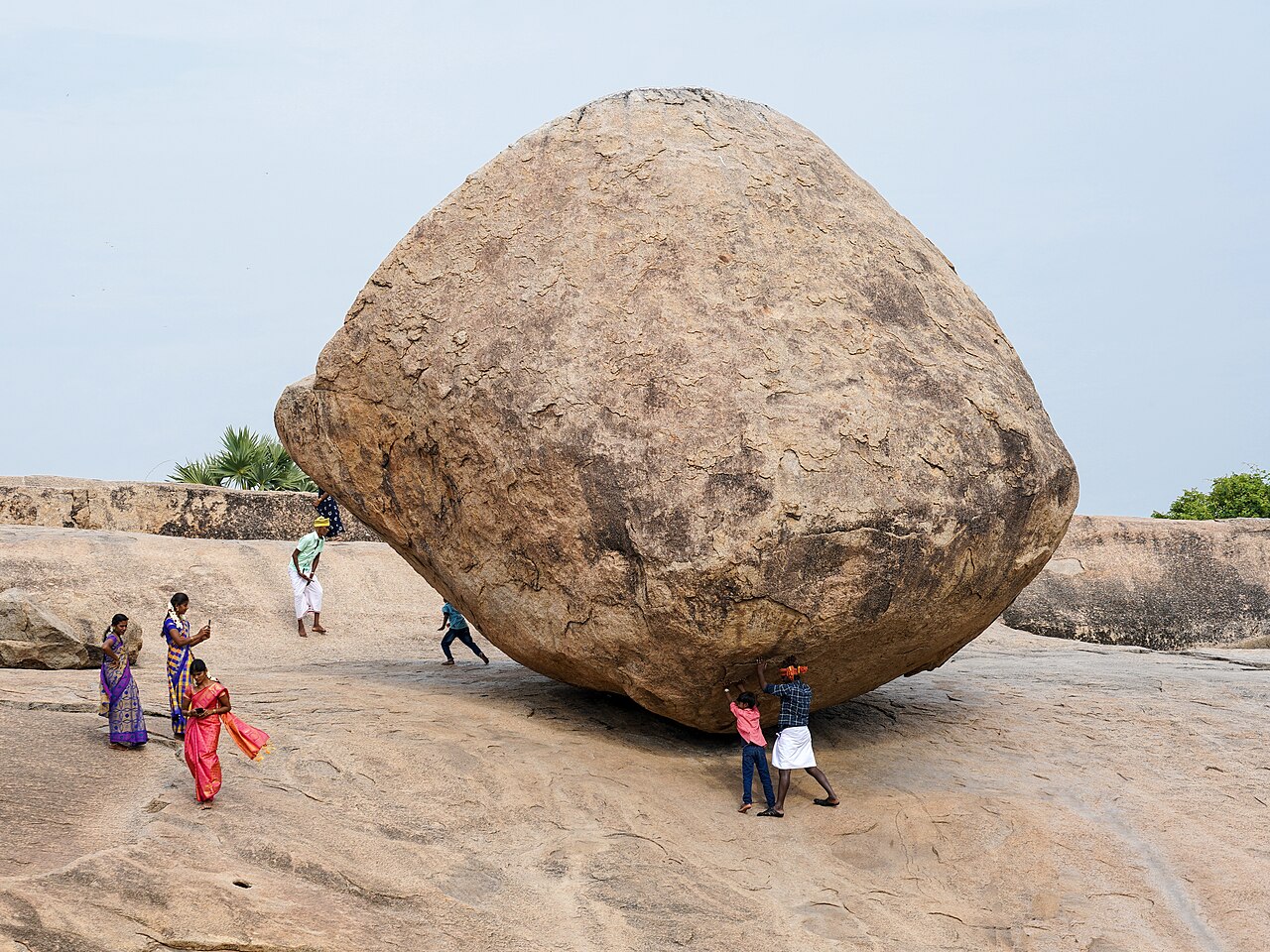
Krishna's Butter Ball
Kulturerbe · 100 m · about 2 min walk
 #4 in MahabalipuramFreier Eintritt
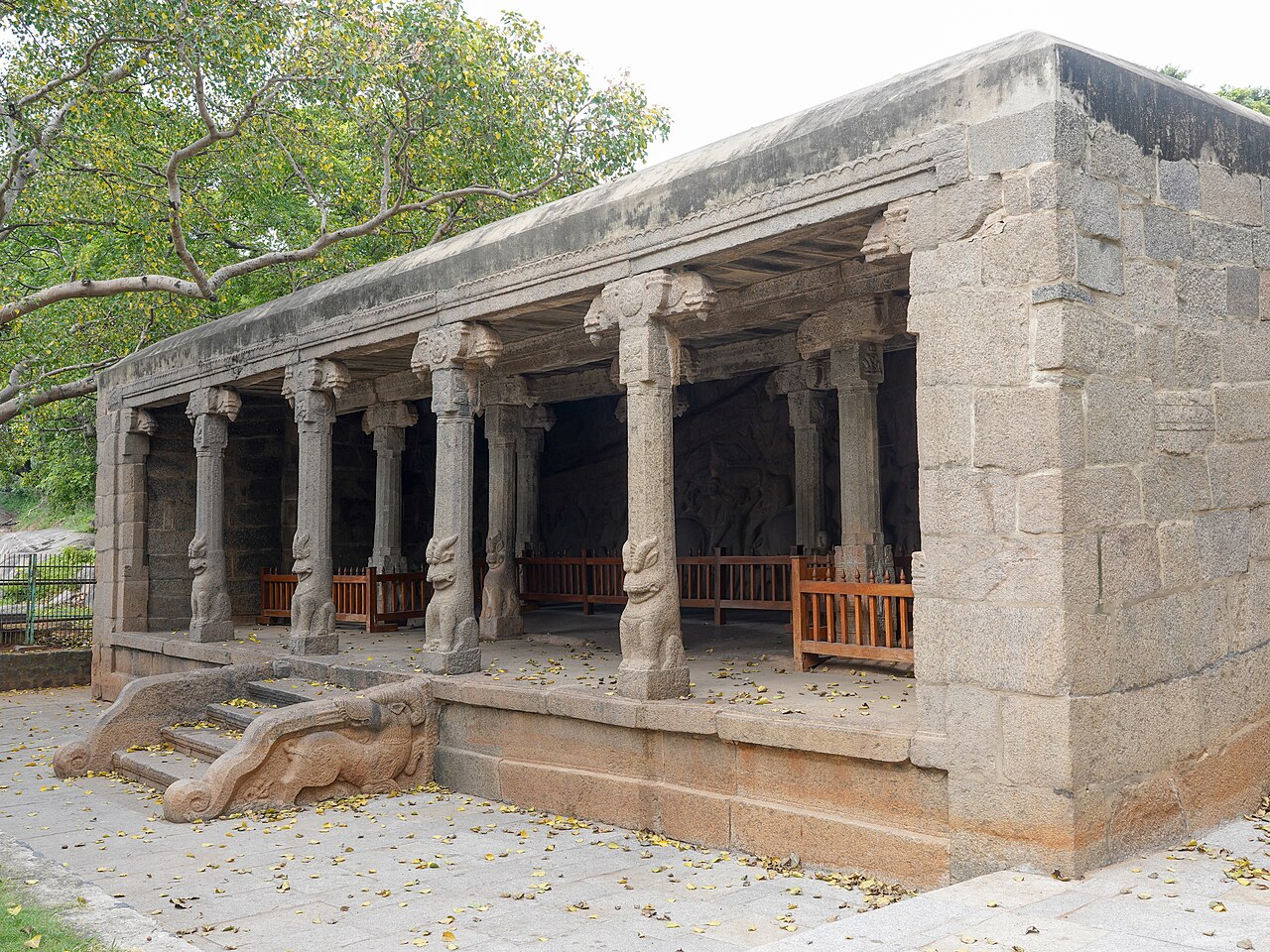
Krishna Mandapam
Tempel · 200 m · about 3 min walk
 #9 in Mahabalipuram
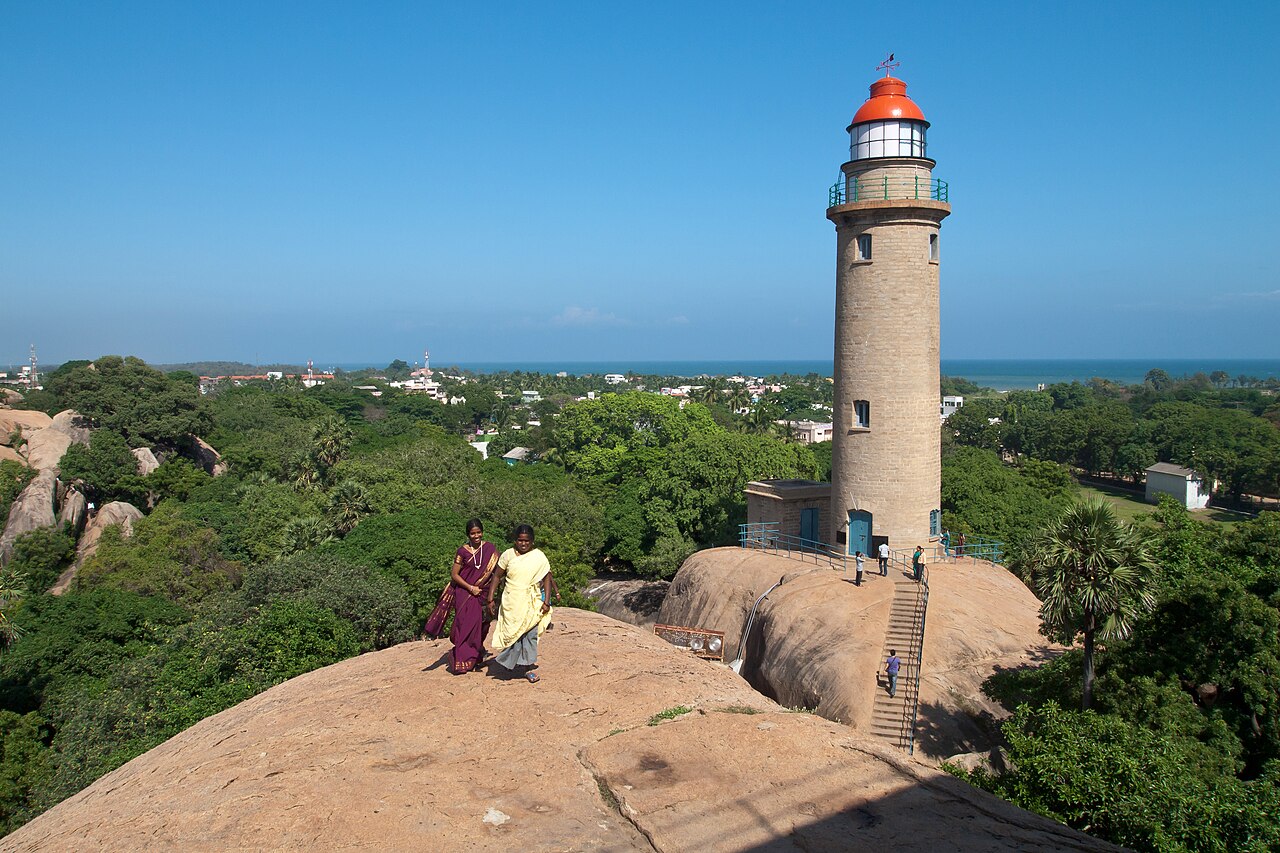
Mahabalipuram Lighthouse
Kulturerbe · 350 m · about 6 min walk
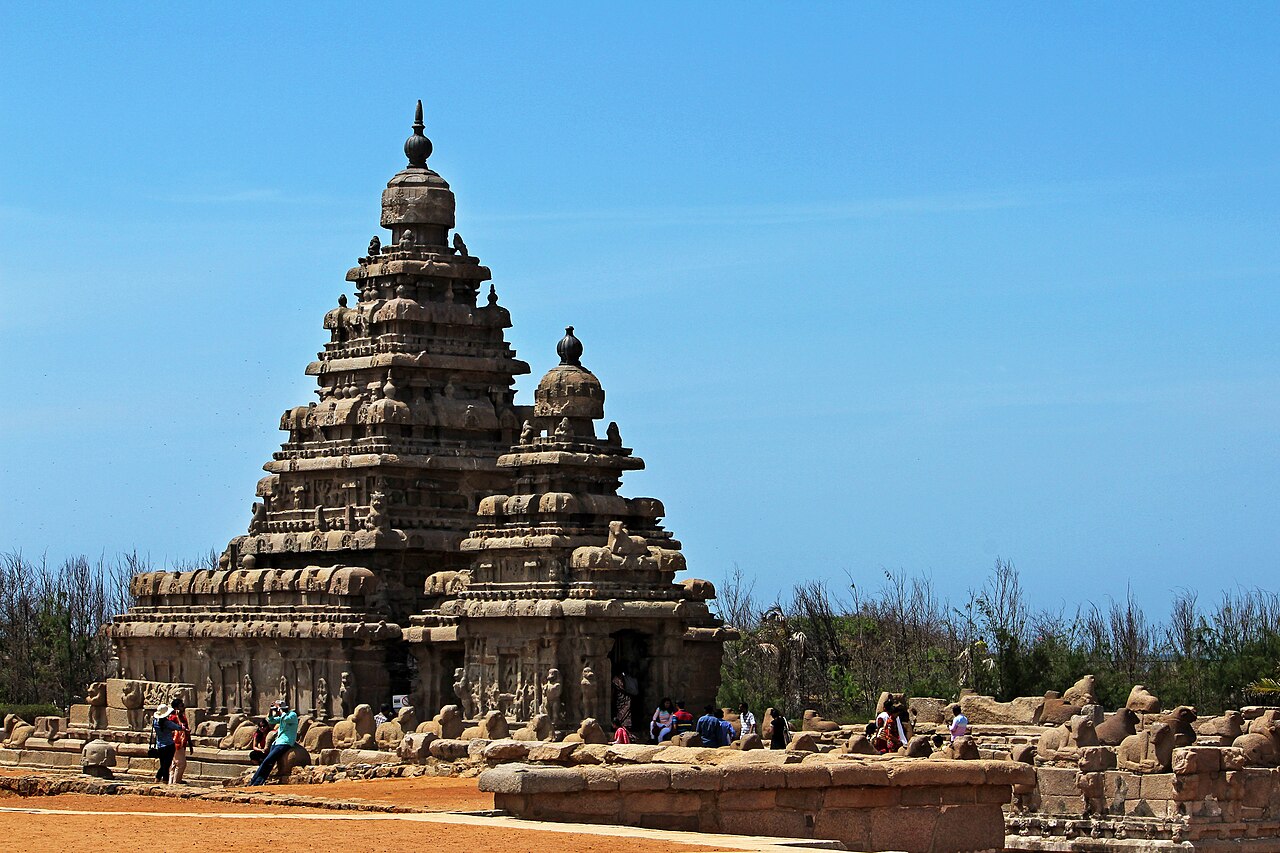 #1 in Mahabalipuram
Shore Temple
Tempel · 700 m · about 11 min walk