
Mahishasuramardini Cave Temple
#8von 10 Orten zum Besuchen in MahabalipuramMahabalipuram, Tamil Nadu
Auch bekannt als Mahishasuramardini Mandapa · Yampuri Cave
Kurz gesagt
Öffnungszeiten: 06:00–18:00. Der Eintritt ist kostenlos. Plane 20 min ein. Beste Zeit: 09:00 – 11:00.
Aktualisiert am · Erstellt von Traveliac, KI-unterstützt · 4 Min. Lesezeit
- Öffnungszeiten
- 06:00–18:00
- Eintrittspreis
- Kostenlos
- Benötigte Zeit
- 20 min
- Beste Tageszeit
- 09:00 – 11:00
- Beste Monate
- Oct – Mar
- Adresse
- Temple Hill, Mahabalipuram, Chengalpattu District, Tamil Nadu 603104
Über Mahishasuramardini Cave Temple
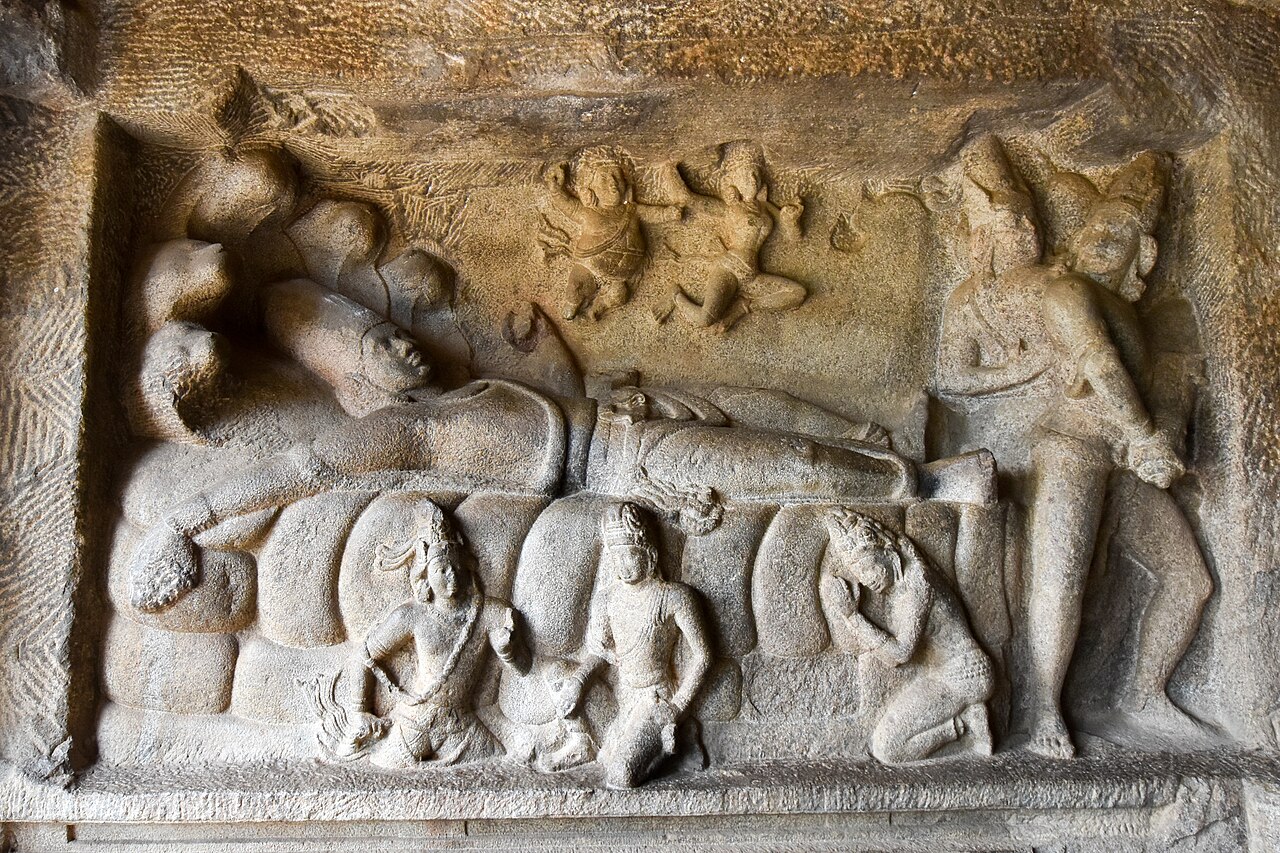
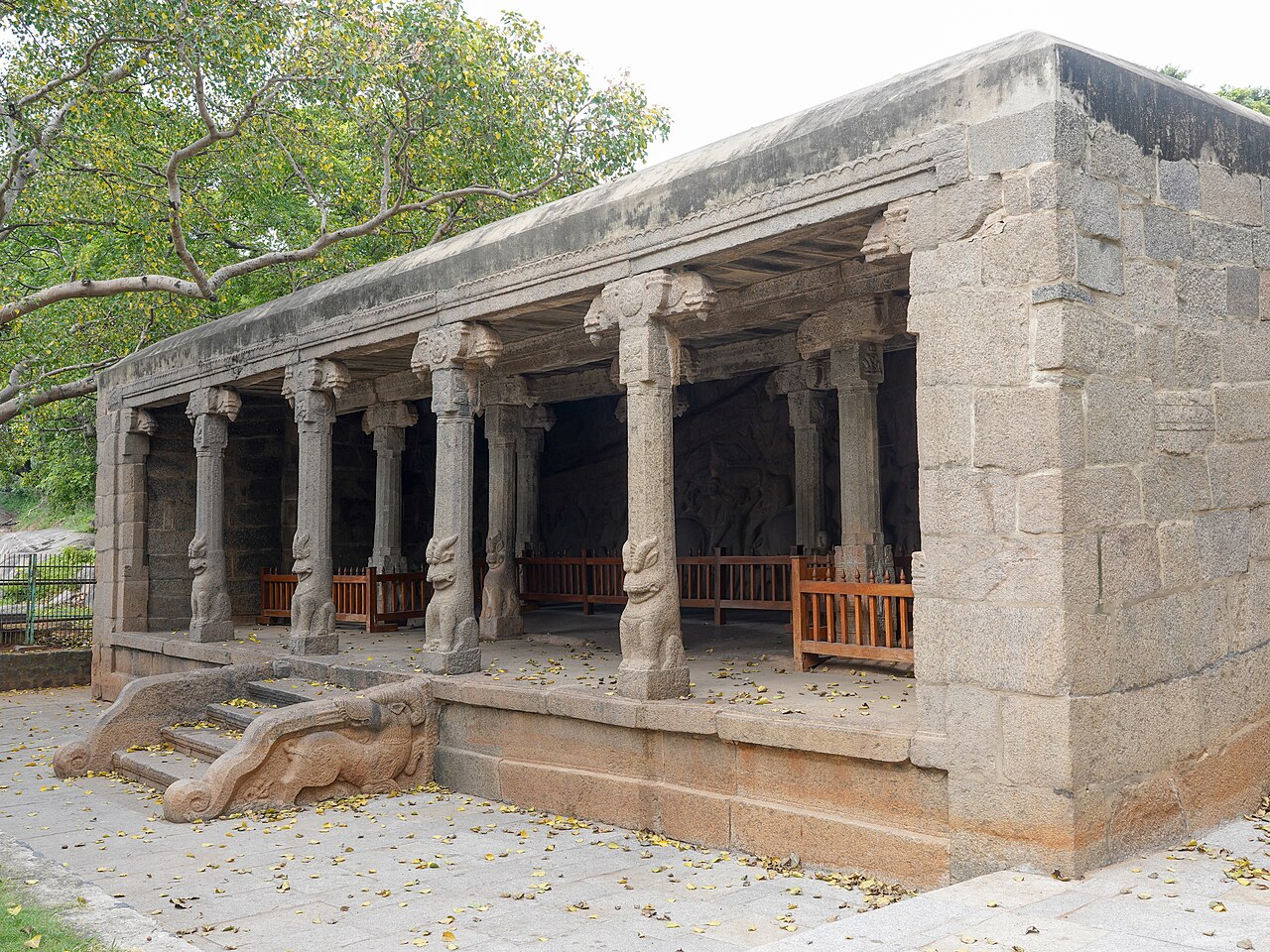
Mahishasuramardini Cave Temple cuts into the same granite hill as Varaha Cave Temple, a short climb above the old bus stand, and holds one of the finest relief panels to survive from Pallava-era South India. The north wall shows the goddess Durga, eight arms fanned out with sword, bow, and noose, riding a lion into battle against the buffalo-demon Mahishasura, frozen at the instant before his defeat rather than after it — a compositional choice art historians single out for its dramatic tension. Facing it on the south wall, a second panel shows Vishnu in his Anantasayana pose, reclining on the coiled serpent Adisesha in cosmic sleep, giving the small cave two of Pallava sculpture's most reproduced images in a single chamber.
Beste Tageszeit: 09:00 – 11:00. Matched with Varaha Cave Temple on the same uphill loop.
Öffnungszeiten von Mahishasuramardini Cave Temple
Mahishasuramardini Cave Temple öffnet um 06:00 und schließt um 18:00. Samstags und sonntags gelten dieselben Zeiten.
- Öffnungszeiten
- 06:00–18:00
Mon–Sun 06:00–18:00 - Geschlossen an
- Täglich geöffnet
Öffnungszeiten zusammengestellt aus incredibleindia.gov.in und öffentlichen Quellen, zuletzt aktualisiert am . Sie können sich ohne Vorankündigung ändern — vor der Reise bitte bestätigen. Wie wir diese Reiseführer schreiben
Eintrittspreis für Mahishasuramardini Cave Temple
| Ticket | Preis |
|---|---|
| Indische Besucher | Kostenlos |
| Ausländische Besucher | Kostenlos |
| Kinder | Kostenlos |
| Kamera | Kostenlos |
No separate admission fee. The cave temple is unfenced and open to the public outside the ticketed Shore Temple / Five Rathas precinct.
Preise zusammengestellt aus incredibleindia.gov.in und öffentlichen Quellen, zuletzt aktualisiert am . Sie können sich ohne Vorankündigung ändern — vor der Reise bitte bestätigen. Wie wir diese Reiseführer schreiben
Beste Reisezeit für Mahishasuramardini Cave Temple
- Quiet
- Moderate
06:00 – 09:00
Early ClimbBest time to go
Very few visitors this early; the panels are easiest to study without others waiting behind on the narrow verandah.
Quiet09:00 – 12:30
Mid-Morning Visitors
Small clusters arrive as part of a hilltop loop with Varaha Cave Temple and the lighthouse.
Moderate12:30 – 15:30
Midday Lull
Heat sends most visitors toward the beach or indoor sites; the cave stays cooler than the exposed hillside outside.
Quiet15:30 – 18:00
Late Afternoon
A second, smaller wave combines this stop with the lighthouse's afternoon opening session.
Moderate
Geschichte von Mahishasuramardini Cave Temple
Mahishasuramardini Cave Temple was carved in the seventh century during the reign of Narasimhavarman I, the Pallava king credited with founding Mahabalipuram as a functioning port town around 650 CE. The cave's verandah opens into three chambers whose columns rest on seated stone lions, a transitional design element art historians trace through the reigns of Mahendravarman I and his successor Rajasimha as the Pallava rock-cut style moved from plain excavated chambers toward increasingly sculptural architecture. A Somaskanda panel, showing Shiva, his consort Parvati, and their son Skanda seated together, occupies the central shrine, a compositional grouping that becomes a standard feature of later Pallava and Chola temple sanctums across Tamil Nadu. The Durga-Mahishasura battle scene on the north wall is widely reproduced in art history textbooks as a defining early example of the goddess's warrior iconography in South Indian sculpture, predating by centuries the more elaborate Durga imagery found in Chola bronzes.
Regeln & Etikette in Mahishasuramardini Cave Temple
Mahishasuramardini Cave Temple charges no admission fee and keeps the same approximate 06:00 to 18:00 hours as the other open cave temples on the hill. Footwear should come off before stepping onto the raised inner chambers, though the outer verandah can be crossed in shoes. Flash photography is discouraged near the Durga and Anantasayana panels since repeated flash exposure contributes to long-term fading of the carved surface's natural patina, though no formal ban is posted or enforced. The narrow verandah floor is uneven original stone rather than a levelled walkway, so footing needs care, particularly when moving between the dim interior and the bright hillside light outside.
Tipps für den Besuch von Mahishasuramardini Cave Temple
- 1
Mahishasuramardini Cave Temple rewards visitors who bring binoculars or a zoom lens, since the Durga panel's finest details — the individual weapons in her eight hands, the lion's mane, Mahishasura's collapsing stance — sit slightly above eye level and are easy to under-read at a glance. The hill's elevation gives a clear view down toward the lighthouse and the Bay of Bengal, worth the short extra climb even for visitors who find the cave itself modest in scale compared to Shore Temple. Combine the stop with Varaha Cave Temple, roughly five minutes' walk downhill, and the lighthouse, another ten minutes further up the same hill, for one continuous ascent rather than three separate detours.
Anreise nach Mahishasuramardini Cave Temple
Wir haben die genaue Position von Mahishasuramardini Cave Temple noch nicht erfasst; die Karte zeigt die anderen Orte aus unserem Mahabalipuram-Reiseführer. Nutze die Adresse unten oder den Routenlink.
Temple Hill, Mahabalipuram, Chengalpattu District, Tamil Nadu 603104Route in Google Maps
Ab Varaha Cave Temple
0.2 km · 5 min walk uphill
Free (walking distance)
Ab Mahabalipuram Bus Stand
0.6 km · 10 min walk
Free (walking distance)
Ab Chengalpattu Junction (CGL)
₹500–₹70029 km · 45–60 min
Auto/cab
Nächster Flughafen
Ab Chennai International Airport (MAA)
approximately 58 km, 1h 15m–1h 45m by road via ECR/OMR depending on traffic.
Nächster Bahnhof
Ab Chengalpattu Junction (CGL)
approximately 29 km, 45–60 minutes by road.
Häufige Fragen zu Mahishasuramardini Cave Temple
What is the main carving inside Mahishasuramardini Cave Temple?
The north wall shows an eight-armed Durga riding a lion into battle against the buffalo-demon Mahishasura, one of the most reproduced Pallava relief panels in Indian art history.
Is there an entry fee?
No. The cave temple is free to enter, open roughly from 06:00 to 18:00 daily.
What is the Anantasayana panel on the opposite wall?
It depicts Vishnu reclining in cosmic sleep on the coiled serpent Adisesha, one of two major relief scenes sharing the small cave chamber.
How far is it from Varaha Cave Temple?
Roughly five minutes on foot uphill; both caves sit on the same granite hillside above the old Mahabalipuram bus stand and are typically visited together.
Mit KI-Unterstützung aus offiziellen Quellen und öffentlichen Aufzeichnungen erstellt und erst nach den Prüfungen veröffentlicht, die beschrieben sind unter Wie wir diese Reiseführer schreiben. Niemand von Traveliac war persönlich vor Ort. Zuletzt aktualisiert am . Wie wir Orte bewerten und prüfen
Weitere Aktivitäten in Mahabalipuram
 #1 in Mahabalipuram
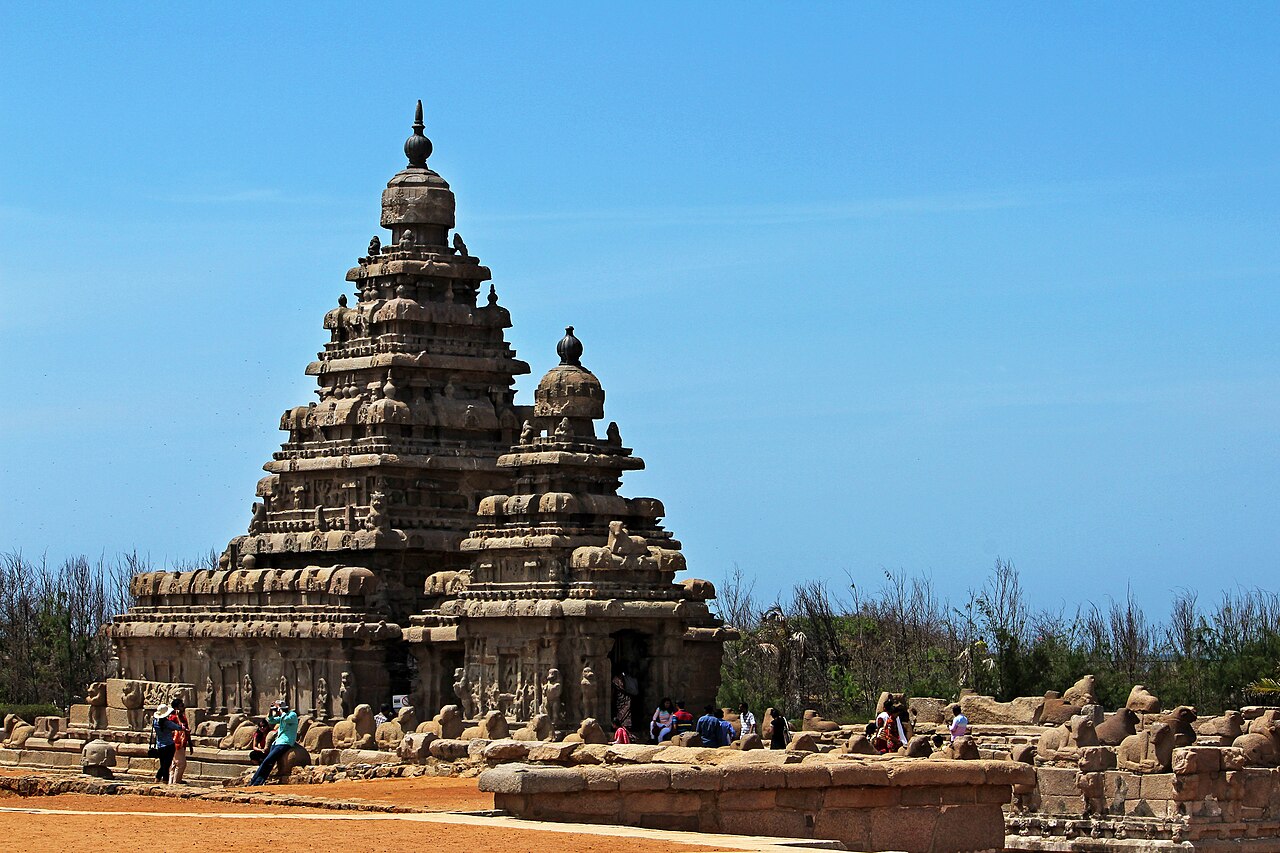
Shore Temple
Tempel · Mahabalipuram
 #2 in Mahabalipuram
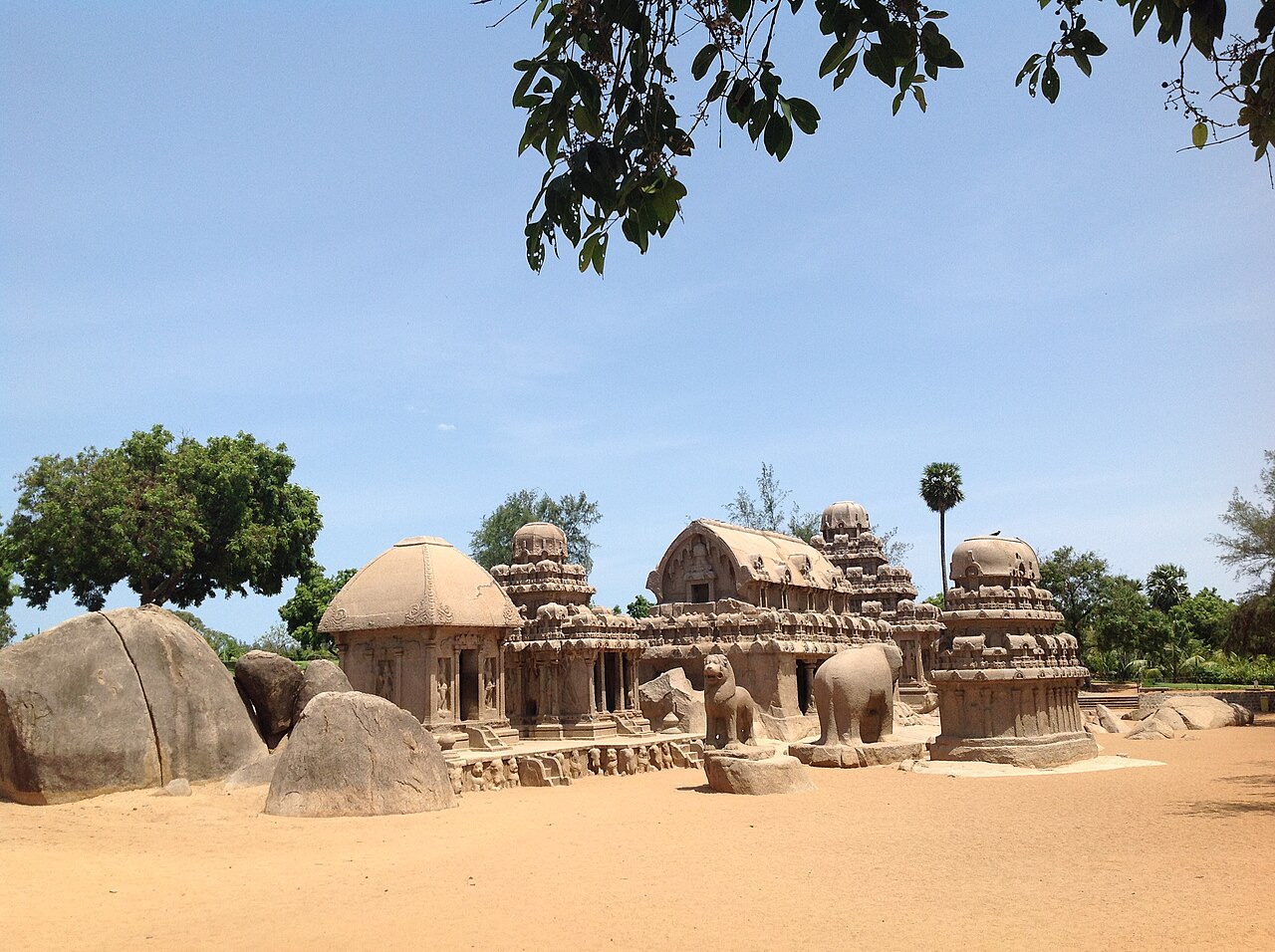
Five Rathas
Kulturerbe · Mahabalipuram
 #3 in MahabalipuramFreier Eintritt
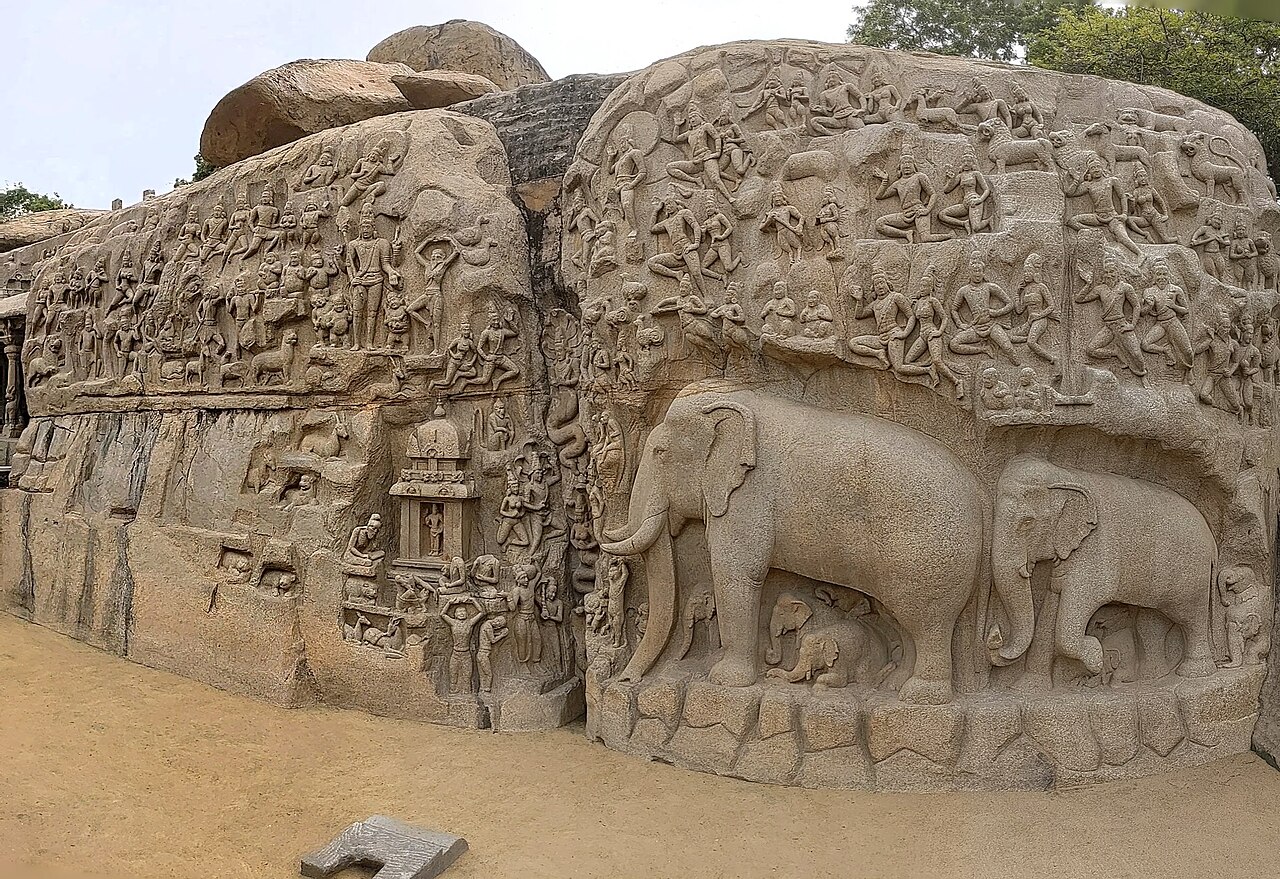
Arjuna's Penance
Kulturerbe · Mahabalipuram
 #4 in MahabalipuramFreier Eintritt
Krishna Mandapam
Tempel · Mahabalipuram