
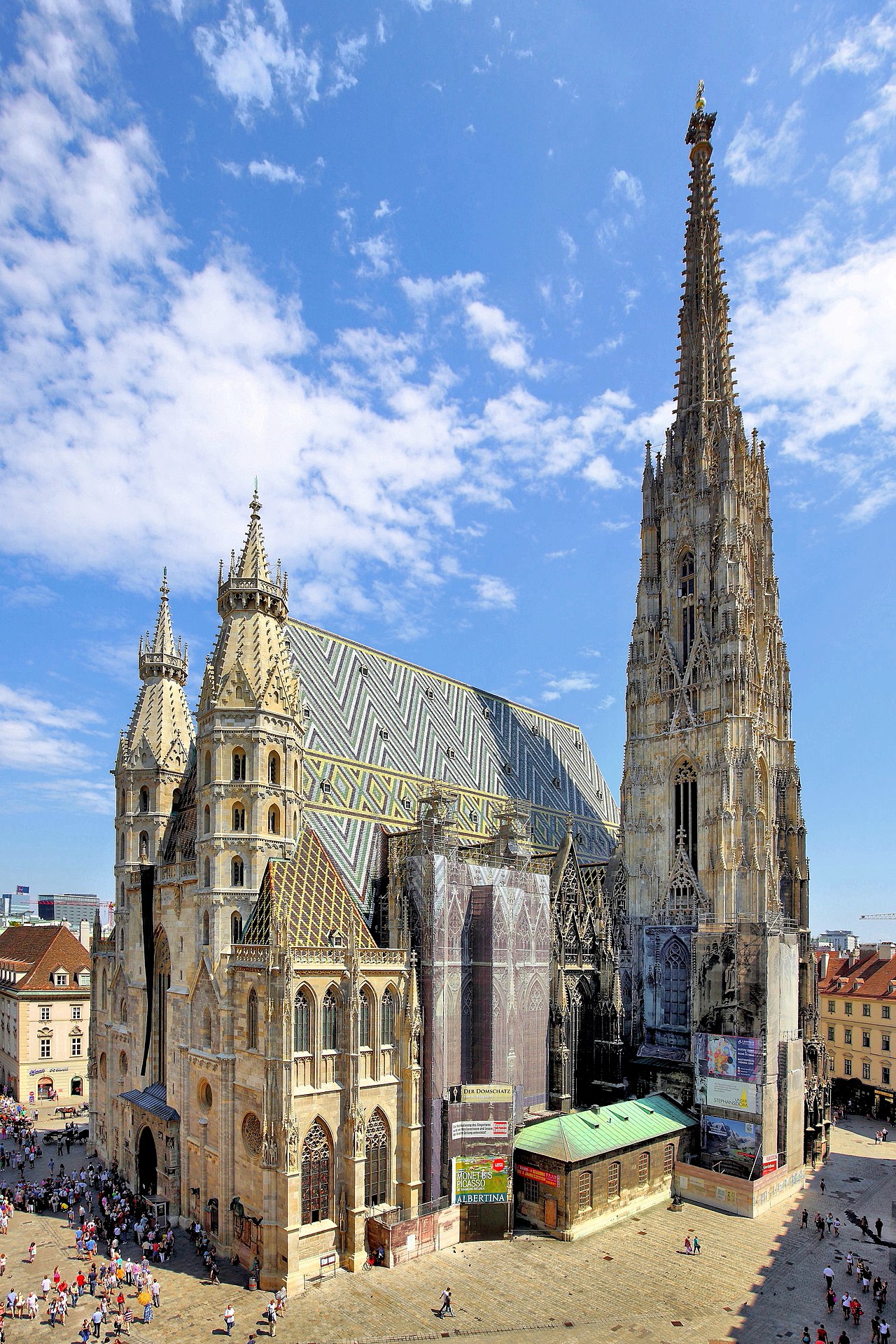
Lugares para visitar en Austria
A landlocked Alpine republic whose capital, Vienna, still runs on Habsburg-era coffee houses, opera nights and a grid of imperial palaces built when the empire stretched across Central Europe.
Austria has a temperate continental climate: Vienna reaches daytime highs of about 25-27°C in July and August, while January averages hover near 0-2°C with occasional snow, and the Alps to the west and south are markedly colder and wetter. April to June and September to October are the most comfortable months for walking a city on foot, with a second visitor wave from mid-November to 24 December when Christmas markets open in front of the Rathaus and across the old town. The rail network run by ÖBB links Vienna to Salzburg in roughly 2.5 hours, and the Vienna Airport (VIE) at Schwechat is about 18 km from the centre. Shops are closed on Sundays and public holidays by law, apart from stations and the airport, so buy groceries on Saturday; museums, cafés and restaurants stay open. Tipping is customary: round up or add about 5-10 percent when paying, stating the total you want to hand over aloud rather than leaving cash on the table. Viennese coffee house culture is on UNESCO's intangible heritage list, and a single coffee can legitimately occupy a table for an hour. Vienna tap water comes from Alpine springs and is safe and free to drink.
Capital
Vienna
Moneda
Euro (EUR, €)
Zona horaria
CET/CEST (UTC+1/+2)
Código telefónico
+43
Mejores meses
Apr – Jun, Sep – Oct, Dec
Visados y entrada
Austria is a Schengen Area member. EU/EEA/Swiss citizens need no visa. Citizens of the US, UK, Canada, Australia, Japan and a long list of other countries can enter visa-free for up to 90 days in any 180-day period under the Schengen short-stay rule. The EU Entry/Exit System (EES), which records a photo and fingerprints of non-EU visitors at external Schengen borders, has been phasing in since October 2025, and the ETIAS pre-travel authorisation for visa-exempt visitors is planned for later in 2026 - verify current start dates on the official EU travel pages before booking. Other nationalities need a Schengen visa from an Austrian embassy or consulate. Drivers on Austrian motorways need a digital vignette bought before entering.
Por dónde empezar en Austria
El lugar mejor clasificado de cada una de nuestras guías de ciudades.