
Places to Visit in Greece
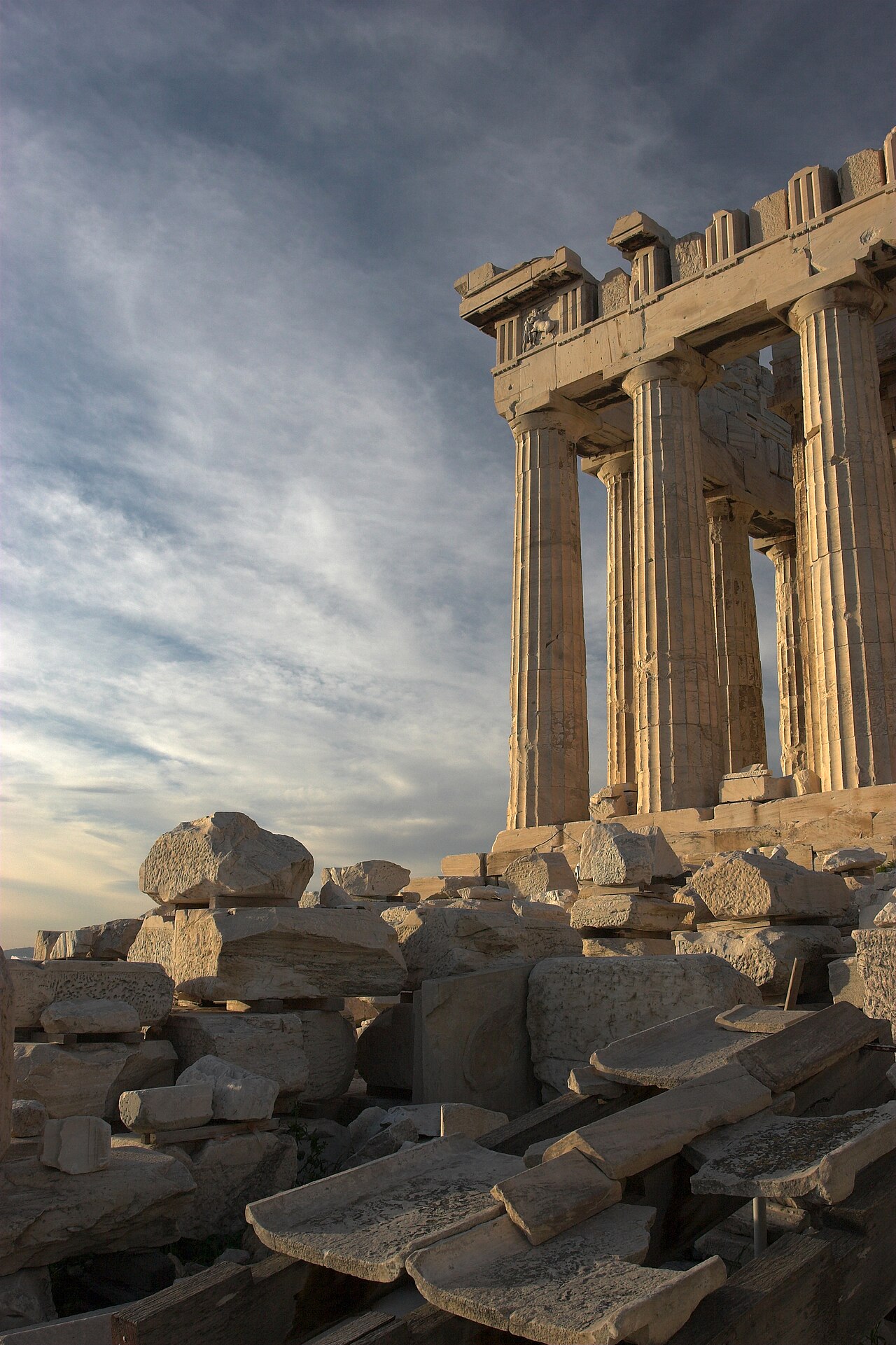
The cradle of Western philosophy and democracy, still legible in marble on a single hill above its modern capital.
Greece has a Mediterranean climate of hot, dry summers and mild, wetter winters, with Athens in the Attica region on the country's mainland functioning as the primary international gateway and the jumping-off point for ferries to the islands. Summer (June-August) brings the most reliable weather but also the most intense heat, the highest prices, and the heaviest crowds at both the Acropolis and the more famous islands (Santorini, Mykonos); May, June, September, and early October offer comparable weather with noticeably thinner crowds and lower costs. Greek Orthodox religious calendar dates (particularly Easter, which often falls on a different date from Western Easter) affect opening hours and transport schedules nationwide. Service charge is typically included in restaurant bills, though rounding up or a small additional tip is appreciated; many smaller island businesses operate on cash only.
Capital
Athens
Currency
Euro (EUR, €)
Time zone
EET/EEST (UTC+2/+3)
Calling code
+30
Best months
May – Jun, Sep – Oct
Visas and entry
Schengen Area member. EU/EEA/Swiss citizens need no visa. Many other nationalities (US, UK, Canada, Australia, Japan) can enter visa-free for up to 90 days in any 180-day period under the Schengen short-stay rule; ETIAS pre-travel authorisation is expected to apply to visa-exempt visitors once phased in. Other nationalities require a Schengen visa.
Where to start in Greece
The place ranked first in each of our city guides.