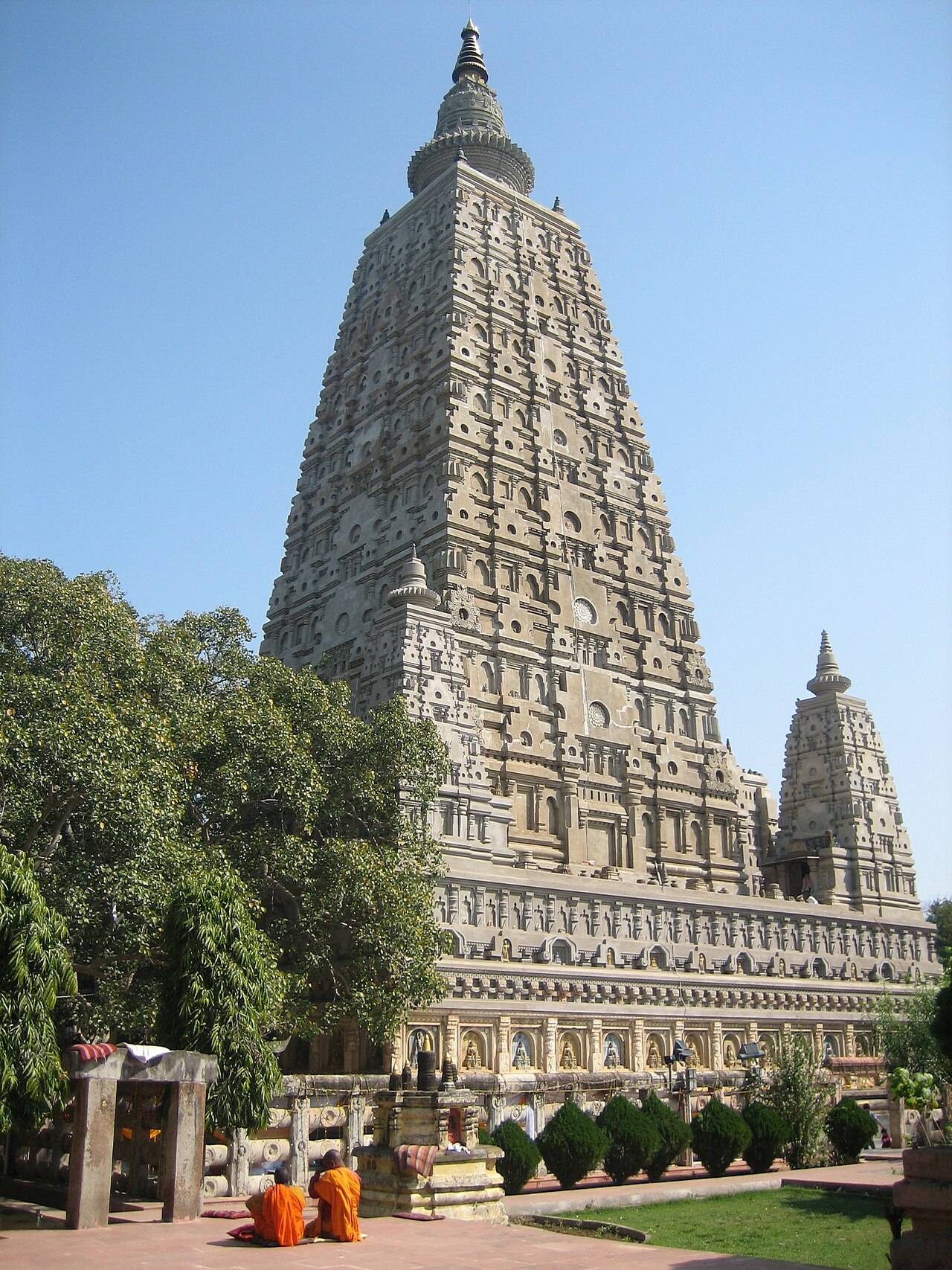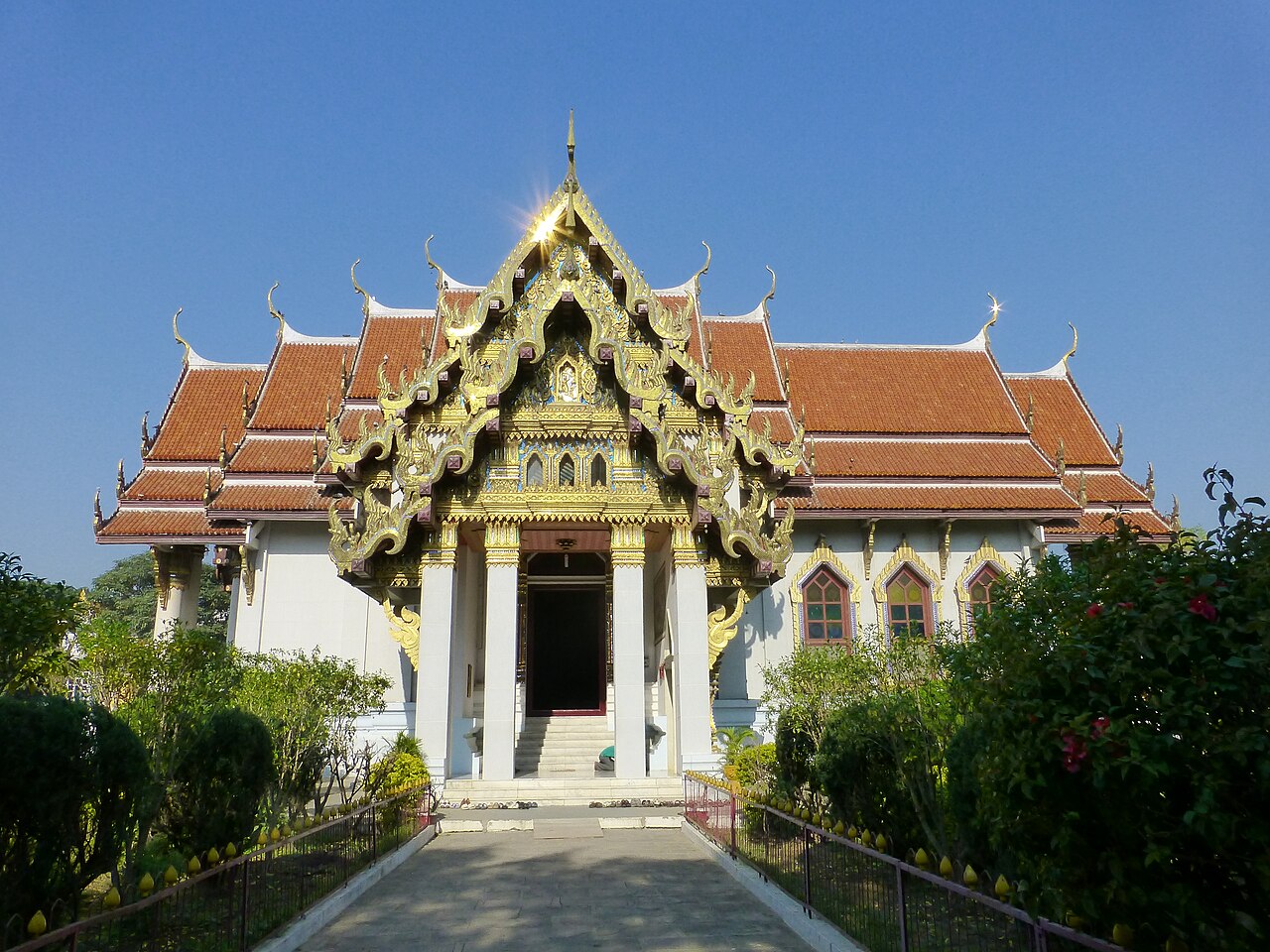
Sujata Stupa
#5de 5 lugares para visitar en Bodh GayaBodh Gaya, Bihar
También conocido como Sujata Garh · Sujata Kuti · Bakraur Stupa
Respuesta rápida
Horario: 06:00–18:00. La entrada es gratuita. Calcula 40 min. Mejor momento: Early morning or just before sunset.
Actualizado el · Redactado por Traveliac, con ayuda de IA · 4 min de lectura
- Horario
- 06:00–18:00
- Precio de entrada
- Gratis
- Tiempo necesario
- 40 min
- Mejor momento del día
- Early morning or just before sunset
- Mejores meses
- Oct – Feb
- Dirección
- Bakraur village (ancient Senanigrama), across the Niranjana (Falgu) river from the Mahabodhi Temple, approximately 4 km from central Bodh Gaya, Gaya District, Bihar 824231
Sobre Sujata Stupa
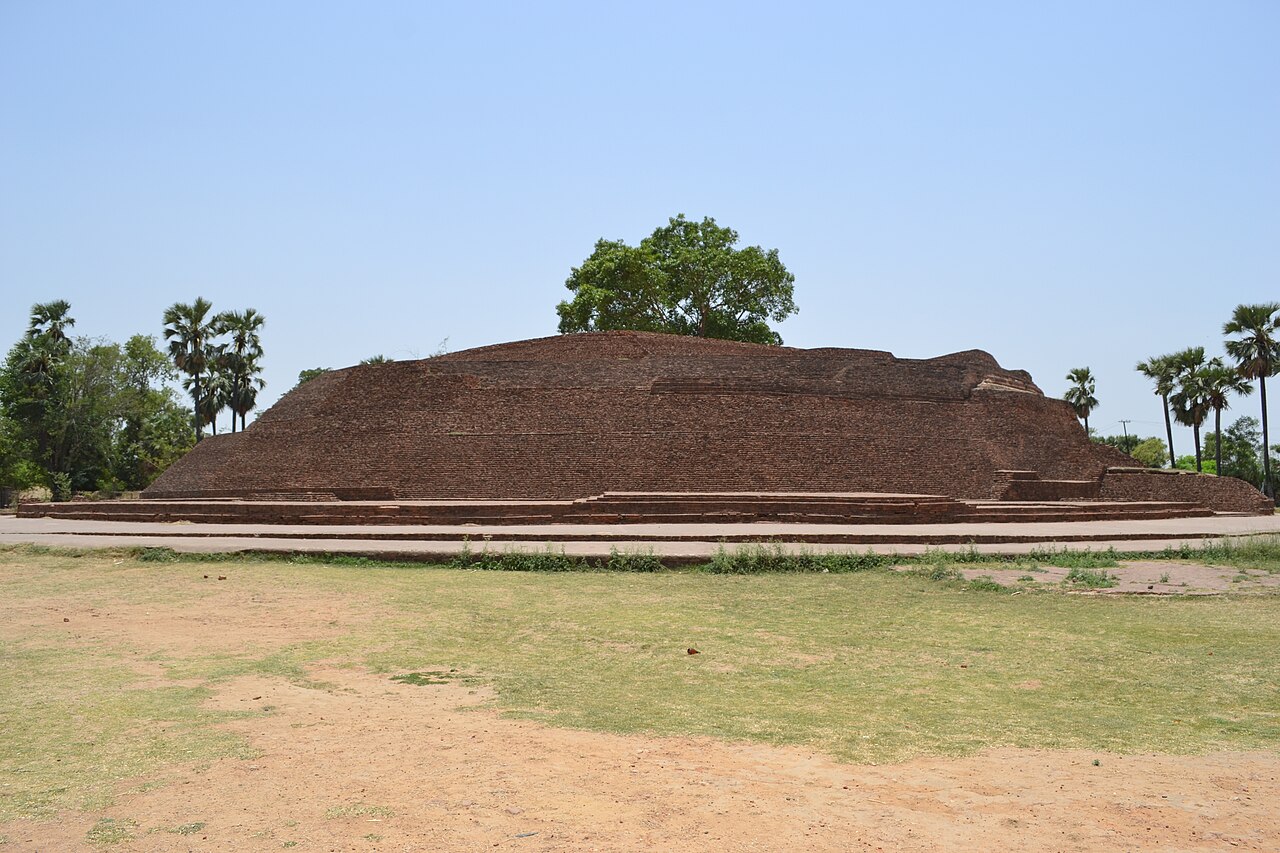
Sujata Stupa is a low, weathered mound of exposed brick rising in stepped, concentric terraces on the far bank of the Niranjana river from Bodh Gaya proper — a site that requires more imaginative effort than the Mahabodhi Temple to appreciate, since what survives is archaeological rather than devotional in presentation. It marks the traditional location of the village of Senanigrama, home to Sujata, the woman credited in Buddhist scripture with ending Siddhartha Gautama's six years of extreme fasting by offering him a bowl of milk-rice (kheer). That single meal, according to the tradition, restored enough physical strength for Gautama to walk the remaining distance to the Bodhi Tree and begin the meditation that led to enlightenment — making this modest brick mound, in narrative terms, the hinge point between total asceticism and the Middle Way. The site is genuinely archaeological: multiple construction phases are visible in the brickwork, from an original small shrine to a substantially enlarged double-terraced stupa with offering altars at the four cardinal points.
Mejor momento del día: Early morning or just before sunset. When the low light picks out the layered brickwork of the excavated mound and the site is free of the midday heat that reflects hard off the exposed brick and packed earth.
Horario de Sujata Stupa
- Horario
- 06:00–18:00
Mon–Sun 06:00–18:00 - Cierra los
- Abierto todos los días
Horario recopilados de tourism.bihar.gov.in y registros públicos, última actualización el . Pueden cambiar sin previo aviso — confírmalos antes de viajar. Cómo escribimos estas guías
Precio de entrada de Sujata Stupa
| Entrada | Precio |
|---|---|
| Visitantes indios | Free |
| Visitantes extranjeros | Free |
| Niños | Gratis |
| Cámara | Gratis |
The excavated stupa mound is an open ASI-protected site with no ticketed entry. There is no camera fee. A separate, more recently built Sujata Temple adjacent to the mound (privately/community managed) is also free to enter but requests a small voluntary donation.
Precios recopilados de tourism.bihar.gov.in y registros públicos, última actualización el . Pueden cambiar sin previo aviso — confírmalos antes de viajar. Cómo escribimos estas guías
Mejor época para visitar Sujata Stupa
- Quiet
6:00 AM – 9:00 AM
Early MorningBest time to go
Almost no visitors. Village life around Bakraur is active but the site itself is quiet, with soft light on the brick terraces.
Quiet9:00 AM – 1:00 PM
Circuit Visitors
Pilgrims combining Sujata Stupa with a Mahabodhi Temple and Bodhi Tree circuit arrive in small numbers, typically as part of an organised half-day itinerary rather than independent wandering.
Quiet1:00 PM – 4:00 PM
Midday Heat
Exposed brick and packed earth reflect heat strongly with no shade cover on the mound itself. Visitor numbers are lowest during this window regardless of season.
Quiet4:00 PM – 6:00 PM
Late Afternoon
The most comfortable and best-lit window for photography of the layered brickwork; the site rarely sees more than a handful of visitors even at its busiest natural point.
Quiet
Historia de Sujata Stupa
Archaeological Survey of India excavations conducted in 1973–74 and again in 2001–2006 established that the mound was first built around the 2nd century BCE, based on finds of Dark Grey Ware pottery and a punch-marked coin recovered from the earliest structural layer near the site. The stupa was substantially rebuilt and enlarged during the Gupta period (4th–6th century CE) into the double-terraced circular form with four ayaka (offering altar) projections that is now visible, and an 8th–9th century CE inscription discovered during excavation names the Pala king Devapala, confirming a further phase of reconstruction under Pala patronage — the same dynasty responsible for much of medieval Bodh Gaya's Buddhist infrastructure. The site therefore preserves roughly a millennium of continuous, layered construction rather than a single-period monument, which is part of why the exposed brick reads as complex and somewhat illegible to visitors expecting a single coherent structure. A separate, considerably more recent Sujata Temple has been built adjacent to the excavated mound to give the site an active devotional focus alongside its protected archaeological remains.
Normas y etiqueta en Sujata Stupa
As an ASI-protected excavation, climbing directly onto the exposed brick terraces is discouraged and, in places, physically barred by low railings — the brickwork is original fabric, not a reconstruction built to be walked on, and centuries-old lime mortar does not tolerate foot traffic well. The adjacent Sujata Temple, being a working shrine, expects shoes removed at its threshold even though the archaeological mound itself has no such requirement. The crossing to Bakraur is less heavily controlled than the Mahabodhi Temple side of the river, and touts offering 'guide' services at the site entrance are more persistent here than at the main temple complex precisely because there is no ticket counter or official signage to establish a baseline expectation — agree on a price before accepting any offered explanation of the site, or decline and rely on this account instead.
Consejos para visitar Sujata Stupa
- 1
Reaching Sujata Stupa means crossing the Niranjana (Falgu) river, most reliably via the Sujata Bridge, which carries vehicle traffic year-round; the riverbed itself runs dry or near-dry for much of the year outside monsoon, a detail worth knowing since some maps and older guidebooks describe a seasonal foot crossing that is no longer the most practical route. The site is usually combined with the Mahabodhi Temple and Bodhi Tree as the third stop on a half-day pilgrimage circuit, since the narrative connection — Sujata's meal restoring the ascetic Buddha's strength before his walk to the Bodhi Tree — makes far more sense when visited in that sequence rather than as an isolated stop. Come with realistic expectations: this is a quiet, sparsely visited excavation rather than a monumental site, and its value is largely narrative and historical rather than visually dramatic. Begging is more noticeable around the village approach to the stupa than at the heavily managed Mahabodhi Temple; a firm, polite decline is the standard local approach, and carrying small change is unnecessary.
Cómo llegar a Sujata Stupa
La estrella roja es Sujata Stupa; los pines numerados son los 2 lugares más cercanos de nuestras guías, cada uno con su clasificación en su ciudad. Toca un pin para ver más detalles.
Bakraur village (ancient Senanigrama), across the Niranjana (Falgu) river from the Mahabodhi Temple, approximately 4 km from central Bodh Gaya, Gaya District, Bihar 824231Cómo llegar en Google Maps
Desde Mahabodhi Temple Complex
₹80–₹1204 km · 15–20 min
Round trip negotiated, or ₹40–₹60 one-way shared
Desde Gaya Junction Railway Station
₹120–₹18016 km · 35–40 min
Desde Gaya International Airport (GAY)
₹150–₹25011 km · 25–30 min
Aeropuerto más cercano
Desde Gaya International Airport (GAY)
11 km, approximately 25 minutes by auto-rickshaw
Estación de tren más cercana
Desde Gaya Junction Railway Station
16 km, approximately 35–40 minutes by auto-rickshaw
Preguntas frecuentes sobre Sujata Stupa
What is the story connecting Sujata to the Buddha's enlightenment?
Sujata was a woman of the village of Senanigrama (present-day Bakraur) who, according to Buddhist tradition, offered the severely emaciated ascetic Siddhartha Gautama a bowl of milk-rice (kheer) after his six years of extreme fasting. The meal restored his physical strength, allowing him to cross the river to the Bodhi Tree and begin the meditation that led to enlightenment.
How old is the stupa, and is it a single structure?
Excavations date the earliest structural phase to around the 2nd century BCE, with substantial rebuilding during the Gupta period (4th–6th century CE) and further reconstruction under the Pala dynasty in the 8th–9th century CE, confirmed by an inscription naming King Devapala. It is a layered, multi-period site rather than a single-period monument.
How do you get to Sujata Stupa from the Mahabodhi Temple?
The most practical route is by auto-rickshaw across the Sujata Bridge, which spans the Niranjana (Falgu) river and carries vehicle traffic year-round. The riverbed itself is dry or nearly dry outside monsoon season, but the bridge remains the standard and most reliable crossing.
Is there an entry fee?
No. The ASI-protected excavated mound has no ticketed entry. The adjacent, more recently built Sujata Temple is also free, though it accepts voluntary donations.
Redactado con ayuda de IA a partir de fuentes oficiales y registros públicos, y publicado solo tras las comprobaciones descritas en Cómo escribimos estas guías. Nadie de Traveliac ha visitado este lugar. Última actualización el . Cómo clasificamos y verificamos los lugares
Lugares para visitar cerca de Sujata Stupa
Distancias en línea recta según nuestro mapa; los tiempos son estimados.