
Guía de viaje de Gujarat
Los 10 mejores lugares para visitar en Ahmedabad
También conocido como Amdavad · Karnavati
Ahmedabad sits on the eastern bank of the Sabarmati River and carries, within a relatively compact geography, more layers of contested and celebrated history than cities three times its size.
Actualizado el ·Redactado por Traveliac, con ayuda de IA ·Cómo clasificamos
- Mejor momento
- Oct – Mar
- Tiempo necesario
- Unos 2 días
- 12 horas de visitas
- Aeropuerto de llegada
- Sardar Vallabhbhai Patel International Airport
- Estación más cercana
- Ahmedabad Junction
- Entrada gratuita
- 8 de 10
Lo mejor para hacer en Ahmedabad
Clasificado según cinco criterios publicados- 1Entrada gratuita
Museo
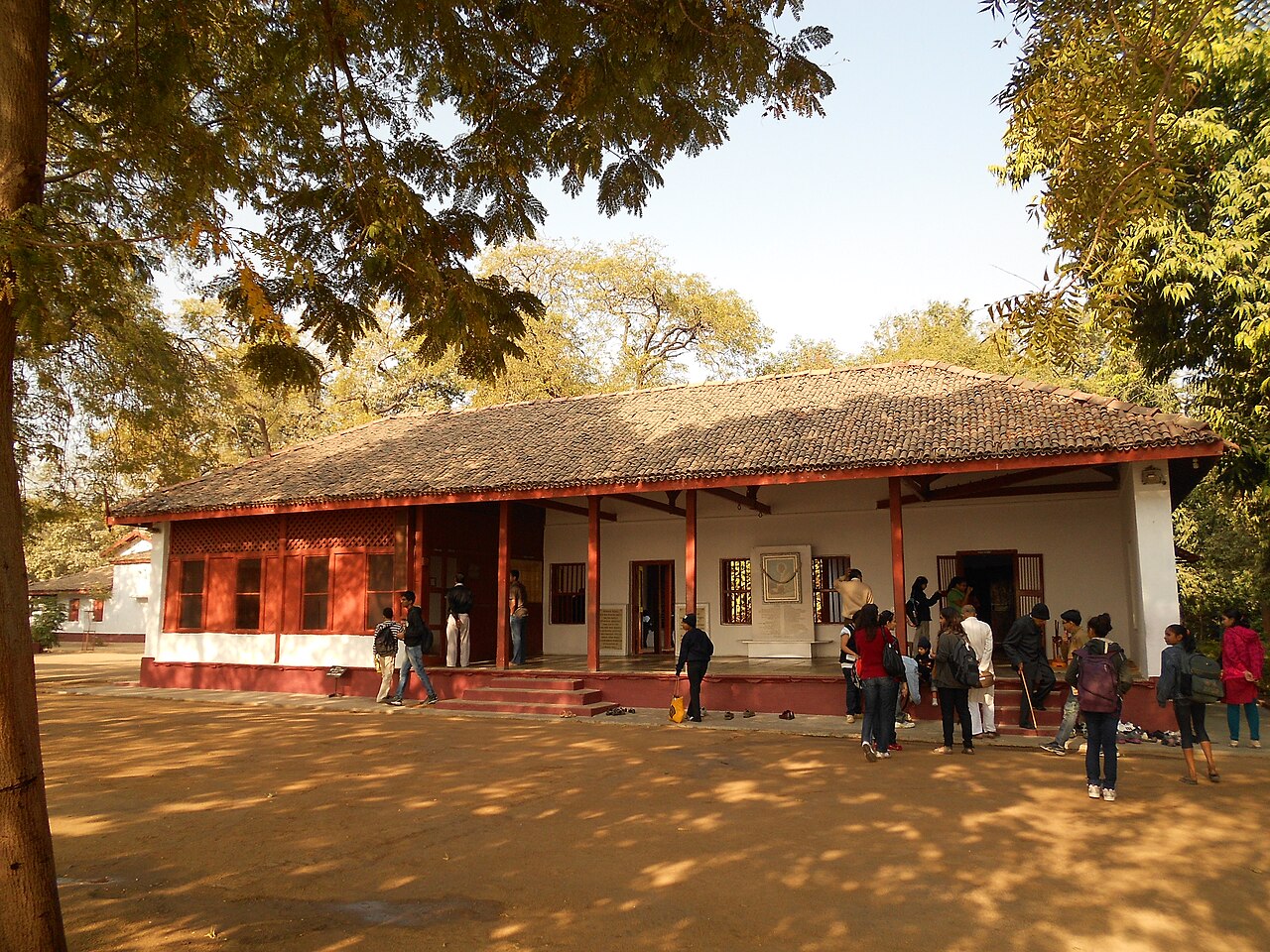
Sabarmati Ashram
On the western bank of the Sabarmati River, 5 kilometres north of the old walled city, a compound of low whitewashed buildings in local Gujarati…
1.5 hrs
 2Entrada gratuita
Patrimonio
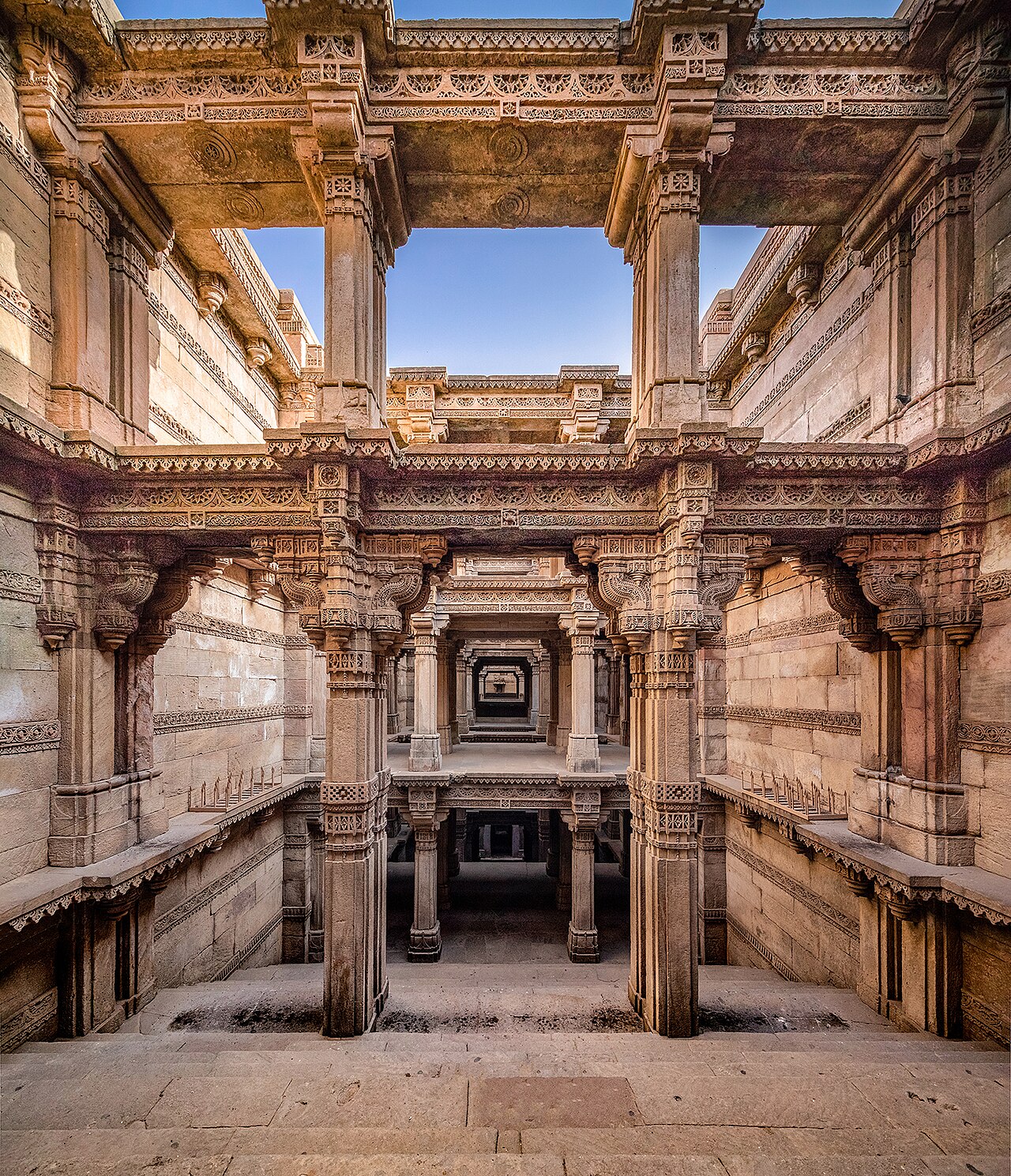
Adalaj Stepwell
At the village of Adalaj, 19 kilometres north of Ahmedabad on the Gandhinagar highway, the ground opens and descends through five storeys of…
1 hr
 3Entrada gratuita
Mezquita
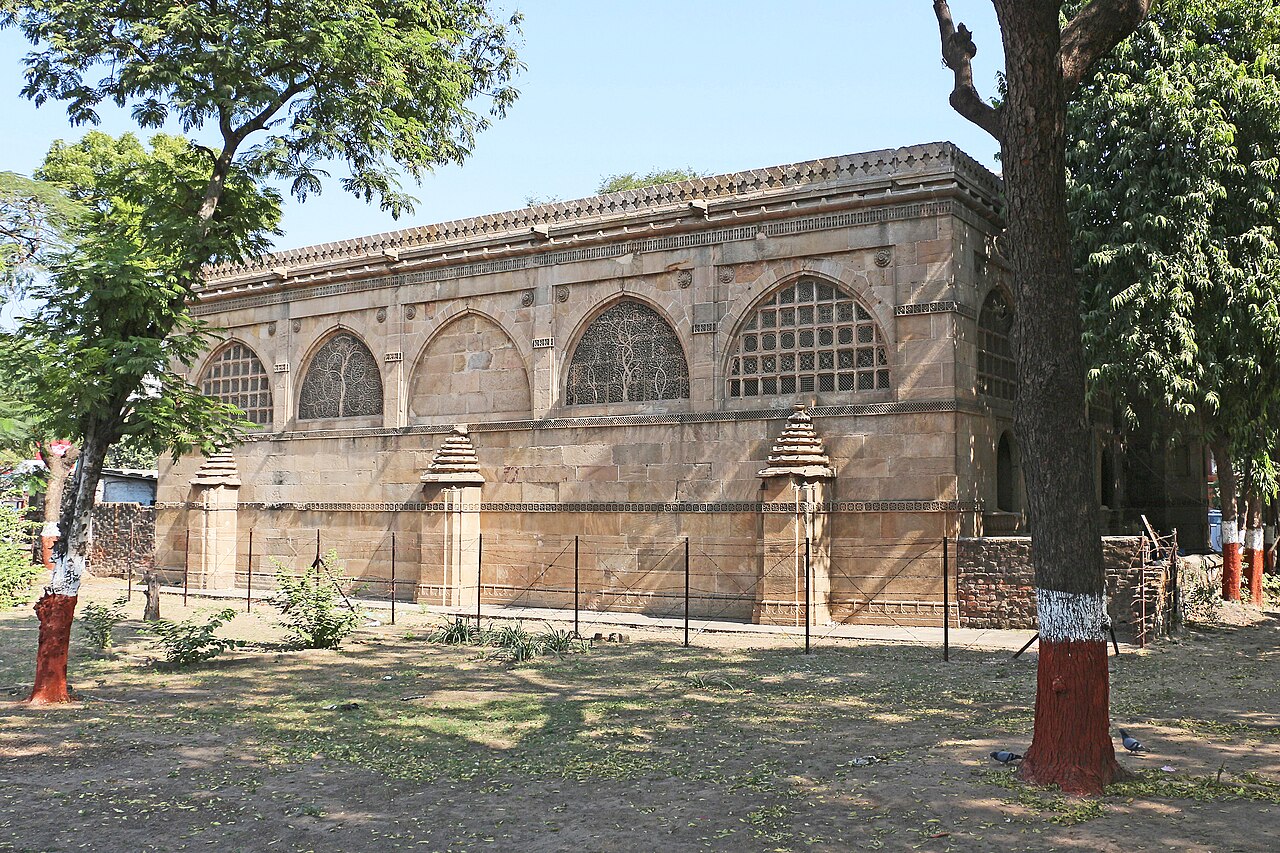
Sidi Saiyyed Mosque
At a congested intersection near the Lal Darwaza on the eastern edge of central Ahmedabad, set within a small garden compound that offers perhaps 40…
30 min
 4Entrada gratuita
Mezquita
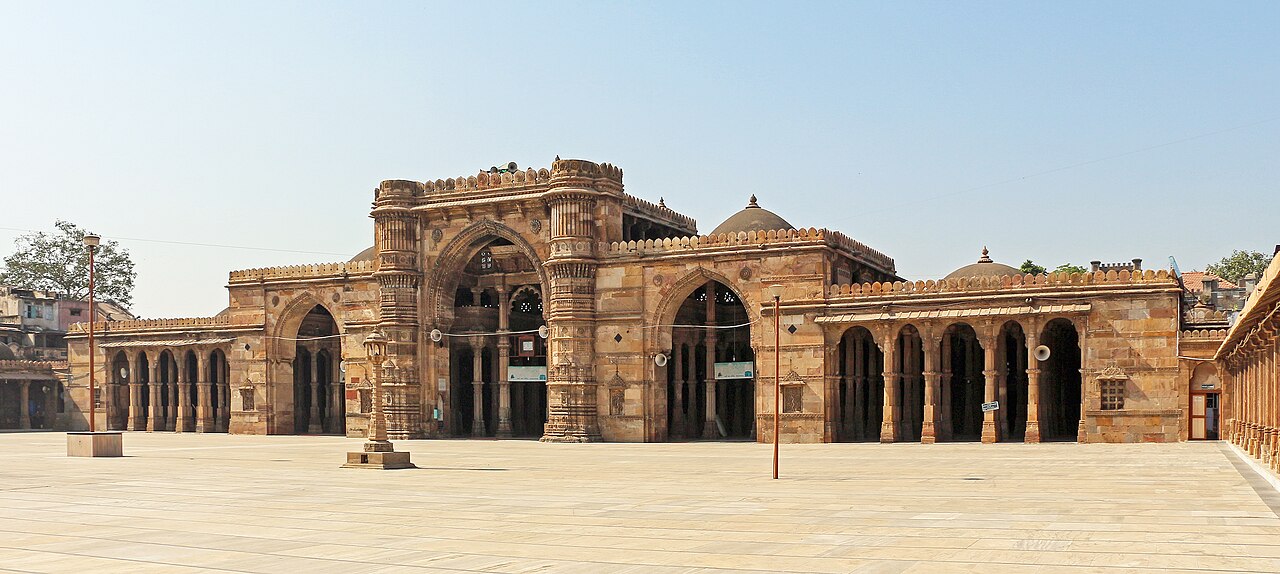
Jama Masjid, Ahmedabad
Sultan Ahmad Shah I, who founded Ahmedabad in 1411 on the ruins of the older settlement of Karnavati, built this mosque as the city's principal…
45 min
 5Entrada gratuita
Museo
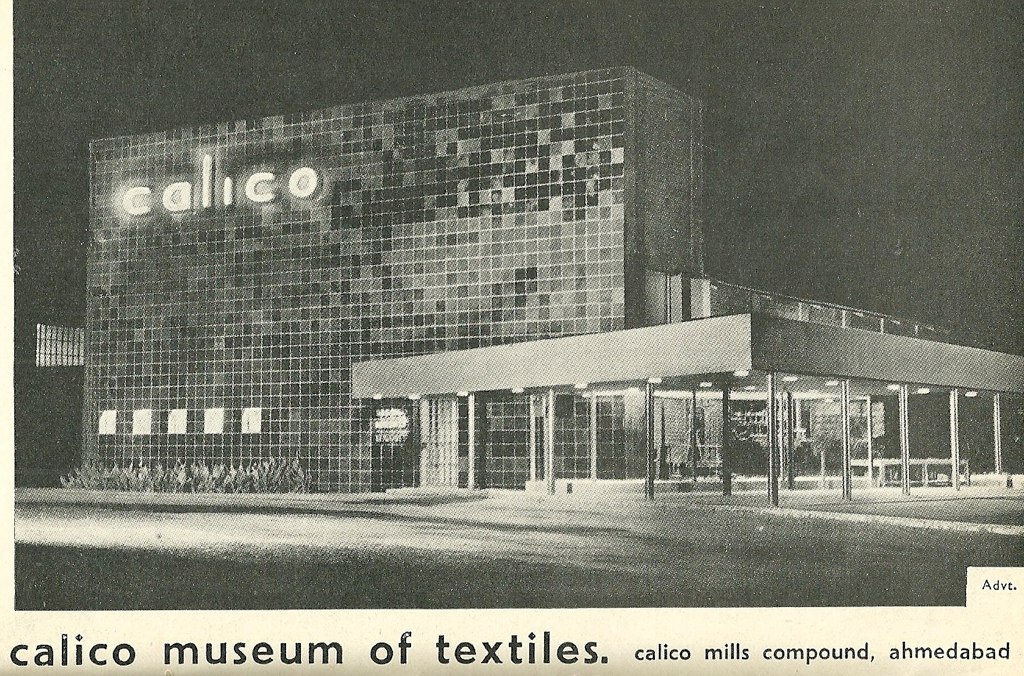
Calico Museum of Textiles
The single fact every visitor needs before anything else: the Calico Museum of Textiles cannot be visited on impulse.
2 hrs
 6Entrada gratuita
Templo jainista
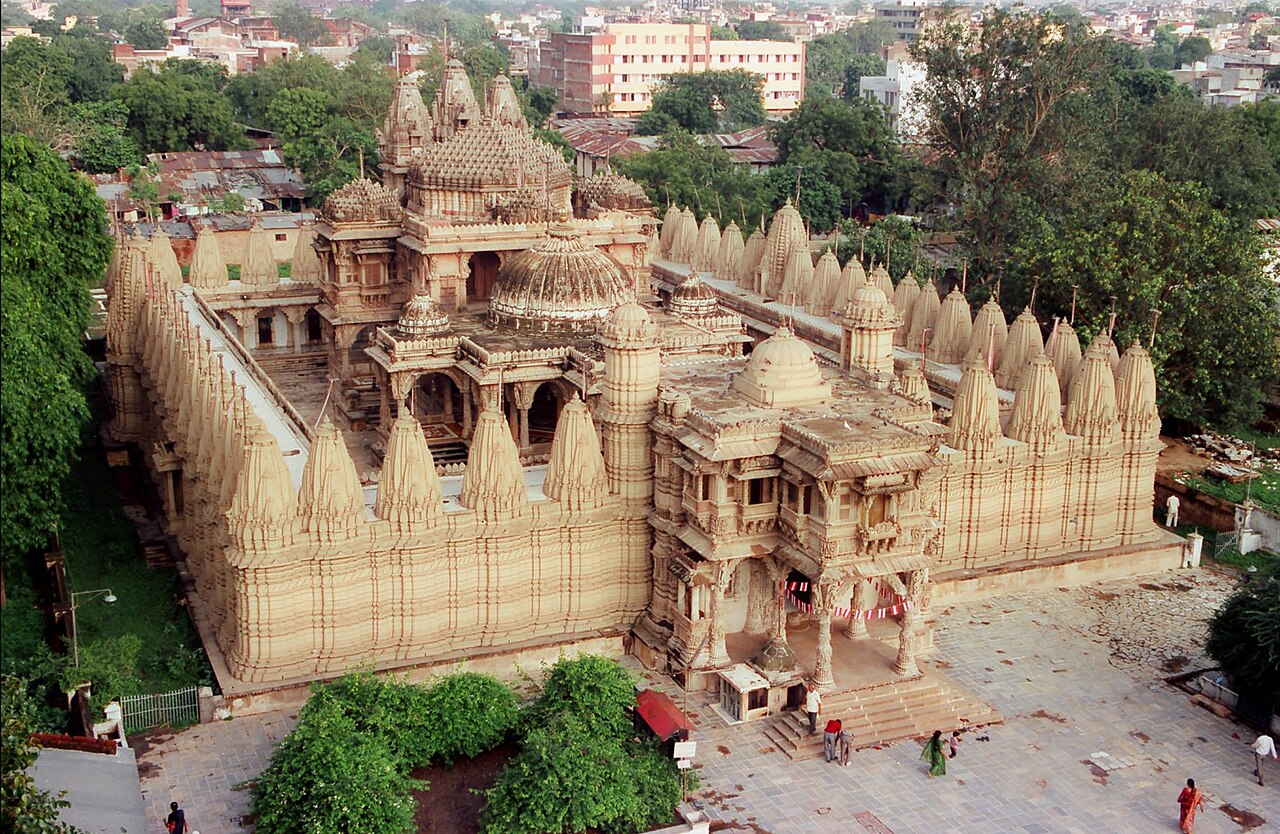
Hutheesing Jain Temple
Just outside the Delhi Darwaza gate of the old walled city, a wealthy Ahmedabad textile merchant named Sheth Hutheesing Kesarisingh commissioned this…
45 min
 7Entrada gratuita
Patrimonio
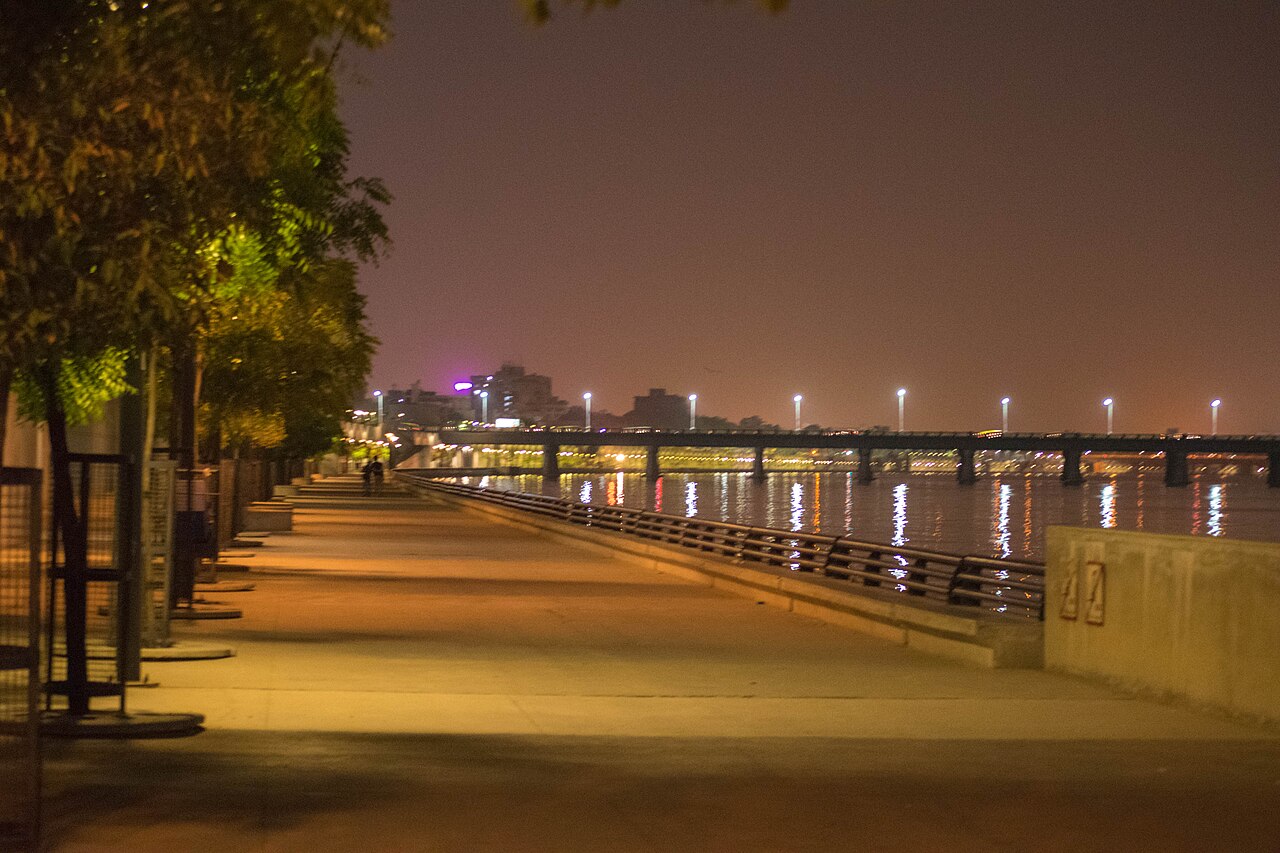
Sabarmati Riverfront
For most of the twentieth century, the stretch of the Sabarmati River running through central Ahmedabad was, for long dry-season months, closer to an…
1.5 hrs
 8Entrada gratuita
Mezquita
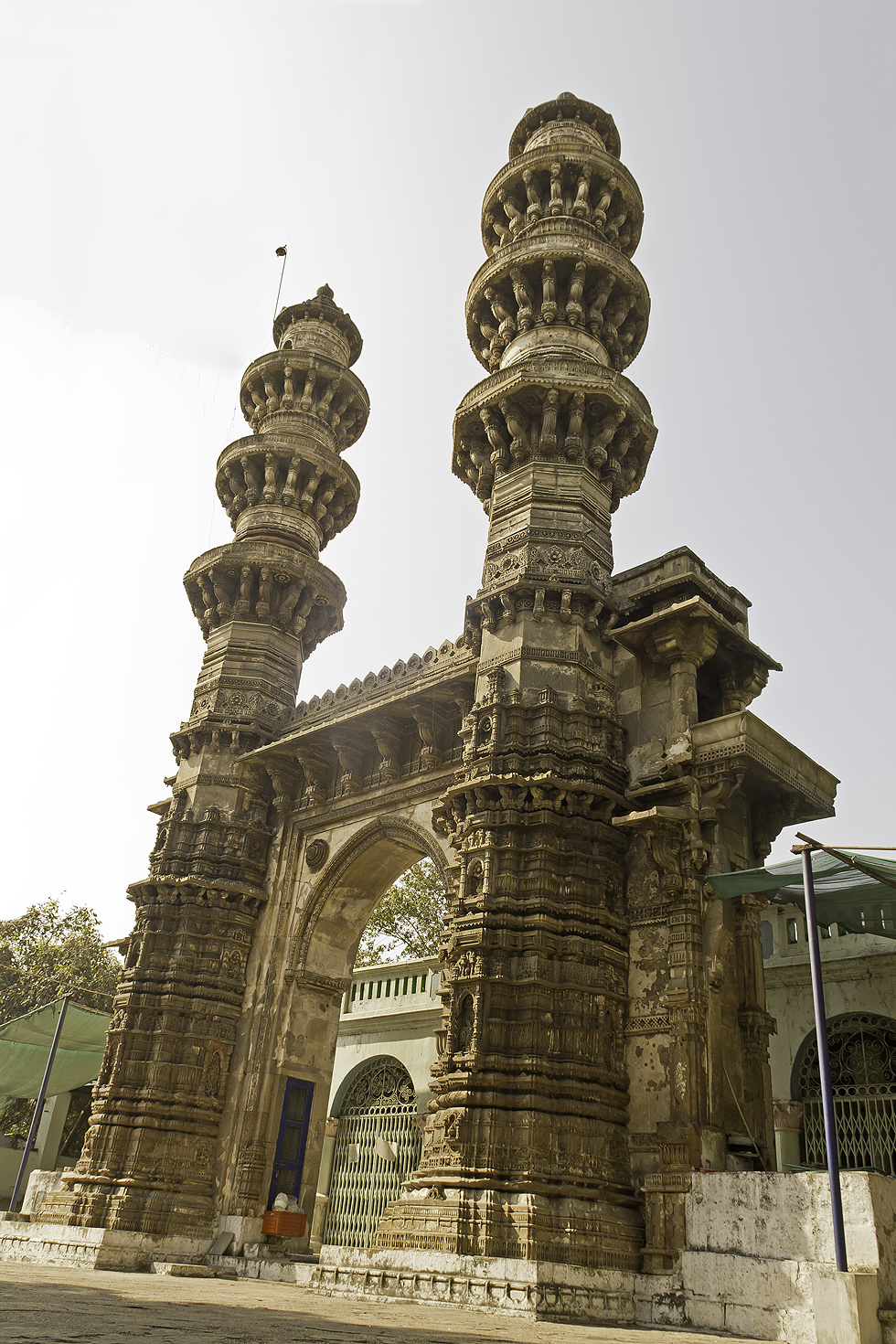
Jhulta Minar (Shaking Minarets of Sidi Bashir Mosque)
Only a fragment of the original Sidi Bashir Mosque survives — the twin-minaret entrance facade, standing more or less isolated in a small compound a…
20 min
 9
9Lago
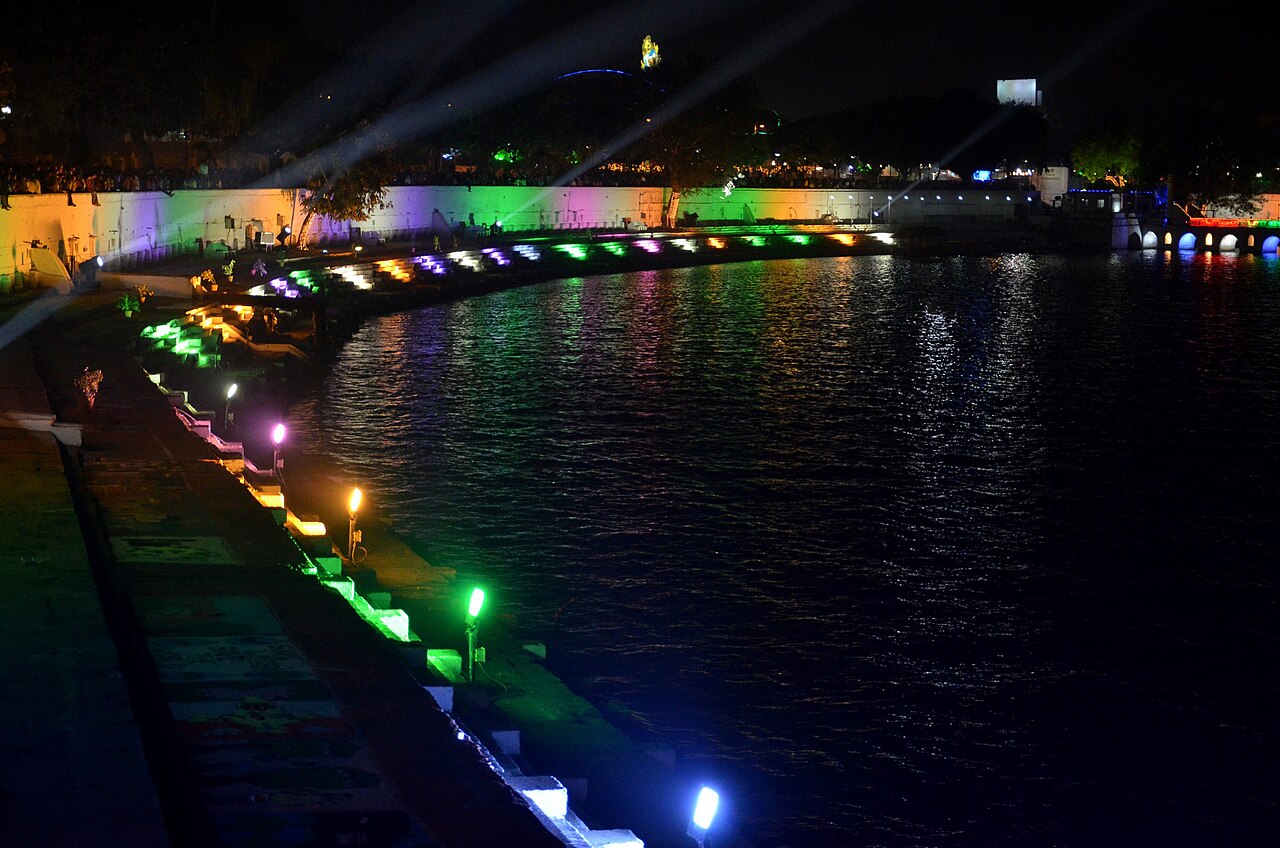
Kankaria Lake
Kankaria Lake is an artificial reservoir with 34 sides, laid out as a near-perfect polygon rather than the irregular shoreline that natural lakes…
2 hrs₹10
 10
10Museo
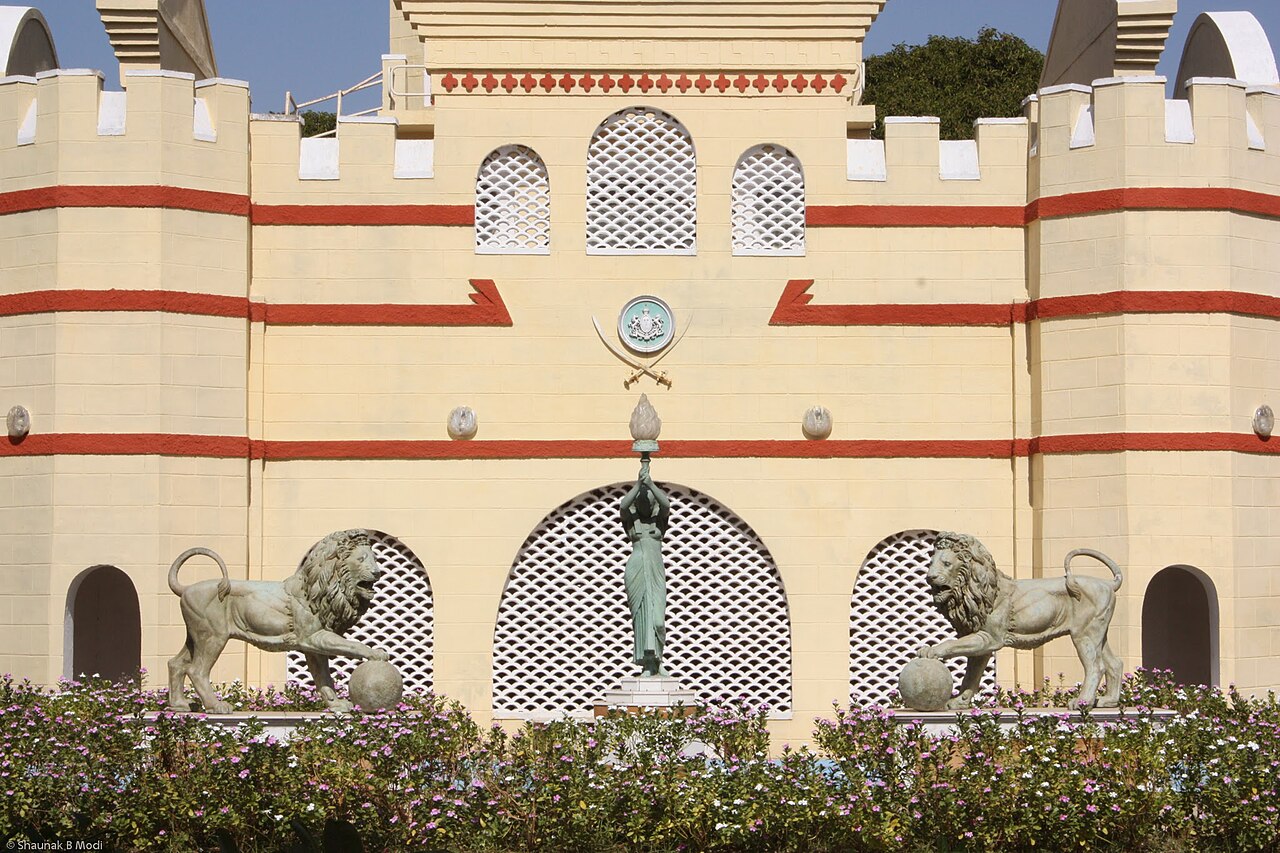
Auto World Vintage Car Museum
On the eastern outskirts of Ahmedabad, well beyond the walled city and the riverfront circuit that most visitors confine themselves to, a private…
1.5 hrs₹150 indios
Mapa de lugares para visitar en Ahmedabad
Los números coinciden con la clasificación; el top 3 está en naranja. Toca un pin para ver su guía. 1 lugar(es) todavía no tienen posición en el mapa.
Excursiones desde Ahmedabad
Vale la pena si te sobra un día, empezando por los más cercanos.
19 km · 35–45 minutes
Adalaj Stepwell
The finest surviving five-storey Indo-Islamic stepwell in Gujarat, built 1499 CE, with intricate floral and geometric carvings that demonstrate the synthesis of Hindu Solanki and Islamic decorative vocabularies.
60 km · 1.5 hours
Nal Sarovar Bird Sanctuary
Gujarat's largest wetland bird sanctuary, hosting over 200 resident and migratory species including flamingos, pelicans, and cranes between November and February. Flat-bottomed country boats take visitors out onto the shallow lake at sunrise, the best time to see large flocks feeding.
78 km · 1.5–2 hours
Lothal
One of the southernmost sites of the Indus Valley Civilisation, with a reconstructed dockyard, bead-making workshop, and a compact but well-maintained ASI museum.
102 km · 2–2.5 hours
Modhera Sun Temple
An 11th-century Solanki-dynasty sun temple whose torana gateway and stepped tank rank among the finest examples of medieval Gujarat stone-carving. Far fewer visitors than comparable Rajasthan sites.
125 km · 2.5–3 hours
Patan (Rani Ki Vav)
UNESCO-listed stepwell built by Queen Udayamati in 1063 CE, with seven storeys and over 500 principal sculptures in Karaundi sandstone. The most elaborately carved stepwell in India.
Sobre Ahmedabad
It was founded in 1411 by Sultan Ahmad Shah I of the Muzaffarid dynasty on the site of the older Rajput settlement of Karnavati, and within a century had grown into one of the wealthiest cities in Asia — a status measured in the density and ambition of its stone carving. The Jama Masjid, the Rani Sipri mosque, the Sidi Saiyyed Mosque with its famous stone jali screen: each is a calibration exercise in what late-Sultanate architecture could achieve when local Hindu and Jain craftsmen were directed by Muslim patrons.
The walled city — the Ahmedabad that still lies east of the Sabarmati, threaded by lanes called pols — was inscribed as a UNESCO World Heritage City in 2017, the first city in India to receive that designation. Walking its pols in the early morning, before the auto-rickshaws begin their circuit, reveals a domestic architecture of carved wooden facades, projecting oriel windows called khadkis, and internal courtyards where the logic of a pre-mechanised neighbourhood becomes legible. The pols were originally gated communities organised by caste or trade guild; many of the gates still stand, their hinges rusted open.
On the western bank, the newer city accumulated through the 20th century a remarkable concentration of modernist architecture: Le Corbusier's Mill Owners' Association Building, Louis Kahn's Indian Institute of Management campus in load-bearing brick, B.V. Doshi's CEPT campus, and the Sabarmati Ashram where Mohandas Gandhi ran his political and philosophical operations from 1917 to 1930. The city's textile mills — which made it the 'Manchester of the East' in the colonial era — have largely closed, their chimney stacks idle, their workers absorbed into the city's informal economy.
Ahmedabad functions at a pace that is purposeful rather than frantic. Bargaining for auto-rickshaws is standard — the meter is technically mandatory but rarely used; negotiate a fare before boarding. The city's vegetarian food culture is exceptional: Gujarati thalis at establishments like Gordhan Thal and Agashiye run from ₹350 to ₹800 and are refilled until you signal otherwise.
¿Ves algo incorrecto, o un lugar que falta?
Avísanos y un editor lo verificará con fuentes oficiales y corregirá la página.