
Imperial Palace East Gardens
#4de 10 lugares para visitar en TokyoTokyo, Kanto, Japan
También conocido como Kokyo Higashi Gyoen · 皇居東御苑
Respuesta rápida
Horario: 09:00–17:00 and 09:00–18:00 and 09:00–16:30 and 09:00–16:00, closed Mondays and Fridays. La entrada es gratuita. Calcula 1.5 hrs. Mejor momento: 09:00–10:30.
Actualizado el · Redactado por Traveliac, con ayuda de IA · 5 min de lectura
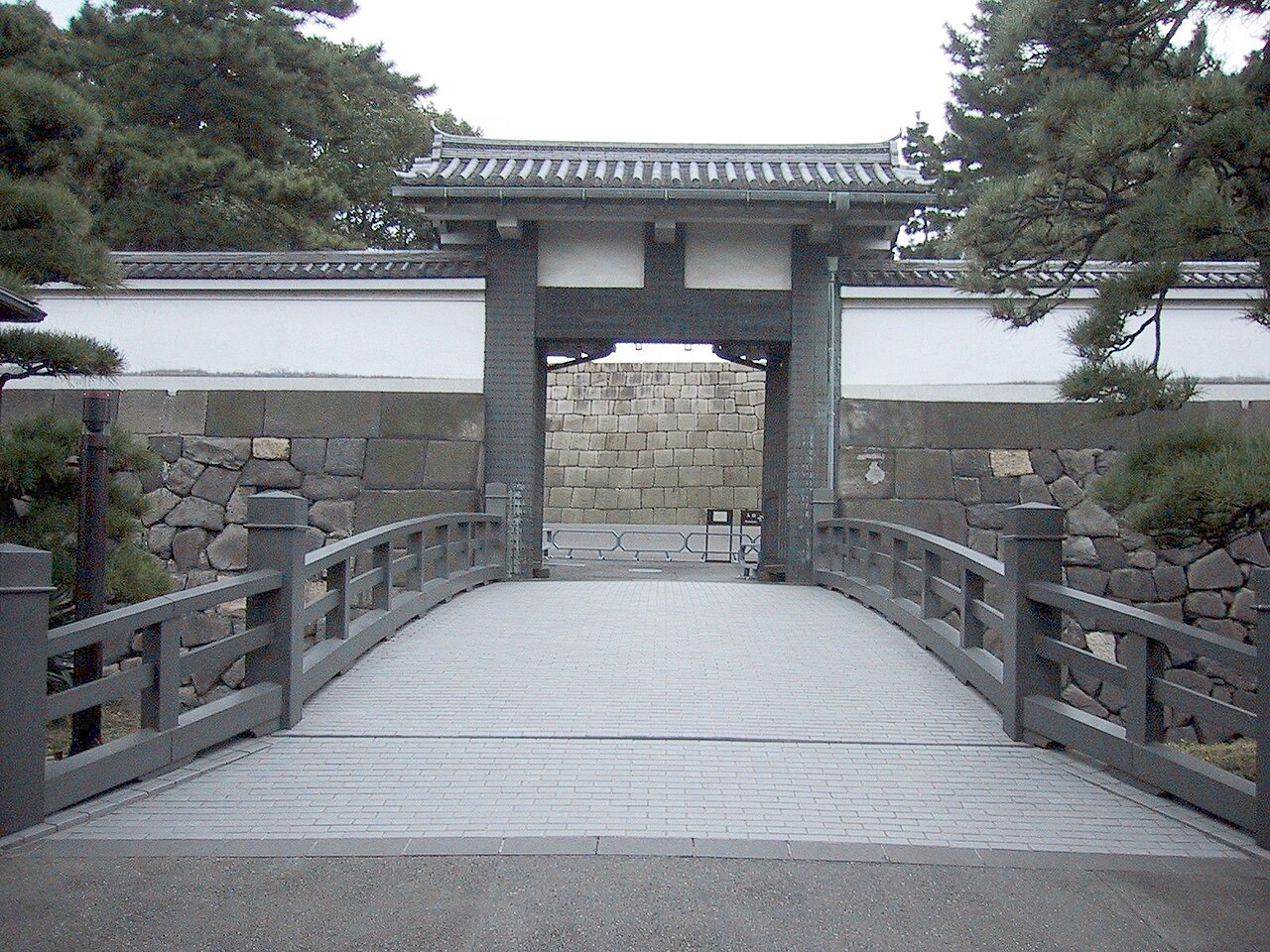
- Horario
- 09:00–16:00
- Closed Mondays and Fridays
- Precio de entrada
- Gratis
- Tiempo necesario
- 1.5 hrs
- Mejor momento del día
- 09:00–10:30
- Mejores meses
- Mar – Apr, Oct – Nov
- Dirección
- 1-1 Chiyoda, Chiyoda City, Tokyo 100-0001, Japan
Sobre Imperial Palace East Gardens
Imperial Palace East Gardens occupy the former honmaru (main citadel) and ninomaru (secondary citadel) grounds of Edo Castle, the shogunal fortress that once stood on this site before Tokyo Imperial Palace was built around it. The gardens are free and open to the public, entered through one of three stone-walled gates — Ote-mon, Hirakawa-mon, or Kitahanebashi-mon — each a surviving or reconstructed element of the original 17th-century castle fortifications. The massive stone foundation of the castle's former main keep (tenshudai), built in 1638 and never rebuilt after burning in the 1657 Great Fire of Meireki, still stands at the garden's highest point and can be climbed via stone steps for a wide view over the grounds.
Mejor momento del día: 09:00–10:30. On a weekday morning, before tour groups arrive and while the Ninomaru Grove's seasonal plantings are at their freshest.
Horario de Imperial Palace East Gardens
- Horario
- 09:00–16:00
Monday Closed Tue–Thu 09:00–17:00 and 09:00–18:00 and 09:00–16:30 and 09:00–16:00 Friday Closed Sat–Sun 09:00–17:00 and 09:00–18:00 and 09:00–16:30 and 09:00–16:00 - 09:00–17:00 (March 1–April 14 and all of September); 09:00–18:00 (April 15–August); 09:00–16:30 (October); 09:00–16:00 (November–February). Last admission 30 minutes before closing.
- Cierra los
- Mondays, Fridays, New Year period (December 28–January 3)
Bueno saber: Open on national holidays except the Emperor's Birthday (February 23). When a national holiday falls on a Monday, the gardens close the following Tuesday instead.
Horario recopilados de kunaicho.go.jp y registros públicos, última actualización el . Pueden cambiar sin previo aviso — confírmalos antes de viajar. Cómo escribimos estas guías
Precio de entrada de Imperial Palace East Gardens
| Entrada | Precio |
|---|---|
| Entrada estándar | Gratis |
| Tarifa reducida (estudiante / mayor) | Gratis |
| Niños | Gratis |
Free admission. A free, capped-capacity guided tour of the separate Imperial Palace inner grounds (not the East Gardens) requires advance online or same-day in-person registration and passport identification.
Precios recopilados de kunaicho.go.jp y registros públicos, última actualización el . Pueden cambiar sin previo aviso — confírmalos antes de viajar. Cómo escribimos estas guías
Mejor época para visitar Imperial Palace East Gardens
- Quiet
- Moderate
- Busy
09:00–10:30
Morning OpeningBest time to go
Fewest visitors of the day; best window for photographing the Ote-mon gate and Ninomaru Grove without crowds.
Quiet10:30–13:00
Late Morning
Tour groups and school trips arrive; the tenshudai foundation steps see steady but manageable foot traffic.
Moderate13:00–15:00
Early Afternoon
Combined tourist and local visitor volume peaks, particularly on days with mild weather and during cherry-blossom or autumn-foliage season.
Busy15:00–close
Late Afternoon
Crowds thin as closing approaches; last admission is 30 minutes before the seasonal closing time.
Quiet
Historia de Imperial Palace East Gardens
Edo Castle was originally built in 1457 by Ota Dokan, a regional warlord, on a strategically defensible bluff above the Hibiya inlet; it became the seat of the Tokugawa shogunate after Tokugawa Ieyasu took control in 1590 and expanded it into what was, by the 17th century, the largest fortress in the world by ground area, with a moat system and stone walls extending across a footprint many times larger than the current palace grounds. The castle's main keep, completed in 1638 under the third shogun Tokugawa Iemitsu, stood roughly 58 metres tall including its stone base, making it one of the tallest structures in Japan at the time — until it burned in the catastrophic Meireki fire of 1657, which killed an estimated 100,000 people across Edo. The shogunate chose not to rebuild the keep, partly on the advice that the funds were better spent on the city's reconstruction than on a purely symbolic structure.
Following the 1868 Meiji Restoration, the shogunate was abolished and the site became the residence of the Emperor, renamed Tokyo Imperial Palace. Most of the honmaru and ninomaru areas — no longer needed for imperial residence, which relocated to the western palace grounds — were gradually converted into managed garden space over the 20th century. The East Gardens opened to the public in 1968, developed under the Imperial Household Agency as a landscaped public space retaining the historical stone walls, gate structures, and guard-house foundations from the Edo-period fortress.
Normas y etiqueta en Imperial Palace East Gardens
Visitors receive a small plastic entry token at the gate, which must be returned upon exit — a simple headcount system rather than a security measure, but one that occasionally confuses first-time visitors who discard or misplace the token. Large luggage, tripods for extended use, and drones are restricted inside the gardens, consistent with rules across the broader Imperial Palace grounds.
The gardens close two days a week, Mondays and Fridays, which differs from most Tokyo attractions that close only one day or none, and catches visitors who assume standard single-day closures; checking the calendar before visiting is worthwhile, particularly since a holiday falling on Monday shifts the closure to Tuesday. The Ninomaru Grove's traditional Japanese garden section, near the Suwa-no-Chaya teahouse, has narrower gravel paths less suited to large strollers or wheelchairs than the broader lawns near the main keep foundation.
Consejos para visitar Imperial Palace East Gardens
- 1
Climbing the stone tenshudai foundation is free and gives the garden's best single vantage point, looking out over the Ninomaru Grove toward the modern high-rises of Otemachi — a direct visual contrast between 17th-century fortification stonework and 21st-century Tokyo skyline. Tipping is not practised in Japan and does not apply to any garden staff.
- 2
The separate guided tour of the Imperial Palace's inner grounds (the still-active residential and ceremonial area, distinct from the East Gardens) is also free but requires advance registration through the Imperial Household Agency's website or same-day in-person sign-up at Kikyo-mon gate with passport identification, and runs on a capped daily capacity — worth booking ahead if that tour, rather than just the East Gardens, is the priority.
- 3
Nijubashi Bridge, the well-known double-arched bridge visible from Kokyo Gaien Plaza just outside the palace's outer moat, is a separate free viewpoint not requiring gate entry and is often photographed by visitors who do not have time for the full East Gardens walk.
Cómo llegar a Imperial Palace East Gardens
La estrella roja es Imperial Palace East Gardens; los pines numerados son los 7 lugares más cercanos de nuestras guías, cada uno con su clasificación en su ciudad. Toca un pin para ver más detalles.
1-1 Chiyoda, Chiyoda City, Tokyo 100-0001, JapanCómo llegar en Google Maps
Desde Haneda Airport (HND)
18 km · 35–45 min
¥650
Desde Narita Airport (NRT)
62 km · 70–85 min
¥3,200
Desde Tokyo Station
1.2 km · 10–15 min
Free on foot / ¥180 by subway
Aeropuerto más cercano
Desde Haneda Airport (HND)
18 km, approximately 35–45 minutes via monorail and subway transfer to Otemachi.
Estación más cercana
Desde Otemachi Station (Tokyo Metro, multiple lines)
5-minute walk to the Ote-mon gate entrance; Takebashi Station (Tokyo Metro Tozai Line) closer to the Kitahanebashi-mon gate.
Preguntas frecuentes sobre Imperial Palace East Gardens
Is the Imperial Palace East Gardens free to enter?
Yes. Admission is completely free; visitors receive a plastic token at the gate to return on exit as a simple headcount, not a paid ticket.
What days are the East Gardens closed?
Mondays and Fridays, plus the New Year period from December 28 to January 3. If a national holiday falls on a Monday, the closure shifts to the following Tuesday instead.
Can you climb the old Edo Castle keep foundation?
Yes. The stone tenshudai foundation, built in 1638 and never rebuilt after burning in the 1657 Great Fire of Meireki, can be climbed via stone steps and offers the garden's best elevated view over the Ninomaru Grove and Otemachi skyline.
Is the East Gardens the same as the Imperial Palace tour?
No. The East Gardens are freely open without reservation. A separate guided tour of the Imperial Palace's active inner grounds is also free but requires advance online registration or same-day in-person sign-up with passport ID, and has capped daily capacity.
Redactado con ayuda de IA a partir de fuentes oficiales y registros públicos, y publicado solo tras las comprobaciones descritas en Cómo escribimos estas guías. Nadie de Traveliac ha visitado este lugar. Última actualización el . Cómo clasificamos y verificamos los lugares
Lugares para visitar cerca de Imperial Palace East Gardens
Distancias en línea recta según nuestro mapa; los tiempos son estimados.
 #3 in TokyoEntrada gratuita
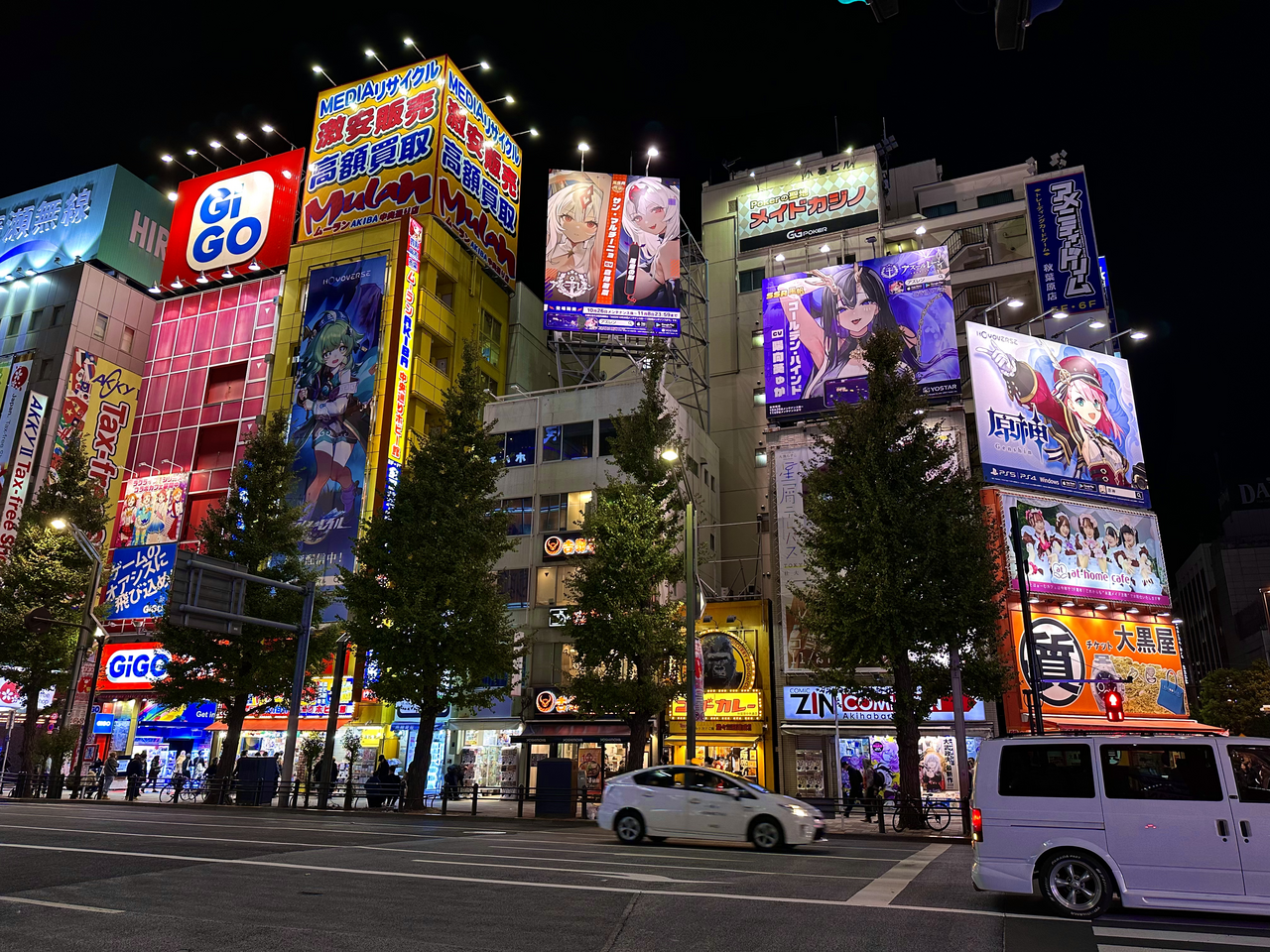
Akihabara
Mercado · 1.9 km · about 30 min walk
 #9 in TokyoEntrada gratuita
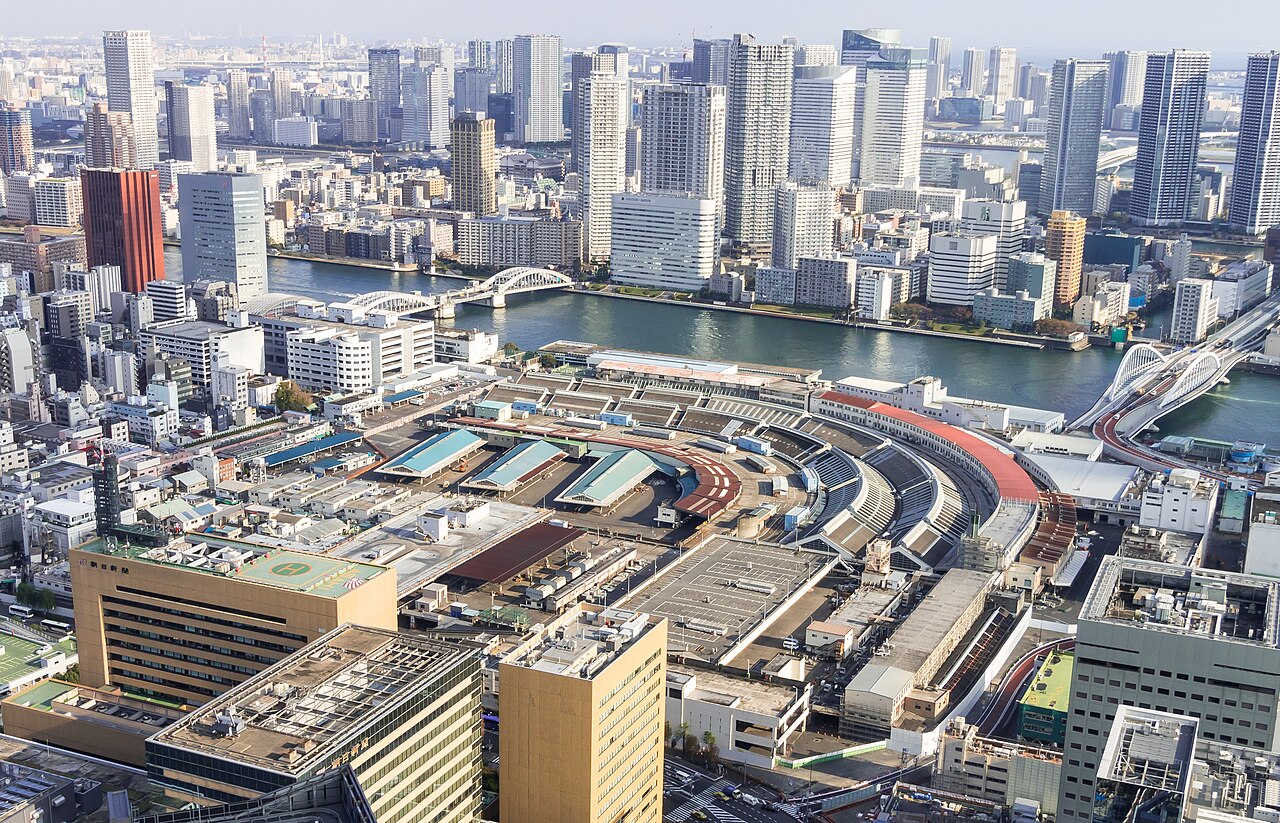
Tsukiji Outer Market
Mercado · 3 km · about 10 min by road
 #5 in Tokyo
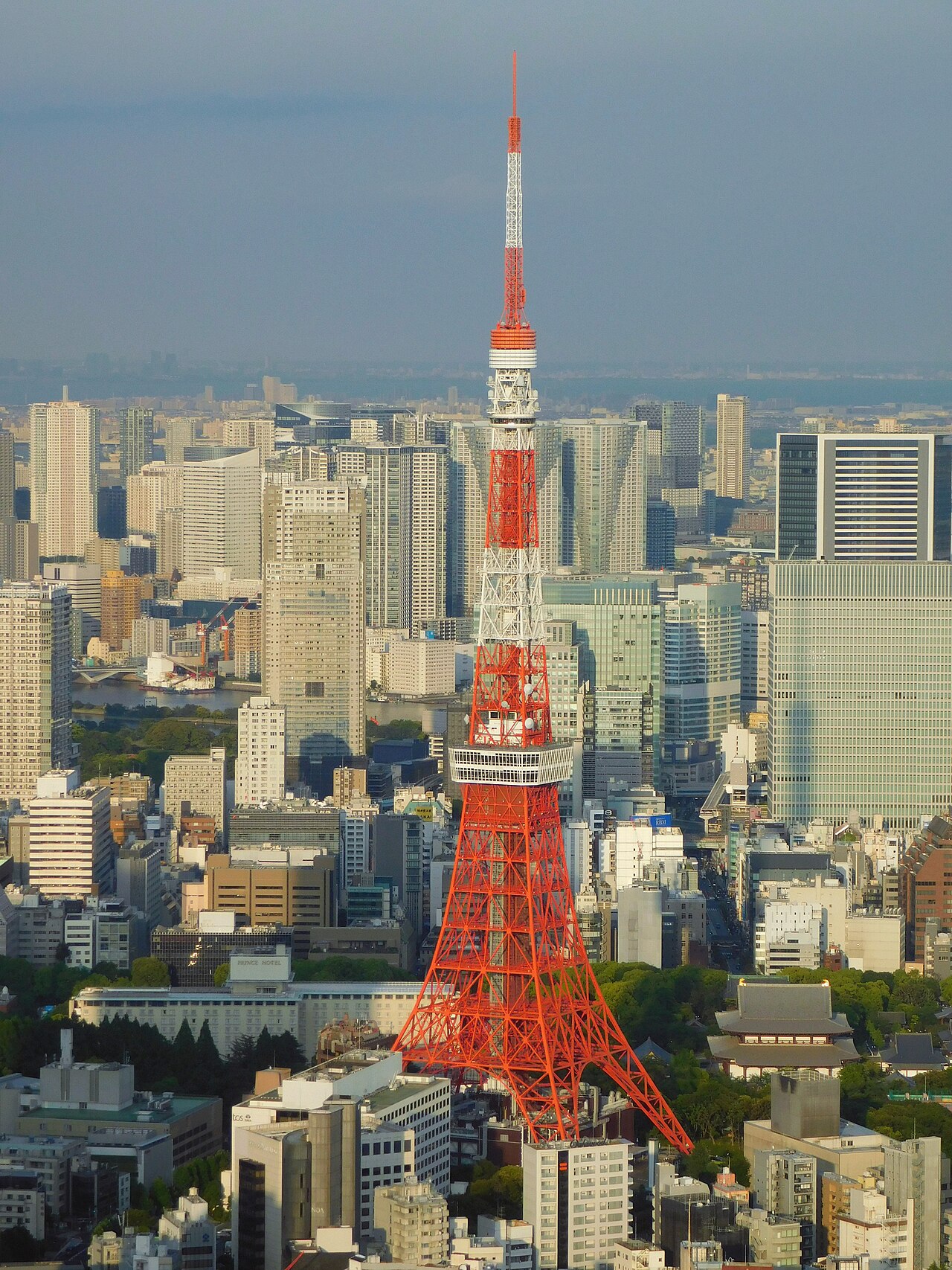
Tokyo Tower
Patrimonio · 3 km · about 10 min by road
 #8 in Tokyo
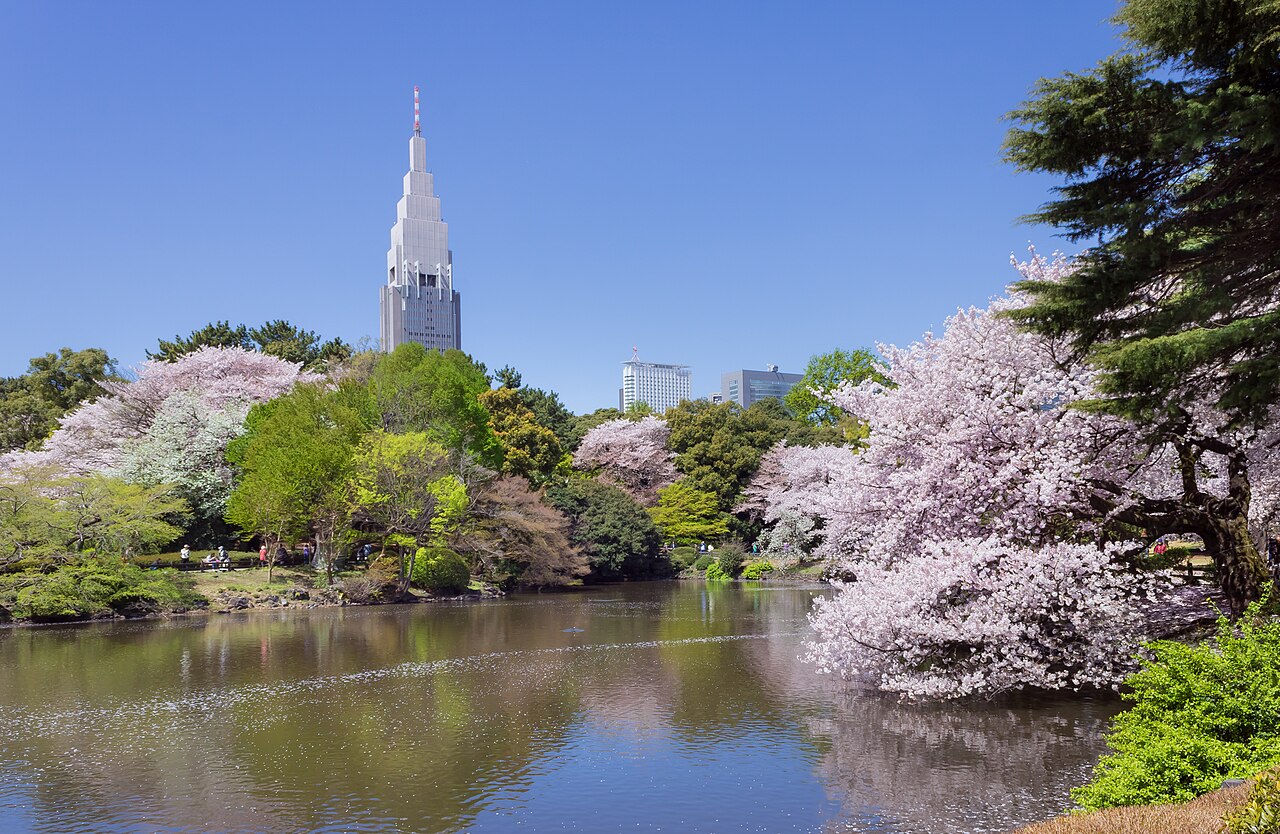
Shinjuku Gyoen National Garden
Jardín · 4 km · about 15 min by road