
Shinjuku Gyoen National Garden
#8de 10 lugares para visitar en TokyoTokyo, Kanto, Japan
También conocido como 新宿御苑
Respuesta rápida
Horario: 09:00–16:30 and 09:00–18:00 and 09:00–19:00, closed Mondays, last entry 16:00. Entrada: ¥500. Calcula 2 hrs. Mejor momento: Opening at 09:00.
Actualizado el · Redactado por Traveliac, con ayuda de IA · 4 min de lectura
- Horario
- 09:00–19:00
- Closed Mondays
- Precio de entrada
- ¥500
- Entrada desde
- Tiempo necesario
- 2 hrs
- Mejor momento del día
- Opening at 09:00
- Mejores meses
- Mar – Apr, Oct – Nov
- Dirección
- 11 Naitomachi, Shinjuku City, Tokyo 160-0014, Japan
Sobre Shinjuku Gyoen National Garden
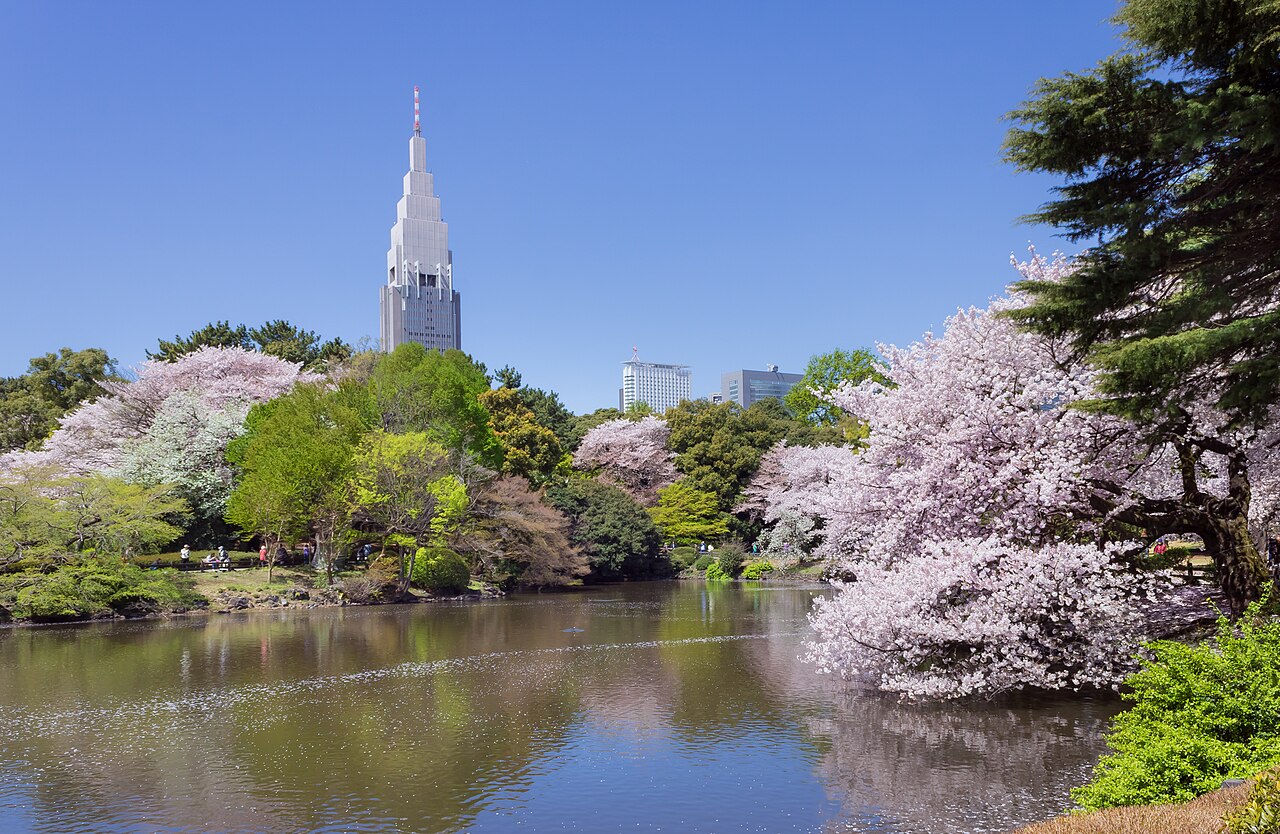
Shinjuku Gyoen National Garden covers 58.3 hectares in central Tokyo and combines three distinct garden styles within one enclosed park: a formal French garden with symmetrical rose beds, an English landscape garden of open lawns, and a traditional Japanese garden with ponds, bridges, and a teahouse. The garden holds roughly 65 cherry tree varieties totaling more than 1,000 trees, which bloom in a staggered sequence from late March into late April — later cherry varieties here often peak after the more famous but shorter Somei Yoshino season has already passed at other Tokyo sites, giving Shinjuku Gyoen one of the longest cherry-blossom windows in the city.
Mejor momento del día: Opening at 09:00. On a weekday, especially during the late-March cherry blossom and November foliage peaks, to see the gardens before tour groups and picnicking crowds arrive.
Horario de Shinjuku Gyoen National Garden
- Horario
- 09:00–19:00
Monday Closed Tue–Sun 09:00–16:30 and 09:00–18:00 and 09:00–19:00 - 09:00–16:30 (last entry 16:00) from October 1 to March 14; 09:00–18:00 (last entry 17:30) from March 15 to June 30 and August 21 to September 30; 09:00–19:00 (last entry 18:30) from July 1 to August 20.
- Cierra los
- Mondays (if a Monday is a national holiday, the garden opens that day and closes the following Tuesday instead), New Year holiday period
Horario recopilados de policies.env.go.jp y registros públicos, última actualización el . Pueden cambiar sin previo aviso — confírmalos antes de viajar. Cómo escribimos estas guías
Precio de entrada de Shinjuku Gyoen National Garden
| Entrada | Precio |
|---|---|
| Entrada estándar | ¥500 |
| Tarifa reducida (estudiante / mayor) | ¥250 |
| Niños | Gratis |
Adult admission ¥500; students and seniors 65+ pay ¥250 with valid ID. Elementary and junior-high-age children enter free year-round. As of 2026, verify pricing at the official site — the garden has periodically adjusted fees.
Precios recopilados de policies.env.go.jp y registros públicos, última actualización el . Pueden cambiar sin previo aviso — confírmalos antes de viajar. Cómo escribimos estas guías
Mejor época para visitar Shinjuku Gyoen National Garden
- Quiet
- Moderate
- Busy
09:00–10:30
Morning OpeningBest time to go
Quietest window of the day; best light for photography in the French rose garden and Japanese garden ponds.
Quiet11:00–14:00
Midday Peak
Picnic crowds fill the open lawns, especially in cherry-blossom and autumn-foliage seasons; lawn space becomes limited.
Busy14:00–16:00
Afternoon
Crowds ease from midday peak; still active but easier movement along garden pathways.
Moderate16:00–close
Late Afternoon
Visitor numbers thin as closing time approaches; last-entry cutoffs vary seasonally between 16:00 and 18:30.
Quiet
Historia de Shinjuku Gyoen National Garden
The land occupied by Shinjuku Gyoen originally belonged to the Naito family, feudal lords of the Takato Domain, granted the estate in the early Edo period under the Tokugawa shogunate. Following the 1868 Meiji Restoration, the government converted the former daimyo estate into an experimental agricultural and botanical station in 1879, used for testing new crop varieties and horticultural techniques as part of Japan's broader Meiji-era modernization push.
The garden was redesigned into its current three-style layout in the early 20th century under French landscape architect Henri Martinet, commissioned by the Imperial Household Agency, and opened in 1906 as an imperial garden reserved for the emperor's use and state receptions rather than public access. Extensive damage during the 1945 air raids destroyed much of the original planting and structures; postwar reconstruction under the new Japanese government transferred the garden to public ownership, and it reopened as a public national garden in 1949.
The glass-and-steel greenhouse on the grounds, housing tropical and subtropical plant collections, was rebuilt in its current form in 2012, replacing an earlier structure, and remains one of the largest public greenhouses in Tokyo.
Normas y etiqueta en Shinjuku Gyoen National Garden
Alcohol consumption is prohibited throughout the garden, a deliberate policy distinguishing Shinjuku Gyoen from many other Tokyo parks where hanami (cherry-blossom viewing) parties with alcohol are common; this keeps the garden notably calmer during peak bloom season. Ball games, large group sports, and amplified music are similarly restricted to preserve the park's quieter character.
Picnicking on the open lawns is permitted and encouraged, particularly during cherry-blossom season, but picnic blanket space fills quickly on peak bloom weekends, and claiming a spot before 10:00 is advisable. Pets are not permitted inside the garden. The greenhouse and Japanese garden's teahouse (which serves matcha and seasonal sweets for a separate small fee) have their own posted hours distinct from the general garden gates.
Consejos para visitar Shinjuku Gyoen National Garden
- 1
Late November typically brings the clearest autumn foliage in the Japanese garden section, with maple colors often peaking slightly later than at some other Tokyo gardens due to the site's microclimate. Tipping is not practised in Japan and does not apply to garden staff or the teahouse.
- 2
The garden has three entrance gates — Shinjuku Gate, Okido Gate, and Sendagaya Gate — and each opens onto a different garden style first; entering via Sendagaya Gate leads most directly into the Japanese garden section, a useful shortcut for visitors prioritizing that area. Bringing a packed lunch is worthwhile since food options inside the garden are limited to a small café near the greenhouse; the surrounding Shinjuku and Yotsuya neighborhoods have far more dining choices just outside the gates.
- 3
Because the garden closes on Mondays (a rule that trips up visitors used to Tokyo's many Monday-open attractions), checking the calendar before building it into a tight itinerary is worthwhile, particularly around national holidays when the closure shifts to Tuesday instead.
Cómo llegar a Shinjuku Gyoen National Garden
La estrella roja es Shinjuku Gyoen National Garden; los pines numerados son los 7 lugares más cercanos de nuestras guías, cada uno con su clasificación en su ciudad. Toca un pin para ver más detalles.
11 Naitomachi, Shinjuku City, Tokyo 160-0014, JapanCómo llegar en Google Maps
Desde Haneda Airport (HND)
22 km · 45–55 min
¥650–¥750
Desde Narita Airport (NRT)
68 km · 85–100 min
¥3,250
Desde Shinjuku Station
1.5 km · 5–10 min
Free on foot / ¥180 by subway
Aeropuerto más cercano
Desde Haneda Airport (HND)
22 km, approximately 45–55 minutes via monorail and subway transfer.
Estación más cercana
Desde Shinjuku-gyoenmae Station (Tokyo Metro Marunouchi Line)
5-minute walk to the Shinjuku Gate; Sendagaya Station (JR Sobu Line) is closer to the Sendagaya Gate.
Preguntas frecuentes sobre Shinjuku Gyoen National Garden
How much does it cost to enter Shinjuku Gyoen?
Adult admission is ¥500; students and seniors 65 and over pay ¥250 with valid ID. Elementary and junior-high-age children enter free year-round.
Is Shinjuku Gyoen open on Mondays?
No, the garden is closed every Monday. If a national holiday falls on a Monday, the garden opens that day and closes the following Tuesday instead.
Can you drink alcohol at Shinjuku Gyoen during cherry blossom season?
No. Alcohol is prohibited throughout the garden year-round, including during peak cherry-blossom season, distinguishing it from many other Tokyo parks that allow hanami parties with drinking.
When does cherry blossom season peak at Shinjuku Gyoen?
Typically late March into late April, since the garden holds roughly 65 cherry varieties across more than 1,000 trees that bloom in a staggered sequence. This gives it one of the longer cherry-blossom viewing windows in Tokyo compared to single-variety sites.
Redactado con ayuda de IA a partir de fuentes oficiales y registros públicos, y publicado solo tras las comprobaciones descritas en Cómo escribimos estas guías. Nadie de Traveliac ha visitado este lugar. Última actualización el . Cómo clasificamos y verificamos los lugares
Lugares para visitar cerca de Shinjuku Gyoen National Garden
Distancias en línea recta según nuestro mapa; los tiempos son estimados.
 #6 in TokyoEntrada gratuita
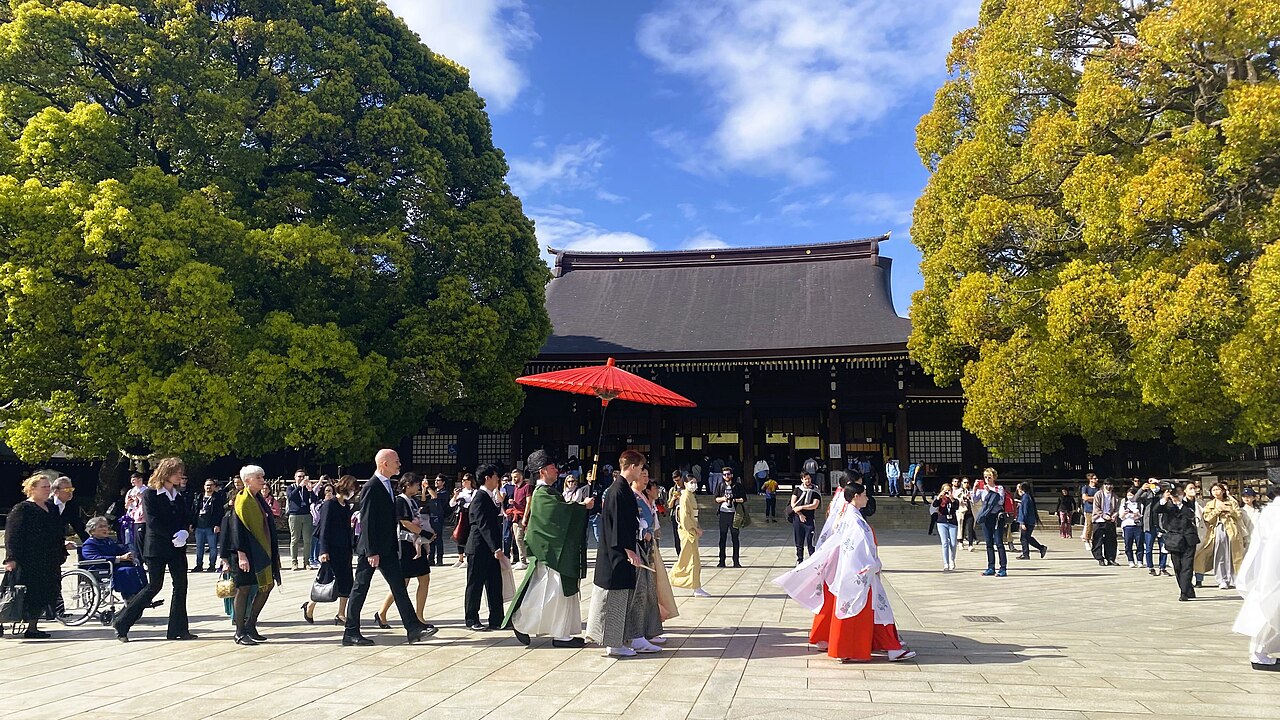
Meiji Jingu Shrine
Templo · 1.4 km · about 23 min walk
 #7 in TokyoEntrada gratuita
Shibuya Crossing
Patrimonio · 3 km · about 10 min by road
 #4 in TokyoEntrada gratuita
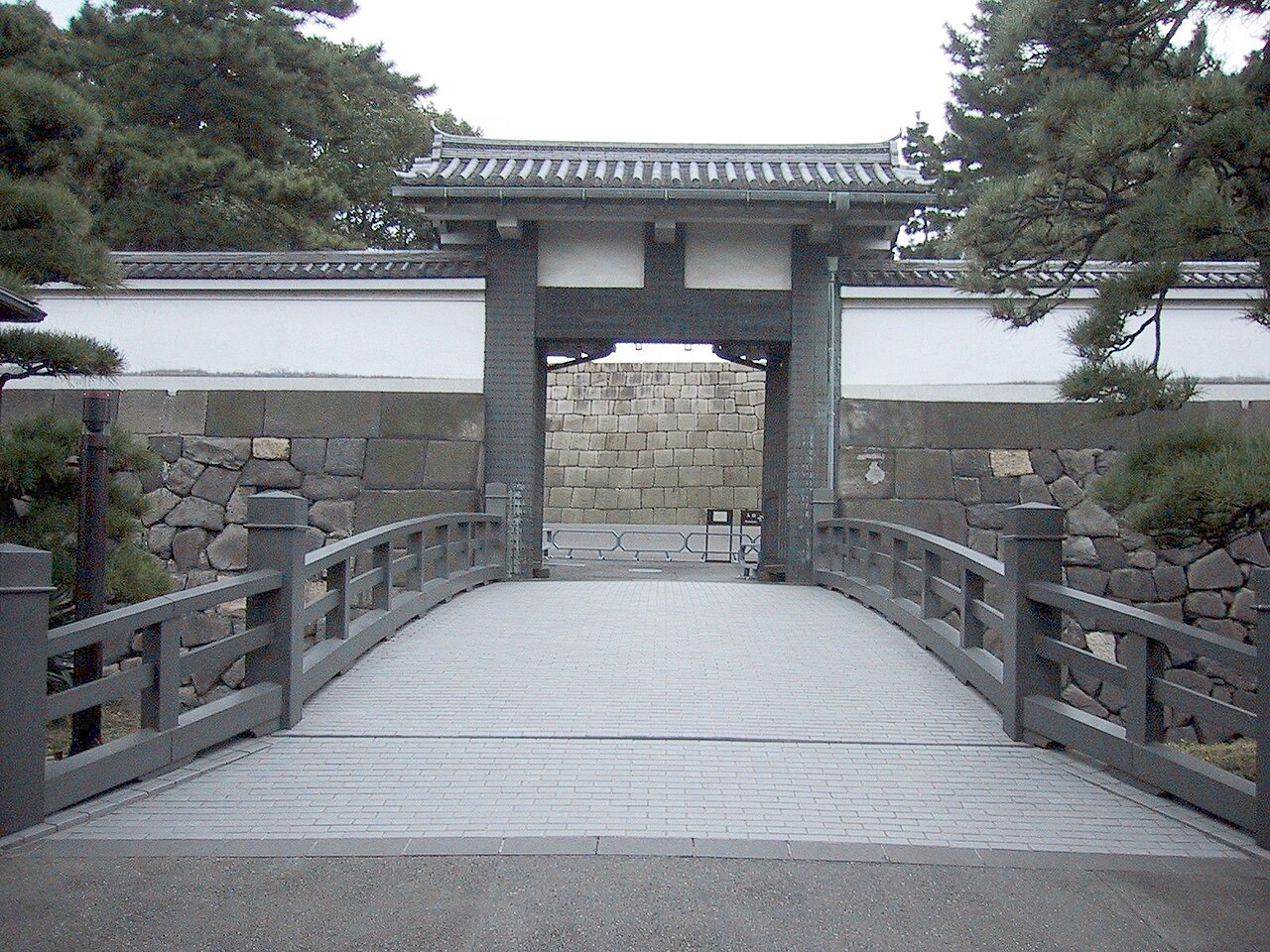
Imperial Palace East Gardens
Palacio · 4 km · about 15 min by road
 #5 in Tokyo
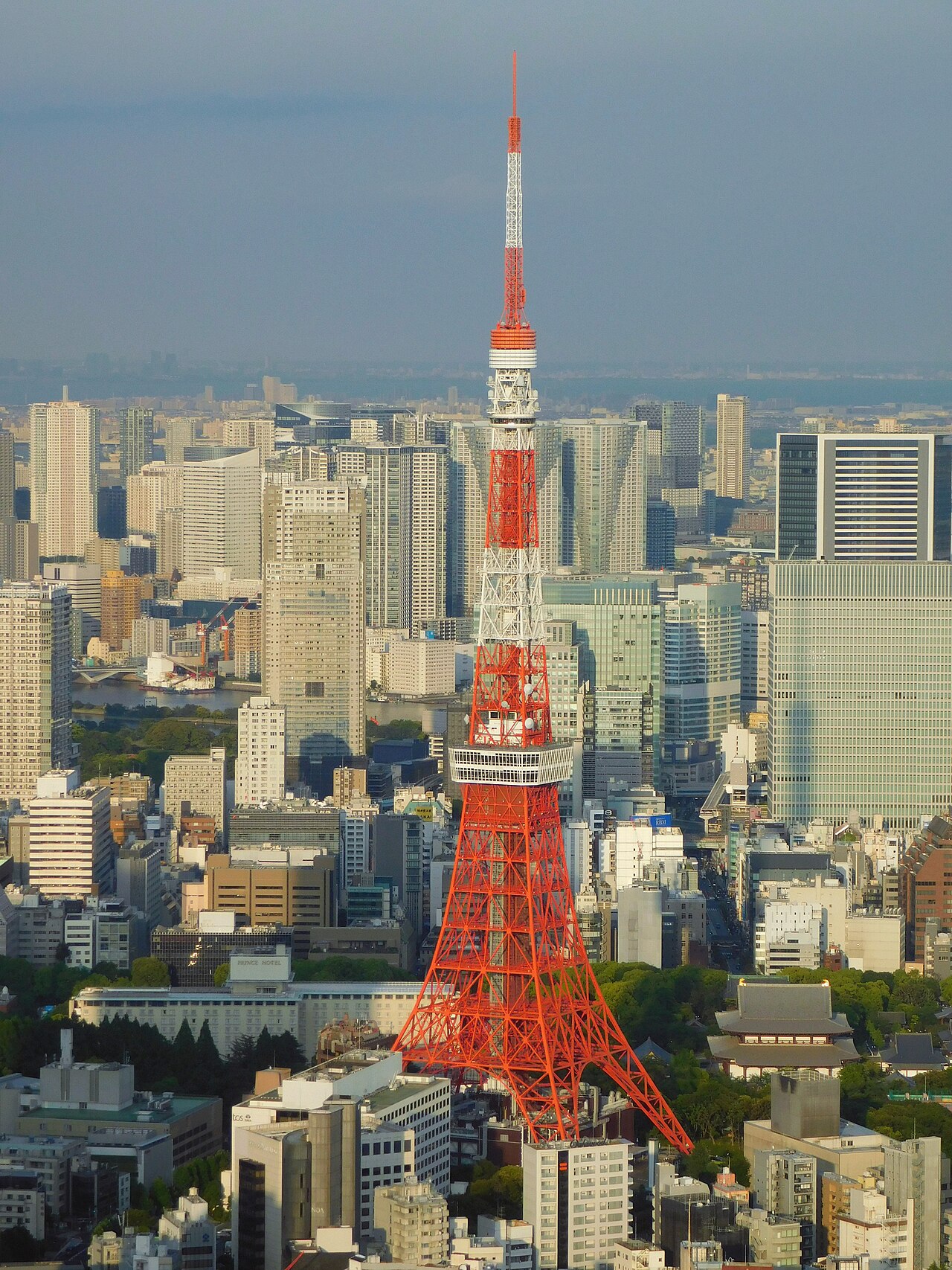
Tokyo Tower
Patrimonio · 4 km · about 15 min by road