
Guía de viaje de Área Metropolitana de Lisboa
Los 10 mejores lugares para visitar en Lisbon
También conocido como Lisboa · A Cidade das Sete Colinas · City of Seven Hills
Lisbon sits on the north bank of the Tagus estuary across seven principal hills, a topography that makes its yellow Remodelado-era trams and public funiculars (Elevador da Glória, Elevador da Bica, Elevador do Lavra) genuine transport rather than novelty.
Actualizado el ·Redactado por Traveliac, con ayuda de IA ·Cómo clasificamos
- Mejor momento
- Apr – Jun, Sep – Oct
- Tiempo necesario
- Unos 2 días
- 12 horas de visitas
- Aeropuerto de llegada
- Humberto Delgado Airport (LIS)
- Estación más cercana
- Rossio railway station
- Entrada gratuita
- 2 de 10
Lo mejor para hacer en Lisbon
Clasificado según cinco criterios publicados- 1Entrada gratuita
Patrimonio
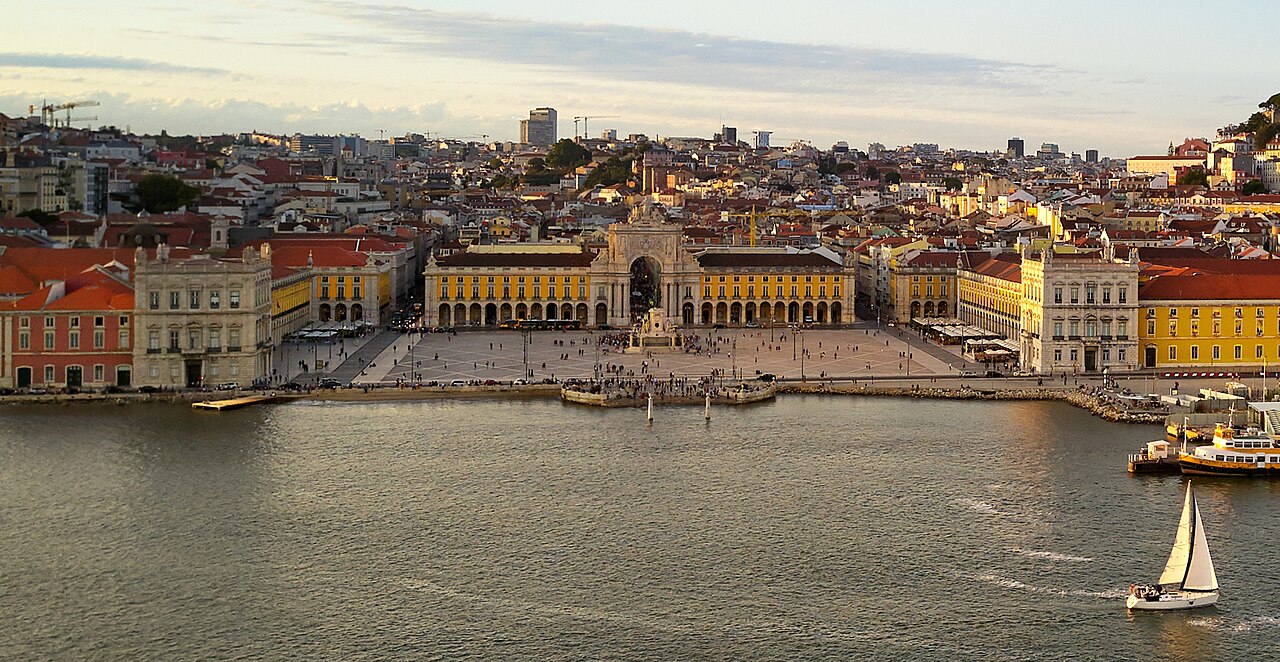
Praça do Comércio
Praça do Comércio opens directly onto the Tagus river on three sides framed by uniform, arcaded yellow-ochre buildings, the centrepiece of the…
45 min
 2
2Patrimonio
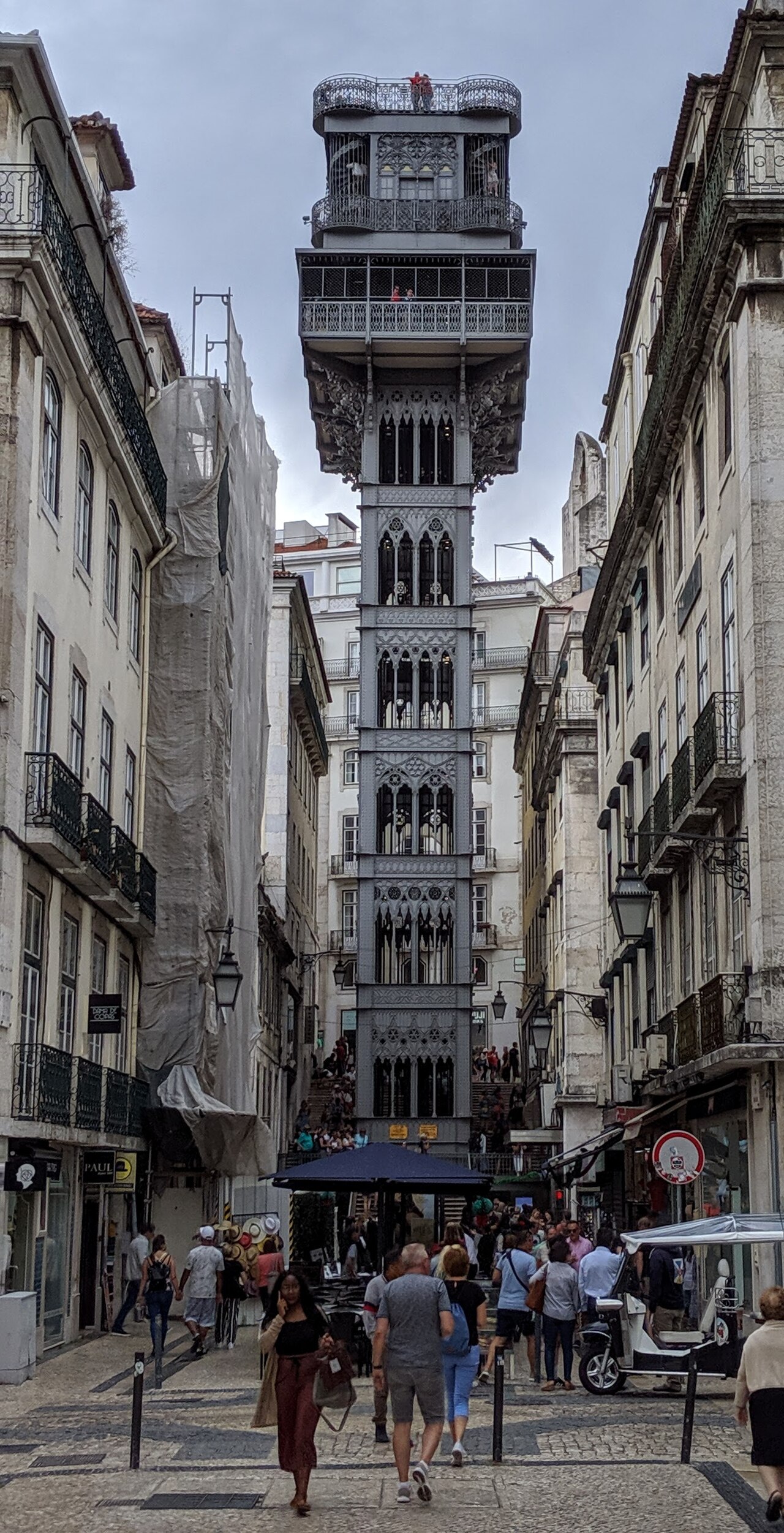
Santa Justa Lift
Santa Justa Lift rises 45 metres in wrought iron and steel from the Baixa district's street level to the Largo do Carmo square above, built in a…
30 min€5.30
 3
3Museo
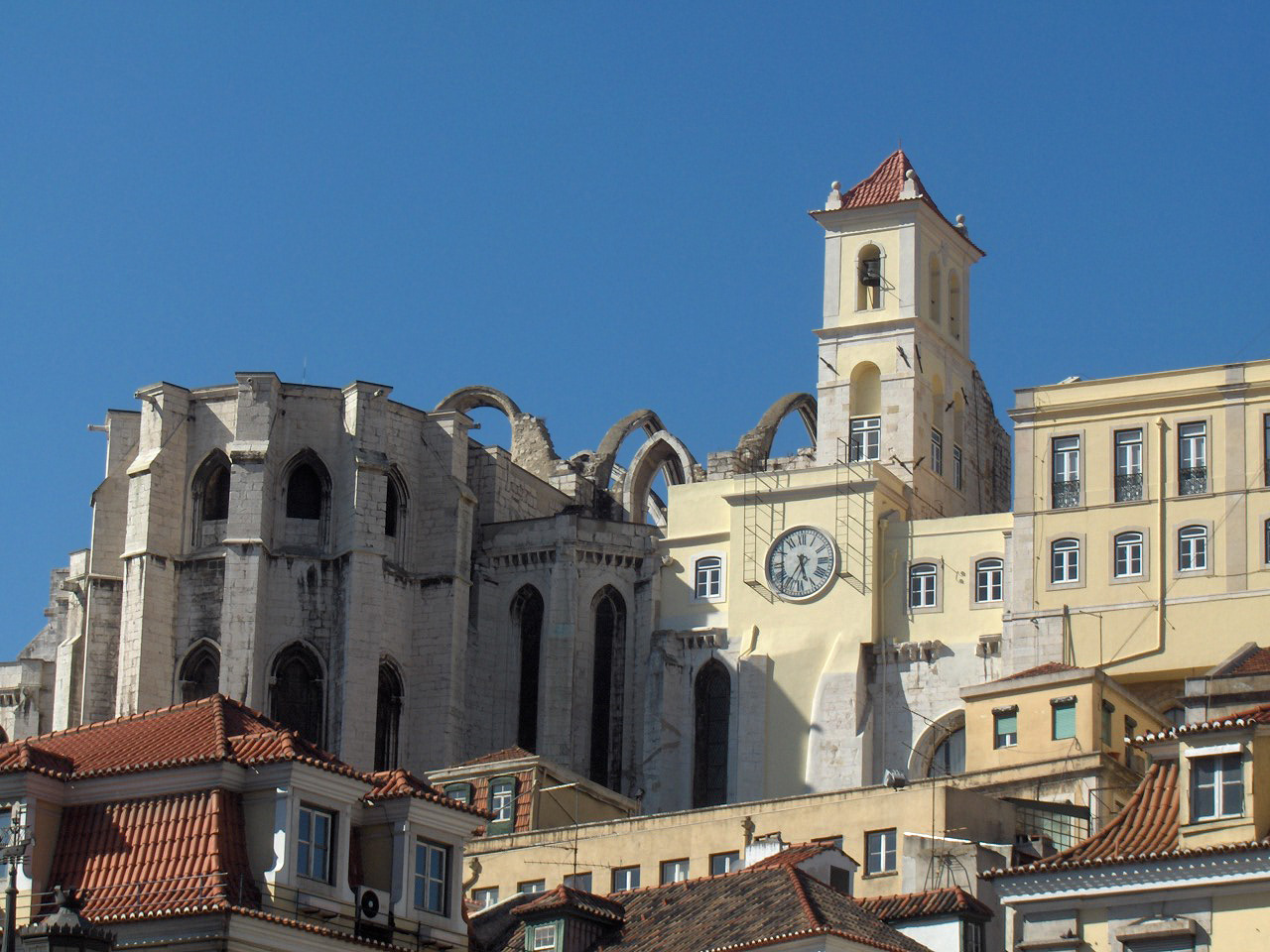
Carmo Convent
Carmo Convent stands roofless in central Lisbon, its Gothic limestone arches open directly to the sky since the 1755 earthquake collapsed the nave's…
45 min€7
 4
4Patrimonio
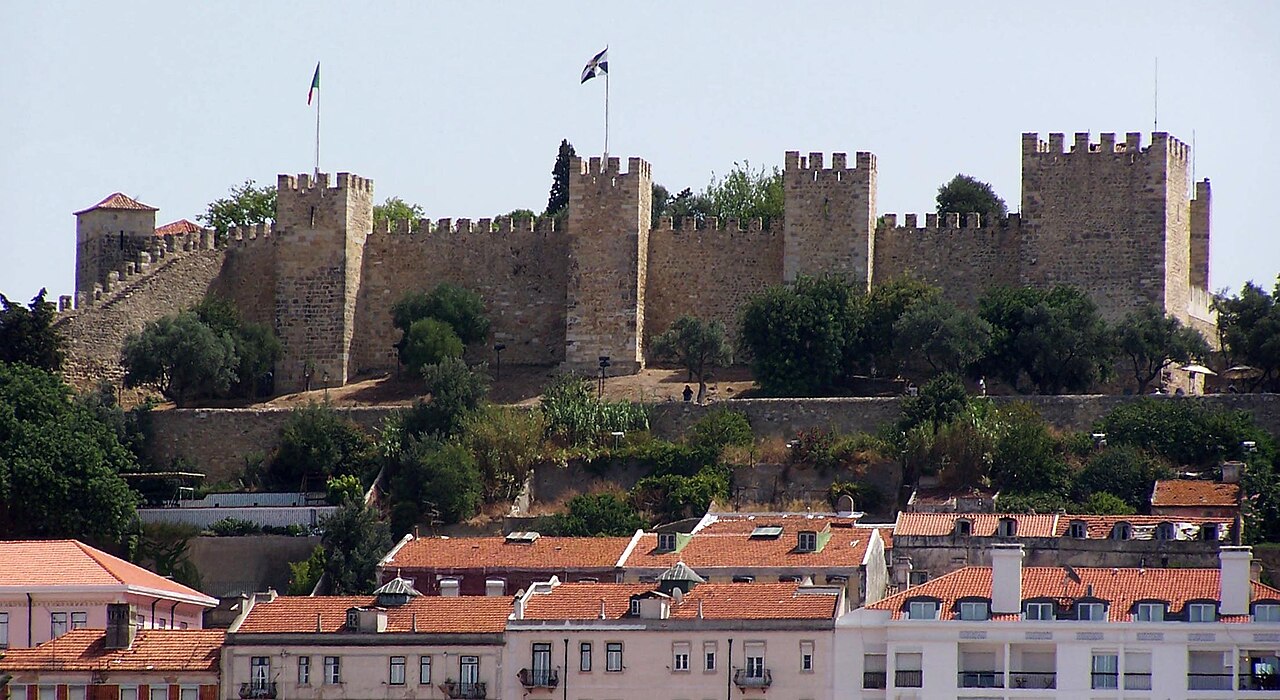
São Jorge Castle
São Jorge Castle crowns Lisbon's highest central hill at roughly 111 metres above the Tagus, its stone ramparts enclosing archaeological remains that…
2 hrs€17
 5
5Patrimonio
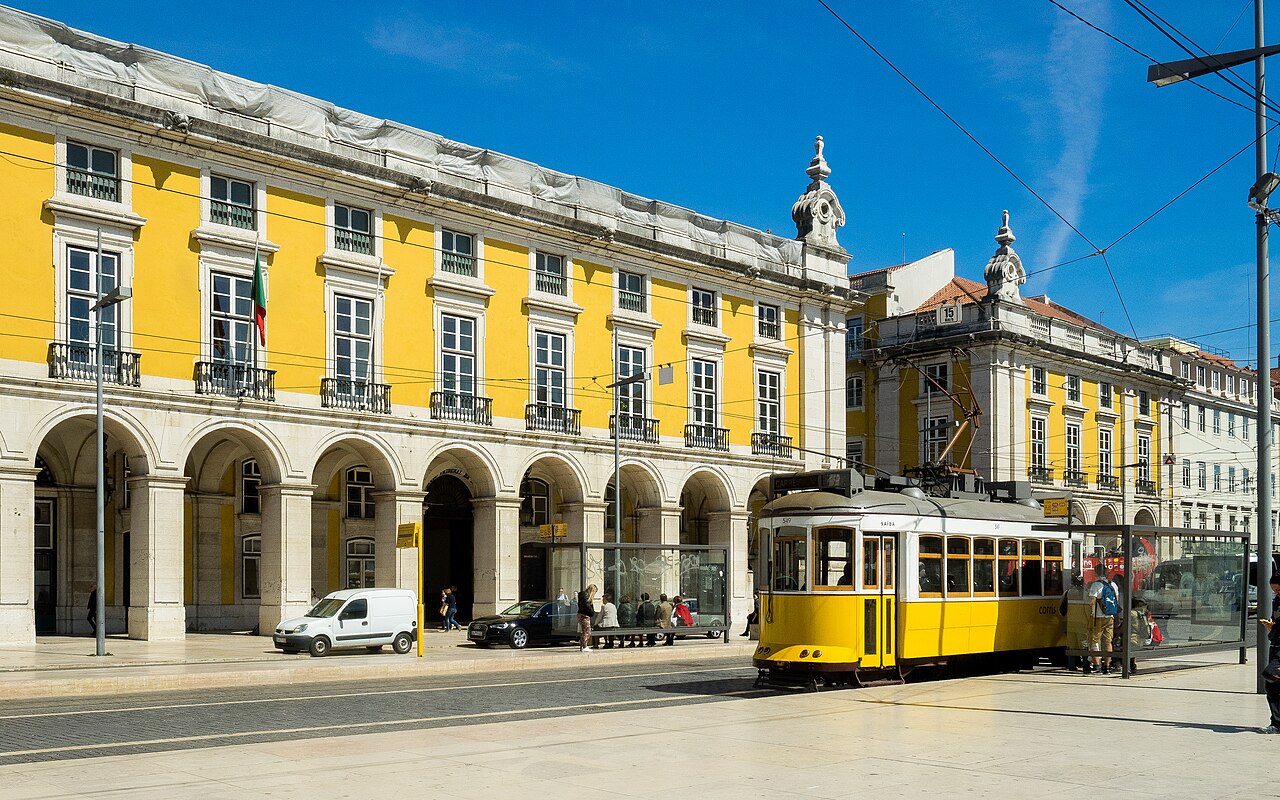
Tram 28
Tram 28 runs a 7-kilometre route across Lisbon's steepest hills, using vintage yellow Remodelado-class cars built mostly in the 1930s-40s with…
45 min€3.30
 6
6Monasterio
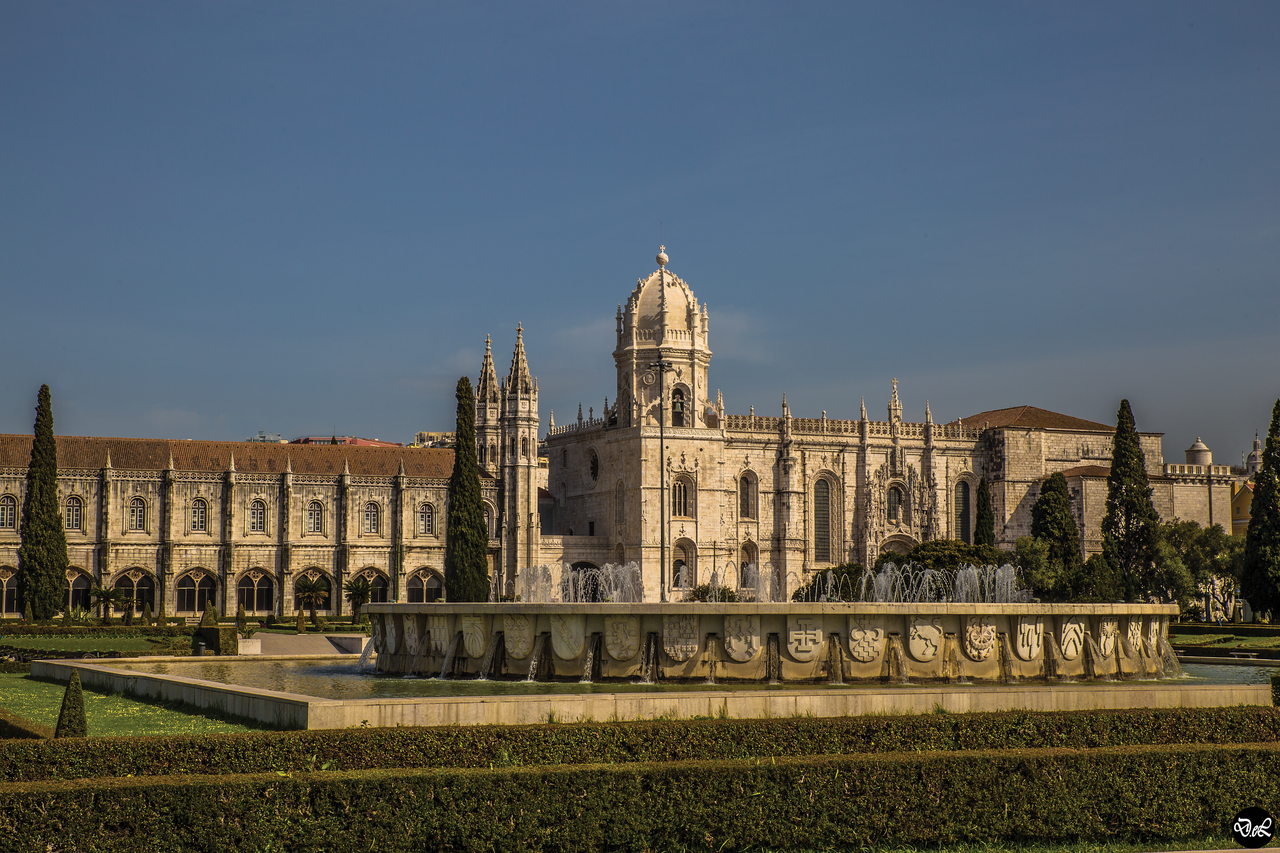
Jerónimos Monastery
Jerónimos Monastery took over a century to complete, beginning in 1501 under King Manuel I and continuing through successive royal reigns until the…
1.5 hrs€18
 7
7Patrimonio
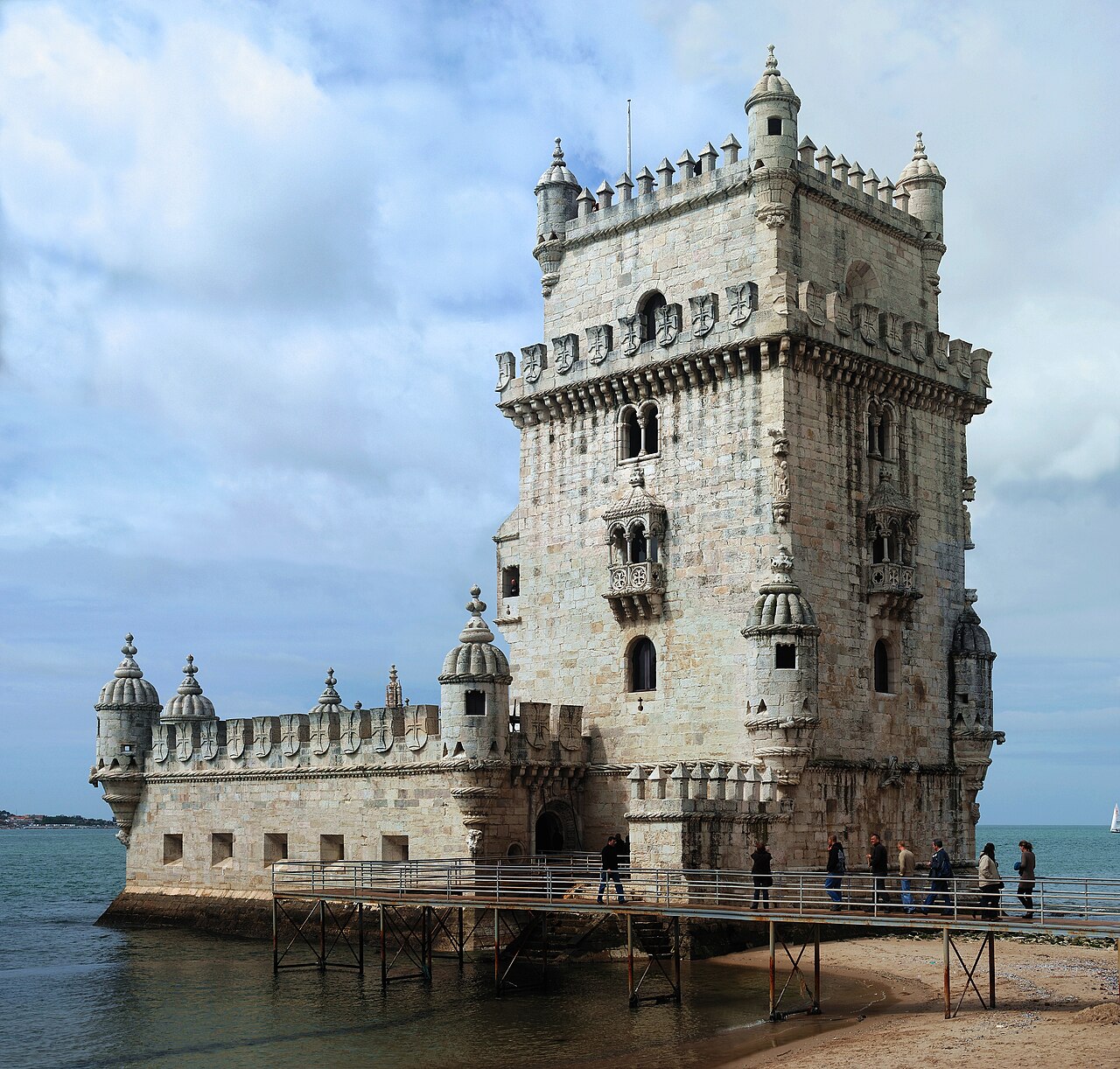
Belém Tower
Belém Tower was built between 1514 and 1520 in a limestone quarried locally from the Lisbon region, commissioned by King Manuel I as a ceremonial…
1 hr€15
 8
8Patrimonio
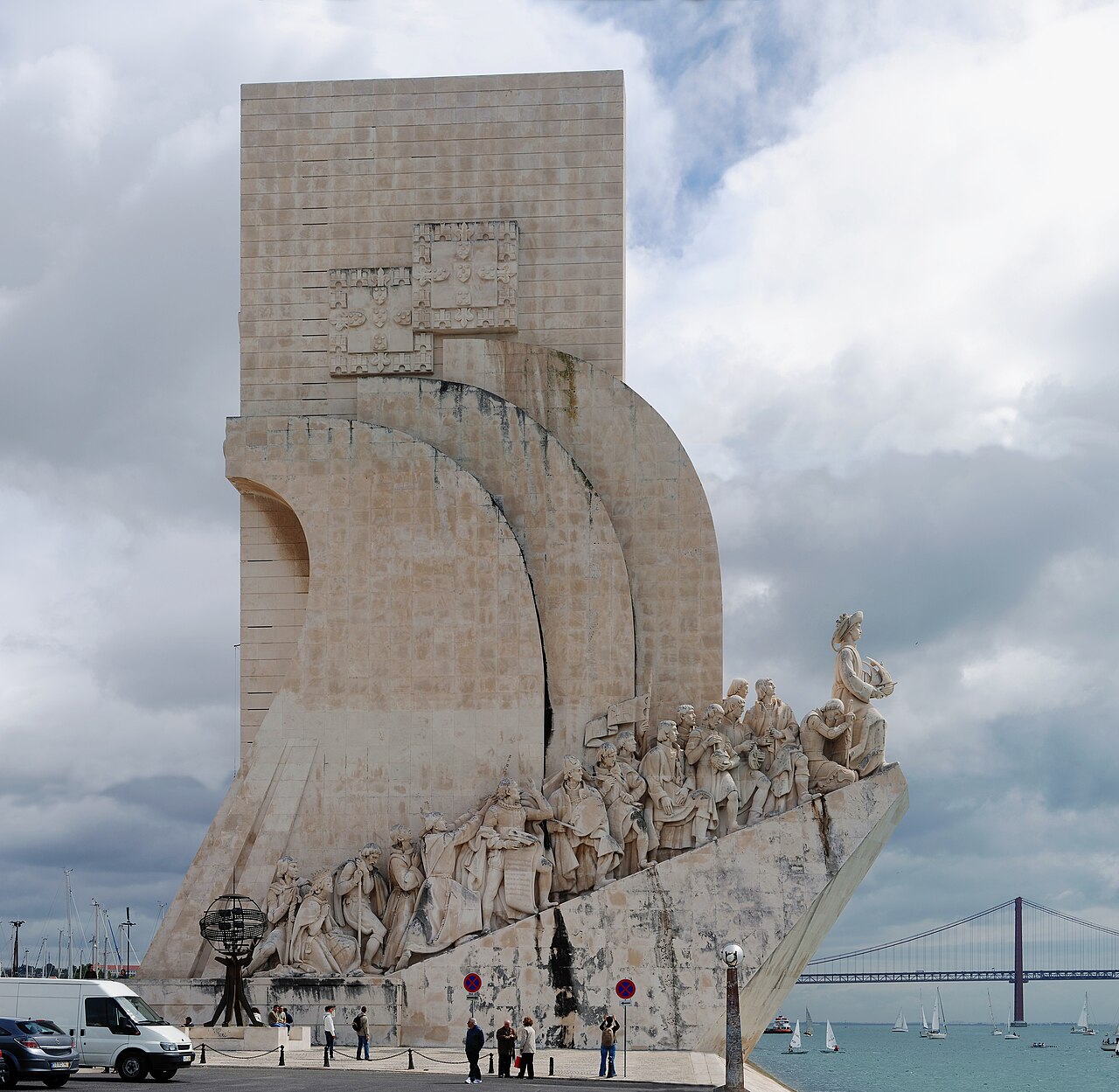
Monument to the Discoveries
The Monument to the Discoveries rises 52 metres from the Tagus riverbank in reinforced concrete faced with limestone and pink Sesimbra stone, shaped…
1 hr€10
 9Entrada gratuita
Mercado
LX Factory
LX Factory occupies a former 19th-century textile and industrial complex beneath the 25 de Abril Bridge, its red-brick warehouse buildings and…
2 hrs
 10
10Museo
Oceanário de Lisboa
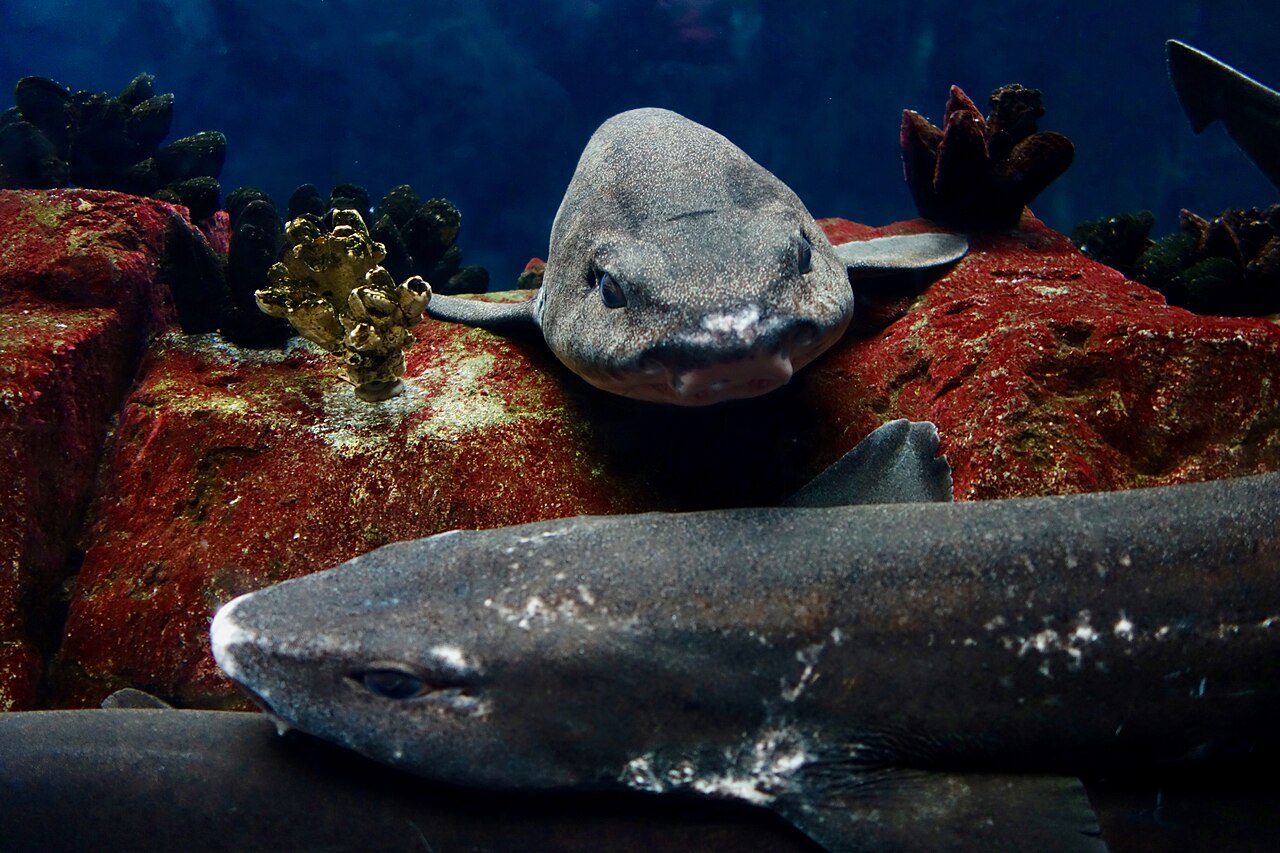
Oceanário de Lisboa holds one of the largest indoor central aquarium tanks in Europe, roughly 5 million litres of seawater built around a single…
2 hrs€25
Mapa de lugares para visitar en Lisbon
Los números coinciden con la clasificación; el top 3 está en naranja. Toca un pin para ver su guía. 3 lugar(es) todavía no tienen posición en el mapa.
Excursiones desde Lisbon
Vale la pena si te sobra un día, empezando por los más cercanos.
28 km · 35-45 min by car; 40 min by direct CP train from Rossio
Sintra (Pena Palace & Quinta da Regaleira)
A UNESCO-listed hill town of 19th-century Romanticist palaces, including the candy-coloured Pena Palace, set in cool pine-and-fern microclimate that runs several degrees below Lisbon on summer days.
30 km · 35 min by car; 40 min by direct CP train from Cais do Sodré
Cascais and the Estoril Coast
Former royal seaside resort with a walkable marina, the dramatic Boca do Inferno sea chasm, and Europe's longest urban seafront promenade linking it to Estoril.
45 km · 45-55 min by car via the 25 de Abril Bridge
Arrábida Natural Park and Setúbal
Limestone sea cliffs, turquoise coves at Praia da Figueirinha and Portinho da Arrábida, and Setúbal's fishing-port fish restaurants, reached by crossing the Tagus itself.
85 km · 1h by car; no direct train, bus via Rodoviária do Oeste
Óbidos
A fully walled medieval town of whitewashed, blue-and-yellow-trimmed houses, small enough to circuit on the intact ramparts in under an hour.
Sobre Lisbon
The city's layout reads in three historical layers: the medieval Alfama and Mouraria quarters, a warren of narrow lanes that survived the 1755 earthquake because the bedrock there absorbed the shock better than the riverside fill; the Pombaline grid of the Baixa downtown, rebuilt after 1755 on a strict rectilinear plan with earthquake-resistant timber-frame construction; and the 20th-century additions of Parque das Nações, built for the 1998 Lisbon Expo on reclaimed industrial riverfront in the city's east.
Humberto Delgado Airport (LIS) sits just 7-9 km from the city centre — one of the closest major-city airports in Europe — connected by the red Metro line in about 20-25 minutes. Within the city, the Metro's four lines (Blue, Yellow, Green, Red) cover the flatter routes, while Carris trams and funiculars handle the hills; a Viva Viagem card or the Navegante Ocasional 24-hour pass covers both. Santa Apolónia and Oriente stations handle long-distance and international rail; Rossio and Cais do Sodré handle regional lines to Sintra and Cascais respectively.
May, June, September, and October are the strongest months: daytime temperatures in the low-to-mid 20s°C, without the July-August peak-season crowding and price spikes at Belém and the castle. Winter is mild and wet rather than cold, with the Atlantic delivering the bulk of its rain between November and January. Lisbon's compact, walkable core — roughly 5 km from Belém in the west to Parque das Nações in the east — means most first-time visitors base themselves centrally in Baixa, Chiado, or Alfama and reach the outer sights by tram, train, or a short taxi.
¿Ves algo incorrecto, o un lugar que falta?
Avísanos y un editor lo verificará con fuentes oficiales y corregirá la página.