Al Fahidi Historic District
#4de 10 lugares para visitar en DubaiDubai, Dubai, United Arab Emirates
También conocido como Al Bastakiya · Bastakiya Quarter
Respuesta rápida
Horario: 09:00–18:00. La entrada es gratuita. Calcula 1.5 hrs. Mejor momento: 08:00 - 10:00.
Actualizado el · Redactado por Traveliac, con ayuda de IA · 5 min de lectura
- Horario
- 09:00–18:00
- District open-air access: 24 hours. Individual galleries, cafés, and the Coffee Museum generally operate 09:00 - 18:00 or later; hours vary by venue.
- Precio de entrada
- Gratis
- Tiempo necesario
- 1.5 hrs
- Mejor momento del día
- 08:00 - 10:00
- Mejores meses
- Nov – Mar
- Dirección
- Al Fahidi St, Al Fahidi Historical Neighbourhood, Bur Dubai, Dubai
Sobre Al Fahidi Historic District
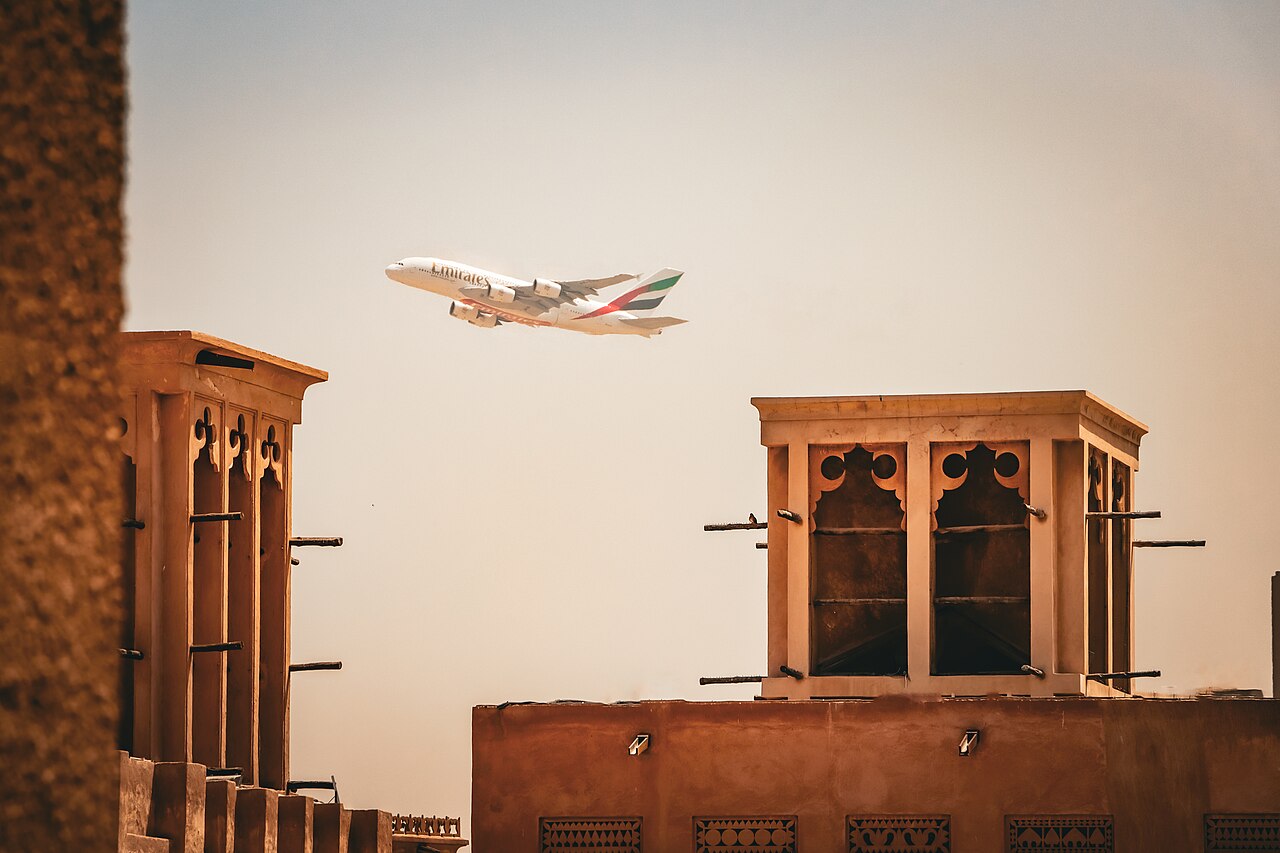
Al Fahidi Historic District preserves roughly 50 restored coral-stone and gypsum courtyard houses along the Dubai Creek's Bur Dubai bank, built mostly between the 1890s and 1930s by Persian merchant families from the Bastak region of southern Iran, which gives the quarter its older name, Al Bastakiya. The neighbourhood's defining architectural feature is the barjeel, a four-sided wind tower built from coral stone bonded with sarooj mortar and gypsum plaster, engineered to funnel prevailing Gulf breezes down into the rooms below - a passive cooling technology that predates mechanical air conditioning by a century and remains functional in several restored buildings today. Narrow, shaded lanes between the courtyard houses were deliberately built tight enough to maximise mutual shading through the day, a vernacular response to the same summer heat that modern Dubai now manages with glass towers and central air conditioning a few kilometres away. The district today houses art galleries, boutique museums, and heritage cafés inside these restored merchant houses, alongside a scattering of still-functioning family residences.
Mejor momento del día: 08:00 - 10:00. For the coolest temperatures and quietest wind-tower lanes, before tour groups and the midday heat arrive.
Horario de Al Fahidi Historic District
Al Fahidi Historic District abre a las 09:00 y cierra a las 18:00. Mantiene el mismo horario los sábados y domingos.
- Horario
- 09:00–18:00
Mon–Sun 09:00–18:00 - District open-air access: 24 hours. Individual galleries, cafés, and the Coffee Museum generally operate 09:00 - 18:00 or later; hours vary by venue.
- Cierra los
- Abierto todos los días
Bueno saber: Dubai Museum at Al Fahidi Fort remains closed for restoration as of 2026; check for a confirmed reopening date before visiting.
Horario recopilados de dubaiculture.gov.ae y registros públicos, última actualización el . Pueden cambiar sin previo aviso — confírmalos antes de viajar. Cómo escribimos estas guías
Precio de entrada de Al Fahidi Historic District
| Entrada | Precio |
|---|---|
| Entrada estándar | Gratis |
| Tarifa reducida (estudiante / mayor) | Gratis |
| Niños | Gratis |
Walking through the district itself is free. Dubai Museum at Al Fahidi Fort, the district's centrepiece museum, has been closed since 2021 for a major restoration and was still not reopened as of September 2026, with officials citing a 'coming weeks or months' timeline - check dubaiculture.gov.ae before planning a visit around it. Individual attractions inside the quarter, such as the Coffee Museum (free) and XVA Gallery, set their own admission terms.
Precios recopilados de dubaiculture.gov.ae y registros públicos, última actualización el . Pueden cambiar sin previo aviso — confírmalos antes de viajar. Cómo escribimos estas guías
Mejor época para visitar Al Fahidi Historic District
- Quiet
- Moderate
- Busy
08:00 - 10:00
Morning QuietBest time to go
Coolest temperatures and near-empty lanes; best light for photographing the wind towers and courtyard facades.
Quiet10:00 - 13:00
Late Morning
Gallery and café openings draw a steady trickle of visitors; still comfortable for unhurried walking.
Moderate13:00 - 16:00
Midday Heat
Outdoor lanes empty out in the heat, though shaded and air-conditioned interior venues stay open and relatively busy.
Quiet16:00 - 19:00
Late Afternoon
Cultural tours and photography groups return as temperatures drop; the busiest window for guided Sheikh Mohammed Centre sessions.
Busy
Historia de Al Fahidi Historic District
Persian merchant families from Bastak began settling this stretch of the Bur Dubai creek-front from the 1890s, drawn by Dubai's tax-friendly trading environment established under the ruling Al Maktoum family, and they built their courtyard houses in a style that blended Persian Gulf coastal vernacular with the wind-tower cooling tradition found across the Gulf's historic trading ports. By the mid-20th century the quarter had become Dubai's primary Persian merchant quarter, central to the pearling and textile trade that predated the discovery of oil.
Much of the district faced demolition pressure in the 1980s as Dubai's rapid modern development expanded, and a small but committed heritage-preservation campaign - including intervention credited to British architect and conservationist Rayner Otter and local heritage advocates - halted the clearances and led to a formal restoration programme through the 1990s and 2000s. Dubai Culture and Arts Authority has managed the quarter's ongoing conservation and adaptive reuse into galleries, cafés, and cultural venues since.
Normas y etiqueta en Al Fahidi Historic District
Modest dress is expected throughout the district given its role as a heritage and, in places, still-residential quarter; covered shoulders and knees are appreciated, particularly near the Sheikh Mohammed Centre for Cultural Understanding's Arabic Majlis and any active prayer spaces nearby. Photography in the public lanes is unrestricted, but photographing residents or private courtyard interiors without permission is discouraged and, in a few cases, explicitly signposted against.
Some lanes are unpaved sand or uneven coral-stone paving, which makes flat, closed-toe shoes more practical than sandals, especially after the rare rain event when surfaces can be slick. Cafés and galleries inside individual houses set their own hours and occasionally close for private events - checking ahead for specific venues like the Coffee Museum avoids a wasted detour.
Consejos para visitar Al Fahidi Historic District
- 1
The Sheikh Mohammed Centre for Cultural Understanding, based inside the district, runs walking tours and cultural breakfast/lunch sessions that explain the architecture and Emirati customs in more depth than a self-guided wander provides - useful given that Dubai Museum at Al Fahidi Fort, the area's main formal museum, remains closed for restoration as of 2026.
- 2
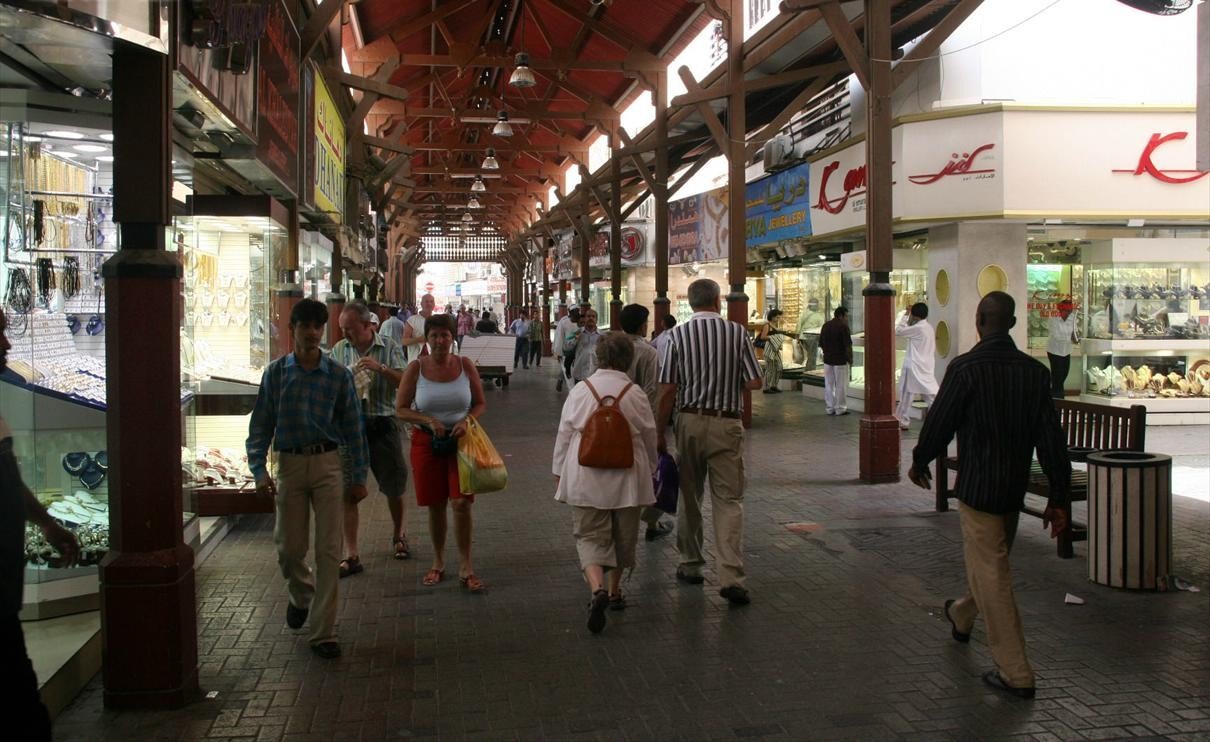
The abra crossing at the nearby Bur Dubai Abra Station, a short walk from the district's creek-side edge, offers a traditional wooden ferry crossing to the Deira souks for around AED 1 per person - the cheapest and most atmospheric way to link this stop with the Gold and Spice Souks on the opposite bank. Early morning light through the wind towers' shadow patterns makes the first two hours after sunrise the best photography window before the lanes fill with day-trippers from the nearby hotels.
Cómo llegar a Al Fahidi Historic District
Todavía no tenemos la ubicación exacta de Al Fahidi Historic District; el mapa muestra los demás lugares de nuestra guía de Dubai. Usa la dirección de abajo o el enlace de cómo llegar.
Al Fahidi St, Al Fahidi Historical Neighbourhood, Bur Dubai, DubaiCómo llegar en Google Maps
Desde Dubai International Airport (DXB)
8 km · 15-20 min
AED 25-35 by taxi; AED 8.50 by Metro Red/Green Line via BurJuman interchange to Al Fahidi station (Nol Card)
Desde Al Fahidi Metro Station
0.9 km · 10-12 min walk
AED 3-8.50 (Nol Card, zone-dependent)
Desde Deira (via Bur Dubai Abra Station)
1 km · 5-10 min by boat
AED 1 per person, cash only
Aeropuerto más cercano
Desde Dubai International Airport (DXB)
approximately 8 km, 15-20 minutes by road.
Estación más cercana
Desde Al Fahidi Metro Station (Green Line)
approximately 900 metres, 10-12 minutes on foot.
Preguntas frecuentes sobre Al Fahidi Historic District
Is Dubai Museum at Al Fahidi Fort open in 2026?
No, Dubai Museum has been closed since 2021 for a major restoration project, and as of September 2026 it had not yet reopened, with officials describing a reopening within 'coming weeks or months.' Check dubaiculture.gov.ae for the latest status before planning a visit specifically around it.
Is it free to walk around Al Fahidi Historic District?
Yes, walking through the district's public lanes is free at any time. Individual venues inside the restored houses, such as art galleries and the Coffee Museum, set their own hours and admission terms, though many, including the Coffee Museum, are free to enter.
What is a barjeel and can visitors still see one working?
A barjeel is a traditional four-sided wind tower built from coral stone and gypsum, designed to funnel breeze down into the rooms below as a pre-electric cooling method. Several restored examples remain visible on courtyard houses throughout Al Fahidi, and some are explained in depth on Sheikh Mohammed Centre for Cultural Understanding tours.
How do I get from Al Fahidi to the Deira souks?
The most atmospheric route is the traditional abra (wooden ferry) crossing from Bur Dubai Abra Station near the district's creek-side edge, costing around AED 1 per person for a 5-10 minute crossing directly to the Deira waterfront near the Gold and Spice Souks.
Redactado con ayuda de IA a partir de fuentes oficiales y registros públicos, y publicado solo tras las comprobaciones descritas en Cómo escribimos estas guías. Nadie de Traveliac ha visitado este lugar. Última actualización el . Cómo clasificamos y verificamos los lugares