Ajanta Caves
#7sur 7 lieux à visiter à AurangabadAurangabad, Maharashtra
Aussi appelé Ajintha Caves
L'essentiel
Horaires d'ouverture : 09:00–17:30, closed Mondays, last entry 17:00. Entrée : ₹40 pour les Indiens · ₹600 pour les étrangers. Comptez 4 hrs. Meilleure période : 09:00 – 11:00.
Mis à jour le · Rédigé par Traveliac, avec assistance IA · 4 min de lecture
- Horaires d'ouverture
- 09:00–17:30
- Closed Mondays
- Prix d'entrée
- ₹40 pour les Indiens
- Billet à partir de
- Durée nécessaire
- 4 hrs
- Meilleur moment de la journée
- 09:00 – 11:00
- Meilleurs mois
- Oct – Mar
- Adresse
- Ajanta, Soygaon taluka, Chhatrapati Sambhajinagar district, Maharashtra 431117
À propos de Ajanta Caves
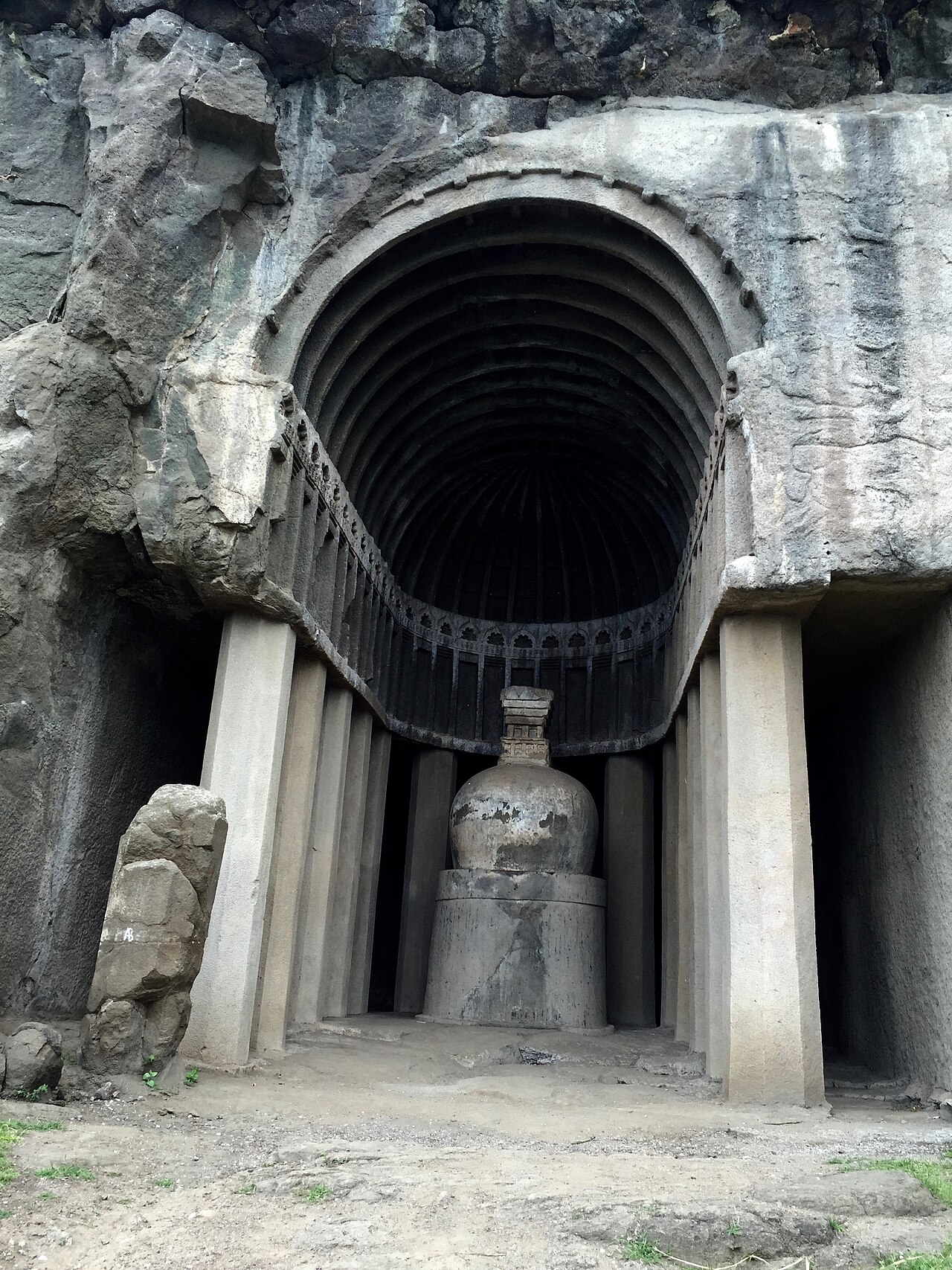
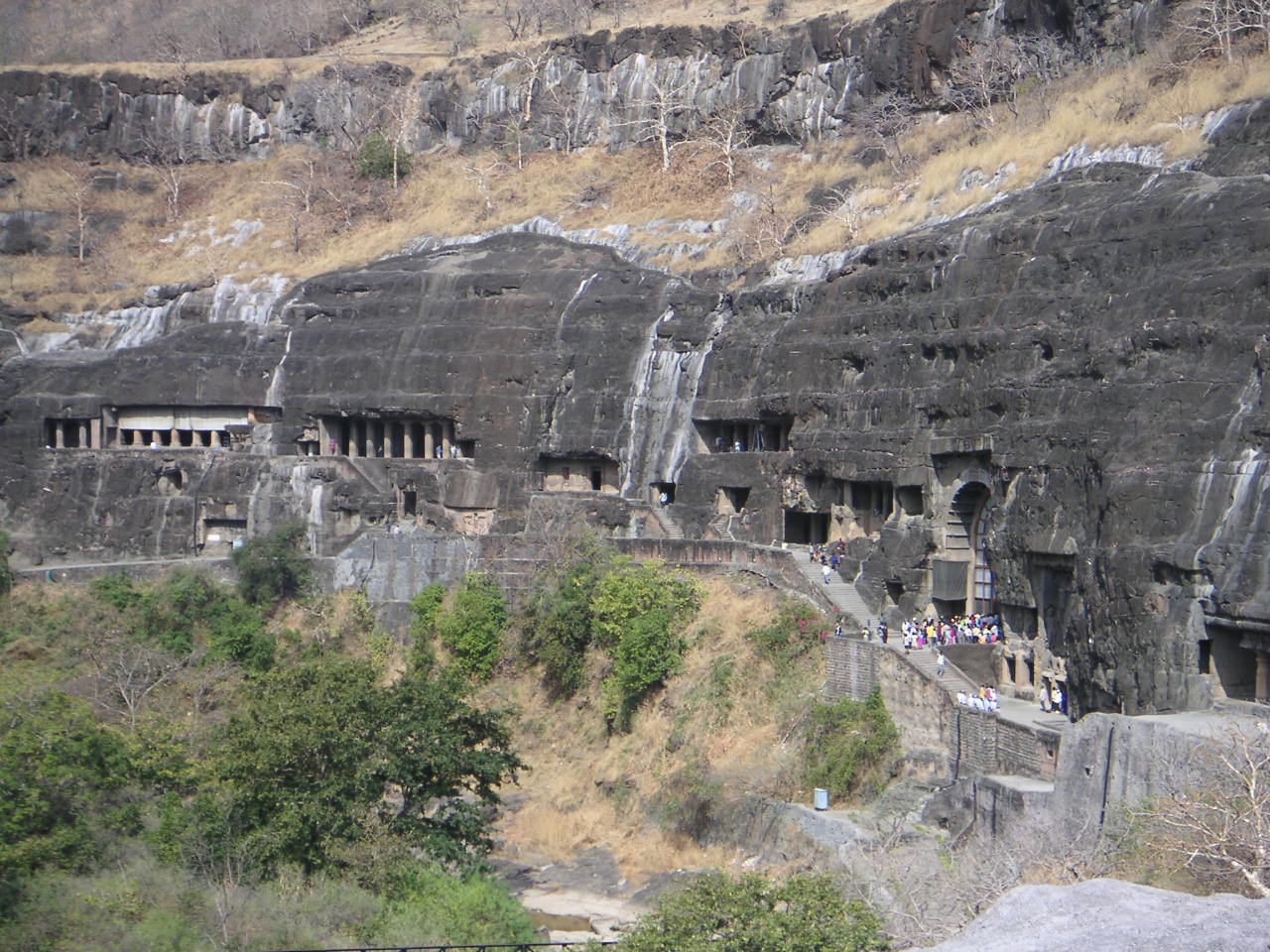
Ajanta Caves sit roughly 100 km from Chhatrapati Sambhajinagar city, carved into a horseshoe-shaped gorge above the Waghur river in two distinct phases: an early Hinayana group from around the 2nd century BCE to the 1st century CE, and a later Mahayana group from the 5th century CE under Vakataka patronage. Of the 30 caves, the reputation rests on the murals in Caves 1, 2, 16, and 17 — paintings executed in a technique using a rough mud-and-dung plaster base, a lime finish layer, and mineral pigments including lapis lazuli-derived blue, ochre, and lamp-black, applied while the surface was still workable rather than as true fresco on wet plaster. Cave 1's depiction of the bodhisattva Padmapani holding a blue lotus is the single most reproduced image from the site, painted with tonal shading around the eyes and shoulders that gives the figure a rounded, almost sculptural presence despite being flat pigment on rock.
Meilleur moment de la journée : 09:00 – 11:00. When the mural-bearing caves (1, 2, 16, 17) get the most usable ambient light and the shuttle queue at the parking area is shortest.
Photographie
₹25 pour la caméra
Horaires de Ajanta Caves
Ajanta Caves ouvre à 09:00 et ferme à 17:30. Les horaires sont les mêmes le samedi et le dimanche.
- Horaires d'ouverture
- 09:00–17:30
Monday Closed Tue–Sun 09:00–17:30 - 09:00 – 17:30, Tuesday to Sunday (last entry 17:00)
- Fermé le
- Monday
Horaires d'ouverture établis à partir de asi.nic.in et de sources publiques, mis à jour le . Ils peuvent changer sans préavis — vérifiez avant de partir. Comment nous rédigeons ces guides
Prix d'entrée de Ajanta Caves
| Billet | Prix |
|---|---|
| Visiteurs indiens | ₹40 |
| Visiteurs étrangers | ₹600 |
| Enfants | Gratuit |
| Caméra | ₹25 |
Children under 15 enter free. A separate mandatory shuttle bus fee of approximately ₹10–20 per person applies for the final 4 km from the visitor parking area to the caves; private vehicles cannot drive up to the site. Video camera fee is ₹25. As of 2026, verify at the counter.
Tarifs établis à partir de asi.nic.in et de sources publiques, mis à jour le . Ils peuvent changer sans préavis — vérifiez avant de partir. Comment nous rédigeons ces guides
Meilleure période pour visiter Ajanta Caves
- Quiet
- Moderate
- Very busy
09:00 – 10:30
Morning OpeningBest time to go
Gates and shuttle service begin at 09:00. Early arrivals reach Caves 1 and 2 with minimal queueing before the mid-morning tour buses land.
Quiet10:30 – 13:30
Peak Tour Window
The bulk of day-trip visitors from Chhatrapati Sambhajinagar arrive in this window. Cave 1's mural chamber can back up with a 20–30 minute wait for close viewing.
Very busy13:30 – 15:30
Midday
Crowd levels ease slightly as some groups begin the return drive to make it back before dark. Shuttle waits shorten correspondingly.
Moderate15:30 – 17:30
Late Afternoon
Visitor numbers drop sharply as the return drive to Chhatrapati Sambhajinagar takes 2–2.5 hours; last entry at 17:00 keeps this window quiet.
Quiet
Histoire de Ajanta Caves
The earliest caves at Ajanta date to the Hinayana Buddhist phase, roughly 2nd century BCE to 1st century CE, consisting of austere chaitya halls with minimal figural decoration. Work stopped for several centuries before resuming around the 5th century CE under the Vakataka dynasty, particularly during the reign of Harishena, when Mahayana Buddhism's emphasis on Bodhisattva imagery and narrative Jataka tales drove the site's most elaborate carving and painting. Construction and patronage ended abruptly around 480 CE, likely tied to the political collapse of the Vakataka kingdom, and the site was gradually abandoned and overtaken by jungle growth. Ajanta remained essentially unknown outside local memory until 1819, when a British East India Company officer, John Smith, came across the entrance to Cave 10 while on a tiger-hunting expedition — an account repeated across most published histories of the site, though its more colourful details have been embellished over two centuries of retelling. UNESCO inscribed Ajanta as a World Heritage Site in 1983, citing its murals as the finest surviving record of ancient Indian painting.
Règles et étiquette à Ajanta Caves
Flash photography is banned in every painted cave, since repeated light exposure accelerates pigment degradation that conservators have already documented across multiple caves. Visitors must park at the designated area roughly 4 km from the caves and transfer to an ASI-run shuttle bus, since private vehicles are not permitted on the final approach road — factor the shuttle queue into arrival planning, especially on weekends. Touts near the shuttle stand sometimes offer 'VIP entry' or 'skip the line' passes; the standard ticket queue and shuttle system already apply equally to all visitors, so these offers add no real benefit. Tripods require prior ASI clearance, and large bags may be asked to be left at a cloakroom near the entrance.
Conseils pour visiter Ajanta Caves
- 1
Ajanta demands a longer day than Ellora given the distance from Chhatrapati Sambhajinagar — most visitors leave the city by 07:00 to reach the site by opening time and still return in the evening. Cave 1 and Cave 2 hold the best-preserved murals and typically have the longest queues; visiting them first, before 10:30, avoids both the crowd and the midday light that washes out the interior's dim, deliberately low-lit viewing conditions. Jalgaon, roughly 59 km away, is the closer railway gateway for travellers arriving by train rather than routing through Chhatrapati Sambhajinagar, though train frequency and onward road transport are more limited than the Chhatrapati Sambhajinagar route. Bring a personal torch for close inspection of the darker mural sections, since the ASI's ambient lighting is deliberately kept low to protect the paintings. There is no overnight accommodation immediately at the site; the nearest lodging clusters are in Fardapur, about 5 km away, or back in Chhatrapati Sambhajinagar city.
Comment se rendre à Ajanta Caves
Nous n'avons pas encore localisé Ajanta Caves avec précision ; la carte montre les autres lieux de notre guide Aurangabad. Utilisez l'adresse ci-dessous ou le lien d'itinéraire.
Ajanta, Soygaon taluka, Chhatrapati Sambhajinagar district, Maharashtra 431117Itinéraire sur Google Maps
Depuis Chhatrapati Sambhajinagar city
₹2,500–₹3,500100 km · 2–2.5 hr
Full-day private taxi, round trip); MSRTC direct bus service for approximately ₹150–200 one-way
Depuis Jalgaon Railway Station
₹1,200–₹1,80059 km · 1.5–2 hr
Taxi, one-way, negotiated
Depuis Ajanta parking area
₹10–₹204 km · 10–15 min
Mandatory ASI shuttle bus, per person
Aéroport le plus proche
Depuis Chhatrapati Sambhaji Maharaj Airport (IXU)
approximately 100 km, 2–2.5 hours by road; Jalgaon Airport, with limited connectivity, is closer at roughly 55–60 km.
Gare la plus proche
Depuis Jalgaon Railway Station
approximately 59 km, 1.5–2 hours; Chhatrapati Sambhajinagar Railway Station (AWB) is farther at approximately 100 km.
FAQ — Ajanta Caves
Which day is Ajanta Caves closed?
Monday. Ajanta Caves are open Tuesday through Sunday, which is the opposite closure pattern from Ellora Caves, closed on Tuesday — plan visits to the two sites on different days if possible.
How far is Ajanta Caves from Chhatrapati Sambhajinagar?
Approximately 100 km, roughly a 2 to 2.5 hour drive one-way. This makes Ajanta a longer day trip than Ellora, which sits only about 29 km from the city.
Can private cars drive directly to Ajanta Caves?
No. Vehicles must park at a designated area about 4 km from the caves and transfer to a mandatory ASI shuttle bus for the final approach, which costs roughly ₹10–20 per person.
Why is flash photography banned inside the Ajanta caves?
The murals use fragile mineral pigments on a lime-plaster surface that conservators have documented as sensitive to repeated light exposure. Flash photography is prohibited in every painted cave to slow further degradation.
Rédigé avec l'assistance de l'IA à partir de sources officielles et de registres publics, et publié seulement après les vérifications décrites dans Comment nous rédigeons ces guides. Personne chez Traveliac ne s'est rendu sur place. Mis à jour le . Comment nous classons et vérifions les lieux