
Akihabara
#3sur 10 lieux à visiter à TokyoTokyo, Kanto, Japan
Aussi appelé Akihabara Electric Town · 秋葉原 · Akiba
L'essentiel
Horaires d'ouverture : 10:00–20:00 and 13:00–18:00 and 12:00–18:00. L'entrée est gratuite. Comptez 2.5 hrs.
Mis à jour le · Rédigé par Traveliac, avec assistance IA · 5 min de lecture
- Horaires d'ouverture
- 10:00–18:00
- The district itself has no fixed hours; most electronics and hobby shops operate roughly 10:00–20:00, arcades and some anime shops stay open later, and Chuo-dori is closed to vehicle traffic and turned into a pedestrian zone on Sunday afternoons (roughly 13:00–18:00, or 12:00–18:00 in summer).
- Prix d'entrée
- Gratuit
- Durée nécessaire
- 2.5 hrs
- Meilleurs mois
- Mar – Apr, Oct – Nov
- Adresse
- Centered on Sotokanda 1-chome, Chiyoda City, Tokyo 101-0021, Japan (spanning both Chiyoda and Taito wards around Akihabara Station)
À propos de Akihabara
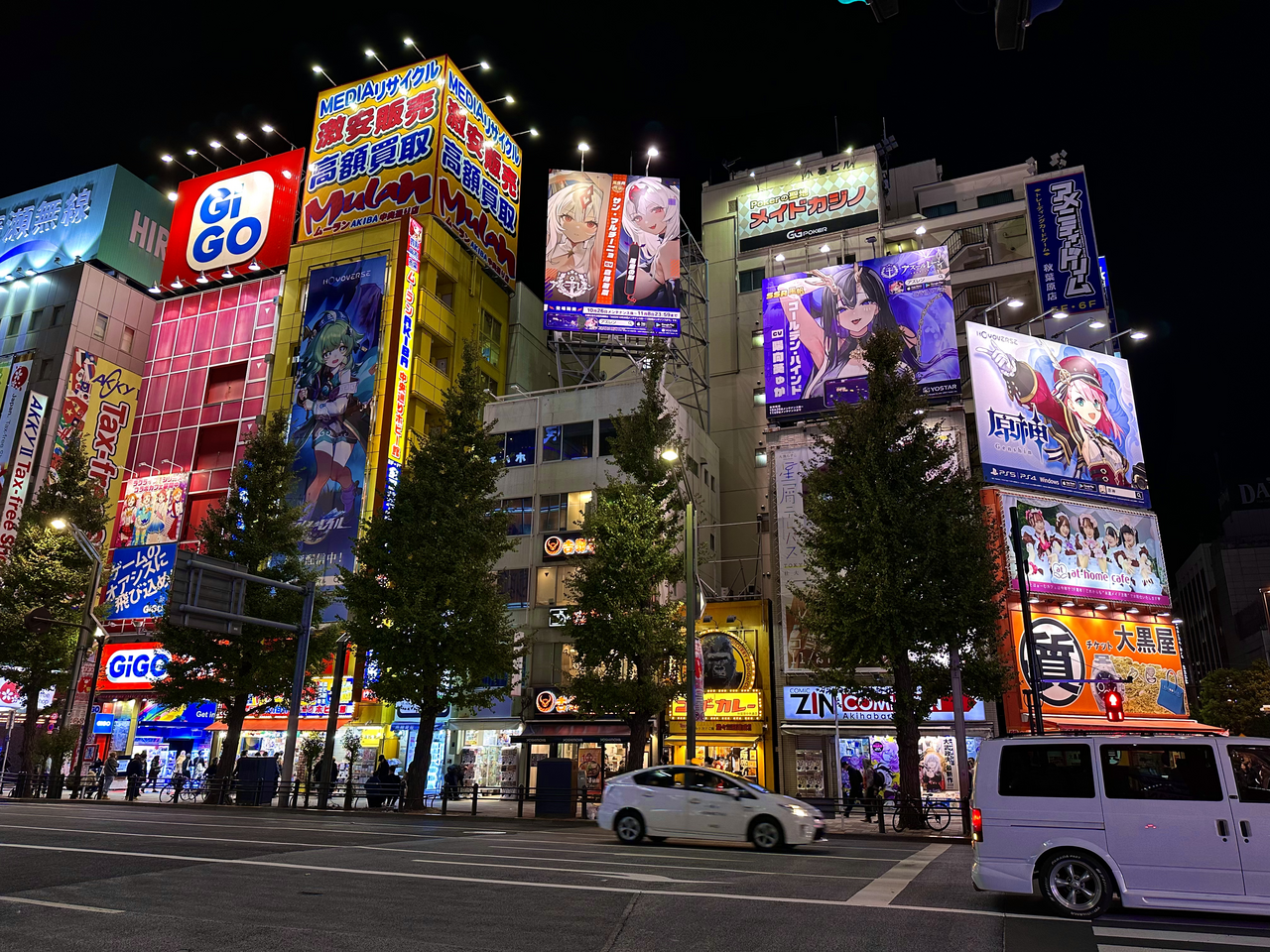
Akihabara is a roughly one-square-kilometre district around Akihabara Station in central Tokyo, built originally on postwar electronics retail and now equally known for anime, manga, gaming, and idol culture. The nickname 'Electric Town' dates to the years immediately after World War II, when a black market selling radio parts, wiring, and salvaged electrical components operated near the station; by the 1970s, Akihabara had grown into Japan's largest electronics retail cluster, the place households went to buy their first refrigerator, television, or washing machine during the postwar consumer boom. From the late 1990s, as home appliance retail dispersed to suburban chain stores, a second identity took over: multi-floor shops selling manga, trading cards, anime figures, retro video games, and idol merchandise, alongside maid cafés where servers in costume interact with customers through scripted, theatrical service.
Horaires de Akihabara
- Horaires d'ouverture
- 10:00–18:00
Mon–Sun 10:00–20:00 and 13:00–18:00 and 12:00–18:00 - The district itself has no fixed hours; most electronics and hobby shops operate roughly 10:00–20:00, arcades and some anime shops stay open later, and Chuo-dori is closed to vehicle traffic and turned into a pedestrian zone on Sunday afternoons (roughly 13:00–18:00, or 12:00–18:00 in summer).
- Fermé le
- Ouvert tous les jours
Horaires d'ouverture établis à partir de gotokyo.org et de sources publiques, mis à jour le . Ils peuvent changer sans préavis — vérifiez avant de partir. Comment nous rédigeons ces guides
Prix d'entrée de Akihabara
| Billet | Prix |
|---|---|
| Billet standard | Gratuit |
| Tarif réduit (étudiant / senior) | Gratuit |
| Enfants | Gratuit |
Akihabara is a public shopping district with no admission fee. Individual attractions inside it — maid cafés, arcades, anime-figure shops, and electronics stores — set their own prices; maid cafés commonly charge a per-visit seating fee plus menu items, often totaling ¥2,000–¥4,000.
Tarifs établis à partir de gotokyo.org et de sources publiques, mis à jour le . Ils peuvent changer sans préavis — vérifiez avant de partir. Comment nous rédigeons ces guides
Meilleure période pour visiter Akihabara
- Quiet
- Moderate
- Busy
- Very busy
10:00–12:00
Morning OpeningBest time to go
Shops open gradually through the morning; quieter browsing in electronics and figure stores before midday arrivals.
Quiet12:00–17:00
Daytime Peak
Main shopping hours draw the heaviest foot traffic on Chuo-dori and around the station's Electric Town Exit.
Busy13:00–18:00 (Sundays)
Pedestrian Paradise
Chuo-dori closes to vehicles; street performers, cosplayers, and the week's largest foot traffic fill the roadway itself.
Very busy18:00–21:00
Evening
Neon signage lights up; arcades and maid cafés see steady evening trade as daytime shopping crowds thin.
Moderate
Histoire de Akihabara
The postwar black market that gave Akihabara its name formed in the rubble around Akihabara Station from 1945 onward, when returning soldiers and displaced vendors sold salvaged radio parts, vacuum tubes, and wiring to a public rebuilding its basic infrastructure. The Japanese government's postwar electrification and consumer-goods policy, combined with the district's existing rail infrastructure and its designation as an approved retail zone for electronics parts, allowed the market to formalize into legitimate storefronts through the 1950s.
By the 1960s and 1970s, large electronics retailers had established multi-floor flagship stores throughout the district, and Akihabara became synonymous with consumer electronics nationally, drawing shoppers from across Japan during the country's high-growth economic era. The identity shift toward otaku (dedicated hobbyist) culture began in the late 1990s and accelerated through the 2000s, as personal computer and gaming culture, along with the broader anime and manga industry, found a natural retail home in a district already built around technology retail and small specialty shops; the 2005 film and later media coverage of Akihabara's maid café scene brought the district wider international recognition beyond its electronics reputation.
The Chuo-dori Sunday pedestrian closure (hokosha tengoku, or 'pedestrian paradise') dates back to the 1970s as a traffic-management measure, later becoming an informal gathering point for street performance and cosplay before being temporarily suspended after a 2008 stabbing incident on the closed street; it was reinstated in 2011 with increased security presence and remains a weekly fixture.
Règles et étiquette à Akihabara
Maid cafés and similar theme cafés typically require a seating charge (often ¥500–¥1,000) in addition to menu items, and photography inside is frequently restricted or requires an additional paid photo pass — check posted signage or ask staff before taking pictures of costumed servers. Many electronics and duty-free shops offer tax-free purchases for tourists with passport presentation, but this applies only above a minimum spend threshold and at participating stores, not universally.
Some specialty shops selling adult-oriented manga or figures restrict entry to visitors 18 and over, with age-verification signage at the door; these are usually confined to upper floors or back sections of larger buildings, separate from general retail areas. Bargaining is not customary in Akihabara's fixed-price retail shops, unlike some other Asian electronics markets, though secondhand and used-goods shops occasionally have some flexibility on visibly damaged stock.
Conseils pour visiter Akihabara
- 1
Multi-floor shops like used-game and figure retailers often price identical items differently floor to floor based on condition grading, so checking more than one floor before buying is worth the extra few minutes. Tipping is not practised in Japan and does not apply to maid café staff, retail clerks, or arcade attendants, regardless of how personalized the service feels.
- 2
Sunday afternoon's Chuo-dori pedestrian closure is the single best window for photographing the district's dense signage and street-level energy without dodging traffic, but it is also the most crowded period for shop entry queues. Retro gaming shops clustered on the upper floors of buildings along Chuo-dori and Sotokanda's side streets often carry imported and used consoles at prices below what collectors pay overseas, making Akihabara a genuine sourcing destination rather than just a sightseeing stop for anyone collecting retro electronics or games.
Comment se rendre à Akihabara
L'étoile rouge indique Akihabara ; les repères numérotés sont les 7 lieux les plus proches de nos guides, chacun avec son classement dans sa ville. Touchez un repère pour plus de détails.
Centered on Sotokanda 1-chome, Chiyoda City, Tokyo 101-0021, Japan (spanning both Chiyoda and Taito wards around Akihabara Station)Itinéraire sur Google Maps
Depuis Haneda Airport (HND)
20 km · 40–50 min
¥650–¥720
Depuis Narita Airport (NRT)
62 km · 65–85 min
¥1,300–¥3,200
Depuis Tokyo Station
3 km · 5–10 min
¥150–¥180
Aéroport le plus proche
Depuis Haneda Airport (HND)
20 km, approximately 40–50 minutes via monorail and JR/subway transfer.
Gare la plus proche
Depuis Akihabara Station (JR Yamanote/Keihin-Tohoku/Sobu Lines, Tokyo Metro Hibiya Line, Tsukuba Express)
the district surrounds the station's Electric Town Exit.
FAQ — Akihabara
Is Akihabara free to visit?
Yes, the district itself has no admission charge. Only specific attractions inside it, such as maid cafés (typically ¥2,000–¥4,000 per visit including seating fee and menu items) or paid photo passes, cost money.
When is Chuo-dori closed to traffic in Akihabara?
On Sunday afternoons, roughly 13:00 to 18:00 (12:00 to 18:00 in summer), the main Chuo-dori street closes to vehicles for a pedestrian-only period known as hokosha tengoku. It is the district's busiest and most photogenic window.
Why is Akihabara called Electric Town?
The nickname dates to the years immediately after World War II, when a black market selling salvaged radio parts and electrical components operated near Akihabara Station. It grew into Japan's largest electronics retail cluster by the 1970s before its later shift toward anime, manga, and gaming culture.
Are there age restrictions on shops in Akihabara?
Yes, some specialty shops selling adult-oriented manga or figures restrict entry to visitors 18 and over, with age-verification signage at the entrance. These sections are usually confined to upper floors or back areas, separate from general retail floors.
Rédigé avec l'assistance de l'IA à partir de sources officielles et de registres publics, et publié seulement après les vérifications décrites dans Comment nous rédigeons ces guides. Personne chez Traveliac ne s'est rendu sur place. Mis à jour le . Comment nous classons et vérifions les lieux
Lieux à visiter près de Akihabara
Distances à vol d'oiseau, depuis notre carte ; les durées sont estimées.
 #4 in TokyoEntrée gratuite
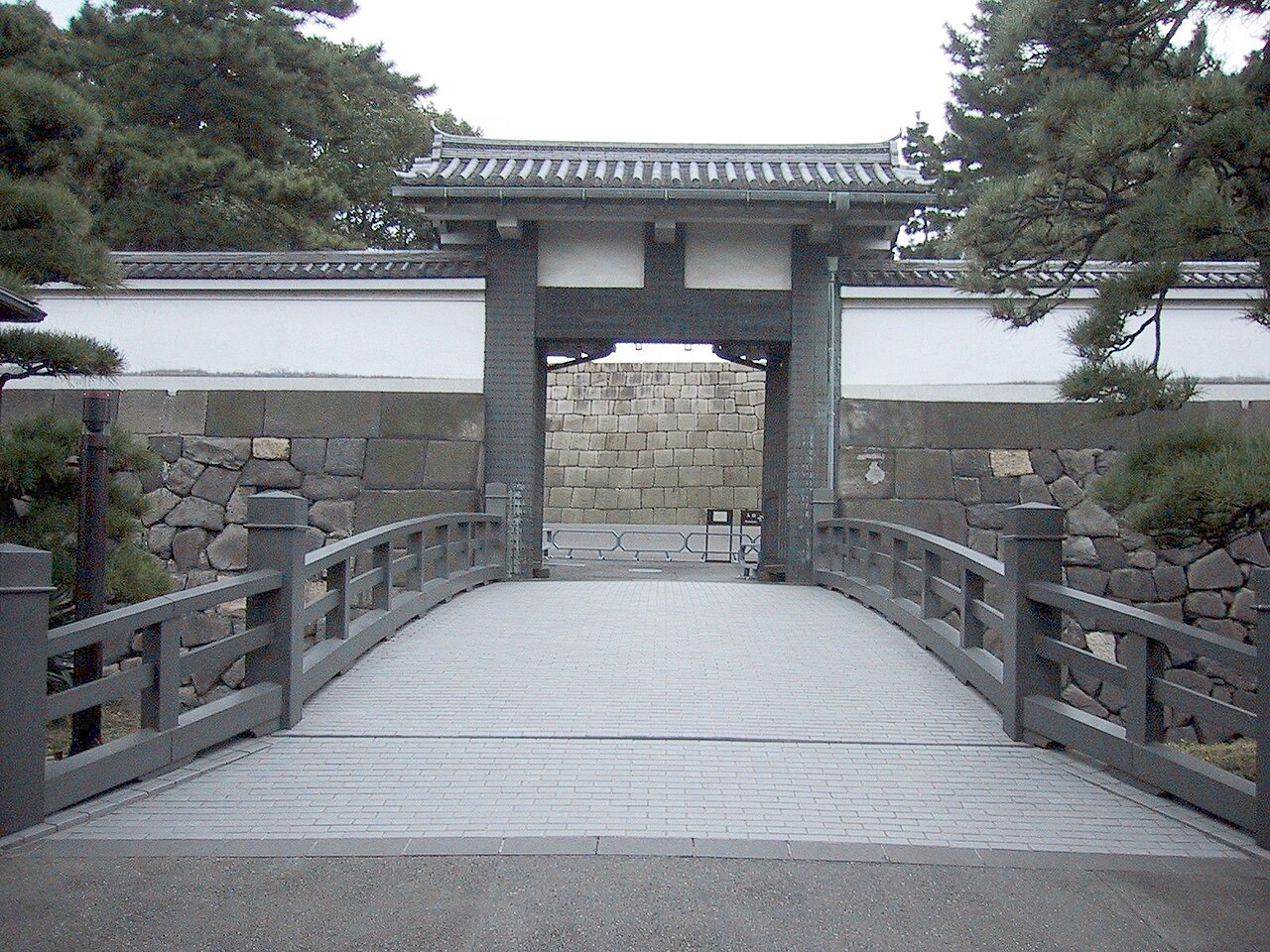
Imperial Palace East Gardens
Palais · 1.9 km · about 30 min walk
 #2 in Tokyo
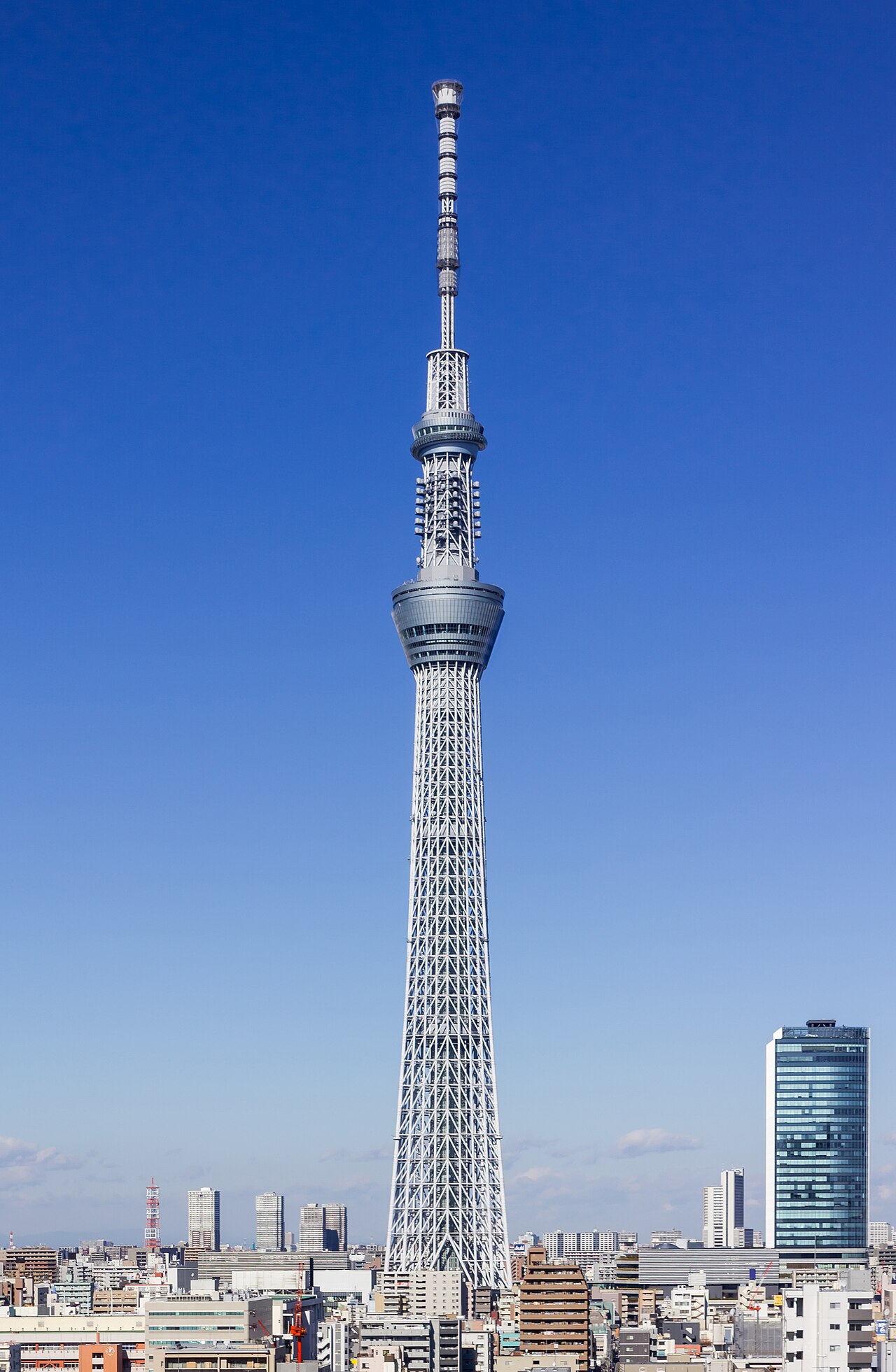
Tokyo Skytree
Patrimoine · 4 km · about 10 min by road
 #9 in TokyoEntrée gratuite
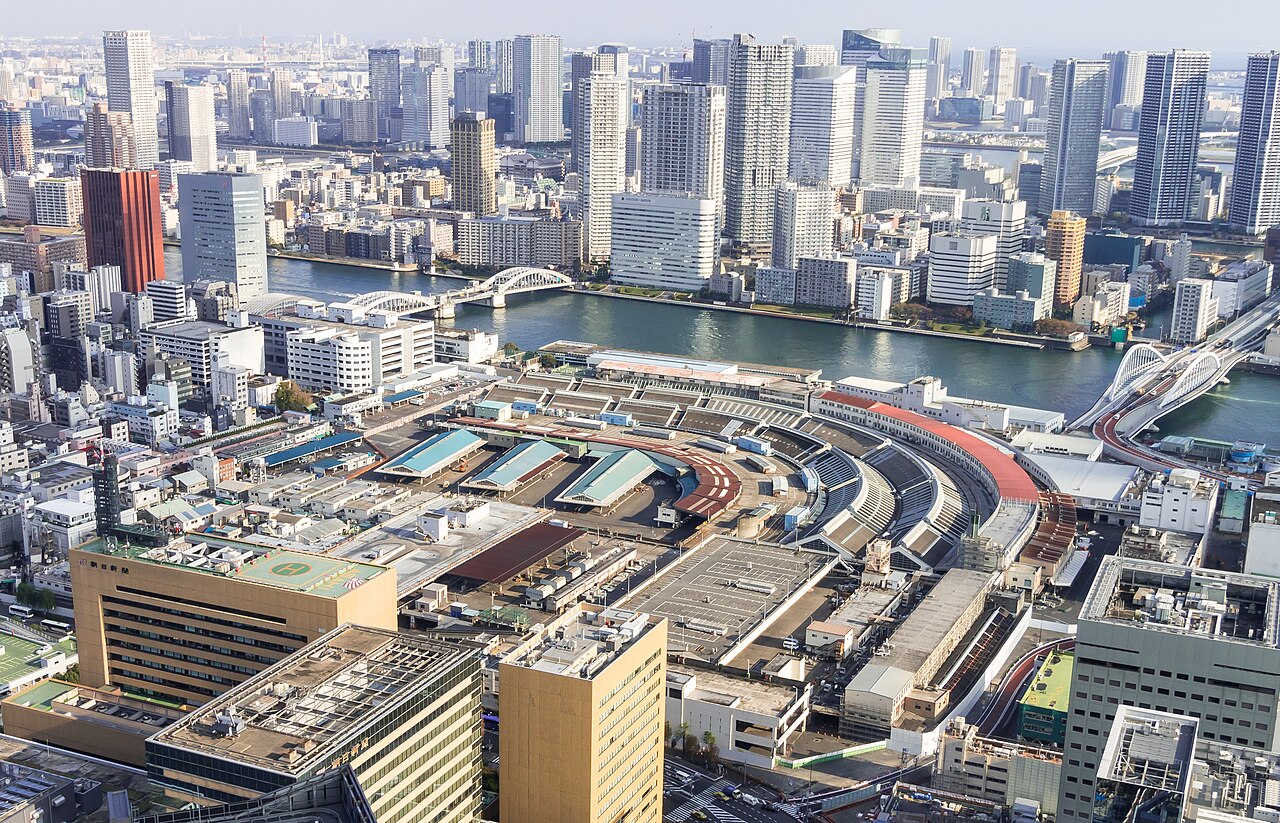
Tsukiji Outer Market
Marché · 4 km · about 15 min by road
 #5 in Tokyo
Tokyo Tower
Patrimoine · 5 km · about 15 min by road