
Shinjuku Gyoen National Garden
#8sur 10 lieux à visiter à TokyoTokyo, Kanto, Japan
Aussi appelé 新宿御苑
L'essentiel
Horaires d'ouverture : 09:00–16:30 and 09:00–18:00 and 09:00–19:00, closed Mondays, last entry 16:00. Entrée : ¥500. Comptez 2 hrs. Meilleure période : Opening at 09:00.
Mis à jour le · Rédigé par Traveliac, avec assistance IA · 4 min de lecture
- Horaires d'ouverture
- 09:00–19:00
- Closed Mondays
- Prix d'entrée
- ¥500
- Billet à partir de
- Durée nécessaire
- 2 hrs
- Meilleur moment de la journée
- Opening at 09:00
- Meilleurs mois
- Mar – Apr, Oct – Nov
- Adresse
- 11 Naitomachi, Shinjuku City, Tokyo 160-0014, Japan
À propos de Shinjuku Gyoen National Garden
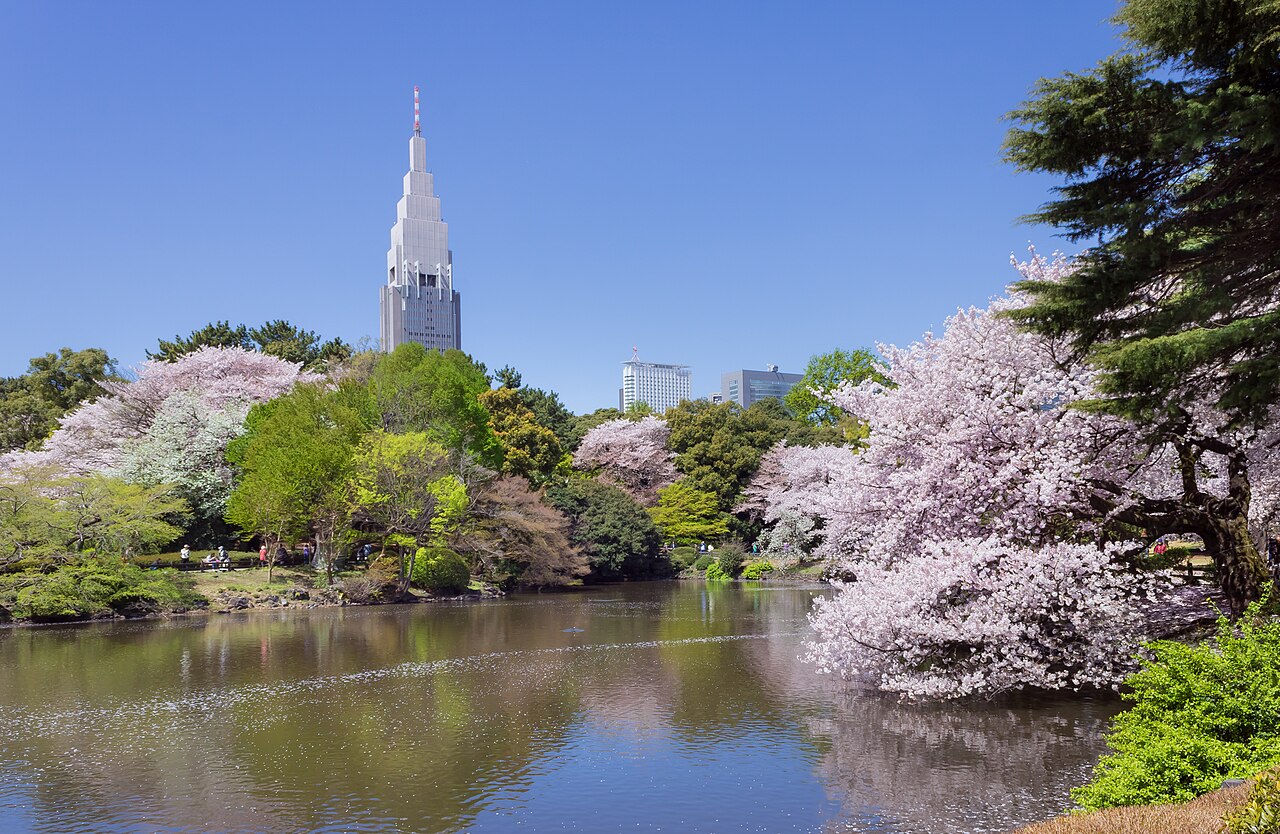
Shinjuku Gyoen National Garden covers 58.3 hectares in central Tokyo and combines three distinct garden styles within one enclosed park: a formal French garden with symmetrical rose beds, an English landscape garden of open lawns, and a traditional Japanese garden with ponds, bridges, and a teahouse. The garden holds roughly 65 cherry tree varieties totaling more than 1,000 trees, which bloom in a staggered sequence from late March into late April — later cherry varieties here often peak after the more famous but shorter Somei Yoshino season has already passed at other Tokyo sites, giving Shinjuku Gyoen one of the longest cherry-blossom windows in the city.
Meilleur moment de la journée : Opening at 09:00. On a weekday, especially during the late-March cherry blossom and November foliage peaks, to see the gardens before tour groups and picnicking crowds arrive.
Horaires de Shinjuku Gyoen National Garden
- Horaires d'ouverture
- 09:00–19:00
Monday Closed Tue–Sun 09:00–16:30 and 09:00–18:00 and 09:00–19:00 - 09:00–16:30 (last entry 16:00) from October 1 to March 14; 09:00–18:00 (last entry 17:30) from March 15 to June 30 and August 21 to September 30; 09:00–19:00 (last entry 18:30) from July 1 to August 20.
- Fermé le
- Mondays (if a Monday is a national holiday, the garden opens that day and closes the following Tuesday instead), New Year holiday period
Horaires d'ouverture établis à partir de policies.env.go.jp et de sources publiques, mis à jour le . Ils peuvent changer sans préavis — vérifiez avant de partir. Comment nous rédigeons ces guides
Prix d'entrée de Shinjuku Gyoen National Garden
| Billet | Prix |
|---|---|
| Billet standard | ¥500 |
| Tarif réduit (étudiant / senior) | ¥250 |
| Enfants | Gratuit |
Adult admission ¥500; students and seniors 65+ pay ¥250 with valid ID. Elementary and junior-high-age children enter free year-round. As of 2026, verify pricing at the official site — the garden has periodically adjusted fees.
Tarifs établis à partir de policies.env.go.jp et de sources publiques, mis à jour le . Ils peuvent changer sans préavis — vérifiez avant de partir. Comment nous rédigeons ces guides
Meilleure période pour visiter Shinjuku Gyoen National Garden
- Quiet
- Moderate
- Busy
09:00–10:30
Morning OpeningBest time to go
Quietest window of the day; best light for photography in the French rose garden and Japanese garden ponds.
Quiet11:00–14:00
Midday Peak
Picnic crowds fill the open lawns, especially in cherry-blossom and autumn-foliage seasons; lawn space becomes limited.
Busy14:00–16:00
Afternoon
Crowds ease from midday peak; still active but easier movement along garden pathways.
Moderate16:00–close
Late Afternoon
Visitor numbers thin as closing time approaches; last-entry cutoffs vary seasonally between 16:00 and 18:30.
Quiet
Histoire de Shinjuku Gyoen National Garden
The land occupied by Shinjuku Gyoen originally belonged to the Naito family, feudal lords of the Takato Domain, granted the estate in the early Edo period under the Tokugawa shogunate. Following the 1868 Meiji Restoration, the government converted the former daimyo estate into an experimental agricultural and botanical station in 1879, used for testing new crop varieties and horticultural techniques as part of Japan's broader Meiji-era modernization push.
The garden was redesigned into its current three-style layout in the early 20th century under French landscape architect Henri Martinet, commissioned by the Imperial Household Agency, and opened in 1906 as an imperial garden reserved for the emperor's use and state receptions rather than public access. Extensive damage during the 1945 air raids destroyed much of the original planting and structures; postwar reconstruction under the new Japanese government transferred the garden to public ownership, and it reopened as a public national garden in 1949.
The glass-and-steel greenhouse on the grounds, housing tropical and subtropical plant collections, was rebuilt in its current form in 2012, replacing an earlier structure, and remains one of the largest public greenhouses in Tokyo.
Règles et étiquette à Shinjuku Gyoen National Garden
Alcohol consumption is prohibited throughout the garden, a deliberate policy distinguishing Shinjuku Gyoen from many other Tokyo parks where hanami (cherry-blossom viewing) parties with alcohol are common; this keeps the garden notably calmer during peak bloom season. Ball games, large group sports, and amplified music are similarly restricted to preserve the park's quieter character.
Picnicking on the open lawns is permitted and encouraged, particularly during cherry-blossom season, but picnic blanket space fills quickly on peak bloom weekends, and claiming a spot before 10:00 is advisable. Pets are not permitted inside the garden. The greenhouse and Japanese garden's teahouse (which serves matcha and seasonal sweets for a separate small fee) have their own posted hours distinct from the general garden gates.
Conseils pour visiter Shinjuku Gyoen National Garden
- 1
Late November typically brings the clearest autumn foliage in the Japanese garden section, with maple colors often peaking slightly later than at some other Tokyo gardens due to the site's microclimate. Tipping is not practised in Japan and does not apply to garden staff or the teahouse.
- 2
The garden has three entrance gates — Shinjuku Gate, Okido Gate, and Sendagaya Gate — and each opens onto a different garden style first; entering via Sendagaya Gate leads most directly into the Japanese garden section, a useful shortcut for visitors prioritizing that area. Bringing a packed lunch is worthwhile since food options inside the garden are limited to a small café near the greenhouse; the surrounding Shinjuku and Yotsuya neighborhoods have far more dining choices just outside the gates.
- 3
Because the garden closes on Mondays (a rule that trips up visitors used to Tokyo's many Monday-open attractions), checking the calendar before building it into a tight itinerary is worthwhile, particularly around national holidays when the closure shifts to Tuesday instead.
Comment se rendre à Shinjuku Gyoen National Garden
L'étoile rouge indique Shinjuku Gyoen National Garden ; les repères numérotés sont les 7 lieux les plus proches de nos guides, chacun avec son classement dans sa ville. Touchez un repère pour plus de détails.
11 Naitomachi, Shinjuku City, Tokyo 160-0014, JapanItinéraire sur Google Maps
Depuis Haneda Airport (HND)
22 km · 45–55 min
¥650–¥750
Depuis Narita Airport (NRT)
68 km · 85–100 min
¥3,250
Depuis Shinjuku Station
1.5 km · 5–10 min
Free on foot / ¥180 by subway
Aéroport le plus proche
Depuis Haneda Airport (HND)
22 km, approximately 45–55 minutes via monorail and subway transfer.
Gare la plus proche
Depuis Shinjuku-gyoenmae Station (Tokyo Metro Marunouchi Line)
5-minute walk to the Shinjuku Gate; Sendagaya Station (JR Sobu Line) is closer to the Sendagaya Gate.
FAQ — Shinjuku Gyoen National Garden
How much does it cost to enter Shinjuku Gyoen?
Adult admission is ¥500; students and seniors 65 and over pay ¥250 with valid ID. Elementary and junior-high-age children enter free year-round.
Is Shinjuku Gyoen open on Mondays?
No, the garden is closed every Monday. If a national holiday falls on a Monday, the garden opens that day and closes the following Tuesday instead.
Can you drink alcohol at Shinjuku Gyoen during cherry blossom season?
No. Alcohol is prohibited throughout the garden year-round, including during peak cherry-blossom season, distinguishing it from many other Tokyo parks that allow hanami parties with drinking.
When does cherry blossom season peak at Shinjuku Gyoen?
Typically late March into late April, since the garden holds roughly 65 cherry varieties across more than 1,000 trees that bloom in a staggered sequence. This gives it one of the longer cherry-blossom viewing windows in Tokyo compared to single-variety sites.
Rédigé avec l'assistance de l'IA à partir de sources officielles et de registres publics, et publié seulement après les vérifications décrites dans Comment nous rédigeons ces guides. Personne chez Traveliac ne s'est rendu sur place. Mis à jour le . Comment nous classons et vérifions les lieux
Lieux à visiter près de Shinjuku Gyoen National Garden
Distances à vol d'oiseau, depuis notre carte ; les durées sont estimées.
 #6 in TokyoEntrée gratuite
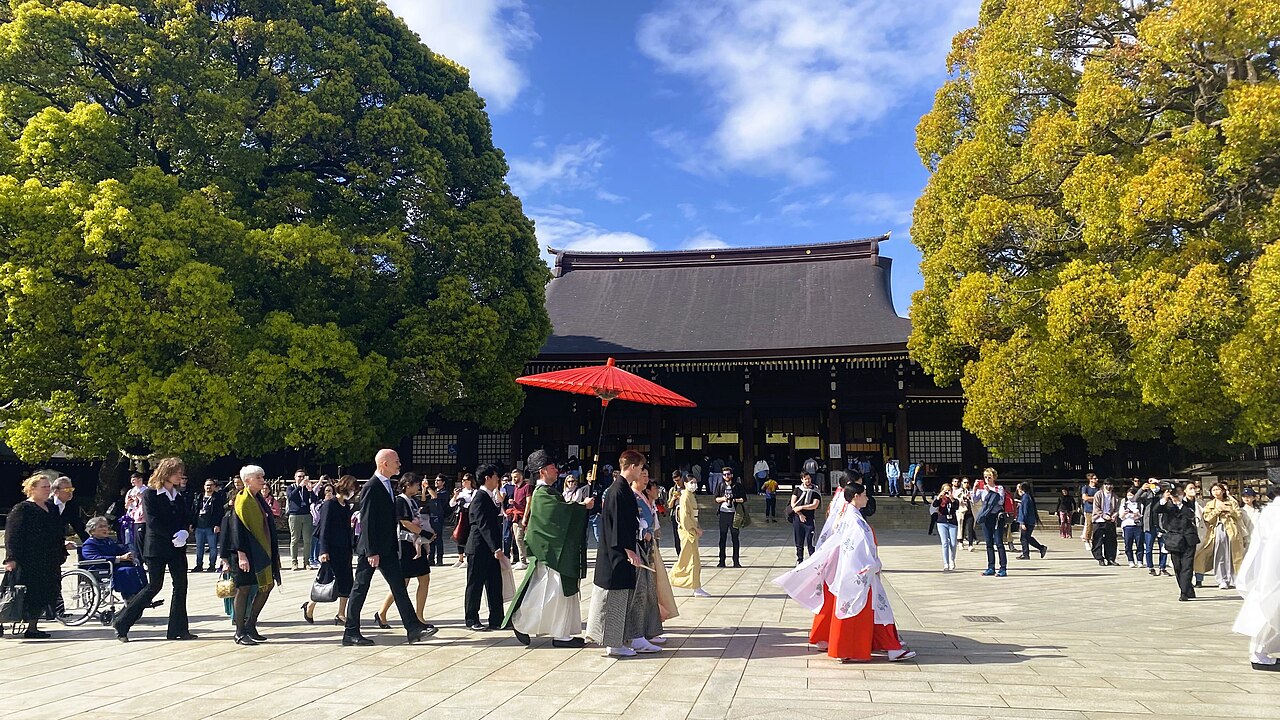
Meiji Jingu Shrine
Temple · 1.4 km · about 23 min walk
 #7 in TokyoEntrée gratuite
Shibuya Crossing
Patrimoine · 3 km · about 10 min by road
 #4 in TokyoEntrée gratuite
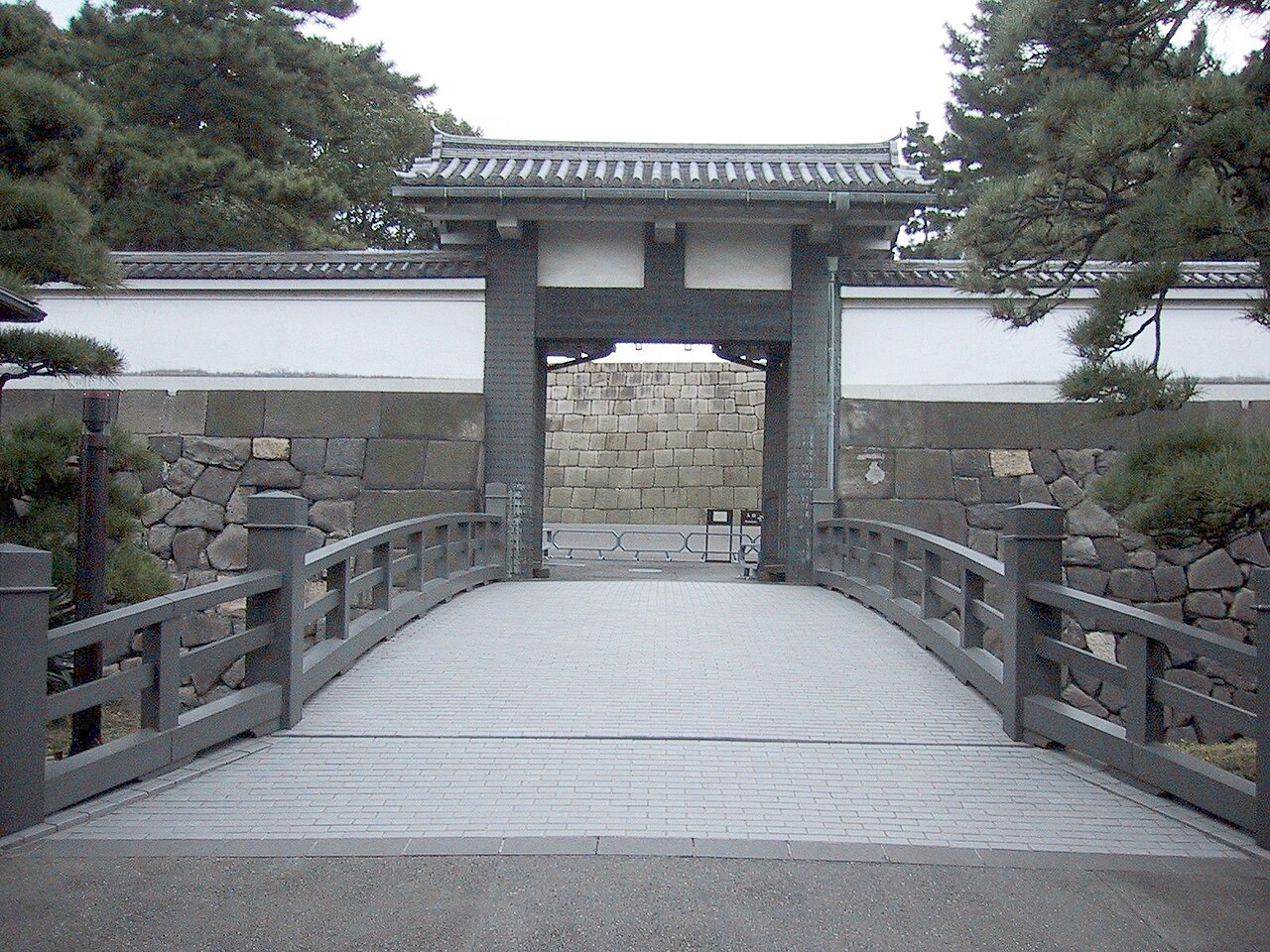
Imperial Palace East Gardens
Palais · 4 km · about 15 min by road
 #5 in Tokyo
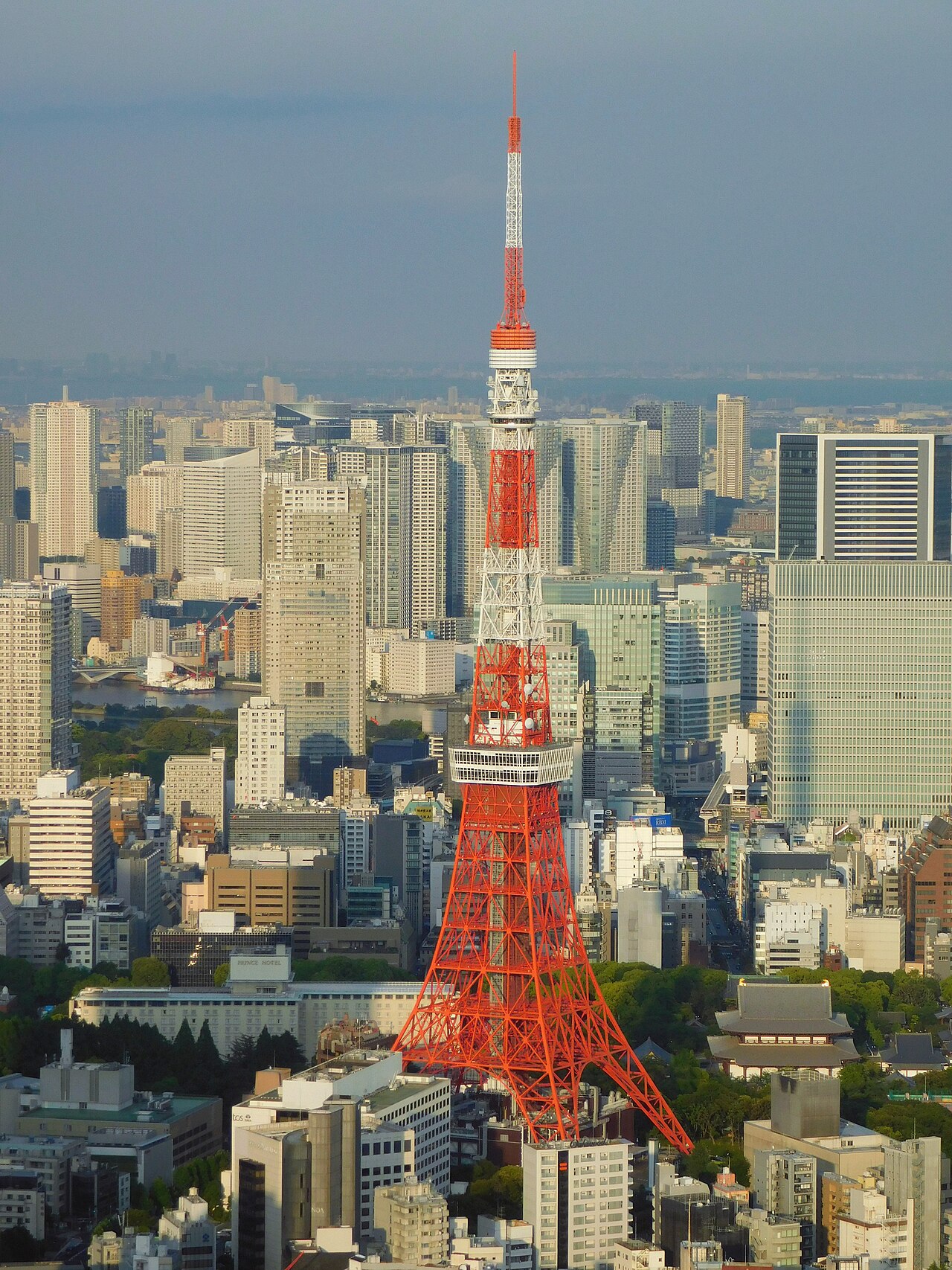
Tokyo Tower
Patrimoine · 4 km · about 15 min by road