Pushkar Lake
#1Pushkar ਵਿੱਚ ਘੁੰਮਣ ਵਾਲੀਆਂ 7 ਥਾਵਾਂ ਵਿੱਚੋਂPushkar, ਰਾਜਸਥਾਨ
ਇਸਨੂੰ ਇਹ ਵੀ ਕਿਹਾ ਜਾਂਦਾ ਹੈ Pushkar Sarovar · Tirtharaj Lake
ਸੰਖੇਪ ਜਵਾਬ
ਖੁੱਲ੍ਹਣ ਦਾ ਸਮਾਂ: 05:00–21:00. ਪ੍ਰਵੇਸ਼ ਮੁਫ਼ਤ ਹੈ। 1.5 hrs ਦਾ ਸਮਾਂ ਰੱਖੋ। ਸਭ ਤੋਂ ਵਧੀਆ ਸਮਾਂ: 06:00 – 07:30।
ਅੱਪਡੇਟ ਕੀਤਾ · ਤਿਆਰ ਕੀਤਾ Traveliac, AI ਦੀ ਮਦਦ ਨਾਲ · 6 ਮਿੰਟ ਦਾ ਪੜ੍ਹਨ
- ਖੁੱਲ੍ਹਣ ਦਾ ਸਮਾਂ
- 05:00–21:00
- 05:00 – 21:00 daily for ghat access; the lake itself has no closing time
- ਪ੍ਰਵੇਸ਼ ਫ਼ੀਸ
- ਮੁਫ਼ਤ
- ਲੋੜੀਂਦਾ ਸਮਾਂ
- 1.5 hrs
- ਦਿਨ ਦਾ ਵਧੀਆ ਸਮਾਂ
- 06:00 – 07:30
- ਵਧੀਆ ਮਹੀਨੇ
- Oct – Mar
- ਪਤਾ
- Pushkar Lake, encircled by Sadar Bazaar and the old town, Pushkar, Ajmer district, Rajasthan 305022
Pushkar Lake ਬਾਰੇ
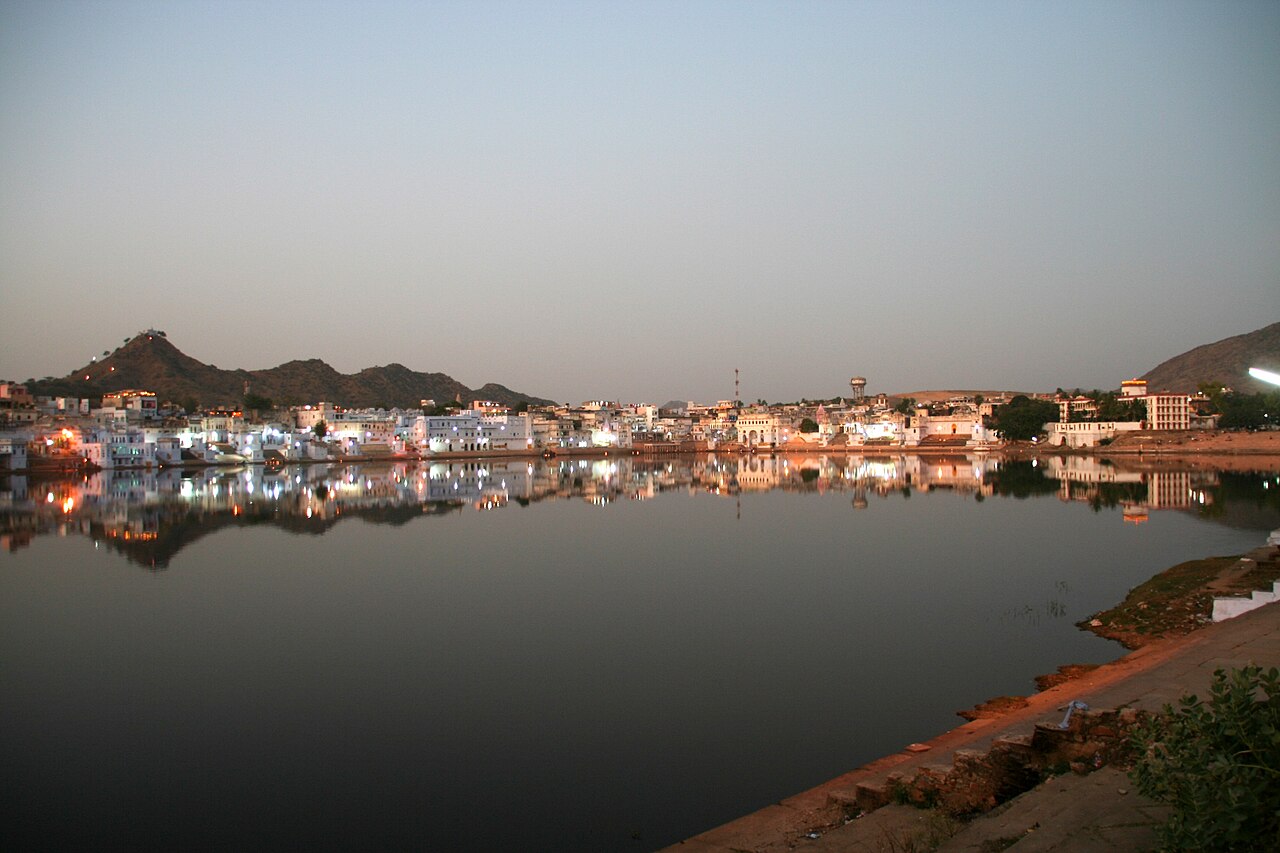
Pushkar Lake sits inside a natural amphitheatre of Aravalli granite, its irregular shoreline built out over centuries into 52 named ghats — stepped bathing platforms in white marble, rough grey-brown sandstone, and in a few older sections plain rammed masonry, each ghat funded independently by a different Rajput royal house, Marwari merchant family, or regional kingdom, so the architecture along the water changes character every fifty metres. Brahma Ghat, Gau Ghat, and Varah Ghat rank among the oldest and most ritually significant; Gandhi Ghat, added only in 1948, marks the spot where a portion of Mahatma Gandhi's ashes were immersed, and its comparatively plain concrete steps sit oddly among the older carved stonework. The water itself is spring-fed and, according to Hindu cosmology, was not dug but created — Brahma, in the act of choosing a site for a yagna (fire sacrifice), dropped a lotus flower (pushpa) to earth, and where its petals fell, three linked lakes formed, the largest and holiest being Pushkar. The name is a compound of pushpa (flower) and kar (hand). The lake is classified as one of the five sacred dhams of Hinduism and, more specifically, as the only major tirtha (pilgrimage water body) associated with direct worship of Brahma the creator, a deity who has almost no other dedicated temple culture anywhere in India.
ਦਿਨ ਦਾ ਵਧੀਆ ਸਮਾਂ: 06:00 – 07:30। For the dawn aarti crowd at the main ghats and the flattest, most photogenic light on the water before the heat and the priests both arrive in force.
Pushkar Lake ਦਾ ਸਮਾਂ
- ਖੁੱਲ੍ਹਣ ਦਾ ਸਮਾਂ
- 05:00–21:00
Mon–Sun 05:00–21:00 - 05:00 – 21:00 daily for ghat access; the lake itself has no closing time
- ਬੰਦ ਰਹਿੰਦਾ ਹੈ
- ਹਰ ਰੋਜ਼ ਖੁੱਲ੍ਹਾ
ਜਾਣਨਾ ਜ਼ਰੂਰੀ: Bathing crowds swell dramatically for five days around Kartik Purnima (October–November), when the ghats operate at effective capacity from before dawn until late evening.
ਖੁੱਲ੍ਹਣ ਦਾ ਸਮਾਂ rajasthantourism.gov.in ਤੇ ਜਨਤਕ ਰਿਕਾਰਡ ਤੋਂ ਤਿਆਰ ਕੀਤਾ, ਆਖ਼ਰੀ ਵਾਰ ਨੂੰ ਅੱਪਡੇਟ ਕੀਤਾ. ਇਹ ਬਿਨਾਂ ਸੂਚਨਾ ਦੇ ਬਦਲ ਸਕਦੇ ਹਨ — ਸਫ਼ਰ ਤੋਂ ਪਹਿਲਾਂ ਪੁਸ਼ਟੀ ਕਰੋ। ਅਸੀਂ ਇਹ ਗਾਈਡਾਂ ਕਿਵੇਂ ਲਿਖਦੇ ਹਾਂ
Pushkar Lake ਟਿਕਟ ਕੀਮਤ
| ਟਿਕਟ | ਕੀਮਤ |
|---|---|
| ਭਾਰਤੀ ਸੈਲਾਨੀ | ਮੁਫ਼ਤ |
| ਵਿਦੇਸ਼ੀ ਸੈਲਾਨੀ | ਮੁਫ਼ਤ |
| ਬੱਚੇ | ਮੁਫ਼ਤ |
| ਕੈਮਰਾ | ਮੁਫ਼ਤ |
No entry ticket exists for the lake or its 52 ghats — it is open sacred ground, not a monument under archaeological management. The widely reported cost here is not a fee but the informal 'ghat pooja', where a self-appointed priest performs a short ritual and then demands a donation, frequently ₹501, ₹1,100, or higher per family member. There is no fixed or official rate; travellers who wish to make an offering should agree on a figure (₹21–₹51 is a normal token amount for the ritual itself) before any thread is tied or coconut is broken, and should be prepared to simply say no.
ਕੀਮਤਾਂ rajasthantourism.gov.in ਤੇ ਜਨਤਕ ਰਿਕਾਰਡ ਤੋਂ ਤਿਆਰ ਕੀਤਾ, ਆਖ਼ਰੀ ਵਾਰ ਨੂੰ ਅੱਪਡੇਟ ਕੀਤਾ. ਇਹ ਬਿਨਾਂ ਸੂਚਨਾ ਦੇ ਬਦਲ ਸਕਦੇ ਹਨ — ਸਫ਼ਰ ਤੋਂ ਪਹਿਲਾਂ ਪੁਸ਼ਟੀ ਕਰੋ। ਅਸੀਂ ਇਹ ਗਾਈਡਾਂ ਕਿਵੇਂ ਲਿਖਦੇ ਹਾਂ
Pushkar Lake ਘੁੰਮਣ ਦਾ ਸਹੀ ਸਮਾਂ
- Moderate
- Busy
- Very busy
05:00 – 07:30
Dawn Ritual BathingBest time to go
Local pilgrims and long-stay sadhus perform the day's first bathing rituals. Light is best for photography; ghat priests are present but less aggressive this early.
Moderate07:30 – 11:00
Morning Tourist Flow
Day-trip groups from Ajmer and Jaipur arrive; this is the peak window for unsolicited 'pooja' approaches at the main ghats.
Busy11:00 – 16:00
Midday Heat
Stone platforms become uncomfortably hot underfoot; foot traffic thins, though the bazaar lanes behind the ghats stay active.
Moderate18:00 – 19:30
Evening Aarti
Ganga-style evening lamp ceremony at the main ghats draws the day's largest single crowd; loudspeaker devotional singing and diya-selling vendors line the approach lanes.
Very busy
Pushkar Lake ਦਾ ਇਤਿਹਾਸ
Puranic texts, principally the Padma Purana, describe Pushkar as the site where Brahma performed a yagna to consecrate the lake's sanctity, an episode that later became entangled with the origin story of the nearby Brahma Temple. Historically verifiable ghat construction, however, is far more recent than the mythology: most of the visible stonework dates from the 18th and 19th centuries, funded by Maratha nobles, the Scindia and Holkar houses, and wealthy trading families from Marwar who saw ghat patronage as a durable form of religious merit and public prestige — a donor's name and dynasty are still legible on carved plaques at several ghats.
The lake has functioned as a functioning pilgrimage site continuously since at least the medieval period, drawing ascetics, sadhus, and householder pilgrims for ritual bathing intended to cleanse sin, with the belief that a dip during Kartik Purnima (the full moon of the Hindu month of Kartik, usually falling in late October or November) confers merit equivalent to visiting all of India's other sacred sites combined. This is also the same lunar window in which the Pushkar Camel Fair takes place, so the town's spiritual and commercial calendars have been fused for as long as records exist. British colonial administrators, and later the government of independent India, largely left the ghats under religious rather than state management, which is why no composite monument ticket applies here the way it does at Jaipur's forts and palaces.
Pushkar Lake ਦੇ ਨਿਯਮ ਤੇ ਸ਼ਿਸ਼ਟਾਚਾਰ
Pushkar town operates under a local municipal prohibition on alcohol, meat, eggs, and fish within its limits — this is not merely custom but an enforced dry, vegetarian zone by state and local order, on the reasoning that the entire town sits on consecrated pilgrimage ground. Hotels and restaurants inside Pushkar do not serve any of the above regardless of star rating; travellers wanting alcohol or non-vegetarian food need to drive to Ajmer.
The single most consistent complaint from visitors concerns the 'Pushkar Passport': a priest (often unlicensed, not affiliated with any named temple) approaches at a ghat, offers flowers and a short blessing ritual, ties a red-and-yellow thread around the wrist, and only afterward states a 'suggested donation' that can run to several thousand rupees per person, sometimes with soft intimidation about bad luck if payment is refused. This is a well-documented, decades-old pattern specific to Pushkar's ghats rather than an isolated scam. The workable response is to decline any unsolicited offer of flowers or thread outright before contact is made, or, if already engaged, to state a firm fixed amount (₹21–₹51 is customary and will be accepted by a legitimate priest) and physically remove the thread if pressed further — it carries no binding religious obligation once removed. Plainclothes tourist police patrol the main ghats specifically for this reason and will intervene if flagged.
Shoes and any leather items — belts, wallets, watch straps — must be removed before stepping onto ghat platforms; racks are provided informally at the busier ghats, usually with a small voluntary donation expected. Photography of the water and architecture is generally tolerated, but photographing bathing pilgrims, particularly women mid-ritual, without permission is a serious breach of etiquette and can draw a sharp confrontation; some ghats post explicit no-photography signage that should be respected.
Pushkar Lake ਜਾਣ ਲਈ ਸੁਝਾਅ
- 1
Base a visit around the two calm windows — early morning before 08:00 and after 18:00 for the evening aarti — since midday brings both heat radiating off the stone and the highest density of ghat priests working the tourist flow. Brahma Ghat and the ghats nearest the Brahma Temple lane tend to have the most persistent solicitation; the quieter ghats along the northern and eastern shore, away from the main bazaar access points, offer the same architecture with far less hassle.
- 2
Carry small denomination notes if planning to make any donation at all — ₹500 and ₹2,000 notes invite a higher demanded 'donation' simply because that is the smallest unit visibly available. Walking the full ghat circuit takes roughly 45–60 minutes at an unhurried pace and is the best way to see the stylistic range from Maratha-funded marble sections to the plainer older stonework.
- 3
During Kartik Purnima the ghats become genuinely difficult to navigate, with crowd density comparable to a major Indian festival — arrive before sunrise if bathing or observing the ritual is the goal, and expect vehicle access to the old town to be restricted, with parking pushed out to the Mela Ground periphery.
Pushkar Lake ਤੱਕ ਕਿਵੇਂ ਪਹੁੰਚੀਏ
ਲਾਲ ਤਾਰਾ Pushkar Lake ਹੈ; ਨੰਬਰ ਵਾਲੇ ਪਿਨ ਸਾਡੀਆਂ ਗਾਈਡਾਂ ਦੀਆਂ 1 ਸਭ ਤੋਂ ਨਜ਼ਦੀਕੀ ਥਾਵਾਂ ਹਨ, ਹਰ ਇੱਕ ਆਪਣੇ ਸ਼ਹਿਰ ਵਿੱਚ ਆਪਣੀ ਰੈਂਕ ਨਾਲ. ਵੇਰਵੇ ਲਈ ਪਿਨ 'ਤੇ ਟੈਪ ਕਰੋ।
Pushkar Lake, encircled by Sadar Bazaar and the old town, Pushkar, Ajmer district, Rajasthan 305022Google Maps ਵਿੱਚ ਦਿਸ਼ਾ-ਨਿਰਦੇਸ਼
Ajmer Junction Railway Station (AII) ਤੋਂ
₹300–₹45015 km · 30–40 min
Auto/taxi via the Ajmer–Pushkar road over Nag Pahar ridge). Shared jeeps run this route for ₹40–₹60 per seat from outside the station.
Kishangarh Airport (KQH) ਤੋਂ
₹700–₹90025 km · 40–50 min
Prepaid taxi).
Jaipur International Airport (JAI) ਤੋਂ
₹2,800–₹3,800150 km · 3–3.5 hours
Prepaid taxi/cab). RSRTC and private Volvo buses from Jaipur Sindhi Camp ISBT to Ajmer, then local transfer, run roughly ₹350–₹600 per seat.
ਨਜ਼ਦੀਕੀ ਹਵਾਈ ਅੱਡਾ
Kishangarh Airport (KQH) ਤੋਂ
25 km, approximately 40–50 minutes by road via NH-48. Jaipur International Airport (JAI) – 150 km, approximately 3–3.5 hours, remains the main gateway with wider domestic and international connections.
ਨਜ਼ਦੀਕੀ ਰੇਲਵੇ ਸਟੇਸ਼ਨ
Ajmer Junction (AII) ਤੋਂ
15 km, approximately 30–40 minutes; the major broad-gauge station with frequent trains from Delhi, Jaipur, Mumbai, and Ahmedabad. Pushkar's own small station (Pushkar Lake Halt) exists but carries only a handful of slow passenger services a day and is not a practical arrival point for most travellers.
Pushkar Lake — ਅਕਸਰ ਪੁੱਛੇ ਜਾਂਦੇ ਸਵਾਲ
What is the 'priest tax' scam at Pushkar Lake and how do I avoid it?
A ghat priest offers flowers and a short blessing, ties a red thread on your wrist, then demands a large 'donation' — often several thousand rupees — after the fact. Decline any unsolicited flowers or thread before contact begins, or fix a small amount (₹21–₹51) upfront if you do want the ritual. Plainclothes tourist police patrol the main ghats specifically for this issue.
Is alcohol available anywhere in Pushkar?
No. Pushkar town enforces a local prohibition on alcohol, meat, eggs, and fish within municipal limits, treated as consecrated pilgrimage ground. Travellers wanting alcohol or non-vegetarian food need to drive roughly 15 km to Ajmer.
Is there an entry fee for Pushkar Lake?
No official ticket exists for the lake or its 52 ghats. The only cost most visitors encounter is the informal ghat-priest donation, which is negotiable and not compulsory.
Can I photograph the ghats and bathing pilgrims?
General architectural and water photography is tolerated, but photographing pilgrims mid-ritual, especially women, without asking first is a serious etiquette breach and some ghats post explicit no-photography notices.
ਅਧਿਕਾਰਤ ਸਰੋਤਾਂ ਤੇ ਜਨਤਕ ਰਿਕਾਰਡ ਤੋਂ AI ਦੀ ਮਦਦ ਨਾਲ ਤਿਆਰ ਕੀਤਾ, ਅਤੇ ਇਸ ਵਿੱਚ ਦਿੱਤੀ ਜਾਂਚ ਤੋਂ ਬਾਅਦ ਹੀ ਪ੍ਰਕਾਸ਼ਿਤ ਕੀਤਾ ਅਸੀਂ ਇਹ ਗਾਈਡਾਂ ਕਿਵੇਂ ਲਿਖਦੇ ਹਾਂ. Traveliac ਤੋਂ ਕਿਸੇ ਨੇ ਵੀ ਇਸ ਥਾਂ ਦਾ ਦੌਰਾ ਨਹੀਂ ਕੀਤਾ। ਆਖ਼ਰੀ ਵਾਰ ਨੂੰ ਅੱਪਡੇਟ ਕੀਤਾ। ਅਸੀਂ ਥਾਵਾਂ ਨੂੰ ਕਿਵੇਂ ਰੈਂਕ ਤੇ ਜਾਂਚ ਕਰਦੇ ਹਾਂ