
Alarnath Temple
#7من أصل 7 مكانًا للزيارة في PuriPuri, Odisha
يُعرف أيضًا باسم Alalnath Temple · Brahmagiri Alarnath Temple
إجابة سريعة
ساعات العمل: 06:00–13:00 and 16:00–20:00. الدخول مجاني. خصّص 45 min. أفضل وقت: Morning.
آخر تحديث · أعدّه Traveliac، بمساعدة الذكاء الاصطناعي · 4 دقيقة قراءة
- ساعات العمل
- 06:00–20:00
- Approximately 06:00–13:00 and 16:00–20:00, following the split-schedule, midday-closure pattern common to Odisha's Vaishnava temples — confirm locally, as exact hours can shift with the day's ritual calendar
- رسوم الدخول
- مجاني
- الوقت اللازم
- 45 min
- أفضل وقت في اليوم
- Morning
- أفضل الأشهر
- Oct – Mar
- العنوان
- Brahmagiri, Puri District – 752014, Odisha, on the Puri–Bhubaneswar road (NH 316), approximately 24 km from Puri
عن Alarnath Temple
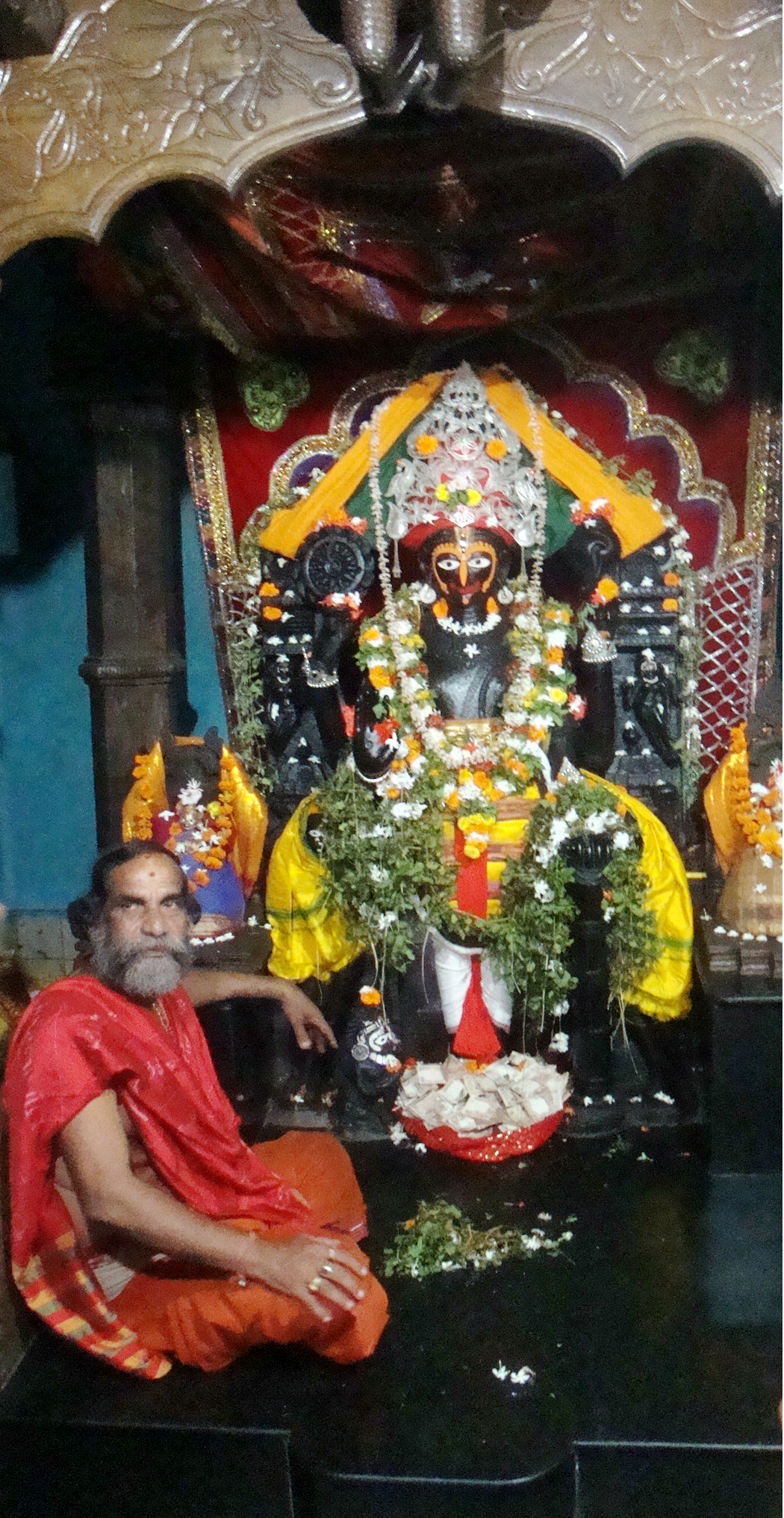
Alarnath Temple stands in the small town of Brahmagiri, directly on the Puri–Bhubaneswar highway, a modest garden temple by comparison with the scale of Jagannath Temple but one carrying outsized significance for two distinct reasons: its role as a substitute darshan site during the period each year when the Jagannath deities are formally withdrawn from public view, and its association with Chaitanya Mahaprabhu, the 16th-century Bengali saint whose Bhakti movement reshaped devotional Vaishnavism across eastern India and whose legend is bound tightly to this specific building.
أفضل وقت في اليوم: Morning. Before the midday closure, and specifically during the Anasara period if travelling with an interest in the substitute-worship tradition described above.
مواعيد Alarnath Temple
يفتح Alarnath Temple 06:00–13:00 and 16:00–20:00. وتنطبق هذه المواعيد أيضًا يومَي السبت والأحد.
- ساعات العمل
- 06:00–20:00
Mon–Sun 06:00–13:00 and 16:00–20:00 - Approximately 06:00–13:00 and 16:00–20:00, following the split-schedule, midday-closure pattern common to Odisha's Vaishnava temples — confirm locally, as exact hours can shift with the day's ritual calendar
- يُغلق يوم
- مفتوح كل يوم
من المفيد معرفته: During the Anasara period — a roughly fifteen-day span after Snana Purnima (the deities' ceremonial bathing festival, usually falling in May or June) and before Rath Yatra, when the Jagannath Temple's own deities are traditionally considered unwell and withdrawn from public darshan — Alarnath's deity has historically served as a substitute object of worship for pilgrims and, in some accounts, for Puri's temple establishment itself, unable to access Jagannath during the closure.
تم جمع ساعات العمل من odishatourism.gov.in والسجلات العامة، وآخر تحديث في . قد تتغيّر دون إشعار مسبق — تأكد منها قبل السفر. كيف نكتب هذه الأدلة
سعر تذكرة Alarnath Temple
| التذكرة | السعر |
|---|---|
| الزوار الهنود | Free |
| الزوار الأجانب | Free |
| الأطفال | مجاني |
| الكاميرا | مجاني |
Like the Jagannath Temple in Puri, Alarnath Temple restricts its inner sanctum to Hindu worshippers. There is no equivalent to Puri's Raghunandan Library viewing platform here; non-Hindu visitors can view the temple's exterior and outer compound walls from the surrounding town of Brahmagiri but should not expect to enter.
تم جمع الأسعار من odishatourism.gov.in والسجلات العامة، وآخر تحديث في . قد تتغيّر دون إشعار مسبق — تأكد منها قبل السفر. كيف نكتب هذه الأدلة
أفضل وقت لزيارة Alarnath Temple
- Quiet
- Busy
06:00–09:00
Morning darshanBest time to go
A modest flow of local worshippers and highway travellers stopping en route between Puri and Bhubaneswar. Queues are rarely an issue on an ordinary day.
Quiet09:00–13:00
Late morning
Visitor numbers remain light through late morning, before the temple's midday closure.
Quiet16:00–20:00
Evening reopening
A second quiet window after the temple reopens for the evening; local worshippers form the majority of footfall.
QuietAnasara period (annual, May/June)
Substitute-darshan surge
During the roughly two-week period when the main Jagannath deities are withdrawn from view at Puri, pilgrim traffic to Alarnath rises noticeably as devotees seek an accessible darshan alternative.
Busy
تاريخ Alarnath Temple
The temple's presiding deity is depicted standing on a lotus pedestal, holding a conch and discus — an iconographic form distinct from the stylised, limbless wooden Jagannath image at Puri, and one that situates Alarnath within a more conventional Vishnu-image tradition even while it is understood locally as intimately connected to Jagannath worship. The temple's best-documented historical role concerns Anasara, the roughly two-week period following the Jagannath Temple's Snana Purnima bathing festival, during which the principal deities at Puri are traditionally believed to fall ill from their ceremonial dousing and are withdrawn behind a curtain, unavailable for darshan. In this interval, Alarnath's deity has served — in a practice recorded across generations of pilgrimage literature — as the nearest accessible object of worship for pilgrims who would otherwise have travelled to Puri specifically for darshan and found the temple's doors effectively closed to them.
The temple's association with Chaitanya Mahaprabhu (1486–1534) is central to its standing among Gaudiya Vaishnava pilgrims specifically, including present-day ISKCON followers tracing his biography. Chaitanya, who spent the last decades of his life largely in Puri, is said to have visited Alarnath and experienced a state of spiritual absorption so complete that devotees describe him as having merged briefly with the deity — a legend commemorated locally and reflected in the temple's continued draw for pilgrims following the specific geography of Chaitanya's life rather than the broader, more general Puri pilgrimage circuit.
القواعد والآداب في Alarnath Temple
The non-Hindu entry restriction applies at Alarnath exactly as it does at the main Jagannath Temple, and, as at Gundicha Temple, there is no formal alternative viewing arrangement equivalent to Puri's Raghunandan Library. Non-Hindu visitors travelling the Puri–Bhubaneswar road should treat a stop here as an exterior and contextual one rather than plan around entering the sanctum.
For Hindu visitors, standard temple protocol applies: footwear removed before entering, modest dress, and no photography inside the sanctum. The temple sees a small fraction of the daily footfall of the main Jagannath Temple outside the Anasara period specifically, meaning queues and crowd pressure are rarely a concern on an ordinary day — a meaningfully different experience from Puri's Lion Gate.
نصائح لزيارة Alarnath Temple
- 1
Alarnath sits directly on the Puri–Bhubaneswar highway, making it a natural stop for anyone driving between the two towns rather than a destination requiring a dedicated detour — factor in 30–45 minutes as part of that transfer rather than as a separate trip from Puri.
- 2
Food and amenity options in Brahmagiri itself are limited; plan to eat in Puri before departing or in Bhubaneswar after arriving, rather than relying on the town for a proper meal stop.
- 3
For travellers specifically interested in Chaitanya Mahaprabhu's biography and the Gaudiya Vaishnava pilgrimage circuit, Alarnath is a genuinely worthwhile stop with real devotional and historical weight; for general sightseers without that specific interest, it is a minor, easily combined addition to a highway transfer rather than a headline attraction in its own right.
كيفية الوصول إلى Alarnath Temple
النجمة الحمراء تمثّل Alarnath Temple. اضغط على أي دبوس لمزيد من التفاصيل.
Brahmagiri, Puri District – 752014, Odisha, on the Puri–Bhubaneswar road (NH 316), approximately 24 km from Puriالاتجاهات في خرائط Google
من Puri (Grand Road area)
₹500–₹70024 km · 35–40 min
One-way by taxi; ₹40–₹60 by bus
من Biju Patnaik Airport, Bhubaneswar
₹700–₹1,00038 km · 50–60 min
من Bhubaneswar (Baramunda Bus Terminal)
₹40–₹6035 km · 50–60 min
Per person
أقرب مطار
من Biju Patnaik International Airport, Bhubaneswar (BBI)
approximately 38 km, 50–60 minutes by road
أقرب محطة قطار
من Puri Railway Station
approximately 24 km, 35–40 minutes by road; there is no railway station at Brahmagiri itself
الأسئلة الشائعة عن Alarnath Temple
What is Anasara and why does it make Alarnath Temple significant?
Anasara is the roughly fifteen-day period after the Jagannath Temple's Snana Purnima bathing festival, during which the deities at Puri are traditionally considered unwell and withdrawn from public darshan. During this window, Alarnath's deity has historically served as a substitute object of worship for pilgrims who would otherwise find the Jagannath Temple's doors closed to them.
Can non-Hindus enter Alarnath Temple?
No. Like the main Jagannath Temple in Puri, the inner sanctum is restricted to Hindu worshippers. There is no equivalent to Puri's Raghunandan Library viewing platform, so non-Hindu visitors should plan for an exterior view of the compound rather than entry.
What is the connection to Chaitanya Mahaprabhu?
Chaitanya Mahaprabhu, the 16th-century Bengali Bhakti saint, is said to have visited Alarnath and entered a state of spiritual absorption so complete that devotees describe him as merging briefly with the deity. The temple remains a significant stop for Gaudiya Vaishnava pilgrims, including ISKCON followers, tracing his biography.
Is Alarnath worth a special trip from Puri, or only as a stopover?
For most general sightseers, it works best as a brief stop while travelling the Puri–Bhubaneswar highway rather than a dedicated round trip from Puri. For pilgrims specifically following the Chaitanya Mahaprabhu biography or visiting during the Anasara period, it carries enough devotional and historical weight to justify a purposeful visit.
أُعدّ بمساعدة الذكاء الاصطناعي من مصادر رسمية وسجلات عامة، ونُشر فقط بعد عمليات التحقق الموضحة في كيف نكتب هذه الأدلة. لم يزر أحد من فريق Traveliac هذا المكان شخصيًا. آخر تحديث في . كيف نصنّف الأماكن ونتحقق منها
أماكن للزيارة قرب Alarnath Temple
المسافات خط مستقيم حسب خريطتنا؛ الأوقات تقديرية.
 #1 in Puriالدخول مجاني
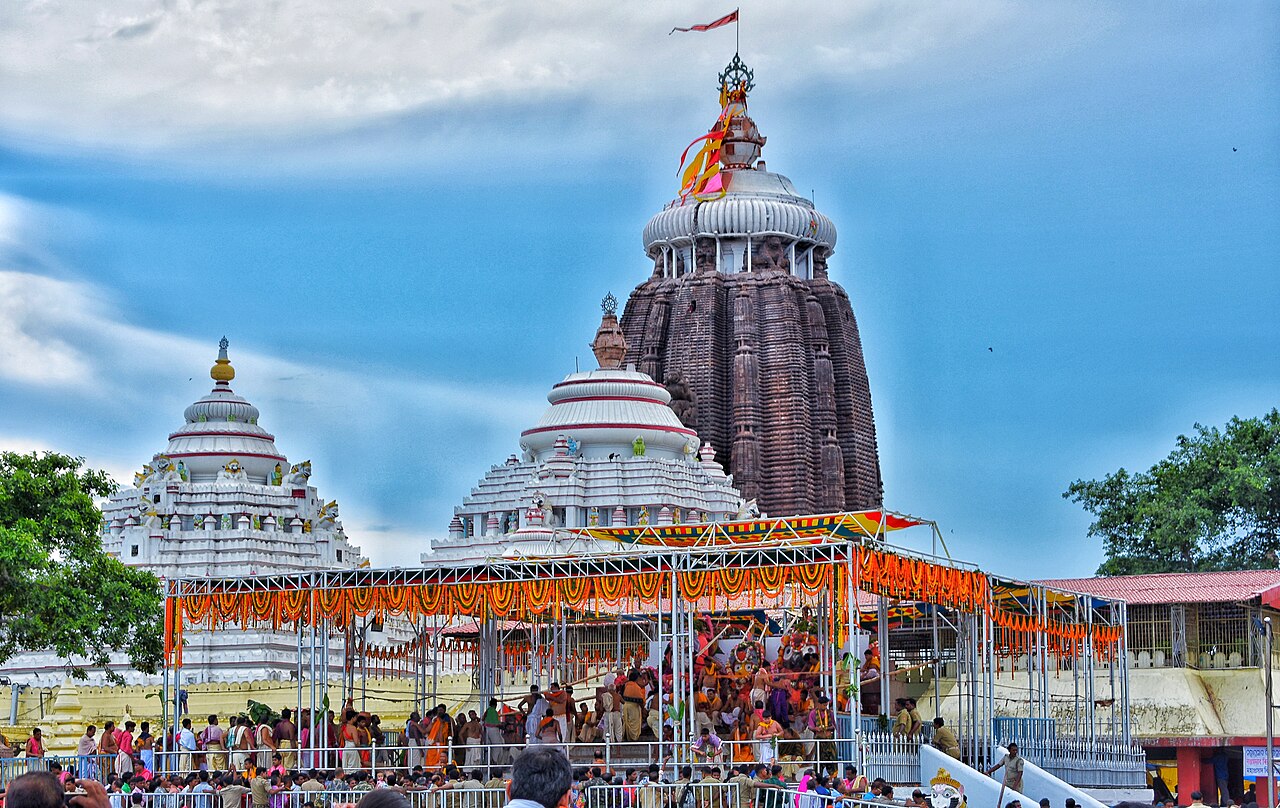
Jagannath Temple, Puri
معبد · 18 km · about 55 min by road
 #5 in Puriالدخول مجاني
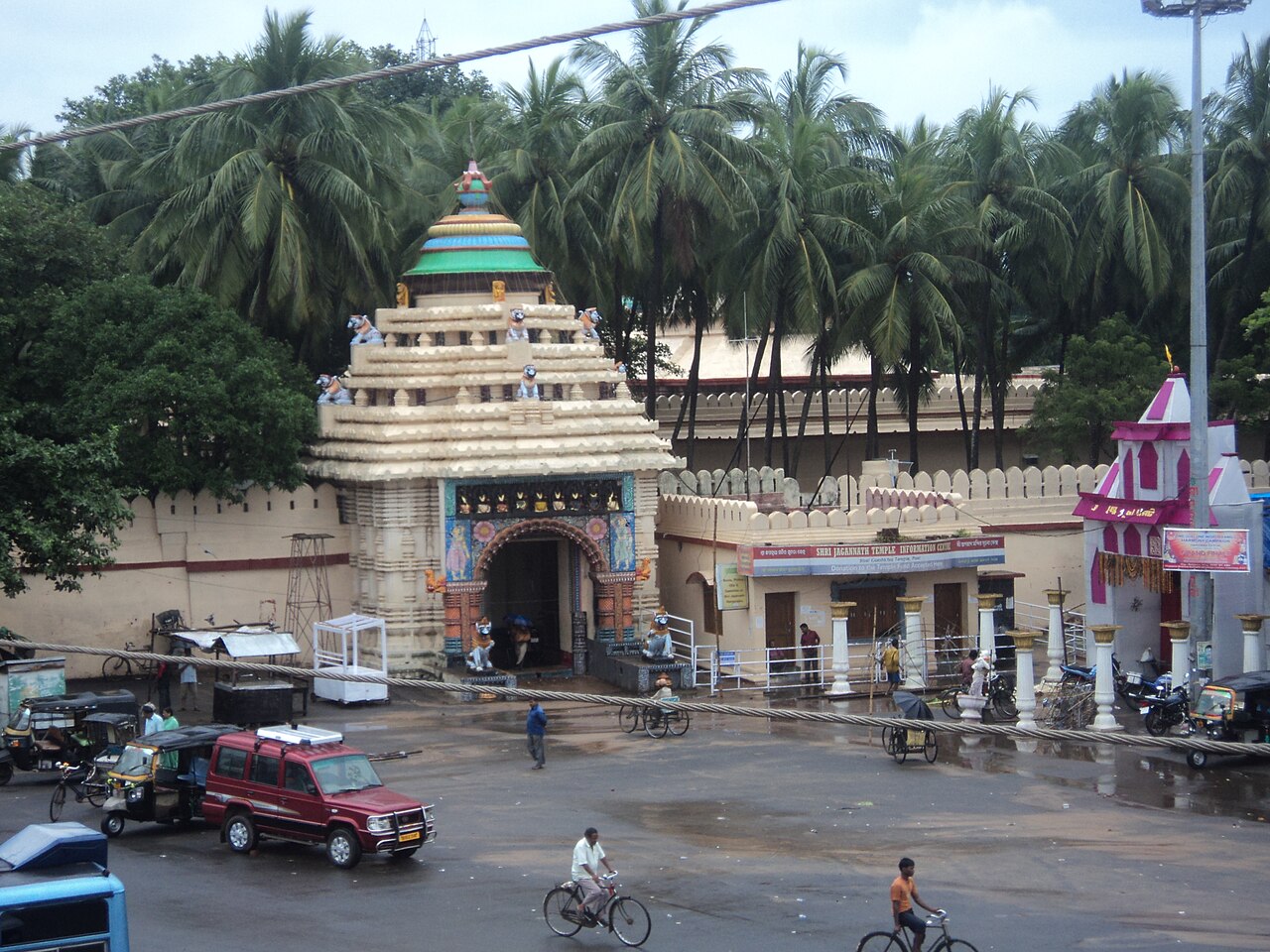
Gundicha Temple
معبد · 20 km · about 65 min by road
 #4 in Puriالدخول مجاني
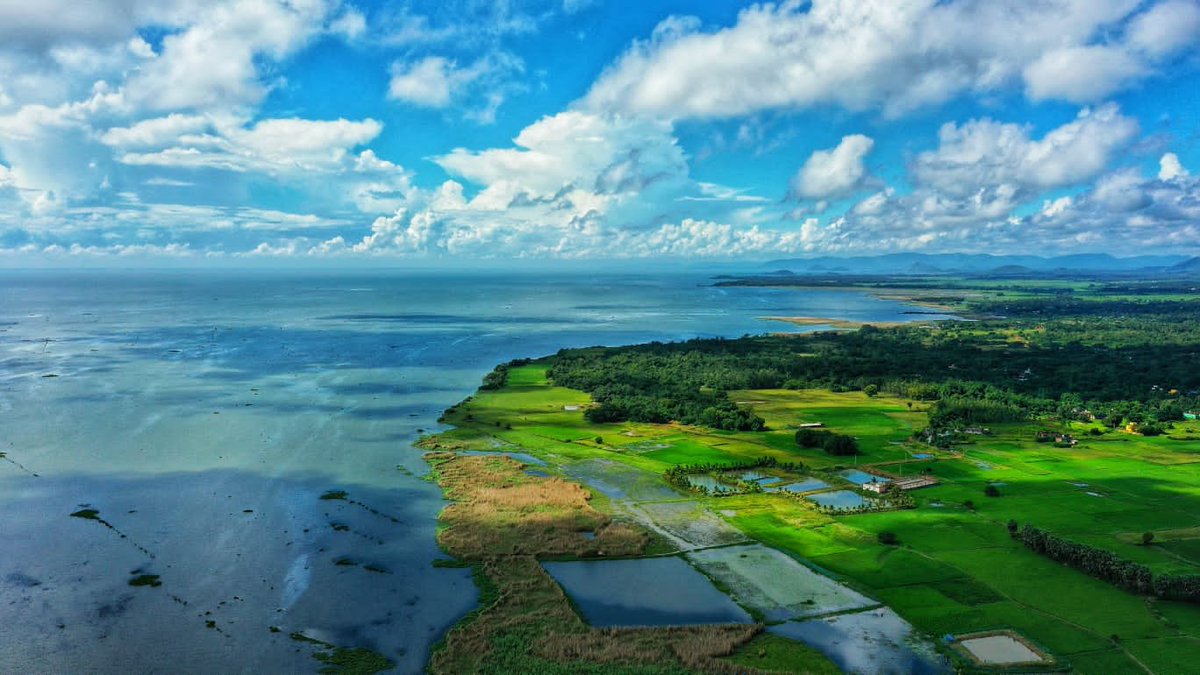
Chilika Lake – Satapada
بحيرة · 36 km · about 110 min by road
 #2 in Puri
Konark Sun Temple
معبد · 48 km · about 150 min by road