
Chilika Lake – Satapada
#4of 7 places to visit in PuriPuri, Odisha
Also known as Chilika Lagoon · Satapada Dolphin Point · Satpada
Quick answer
Opening hours: 06:30–17:00. Entry is free. Allow 3 hrs. Best time: 07:00–09:30.
Updated · Compiled by Traveliac, AI-assisted · 5 min read
- Opening hours
- 06:30–17:00
- Boats typically operate 06:30–17:00 daily, weather permitting
- Entry fee
- Free
- Time needed
- 3 hrs
- Best time of day
- 07:00–09:30
- Best months
- Oct – Mar
- Address
- Satapada Jetty, Chilika Lake, Puri District – 752002, Odisha, approximately 50 km from Puri town
About Chilika Lake – Satapada
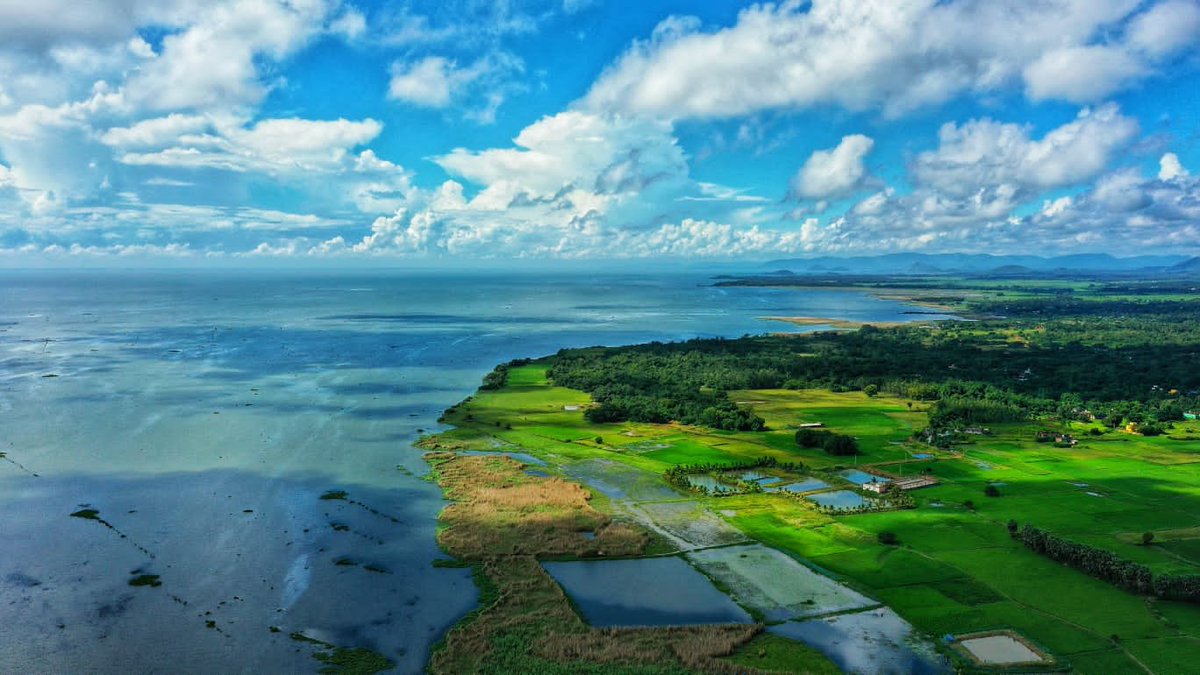
Chilika Lake is Asia's largest brackish-water lagoon, a shifting body of water spanning roughly 1,100 square kilometres across Puri, Khordha, and Ganjam districts that expands and contracts seasonally as monsoon freshwater from rivers like the Daya and Bhargavi mixes with tidal seawater admitted through a narrow, migrating mouth to the Bay of Bengal. Satapada, on the lagoon's eastern arm closest to Puri, is the most accessible entry point for visitors based in the town, and functions as the jumping-off jetty for the lagoon's two headline draws: pods of Irrawaddy dolphins (Orcaella brevirostris), a rounded-headed, blunt-snouted species found in only a handful of locations worldwide, and the winter congregation of migratory waterfowl at Nalabana Bird Sanctuary, a low-lying island of reed beds at the lagoon's centre.
Best time of day: 07:00–09:30. When the water is calmest, dolphin sightings are most reliable, and — in winter months — migratory bird activity around Nalabana is at its peak before the day's boat traffic picks up.
Chilika Lake – Satapada timings
Chilika Lake – Satapada opens at 06:30 and closes at 17:00. The weekend is no different: Saturday and Sunday follow the same times.
- Opening hours
- 06:30–17:00
Mon–Sun 06:30–17:00 - Boats typically operate 06:30–17:00 daily, weather permitting
- Closed on
- Open every day
Good to know: Nalabana Bird Sanctuary, the core protected zone within the lagoon, is at its best for migratory bird viewing from November through February, when species arrive from Central Asia and the Himalayan foothills; access to the sanctuary's core area is restricted or suspended outside this window to protect breeding and roosting birds. Boat operations are frequently suspended during the monsoon (July–September) when the lagoon's water level rises and surface conditions turn rough.
Opening hours compiled from chilika.com and public records, last updated . They change without notice — confirm before you travel. How we write these guides
Chilika Lake – Satapada ticket price
| Ticket | Price |
|---|---|
| Indian visitors | Free (jetty and lakefront access) |
| Foreign visitors | Free (jetty and lakefront access) |
| Children | Reduced boat-seat rate at operator discretion, typically half fare for young children |
| Camera | Free |
The jetty area itself is free to enter. Boat trips are the paid component and are sold through a registered boatmen's cooperative rather than negotiated individually — expect to pay a fixed rate of roughly ₹1,500–₹2,500 per boat (shared among up to 8–10 passengers) for a standard 2–3 hour circuit covering the dolphin-sighting zone and, seasonally, the edge of Nalabana Bird Sanctuary. Life jackets are mandatory and should be provided without additional charge; confirm this before boarding, as enforcement has historically been inconsistent following past boat-accident incidents on the lake.
Prices compiled from chilika.com and public records, last updated . They change without notice — confirm before you travel. How we write these guides
Best time to visit Chilika Lake – Satapada
- Quiet
- Moderate
- Busy
06:30–09:30
Early morning departures
The calmest water and best dolphin-sighting odds of the day. Boat queues form early at the ticket counter; arriving by 07:00 avoids the wait.
Moderate09:30–13:00
Mid-morning peak
The jetty is at its busiest as day-tour groups from Puri and Bhubaneswar arrive together. Boat traffic on the water increases noticeably, which can disperse dolphin pods further from the standard viewing channels.
Busy13:00–15:30
Midday heatBest time to go
Visitor numbers thin considerably in the hottest part of the day; the open lagoon offers no shade and few operators recommend departing during this window.
Quiet15:30–17:00
Late afternoon
A second, smaller wave of departures, offering cooler conditions and good light, though with less time before boats must return before dusk.
Moderate
History of Chilika Lake – Satapada
Chilika was designated a Ramsar Wetland of International Importance in 1981 — among the first three sites in India to receive that status — in recognition of its scale and its role as a wintering ground for birds migrating along the Central Asian flyway. That designation came under threat in the 1990s: decades of siltation from river inflow, combined with an invasive freshwater weed bloom, narrowed the lagoon's natural mouth to the sea, reduced salinity, and caused a measurable decline in fish stocks and dolphin sightings. By 1993, Chilika's ecological degradation was serious enough that it was placed on the Montreux Record, a watch-list for Ramsar sites facing adverse change.
The recovery that followed is one of the more frequently cited success stories in Indian wetland management. In September 2000, the Chilika Development Authority — established specifically to address the crisis — engineered a new, more direct channel connecting the lagoon to the sea, restoring tidal flow and salinity levels closer to historical norms. Fish catches and dolphin populations recovered within a few years, and Chilika was removed from the Montreux Record in 2002, a reversal credited with restoring both the ecology and the livelihoods of the roughly 200,000 fisherfolk dependent on the lagoon.
Nalabana ('forest of reeds'), the island at the lagoon's centre, was notified as a bird sanctuary in 1987. It hosts, in peak winter months, tens of thousands of migratory birds — including species arriving from as far as Siberia and the Central Asian steppe — though the enormous flocks of certain species recorded in mid-20th-century surveys have not been sustained at the same scale, a decline attributed to broader regional wetland loss along the flyway rather than any single local cause.
Rules & etiquette at Chilika Lake – Satapada
Boat access at Satapada operates through a registered boatmen's cooperative rather than an open, negotiable market. Tickets are sold at a common counter near the jetty at fixed rates for fixed circuits — visitors cannot generally negotiate directly with individual boat owners for a custom route or lower price, and touts who claim otherwise near the jetty entrance are worth treating with scepticism. This system exists partly for visitor safety (standardised routes, licensed operators) and partly as a livelihood-protection mechanism for the local fishing community, who depend on rotating access to tourist boat traffic.
Life jackets should be worn throughout the trip; the lagoon's open stretches can develop significant chop with wind, and past accidents on Chilika have underscored that this is a working lagoon, not a controlled tourist pool. Do not lean over the boat's side chasing a closer dolphin photograph — Irrawaddy dolphins surface briefly and unpredictably, and boat operators are experienced at positioning for sightings without visitors needing to move.
During the restricted-access months for Nalabana's core zone, boats will not enter the sanctuary's inner reed beds; the boundary is enforced by forest department patrols. Visitors hoping specifically for the bird sanctuary experience should confirm current access rules before booking, since the restriction window can shift slightly year to year based on breeding conditions.
Tips for visiting Chilika Lake – Satapada
- 1
Satapada is the most convenient access point from Puri, but it is not the only one — Barkul and Rambha, both closer to Berhampur on the lagoon's southern shore, are better known for overnight houseboat stays and a different, less day-trip-oriented experience of Chilika. For a single-day excursion from Puri, Satapada remains the practical choice given the road distance.
- 2
Dolphin sightings are reasonably reliable but not guaranteed on any given trip; boat operators generally know the current pod locations from daily observation, and morning departures see meaningfully better results than afternoon ones, when boat traffic and engine noise have dispersed the animals further from the main channels.
- 3
Kalijai Temple, a small shrine on its own island within the lagoon, draws its own dedicated pilgrimage traffic, particularly during the Makar Mela festival in mid-January, when the island becomes one of the most crowded pilgrimage sites in coastal Odisha for several days. Combining a Kalijai stop with the dolphin circuit is common and usually included in the standard boat package.
- 4
Carry sun protection and water; the open lagoon offers no shade, and a 2–3 hour circuit under the Odisha sun is more taxing than it initially appears, particularly outside the cooler October–February window.
How to reach Chilika Lake – Satapada
The red star is Chilika Lake – Satapada. Tap a pin for details.
Satapada Jetty, Chilika Lake, Puri District – 752002, Odisha, approximately 50 km from Puri townDirections in Google Maps
From Puri (Grand Road / Puri Beach area)
₹1,200–₹1,80050 km · 70–90 min
Return, negotiated
From Puri Bus Stand
₹60–₹9050 km · 90–110 min
Per person
From Biju Patnaik Airport, Bhubaneswar
₹2,000–₹2,80090 km · 2 hours
Nearest airport
From Biju Patnaik International Airport, Bhubaneswar (BBI)
approximately 90 km via Puri, 2 hours by road
Nearest railway station
From Puri Railway Station
approximately 50 km, 1 hour 15 minutes by road; there is no railway station at Satapada itself
Chilika Lake – Satapada FAQs
How likely am I to actually see Irrawaddy dolphins at Satapada?
Sightings are common but not certain on every trip. Morning departures (07:00–09:30) offer noticeably better odds, when the water is calm and boat traffic is lighter. Local operators track pod locations from daily observation and generally know where to look, but the animals surface briefly and unpredictably, so a sighting is a matter of minutes of visibility rather than a sustained view.
Why can't I negotiate the boat price directly with a boatman?
Boat trips from Satapada are sold through a registered cooperative at fixed rates for fixed routes, not through open negotiation with individual owners. This protects visitors from wildly inconsistent pricing and spreads tourist income across the local fishing community on a rotating basis. Expect to pay at a common ticket counter near the jetty rather than bargaining dockside.
When is the best time to see migratory birds at Nalabana?
November through February is the peak window, when birds arrive from Central Asia and the Himalayan region to winter on the lagoon. Access to the sanctuary's core reed-bed area is restricted or suspended outside this period to protect breeding and roosting birds, so a trip planned specifically for birdwatching should be timed to this window.
Is Satapada the best access point to Chilika Lake, or are there better ones?
Satapada is the most convenient point for a day trip from Puri, given the road distance. Barkul and Rambha, further south near Berhampur, are better suited to overnight houseboat stays and a slower, less day-trip-oriented visit, but they are impractical as a single-day excursion from Puri.
Compiled with AI assistance from official sources and public records, and published only after the checks in How we write these guides. Nobody from Traveliac has visited this place. Last updated . How we rank and check places
Places to visit near Chilika Lake – Satapada
Straight-line distances from our map; times are estimates.
 #7 in PuriFree entry
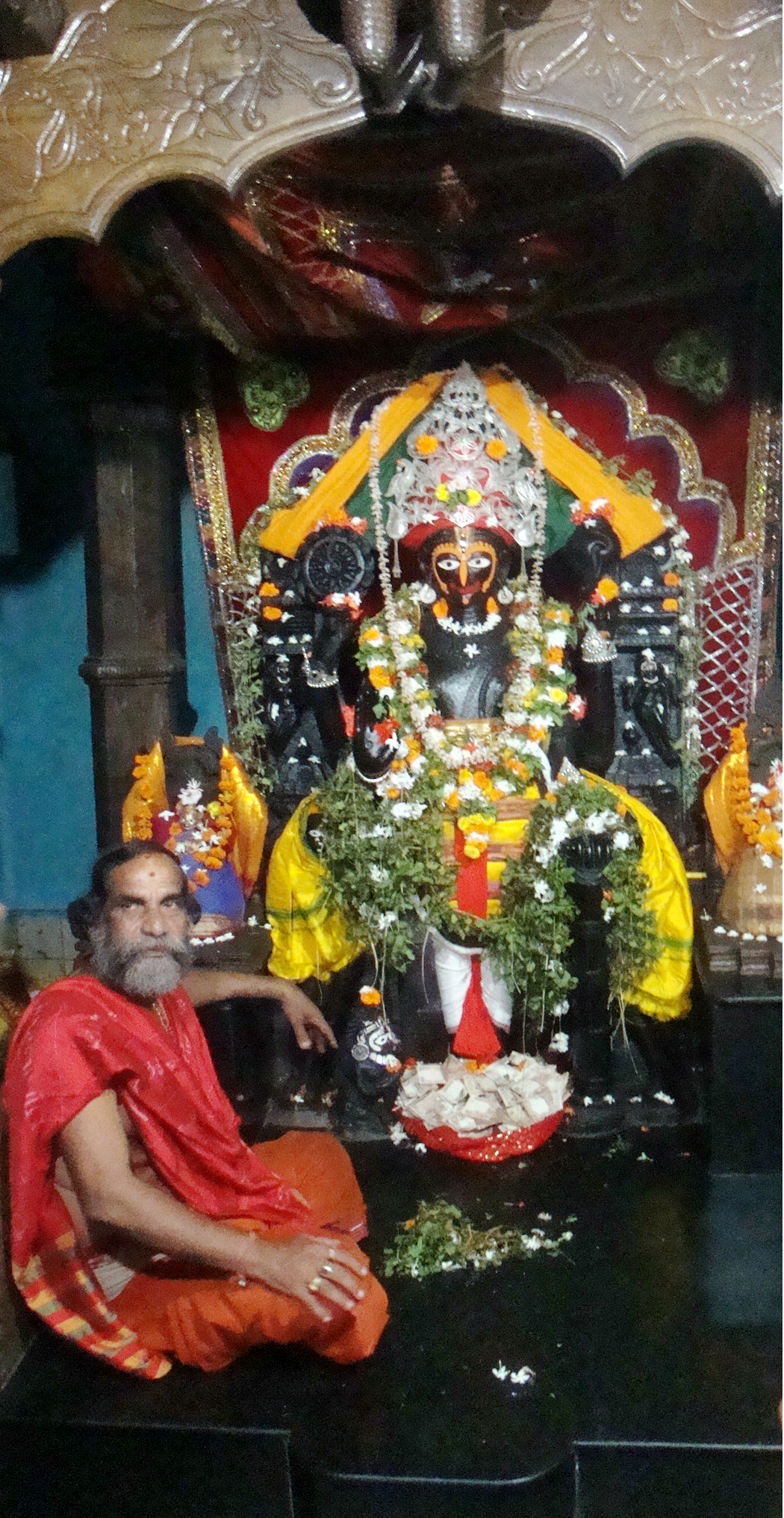
Alarnath Temple
Temple · 36 km · about 110 min by road
 #1 in PuriFree entry
Jagannath Temple, Puri
Temple · 53 km · about 165 min by road
 #5 in PuriFree entry
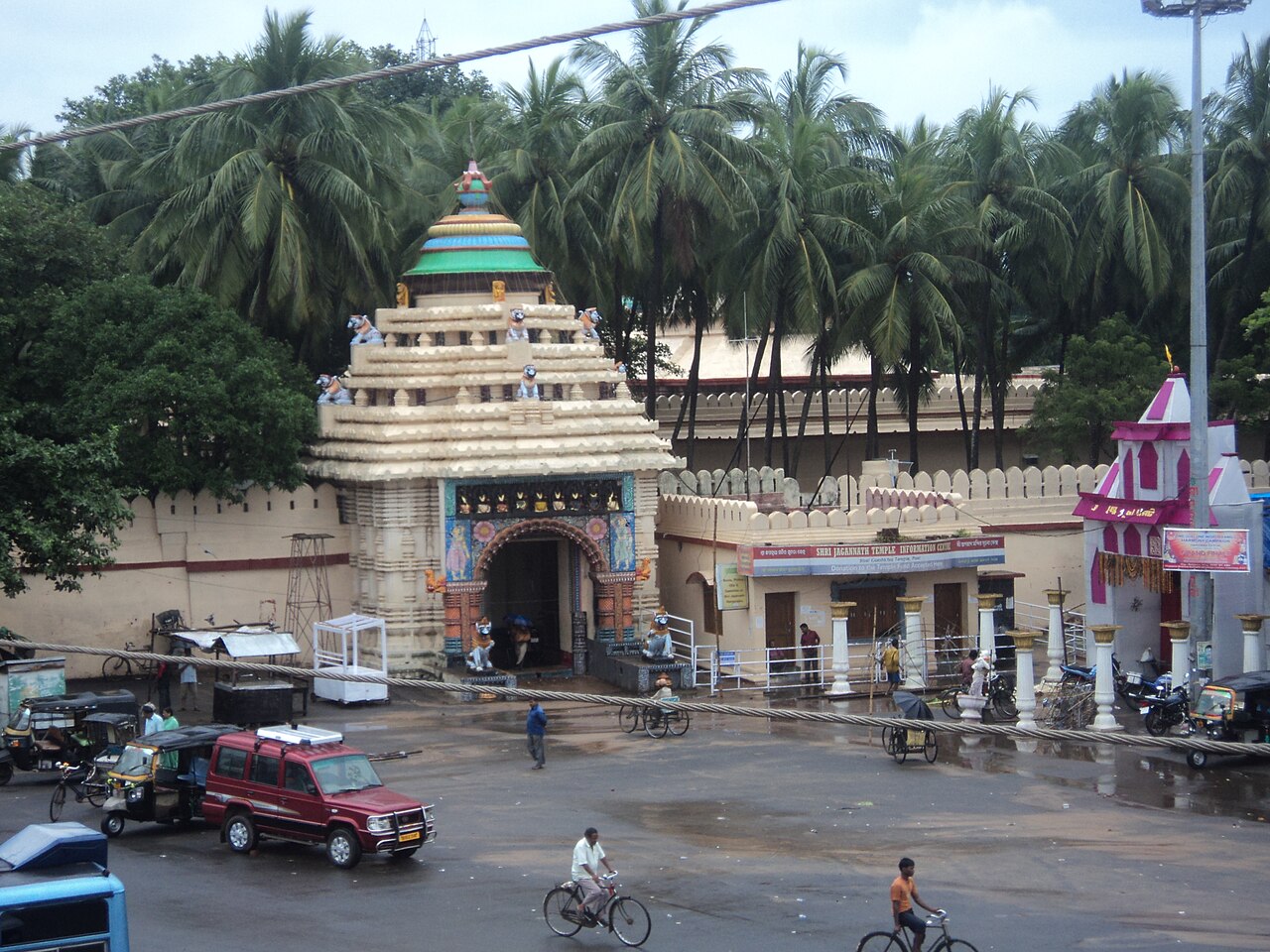
Gundicha Temple
Temple · 56 km · about 175 min by road
 #2 in Puri
Konark Sun Temple
Temple · 84 km · about 260 min by road