
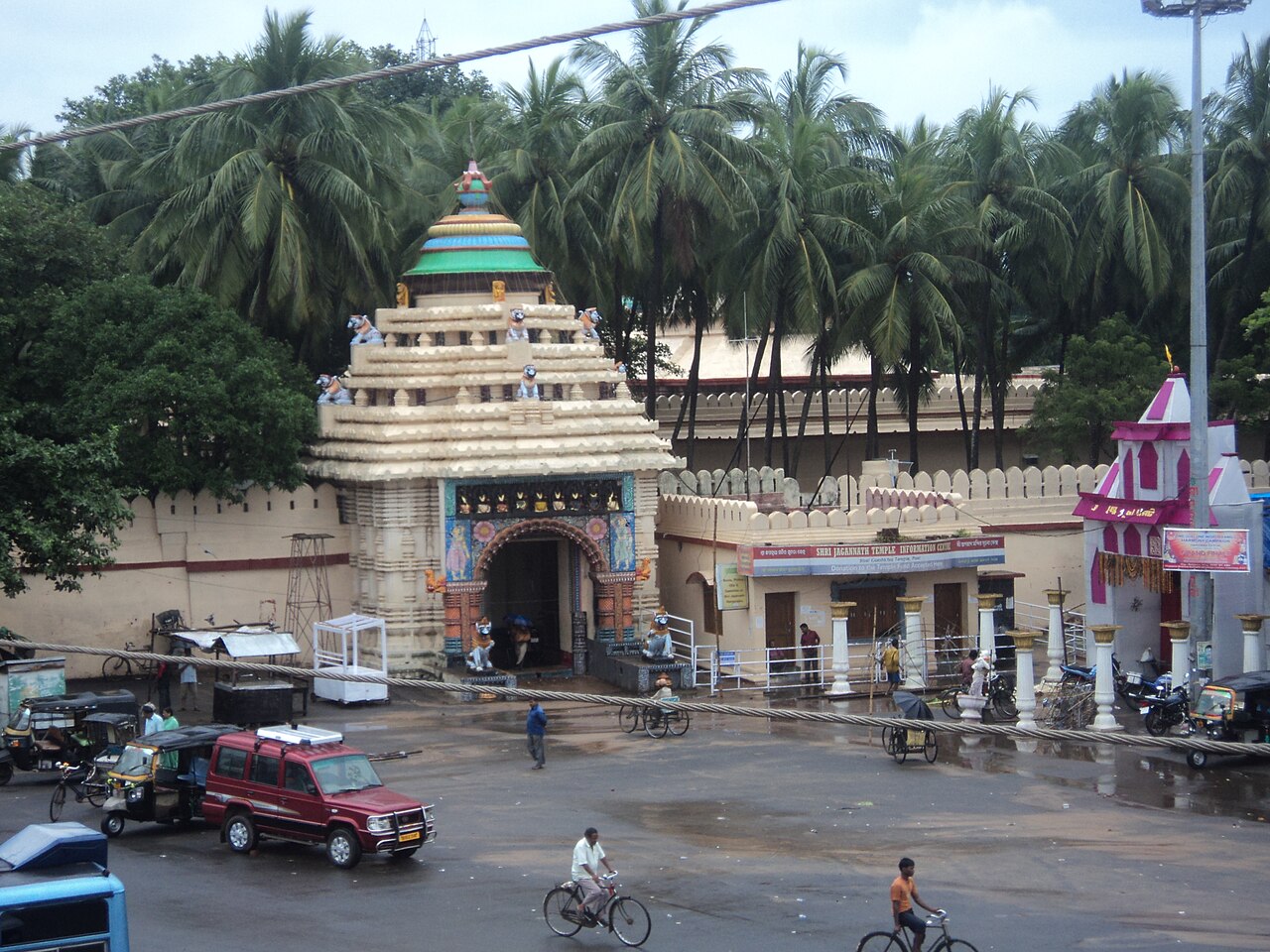
Gundicha Temple
#5of 7 places to visit in PuriPuri, Odisha
Also known as Gundicha Ghar · Garden House of Jagannath · Saradha Bali Temple
Quick answer
Opening hours: 06:00–20:00. Entry is free. Allow 45 min. Best time: 07:00–09:00.
Updated · Compiled by Traveliac, AI-assisted · 6 min read
- Opening hours
- 06:00–20:00
- 06:00–20:00 daily for general access to the outer compound; the inner sanctum sees limited ritual activity most of the year since the primary deities are not in residence
- Entry fee
- Free
- Time needed
- 45 min
- Best time of day
- 07:00–09:00
- Best months
- Oct – Mar
- Address
- Grand Road (Bada Danda), Saradha Bali, Puri – 752001, Odisha, approximately 3 km north of the Jagannath Temple's Lion Gate
About Gundicha Temple
Gundicha Temple sits at the northern terminus of Grand Road, three kilometres from the Jagannath Temple's Lion Gate, in a walled garden compound that gives the temple its popular name — Jagannath's 'garden house.' For 355 days of the year it is a quiet, comparatively modest Kalinga-style shrine, its deul considerably smaller in scale than the main temple's 65-metre shikhara, tended by a reduced complement of priests and visited mostly by pilgrims completing a fuller circuit of Puri's sacred geography. For the remaining days — the span of the Rath Yatra festival — it becomes the most important building in Odisha, the destination toward which three towering wooden chariots and several hundred thousand devotees converge down Grand Road.
Best time of day: 07:00–09:00. On an ordinary day, when the garden courtyard is quiet and the Kalinga stonework can be examined without a crowd. During Rath Yatra, the entire concept of 'best time' inverts — arrival and departure ceremonies (Pahandi) draw the largest crowds and the biggest logistical crush of the festival.
Gundicha Temple timings
Gundicha Temple opens at 06:00 and closes at 20:00. The weekend is no different: Saturday and Sunday follow the same times.
- Opening hours
- 06:00–20:00
Mon–Sun 06:00–20:00 - 06:00–20:00 daily for general access to the outer compound; the inner sanctum sees limited ritual activity most of the year since the primary deities are not in residence
- Closed on
- Open every day
Good to know: For approximately nine days spanning the Rath Yatra festival (dates shift with the lunar calendar, typically falling in June or July), the deities Jagannath, Balabhadra, and Subhadra reside inside this temple after being pulled here on their chariots. This is the only period when the temple functions as their full-time residence, and it is also when Puri's entire town-wide crowd logistics — traffic diversion, hotel occupancy, police cordons — reorganise around Grand Road between the main temple and this one.
Opening hours compiled from jagannath.nic.in and public records, last updated . They change without notice — confirm before you travel. How we write these guides
Gundicha Temple ticket price
| Ticket | Price |
|---|---|
| Indian visitors | Free |
| Foreign visitors | Free |
| Children | Free |
| Camera | Free |
Entry is free but, as at the main Jagannath Temple, the sanctum is restricted to Hindus. There is no equivalent to the Raghunandan Library viewing platform here — non-Hindu visitors cannot see into the compound from any official vantage point on a normal day. The one reliable exception is during Rath Yatra itself: for the days the three deities sit in the open on their chariots on Grand Road outside this temple, they are visible to everyone regardless of faith. Outside the festival period, non-Hindu visitors can only view the temple's exterior walls and shikhara from the road.
Prices compiled from jagannath.nic.in and public records, last updated . They change without notice — confirm before you travel. How we write these guides
Best time to visit Gundicha Temple
- Quiet
- Busy
- Very busy
06:00–09:00
Quiet morning (non-festival)Best time to go
Outside Rath Yatra, the garden compound sees a trickle of pilgrims completing a wider Puri temple circuit. The architecture can be examined without crowd pressure.
Quiet09:00–17:00
Daytime (non-festival)
Visitor numbers remain modest through the day. The temple functions at reduced ritual intensity compared to the main Jagannath Temple, since the primary deities are not in residence.
QuietChariot arrival day (Rath Yatra)
Pahandi and chariot arrival
Crowd density on Grand Road approaching Gundicha Temple reaches its annual maximum as the three chariots complete their pull and the deities are carried inside in the Pahandi ceremony. Police-managed crowd corridors are essential; this is the single most congested moment of the Puri calendar.
Very busyDeities' residence period (7–9 days, Rath Yatra)
Festival residence
For the duration the deities remain at Gundicha, a steady, elevated flow of pilgrims visits daily, though at lower intensity than the arrival and departure days themselves.
Busy
History of Gundicha Temple
The temple's name traces to a legend recorded in local tradition: Gundicha was the queen of King Indradyumna, the semi-mythical ruler credited with commissioning the original worship of Jagannath at Puri. She is said to have asked that the deities visit her home once a year, and the annual journey down Grand Road — now formalised as Rath Yatra — is understood as the fulfilment of that request, with the temple functioning as a symbolic family visit rather than a routine act of worship. The structure standing today is considerably later than the legend it commemorates, rebuilt in its present form after the Afghan general Kalapahar's 1568 raid on Puri, which damaged large parts of the temple town's religious infrastructure. Like the main temple, Gundicha follows the Kalinga Nagara architectural sequence — deul, jagamohana, natamandapa, and bhogamandapa aligned east to west — but executed at a noticeably smaller scale, with the surrounding garden (from which its popular name derives) historically maintained specifically to provide the deities with a change of setting during their annual stay.
During Rath Yatra, the deities remain at Gundicha for roughly seven to nine days, a period during which the main Jagannath Temple is, in a literal sense, without its principal deities — an inversion of the everyday religious geography of Puri that visitors rarely anticipate. The return journey, Bahuda Yatra, retraces the route to the main temple, with a customary halt near Mausima Temple (the 'aunt's house' shrine, a separate small structure along the route) where the deities are offered a specific rice cake, Poda Pitha, before continuing home.
Rules & etiquette at Gundicha Temple
The non-Hindu entry restriction applies here exactly as it does at the main Jagannath Temple, and there is no library-rooftop equivalent at Gundicha — the compound wall is higher relative to the surrounding street than at the main temple, and no adjacent public building offers a comparable sightline. Visitors who are not permitted to enter should not expect to see much beyond the temple's outer walls and its shikhara above them, except during the Rath Yatra period itself.
For Hindu visitors, the same basic rules as the main temple apply: footwear removed before entering, modest dress, and no photography inside the sanctum. Outside festival season, the priest presence is reduced and darshan is a quieter, less transactional experience than at the main temple — there is comparatively little of the panda (hereditary priest) solicitation that characterises Grand Road nearer the Lion Gate.
During Rath Yatra, crowd-safety rules become the dominant etiquette concern rather than religious protocol. Barricades, one-way pedestrian flows, and police cordons are imposed along Grand Road in both directions, and visitors — Hindu or otherwise — attending the festival should follow marked routes rather than attempting to approach the temple directly through the crowd.
Tips for visiting Gundicha Temple
- 1
On an ordinary day, Gundicha Temple rewards a modest amount of curiosity: the garden courtyard, largely empty of ritual activity, offers one of the calmer architectural views of Kalinga temple design in Puri, without the crowd density of the main complex. Combine it with a walk back down Grand Road toward the main temple, past the chariot-construction sheds (active from around Akshaya Tritiya in April/May onward, when the year's three chariots are built from scratch using specified woods — phassi and dhaura — following exact traditional measurements) — a genuinely interesting sight for visitors present outside festival season.
- 2
For travellers specifically planning around Rath Yatra, book accommodation in Puri months in advance; hotel occupancy across the town approaches full capacity in the week surrounding the festival, and prices rise sharply. The crowd-crush risk during the chariot-pulling itself is real and has produced fatalities in past decades from stampede and heat exhaustion; travellers attending should stay at the periphery of the pulling crowd rather than attempting to get close to the ropes, and carry water, given that the festival falls in the hottest, most humid part of the Odisha year.
- 3
The dismantled chariots, after the festival concludes, are broken down near Gundicha Temple; the wood is traditionally repurposed, including for temple kitchen fuel, rather than reused for the next year's chariots, which are rebuilt from scratch — a detail many visitors find counterintuitive given the scale of the construction effort involved.
How to reach Gundicha Temple
The red star is Gundicha Temple; the numbered pins are the 1 nearest places in our guides, each showing its rank in its city. Tap a pin for details.
Grand Road (Bada Danda), Saradha Bali, Puri – 752001, Odisha, approximately 3 km north of the Jagannath Temple's Lion GateDirections in Google Maps
From Jagannath Temple (Lion Gate)
₹60–₹1003 km · 10–15 min
From Puri Railway Station
₹80–₹1203.5 km · 12–15 min
From Puri Beach (Marine Parade)
₹90–₹1304 km · 15–18 min
Nearest airport
From Biju Patnaik International Airport, Bhubaneswar (BBI)
approximately 65 km, 1 hour 15 minutes by road
Nearest railway station
From Puri Railway Station
approximately 3.5 km, 12–15 minutes by auto-rickshaw
Gundicha Temple FAQs
Is Gundicha Temple really Jagannath's 'aunt's house'?
The common tourist shorthand calls it that, but the more precise legend is different: the temple is named for Queen Gundicha, wife of King Indradyumna, who is said to have asked that the deities visit her home once a year — the origin of Rath Yatra. A separate, smaller shrine along the return route, Mausima Temple, is the site more specifically associated with an 'aunt' figure, where the deities pause to receive an offering of Poda Pitha during the Bahuda Yatra (return journey).
Can non-Hindus visit Gundicha Temple?
The sanctum is restricted to Hindus, exactly as at the main Jagannath Temple. Unlike the main temple, there is no equivalent to the Raghunandan Library rooftop here — no official platform exists for non-Hindus to view the compound from outside. The reliable exception is during Rath Yatra, when the deities sit in the open on their chariots on Grand Road and are visible to everyone.
Are the deities present at Gundicha Temple year-round?
No. The primary deities reside at the main Jagannath Temple for most of the year and are brought to Gundicha only during the Rath Yatra festival, typically for seven to nine days in June or July. Visitors arriving outside this window will find a quieter temple without the principal deities in residence.
How does Rath Yatra affect a visit to Puri generally?
Rath Yatra reorganises the entire town: Grand Road between the main temple and Gundicha Temple becomes the focus of crowds numbering in the hundreds of thousands, hotel occupancy fills months in advance, and police impose crowd-control cordons and one-way pedestrian routes. Anyone planning to attend should book accommodation early, expect significant heat and crowd density, and treat the chariot-pulling itself as a serious crowd-safety event rather than a casual sightseeing stop.
Compiled with AI assistance from official sources and public records, and published only after the checks in How we write these guides. Nobody from Traveliac has visited this place. Last updated . How we rank and check places
Places to visit near Gundicha Temple
Straight-line distances from our map; times are estimates.
 #1 in PuriFree entry
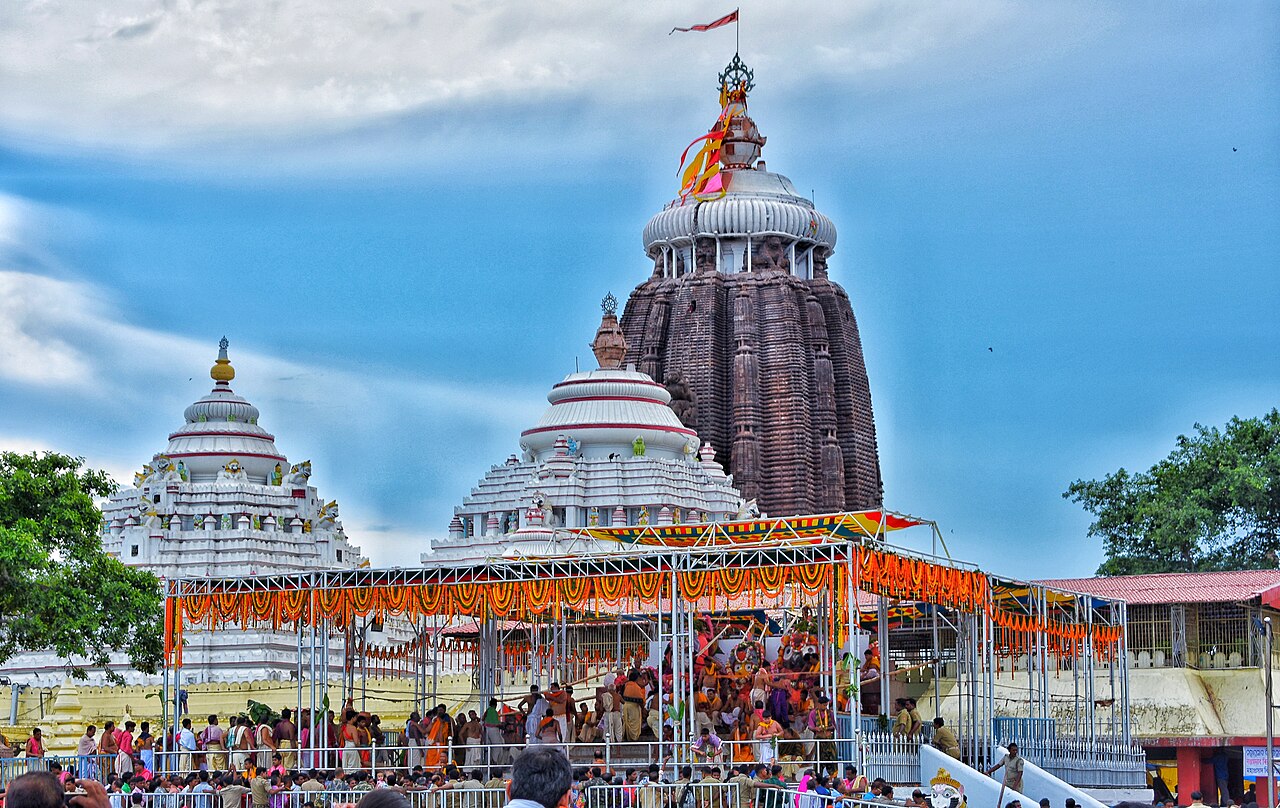
Jagannath Temple, Puri
Temple · 3 km · about 10 min by road
 #7 in PuriFree entry
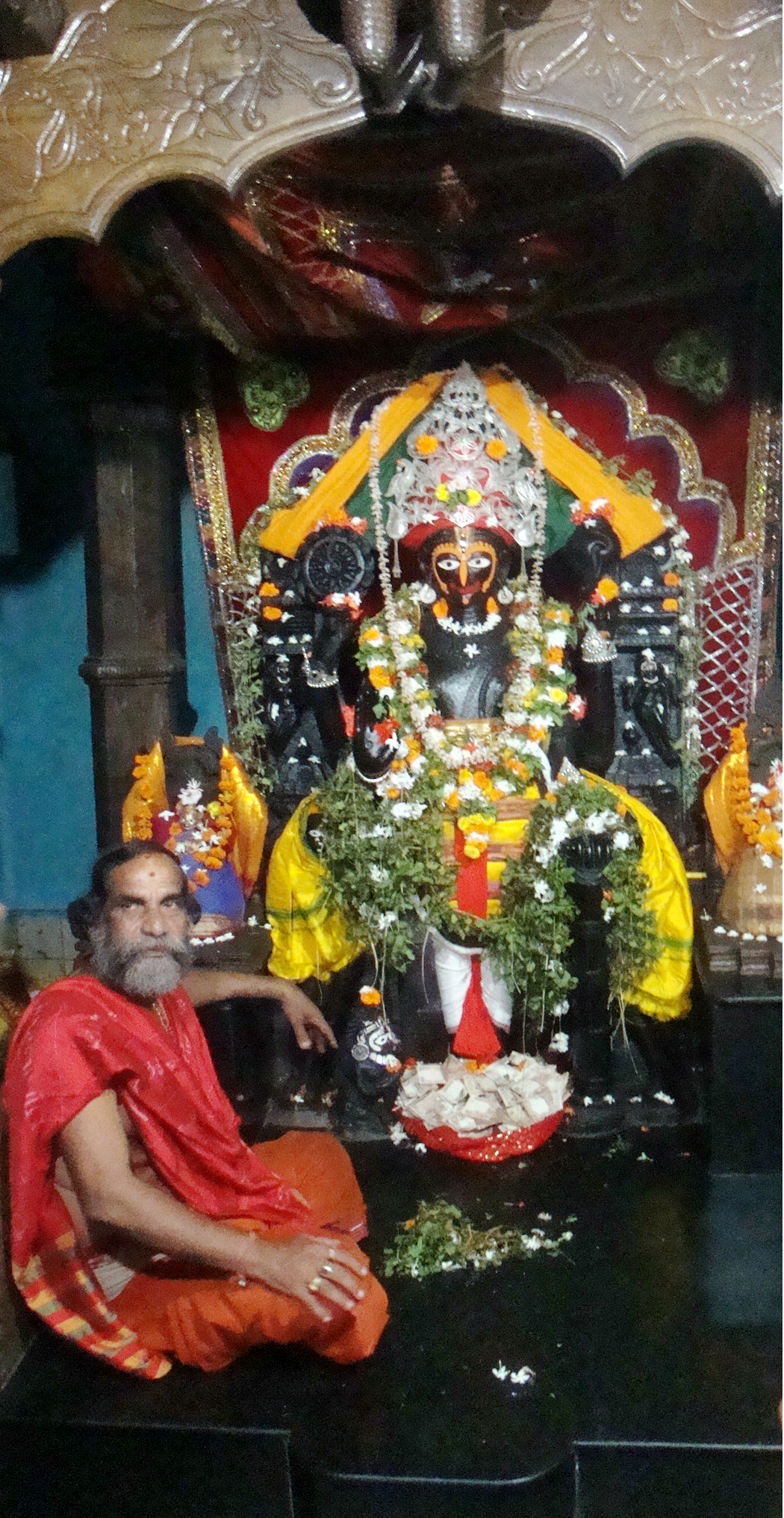
Alarnath Temple
Temple · 20 km · about 65 min by road
 #2 in Puri
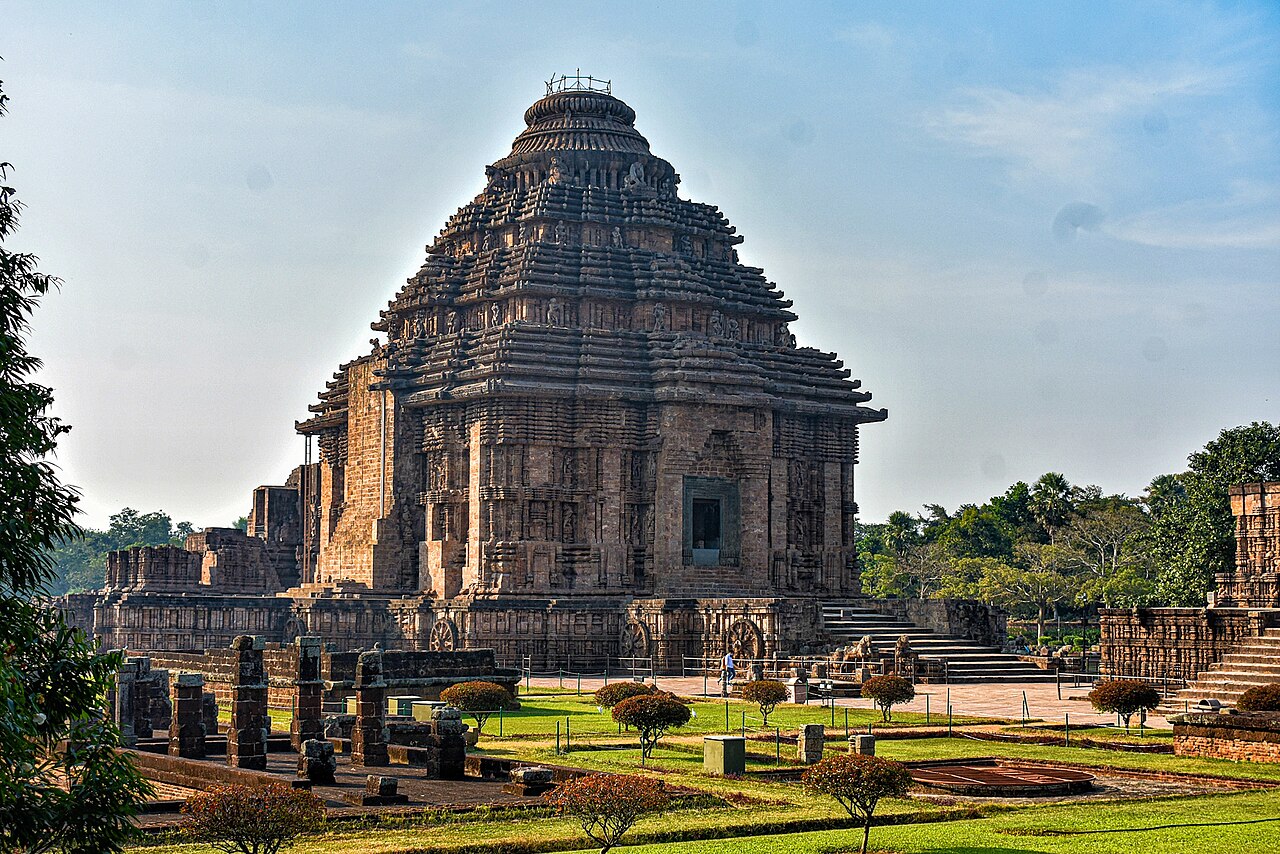
Konark Sun Temple
Temple · 28 km · about 85 min by road
 #4 in PuriFree entry
Chilika Lake – Satapada
Lake · 56 km · about 175 min by road