
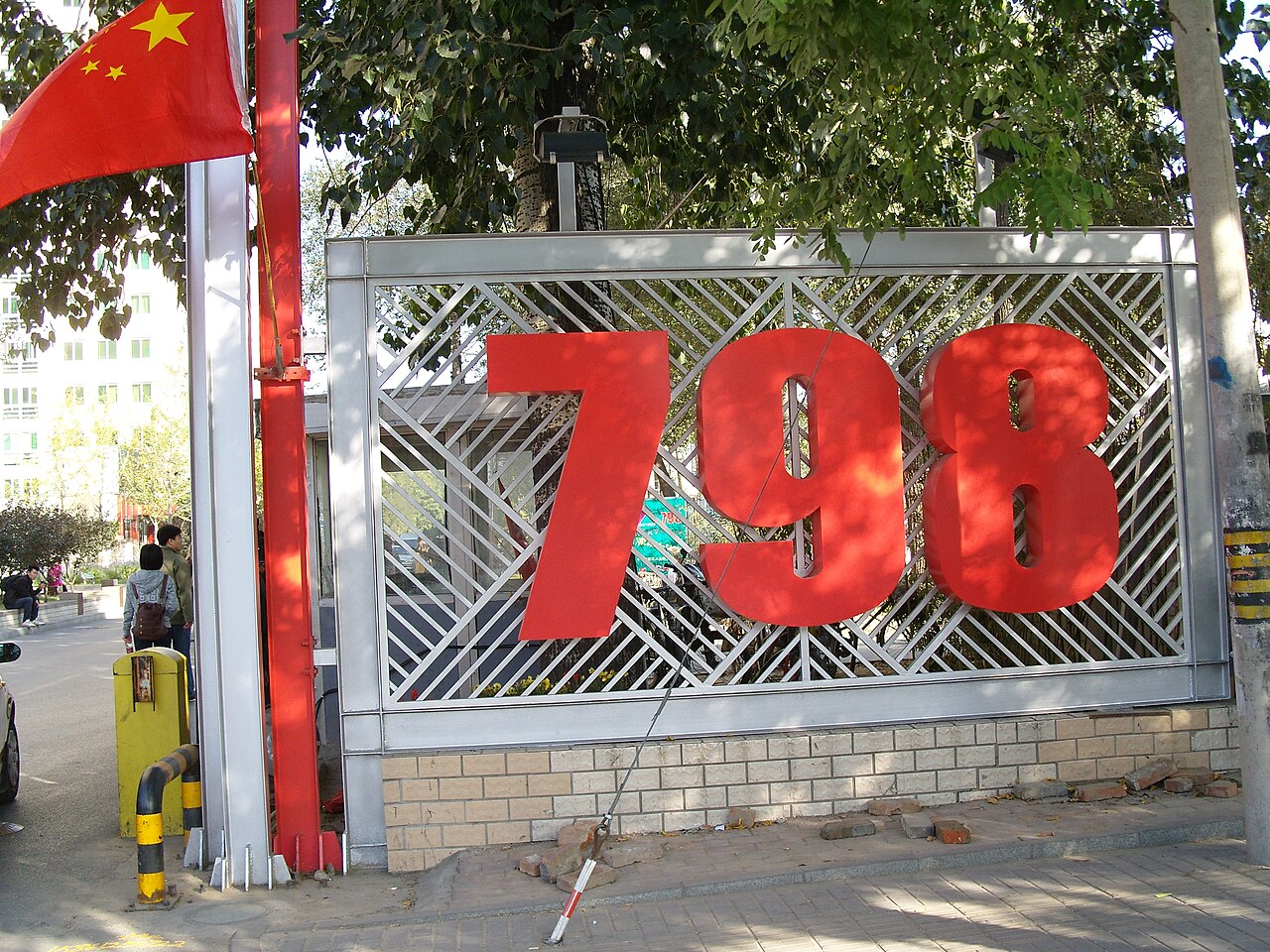
798 Art Zone
#8von 10 Orten zum Besuchen in BeijingBeijing, Beijing Municipality, China
Auch bekannt als Dashanzi Art District · 798 Art District · 798艺术区 · Factory 718
Kurz gesagt
Öffnungszeiten: 10:00–18:00. Der Eintritt ist kostenlos. Plane 3 hrs ein. Beste Zeit: 11:00-14:00.
Aktualisiert am · Erstellt von Traveliac, KI-unterstützt · 4 Min. Lesezeit
- Öffnungszeiten
- 10:00–18:00
- The district is open all day; most galleries open about 10:00-18:00 and shops and cafes stay open later, but hours differ by venue, so verify with each gallery.
- Eintrittspreis
- Kostenlos
- Benötigte Zeit
- 3 hrs
- Beste Tageszeit
- 11:00-14:00
- Beste Monate
- Apr – May, Sep – Oct
- Adresse
- 2 Jiuxianqiao Road, Chaoyang District, Beijing 100015, China
Über 798 Art Zone
798 Art Zone is free to walk, as of 2026, and occupies a former military electronics factory complex in Chaoyang District, in Beijing's north-east. Sawtooth roofs, exposed brick, steel trusses and long north-facing skylights define the Bauhaus-influenced halls, which were designed with East German architects and now house galleries, studios, design shops and cafes. Old factory chimneys, pipes and Maoist slogans left on the walls sit beside contemporary sculpture in the alleys. The original complex covered some 500,000 square metres, and the UCCA Center for Contemporary Art anchors the district, so a visit here is a walk through working galleries rather than a single monument.
Beste Tageszeit: 11:00-14:00. On a weekday, when the galleries are open but the weekend crowd has not arrived.
Öffnungszeiten von 798 Art Zone
798 Art Zone öffnet um 10:00 und schließt um 18:00. Diese Zeiten gelten auch samstags und sonntags.
- Öffnungszeiten
- 10:00–18:00
Mon–Sun 10:00–18:00 - The district is open all day; most galleries open about 10:00-18:00 and shops and cafes stay open later, but hours differ by venue, so verify with each gallery.
- Geschlossen an
- Many galleries close on Monday; verify per venue
Gut zu wissen: Some galleries close for installation between exhibitions and around Chinese New Year.
Öffnungszeiten zusammengestellt aus r.visitbeijing.com.cn und öffentlichen Quellen, zuletzt aktualisiert am . Sie können sich ohne Vorankündigung ändern — vor der Reise bitte bestätigen. Wie wir diese Reiseführer schreiben
Eintrittspreis für 798 Art Zone
| Ticket | Preis |
|---|---|
| Standardticket | Kostenlos |
| Ermäßigt (Studenten / Senioren) | Kostenlos |
| Kinder | Kostenlos |
Walking 798 Art Zone is free, as of 2026, and most independent galleries do not charge for entry. The UCCA Center for Contemporary Art and some private museums charge admission that varies by exhibition, so check the current price with each venue before you go. Gallery hours vary; see the timings note.
Preise zusammengestellt aus r.visitbeijing.com.cn und öffentlichen Quellen, zuletzt aktualisiert am . Sie können sich ohne Vorankündigung ändern — vor der Reise bitte bestätigen. Wie wir diese Reiseführer schreiben
Beste Reisezeit für 798 Art Zone
- Quiet
- Moderate
- Very busy
10:00 - 11:30
Slow openingBest time to go
Galleries are just opening and the alleys are quiet; the best time for photographs of the industrial architecture.
Quiet11:30 - 14:30
Lunch and gallery hours
Cafes fill and gallery visitors arrive steadily; still comfortable on weekdays.
Moderate14:30 - 17:30
Afternoon peak
Weekend crowds and tour groups fill the main alleys and the UCCA courtyard; queues form at cafes and photo spots.
Very busy17:30 - 21:00
Evening
Most galleries close, while bars and restaurants stay open with a smaller crowd.
Moderate
Geschichte von 798 Art Zone
798 Art Zone began as Joint Factory 718, a Sino-German electronics plant whose ground was broken in April 1954. East German architects chose the Bauhaus-influenced saw-tooth design, and the factory began production in 1957 as part of the cooperation between the People's Republic and the German Democratic Republic. The plant declined in the late 1980s and early 1990s, and many halls stood empty.
Artists searching for cheap studio space moved into the vacant buildings, and Beijing Tokyo Art Projects opened in 2002, which is usually taken as the date the district emerged as an art community. By 2003 more than 30 artists, designers and publishers worked there. The UCCA Center for Contemporary Art opened in the district in 2007, and 798 grew into one of Beijing's most visited cultural destinations. Rising rents and commercial shops have since pushed some artists to outer districts such as Caochangdi, and the mix of galleries and souvenir shops draws criticism from those who prefer the early years.
Regeln & Etikette in 798 Art Zone
798 Art Zone is a set of private galleries, so photography rules differ by venue: many allow photographs of the exterior and courtyard sculpture but ask you not to photograph works or installations without permission, and some ban tripods. Look for signs at each entrance and ask staff before shooting, particularly in commercial galleries, where works may be for sale.
798 Art Zone is free to enter, so the quality of exhibitions varies, and shops selling posters and souvenirs are more numerous than galleries in some alleys. Prices in cafes and gift shops are higher than in the city, and some vendors will push mass-produced prints as original art, so ask for a certificate for anything you buy. Cash is accepted but mobile payment is standard, and public toilets are limited.
Tipps für den Besuch von 798 Art Zone
- 1
798 Art Zone is large enough to overwhelm a first-time visitor, so pick two or three galleries in advance, such as UCCA for large exhibitions and one or two smaller independent spaces, then wander the alleys for street sculpture and murals. Check exhibition listings on the venues' own sites or WeChat accounts before going, as the programme changes every few weeks.
- 2
798 Art Zone is easiest to reach by a short taxi or ride-hailing trip from a Line 14 station such as Jiangtai, which saves a walk of more than a kilometre on busy roads. Weekday afternoons are quiet, while weekend crowds bring long queues at cafes. Combine a visit with a lunch stop and allow at least three hours. Many galleries are closed on Monday, so plan around Tuesday to Sunday.
Anreise nach 798 Art Zone
Der rote Stern zeigt 798 Art Zone; die nummerierten Markierungen sind die 6 nächstgelegenen Orte aus unseren Reiseführern, jeweils mit ihrem Rang in der eigenen Stadt. Für Details auf eine Markierung tippen.
2 Jiuxianqiao Road, Chaoyang District, Beijing 100015, ChinaRoute in Google Maps
Ab Beijing Capital Airport (PEK)
15 km · 25-40 min
CNY 50-80 approx.
Ab Sanyuanqiao (Airport Express and Line 10)
5 km · 15-20 min
CNY 15-25 approx.
Ab Tiananmen East
14 km · 45-60 min
CNY 4-5 plus taxi
Nächster Flughafen
Ab Beijing Capital International Airport (PEK), about 15 km; Beijing Daxing International Airport (PKX), about 65 km.
Nächste Station
Ab Line 14 stations Dashanzi and Jiangtai lie roughly 1-1.5 km away, a walk, bike or short taxi ride; verify the exit with a map app, since no station sits at the district entrance.
Häufige Fragen zu 798 Art Zone
Is 798 Art Zone free to enter?
Yes. Walking the district is free, as of 2026, and most independent galleries have no entry fee, while UCCA and some private museums charge for exhibitions.
What is 798 Art Zone?
798 Art Zone is a former military electronics factory complex, built with East German architects in the 1950s, that artists turned into a gallery district from about 2002.
How long should you spend at 798 Art Zone?
Allow about three hours, longer if you plan to see several exhibitions at UCCA and other venues.
Is 798 Art Zone open on Monday?
The district itself is open, but many galleries close on Mondays, so check each venue before you go.
Mit KI-Unterstützung aus offiziellen Quellen und öffentlichen Aufzeichnungen erstellt und erst nach den Prüfungen veröffentlicht, die beschrieben sind unter Wie wir diese Reiseführer schreiben. Niemand von Traveliac war persönlich vor Ort. Zuletzt aktualisiert am . Wie wir Orte bewerten und prüfen
Orte in der Nähe von 798 Art Zone
Luftlinien-Entfernungen laut unserer Karte; Zeiten sind Schätzwerte.
 #4 in Beijing
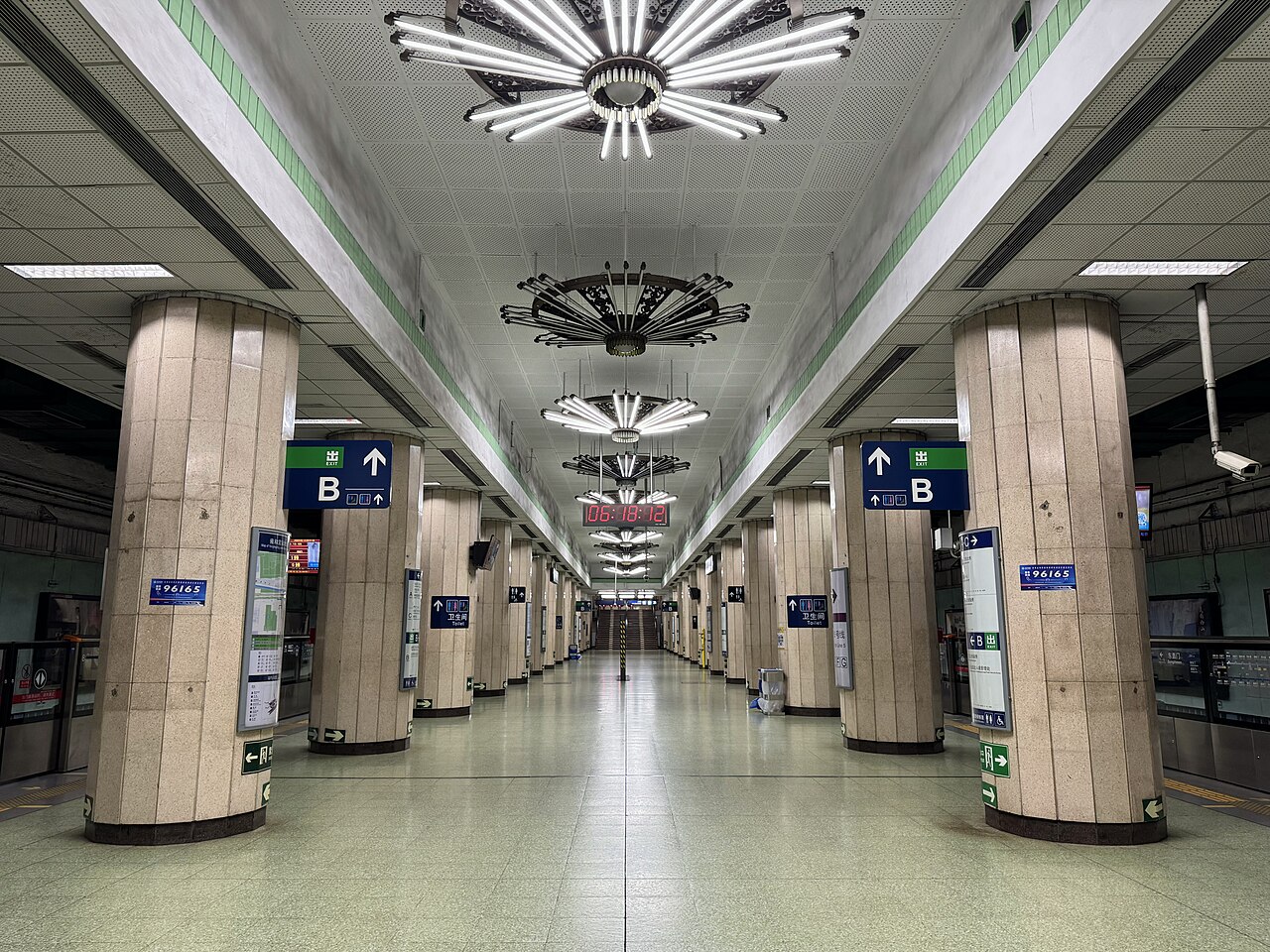
Lama Temple (Yonghe Temple)
Buddhistische Stätte · 7 km · about 25 min by road
 #5 in BeijingFreier Eintritt
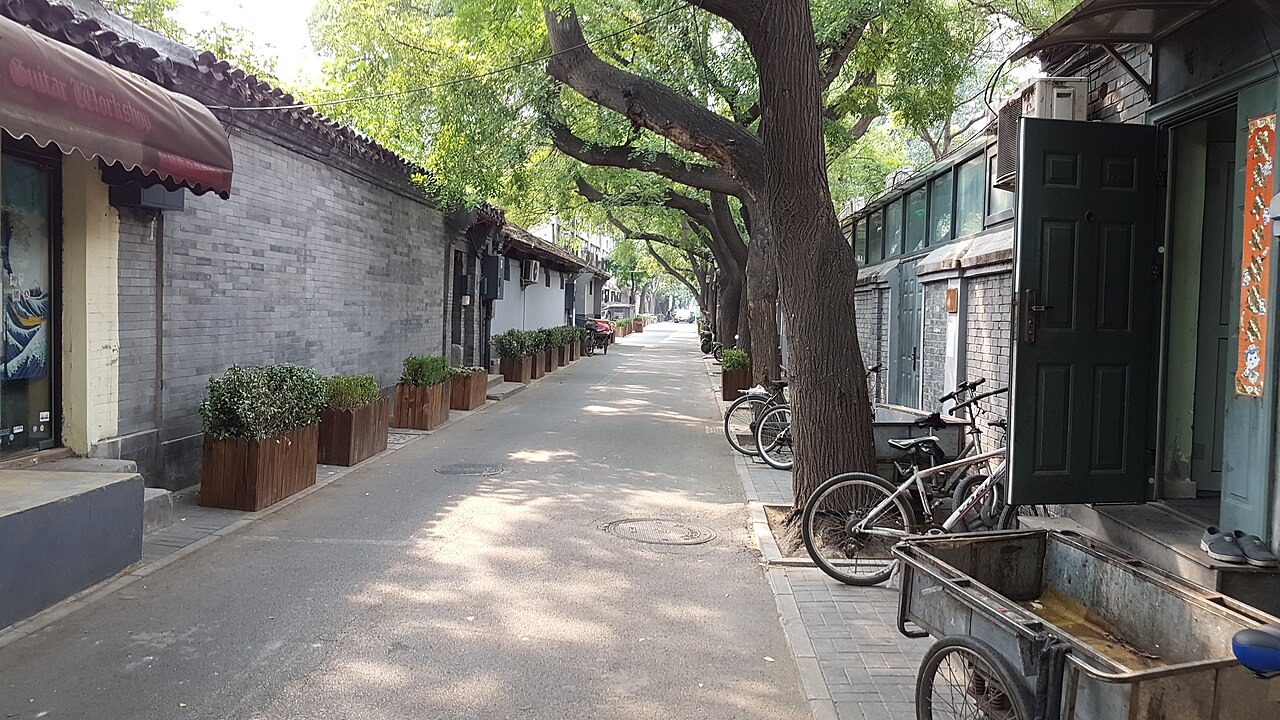
Nanluoguxiang and the Hutongs
Kulturerbe · 9 km · about 30 min by road
 #3 in Beijing
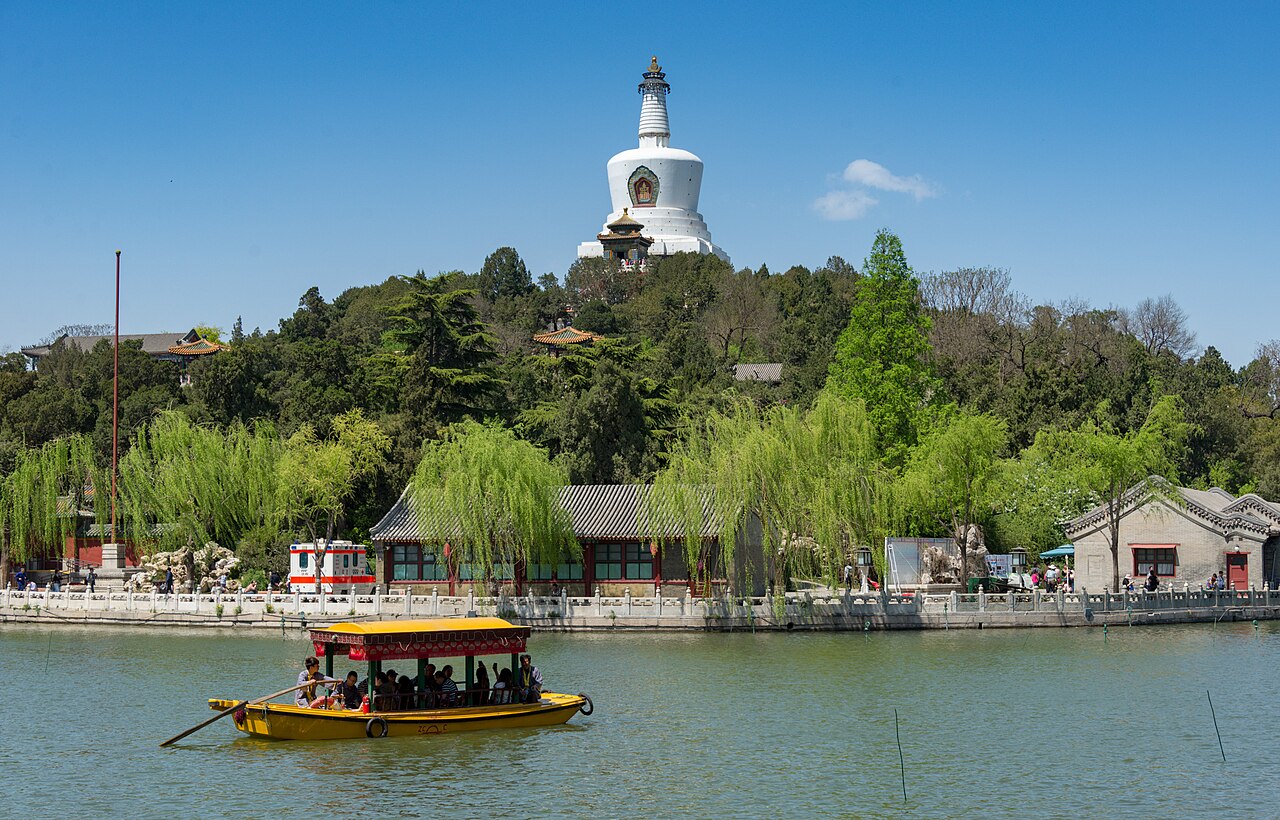
Beihai Park
Kulturerbe · 11 km · about 35 min by road
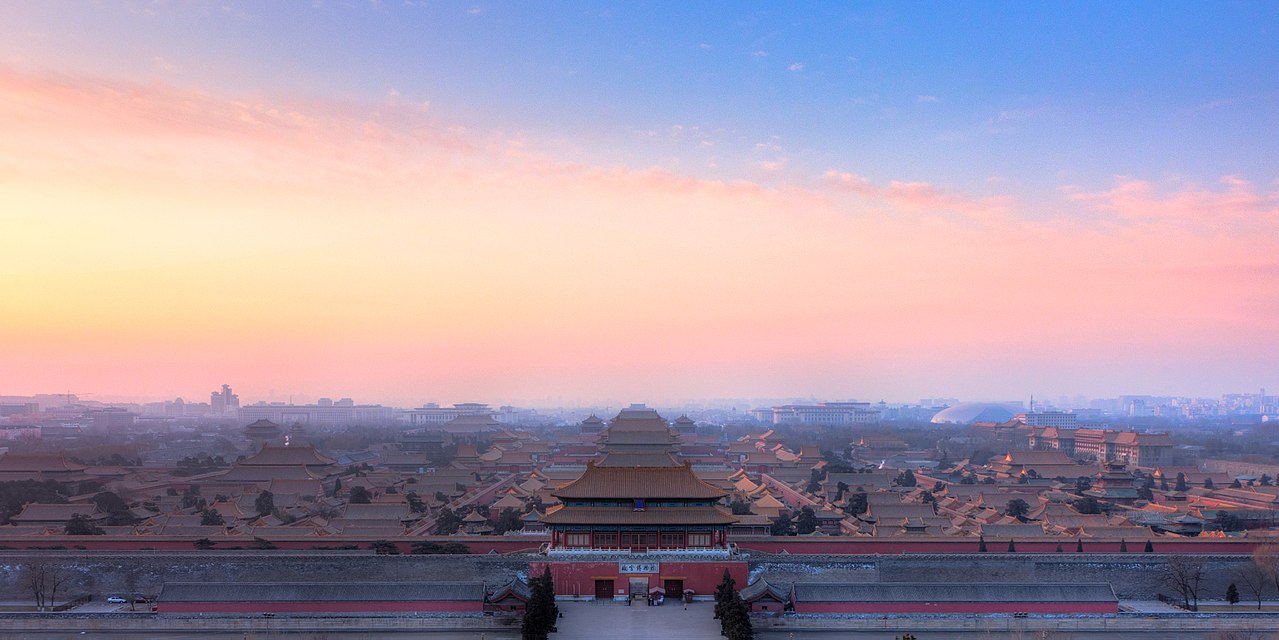 #2 in Beijing
Forbidden City (Palace Museum)
Palast · 12 km · about 35 min by road