
Nanluoguxiang and the Hutongs
#5of 10 places to visit in BeijingBeijing, Beijing Municipality, China
Also known as South Gong and Drum Lane · 南锣鼓巷 · Gulou hutongs
Quick answer
Opening hours: Open at all hours. Entry is free. Allow 2 hrs. Best time: 09:00-11:00.
Updated · Compiled by Traveliac, AI-assisted · 4 min read
- Opening hours
- Open 24h
- The lanes are open at any hour. Most shops and cafes trade from late morning until about 22:00.
- Entry fee
- Free
- Time needed
- 2 hrs
- Best time of day
- 09:00-11:00
- Best months
- Apr – May, Sep – Oct
- Address
- Nanluoguxiang, Dongcheng District, Beijing 100009, China
About Nanluoguxiang and the Hutongs
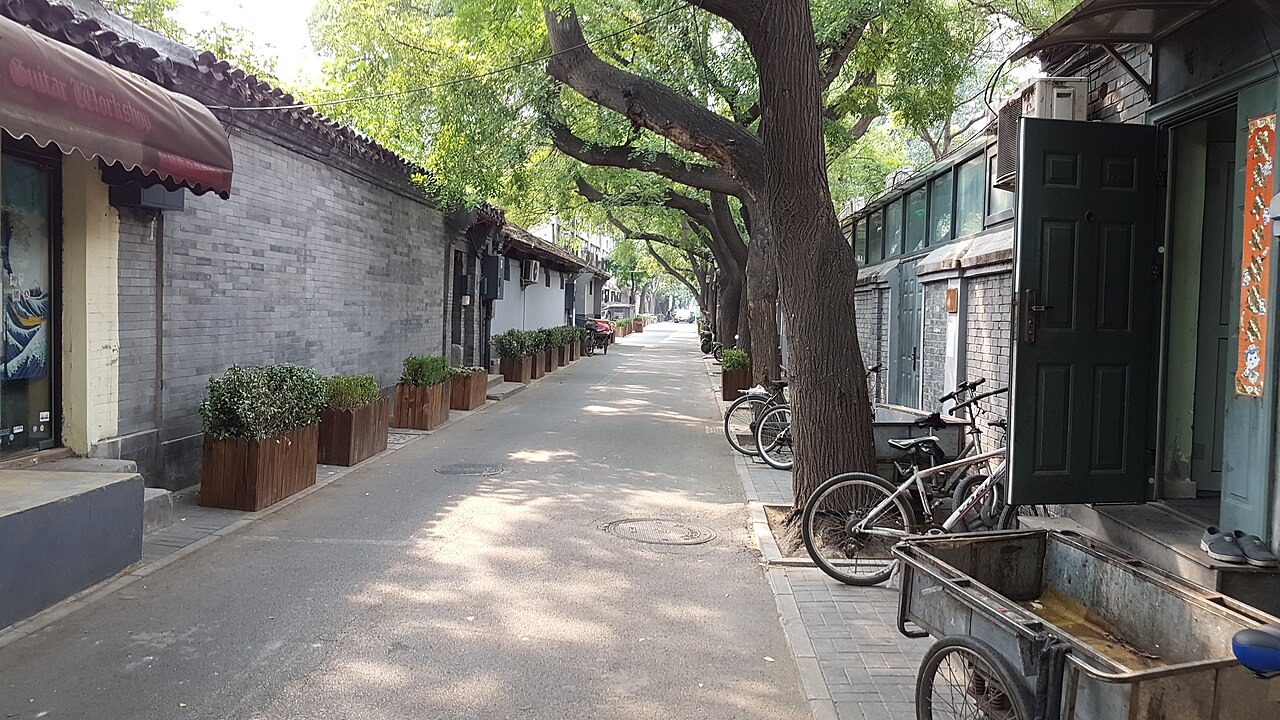
Nanluoguxiang is free to walk, as of 2026, and forms a 787-metre pedestrian lane about 8 metres wide, with eight hutongs branching off each side like ribs. The narrow grey-brick lanes follow a grid laid out under the Yuan dynasty capital in the 13th century, making the neighbourhood one of the oldest surviving street patterns in Beijing. Courtyard houses (siheyuan) with grey brick walls, curved-tile roofs and red-lacquered doors line the side alleys, while the main lane holds cafes, souvenir stalls, snack vendors and bars. Nanluoguxiang is the most visited hutong in Beijing, and the Bell and Drum Towers stand a short walk to the north.
Best time of day: 09:00-11:00. When the lane is quiet and the side hutongs are at their most residential.
Nanluoguxiang and the Hutongs timings
Nanluoguxiang and the Hutongs is open 24 hours a day, every day of the week, including Saturday and Sunday.
- Opening hours
- Open 24h
Mon–Sun 00:00–23:59 - The lanes are open at any hour. Most shops and cafes trade from late morning until about 22:00.
- Closed on
- Open every day
Good to know: Weekend afternoons, Golden Week and summer evenings are the busiest periods.
Opening hours compiled from r.visitbeijing.com.cn and public records, last updated . They change without notice — confirm before you travel. How we write these guides
Nanluoguxiang and the Hutongs ticket price
| Ticket | Price |
|---|---|
| Standard ticket | Free |
| Concession (student / senior) | Free |
| Children | Free |
Walking Nanluoguxiang and the surrounding hutongs is free, as of 2026, and the lane is open all day. Rickshaw tours, shop food and drinks and museum entries in the area are paid separately; agree any rickshaw price before boarding, since guides cite about CNY 100 as a typical figure for a short loop but prices vary with distance and negotiation.
Prices compiled from r.visitbeijing.com.cn and public records, last updated . They change without notice — confirm before you travel. How we write these guides
Best time to visit Nanluoguxiang and the Hutongs
- Quiet
- Moderate
- Busy
- Very busy
09:00 - 11:00
Quiet morningBest time to go
Shops are still opening; residents go about daily routines and the side hutongs are at their most photogenic.
Quiet11:00 - 15:00
Daytime build
Tour groups and day visitors fill the main lane; queues form at the snack stalls and cafes.
Busy15:00 - 19:00
Afternoon peak
Weekend and holiday crowds pack the lane shoulder to shoulder; side hutongs offer relief.
Very busy19:00 - 22:00
Evening drinks
Bars and cafes fill with a younger crowd while day tourists thin out; the lane is lit but noisier.
Moderate
History of Nanluoguxiang and the Hutongs
Nanluoguxiang dates to the Yuan dynasty, when the Mongol rulers laid out their capital Dadu from the 1260s on a chessboard plan, with long lanes running east-west and short ones crossing them. Guides give 1276 as the date and describe the neighbourhood as more than 740 years old, though the current buildings are mostly Ming and Qing courtyard homes rebuilt many times.
Nanluoguxiang served as the residential quarter for officials and merchants in the Ming and Qing dynasties, and side alleys such as Mao'er Hutong include the former home of Wanrong, the last empress of the Qing. After 1949 many courtyards were divided among several families, and in the late 20th century the wider hutong districts shrank as redevelopment cleared old lanes. Nanluoguxiang was designated a historic conservation area and, from the mid-2000s, filled with cafes and shops, giving it its current mix of residents and visitors.
Rules & etiquette at Nanluoguxiang and the Hutongs
Nanluoguxiang is a pedestrian lane, but the hutongs branching from it remain working residential streets, so voices, flash photography and doorway peering should be kept to a minimum. Do not enter courtyard gates without an invitation, and ask before photographing residents. Cyclists, electric scooters and delivery riders use the side lanes, so step aside when you hear a bell or horn.
Nanluoguxiang pickpockets work the crowds, so keep phones and wallets in front pockets. Rickshaw drivers may quote a price per person that turns out to be per stop or per rider, so agree the total in writing or on your phone before boarding. Shops and street-food vendors near the main lane charge tourist prices; walk one lane back for cheaper noodles, dumplings and yoghurt. Mobile payment is standard, but cash is legally accepted.
Tips for visiting Nanluoguxiang and the Hutongs
- 1
Nanluoguxiang is best treated as the starting point rather than the destination: walk the main lane early, then turn into side hutongs such as Mao'er, Fuxiang or Yu'er for quieter courtyards, small cafes and a more lived-in feel. From there, walk north for about 10 minutes to the Drum Tower and Bell Tower and the Gulou area, which has live music bars and a calmer evening scene.
- 2
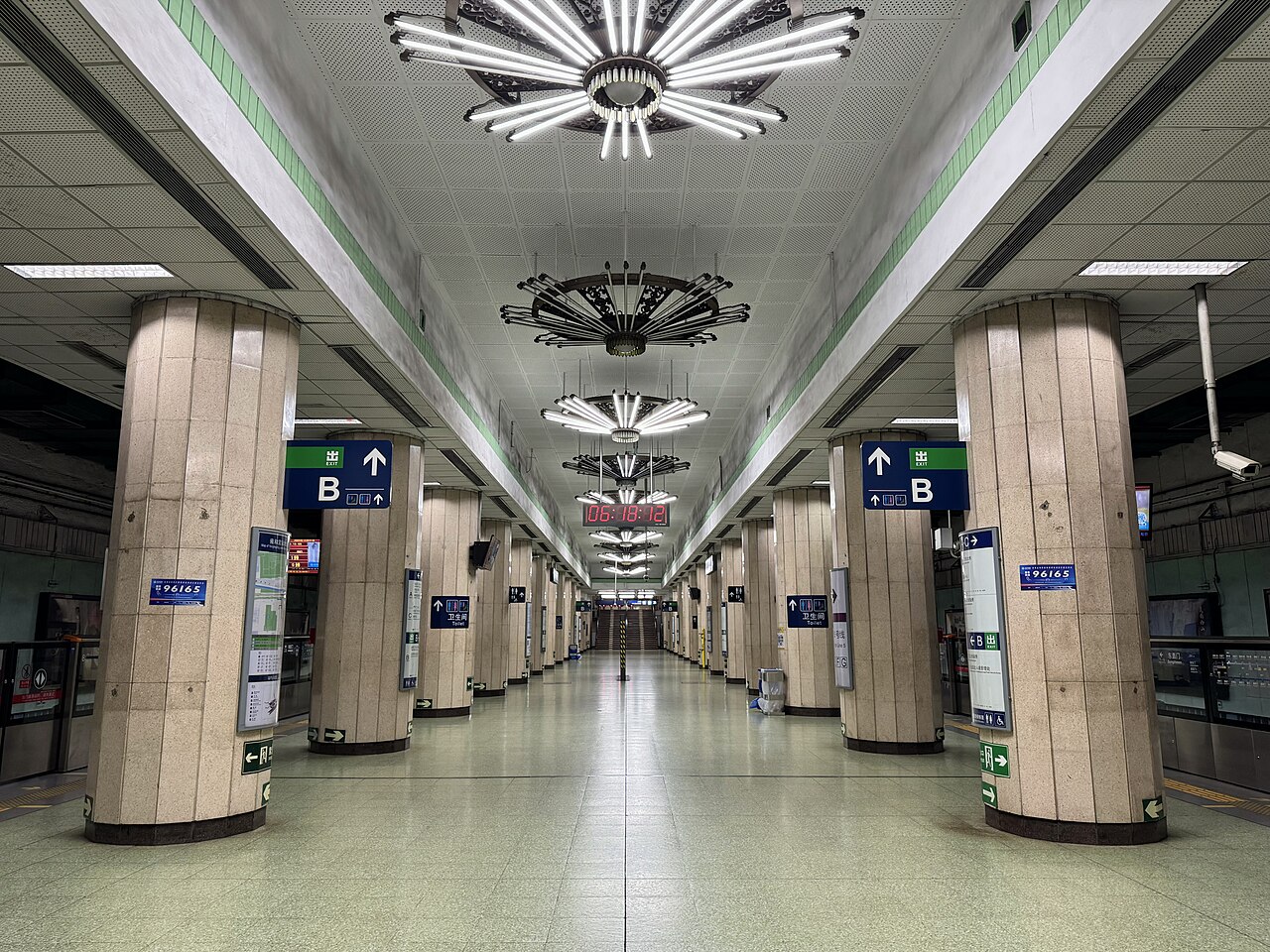
Nanluoguxiang's metro station has two lines, so exits can be confusing; use Exit E for the lane itself. Weekend afternoons and public holidays fill the lane until walking becomes a shuffle, so choose a weekday morning. Try a hutong bike tour or an evening walk after sunset, when lanterns and string lights soften the grey brick. Public toilets in the hutongs are basic; use a cafe when you need one.
How to reach Nanluoguxiang and the Hutongs
The red star is Nanluoguxiang and the Hutongs; the numbered pins are the 7 nearest places in our guides, each showing its rank in its city. Tap a pin for details.
Nanluoguxiang, Dongcheng District, Beijing 100009, ChinaDirections in Google Maps
From Beijing Capital Airport (PEK)
25 km · 50-60 min
CNY 25 Airport Express plus CNY 3
From Tiananmen East
4 km · 25 min
CNY 3
From Forbidden City north gate
3 km · 10-15 min by car
CNY 15-25 taxi
Nearest airport
From Beijing Capital International Airport (PEK), about 25 km; Beijing Daxing International Airport (PKX), about 55 km.
Nearest station
From Nanluoguxiang (Line 6 and Line 8), Exit E.
Nanluoguxiang and the Hutongs FAQs
Is Nanluoguxiang free?
Yes. Walking the lane and hutongs is free, as of 2026, and the area is open all day; you only pay for food, shops, rickshaws and any museum entries.
How long is Nanluoguxiang?
About 787 metres and 8 metres wide, with eight hutongs on each side. Allow one to two hours for the lane and a short detour into the side alleys.
How do you get to Nanluoguxiang by metro?
Take Line 6 or Line 8 to Nanluoguxiang station and use Exit E for the lane.
Is a rickshaw tour of the hutongs worth it?
It can be, but agree the total price before boarding. Guides cite about CNY 100 for a short loop, and drivers sometimes quote per person or per stop, so confirm what is included.
Compiled with AI assistance from official sources and public records, and published only after the checks in How we write these guides. Nobody from Traveliac has visited this place. Last updated . How we rank and check places
Places to visit near Nanluoguxiang and the Hutongs
Straight-line distances from our map; times are estimates.
 #4 in Beijing
Lama Temple (Yonghe Temple)
Buddhist site · 1.9 km · about 31 min walk
 #3 in Beijing
Beihai Park
Heritage · 2.3 km · about 37 min walk
 #2 in Beijing
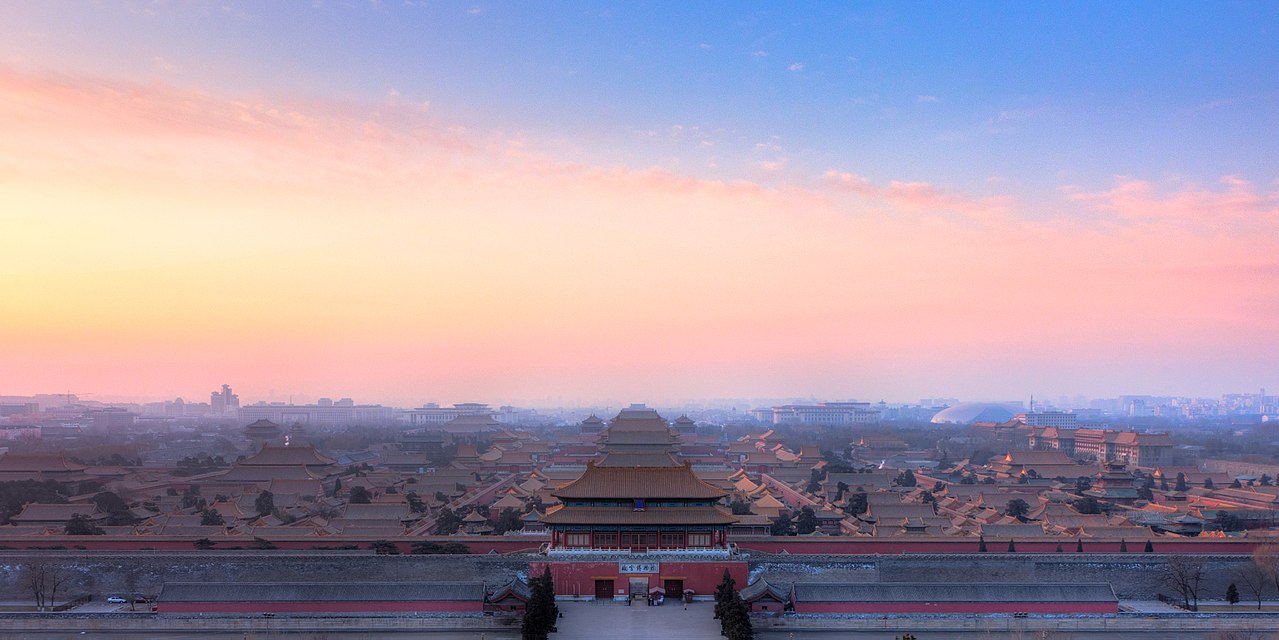
Forbidden City (Palace Museum)
Palace · 3 km · about 10 min by road
 #1 in BeijingFree entry
Tiananmen Square
Heritage · 4 km · about 15 min by road