
Luxor Museum
#3von 10 Orten zum Besuchen in LuxorLuxor, Luxor Governorate, Egypt
Auch bekannt als Museum of Ancient Egyptian Art, Luxor · Luxor Museum of Ancient Egyptian Art
Kurz gesagt
Öffnungszeiten: 09:00–13:00 and 17:00–20:00. Eintritt: EGP 400. Plane 1.5 hrs ein. Beste Zeit: 17:00 - 19:00.
Aktualisiert am · Erstellt von Traveliac, KI-unterstützt · 4 Min. Lesezeit
- Öffnungszeiten
- 09:00–20:00
- Daily 09:00-13:00 and 17:00-20:00 per the Ministry price list (a split day with a midday break).
- Eintrittspreis
- EGP 400
- Ticket ab
- Benötigte Zeit
- 1.5 hrs
- Beste Tageszeit
- 17:00 - 19:00
- Beste Monate
- Oct – Mar
- Adresse
- Corniche el-Nil, Luxor City, Luxor Governorate, Egypt (east bank, north of Luxor Temple)
Über Luxor Museum
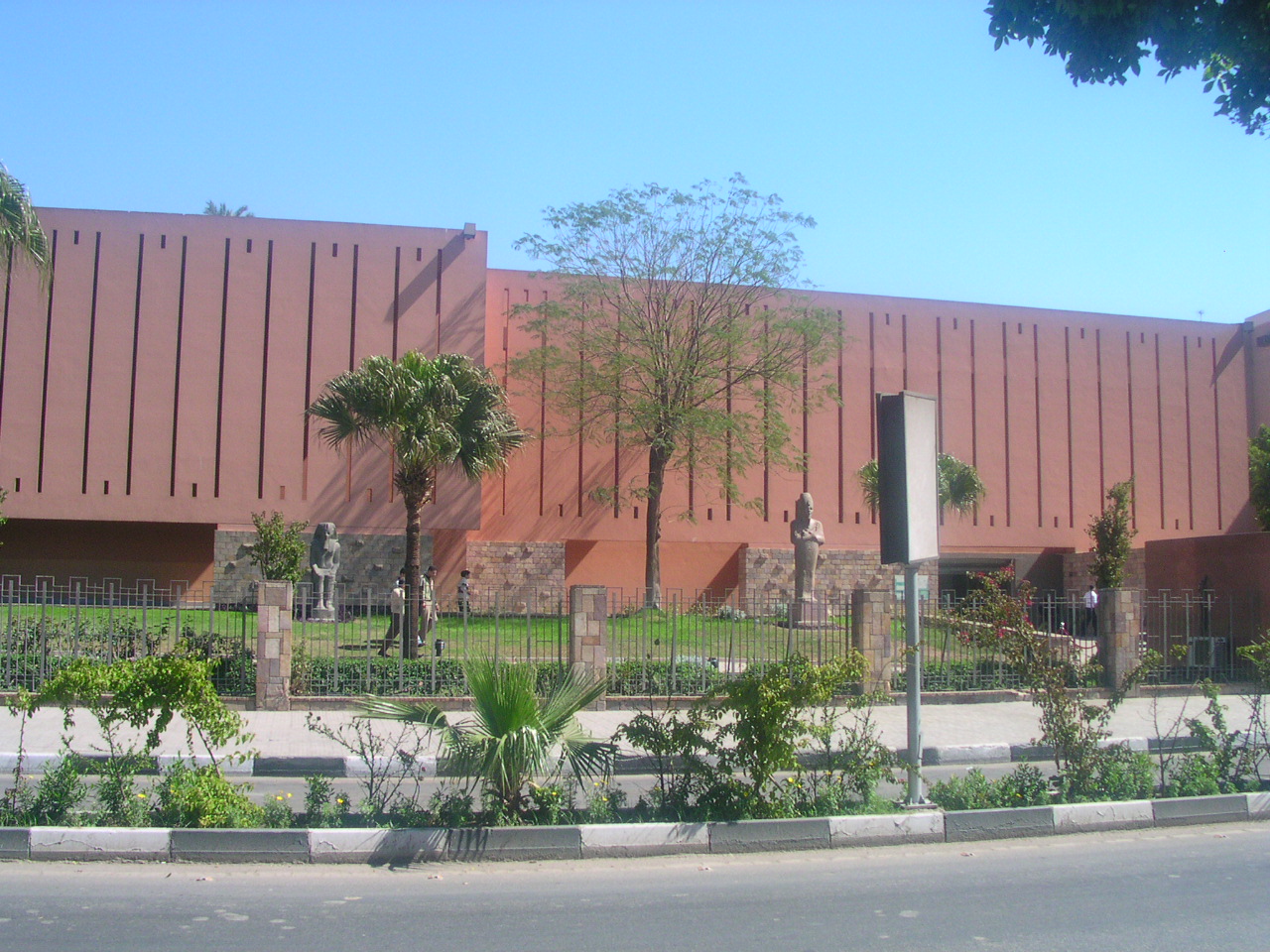
The Luxor Museum charges foreign adults EGP 400 as of 2026 and holds a smaller, tightly curated collection than Cairo's national museums. The two-storey building on the Corniche opened in 1975 and displays statues, reliefs and grave goods from the Theban area, including a 2.49-metre quartzite statue of Amenhotep III. Its labelling and lighting are clearer than in most Egyptian museums, and the collection can be seen in about 90 minutes. The displays concentrate on the New Kingdom, when Thebes was the capital, and on pieces found within a few kilometres of the building. The Luxor Museum is a good use of the hot midday or evening hours after the temples.
Beste Tageszeit: 17:00 - 19:00. In the evening session, when the air-conditioned galleries are quiet after the heat of the day.
Öffnungszeiten von Luxor Museum
Luxor Museum ist 09:00–13:00 and 17:00–20:00 geöffnet. Am Wochenende ändert sich nichts: samstags und sonntags gelten dieselben Zeiten.
- Öffnungszeiten
- 09:00–20:00
Mon–Sun 09:00–13:00 and 17:00–20:00 - Daily 09:00-13:00 and 17:00-20:00 per the Ministry price list (a split day with a midday break).
- Geschlossen an
- Täglich geöffnet
Gut zu wissen: Some operators report shorter summer sessions (about 09:00-12:00 and 17:00-19:00 last entry); verify at the official site.
Öffnungszeiten zusammengestellt aus egymonuments.com und öffentlichen Quellen, zuletzt aktualisiert am . Sie können sich ohne Vorankündigung ändern — vor der Reise bitte bestätigen. Wie wir diese Reiseführer schreiben
Eintrittspreis für Luxor Museum
| Ticket | Preis |
|---|---|
| Standardticket | EGP 400 |
| Ermäßigt (Studenten / Senioren) | EGP 200 |
| Kinder | Kostenlos |
Foreign adults pay EGP 400 and foreign students EGP 200 as of 2026, per the Ministry of Tourism and Antiquities price list; Egyptian adults pay EGP 30 and Egyptian students EGP 10. Children under 6 are generally free; verify. An audio guide is listed at EGP 50 for foreigners (EGP 30 for Egyptians). One aggregator site quotes EGP 100 for adults, which conflicts with the ministry list and appears outdated, so verify at the official site or ticket desk. Card payment is standard.
Preise zusammengestellt aus egymonuments.com und öffentlichen Quellen, zuletzt aktualisiert am . Sie können sich ohne Vorankündigung ändern — vor der Reise bitte bestätigen. Wie wir diese Reiseführer schreiben
Beste Reisezeit für Luxor Museum
- Quiet
- Moderate
09:00 - 11:00
Morning Session
Small tour groups arrive after temple visits; galleries are comfortable and the mummy room has a short queue.
Moderate11:00 - 13:00
Late MorningBest time to go
Groups leave for lunch; the museum is quiet before the midday closure.
Quiet17:00 - 19:00
Evening Session
Visitors return after the heat; the Corniche is cooler and the galleries fill modestly.
Moderate19:00 - 20:00
Last Hour
Few visitors and time is short; last entry is earlier than closing in summer.
Quiet
Geschichte von Luxor Museum
The Luxor Museum opened in 1975 in a two-storey building planned in 1962 by the Egyptian architect Mahmud El Hakim. The design favours quality over quantity, with a modest number of pieces displayed with wide spacing and modern lighting.
The Luxor Museum holds a quartzite statue of Amenhotep III, a calcite double statue of the crocodile god Sobek with Amenhotep III, and a reconstruction of a wall from Akhenaten's Karnak temple assembled from small carved blocks called talatat. Grave goods from Tutankhamun's tomb (KV62) are displayed here. Twenty-six New Kingdom statues found in 1989 in the sun court of Luxor Temple, a hoard buried and preserved for centuries, are in a separate hall. The royal mummies of Ahmose I and Ramesses I have been on display here since March 2004,.
Regeln & Etikette in Luxor Museum
Luxor Museum visitors may be asked to leave large bags at the entrance, and flash photography is not allowed in the galleries. Photography rules have varied, and some rooms, particularly the mummy room, restrict cameras, so ask at the desk before you shoot. Drones and tripods are not allowed.
Luxor Museum has no formal dress code, but shoulders and knees covered is the sensible norm in Egypt. Switch phones to silent, and keep voices low in the mummy room, where the two royal mummies are displayed as human remains. Touching statues and cases is not allowed. Guards may point out details or offer to guide you and then expect EGP 20-50; a polite refusal is normal. Payment at the ticket desk is normally by card.
Tipps für den Besuch von Luxor Museum
- 1
Luxor Museum is best visited after a morning on the west bank, at the 17:00 evening session, when the galleries are quiet and the Corniche is cooler. The split-day schedule means the museum is shut for a few hours in the middle of the day, so check the current hours before you plan the trip.
- 2
Luxor Museum pairs well with the Mummification Museum and Luxor Temple, both close by on the Corniche, so a compact east-bank afternoon is possible. The audio guide, EGP 50 for foreigners, adds context to the galleries. The Luxor Temple cache hall is the highlight for anyone who has just seen the temple, since it shows the standing statuary in close detail. Cafes along the Corniche charge tourist prices, so eat a block inland.
Anreise nach Luxor Museum
Der rote Stern zeigt Luxor Museum; die nummerierten Markierungen sind die 7 nächstgelegenen Orte aus unseren Reiseführern, jeweils mit ihrem Rang in der eigenen Stadt. Für Details auf eine Markierung tippen.
Corniche el-Nil, Luxor City, Luxor Governorate, Egypt (east bank, north of Luxor Temple)Route in Google Maps
Ab Luxor Temple
0.8 km · 10-15 min on foot
Free on foot; taxi about EGP 40-80 (estimate; verify)
Ab Luxor railway station
1.5 km · 5-15 min
Roughly EGP 40-100 (estimate; verify)
Ab Luxor International Airport (LXR)
8 km · 15-25 min
Roughly EGP 200-400 (estimate; verify)
Nächster Flughafen
Ab Luxor International Airport (LXR)
about 8 km by road, 15-25 minutes.
Nächste Station
Ab Luxor railway station
about 1.5 km, 5-15 minutes by taxi or on foot.
Häufige Fragen zu Luxor Museum
How much does the Luxor Museum cost?
EGP 400 for foreign adults and EGP 200 for foreign students as of 2026. Egyptian adults pay EGP 30. One aggregator lists EGP 100, which conflicts with the ministry list, so verify at the desk.
What is in the Luxor Museum?
Statues, reliefs and grave goods from Thebes, including a 2.49-metre Amenhotep III statue, Tutankhamun's grave goods, 26 statues from the Luxor Temple cache and the mummies of Ahmose I and Ramesses I.
What time does the Luxor Museum open?
09:00 to 13:00 and 17:00 to 20:00 daily per the Ministry list, with a midday closure. Some operators report shorter summer sessions, so verify before you go.
How long do you need at the Luxor Museum?
About 90 minutes. The collection is small and well labelled, so a focused visit takes an hour.
Mit KI-Unterstützung aus offiziellen Quellen und öffentlichen Aufzeichnungen erstellt und erst nach den Prüfungen veröffentlicht, die beschrieben sind unter Wie wir diese Reiseführer schreiben. Niemand von Traveliac war persönlich vor Ort. Zuletzt aktualisiert am . Wie wir Orte bewerten und prüfen
Orte in der Nähe von Luxor Museum
Luftlinien-Entfernungen laut unserer Karte; Zeiten sind Schätzwerte.
 #2 in Luxor
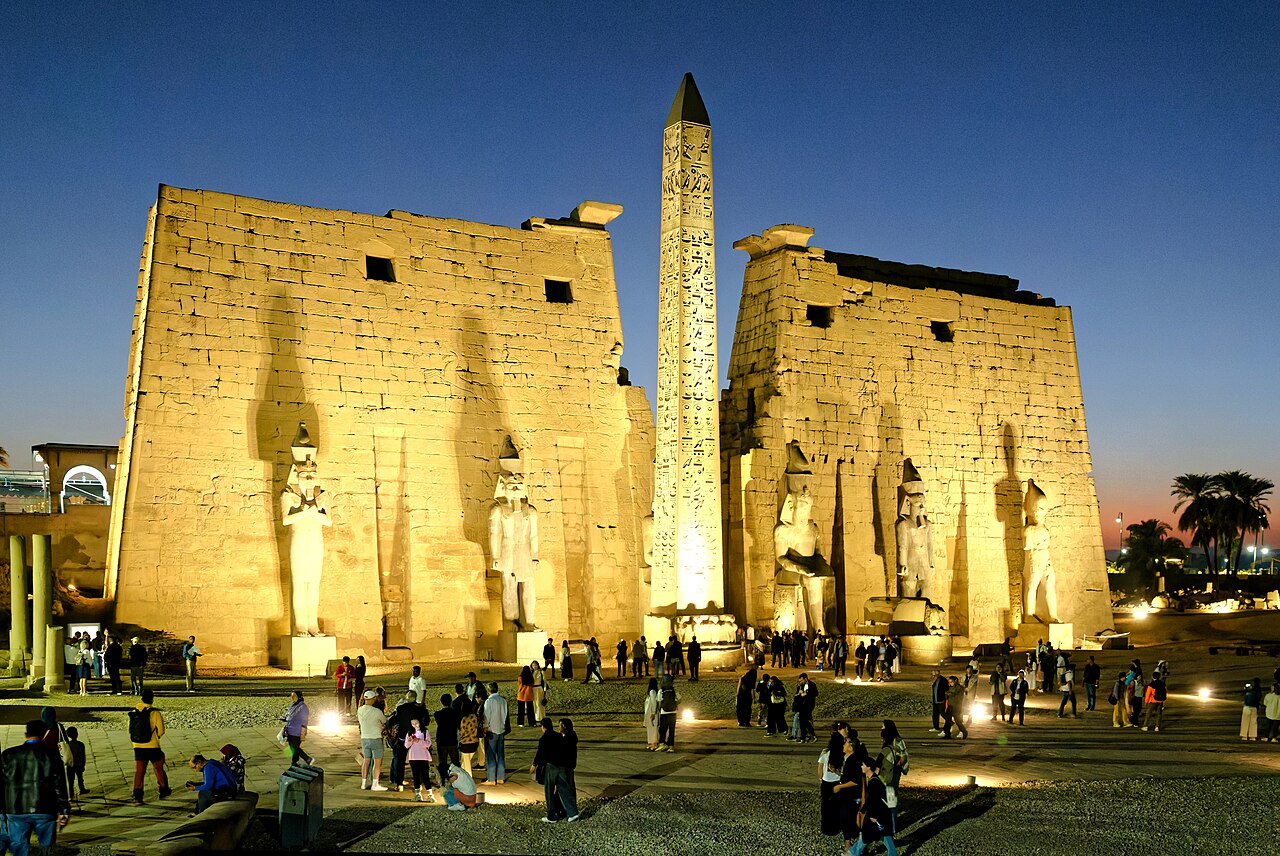
Luxor Temple
Tempel · 1.0 km · about 16 min walk
 #6 in LuxorFreier Eintritt
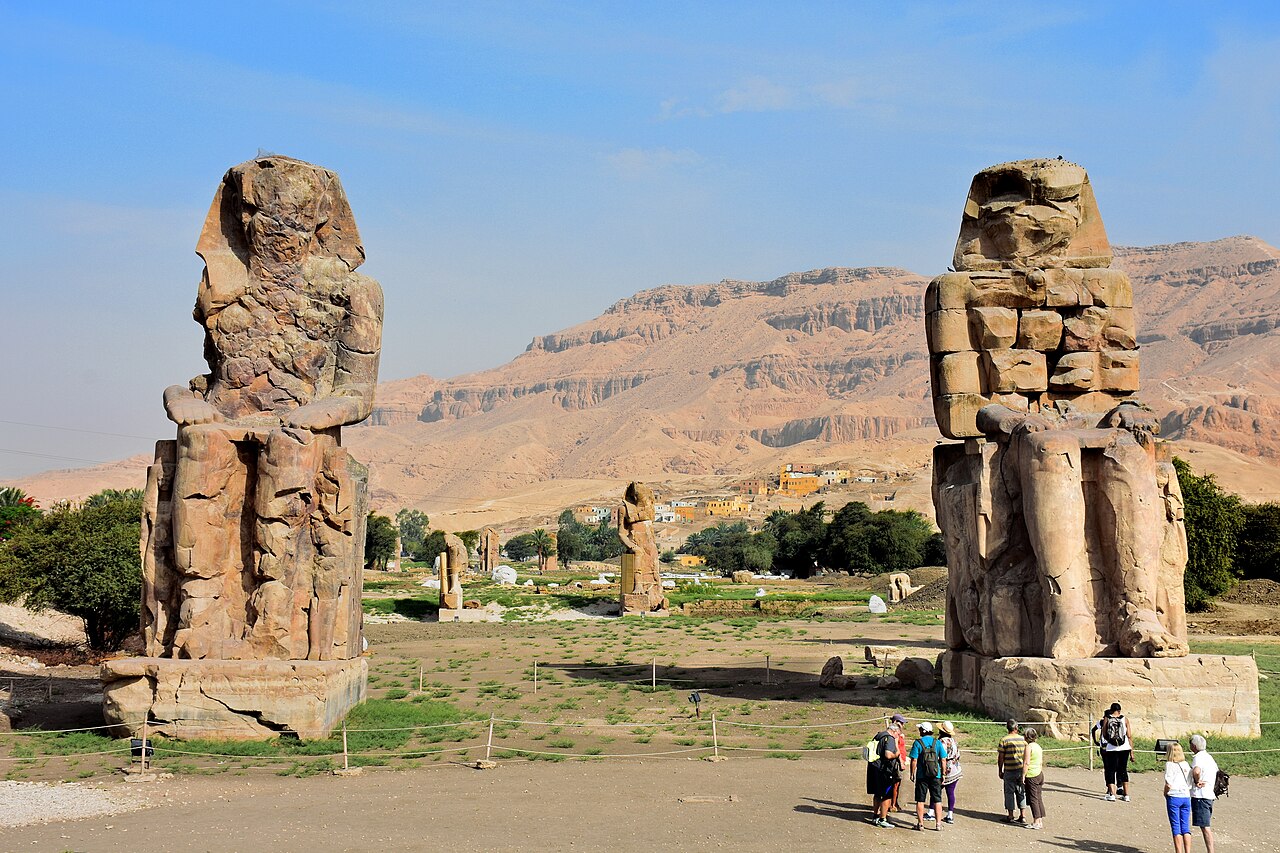
Colossi of Memnon
Kulturerbe · 4 km · about 10 min by road
 #8 in Luxor
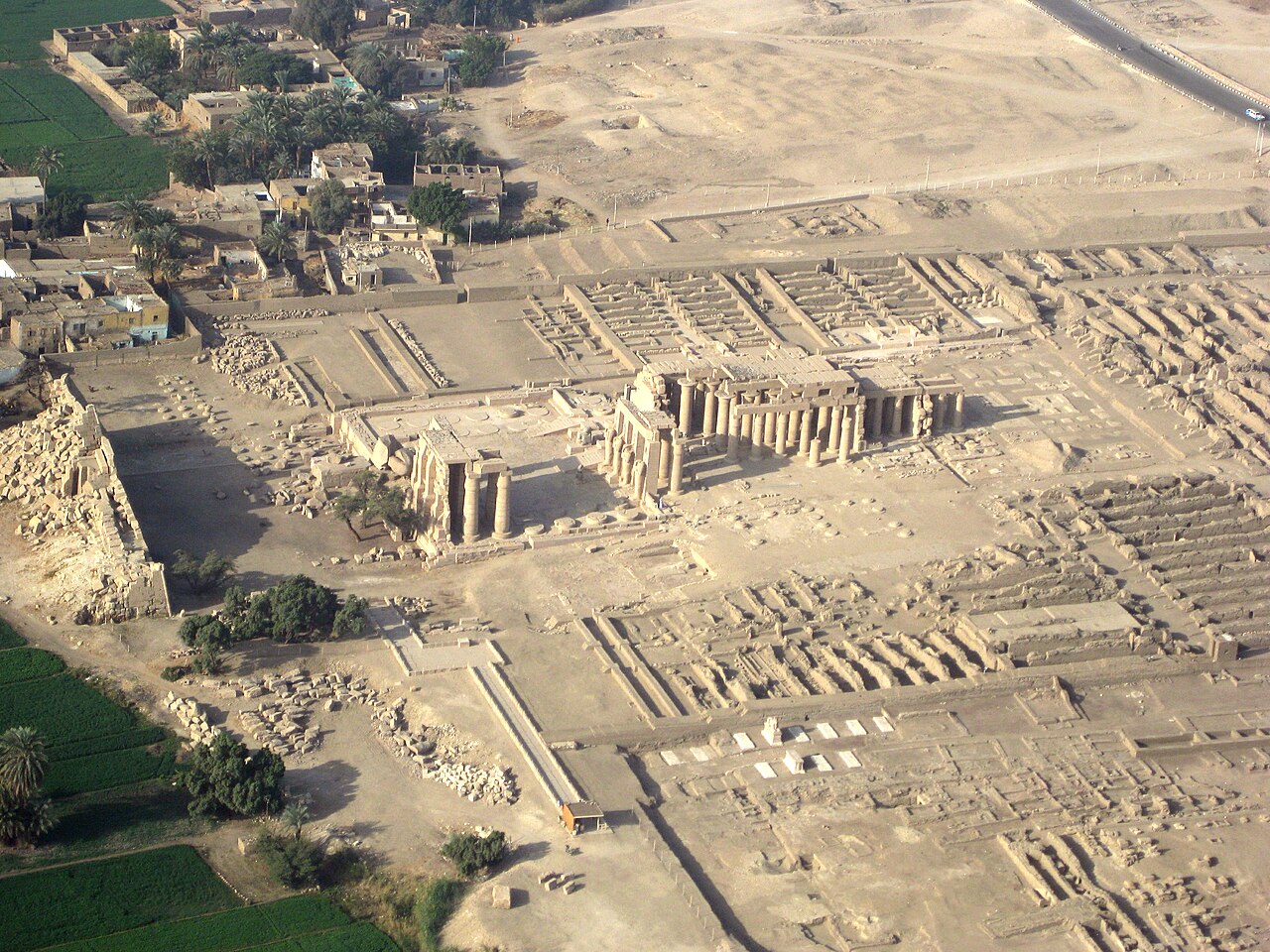
Ramesseum (Mortuary Temple of Ramesses II)
Tempel · 4 km · about 15 min by road
 #7 in Luxor
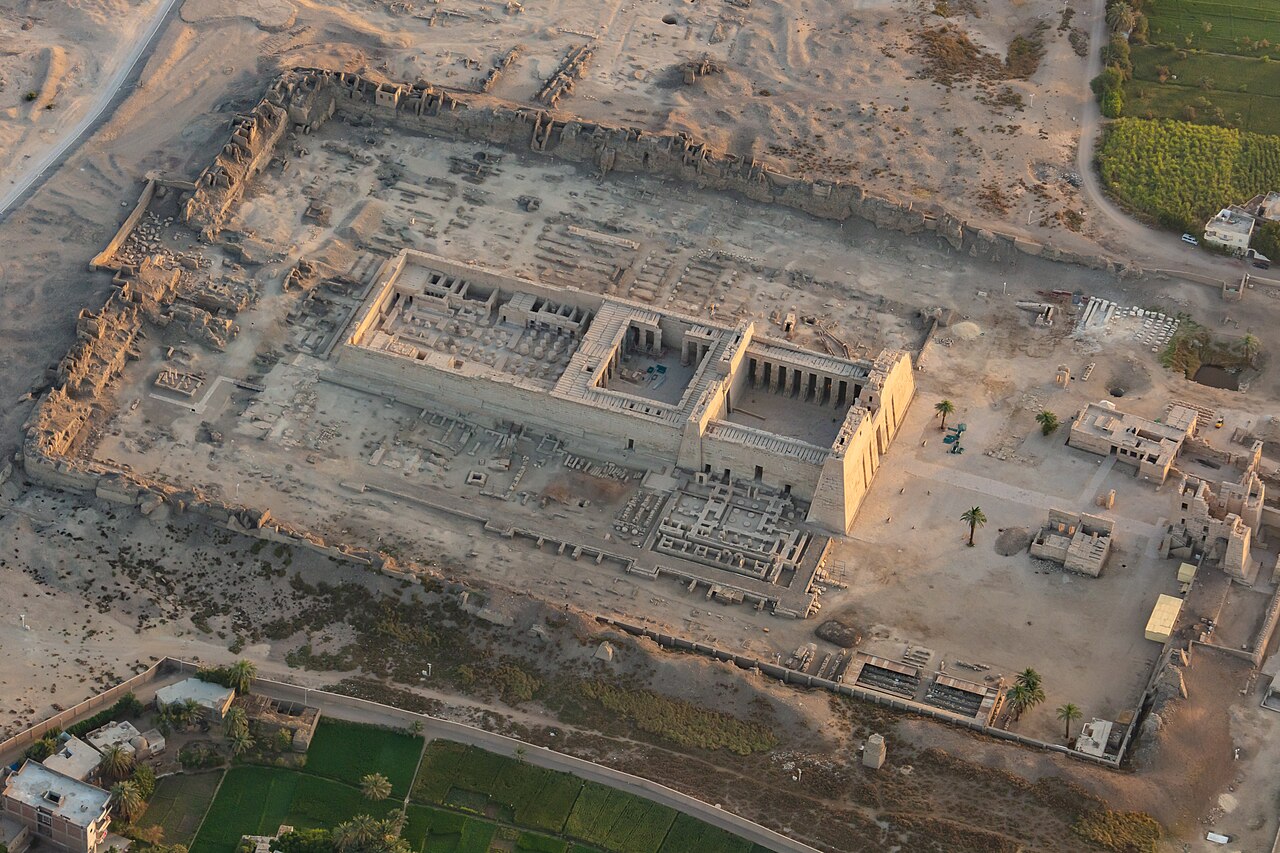
Medinet Habu (Mortuary Temple of Ramesses III)
Tempel · 5 km · about 15 min by road