
Medinet Habu (Mortuary Temple of Ramesses III)
#7von 10 Orten zum Besuchen in LuxorLuxor, Luxor Governorate, Egypt
Auch bekannt als Habu Temple · Mansion of Millions of Years of Ramesses III
Kurz gesagt
Öffnungszeiten: 06:00–17:00. Eintritt: EGP 220. Plane 1.5 hrs ein. Beste Zeit: 06:00 - 09:00.
Aktualisiert am · Erstellt von Traveliac, KI-unterstützt · 4 Min. Lesezeit
- Öffnungszeiten
- 06:00–17:00
- Daily 06:00-17:00 per the Ministry price list.
- Eintrittspreis
- EGP 220
- Ticket ab
- Benötigte Zeit
- 1.5 hrs
- Beste Tageszeit
- 06:00 - 09:00
- Beste Monate
- Oct – Mar
- Adresse
- Medinet Habu, Al-Gezira, West Bank, Luxor, Luxor Governorate, Egypt (about 2 km south of the Colossi of Memnon)
Über Medinet Habu (Mortuary Temple of Ramesses III)
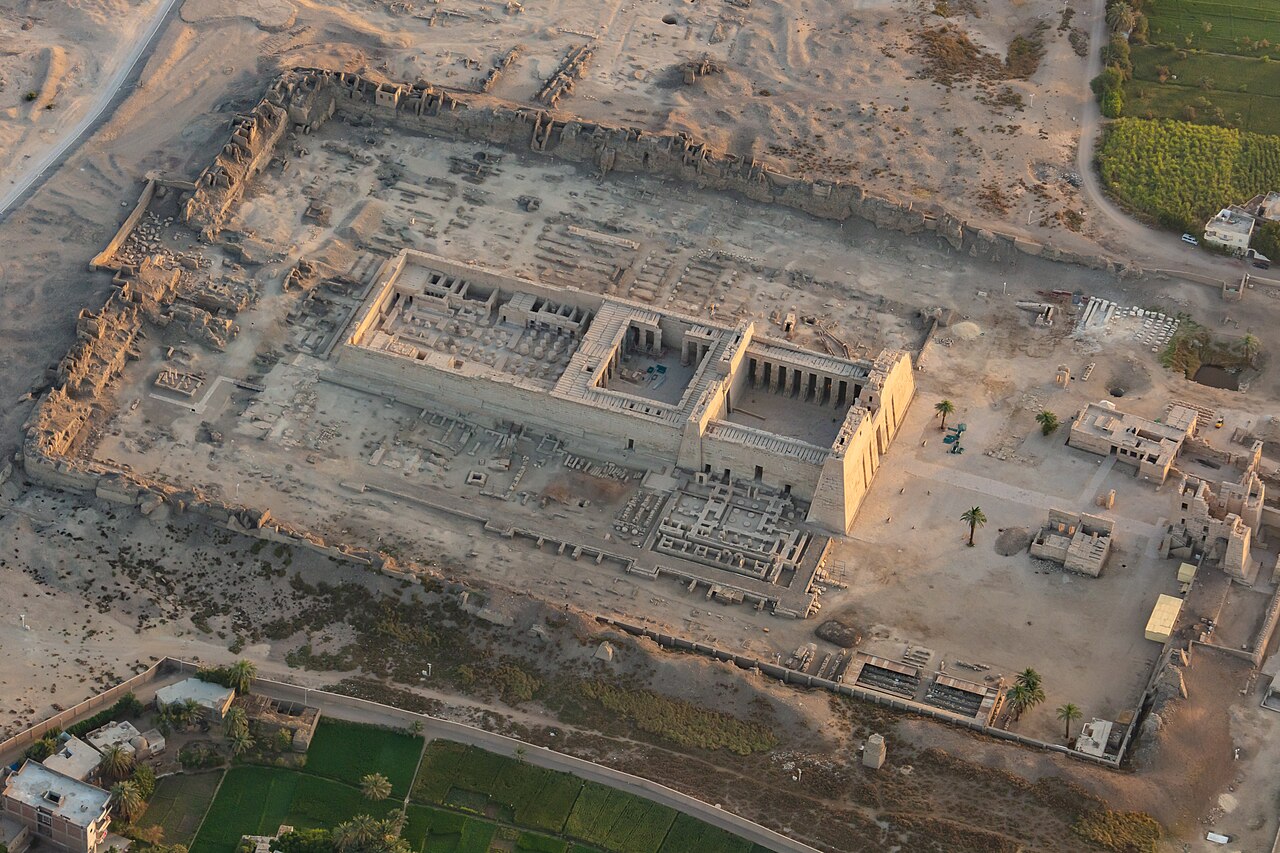
Medinet Habu charges foreign adults EGP 220 as of 2026 and is one of the best-preserved temples on Luxor's west bank. The mortuary temple of Ramesses III (about 1186-1155 BC) runs about 150 metres in length and carries more than 7,000 square metres of decorated wall relief. Its reliefs record the pharaoh's victory over the Sea Peoples, one of the few detailed battle narratives to survive from the ancient Near East. Medinet Habu is far quieter than Karnak and keeps colour on its ceilings, and it repays a 90-minute visit. The Coptic town of Jeme, which grew inside the temple walls, shows how long the site stayed in use after the pharaonic period.
Beste Tageszeit: 06:00 - 09:00. When the temple is empty and low sun picks out the coloured reliefs.
Öffnungszeiten von Medinet Habu (Mortuary Temple of Ramesses III)
Medinet Habu (Mortuary Temple of Ramesses III) öffnet um 06:00 und schließt um 17:00. Am Wochenende ändert sich nichts: samstags und sonntags gelten dieselben Zeiten.
- Öffnungszeiten
- 06:00–17:00
Mon–Sun 06:00–17:00 - Daily 06:00-17:00 per the Ministry price list.
- Geschlossen an
- Täglich geöffnet
Gut zu wissen: Some sources report last entry 16:00 in winter (October to March) and 17:00 in summer.
Öffnungszeiten zusammengestellt aus egymonuments.com und öffentlichen Quellen, zuletzt aktualisiert am . Sie können sich ohne Vorankündigung ändern — vor der Reise bitte bestätigen. Wie wir diese Reiseführer schreiben
Eintrittspreis für Medinet Habu (Mortuary Temple of Ramesses III)
| Ticket | Preis |
|---|---|
| Standardticket | EGP 220 |
| Ermäßigt (Studenten / Senioren) | EGP 110 |
| Kinder | Kostenlos |
Foreign adults pay EGP 220 and foreign students EGP 110 as of 2026, per the Ministry of Tourism and Antiquities price list; Egyptian adults pay EGP 20 and Egyptian students EGP 10. Children under 6 are generally free; verify. Other sources quote about EGP 200 for foreign adults, so verify at the official site or the ticket office. Card payment is standard.
Preise zusammengestellt aus egymonuments.com und öffentlichen Quellen, zuletzt aktualisiert am . Sie können sich ohne Vorankündigung ändern — vor der Reise bitte bestätigen. Wie wir diese Reiseführer schreiben
Beste Reisezeit für Medinet Habu (Mortuary Temple of Ramesses III)
- Quiet
- Moderate
06:00 - 09:00
Empty MorningBest time to go
Cool air, low sun on the reliefs and almost no other visitors.
Quiet09:00 - 12:00
Small Groups
A few tour groups pass through after the Colossi stop, but the courtyards absorb them easily.
Moderate12:00 - 15:00
Midday Heat
Very hot with little shade; visitors are few and the roofed halls are the only cool spots.
Quiet15:00 - 17:00
Late Light
Warm light on the pylon and quiet courts; closing time is firm.
Quiet
Geschichte von Medinet Habu (Mortuary Temple of Ramesses III)
Medinet Habu began as a small Eighteenth Dynasty temple to the Ogdoad, restored by Hatshepsut and Thutmose III, and Ramesses III built his mortuary temple beside it around 1186 BC. Its formal name was the Temple of Usermare-Meriamon, 'United-with-Eternity'. The plan closely follows the nearby Ramesseum of Ramesses II, and the entrance is a fortified, Syrian-style gate called a migdol, with a royal palace and a window of appearances attached to the first court.
Four major inscriptions record campaigns in years 5 to 12 of Ramesses III's reign, including the defeat of the Sea Peoples and the Battle of the Delta. An enclosure wall about 18 metres high once surrounded the complex. After the pharaonic period the site became Jeme, a densely populated Coptic town whose population is estimated at about 18,860, and it was abandoned in the 9th century AD. Medinet Habu sits within the Ancient Thebes World Heritage Site inscribed in 1979.
Regeln & Etikette in Medinet Habu (Mortuary Temple of Ramesses III)
Medinet Habu visitors may not climb the walls, columns or fallen blocks, and site guards enforce this. Touching the coloured reliefs and ceilings is forbidden, since oils and dust damage the pigment. Drones are banned over the complex, and tripods need a permit.
Medinet Habu has no formal dress code, but cover shoulders and knees against the sun and out of respect. Tickets are bought at the ticket office, normally by card. Guards may appear in side chambers to point out reliefs and expect EGP 20-50; a polite decline is fine. Carry water because shade is limited and drinks near the entrance cost tourist prices.
Tipps für den Besuch von Medinet Habu (Mortuary Temple of Ramesses III)
- 1
Medinet Habu is the strongest of the west-bank mortuary temples for reliefs and colour, so schedule it even if time is tight. Stand in the second court and look up: the roofed sections still hold blue, red and yellow paint on the ceilings, and the Sea Peoples reliefs are on the outer north wall.
- 2
Medinet Habu is usually visited after the Colossi of Memnon, about 2 km to the north, or before the Valley of the Queens, which is a short drive to the west. Allow 90 minutes, and start at the eastern high gate before walking the length of the temple. Early light on the eastern high gate is best for photographs, and the site closes at 17:00. There is little shade beyond the hypostyle halls, so bring a hat. Many quick coach circuits skip Medinet Habu, which helps it stay quiet.
Anreise nach Medinet Habu (Mortuary Temple of Ramesses III)
Der rote Stern zeigt Medinet Habu (Mortuary Temple of Ramesses III); die nummerierten Markierungen sind die 7 nächstgelegenen Orte aus unseren Reiseführern, jeweils mit ihrem Rang in der eigenen Stadt. Für Details auf eine Markierung tippen.
Medinet Habu, Al-Gezira, West Bank, Luxor, Luxor Governorate, Egypt (about 2 km south of the Colossi of Memnon)Route in Google Maps
Ab Colossi of Memnon
2 km · 5 min by car
Roughly EGP 50-100 (estimate; verify)
Ab Luxor city (east bank)
10 km · 30-45 min
Ferry about EGP 10-20 for foreigners plus roughly EGP 150-300 by taxi (estimate; verify)
Ab Valley of the Queens
4 km · 10 min by car
Roughly EGP 60-150 (estimate; verify)
Nächster Flughafen
Ab Luxor International Airport (LXR)
about 22 km by road, 35-45 minutes.
Nächste Station
Ab Luxor railway station on the east bank
about 10 km plus a Nile crossing, 30-45 minutes.
Häufige Fragen zu Medinet Habu (Mortuary Temple of Ramesses III)
How much does it cost to enter Medinet Habu?
EGP 220 for foreign adults and EGP 110 for foreign students as of 2026. Egyptian adults pay EGP 20. Some sources quote EGP 200, so verify at the ticket office.
What is Medinet Habu known for?
Its well-preserved reliefs of the Sea Peoples wars of Ramesses III. The temple carries more than 7,000 square metres of decorated wall relief, with colour still visible on the roofed sections.
Is Medinet Habu crowded?
No. Many quick coach circuits skip it, so it stays quiet compared with Karnak and the Valley of the Kings, especially before 09:00.
How long does Medinet Habu take?
About 90 minutes at a steady pace, and about an hour if you are pressed, including the high gate and both courts.
Mit KI-Unterstützung aus offiziellen Quellen und öffentlichen Aufzeichnungen erstellt und erst nach den Prüfungen veröffentlicht, die beschrieben sind unter Wie wir diese Reiseführer schreiben. Niemand von Traveliac war persönlich vor Ort. Zuletzt aktualisiert am . Wie wir Orte bewerten und prüfen
Orte in der Nähe von Medinet Habu (Mortuary Temple of Ramesses III)
Luftlinien-Entfernungen laut unserer Karte; Zeiten sind Schätzwerte.
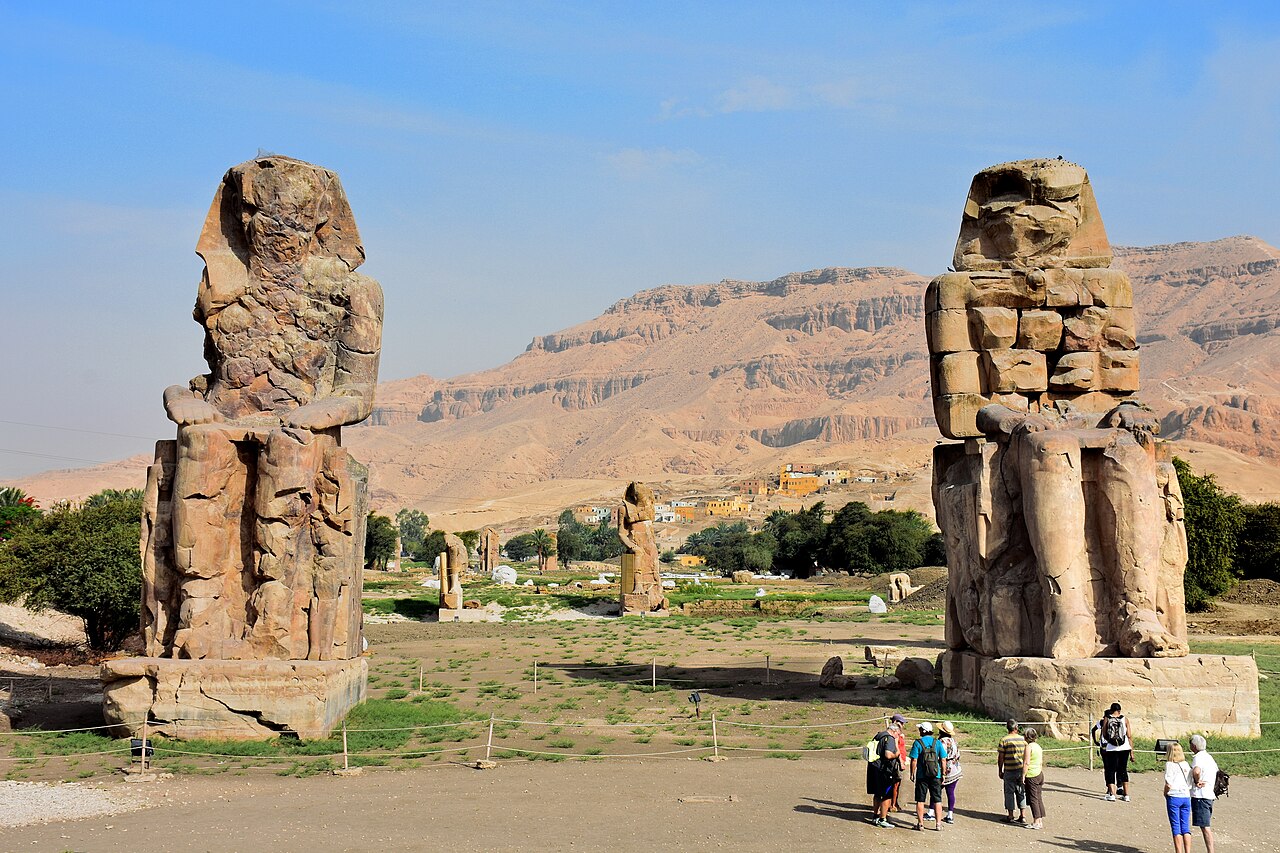 #6 in LuxorFreier Eintritt
Colossi of Memnon
Kulturerbe · 1000 m · about 16 min walk
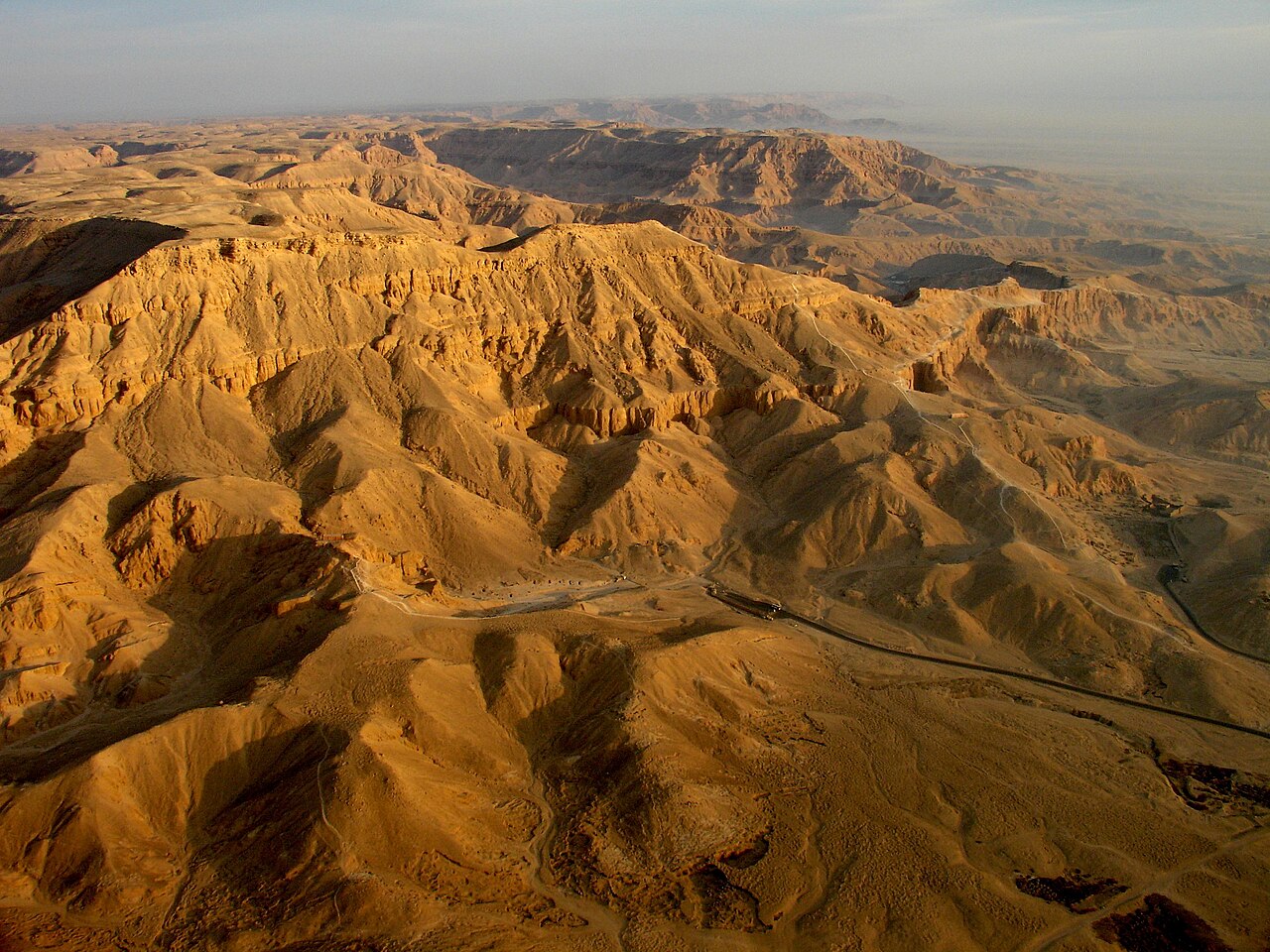 #10 in Luxor
Valley of the Queens
Mausoleum · 1.2 km · about 19 min walk
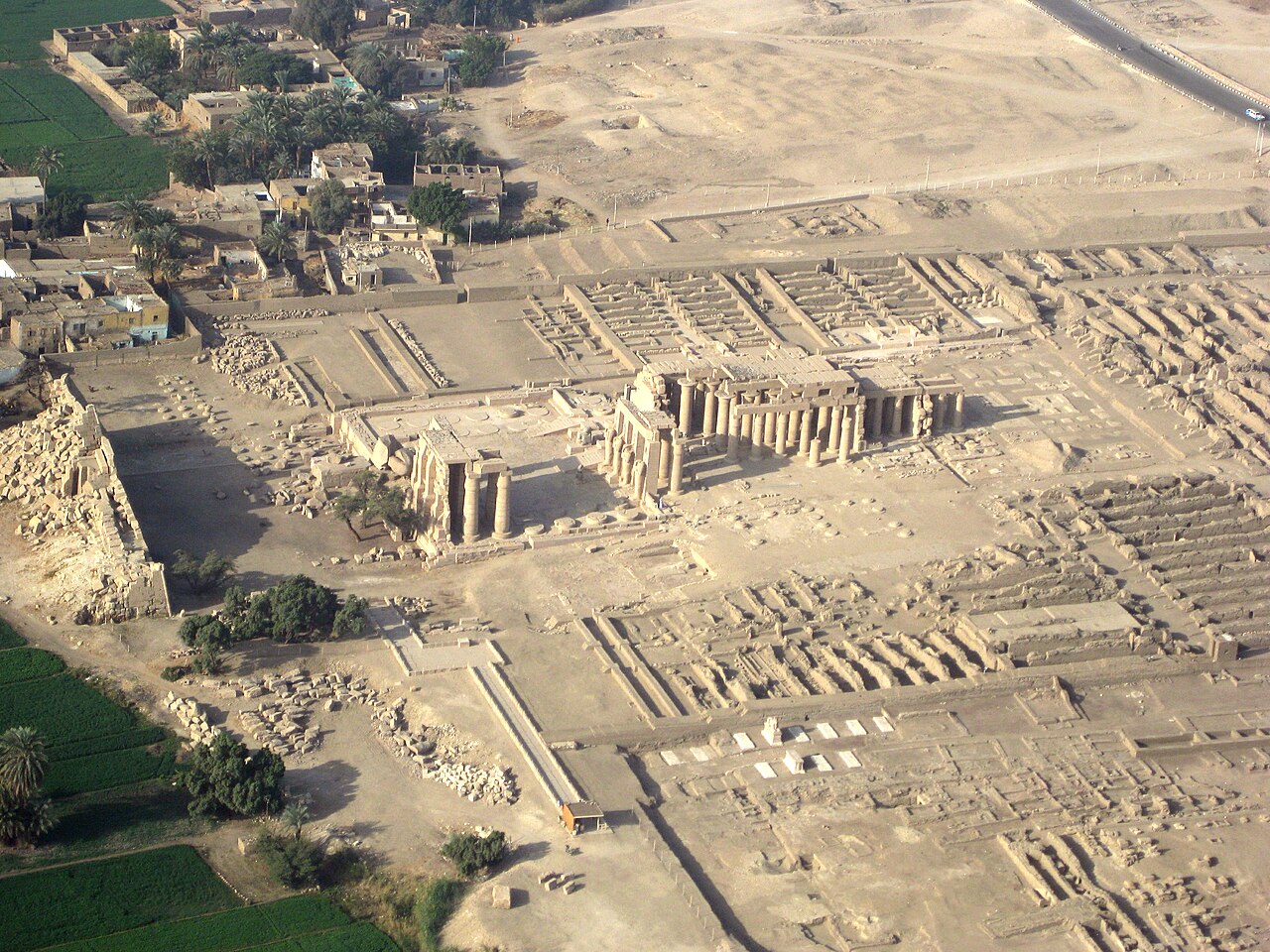 #8 in Luxor
Ramesseum (Mortuary Temple of Ramesses II)
Tempel · 1.3 km · about 22 min walk
 #5 in Luxor
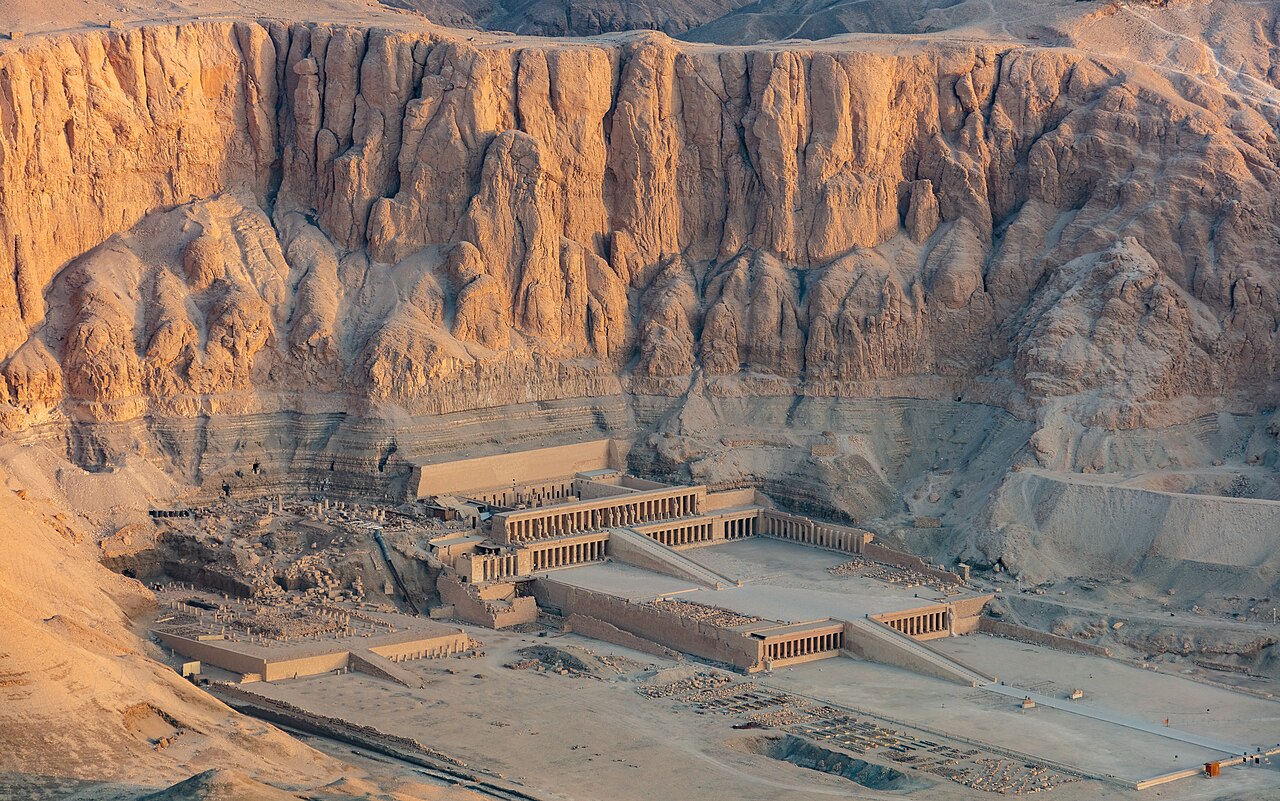
Temple of Hatshepsut (Deir el-Bahari)
Tempel · 2.1 km · about 35 min walk