
Namgyal Institute of Tibetology
#4von 7 Orten zum Besuchen in GangtokGangtok, Sikkim
Auch bekannt als NIT Gangtok · Bulletin of Tibetology Institute
Kurz gesagt
Öffnungszeiten: 10:00–16:00, closed Sundays. Eintritt: ₹10 für Inder · ₹20 für Ausländer. Plane 1 hr ein. Beste Zeit: 10:00 – 12:00.
Aktualisiert am · Erstellt von Traveliac, KI-unterstützt · 4 Min. Lesezeit
- Öffnungszeiten
- 10:00–16:00
- Closed Sundays
- Eintrittspreis
- ₹10 für Inder
- Ticket ab
- Benötigte Zeit
- 1 hr
- Beste Tageszeit
- 10:00 – 12:00
- Beste Monate
- Mar – May, Oct – Dec
- Adresse
- Namgyal Institute of Tibetology, Deorali, Gangtok, East Sikkim 737102, approximately 3 km from MG Marg
Über Namgyal Institute of Tibetology
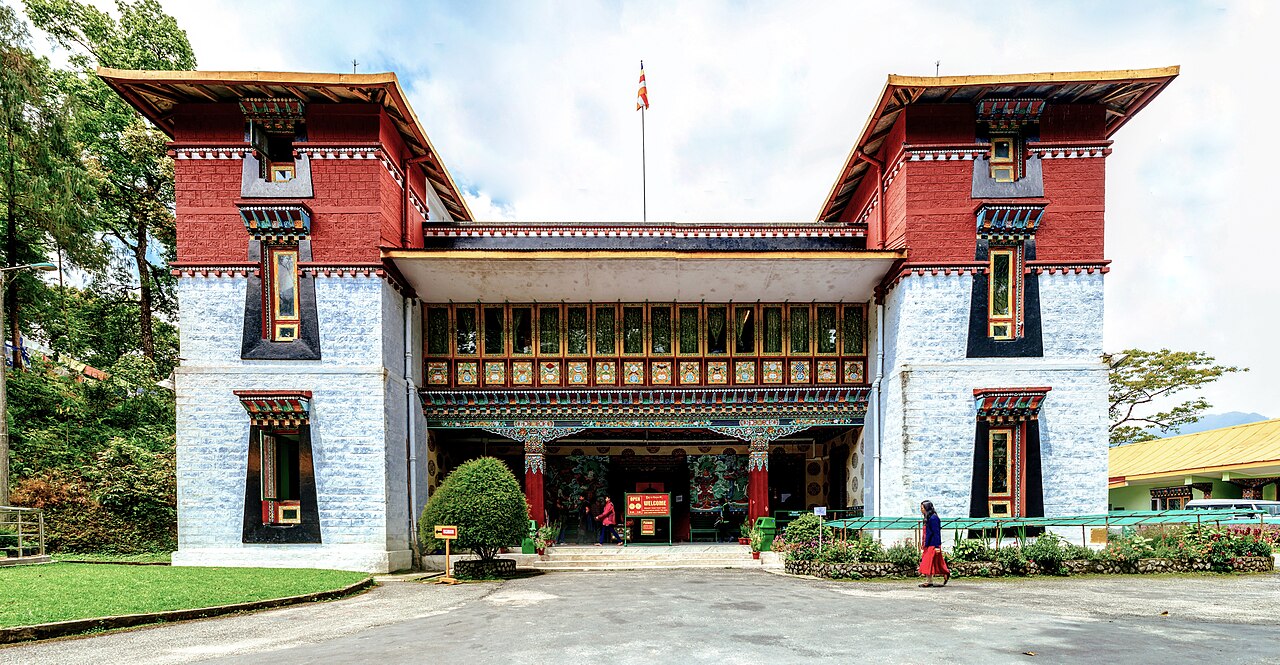
The Namgyal Institute of Tibetology holds one of the largest collections of Tibetan Buddhist manuscripts, thangka paintings, bronze statuary, and ritual masks outside Tibet itself, housed inside a building whose traditional Tibetan architecture — tall golden towers, painted murals, carved wooden window frames — is itself as deliberate a statement as anything in the display cases. Unlike Gangtok's working monasteries, this is explicitly a research and scholarly institution: it publishes an academic journal, maintains a specialist library of Tibetan-language texts, and treats its collection as material for ongoing study rather than only devotional or touristic display.
Beste Tageszeit: 10:00 – 12:00. Shortly after opening, when the halls are quietest and natural light through the traditional Tibetan-style windows is at its best for viewing the thangka paintings.
Öffnungszeiten von Namgyal Institute of Tibetology
- Öffnungszeiten
- 10:00–16:00
Mon–Sat 10:00–16:00 Sunday Closed - 10:00 – 16:00, Monday to Saturday. Closed Sundays and Indian and Sikkimese government holidays.
- Geschlossen an
- Sunday
Öffnungszeiten zusammengestellt aus namgyalinstitutesikkim.org und öffentlichen Quellen, zuletzt aktualisiert am . Sie können sich ohne Vorankündigung ändern — vor der Reise bitte bestätigen. Wie wir diese Reiseführer schreiben
Eintrittspreis für Namgyal Institute of Tibetology
| Ticket | Preis |
|---|---|
| Indische Besucher | ₹10 |
| Ausländische Besucher | ₹20 |
| Kinder | Kostenlos |
| Kamera | Kostenlos |
Modest entry fee collected at the gate. Photography of the museum's manuscripts, thangkas, and statuary is generally restricted inside the display halls to protect fragile materials; check at the desk before shooting. The research library and archive require a separate scholarly access request and are not part of the general museum visit.
Preise zusammengestellt aus namgyalinstitutesikkim.org und öffentlichen Quellen, zuletzt aktualisiert am . Sie können sich ohne Vorankündigung ändern — vor der Reise bitte bestätigen. Wie wir diese Reiseführer schreiben
Beste Reisezeit für Namgyal Institute of Tibetology
- Quiet
- Moderate
10:00 – 12:00
Morning QuietBest time to go
Best light through the traditional windows onto the thangka displays; fewest visitors of the day.
Quiet12:00 – 14:00
Midday Visits
Gangtok city-tour groups often schedule the institute in this window, paired with Do Drul Chorten nearby.
Moderate14:00 – 16:00
Afternoon Close
Quieter again as the day winds toward the 16:00 closing time; last reasonable entry is around 15:00 to allow a full visit.
Quiet
Geschichte von Namgyal Institute of Tibetology
The institute's founding stone was laid by the 14th Dalai Lama on 10 February 1957, while he was still resident in Tibet before the 1959 uprising that sent him into exile in India. It was formally opened by India's first prime minister, Jawaharlal Nehru, on 1 October 1958 — a dual inauguration, by a sitting Tibetan spiritual leader and an Indian head of government, that signals how the institute was conceived from the outset as a bridge project between Tibetan Buddhist scholarship and the Indian state.
The driving force behind its creation was Palden Thondup Namgyal, then Sikkim's crown prince and later its 12th and last Chogyal, who served as the institute's founder-president; the land was donated by his father, the 11th Chogyal Tashi Namgyal, in memory of Palden Thondup's elder brother Paljor Namgyal, who had died young. The building's collection grew substantially in the years immediately following, as Tibetan refugees fleeing after 1959 brought manuscripts and religious objects with them, some of which found a permanent home here. The institute has since published the Bulletin of Tibetology continuously for decades, a specialist academic journal that remains a standard reference in Tibetan and Himalayan Buddhist studies.
Regeln & Etikette in Namgyal Institute of Tibetology
This functions as a museum and research library rather than an active place of worship, so the etiquette is closer to any serious archive: quiet voices, no touching of displayed manuscripts or statuary, and photography restrictions inside the display halls that should be confirmed at the entrance desk rather than assumed. Bags and large cameras may need to be checked at the entrance.
The research library holding original Tibetan-language texts is a separate resource from the public museum and requires advance written request and credentials to access — general visitors should not expect to browse the archive itself, only the curated museum displays.
Tipps für den Besuch von Namgyal Institute of Tibetology
- 1
Pair the visit with Do Drul Chorten, which sits only a few minutes further along the same Deorali road and shares the same devotional and scholarly Nyingma-order context — the two make a coherent half-morning circuit focused on Tibetan Buddhist heritage rather than Gangtok's more general sightseeing stops.
- 2
The institute's own architecture is worth slowing down for on the way in: the building is frequently cited as one of the finest examples of traditional Tibetan design outside Tibet, and the exterior murals and golden roof detailing reward a few extra minutes before heading inside to the collection itself. Because opening hours are comparatively short (10:00–16:00, closed Sundays) and the halls are not large, this is best treated as a focused hour rather than stretched into a longer outing.
Anreise nach Namgyal Institute of Tibetology
Der rote Stern zeigt Namgyal Institute of Tibetology; die nummerierten Markierungen sind die 2 nächstgelegenen Orte aus unseren Reiseführern, jeweils mit ihrem Rang in der eigenen Stadt. Für Details auf eine Markierung tippen.
Namgyal Institute of Tibetology, Deorali, Gangtok, East Sikkim 737102, approximately 3 km from MG MargRoute in Google Maps
Ab MG Marg, Gangtok
₹150–₹2503 km · 10–15 min
One-way by taxi; combined half-day trip with Do Drul Chorten ₹300–₹400.
Ab Bagdogra Airport (IXB)
₹3,500–₹4,500122 km · 4–4.5 hours
Private car to Gangtok; the institute is a short add-on once in town.
Nächster Flughafen
Ab Pakyong Airport (PYG)
approximately 30 km, 1–1.5 hours. Bagdogra Airport (IXB) – approximately 122 km, 4–4.5 hours, the reliable year-round gateway.
Nächster Bahnhof
Ab New Jalpaiguri (NJP)
approximately 122 km, 4–4.5 hours by road. Sikkim has no railway of its own.
Häufige Fragen zu Namgyal Institute of Tibetology
Who founded the Namgyal Institute of Tibetology and when?
Its foundation stone was laid by the 14th Dalai Lama on 10 February 1957, and it was formally opened by Indian Prime Minister Jawaharlal Nehru on 1 October 1958. Sikkim's crown prince, later 12th Chogyal, Palden Thondup Namgyal, served as founder-president, and the land was donated by his father, the 11th Chogyal, in memory of Palden Thondup's late brother Paljor Namgyal.
What does the institute's collection contain?
One of the largest collections of Tibetan Buddhist manuscripts, thangka paintings, bronze statuary, and ritual masks outside Tibet, alongside a specialist research library. Much of the collection grew after 1959, as Tibetan refugees brought manuscripts and religious objects with them into exile.
Can I photograph the exhibits inside?
Photography inside the display halls is generally restricted to protect fragile manuscripts and thangkas; confirm current policy at the entrance desk before shooting. The building's exterior architecture is unrestricted.
What are the institute's opening hours?
10:00 to 16:00, Monday through Saturday. It is closed on Sundays and on Indian and Sikkimese government holidays, so plan a weekday visit if possible.
Mit KI-Unterstützung aus offiziellen Quellen und öffentlichen Aufzeichnungen erstellt und erst nach den Prüfungen veröffentlicht, die beschrieben sind unter Wie wir diese Reiseführer schreiben. Niemand von Traveliac war persönlich vor Ort. Zuletzt aktualisiert am . Wie wir Orte bewerten und prüfen
Orte in der Nähe von Namgyal Institute of Tibetology
Luftlinien-Entfernungen laut unserer Karte; Zeiten sind Schätzwerte.
 #5 in GangtokFreier Eintritt
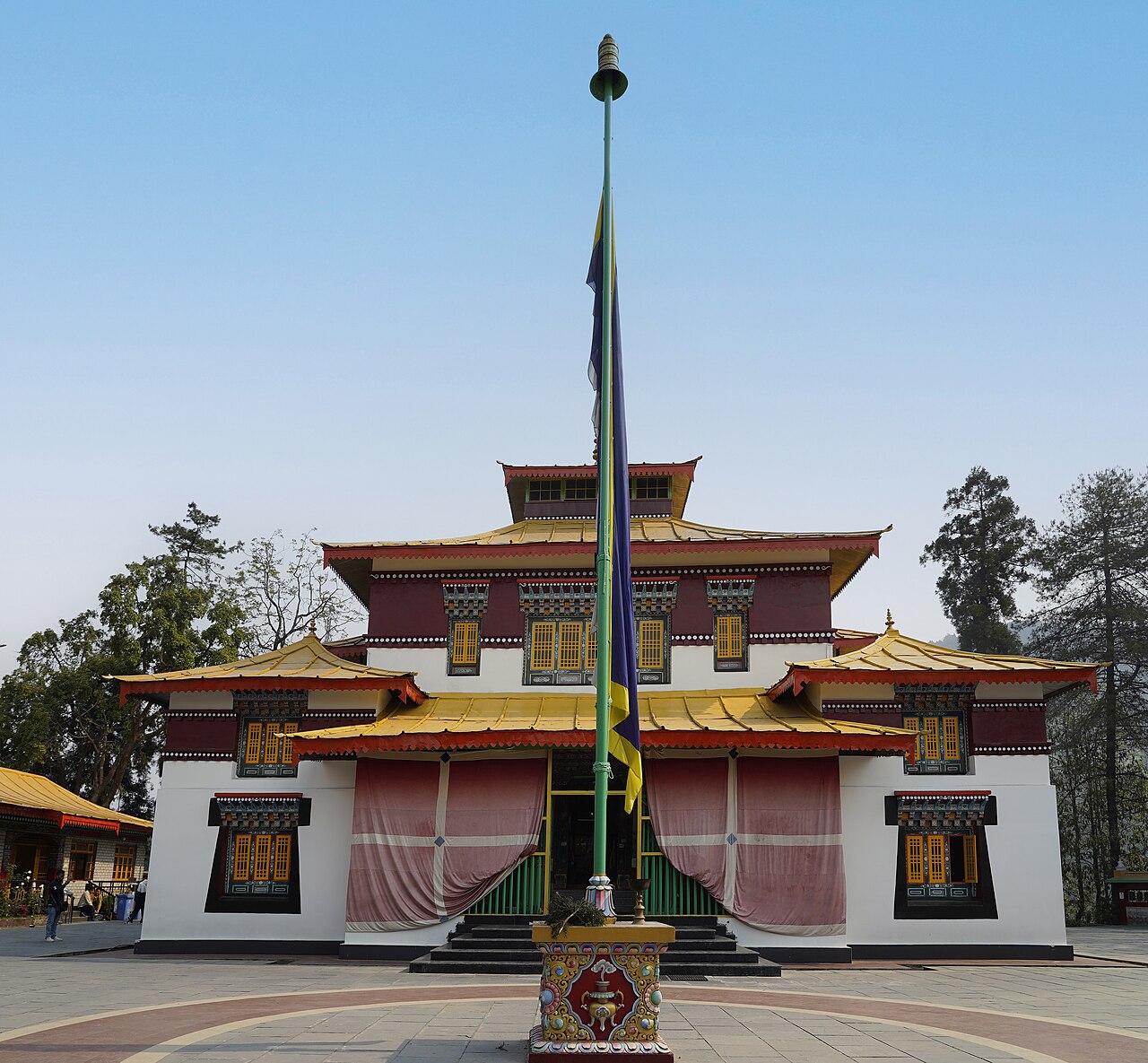
Enchey Monastery
Kloster · 3 km · about 10 min by road
 #7 in Gangtok
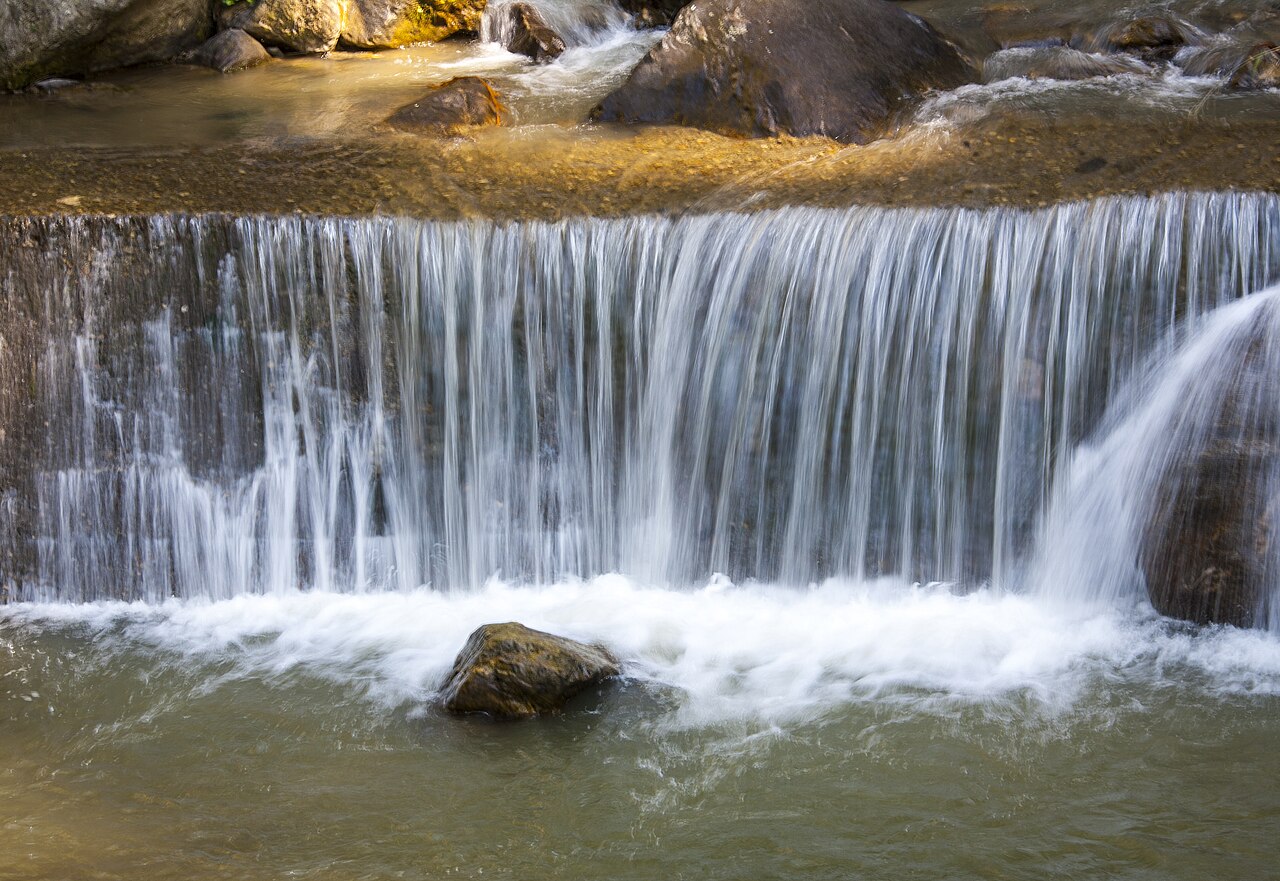
Banjhakri Falls & Energy Park
Wasserfall · 4 km · about 10 min by road
 #1 in GangtokFreier Eintritt
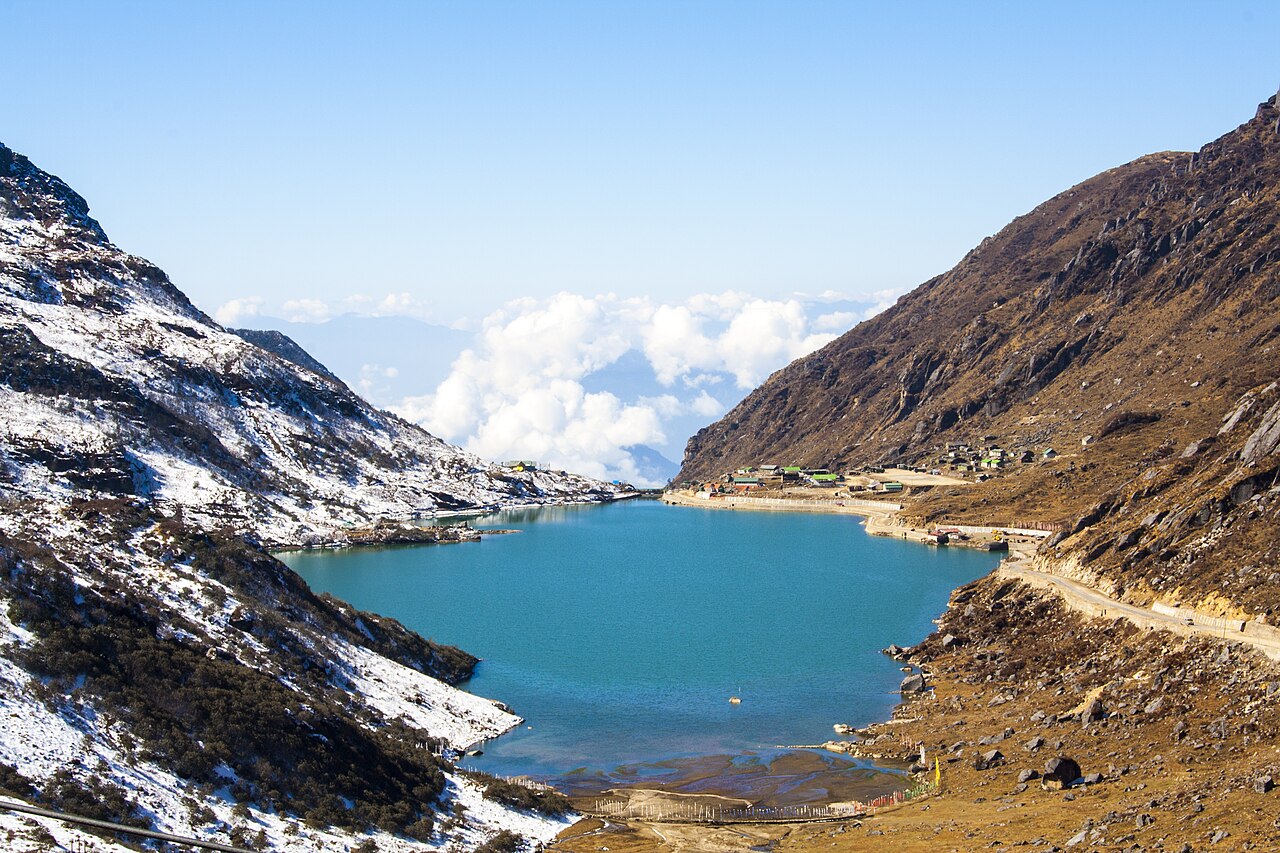
Tsomgo Lake
See · 17 km · about 55 min by road
 #3 in GangtokFreier Eintritt
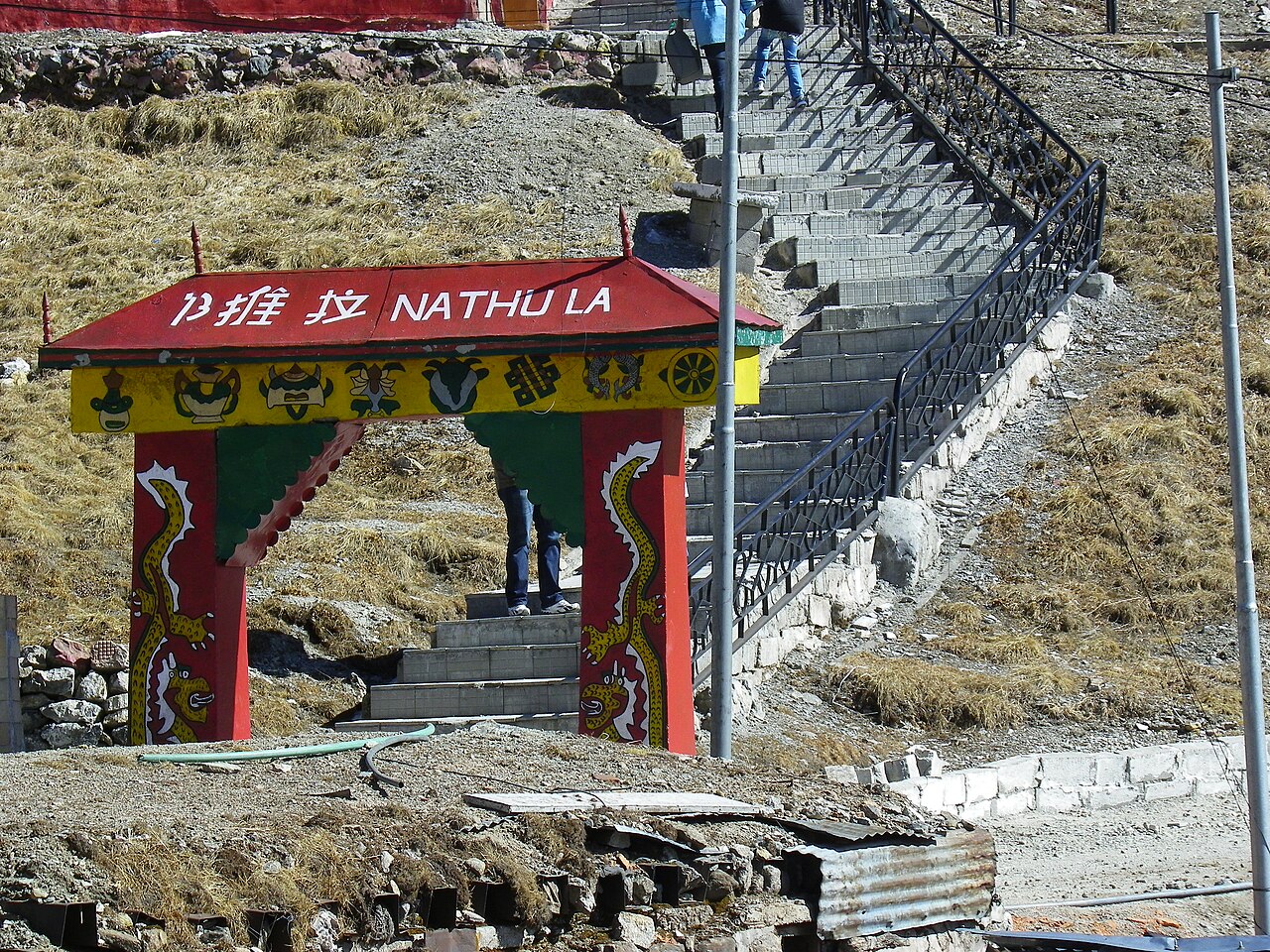
Nathu La Pass
Gebirgspass · 24 km · about 75 min by road