
Enchey Monastery
#5of 7 places to visit in GangtokGangtok, Sikkim
Also known as Enchey Gompa
Quick answer
Opening hours: Varies by season or area. Entry is free. Allow 45 min. Best time: 07:00 – 09:00.
Updated · Compiled by Traveliac, AI-assisted · 4 min read
- Opening hours
- Hours vary
- 05:00 – 19:00 daily; the main prayer hall is most active during the 06:00–08:00 and 16:00–17:30 chanting sessions.
- Entry fee
- Free
- Time needed
- 45 min
- Best time of day
- 07:00 – 09:00
- Best months
- Mar – May, Oct – Dec
- Address
- Enchey Monastery Road, above Gangtok Ridge, Gangtok, East Sikkim 737101, approximately 3 km from MG Marg
About Enchey Monastery
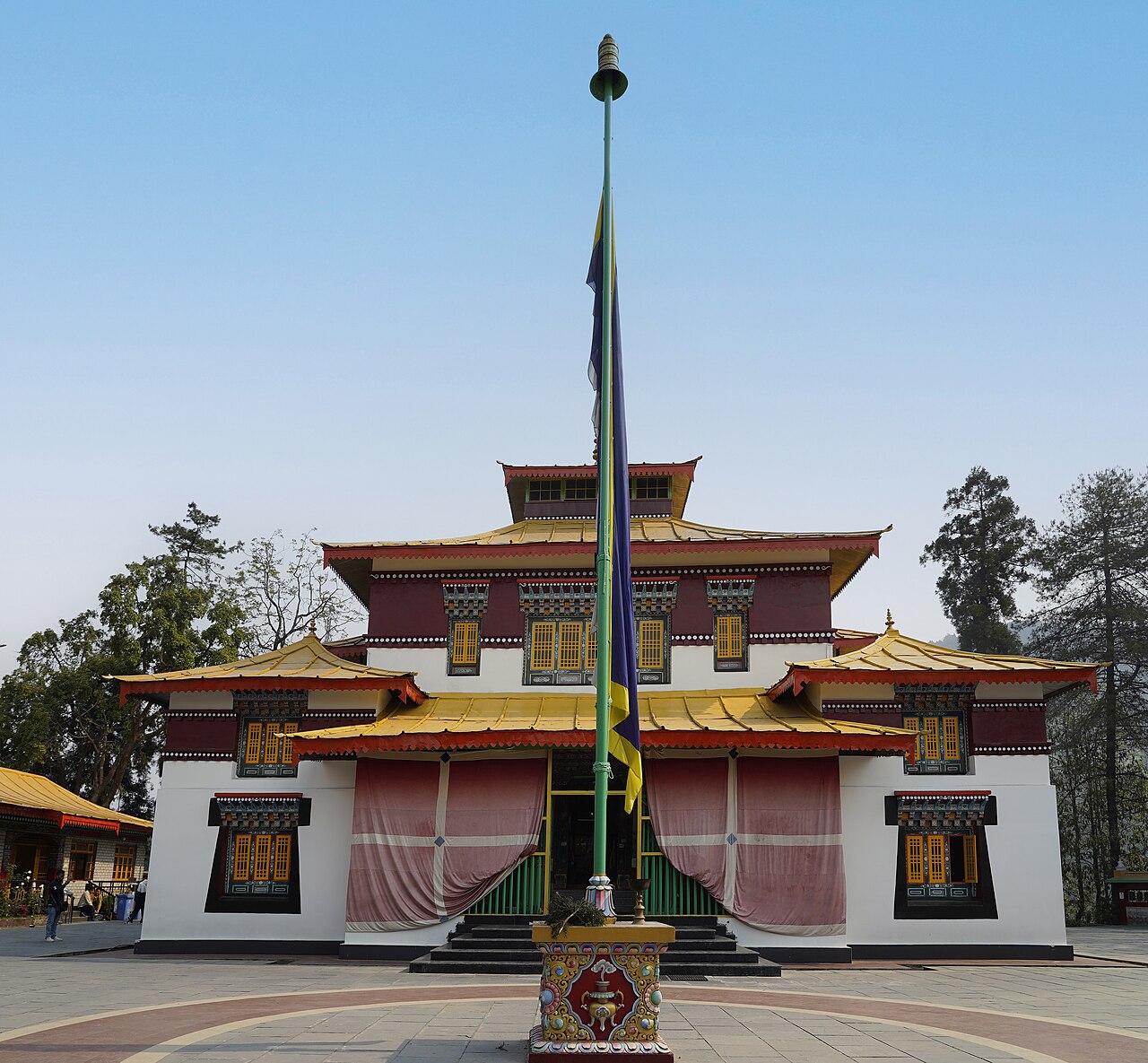
Enchey Monastery occupies a quiet ridge at Gangtok's northern edge, its current pagoda-style structure dating to 1909 but its founding legend reaching back to a wandering tantric master who is said to have flown to the site rather than walked. The name itself — commonly translated as 'the solitary temple' — describes the setting more accurately than most such labels do: even with Gangtok's sprawl now reaching close to its gates, the monastery keeps a genuine remove from the town below, and its courtyard offers one of the more reliable clear-day views of Kangchenjunga from within city limits.
Best time of day: 07:00 – 09:00. Coinciding with the morning chanting session and clear views north toward Kangchenjunga before cloud typically builds later in the day.
Enchey Monastery timings
- Opening hours
- Hours vary
Mon–Sun Varies by season or area - 05:00 – 19:00 daily; the main prayer hall is most active during the 06:00–08:00 and 16:00–17:30 chanting sessions.
- Closed on
- Open every day
Good to know: The Detor Cham masked-dance festival, the monastery's major annual event, is held over two days in January according to the Tibetan lunar calendar (the Gregorian date shifts year to year); the courtyard draws its largest crowds of the year during this festival.
Opening hours compiled from sikkimtourism.gov.in and public records, last updated . They change without notice — confirm before you travel. How we write these guides
Enchey Monastery ticket price
| Ticket | Price |
|---|---|
| Indian visitors | Free |
| Foreign visitors | Free |
| Children | Free |
| Camera | Free |
No entry fee. Photography is generally permitted in the courtyard; ask before photographing inside the main prayer hall, particularly during active chanting.
Prices compiled from sikkimtourism.gov.in and public records, last updated . They change without notice — confirm before you travel. How we write these guides
Best time to visit Enchey Monastery
- Quiet
- Moderate
05:00 – 07:00
Dawn PrayerBest time to go
Resident monks begin morning rituals. Very few visitors present; clearest mountain views before any afternoon haze builds.
Quiet07:00 – 09:00
Morning Chanting
Chanting session in full swing, audible from the courtyard. Small numbers of early visitors, mostly independent travellers rather than tour groups.
Quiet10:00 – 15:00
Daytime Visits
Main window for Gangtok city-tour taxis combining Enchey with Ganesh Tok, Hanuman Tok, and Ridge Park. Courtyard sees steady but manageable footfall.
Moderate16:00 – 17:30
Evening Chanting
Second daily prayer session. Light, golden-hour conditions and a return to near-empty courtyard outside the Detor Cham festival period.
Quiet
History of Enchey Monastery
Local tradition holds that Lama Drupthob Karpo, a tantric master credited with the power of flight, arrived at this ridge from Maenam Hill in South Sikkim and built the first simple gompa on the site in the 1840s, under the patronage of Sikkim's eighth Chogyal. The structure visible today, however, dates to a later phase: it was rebuilt in its present pagoda form during 1909–1910, under the Sikyong (regent) Tulku, in a style drawing on Chinese Buddhist temple architecture layered over the Tibetan monastic plan — the curved, tiered roofline is the clearest visual marker of this hybrid design.
Enchey belongs to the Nyingma order, the oldest of the four principal Tibetan Buddhist schools, distinct from the Karma Kagyu lineage housed at Rumtek. Its most significant annual event is the Detor Cham, a masked dance festival typically held in January, in which monks in elaborate costume perform choreographed dances representing protective deities including Mahakala, considered the guardian spirit of Gangtok itself — a role that gives the monastery a civic as well as purely devotional significance in the town's calendar.
Rules & etiquette at Enchey Monastery
Shoes are removed before entering the prayer hall, as at any working Buddhist monastery. Photography inside the main hall during active prayer sessions should be cleared with a monk first; the courtyard and exterior are generally unrestricted. Modest dress — covered shoulders and knees — is expected, and loud conversation inside the hall is discouraged since this remains a functioning place of worship with resident monks rather than a heritage display.
During the Detor Cham festival, the courtyard becomes genuinely crowded and the dance sequence follows a fixed ritual order; visitors should stay at the courtyard's periphery rather than crossing into the cleared dance space, and photography restrictions may tighten during specific ritual segments — follow the lead of monastery staff on the day.
Tips for visiting Enchey Monastery
- 1
Enchey is compact enough to combine easily with a Gangtok city circuit; it sits roughly 3 km from MG Marg and is often paired with a stop at the nearby Ganesh Tok and Hanuman Tok viewpoints, or the Flower Show / Ridge Park area, since all are on the same northern ridge road. A taxi covering Enchey plus one or two of these nearby stops typically runs ₹400–₹600 for a half-day loop from central Gangtok.
- 2
The monastery is at its most atmospheric during the early-morning or late-afternoon chanting sessions, when the resident monks are actually in the hall rather than the building standing empty for daytime visitors — arrive close to 07:00 or 16:00 if the sound and ritual activity matter more to you than simply seeing the architecture.
How to reach Enchey Monastery
The red star is Enchey Monastery; the numbered pins are the 3 nearest places in our guides, each showing its rank in its city. Tap a pin for details.
Enchey Monastery Road, above Gangtok Ridge, Gangtok, East Sikkim 737101, approximately 3 km from MG MargDirections in Google Maps
From MG Marg, Gangtok
₹150–₹2503 km · 10–15 min
One-way by taxi; combined half-day city-circuit taxi (Enchey + Ganesh Tok + Hanuman Tok) ₹400–₹600.
From Bagdogra Airport (IXB)
₹3,500–₹4,500123 km · 4–4.5 hours
Private car to Gangtok; Enchey itself is a short add-on once in town.
Nearest airport
From Pakyong Airport (PYG)
approximately 32 km, 1–1.5 hours. Bagdogra Airport (IXB) – approximately 123 km, 4–4.5 hours, the reliable year-round gateway.
Nearest railway station
From New Jalpaiguri (NJP)
approximately 123 km, 4–4.5 hours by road. Sikkim has no railway of its own.
Enchey Monastery FAQs
What does the name Enchey Monastery mean?
Enchey is generally translated as 'the solitary temple', a reference to its founding as an isolated hermitage on a ridge above what was then a much smaller Gangtok. The name has stayed accurate in spirit even as the town has since grown up around its lower slopes.
How old is Enchey Monastery?
Tradition dates the first simple gompa on this site to the 1840s, built by the tantric master Lama Drupthob Karpo. The pagoda-style structure visitors see today was rebuilt in 1909–1910 under the Sikkimese regent Sikyong Tulku, drawing on Chinese temple-architecture influences.
Is Enchey Monastery the same lineage as Rumtek?
No. Enchey belongs to the Nyingma order, the oldest of the four main Tibetan Buddhist schools. Rumtek Monastery, by contrast, is the seat-in-exile of the Karma Kagyu lineage — a different tradition within Tibetan Buddhism, though both are represented in Sikkim.
What is the Detor Cham festival at Enchey?
It is the monastery's principal annual event, a masked dance performance typically held over two days in January (the exact Gregorian date shifts with the Tibetan lunar calendar), in which monks portray protective deities including Mahakala, regarded locally as Gangtok's guardian spirit.
Compiled with AI assistance from official sources and public records, and published only after the checks in How we write these guides. Nobody from Traveliac has visited this place. Last updated . How we rank and check places
Places to visit near Enchey Monastery
Straight-line distances from our map; times are estimates.
 #7 in Gangtok
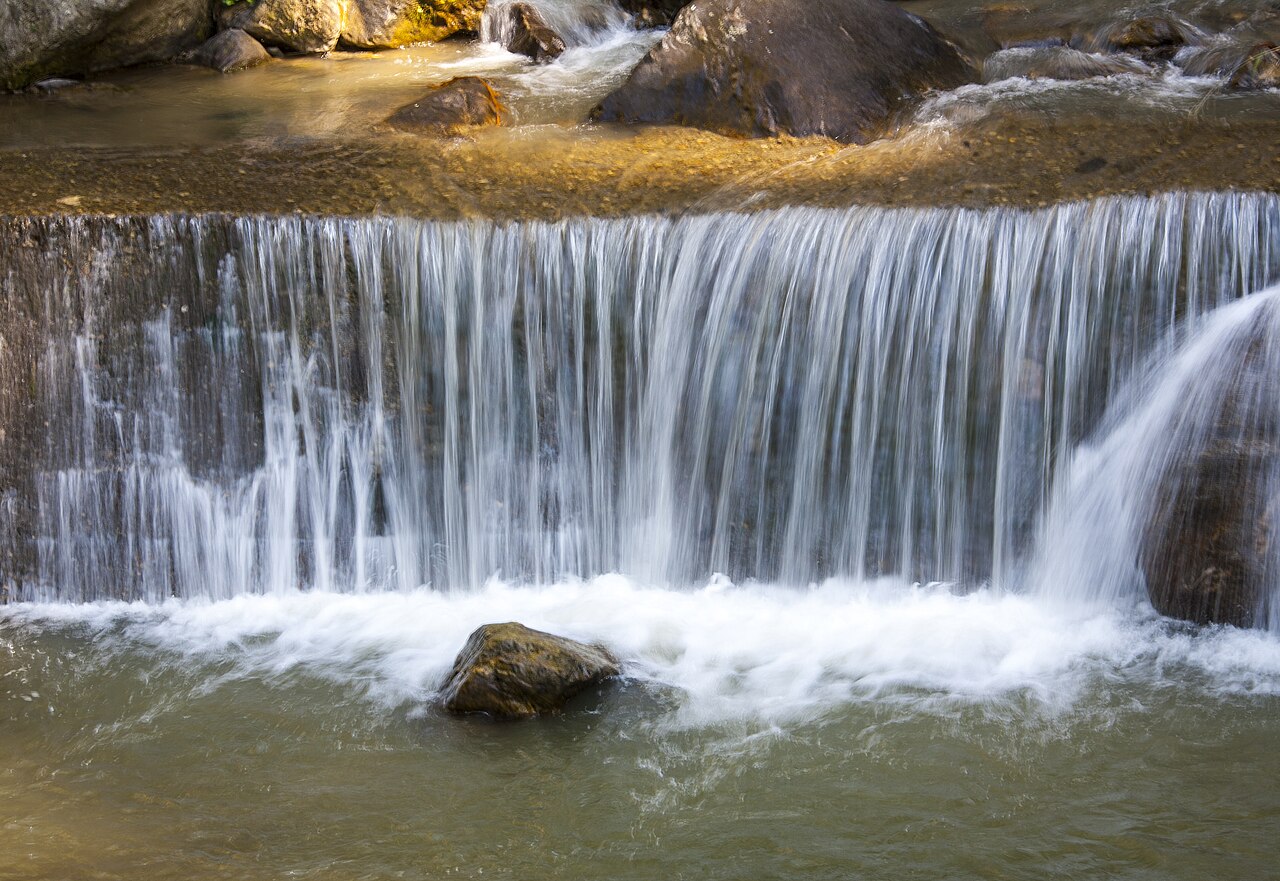
Banjhakri Falls & Energy Park
Waterfall · 2.3 km · about 37 min walk
 #4 in Gangtok
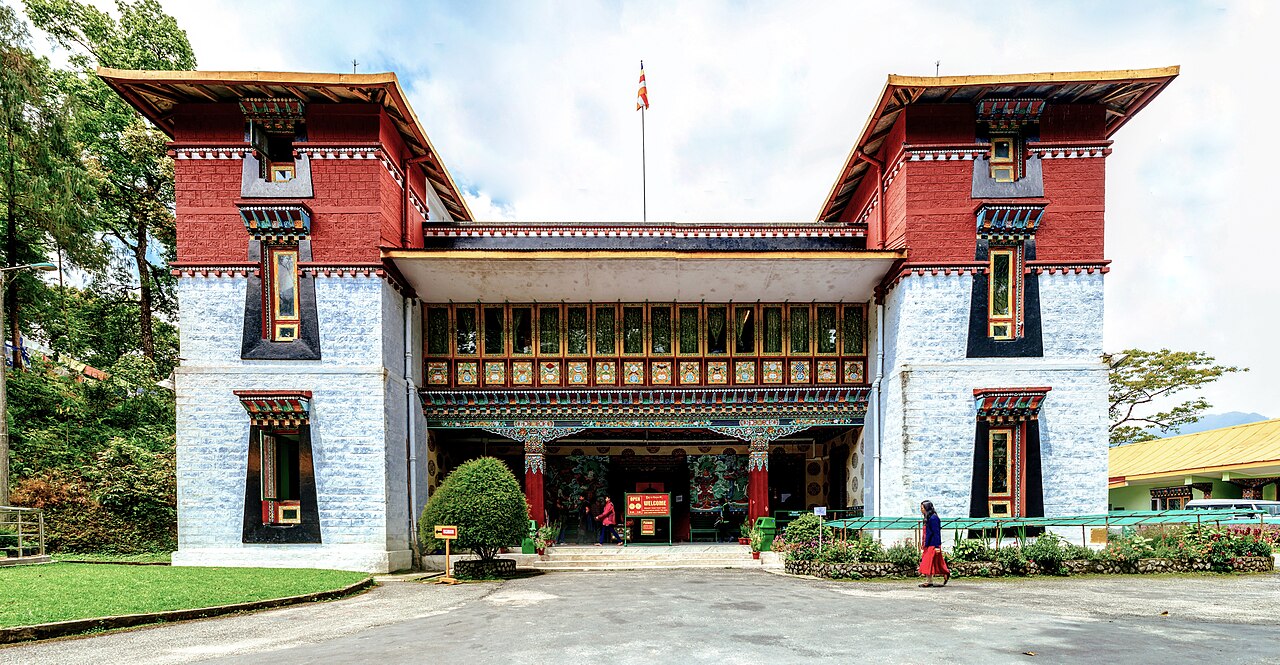
Namgyal Institute of Tibetology
Museum · 3 km · about 10 min by road
 #1 in GangtokFree entry
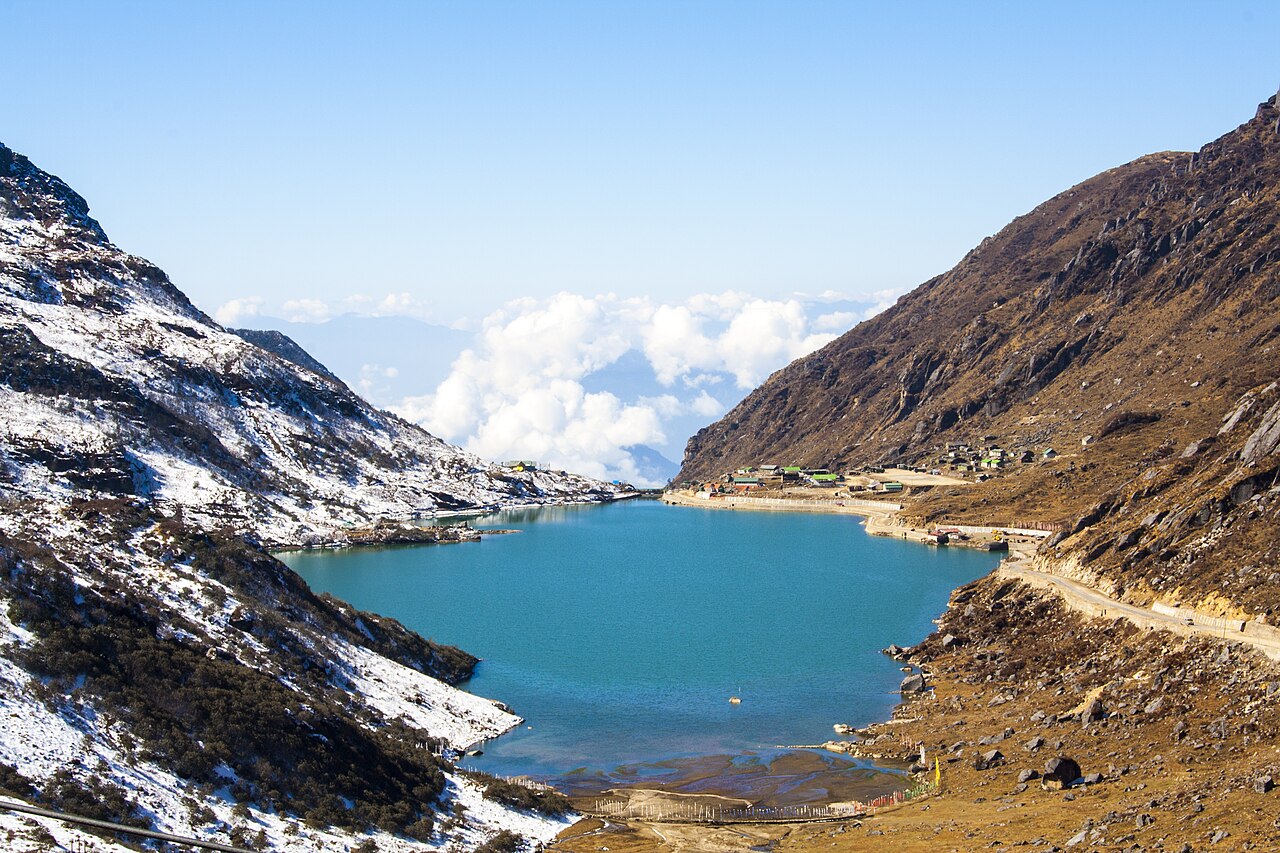
Tsomgo Lake
Lake · 15 km · about 45 min by road
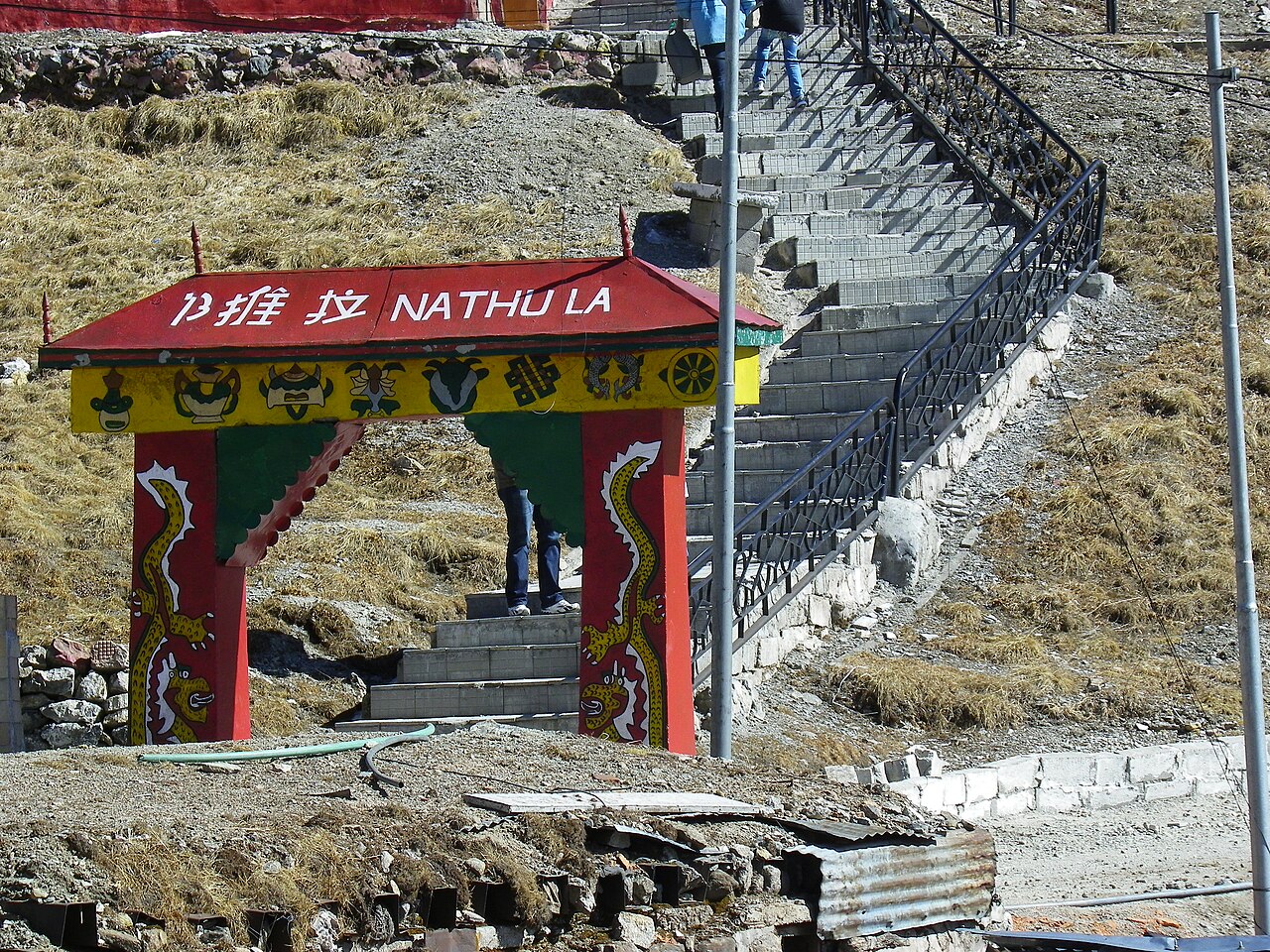 #3 in GangtokFree entry
Nathu La Pass
Mountain pass · 22 km · about 70 min by road