
Colossi of Memnon
#6de 10 lugares para visitar en LuxorLuxor, Luxor Governorate, Egypt
También conocido como Memnon Colossi · Statues of Amenhotep III · El-Colossat · Al-Salamat
Respuesta rápida
Horario: 06:00–17:00. La entrada es gratuita. Calcula 30 min. Mejor momento: 06:00 - 07:30.
Actualizado el · Redactado por Traveliac, con ayuda de IA · 4 min de lectura
- Horario
- 06:00–17:00
- The roadside statues are viewable at any hour with no gate; the Ministry price list lists 06:00-17:00 for the site.
- Precio de entrada
- Gratis
- Tiempo necesario
- 30 min
- Mejor momento del día
- 06:00 - 07:30
- Mejores meses
- Oct – Mar
- Dirección
- Al-Bairat, Kom el-Hettan, West Bank, Luxor, Luxor Governorate, Egypt (beside the main west bank road, near the Nile ferry road)
Sobre Colossi of Memnon
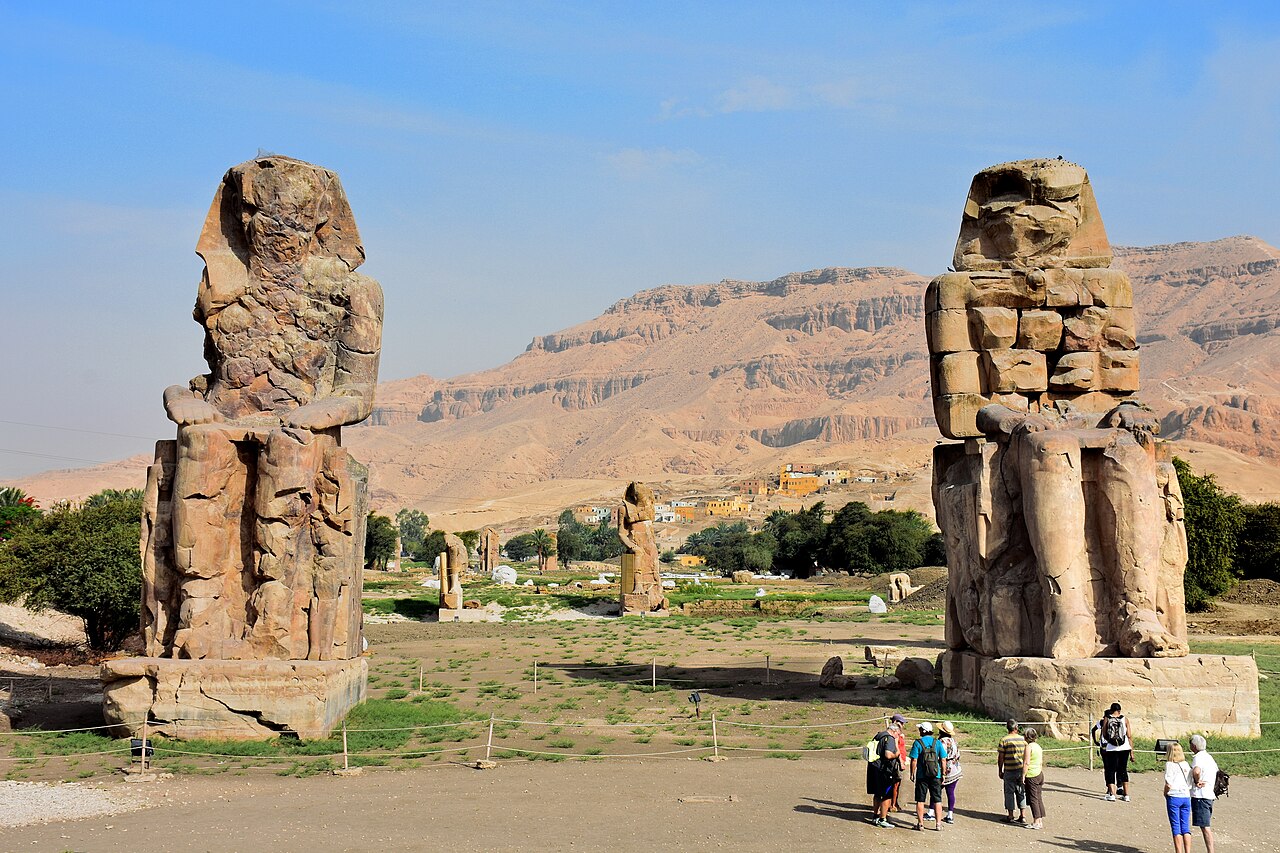
The Colossi of Memnon are free to see as of 2026, standing beside the west bank road with no gate or ticket booth. The two seated statues of Amenhotep III each stand about 18 metres tall and weigh roughly 720 tonnes, and they were carved from quartzite sandstone quarried at Gebel el-Ahmar near modern Cairo. They guarded the entrance to what was once the largest mortuary temple in ancient Egypt. The Colossi of Memnon are a roadside stop of 20-30 minutes rather than a half-day, and they sit between the tombs and the ferry.
Mejor momento del día: 06:00 - 07:30. When the low sun lights the seated figures and the roadside stalls are still closed.
Horario de Colossi of Memnon
Colossi of Memnon abre a las 06:00 y cierra a las 17:00. El fin de semana no cambia nada: sábados y domingos siguen el mismo horario.
- Horario
- 06:00–17:00
Mon–Sun 06:00–17:00 - The roadside statues are viewable at any hour with no gate; the Ministry price list lists 06:00-17:00 for the site.
- Cierra los
- Abierto todos los días
Horario recopilados de egymonuments.gov.eg y registros públicos, última actualización el . Pueden cambiar sin previo aviso — confírmalos antes de viajar. Cómo escribimos estas guías
Precio de entrada de Colossi of Memnon
| Entrada | Precio |
|---|---|
| Entrada estándar | Gratis |
| Tarifa reducida (estudiante / mayor) | Gratis |
| Niños | Gratis |
The Colossi of Memnon are free to view as of 2026: there is no gate, no ticket office and no fee, according to the Ministry of Tourism and Antiquities price list, which shows no charge for the site. Foreign and Egyptian visitors pay the same, which is nothing. Tour drivers commonly stop for 15-20 minutes on the way between the Valley of the Kings and the Nile ferry. Opening hours are listed as 06:00-17:00 by the ministry, but the statues stand beside a public road and can be seen at any hour; verify at the official site if you want access to the adjacent excavation area.
Precios recopilados de egymonuments.gov.eg y registros públicos, última actualización el . Pueden cambiar sin previo aviso — confírmalos antes de viajar. Cómo escribimos estas guías
Mejor época para visitar Colossi of Memnon
- Quiet
- Moderate
- Busy
06:00 - 08:30
Early StopBest time to go
Low sun on the quartzite and almost no vendors or coaches.
Quiet08:30 - 12:00
Coach Photo Stop
Tour buses and minivans stop briefly for photographs; the forecourt is crowded but turns over every 15 minutes.
Busy12:00 - 15:00
Midday Lull
Heat makes stops short; fewer people linger and vendors are more insistent.
Moderate15:00 - 18:00
Late Light
Warm golden light on the northern colossus and few visitors; a good moment for photographs.
Quiet
Historia de Colossi of Memnon
The Colossi of Memnon were completed around 1350 BC in the reign of Amenhotep III and marked the pylon of his mortuary temple, which covered about 35 hectares. Modern estimates put the stone at about 675 km from its quarry, moved overland to Thebes. The temple behind them was destroyed, probably by Nile flooding and later quarrying, leaving only the two guardians, and current Egyptian-European excavations have uncovered hundreds of fragments.
An earthquake in 27 BC cracked the northern statue, which Greek and Roman visitors then reported as 'singing' at dawn, linking it to the Greek hero Memnon. The last reliable mention of the sound dates from AD 196. Emperor Septimius Severus repaired the upper section around AD 199, and the sound stopped, probably because the added stone changed the way the figure vibrated. The lower legs carry 107 Greek and Latin inscriptions dated between 20 and 250 AD, left by Roman tourists.
Normas y etiqueta en Colossi of Memnon
Colossi of Memnon visitors may not climb on the statues or the plinths, and the fence and guards are enforced. Drones are not allowed over the site. There is no dress requirement, but the stop is short and sun-exposed, so wear a hat in summer.
Colossi of Memnon are photographed from the roadside forecourt, where vendors sell alabaster, scarves and cold drinks at tourist prices. A firm no thank you works, and prices are negotiable before you hand over money. Coaches pull in and out quickly, so watch for traffic on the road, and do not step off the forecourt to photograph from the carriageway. Keep valuables zipped away, because crowded photo stops attract opportunistic pickpockets.
Consejos para visitar Colossi of Memnon
- 1
Colossi of Memnon are best seen at first light or late afternoon, when low sun picks out the quartzite and the road is quiet. Tour buses usually stop for 15-20 minutes at mid-morning.
- 2
Colossi of Memnon pair with the nearby Amenhotep III excavation area and the Temple of Hatshepsut, which is about 4 km north. Look for the Greek and Latin graffiti cut into the northern figure's legs. Combining the stop with Medinet Habu makes sense because the two sit on the same road and Medinet Habu is a short drive south. A guide is unnecessary for a stop this short, and drivers who offer one at the roadside are usually adding a commission. Bring cash in small notes for water and tips, since no card terminals operate at a roadside stop.
Cómo llegar a Colossi of Memnon
La estrella roja es Colossi of Memnon; los pines numerados son los 7 lugares más cercanos de nuestras guías, cada uno con su clasificación en su ciudad. Toca un pin para ver más detalles.
Al-Bairat, Kom el-Hettan, West Bank, Luxor, Luxor Governorate, Egypt (beside the main west bank road, near the Nile ferry road)Cómo llegar en Google Maps
Desde Valley of the Kings
9 km · 15-20 min by car
Roughly EGP 100-250 (estimate; verify)
Desde Luxor city (east bank)
8 km · 25-40 min
Ferry about EGP 10-20 for foreigners plus roughly EGP 100-200 by taxi (estimate; verify)
Desde Medinet Habu
1.5 km · 5 min by car
Roughly EGP 50-100 (estimate; verify)
Aeropuerto más cercano
Desde Luxor International Airport (LXR)
about 20 km by road, 30-45 minutes.
Estación más cercana
Desde Luxor railway station on the east bank
about 8 km plus a Nile crossing, 25-40 minutes.
Preguntas frecuentes sobre Colossi of Memnon
Are the Colossi of Memnon free to visit?
Yes. As of 2026 there is no ticket office or gate at the Colossi of Memnon, and the statues can be seen from the roadside at no charge.
How tall are the Colossi of Memnon?
About 18 metres each. Each statue weighs roughly 720 tonnes and shows Amenhotep III seated, made from quartzite sandstone.
Why are they called the Colossi of Memnon?
Greek visitors linked the northern statue's dawn sound to the hero Memnon. The statues actually depict Amenhotep III, and the sound, reported after an earthquake in 27 BC, stopped after repairs around AD 199.
How long do you need at the Colossi of Memnon?
About 20-30 minutes. It is a roadside photograph stop rather than a site with interiors.
Redactado con ayuda de IA a partir de fuentes oficiales y registros públicos, y publicado solo tras las comprobaciones descritas en Cómo escribimos estas guías. Nadie de Traveliac ha visitado este lugar. Última actualización el . Cómo clasificamos y verificamos los lugares
Lugares para visitar cerca de Colossi of Memnon
Distancias en línea recta según nuestro mapa; los tiempos son estimados.
 #8 in Luxor
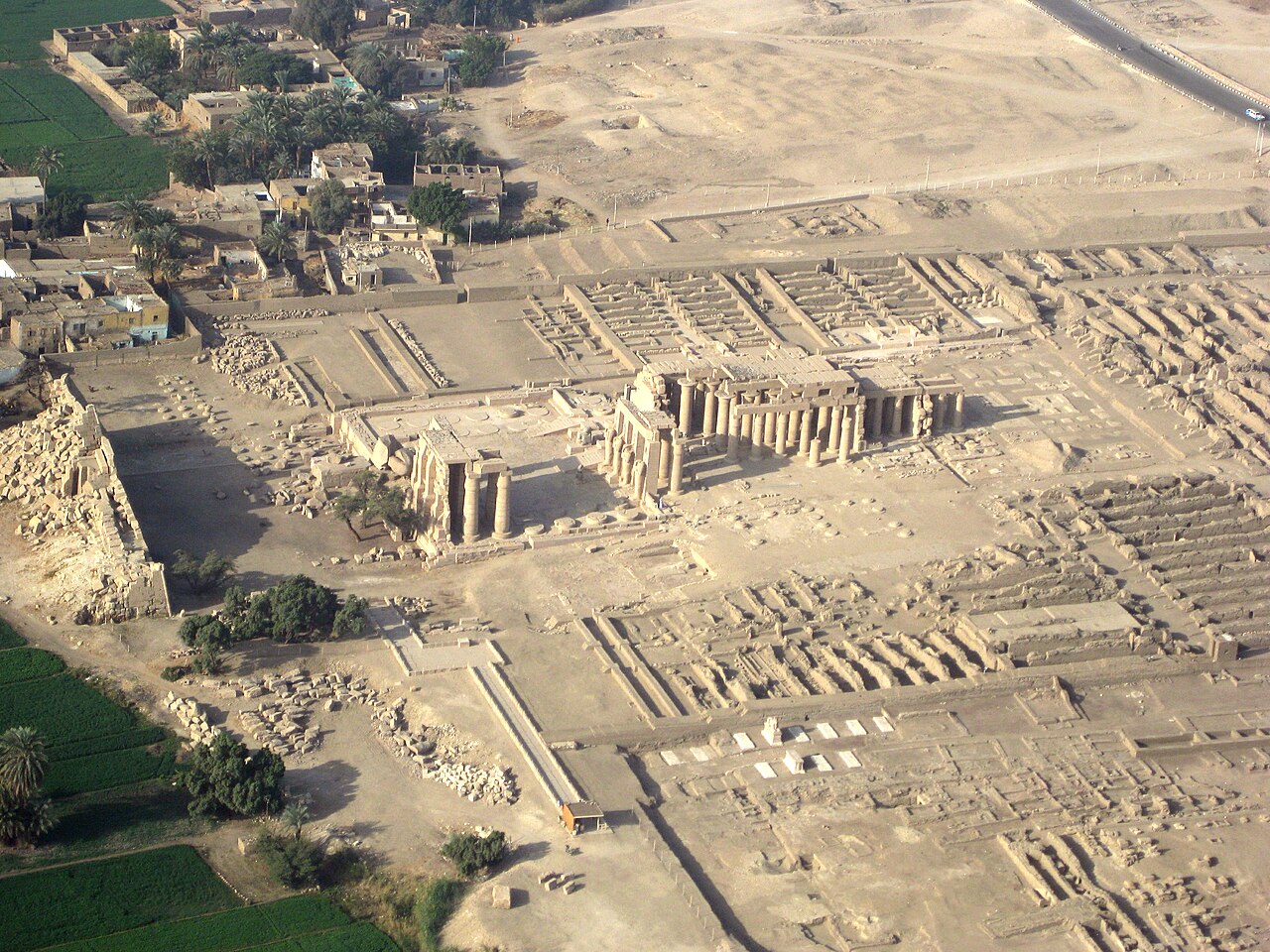
Ramesseum (Mortuary Temple of Ramesses II)
Templo · 800 m · about 13 min walk
 #7 in Luxor
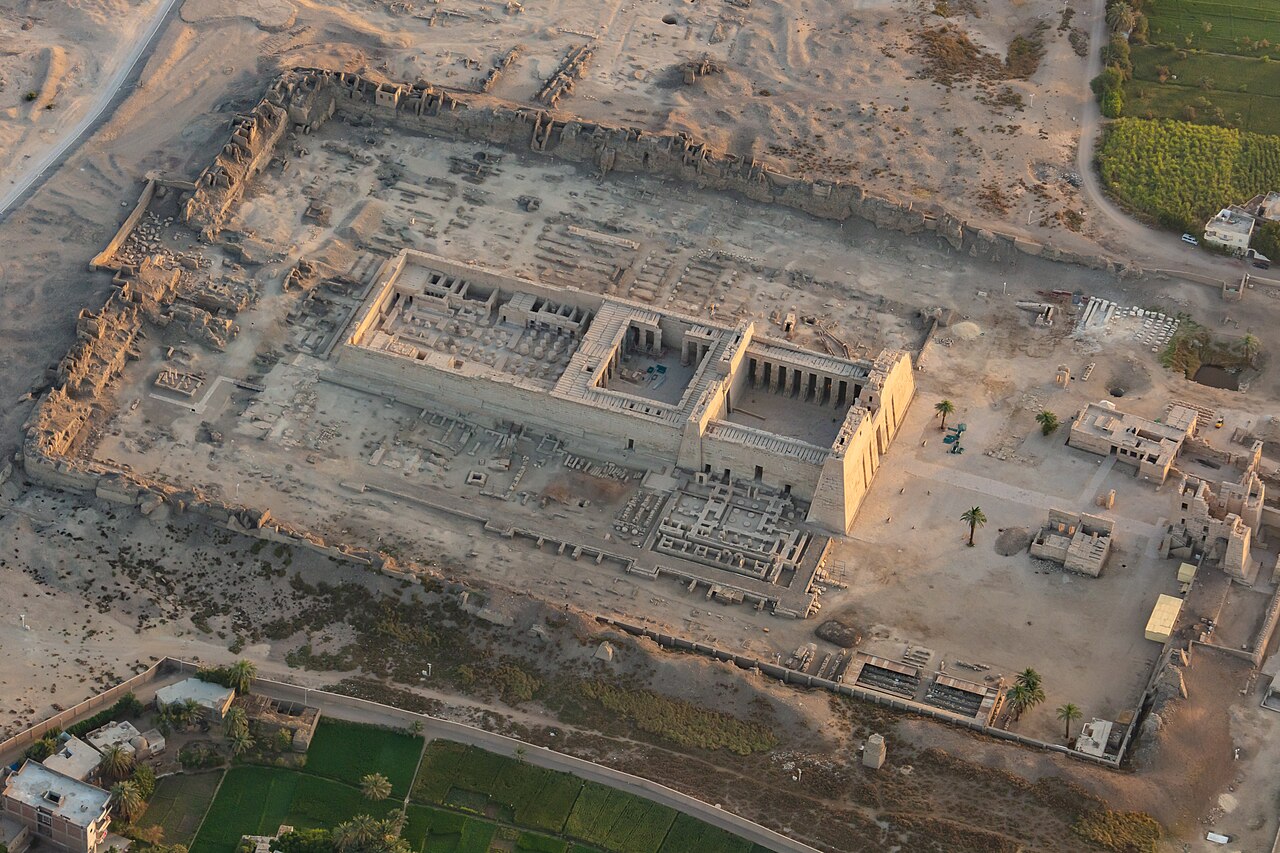
Medinet Habu (Mortuary Temple of Ramesses III)
Templo · 1000 m · about 16 min walk
 #10 in Luxor
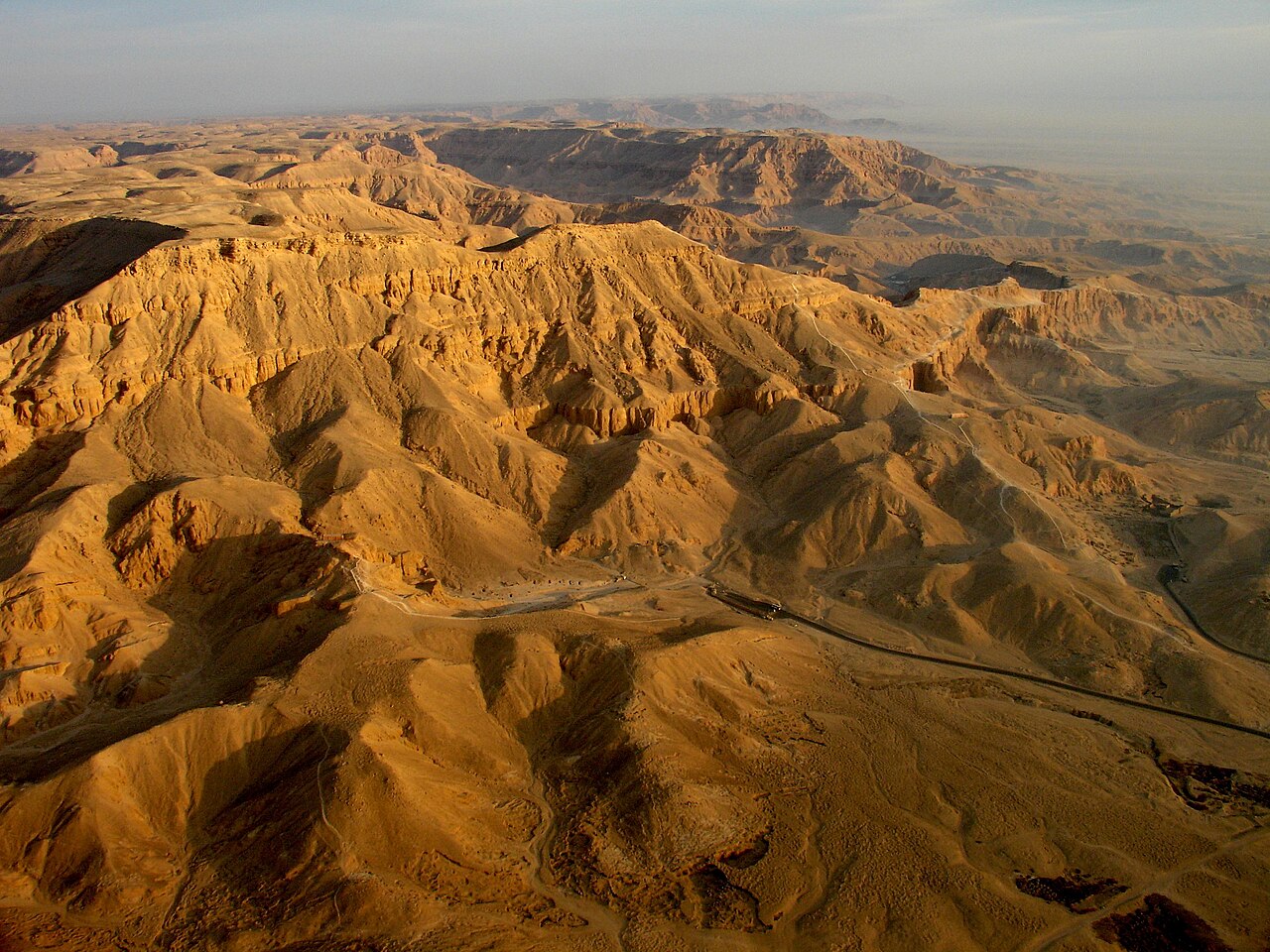
Valley of the Queens
Mausoleo · 1.9 km · about 31 min walk
 #5 in Luxor
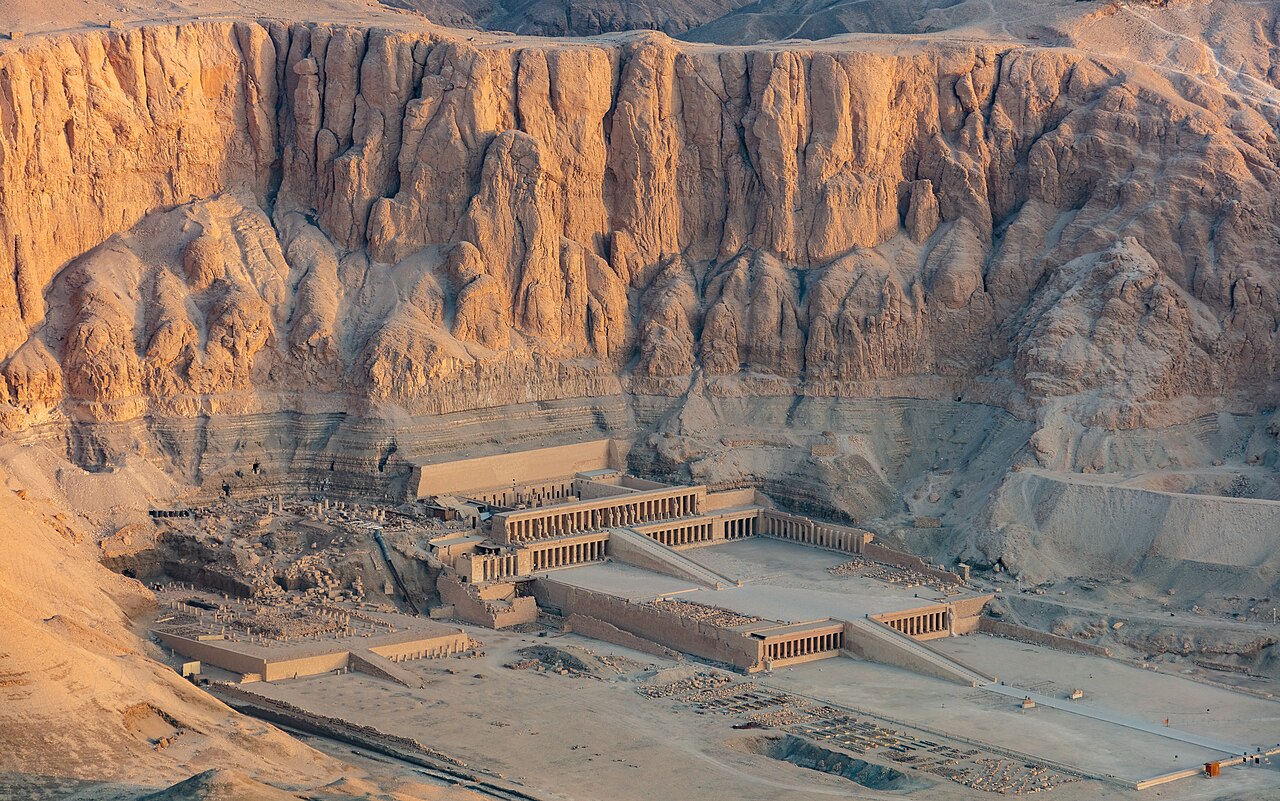
Temple of Hatshepsut (Deir el-Bahari)
Templo · 2.0 km · about 33 min walk