
Luxor Temple
#2de 10 lugares para visitar en LuxorLuxor, Luxor Governorate, Egypt
También conocido como Temple of Luxor · Ipet-Resyt · Southern Sanctuary
Respuesta rápida
Horario: 06:00–20:00. Entrada: EGP 500. Calcula 1.5 hrs. Mejor momento: 17:00 - 20:00.
Actualizado el · Redactado por Traveliac, con ayuda de IA · 4 min de lectura
- Horario
- 06:00–20:00
- Daily 06:00-20:00 per the Ministry price list; some operators report evening opening to 21:00, so verify at the official site.
- Precio de entrada
- EGP 500
- Entrada desde
- Tiempo necesario
- 1.5 hrs
- Mejor momento del día
- 17:00 - 20:00
- Mejores meses
- Oct – Mar
- Dirección
- Corniche el-Nil, Luxor City, Luxor Governorate, Egypt (east bank, beside the Nile)
Sobre Luxor Temple
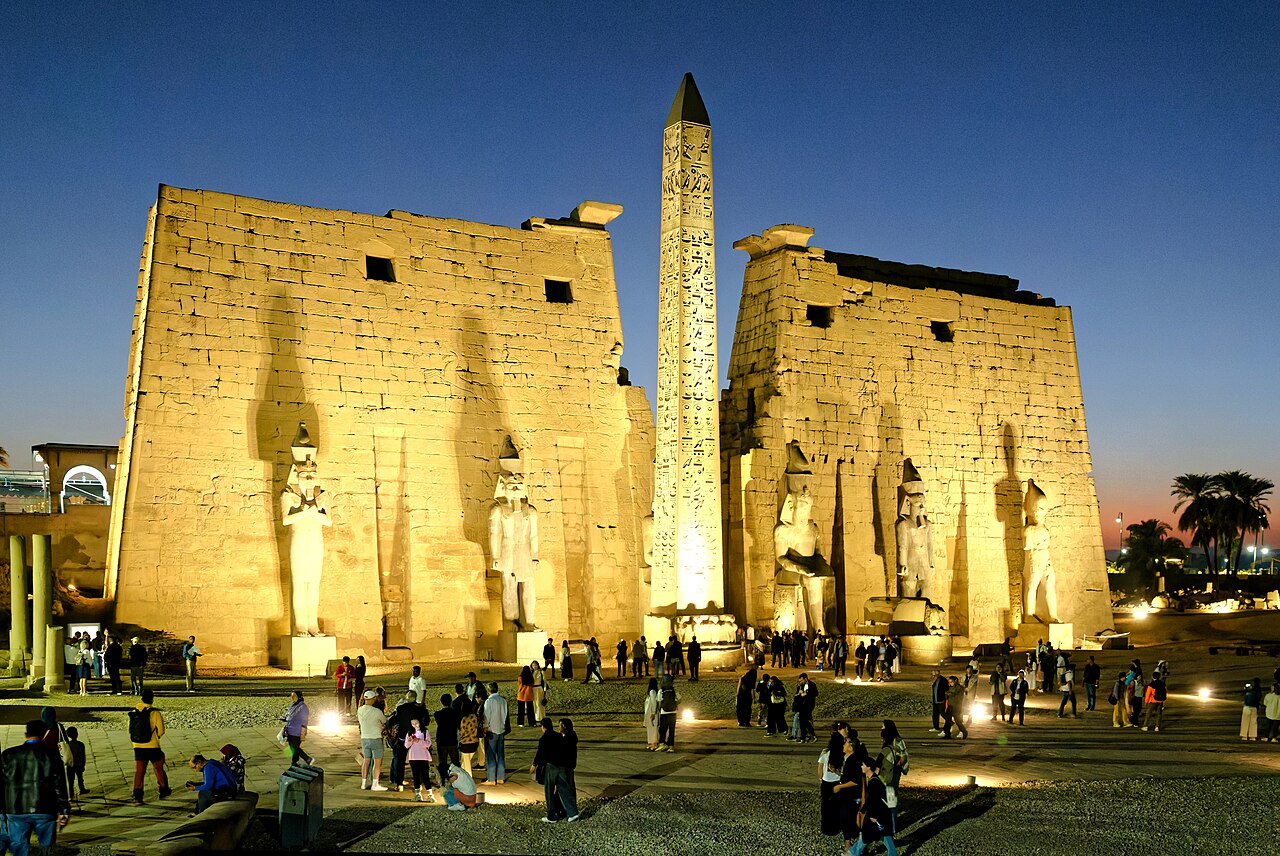
Luxor Temple charges foreign adults EGP 500 as of 2026 and, unlike most Egyptian monuments, stays open into the evening under floodlights. Amenhotep III built the temple on the east bank around 1400 BC, and the New Kingdom name Ipet-Resyt means Southern Sanctuary. The temple stands in the middle of the modern city, level with the Corniche, with a working mosque above its first court. Luxor Temple takes about 90 minutes to see properly and is best treated as an evening visit after a morning on the west bank. Its 3,400-year record of continuous worship, from pharaonic cult to Roman fort, church and mosque, makes it one of the few Egyptian temples where several religions share one footprint.
Mejor momento del día: 17:00 - 20:00. When floodlights come on, heat fades and the sandstone turns amber; early morning is the quiet alternative.
Horario de Luxor Temple
Luxor Temple abre a las 06:00 y cierra a las 20:00. El fin de semana no cambia nada: sábados y domingos siguen el mismo horario.
- Horario
- 06:00–20:00
Mon–Sun 06:00–20:00 - Daily 06:00-20:00 per the Ministry price list; some operators report evening opening to 21:00, so verify at the official site.
- Cierra los
- Abierto todos los días
Bueno saber: Ramadan and season changes can move the closing time.
Horario recopilados de egymonuments.com y registros públicos, última actualización el . Pueden cambiar sin previo aviso — confírmalos antes de viajar. Cómo escribimos estas guías
Precio de entrada de Luxor Temple
| Entrada | Precio |
|---|---|
| Entrada estándar | EGP 500 |
| Tarifa reducida (estudiante / mayor) | EGP 250 |
| Niños | Gratis |
Foreign adults pay EGP 500 and foreign students EGP 250 as of 2026, per the Ministry of Tourism and Antiquities price list. Egyptian adults pay EGP 40 and Egyptian students EGP 20. Children under 6 are generally free; verify at the gate. Card payment is standard at Luxor ticket offices. Some websites quote lower foreign prices of about EGP 400, which appear to be outdated, so verify at the official site or the ticket office. The Avenue of Sphinxes walk requires both a Luxor Temple and a Karnak ticket.
Precios recopilados de egymonuments.com y registros públicos, última actualización el . Pueden cambiar sin previo aviso — confírmalos antes de viajar. Cómo escribimos estas guías
Mejor época para visitar Luxor Temple
- Quiet
- Moderate
- Busy
- Very busy
06:00 - 09:00
Early MorningBest time to go
Cool sandstone and low light; few groups arrive before 09:00 because coaches go to the west bank first.
Quiet09:00 - 15:00
Daytime Groups
Half-day tours between Karnak and the museums pass through; the sun court and forecourt fill with groups but the temple is small.
Moderate15:00 - 17:30
Pre-Sunset Build
Photographers and couples arrive for golden light on the pylon and colonnade; queueing at the ticket office lengthens.
Busy17:30 - 20:00
Floodlit Evening
Floodlights come on and the temple is the busiest of the day; the atmosphere is cooler but the colonnade is crowded.
Very busy
Historia de Luxor Temple
Luxor Temple was built mainly by Amenhotep III and completed by Tutankhamun and Ramesses II, using Nubian sandstone quarried at Gebel el-Silsila. Unlike Karnak, it was not the home of a single deity but the stage for the annual Opet Festival, when the statue of Amun travelled from Karnak by processional avenue and boat to renew the king's divine kingship.
Ramesses II added the great pylon, the forecourt and colossal seated statues, and one of his two pink-granite obelisks stands in front. The other was given to France in the 1830s and now stands in the Place de la Concorde in Paris. A Roman fort and later a church occupied the site, and the Mosque of Abu el-Haggag, sitting on the upper level of the first court, has continued the site's worship for some 800 years. In 1989 workmen digging in the sun court found a cache of 26 statues, now displayed in the Luxor Museum.
Normas y etiqueta en Luxor Temple
Luxor Temple visitors must respect the Mosque of Abu el-Haggag, which is an active place of worship above the first court, and non-Muslim visitors should not enter it. Shoulders and knees covered is the sensible dress standard, especially at the evening prayer times when local worshippers arrive. Climbing on walls, statues and column drums is forbidden, and guards move visitors from the lit statues.
Luxor Temple bans drones and tripods without permits, and flash photography in the sanctuary damages pigments. Unofficial guides and souvenir touts gather at the pylon gate and along the Corniche side; a firm no thank you suffices. Tip guards who unlock the Amenhotep III sun court or point out reliefs at EGP 20-50. Cash is accepted for small purchases outside, but the ticket office expects a card.
Consejos para visitar Luxor Temple
- 1
Luxor Temple is best visited about 45 minutes before sunset. The floodlights start at dusk and the sandstone glows, and crowds are far lighter than at Karnak. Walk the short stretch of the Avenue of Sphinxes in front of the pylon to see how the processional approach ran toward Karnak.
- 2
Luxor Temple sits beside the Mummification Museum and the Luxor Museum on the Corniche, so a compact east-bank afternoon can combine all three. The Nile-front cafes near the pylon charge tourist prices, so walk a block inland for cheaper meals. Calèche and felucca touts on the Corniche press hard after dark, and a firm no thank you is enough.
Cómo llegar a Luxor Temple
La estrella roja es Luxor Temple; los pines numerados son los 7 lugares más cercanos de nuestras guías, cada uno con su clasificación en su ciudad. Toca un pin para ver más detalles.
Corniche el-Nil, Luxor City, Luxor Governorate, Egypt (east bank, beside the Nile)Cómo llegar en Google Maps
Desde Karnak Temple
2.7 km · 35-45 min on foot; 10 min by car
Roughly EGP 100-200 by taxi or calèche (estimate; verify)
Desde Luxor railway station
1 km · 5-15 min
Roughly EGP 40-100 (estimate; verify)
Desde West bank (Valley of the Kings side)
12 km · 30-45 min via the bridge; ferry crossing about 10 min
Public ferry about EGP 10-20 for foreigners; taxi via the bridge roughly EGP 300-500 (estimate; verify)
Aeropuerto más cercano
Desde Luxor International Airport (LXR)
about 7 km by road, 15-25 minutes.
Estación más cercana
Desde Luxor railway station
about 1 km, 5-15 minutes on foot or by taxi.
Preguntas frecuentes sobre Luxor Temple
How much is a ticket to Luxor Temple?
EGP 500 for foreign adults and EGP 250 for foreign students as of 2026. Egyptian adults pay EGP 40. Some sites quote lower prices of about EGP 400, which appear outdated, so verify at the ticket office.
Is Luxor Temple open at night?
Yes. The Ministry price list gives daily hours of 06:00 to 20:00, and some operators report closing at 21:00, so the temple is lit and visitable after sunset. Verify the closing hour before a late visit.
How long does a visit to Luxor Temple take?
About 90 minutes for a thorough visit. The temple is compact compared with Karnak, and you can see the main colonnade, sun court and sanctuary in an hour if you are pressed.
Is there a mosque inside Luxor Temple?
Yes. The Mosque of Abu el-Haggag stands above the first court and is an active place of worship; visitors can see it from the temple but should not enter it unless invited.
Redactado con ayuda de IA a partir de fuentes oficiales y registros públicos, y publicado solo tras las comprobaciones descritas en Cómo escribimos estas guías. Nadie de Traveliac ha visitado este lugar. Última actualización el . Cómo clasificamos y verificamos los lugares
Lugares para visitar cerca de Luxor Temple
Distancias en línea recta según nuestro mapa; los tiempos son estimados.
 #3 in Luxor
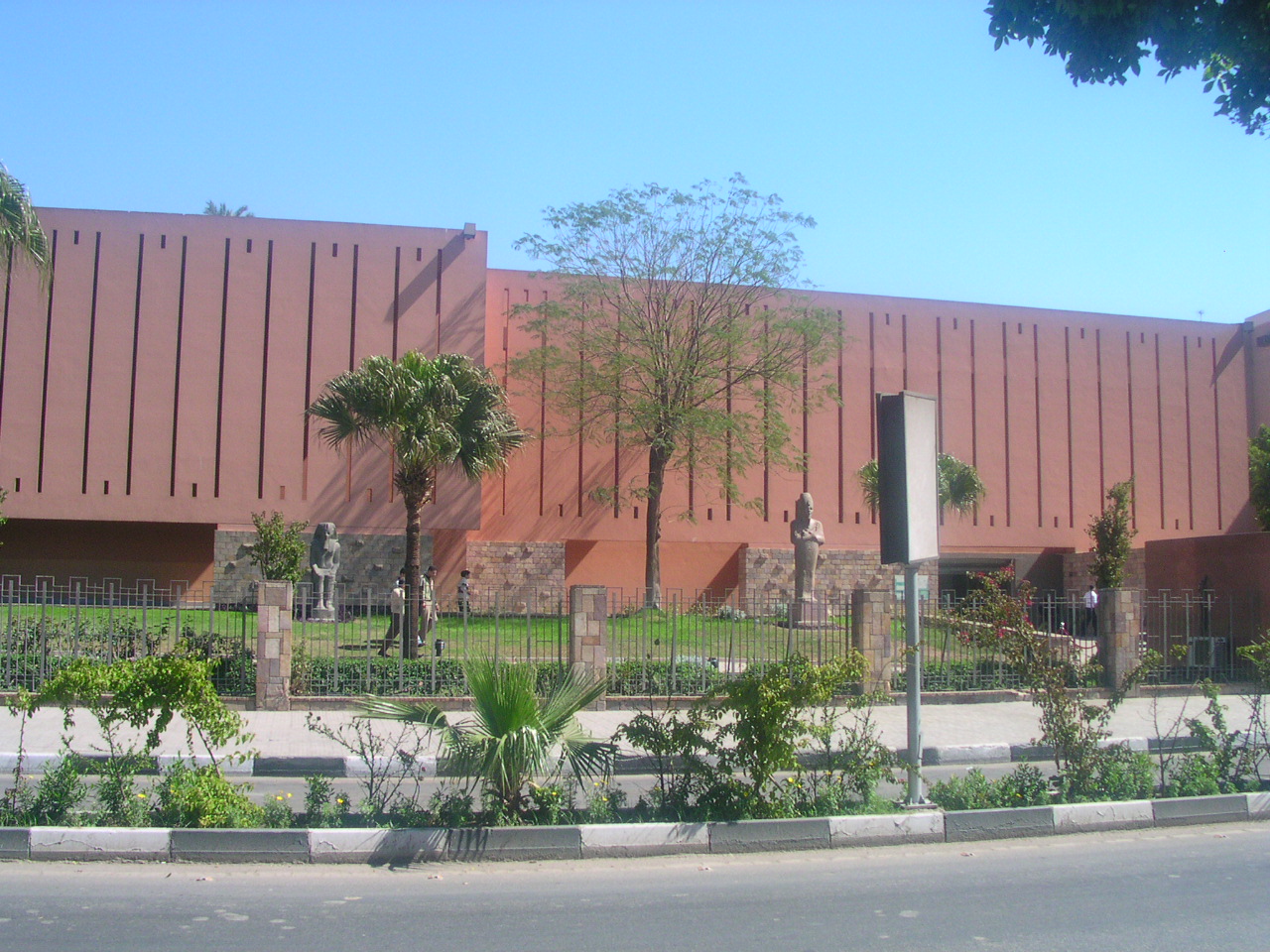
Luxor Museum
Museo · 1.0 km · about 16 min walk
 #6 in LuxorEntrada gratuita
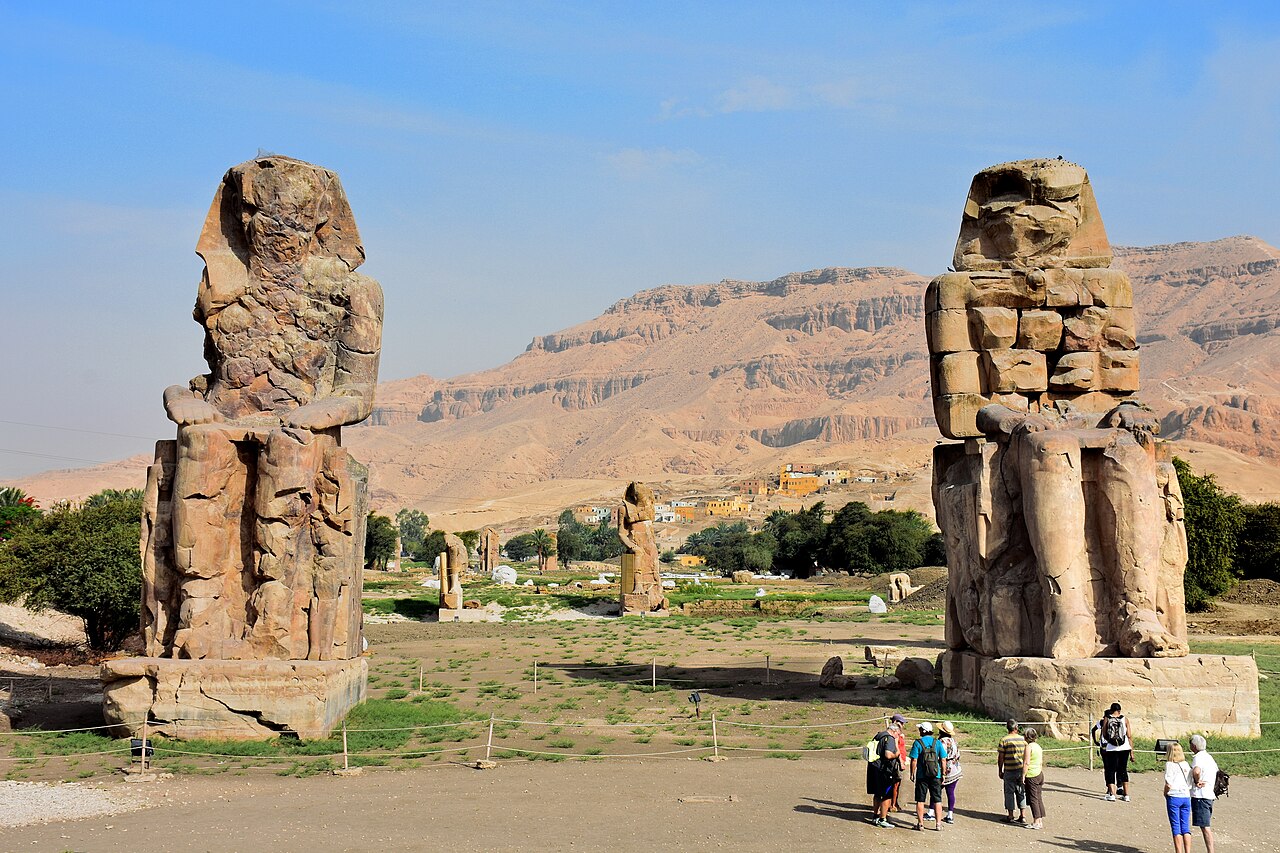
Colossi of Memnon
Patrimonio · 4 km · about 10 min by road
 #8 in Luxor
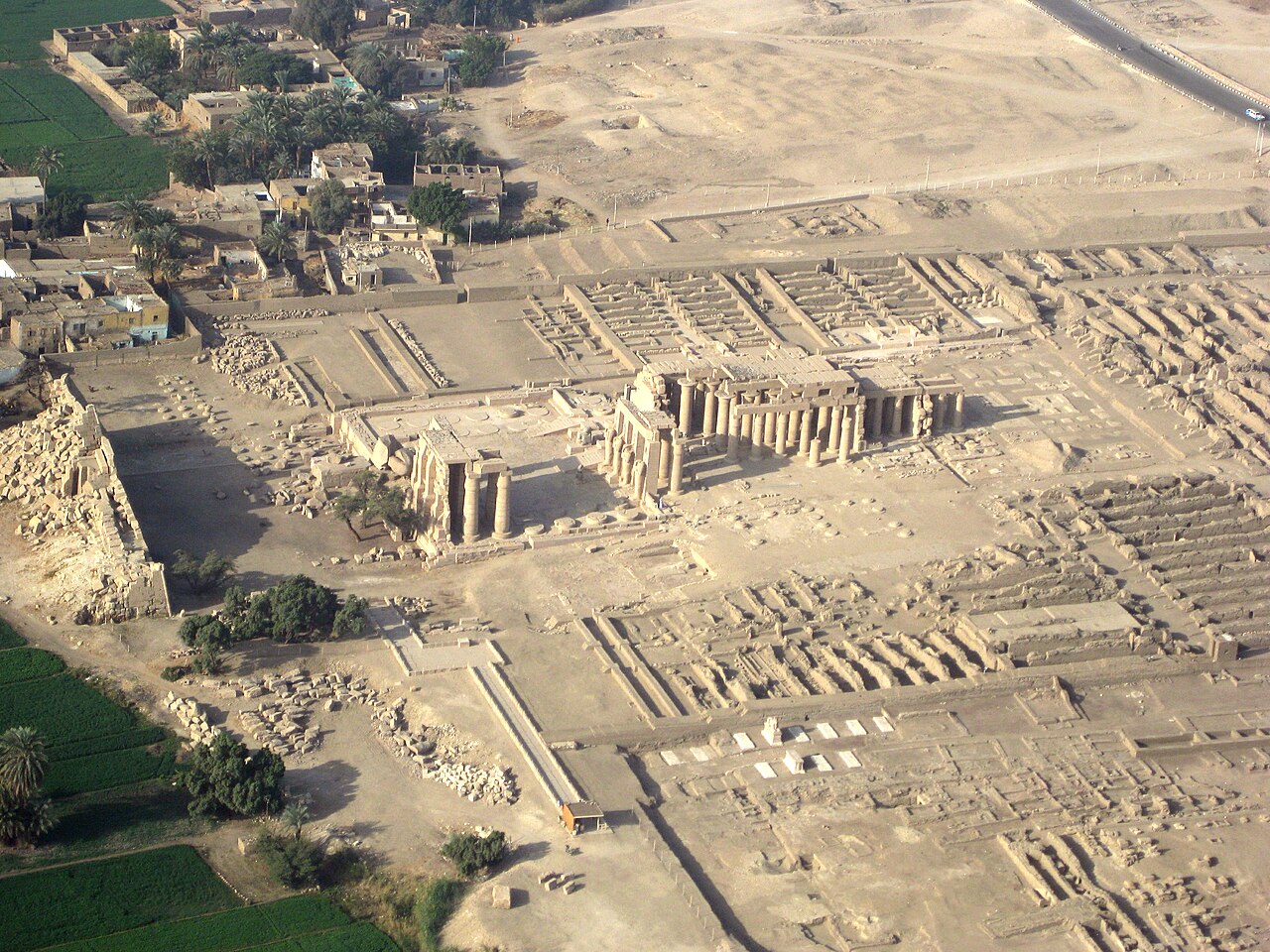
Ramesseum (Mortuary Temple of Ramesses II)
Templo · 4 km · about 15 min by road
 #7 in Luxor
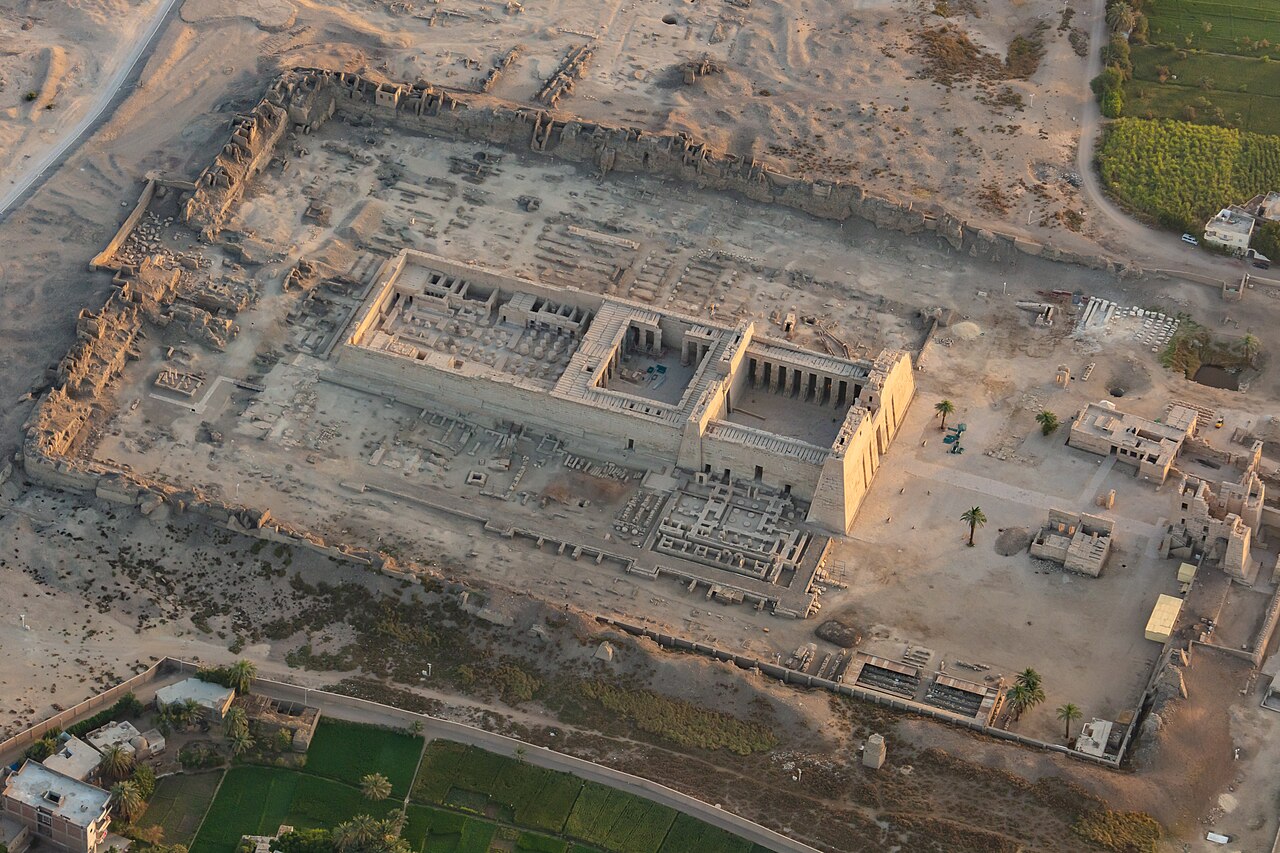
Medinet Habu (Mortuary Temple of Ramesses III)
Templo · 4 km · about 15 min by road