
Sidi Saiyyed Mosque
#3de 10 lugares para visitar en AhmedabadAhmedabad, Gujarat
También conocido como Sidi Saiyyed ni Jali · Sidi Sayed Mosque · Jali Mosque
Respuesta rápida
Horario: 06:00–20:00. La entrada es gratuita. Calcula 30 min. Mejor momento: Early morning.
Actualizado el · Redactado por Traveliac, con ayuda de IA · 7 min de lectura
- Horario
- 06:00–20:00
- Precio de entrada
- Gratis
- Tiempo necesario
- 30 min
- Mejor momento del día
- Early morning
- Mejores meses
- Oct – Mar
- Dirección
- Lal Darwaza, near Relief Road, Ahmedabad, Gujarat 380001
Sobre Sidi Saiyyed Mosque
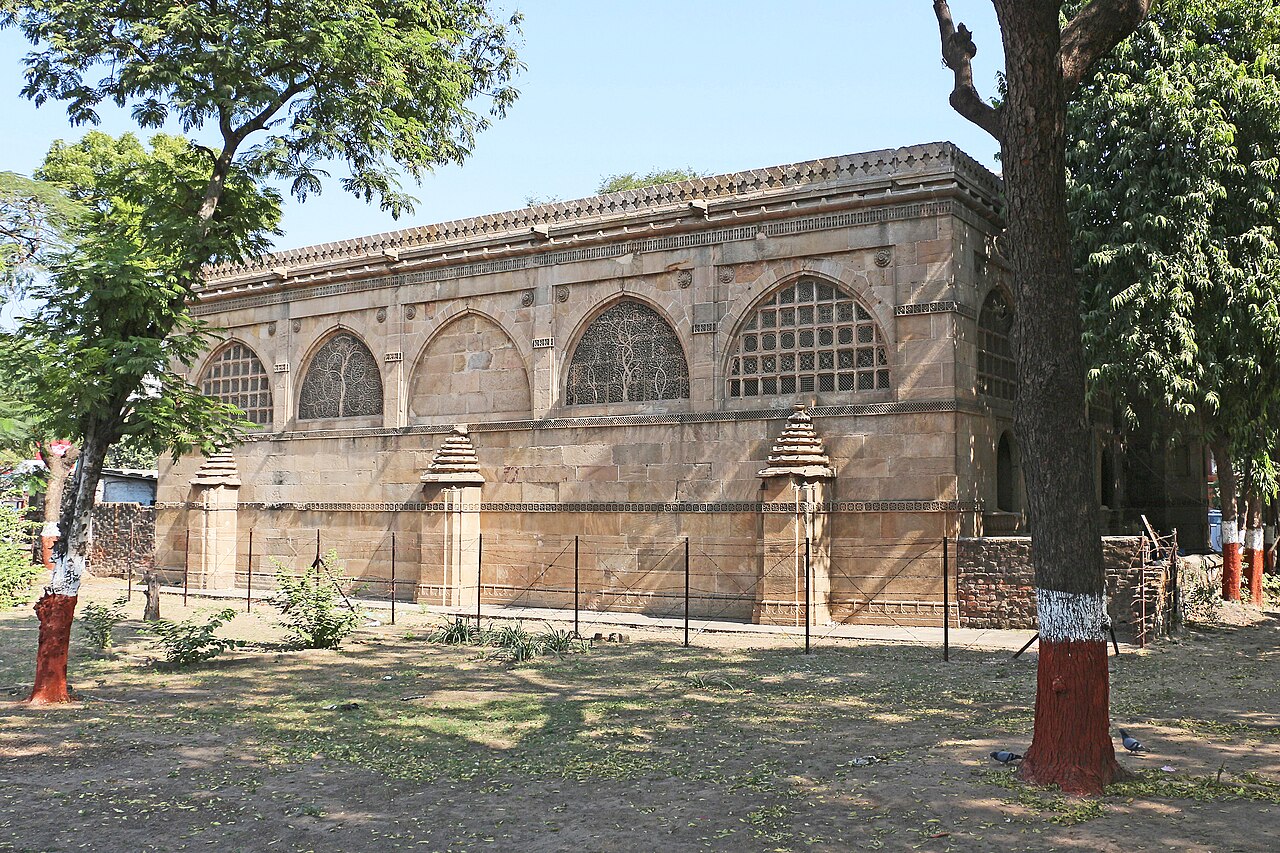
At a congested intersection near the Lal Darwaza on the eastern edge of central Ahmedabad, set within a small garden compound that offers perhaps 40 square metres of distance from the surrounding traffic, stands a mosque whose rear wall contains two windows that constitute some of the finest stone-lattice carving produced anywhere in the medieval world. The Sidi Saiyyed Mosque was completed in 1572 CE, in the last year of the Gujarat Sultanate before it was absorbed into the Mughal Empire. Its builders had roughly twelve months left before the entire political order that had made their work possible was erased. What they produced in those final commissions — particularly the ten jali screens set into the qibla wall and the rear arcade — is a visual argument that craftsmanship can survive political catastrophe by many centuries.
Mejor momento del día: Early morning. 07:00–09:00 for soft light penetrating the jali screens from the east, casting intricate palm-tree lattice shadows across the mosque's interior floor. Alternatively, late afternoon (16:00–17:30) when westering light hits the exterior stone directly. Midday light is harsh and flattens the three-dimensional relief of the jali carving.
Horario de Sidi Saiyyed Mosque
Sidi Saiyyed Mosque abre a las 06:00 y cierra a las 20:00. Mantiene el mismo horario los sábados y domingos.
- Horario
- 06:00–20:00
Mon–Sun 06:00–20:00 - Cierra los
- Abierto todos los días
Bueno saber: Open year-round. Access to the interior may be restricted during Friday prayers and on major Islamic holidays (Eid al-Fitr, Eid al-Adha). External viewing of the jali screens from the road is always possible.
Horario recopilados de registros públicos; este lugar no tiene sitio web oficial, última actualización el . Pueden cambiar sin previo aviso — confírmalos antes de viajar. Cómo escribimos estas guías
Precio de entrada de Sidi Saiyyed Mosque
| Entrada | Precio |
|---|---|
| Visitantes indios | Free |
| Visitantes extranjeros | Free |
| Niños | Gratis |
| Cámara | Gratis |
Entry is free. No camera fee. The mosque is an active place of worship; Friday midday prayers may restrict non-Muslim access to the interior for approximately 45–60 minutes around 12:30–13:30. The rear latticed windows (jalis) that face the exterior lane are always visible from outside the mosque boundary without entry.
Precios recopilados de registros públicos; este lugar no tiene sitio web oficial, última actualización el . Pueden cambiar sin previo aviso — confírmalos antes de viajar. Cómo escribimos estas guías
Mejor época para visitar Sidi Saiyyed Mosque
- Quiet
- Moderate
- Busy
06:00–09:00
Early morningBest time to go
The mosque compound is quiet. Morning worshippers are present for Fajr prayer but the space is calm. Eastern light through the jali screens at this hour is exceptional.
Quiet09:00–12:00
Morning sightseeing
Tour groups from hotels begin arriving. The compound has limited standing space, so a group of 20 fills it. Midweek mornings are quieter than weekends.
Moderate12:00–14:00
Friday prayer window
On Fridays, the mosque fills for Jumu'ah prayers and non-Muslim access to the interior is restricted 12:00–14:00. The exterior lane and garden viewing of the screens remain accessible.
Busy14:00–16:30
Afternoon
Post-lunch lull. The jali screens are in shadow from the interior side at this hour, making exterior viewing from the south lane the preferred angle.
Moderate16:30–20:00
Late afternoon and evening
Traffic outside the compound picks up but the interior is quiet. Westering light hits the exterior stone facade. The mosque stays open until approximately 20:00.
Quiet
Historia de Sidi Saiyyed Mosque
The mosque was commissioned by Sidi Saiyyed, an Abyssinian nobleman and slave-general in the court of the last Gujarat Sultanate ruler Shams ud-Din Muzaffar Shah III. The construction was completed in 1572 CE, the same year the Mughal Emperor Akbar's forces under his general Khan-i-Azam Mirza Aziz Koka defeated and annexed the Gujarat Sultanate. The timing makes the mosque a peculiar historical object: a building whose patron would have known, as the stone was being carved, that the political dispensation funding his status was collapsing.
The mosque follows the standard Sultanate-period plan: a rectangular prayer hall open on three sides, with five arched bays and a three-domed roof structure. The structural vocabulary is orthodox Indo-Islamic. What is extraordinary are the ten stone jali screens set into the arches — five in the rear wall and five in the side aisles — each one a unique design. The two most celebrated are the rear pair, which depict a sinuously intertwined tree with roots emerging from a rocky base, branches spreading to fill the entire arch with a palm frond and scroll pattern of extraordinary complexity. These two screens are executed in creamy-white Dhrangadhra limestone (sometimes described as a fine Makrana-adjacent stone), and their surface is worked to a depth and delicacy that allows light to pass through them while the pattern retains structural rigidity.
The design tradition these screens belong to is the same Solanki-derived stone-carving lineage visible at Adalaj Vav — the craftsmen were almost certainly from the same hereditary workshop communities of Sompura and Suthar carvers who had worked every major Gujarati building commission for five centuries. The Sultanate's contribution was the architectural frame; the craft language was continuous.
The mosque was renovated and the surrounding compound improved in the mid-20th century. The institution of the Indian Institute of Management Ahmedabad (IIMA) adopted the jali image as its logo in 1962 — an endorsement that has made the Sidi Saiyyed jali screen one of the most reproduced images in Indian institutional design.
Normas y etiqueta en Sidi Saiyyed Mosque
The mosque is an active place of worship and the primary obligation of visitors is to respect that function. Remove footwear before entering the prayer hall; a shoe rack is provided at the main entrance gate. Women are advised to carry a headscarf; it is not always required but is expected at Friday prayers and during Ramadan. Men should ensure knees are covered.
Friday midday prayers (approximately 12:30–13:30 IST) restrict non-Muslim access to the prayer hall interior. The exterior viewing of the rear jali screens from the lane is always possible and is actually the better vantage point for photography — the full scale and depth of the lattice is visible from outside without the overhead shadows cast by the mosque's interior roof.
Photography is generally permitted; be discreet during active prayer. No tripods inside the prayer hall. Flash photography against the jali screens is destructive over time and also ineffective — the screens photograph best in natural transmitted light without any artificial fill. Do not touch the jali screens; the limestone surface, despite its apparent thickness, is sensitive to oil from hands and the pattern edges are sharper than they appear.
Tout pressure is moderate at the compound entrance. Anyone offering to 'take you to the rooftop for a better view' or 'show you the hidden second mosque' is running an improvised commission scheme — there is no accessible rooftop and no second mosque attached to this site.
Consejos para visitar Sidi Saiyyed Mosque
- 1
The mosque is compact — the prayer hall is approximately 15 by 20 metres — and can be thoroughly examined in 30 minutes by a focused visitor or 60 minutes by anyone photographing systematically. The two rear jali screens are the primary draw, but the lateral screens in the side aisles repay close attention; each has a distinct geometric pattern ranging from interlocking hexagons to arabesque floral scrollwork.
- 2
The best camera position for the famous 'tree of life' jali screens is from the exterior lane on the south side of the mosque, where the screens are backlit by the sky and the interlocking branches read most clearly. A 50mm equivalent focal length captures a single screen cleanly. Ultra-wide lenses introduce distortion that misrepresents the screens' proportions.
- 3
From Ahmedabad Junction station (ADI), the mosque is reachable by auto-rickshaw in 15–20 minutes; typical negotiated fare ₹60–90. The Lal Darwaza BRTS stop is 200 metres from the mosque; BRTS buses from the station precinct run every 5–10 minutes and cost ₹10. The walled city's pol network is within comfortable walking distance — the Bhadra Fort and Teen Darwaza are 600 metres north, making this an easy first or last stop on a walled-city walking itinerary.
- 4
If combining with the Adalaj Stepwell on the same day, the mosque makes a logical morning stop (it is closer to the city centre and opens early) before heading north to Adalaj. The reverse order works equally well if you are arriving from Gandhinagar.
Cómo llegar a Sidi Saiyyed Mosque
La estrella roja es Sidi Saiyyed Mosque; los pines numerados son los 7 lugares más cercanos de nuestras guías, cada uno con su clasificación en su ciudad. Toca un pin para ver más detalles.
Lal Darwaza, near Relief Road, Ahmedabad, Gujarat 380001Cómo llegar en Google Maps
Desde Sardar Vallabhbhai Patel International Airport (AMD)
₹300–48014 km · 30–45 min
Desde Ahmedabad Junction Railway Station (ADI)
₹60–902.5 km · 15–20 min
Desde Ahmedabad Junction Railway Station (ADI)
₹102.5 km · 15–20 min
Desde Sabarmati Ashram
₹90–1307 km · 20–30 min
Negotiated
Aeropuerto más cercano
Desde Sardar Vallabhbhai Patel International Airport, Ahmedabad (AMD)
approximately 14 km northwest
Estación de tren más cercana
Desde Ahmedabad Junction (ADI)
approximately 2.5 km northwest
Preguntas frecuentes sobre Sidi Saiyyed Mosque
What is the jali and why is it famous?
The jali is a carved stone lattice screen set into the arches of the mosque's rear and side walls. The two most celebrated screens depict an elaborate intertwined tree with sinuous branches and palm fronds — a design of such structural delicacy that the stone appears almost translucent in transmitted light. These screens are executed in fine-grained Dhrangadhra limestone and represent the apex of Gujarat Sultanate-era stone-lattice carving. The Indian Institute of Management Ahmedabad adopted this image as its institutional logo in 1962.
Can non-Muslims visit the mosque?
Yes. The mosque is open to all visitors outside of active prayer times. Shoes must be removed at the entrance and modest dress is required. Women should carry a head covering. On Fridays, access to the prayer hall interior is restricted approximately 12:00–14:00 during Jumu'ah prayers, though the exterior jali screens are visible from the surrounding lane at all times.
Who was Sidi Saiyyed?
Sidi Saiyyed was an Abyssinian nobleman and military official in the court of the last Gujarat Sultanate ruler, Shams ud-Din Muzaffar Shah III. The term 'Sidi' (or Siddi) refers to communities of African descent in the Indian subcontinent, many of whom arrived as slaves, merchants, or sailors and rose to positions of military and political prominence during the Sultanate period. The mosque bearing his name was completed in 1572 CE, the year the Gujarat Sultanate was absorbed into the Mughal Empire.
How long does a visit take?
The mosque is compact and a thorough visit — covering all ten jali screens, the prayer hall architecture, and exterior viewing of the rear screens from the south lane — takes 30 to 45 minutes. Photographers who want systematic documentation of each screen under different light conditions may spend 60–90 minutes.
What is the best vantage point for photographing the jali screens?
The exterior lane on the south side of the mosque, where the two famous 'tree of life' screens face outward. In this position the screens are backlit by sky and the intricate lattice pattern reads most clearly. Morning (07:00–09:00) gives east-of-south backlight; late afternoon (16:00–17:30) gives warmer light. Avoid flash entirely — it produces flat, shadowless results and risks surface damage over accumulated visitor use.
Redactado con ayuda de IA a partir de fuentes oficiales y registros públicos, y publicado solo tras las comprobaciones descritas en Cómo escribimos estas guías. Nadie de Traveliac ha visitado este lugar. Última actualización el . Cómo clasificamos y verificamos los lugares
Lugares para visitar cerca de Sidi Saiyyed Mosque
Distancias en línea recta según nuestro mapa; los tiempos son estimados.
 #4 in AhmedabadEntrada gratuita
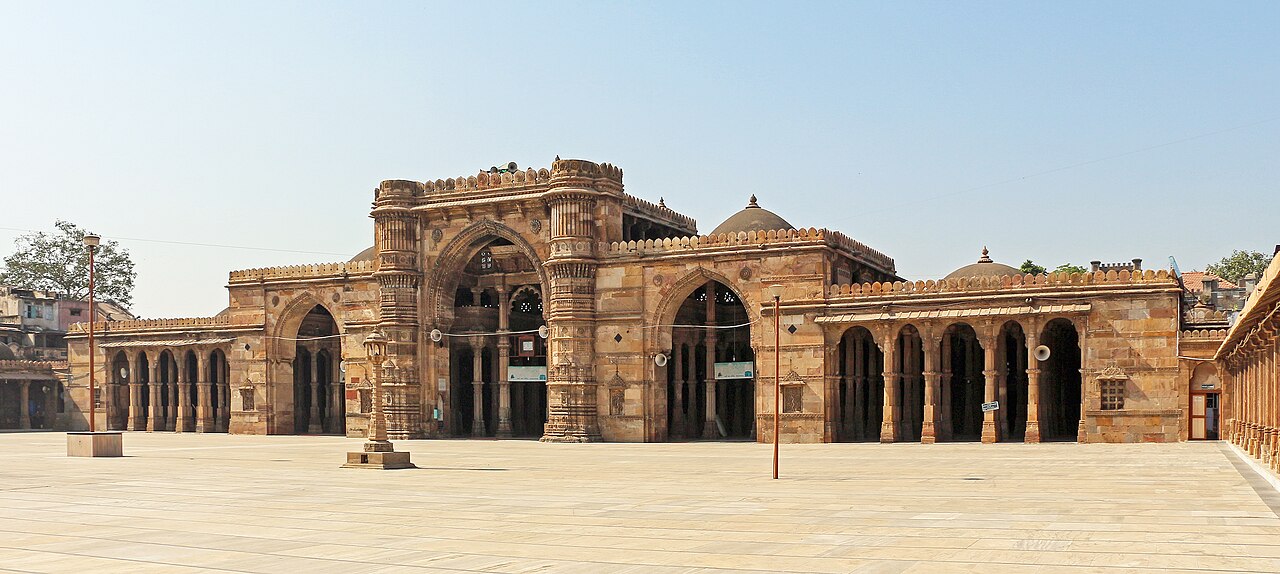
Jama Masjid, Ahmedabad
Mezquita · 700 m · about 12 min walk
 #7 in AhmedabadEntrada gratuita
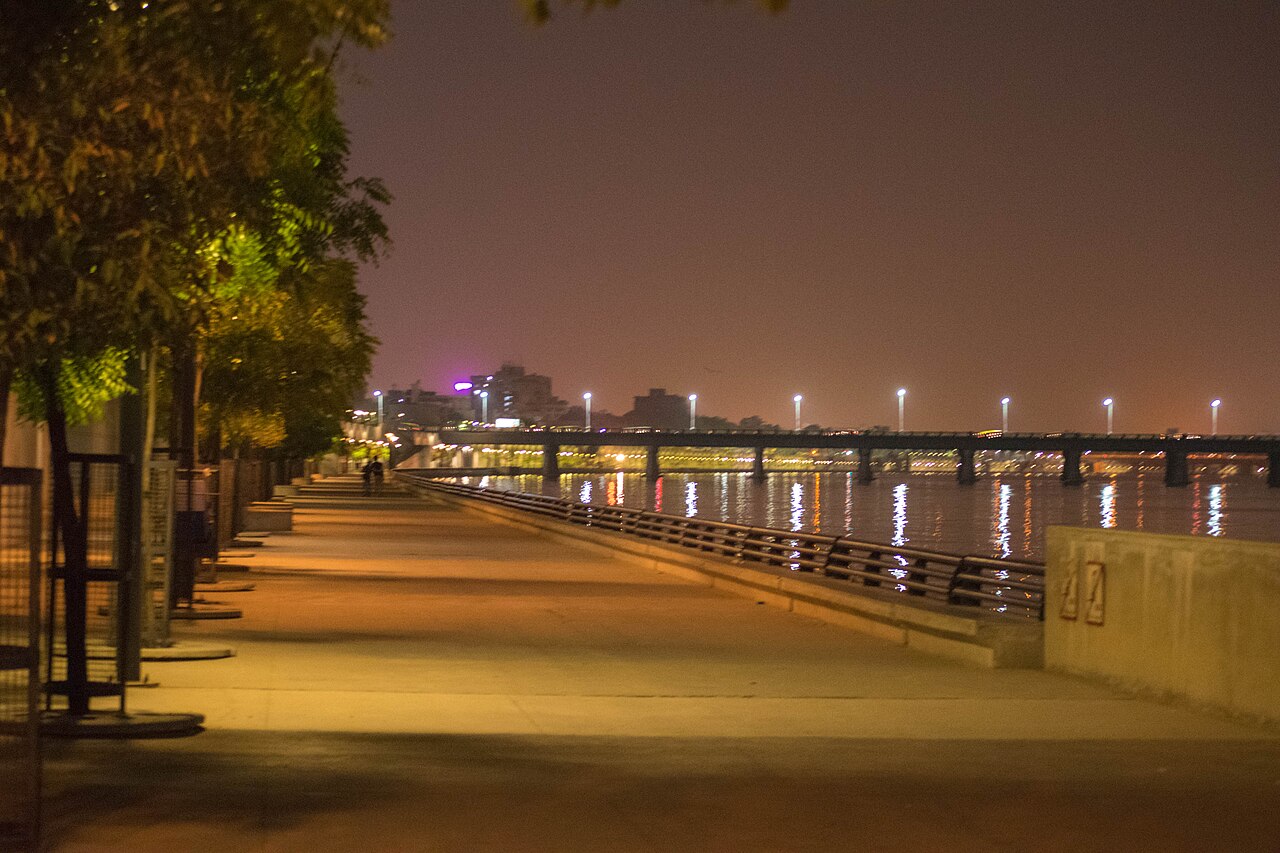
Sabarmati Riverfront
Patrimonio · 1.2 km · about 20 min walk
 #6 in AhmedabadEntrada gratuita
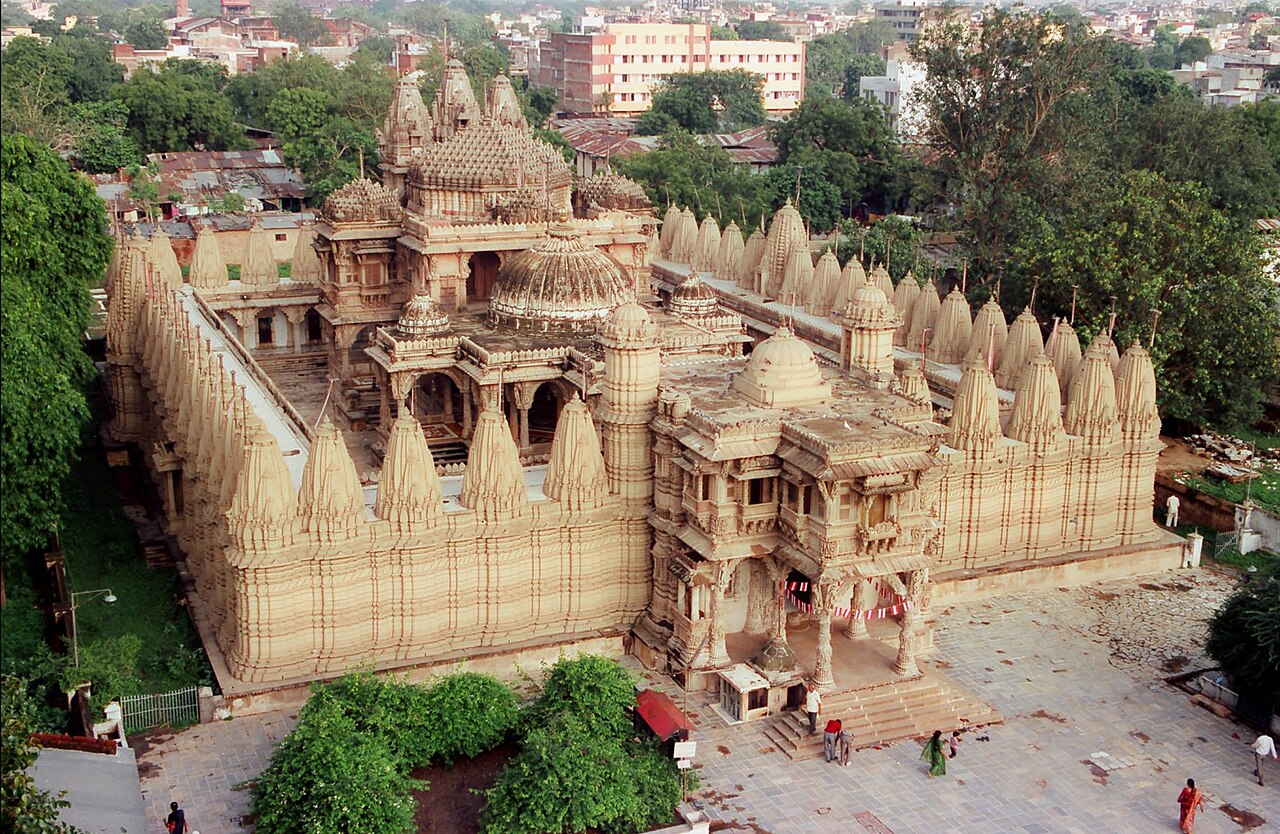
Hutheesing Jain Temple
Templo jainista · 1.8 km · about 29 min walk
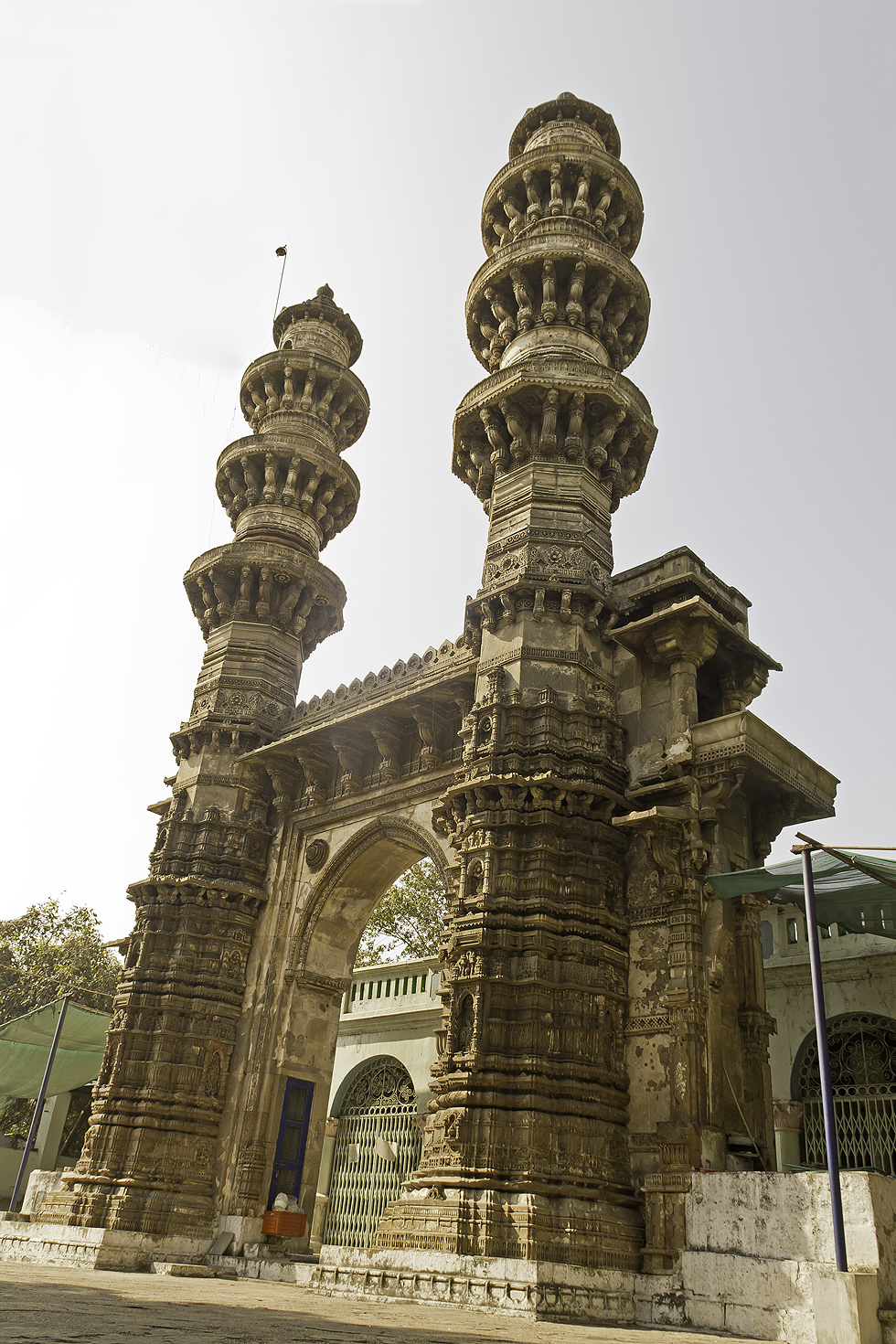 #8 in AhmedabadEntrada gratuita
Jhulta Minar (Shaking Minarets of Sidi Bashir Mosque)
Mezquita · 1.9 km · about 32 min walk