
Kangra Fort
#8de 8 lugares para visitar en DharamshalaDharamshala, Himachal Pradesh
También conocido como Nagarkot Fort · Kot Kangra
Respuesta rápida
Horario: 09:00–17:00. Entrada: ₹25 indios · ₹300 extranjeros. Calcula 2 hrs. Mejor momento: 09:00 – 11:00.
Actualizado el · Redactado por Traveliac, con ayuda de IA · 5 min de lectura
- Horario
- 09:00–17:00
- 09:00 – 17:00 daily (last entry typically 30 minutes before closing)
- Precio de entrada
- ₹25 indios
- Entrada desde
- Tiempo necesario
- 2 hrs
- Mejor momento del día
- 09:00 – 11:00
- Mejores meses
- Mar – Jun, Sep – Nov
- Dirección
- Kangra town, Kangra district, Himachal Pradesh 176001. Kangra Fort is approximately 18–20 km from Dharamshala/McLeod Ganj — plan it as a half-day trip rather than a quick add-on, since the round trip alone runs 1.5–2 hours by road.
Sobre Kangra Fort
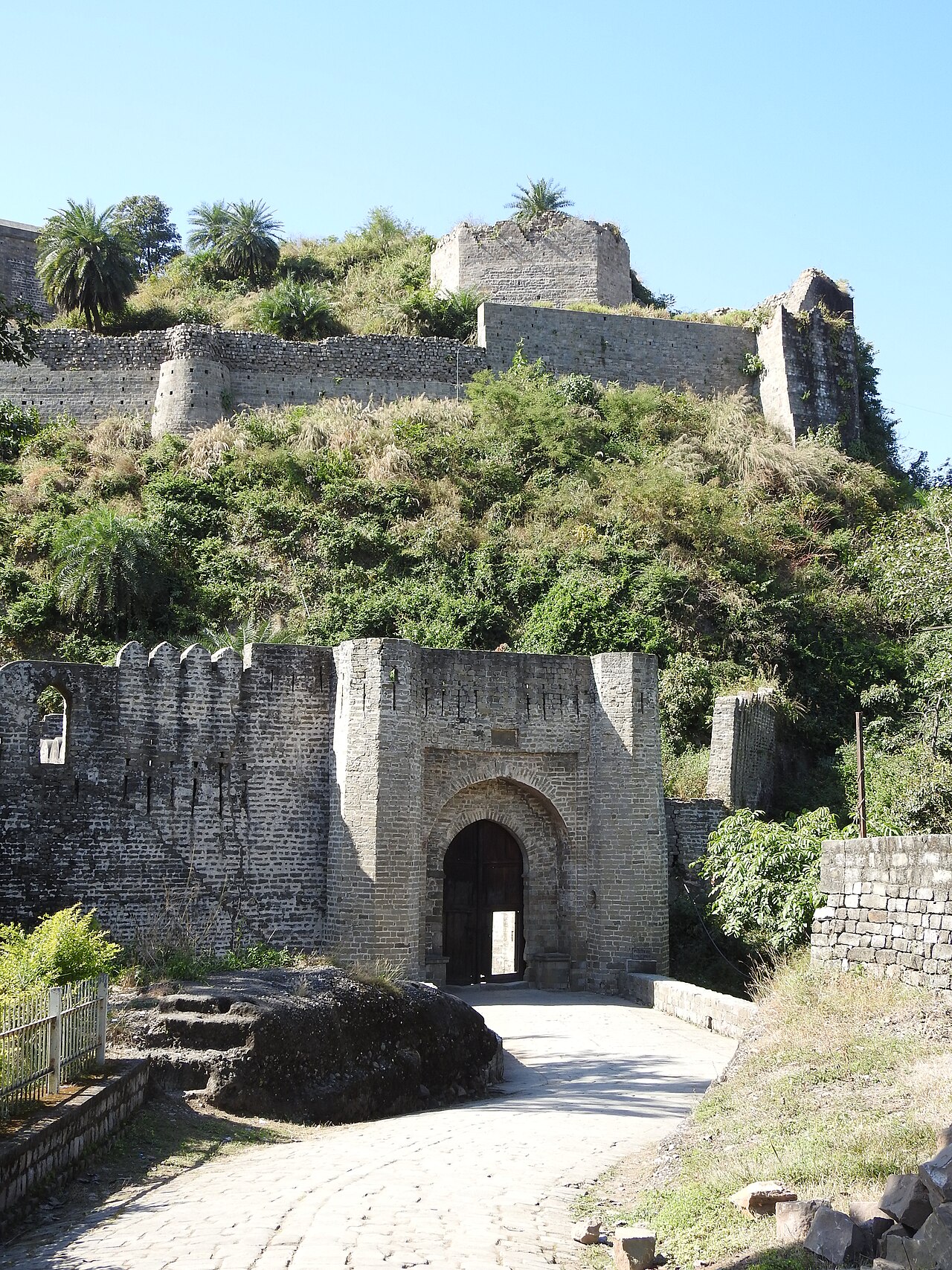
Kangra Fort stands on a rocky spur at the confluence of the Banganga and Patal Ganga rivers, roughly 18–20 km from Dharamshala and McLeod Ganj, and is documented in historical references stretching back nearly 4,000 years, though its earliest surviving built structures — Hindu and Jain temples inside the fort walls — date to the 9th and 10th centuries CE. Built by the Rajput Katoch dynasty, it is described by the Archaeological Survey of India as the largest fort in the Himalayan region, spread across roughly 463 acres of hillside. Kangra Fort's long, layered occupation history is unusually well attested for a Himalayan site: it appears in the chronicles of the 1009 CE raid by Mahmud of Ghazni, and passed subsequently through Delhi Sultanate, Mughal, Sikh, and British control before its final structural blow — the 1905 Kangra earthquake, whose damage is still visible in collapsed sections of the upper ramparts that the ASI has stabilised rather than fully rebuilt.
Mejor momento del día: 09:00 – 11:00. Before the day's heat builds on the largely unshaded stone ramparts and before tour groups arrive from Dharamshala.
Horario de Kangra Fort
- Horario
- 09:00–17:00
Mon–Sun 09:00–17:00 - 09:00 – 17:00 daily (last entry typically 30 minutes before closing)
- Cierra los
- Abierto todos los días
Bueno saber: Monsoon-season rain (July–September) can make the fort's steep, uneven stone stairways slick; carrying sturdy, grip-soled footwear matters more here than at most Himachal monuments given the site's genuine height and drop-offs.
Horario recopilados de hpkangra.nic.in y registros públicos, última actualización el . Pueden cambiar sin previo aviso — confírmalos antes de viajar. Cómo escribimos estas guías
Precio de entrada de Kangra Fort
| Entrada | Precio |
|---|---|
| Visitantes indios | ₹25 |
| Visitantes extranjeros | ₹300 |
| Niños | Gratis |
| Cámara | Gratis |
Entry is ₹25 (cash) or ₹20 (e-ticket) for Indian nationals and ₹300 (cash) or ₹250 (e-ticket) for foreign nationals as of 2026 — verify at the counter, since ASI ticket pricing is revised periodically. Children up to 15 years enter free under standard ASI policy.
Precios recopilados de hpkangra.nic.in y registros públicos, última actualización el . Pueden cambiar sin previo aviso — confírmalos antes de viajar. Cómo escribimos estas guías
Mejor época para visitar Kangra Fort
- Quiet
- Moderate
09:00 – 11:00
Morning OpeningBest time to go
Ticket counter opens with few visitors; cooler temperatures make the steep ramparts climb noticeably more comfortable.
Quiet11:00 – 14:00
Midday Tour Groups
Day-trip groups from Dharamshala and McLeod Ganj arrive; the lower courtyards see the most foot traffic of the day.
Moderate14:00 – 16:00
Afternoon Heat
Direct sun on the largely unshaded upper ramparts discourages casual visitors; crowd levels drop noticeably from the midday peak.
Quiet16:00 – 17:00
Late Afternoon
A smaller wave of visitors arrives for softer light over the river confluence before last entry, typically 30 minutes ahead of closing.
Moderate
Historia de Kangra Fort
Mahmud of Ghazni's 1009 CE raid provides the fort's first firm documentary reference, though the Katoch Rajput rulers who built it trace their own dynastic claims back much further through oral and textual tradition — a chronology that should be read as tradition layered onto a genuinely ancient site rather than a single verified founding date. The Delhi Sultanate captured the fort twice in the 14th century, under Muhammad bin Tughluq in 1337 and Firuz Shah Tughluq in 1351, each time returning it to a degree of local control afterward.
Raja Dharam Chand submitted to Mughal emperor Akbar in 1556, bringing the fort under nominal Mughal suzerainty, but Emperor Jahangir's forces killed Raja Hari Chand in 1620 and annexed the kingdom outright, holding the fort under direct Mughal administration until 1783. Raja Sansar Chand regained control by treaty in 1786, only for Gurkha invasion pressure from the east to weaken his position enough that Maharaja Ranjit Singh's Sikh forces captured the fort in 1809 — Ranjit Singh's own addition, a new entrance gate, was the last major structural change made under any ruling dynasty. The British seized the fort during the First Anglo-Sikh War after a six-week siege in April–May 1846, holding it until the 1905 earthquake rendered much of the upper fort unsafe; the Archaeological Survey of India has managed the site as a protected monument since.
Normas y etiqueta en Kangra Fort
The climb from the ticket counter to the upper ramparts involves genuinely steep, uneven stone stairways without handrails for long stretches — footwear matters here more than the fee or ticket process. The 9th–10th century Jain and Hindu temple remains inside the fort walls are treated as protected archaeological structures rather than active shrines in most cases; check locally before assuming any specific rules around shoes or offerings apply, since active worship practice varies by which shrine is being visited.
Drone photography requires separate ASI permission arranged in advance and is not something that can be improvised at the gate; conventional handheld photography is unrestricted throughout the fort. Licensed guides are available at the entrance for a negotiated fee, useful given how much of the fort's layered Rajput–Mughal–Sikh–British history is not signposted in detail on-site.
Consejos para visitar Kangra Fort
- 1
Combine Kangra Fort with the town's Kangra Art Museum, a short distance away, which holds Kangra-school miniature paintings and sculpture recovered partly from the fort and surrounding temples — a useful complement given how much of the fort's original decorative content was lost to earthquake damage and centuries of conflict. Since the fort sits 18–20 km from Dharamshala, budget the return road time realistically rather than treating it as a quick stop between McLeod Ganj errands.
- 2
Kangra Fort's upper viewpoint over the confluence of the Banganga and Patal Ganga rivers is the single best reason to make the full climb rather than stopping at the lower courtyards, and is at its clearest in the cooler morning hours before haze typically builds over the Kangra Valley by early afternoon.
Cómo llegar a Kangra Fort
La estrella roja es Kangra Fort; los pines numerados son los 1 lugares más cercanos de nuestras guías, cada uno con su clasificación en su ciudad. Toca un pin para ver más detalles.
Kangra town, Kangra district, Himachal Pradesh 176001. Kangra Fort is approximately 18–20 km from Dharamshala/McLeod Ganj — plan it as a half-day trip rather than a quick add-on, since the round trip alone runs 1.5–2 hours by road.Cómo llegar en Google Maps
Desde Dharamshala Bus Stand (lower town)
₹40–₹6018 km · 35–45 min
HRTC bus); ₹500–₹650 (taxi, one-way
Desde McLeod Ganj main square
₹600–₹75020 km · 45–55 min
Taxi, one-way
Desde Kangra Airport, Gaggal (DHM)
₹350–₹45010 km · 20–25 min
Prepaid taxi
Aeropuerto más cercano
Desde Kangra Airport, Gaggal (DHM)
approximately 10 km, 20–25 minutes by road.
Estación de tren más cercana
Desde Kangra railway station, Kangra Valley narrow-gauge line
approximately 3 km. Nearest broad-gauge station: Pathankot Junction – approximately 75 km.
Preguntas frecuentes sobre Kangra Fort
How far is Kangra Fort from Dharamshala and McLeod Ganj?
Approximately 18 km from Dharamshala and 20 km from McLeod Ganj, a 35–55 minute drive depending on the starting point — best planned as a half-day trip rather than a brief add-on.
What is the entry fee for Kangra Fort?
₹25 (cash) or ₹20 (e-ticket) for Indian nationals and ₹300 (cash) or ₹250 (e-ticket) for foreign nationals as of 2026, with children up to 15 years admitted free under standard ASI policy — verify at the counter for current rates.
Who built Kangra Fort?
The Rajput Katoch dynasty built and held the fort for most of its documented history, though the site's earliest surviving temple structures date to the 9th–10th centuries CE and its first firm historical reference comes from Mahmud of Ghazni's 1009 CE raid.
Why is part of Kangra Fort in ruins?
The 1905 Kangra earthquake caused severe structural damage to the upper ramparts and interior buildings; the Archaeological Survey of India has stabilised rather than fully rebuilt these sections, so visible collapse and partial ruin date specifically to that earthquake rather than earlier conflict.
Redactado con ayuda de IA a partir de fuentes oficiales y registros públicos, y publicado solo tras las comprobaciones descritas en Cómo escribimos estas guías. Nadie de Traveliac ha visitado este lugar. Última actualización el . Cómo clasificamos y verificamos los lugares
Lugares para visitar cerca de Kangra Fort
Distancias en línea recta según nuestro mapa; los tiempos son estimados.
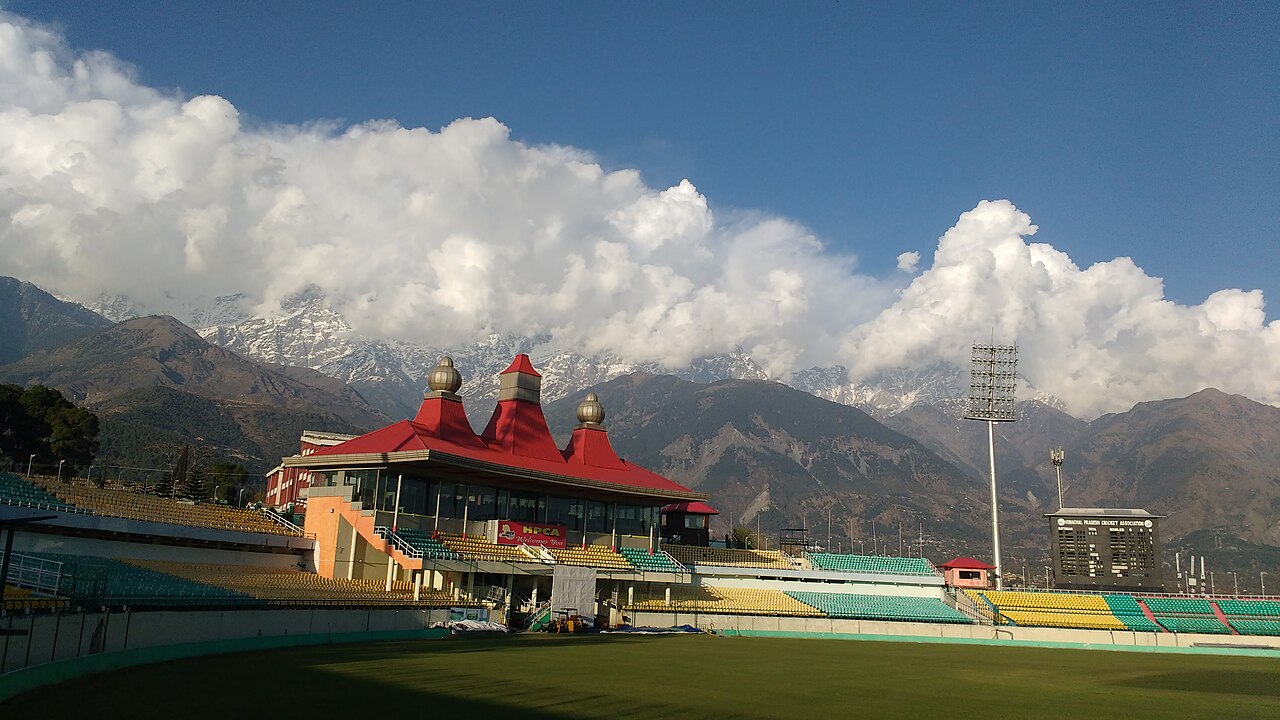 #7 in Dharamshala
Dharamshala Cricket Stadium
Patrimonio · 14 km · about 45 min by road
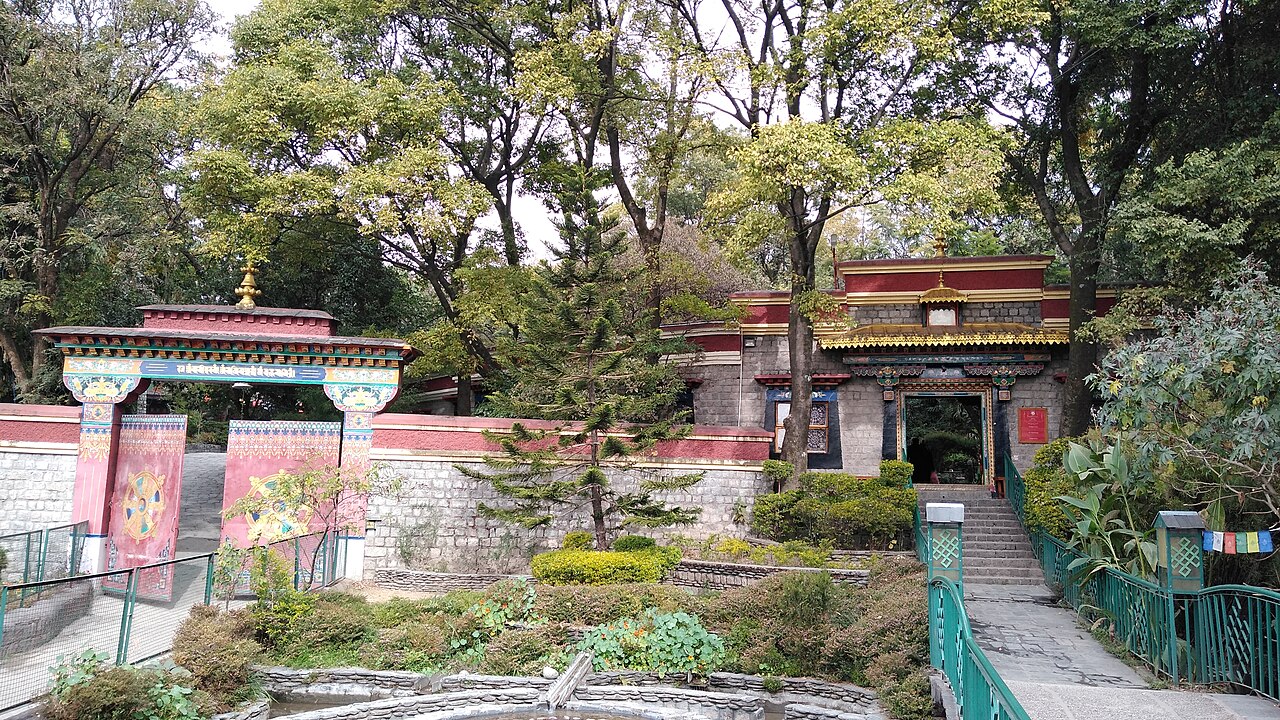 #6 in Dharamshala
Norbulingka Institute
Museo · 15 km · about 50 min by road
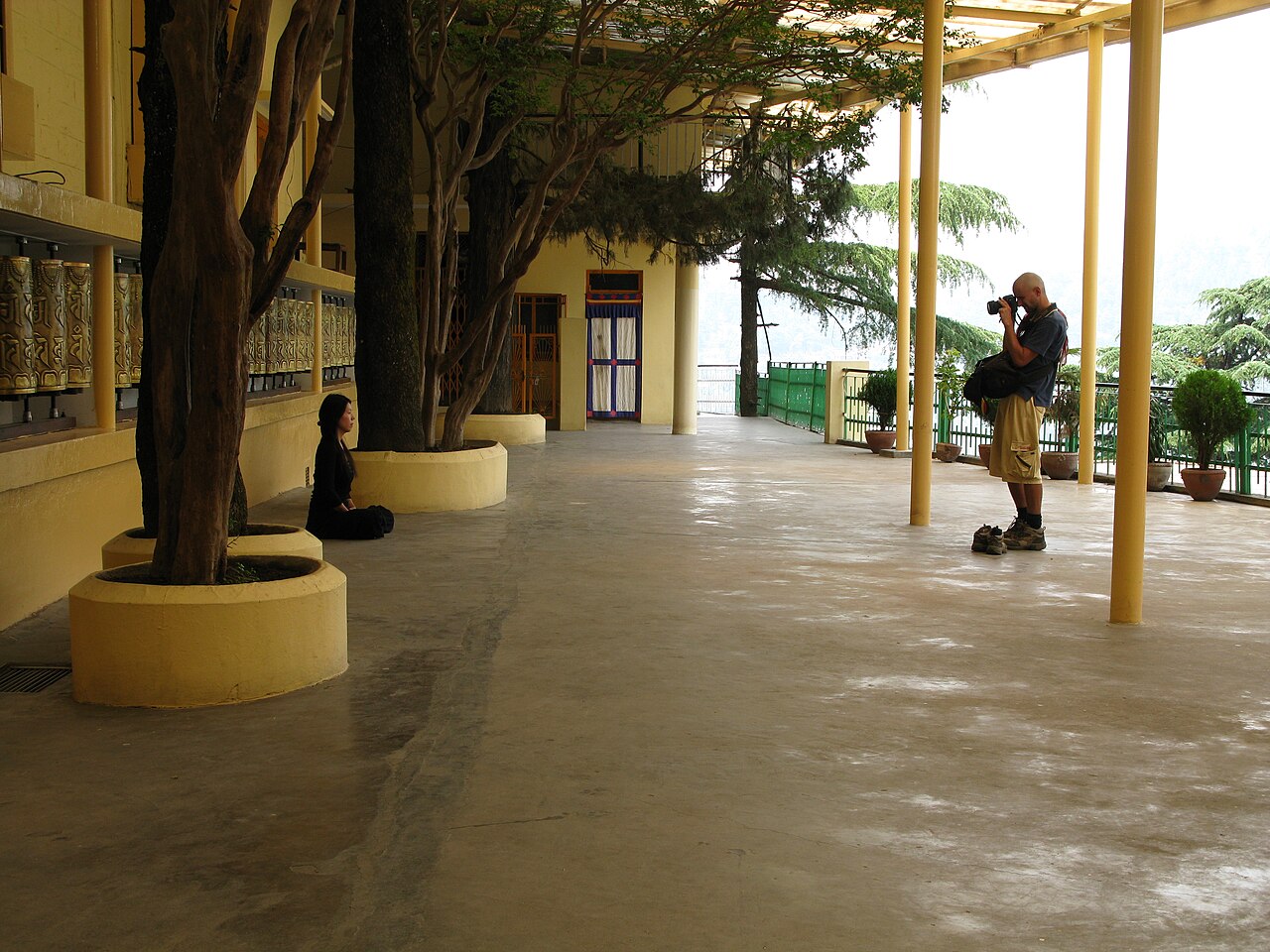 #3 in DharamshalaEntrada gratuita
Namgyal Monastery
Monasterio · 17 km · about 55 min by road
 #1 in DharamshalaEntrada gratuita
McLeod Ganj
Sitio budista · 18 km · about 55 min by road